REVIEW · LISBON
Lisbon: Full Day Tour to Fátima, Batalha, Nazaré and Óbidos
Book on GetYourGuide →Operated by LISBOA AUTÊNTICA LDA · Bookable on GetYourGuide
A day trip can feel like a whole chapter. This one strings together Fátima and the Monastery of Batalha with a seaside lunch stop and a fairy-tale finish in Óbidos. The driving is paced by a live guide, so you spend more time noticing and less time figuring out.
I like how the tour is built around guided time at the big spiritual and architectural anchors, then turns looser for views and wandering. One thing to consider: meals aren’t included, so you’ll want a lunch plan (or bring a snack) for a full 9-hour day.
In This Review
- Quick reasons I’d pick this tour
- Lisbon to Fátima and back: why this route works
- The morning drive: Lisbon pickup and time on the road
- Fátima’s sanctuary: what you’ll actually see (and why it matters)
- Batalha Monastery: Portuguese architecture you can feel in your feet
- Nazaré: a calm lunch break with Atlantic views
- Óbidos at the end: walls, cobblestones, and cherry liquor
- What $116 buys you (and whether it’s good value)
- Live guides and language: what to expect in real life
- Is this tour for you? A simple fit check
- Should you book this Fátima-Batalha-Nazaré-Óbidos day tour?
- FAQ
- How long is the tour?
- Where do you get picked up in Lisbon?
- What major stops are included?
- Does the tour include meals?
- Is there sour cherry liquor included?
- Are ticket lines skipped?
- What languages does the guide speak?
Quick reasons I’d pick this tour
- Skip-the-ticket-line entry helps you start seeing the sights faster
- Fátima’s sanctuary route covers the Chapel of Apparitions, the main basilica area, and the Holy Trinity basilica
- Batalha Monastery is treated as more than a photo stop, with guided time in the church and tomb areas
- Nazaré lunch by the Atlantic gives you the coast views and a slower pace without losing momentum
- Óbidos sour cherry liquor tasting turns the final stroll into a fun, easy tradition to try
- Small-group or private options can make this feel personal instead of rushed
Lisbon to Fátima and back: why this route works
If you want a Portugal sampler that hits three very different sides of the country in one day, this tour makes sense. You get a moving pilgrimage setting at Fátima, a powerhouse of Portuguese Gothic at Batalha, and then a coast-and-cobbles finish that’s pure sightseeing joy in Nazaré and Óbidos.
What I appreciate is the mix of guided and free time. The major sites get explanation so you know what you’re looking at, and then you’re released long enough to enjoy the place instead of just passing through it.
A 9-hour day is still a day. You’re going to be on the road for a while, and you’ll want comfy shoes—especially for Óbidos’ medieval streets.
A few more Lisbon tours and experiences worth a look


The morning drive: Lisbon pickup and time on the road
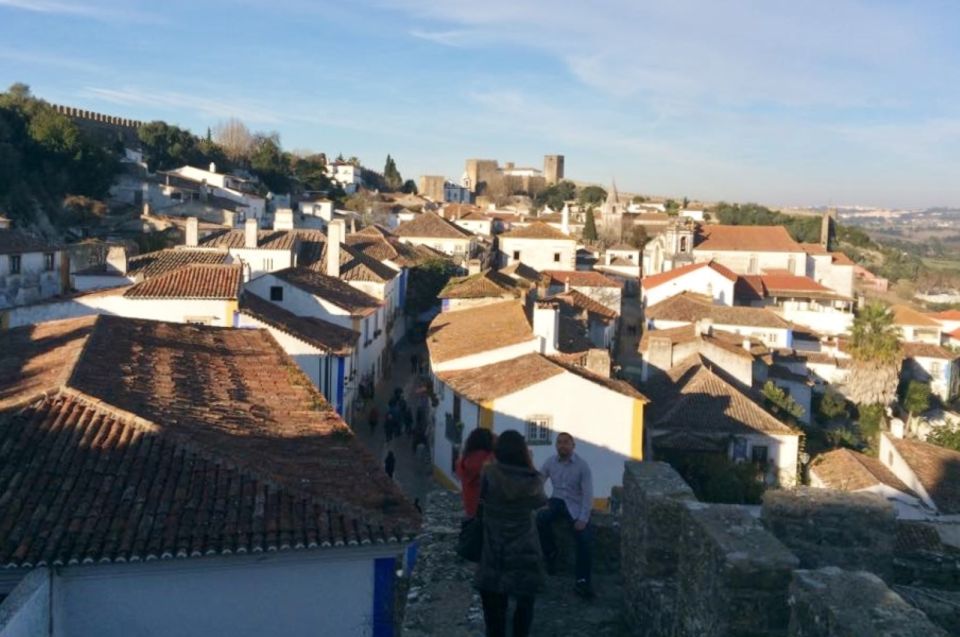
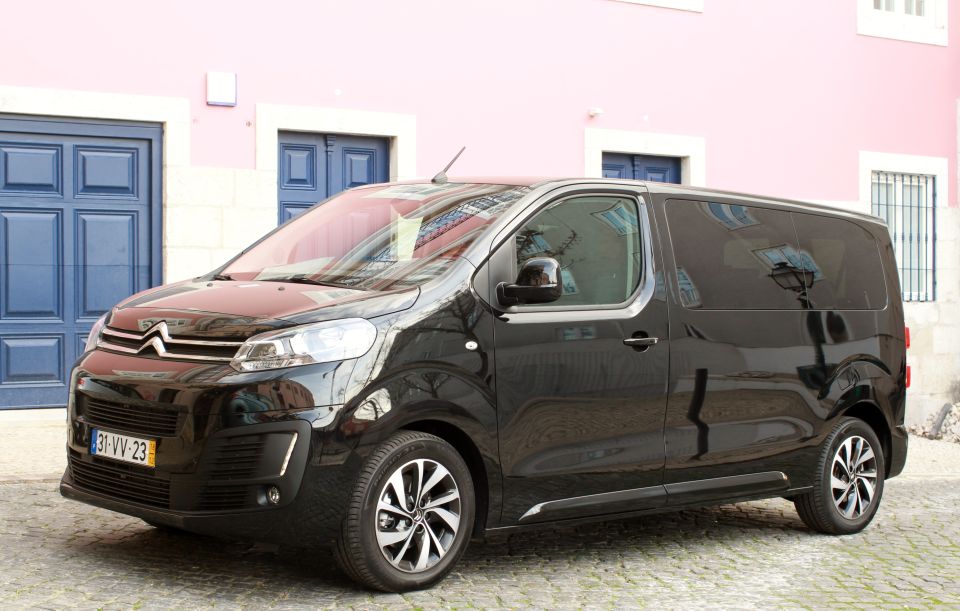
The day starts with pickup from your hotel lobby in Lisbon. That matters because it cuts down on early stress—no hunting for meeting points with a suitcase and tired feet.
Once you’re in the van, you’re on the way to Fátima with enough travel time that the day doesn’t feel like constant stop-and-go. One detail worth noting: the drive segment is listed at about 1.5 hours, so the schedule is designed with real transit time baked in.
If you’re the kind of traveler who likes to use travel time wisely, bring something for the ride: water, a light layer (van air-conditioning can be intense), and maybe a map offline so you can follow along.
Fátima’s sanctuary: what you’ll actually see (and why it matters)
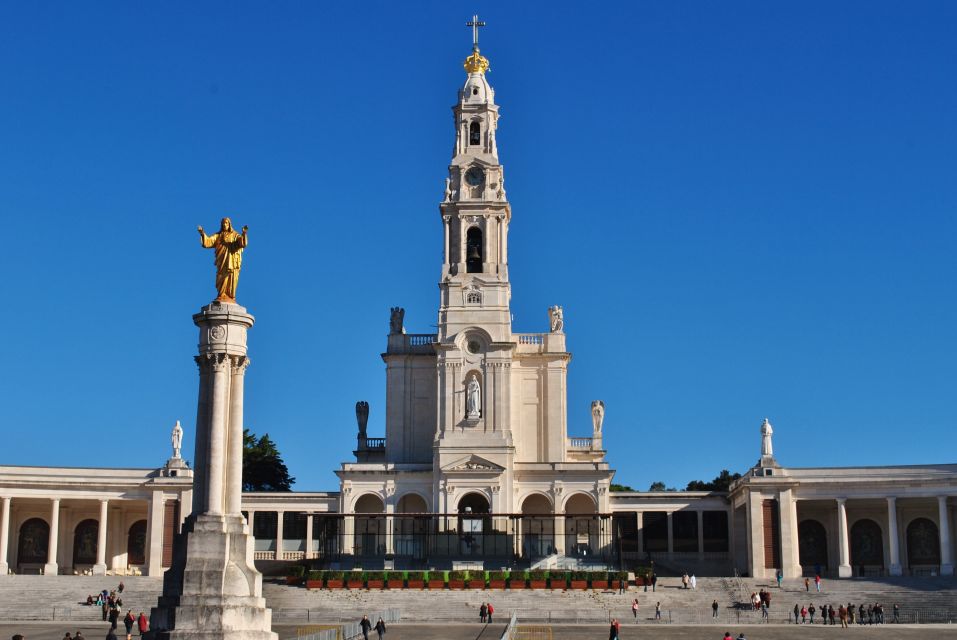
Fátima is the heart of the day, and the tour treats it like more than a quick walkthrough. You start with a guided visit that focuses on the 1917 events when three shepherd children reported seeing the Virgin Mary.
Here’s what you can expect to experience on-site:
- A stop at the Chapel of Apparitions, the spot tied to the iconic moment
- Time at the Basilica of Our Lady of the Rosary, including the area where the shepherds are memorialized
- A visit to the more modern Basilica of the Holy Trinity
The value isn’t just that these buildings are famous. It’s that the guide gives you the storyline, so you’re not standing in a major complex wondering where to look next. Fátima works best when you understand the layout and the significance of each stop, and this tour is set up for that.
Also, you’ll get more than a checklist. In past tours, guides with names like Andre, Luis, and Beatrice have been singled out for making the day feel respectful and personal, even when the group size gets small. You might even get language tips along the way—some guides go beyond facts and comment on how Portuguese sounds and feels.
Tip for your visit: give yourself a quiet moment. If you’re coming for history, you’ll find it here. If you’re coming for faith, this is the place where that faith is felt in the atmosphere.
Batalha Monastery: Portuguese architecture you can feel in your feet
Next comes Batalha, where the star is the Monastery of Batalha. This is one of those places where you can tell it was made with ambition—stonework, scale, and detail that make you slow down without trying.
You’ll learn the basic historical reason it was built: King John I ordered it as a celebration after Portugal’s independence was protected, specifically linked to the Battle of Aljubarrota against Spain. That context helps a lot. When you understand the purpose, the monastery becomes more than impressive architecture—it becomes a national statement.
Inside, the guided visit includes the tombs of:
- the King and his wife
- their children (including sons and daughters)
- and the famous tomb of Prince Henry the Navigator, connected to the Discoveries period
If you care about art and architecture, you’ll probably feel that this is the strongest “wow” stop of the day. Not because it’s loud, but because it’s dense with meaning and craftsmanship.
One practical note: this is the kind of site where you want to look up and around, not just forward. Wear shoes you can stand in comfortably.
And yes—photos will be tempting. You’ll still want to give the guide your full attention, because the whole point is understanding what you’re seeing.
Nazaré: a calm lunch break with Atlantic views
Then the tour shifts toward the coast with a stop in Nazaré. This is where the day gets breathing room.
Nazaré is described as a quiet traditional fisher village near the Atlantic, and that’s exactly the feel you’re aiming for at lunch. The tour gives you free time, so you can choose how to spend it—eat, stroll, and soak up sea views without the pressure of another immediate must-see building.
In the best versions of this tour, the lunch part matters as much as the sightseeing. Guides such as Lewis and Luis have been praised for picking a solid spot for lunch with strong food and great positioning. You can use that as a cue: ask your guide where to go, then follow the suggestion instead of letting hunger make decisions for you.
Because meals aren’t included, you’ll want to budget for lunch here. If you know you get hangry on long days, this is the moment to treat lunch as part of the experience, not an afterthought.
If the weather turns, don’t panic. The coast is still worth seeing, even on a gray day. The Atlantic has a way of making the views dramatic without needing sunshine.




Óbidos at the end: walls, cobblestones, and cherry liquor
The final stop is Óbidos, a town with a medieval look wrapped in old walls. By the time you reach this stage, you’ve already done a lot of guided content—so Óbidos works as a payoff: walk at your own pace, take photos, and enjoy the town’s easy charm.
What you’ll enjoy most is the ability to wander. The streets are made for slow strolling, and the walls help make it feel like a small world. You’re not rushing from building to building here.
And then there’s the sweet-and-sour tradition: the tour includes a tasting of sour cherry liquor. This is sold around town, and trying it is the simplest way to turn sightseeing into a small memory you can taste.
One caution: because Óbidos is a walking town, plan for uneven pavement and plenty of steps. If you’re sensitive to mobility issues, note that the tour is listed as not suitable for people with mobility impairments, so you may want to choose a different format.
What $116 buys you (and whether it’s good value)
At $116 per person for a 9-hour day, the price is less about a single ticket and more about the whole package of time, guidance, and transport.
Here’s why it can be good value:
- You get hotel pickup and drop-off in Lisbon, so you’re not paying taxi rates to make this long loop happen
- You get guided time at Fátima and Batalha, which is where context turns a visit from surface-level to meaningful
- You get skip-the-ticket-line, which saves time at sites that can get busy
- You get a small, structured route, plus a sour cherry liquor tasting at Óbidos
Where value can feel lower for some people: if you don’t like guided tours and would rather spend the day self-directed, the day might feel scheduled. And since meals aren’t included, you’ll pay extra for lunch in Nazaré.
But if you’re the kind of traveler who wants an efficient route with strong guidance, this price is in line with what you’d pay for similar “big sights in one day” programs—especially with pickup and timed stops.
My advice: treat lunch as part of the cost of the day, then compare total spend. If you like the mix of serious history plus relaxed wandering, you’ll likely feel good about it.
Live guides and language: what to expect in real life
This tour runs with a live tour guide, and the listed languages are Italian, Spanish, German, English, and French. That’s a practical range, especially if you’re traveling with someone who prefers another language.
In past experiences tied to this tour, guides have been praised by name—like Andre, Lewis, Luis, Beatrice, Stefano, Gustafa, and Jaime—with compliments focused on how safe and cared-for people felt, plus the ability to explain what you’re looking at.
If you’re someone who likes a bit of personality in a tour (not just lecture mode), this is one of the strengths. People also mention that some guides provide extra tips beyond the sites themselves, like helping you know where to go in Fátima so you can explore with confidence during your allotted time.
Is this tour for you? A simple fit check
I think this tour fits best if you:
- want Fátima, Batalha, Nazaré, and Óbidos in one managed day
- like guided context at the big stops, then freedom to wander at the end
- don’t want the hassle of coordinating transport across multiple towns
It may not be the best choice if you:
- have mobility limitations, since the tour is listed as not suitable for people with mobility impairments
- need meals included (they’re not included, so you’ll pay for lunch)
- dislike long days with lots of walking in old towns
Should you book this Fátima-Batalha-Nazaré-Óbidos day tour?
If you’re visiting Lisbon and you want one day that feels balanced—spiritual history, major architecture, coastal calm, and a medieval walk with a fun drink—this is a strong pick. The combination of guided time at Fátima and Batalha plus free time in Nazaré and Óbidos is what makes it work.
I’d book it if you value a clear route and a guide who helps you make sense of what you’re seeing. I’d skip it if you’re looking for a purely independent day with meals handled for you, or if mobility is a concern.
If you can, wear comfortable shoes and plan for lunch spending in Nazaré. That way, the whole day stays smooth.
FAQ
How long is the tour?
The tour is listed as a 9-hour full-day experience.
Where do you get picked up in Lisbon?
Pickup is available from your hotel lobby in Lisbon.
What major stops are included?
You’ll visit Fátima, Batalha (including the Monastery), Nazaré, and Óbidos.
Does the tour include meals?
No. Meals aren’t included.
Is there sour cherry liquor included?
Yes. There is a sour cherry liquor tasting in Óbidos.
Are ticket lines skipped?
Yes. The tour includes skip-the-ticket-line.
What languages does the guide speak?
The guide is listed as available in Italian, Spanish, German, English, and French.