REVIEW · LISBON
From Lisbon: Fátima, Batalha, Nazaré & Óbidos Full-Day Tour
Book on GetYourGuide →Operated by Around Lisbon Tours · Bookable on GetYourGuide
Big Portugal stories fit in one minivan ride. This full-day loop from Lisbon strings together Fátima Sanctuary, Batalha Monastery (UNESCO), the surf town of Nazaré, and walled-medieval Óbidos in about 8 hours. I really like how the day balances big ideas (faith, battle, legend) with actual places you can walk.
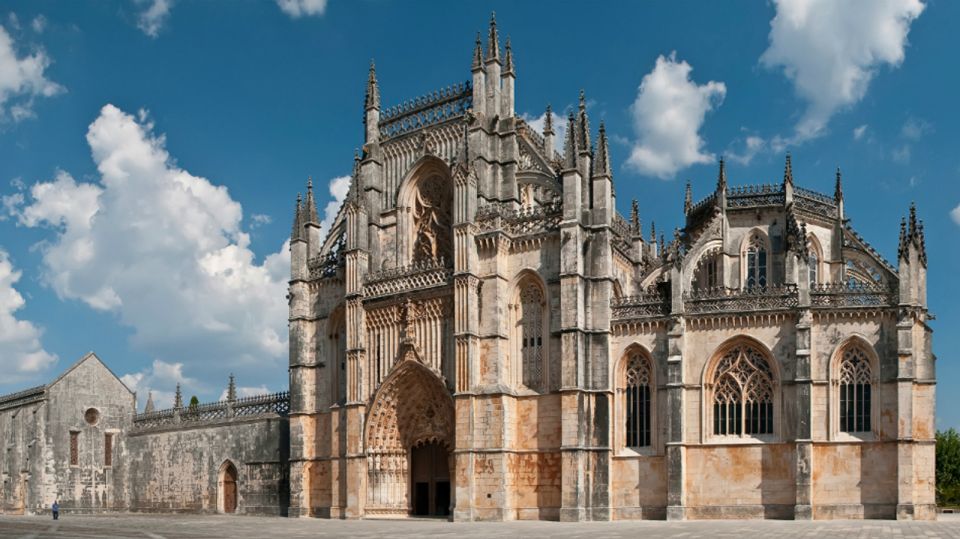
I’m especially taken with Batalha Monastery, the late-Gothic masterpiece you visit in the middle of the day. It’s not just pretty architecture, either: it was built to commemorate the 1385 battle of Aljubarrota, and its formal name is Mosteiro de Santa Maria da Vitória.
One thing to keep in mind: the schedule is packed. If you want lots of slow time at any one stop, you might feel the pinch, and lunch is on your own—so meal timing can quietly steal minutes.
In This Review
- Key highlights worth planning for
- The Route: Lisbon to Fátima, Batalha, Nazaré, Óbidos in 8 Hours
- Fátima Sanctuary: Miracles, Meaning, and the 1917 Story
- Batalha Monastery: Late-Gothic Architecture That Remembers a Battle
- Nazaré: Fishermen, a Virgin Legend, and Surf Lore Up the Coast
- Óbidos: Cobblestones, Castle Walls, and the Ginjinha Ritual
- Guides, Group Size, and How the Day Stays Relaxed
- Price and Value: Is $94 Fair for This Big Four-Stop Day?
- Practical Tips: What to Bring and How to Make the Most of Each Stop
- Should You Book This Lisbon Day Trip?
- FAQ
- How long is the tour?
- Is hotel pickup and drop-off included?
- What’s included in the price besides transportation?
- Is lunch included?
- What languages is the guide available in?
- What do I need to bring?
Key highlights worth planning for
- Fátima’s 1917 apparition story told on-site at the Sanctuary, where devotion has a real, lived-in presence
- UNESCO Batalha Monastery and its late-Gothic design, tied to the Battle of Aljubarrota
- Nazaré’s cliff-and-chapel legend plus the town’s big-wave surfing identity
- Óbidos behind ancient walls, with cobblestones, whitewashed houses, and artisan browsing
- Ginjinha tasting in Óbidos, a small ritual that feels very local
The Route: Lisbon to Fátima, Batalha, Nazaré, Óbidos in 8 Hours
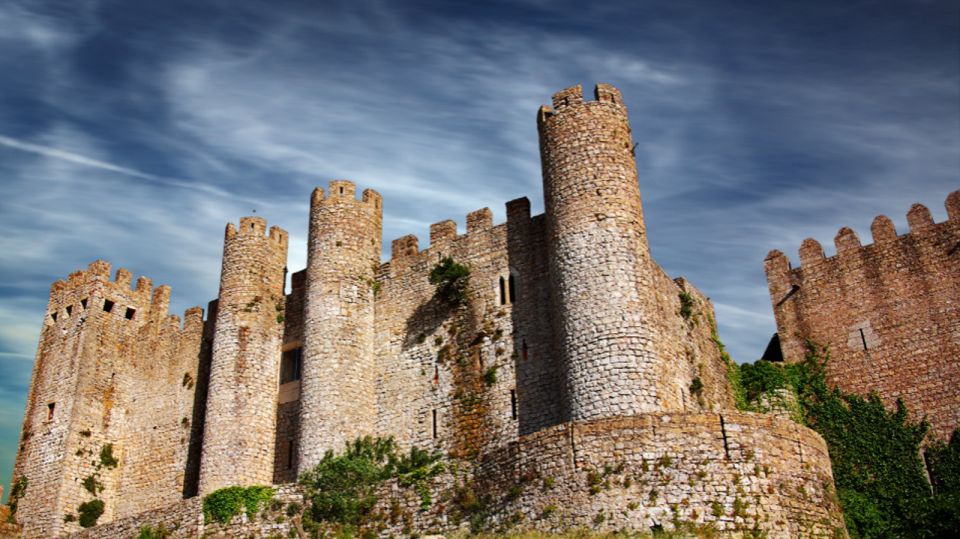
This tour is built as a northbound day trip: you leave Lisbon, drive about 115 km, and spend the day hopping between four very different Portuguese worlds. You’re in an air-conditioned minivan with Wi-Fi onboard, and you get hotel pickup and drop-off, which is a big deal on a day like this.
The timing works best if you’re the type of person who likes a full day of “see it, learn it, move on.” You’ll get guided context at each stop and then some breathing room to wander. The group size can be private or small, and that tends to make the day feel less like a factory line.
A few more Lisbon tours and experiences worth a look


Fátima Sanctuary: Miracles, Meaning, and the 1917 Story
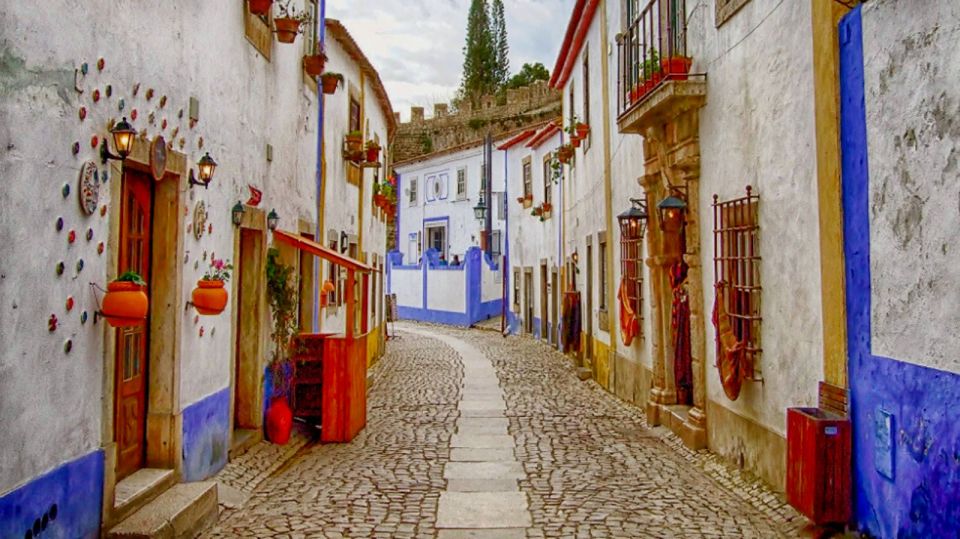
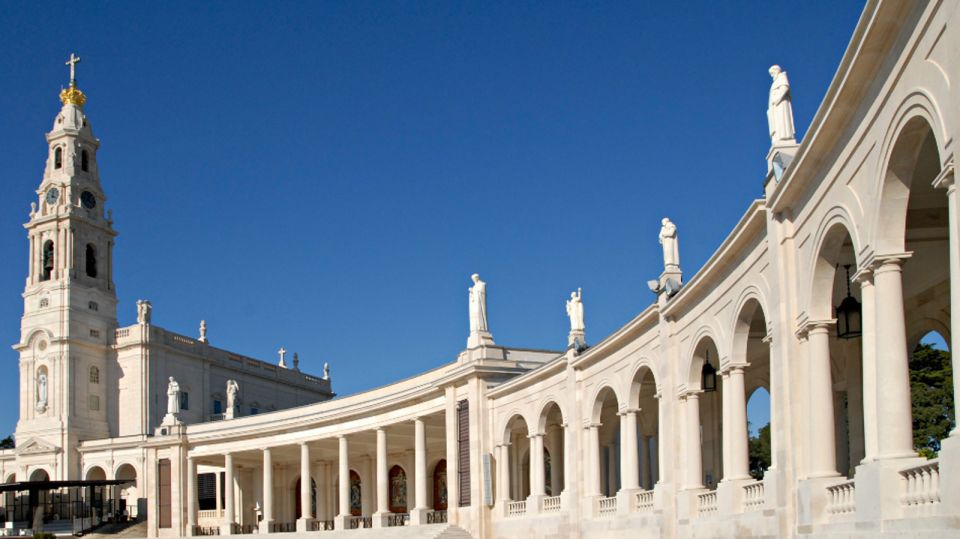
Fátima is one of those places that affects people even if they’re not looking for religious sights. The Sanctuary has a unique ambiance of devotion, and that comes through whether you’re a believer or just curious. The setting makes the story feel less like a distant legend and more like something people still live around.
What you’ll hear is the legend of the Virgin Mary’s apparitions to three shepherd children back in 1917. The tour frames it as the origin of one of Portugal’s most adored devotions: Our Lady of Fátima. I like that the guide doesn’t just recite facts. They explain the background in a way that helps you understand why so many visitors come back year after year.
Practical note: plan on comfortable shoes and expect crowds during peak visiting times. Also, if you prefer quieter experiences, the early part of the day tends to be your best window.
Batalha Monastery: Late-Gothic Architecture That Remembers a Battle
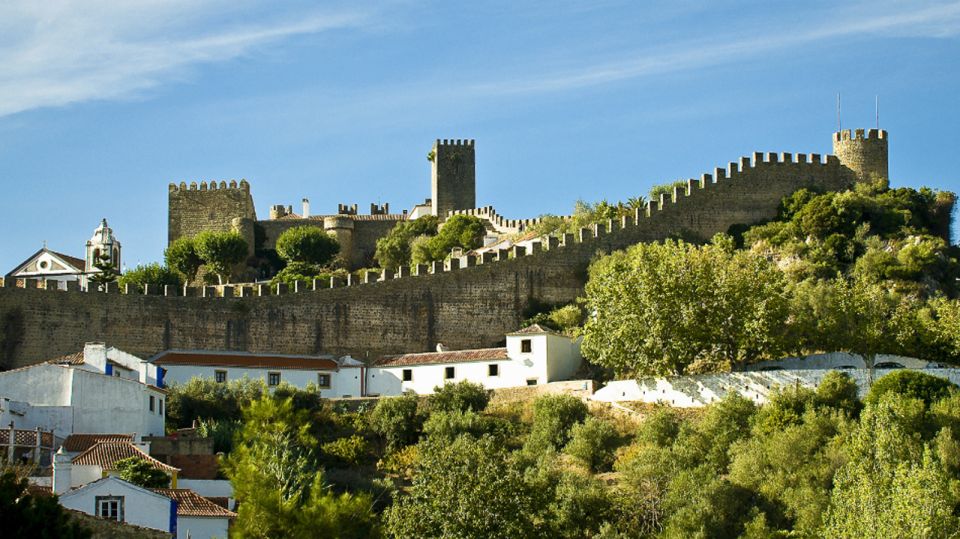
Batalha Monastery is the architectural “middle weight” of the day. It’s a UNESCO World Heritage Site and also widely described as one of Portugal’s best examples of late Gothic architecture from the 14th century. Even if you’re not an architecture nerd, the building has that cathedral-level sense of purpose.
Here’s the connection that makes the visit more than sightseeing: the monastery was built to commemorate the 1385 battle of Aljubarrota against the Castillians. Its original name is Mosteiro de Santa Maria da Vitória (Monastery of Saint Mary of the Victory). That detail matters because it gives you a lens—this isn’t just stonework, it’s memory turned into monument.
During the guided portion, pay attention to how the church and surrounding structures fit together. Reviews also highlight that the best guides weave the legends and historical context together while you’re in motion, not only at the stops. That’s one of the reasons Batalha tends to land as a standout even for people who didn’t expect to care much about monasteries.
Nazaré: Fishermen, a Virgin Legend, and Surf Lore Up the Coast

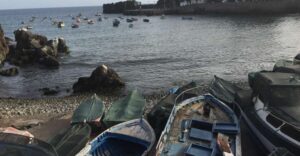
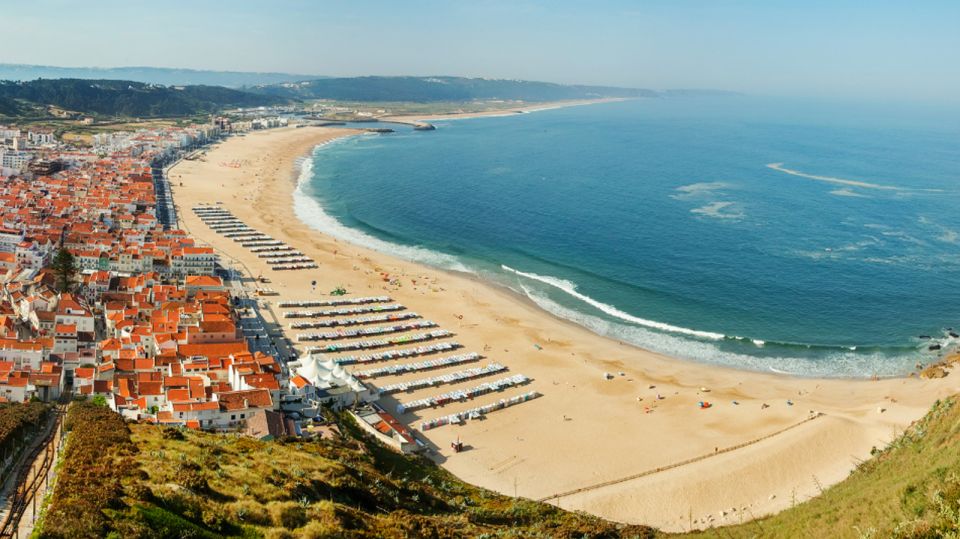
Nazaré is where Portugal turns seaside and storybook at the same time. You’ll stop in a quaint fishing village with fishermen hauling in fresh catches from the ocean. If you arrive hungry, the town is set up for it, and lunch is typically where that energy hits hardest.
Lunch is not included, so eat accordingly. A slower restaurant experience can eat into your free time, and some people find they want more time just for the views. Still, even with the limited window, Nazaré is one of the most photogenic stops on the route.
What you’ll hear from your guide is also the local legend tied to the Virgin Mary’s miraculous intervention in 1182. It’s the story of Dom Fuas Roupinho, a Portuguese knight (possibly a Templar), who was saved from falling about 100 meters down a cliff while hunting deer in dense fog. A chapel was built on that location, and you’ll visit the Church of Nossa Senhora da Nazaré as part of the experience.
Then there’s the surf identity: Nazaré is known as the capital of big wave surfing, including the record of the largest wave ever ridden—about 24 meters—set in 2011. Even if you’re not into surfing, the town’s reputation helps you see why the ocean dominates everything here.
If you want the best payoff, bring your patience for wind and salt air. And if you’re hoping to look over the water longer, plan to use your free time for viewpoints rather than only for a meal.
Óbidos: Cobblestones, Castle Walls, and the Ginjinha Ritual
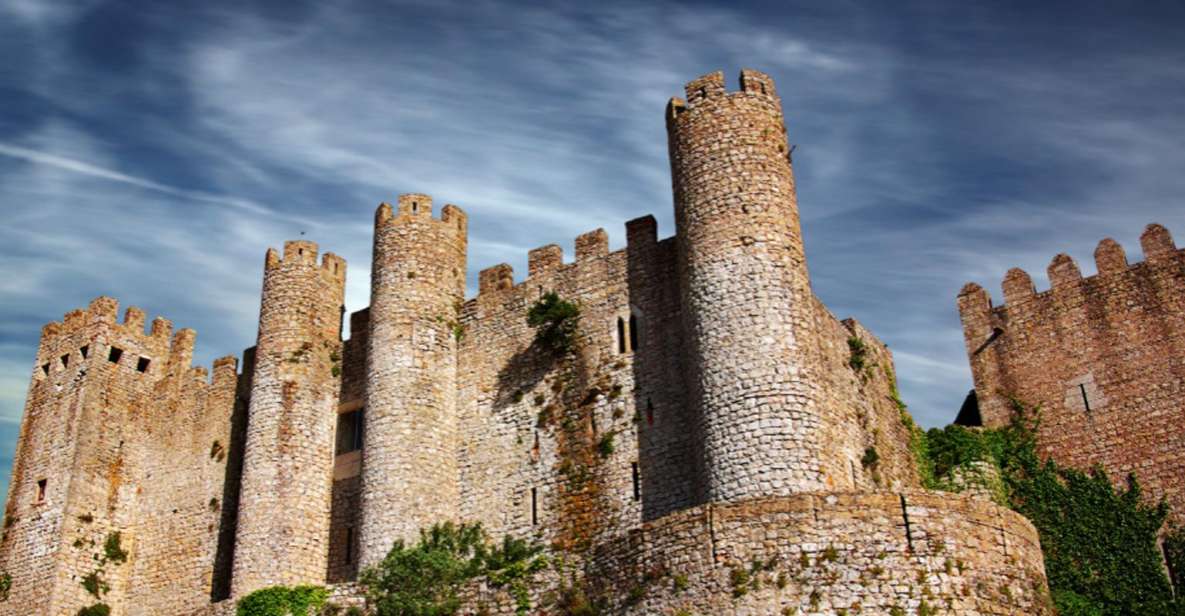
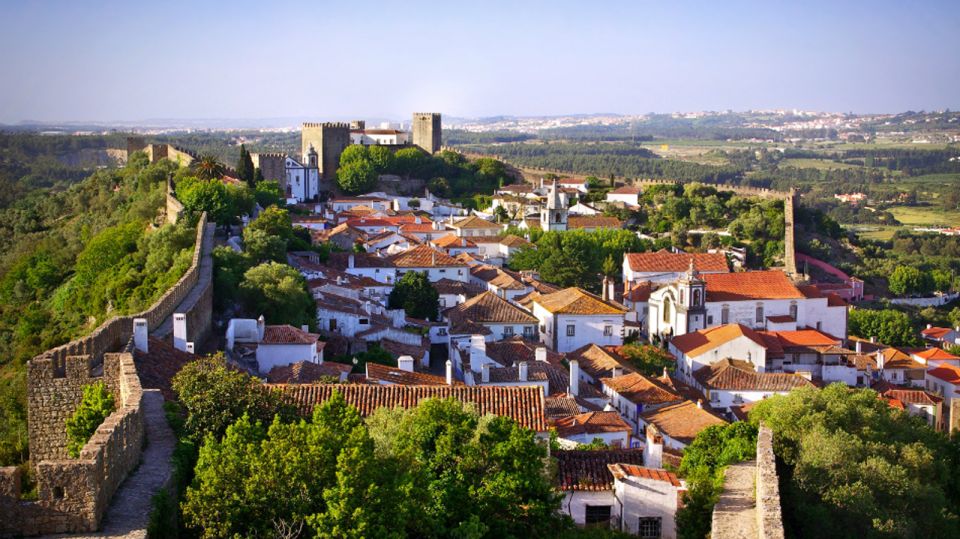
Óbidos is where the day often becomes genuinely fun. The town sits inside ancient walls, and walking in feels like stepping into a medieval postcard that’s still alive. You’ll wander through cobbled streets lined with whitewashed houses and find artisan shops tucked along the edges.
This stop also has a strong “sensory” highlight: tasting ginjinha (cherry liqueur). It’s included, and it’s one of those things that feels small but memorable. You’ll likely see it served in a classic style in Óbidos, and it becomes a quick way to connect the town’s reputation to something you can taste.
One more detail that boosts the charm: Óbidos once belonged to Portuguese queens, and that royal connection helps explain why it’s treated as a special destination. I like that this portion of the day isn’t only about legends and big dates. It’s about atmosphere you can walk through at your own pace.
If you’re short on time for photos, start near the walls and then work your way deeper into the lanes. The views from the perimeter paths tend to pay off fast.




Guides, Group Size, and How the Day Stays Relaxed
The experience gets its quality from the guides. Names that come up again and again in guide feedback include Nuno, Iovana, Joana, Tiago, Oriana, Philip, Diego, and Iago. What they share is a style: they explain the stories behind each place and then connect those stories to what you can actually see.
You’ll also feel the benefit of a small-group setup. Some people end up with tiny groups, and that makes it easier to get answers and adjust pace without drama. Several notes also mention guides offering help on timing and where to look, which matters when you’re moving between four towns in one day.
There’s also a safety-and-comfort factor. The minivan transport is air-conditioned, and guides/drivers are consistently described as careful with smooth timing. That doesn’t mean the day isn’t long, but it does mean you’re not fighting transport stress on top of everything else.
Price and Value: Is $94 Fair for This Big Four-Stop Day?

At $94 per person for about 8 hours, this isn’t a cheap sightseeing add-on. But it also isn’t just a “van ride with stops.”
Here’s what supports the value: hotel pickup and drop-off, a live guide, air-conditioned minivan transport (with Wi-Fi), and a free bottle of water. You also get included visits connected to the church focus in Nazaré, plus the ginjinha tasting in Óbidos. Accident and liability insurance is also included.
Lunch and drinks are not included, so you should budget for at least one meal outside. That’s often the main extra cost that can surprise people. Still, when you compare this to driving yourself or piecing together separate guides, the “one guided day across four major destinations” structure is the whole point.
If you only care about one stop, it may feel overpriced. But if you want a guided, high-coverage overview—Fátima, UNESCO architecture, Nazaré by the sea, and Óbidos at the end—this price starts to look like a practical deal.
Practical Tips: What to Bring and How to Make the Most of Each Stop
A few small choices make this day smoother:
Bring:
- A passport or ID card
- Comfortable shoes (you’ll walk cobblestones and church areas)
Know before you go: pick-up timing is confirmed within 48 hours of the tour start. Masks are mandatory inside vehicles in the operating instructions provided, and sanitizer is provided.
On the day:
- Use your free time strategically. In Nazaré, don’t let lunch take over the whole view window. In Óbidos, start walking the walls early so you’re not rushing at the end.
- Ask your guide what to prioritize at each stop. The best guides share “where to look” moments that save you time.
And if you’re the type who likes to compare legends to real locations, this tour is tailor-made for that. You’ll hear why chapels exist where they do, how major historical events shaped buildings, and how surf fame grew around a coastal identity.
Should You Book This Lisbon Day Trip?
Book it if you want a structured way to see four big Portuguese destinations in one day without dealing with planning logistics. It’s ideal for first-timers who want context, for couples who like an easy day out, and for anyone who enjoys a mix of faith, architecture, sea towns, and medieval streets.
Skip it or adjust expectations if you’re the type who needs long, slow hangs at a single place. Fátima, Batalha, and Nazaré each compete for time, and some people wish they had more minutes in one location. Also remember lunch is on your own, so build flexibility into your meal plan.
If your goal is a memorable sampler with included tasting and guided storytelling across UNESCO-level architecture and two of Portugal’s most atmospheric towns, this is a strong choice.
FAQ
How long is the tour?
The tour duration is 8 hours.
Is hotel pickup and drop-off included?
Yes, pickup and drop-off are included. Your guide will pick you up at your Lisbon hotel or apartment.
What’s included in the price besides transportation?
You get a live guide, air-conditioned minivan transport with Wi-Fi onboard, a free bottle of water, the included Church visit in Nazaré, ginjinha (cherry liqueur) tasting in Óbidos, and accident and liability insurance.
Is lunch included?
No. Lunch is not included, and any food and drinks you want beyond what’s listed are your responsibility.
What languages is the guide available in?
The live tour guide is available in English and Portuguese.
What do I need to bring?
You should bring a passport or ID card and wear comfortable shoes. Smoking is not allowed.