REVIEW · ALGARVE
Cork Factory Tour
Book on GetYourGuide →Operated by Picturesque Journey| Algarve Rotas · Bookable on GetYourGuide
Cork is bark, turned into business. This fast, 50-minute visit to Eco-Cork Factory shows the whole workflow behind cork—then you jump into a shop where cork becomes fashion accessories. I especially liked the clear process explanations, from harvesting and prep through packing, and the chance to connect the factory steps to real products you can actually buy.
One thing to plan for: the factory focus means you may not see cork trees up close, and getting to the site can be slightly tricky without your own transport. If you hate car logistics, factor that in before you book.
In This Review
- Key things that make this tour worth your time
- Eco-Cork Factory in São Brás de Alportel: what 50 minutes feels like
- How the tour typically starts
- What happens once you’re inside
- The cork process: from harvesting to prep and packing
- Why the harvesting and prep parts matter
- Expect to see processing in action
- The factory experience: small-company feel versus big-building noise
- The cork shop stop: fashion accessories and cork fabric
- What to look for in the shop
- Location and logistics: getting to Eco-Cork Factory without stress
- Meeting point details you should save
- Finding the right mood for this tour
- Who this tour is best for (and who might skip it)
- Price and value: why $20 can actually feel fair
- Guide style: what to expect from the people running the tour
- Accessibility and comfort: easy inclusion, practical expectations
- Should you book the Cork Factory Tour?
- FAQ
- How long is the Cork Factory Tour?
- What languages are the live guide tours offered in?
- Is transportation included?
- Where is the meeting point?
- Is the tour wheelchair accessible?
- Is there free cancellation?
Key things that make this tour worth your time
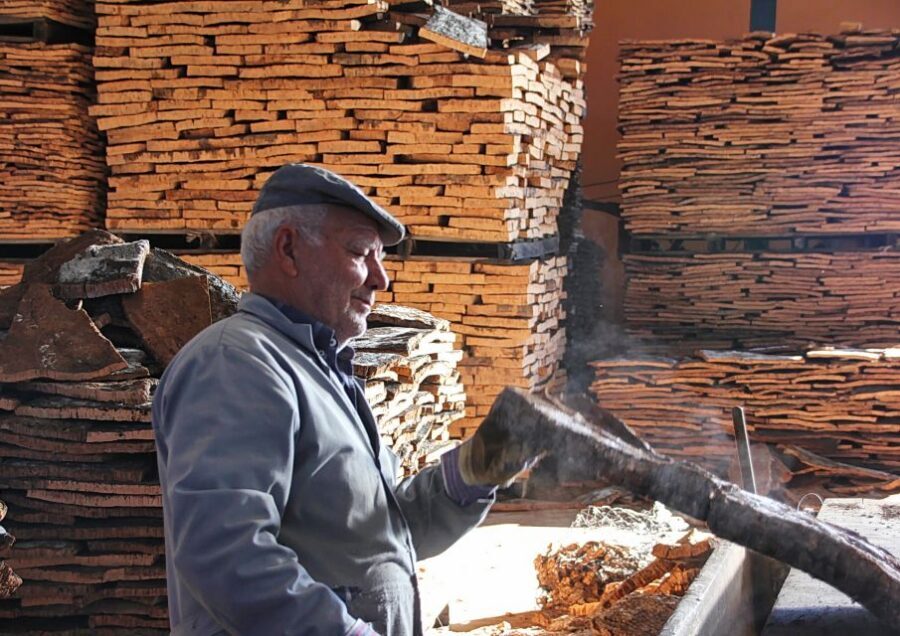
- A working cork operation, not a staged demo: you see the processing flow where it actually happens.
- Factory + shop in one smooth loop: you learn how cork is prepared, then you see it used in everyday items and fashion accessories.
- Short duration, good pacing: 50 minutes is long enough to understand the steps without burning half your day.
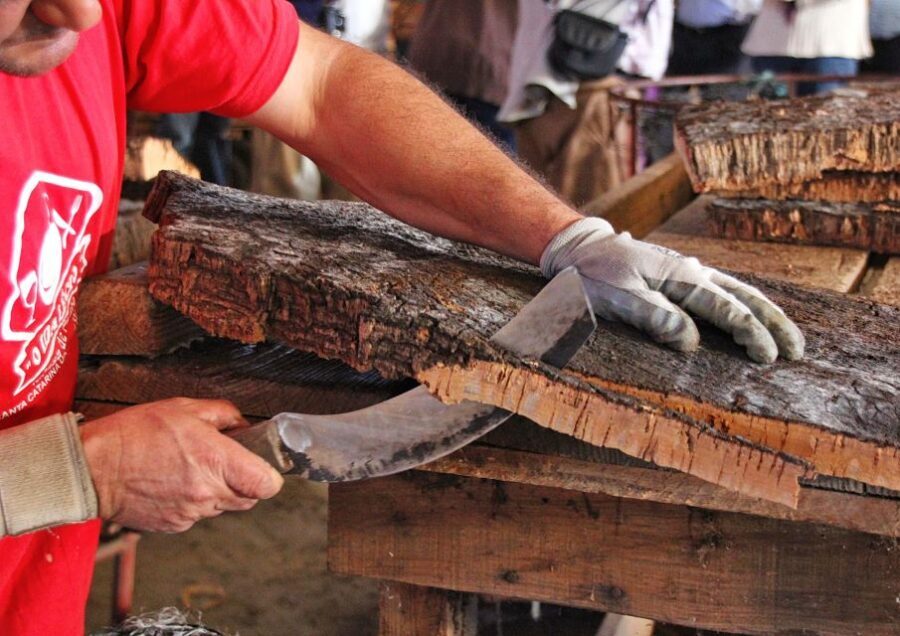
- Hands-on moments and artisan work: you might even watch a worker handling cork materials during the visit.
- English and Portuguese guidance: you can follow along even if your Portuguese is rusty.
- Real quality conversation: the tour includes quality checks and shows how results can vary by product and price.
Eco-Cork Factory in São Brás de Alportel: what 50 minutes feels like
This is the kind of tour that fits neatly between beach time and dinner. The total time on site is listed as 50 minutes, and the structure you’ll experience is simple: a short orientation, then a guide-led look inside the working factory, followed by a stop in a cork shop.
That pace matters. A cork factory can feel industrial and wide, so a tight schedule helps you leave with clear takeaways rather than wandering and forgetting what you just saw. When the visit runs well, the time balance is about learning the “why” behind the material, not just staring at machines.
You can also read our reviews of more tours and experiences in Algarve.



How the tour typically starts
You begin with an orientation built around an audio-guided style and a live guide explanation. People frequently note that the setup uses an intro video to get everyone on the same page. In practice, that helps you understand what you’re seeing inside the factory—especially if cork is a material you only think about as a stopper.
What happens once you’re inside
The core of the experience is a guided walk through the processes involved in preparing and packing cork. The tour aims to show the main phases of how cork is handled, and you’ll also get examples of cork products along the way. Several visitors mention they were able to ask lots of questions, which is a big part of why this works as a short tour: you can clarify what you don’t understand without feeling rushed.
The cork process: from harvesting to prep and packing
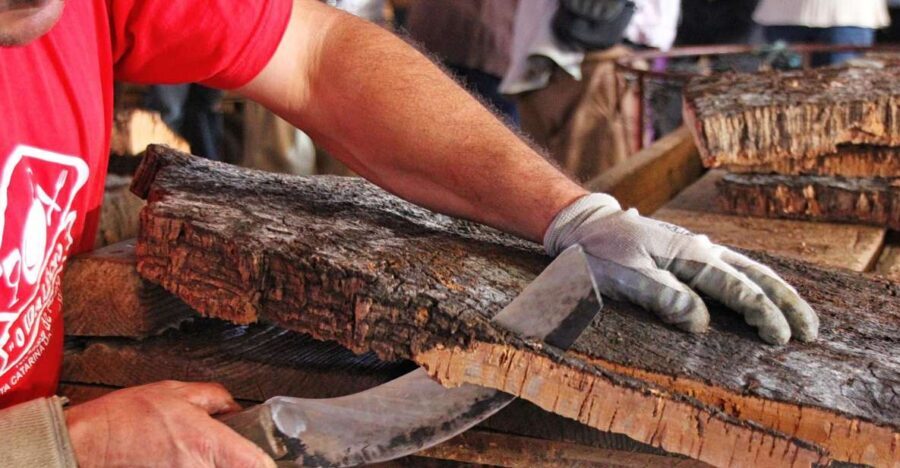
Cork comes from the bark of the cork oak, and the tour frames cork as a renewable, Mediterranean product with Portugal at the center of the story. The tour context is practical: Portugal has huge cork forests and a major cork industry, so cork isn’t a niche hobby there—it’s an economic activity tied to land management.
Why the harvesting and prep parts matter
If you’ve ever wondered why one cork stopper feels different from another, this tour gives you the chain of reasons. The tour covers harvesting, prepping, and packing—meaning you learn that cork quality isn’t just luck. It’s shaped by how the bark is handled and how it’s prepared for use.
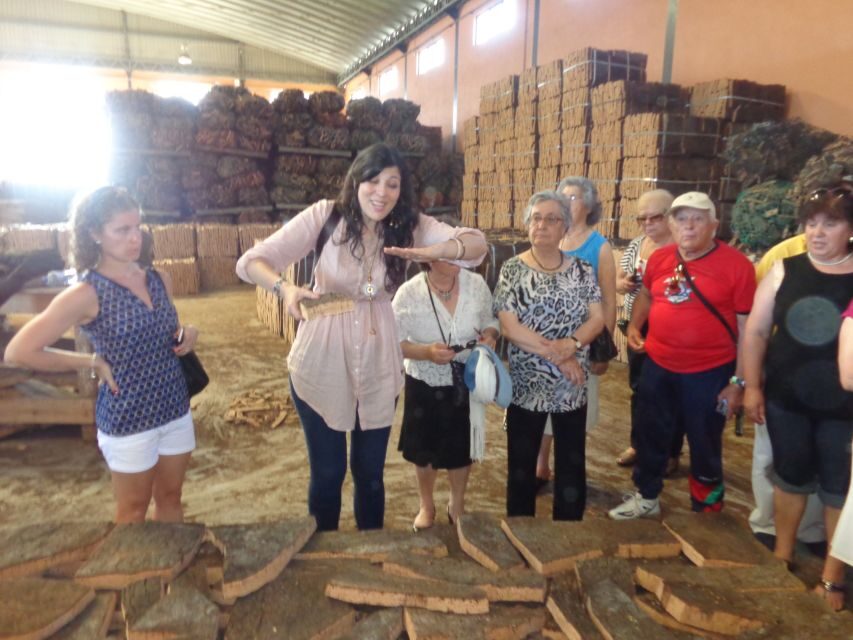
Also, cork is a natural material, so it has variation. The tour’s value is that it doesn’t treat cork like a single generic product. Instead, it’s presented as something with different grades and outputs, which you can then see later in the shop.




Expect to see processing in action
Multiple visitors highlight that they watched main phases of processing. One person even described seeing an artisan work pieces of bark right before their eyes. Even if you don’t catch a worker at the exact moment you’re there, the tour is designed to be close enough to see what’s being done and ask questions about it.
The factory experience: small-company feel versus big-building noise
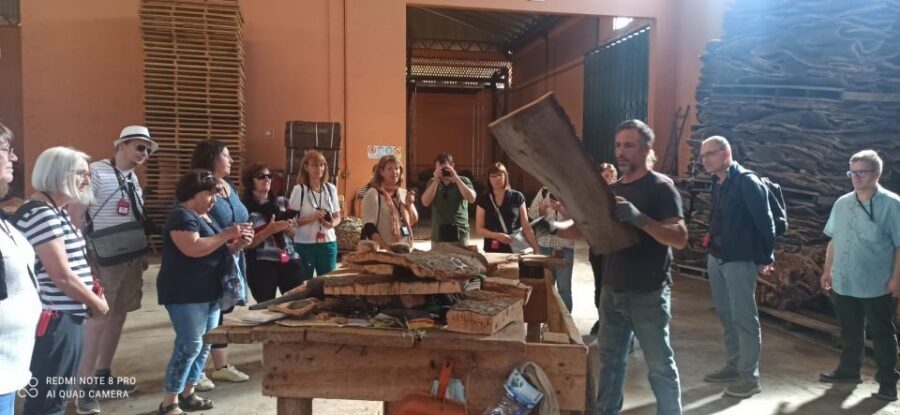
Your comfort level here depends on where you stand inside a large open factory area. One review notes that the factory can be big and open, making it harder to hear without the right positioning. That doesn’t mean you’ll miss everything—but it does mean you should do two simple things:
- Stay near the guide when explanations start.
- If sound is an issue, shift to where the guide’s voice is easiest to catch.
There’s also a note about group size. Some visits were described as small (one group was only six people). Other times, the group can be large. Either way, the tour is still short, so you’ll generally keep up—just be ready that your questions might be more or less frequent depending on how packed the group is.
The cork shop stop: fashion accessories and cork fabric
After the factory side, you’ll visit a cork shop. This is where the tour becomes more fun, because you shift from raw material processes to real-world uses.
The shop focus includes cork fashion accessories made with cork fabric. That’s a great contrast if you mostly think of cork as wine-related. The shop acts like a visual glossary: you see finished products that connect to the prep and quality steps you just learned.
What to look for in the shop
The tour frames product quality and price differences, so don’t treat the shop like random gift shopping. Spend a few minutes comparing items. Ask the staff about what changes between products—people report that the explanations and quality checks are part of the overall learning experience.
Also, if you care about sustainability, cork naturally leads to that conversation. The tour background makes the point that cork oak forests and cork industry are economically important. That context can help you separate marketing from the reality of how the material is sourced and processed.
Location and logistics: getting to Eco-Cork Factory without stress
Here’s the key practical detail: you’ll want your transport sorted. One visitor specifically said transport options from Faro are limited but Uber worked. Another said you need a vehicle to get there and that it can be tricky to find if you arrive right on time.
Meeting point details you should save
You meet at Eco-Cork Factory, Mesquita Baixa, 8150-048 São Brás de Alportel. The coordinates listed are 37.140003, -7.855236.
My advice is straightforward: plan to arrive early rather than at the minimum time window. Even if the tour is only 50 minutes, arriving early gives you a buffer if you need to locate the entrance or get oriented.
Finding the right mood for this tour
This is not the kind of outing that’s best paired with a rushed schedule. Pair it with something nearby—like a relaxed lunch or late afternoon exploring in São Brás de Alportel—so the drive doesn’t become the main event.
Who this tour is best for (and who might skip it)
I think this works especially well for:
- People who enjoy material-focused travel—craft, production, and how things are made.
- Anyone curious about cork beyond wine stoppers and looking at fashion accessories.
- Travelers who like short, structured tours with time for questions.
- Families and couples who want a low-cost educational stop.
You might consider skipping if:
- You’re mainly there for cork trees and outdoor nature. The tour’s emphasis is the factory workflow and finished products, and some visits note cork trees weren’t seen (possibly tied to seasonal factors).
- You’re very sensitive to noise or hearing difficulty in large open spaces. You can still do it, but you’ll want to position yourself well.
Price and value: why $20 can actually feel fair
The price is listed at $20 per person, and the value comes from three things that fit together:
- You get the whole material story in one go: harvesting, prep, processing, and packing, plus a shop stop that shows the results.
- You’re not paying for a long time sink: 50 minutes is short enough that it doesn’t hijack your whole day.
- You get explanations you can ask about: many visitors mention their questions were answered confidently, and the pace wasn’t rushed.
So the cost feels reasonable if you want a genuine introduction to cork production. If your expectations are only a quick look at a few cork items on shelves, then $20 might feel steep. But if you want the process behind the products, this is a solid use of time.
Guide style: what to expect from the people running the tour
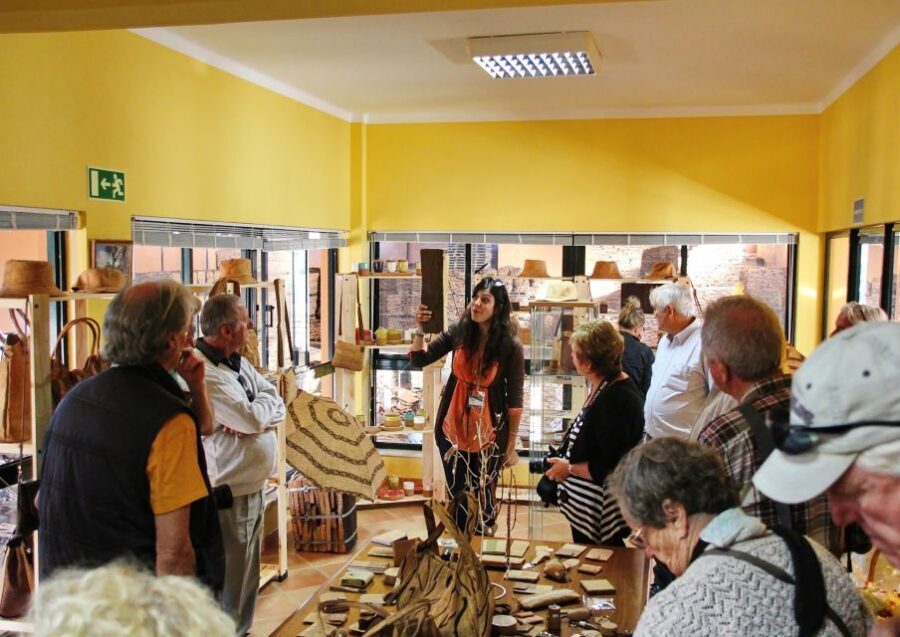
English and Portuguese live guidance is part of the experience, and people have repeatedly praised the clarity and confidence of the explanations.
In the real world, you may meet different guides depending on the day. Names that have appeared in visitor accounts include Irina, Angelina, Angela, and Belinda. What seems consistent across them is that the guide role isn’t just reading a script. Visitors describe time for questions and explanations that connect the material work to the quality of finished products.
If you’re trying to maximize the experience, come with one or two questions in mind, like:
- What makes one cork product feel higher quality than another?
- How does preparation affect the final use?
Accessibility and comfort: easy inclusion, practical expectations
The tour is listed as wheelchair accessible, which is a major plus if mobility is limited. In factories, though, watch for the usual practical realities—crowd flow, walking distance inside an open space, and where you need to stand during explanations.
If you use a wheelchair or mobility aid, I’d plan to arrive early and take your time at the meeting point so you’re not stressed before the tour starts.
Should you book the Cork Factory Tour?
Yes, if you want a short, low-cost introduction to cork that connects production to real products. The strongest reasons to book are the working-factory feel, the focus on harvesting/prep/packing, and the bonus of seeing cork used in fashion accessories at a shop.
Before you book, do two quick checks for your own comfort: confirm that a factory-focused experience is what you want (not tree-viewing), and make sure your transport to Eco-Cork Factory is ready to go, since getting there may require a vehicle.
If that fits, this is a smart stop in the Algarve that makes cork feel real—less like a wine stopper, more like a carefully handled material with a Portuguese industrial backbone.
FAQ
How long is the Cork Factory Tour?
The tour duration is listed as 50 minutes.
What languages are the live guide tours offered in?
The live tour guide is available in English and Portuguese.
Is transportation included?
Yes, transportation is included.
Where is the meeting point?
The meeting point is Eco-Cork Factory, Mesquita Baixa, 8150-048 São Brás de Alportel, at 37.140003, -7.855236.
Is the tour wheelchair accessible?
Yes, the tour is listed as wheelchair accessible.
Is there free cancellation?
Free cancellation is offered up to 24 hours in advance for a full refund.