REVIEW · LISBON
Lisbon: Belem Walking Tour with Jeronimos Monastery Tks Included
Book on Viator →Bookable on Viator
Belém history, cookies, and architecture in one walk. This 3.5-hour English tour strings together the sights that made Portugal famous overseas, starting with the Jerónimos Monastery and ending at Belém Tower (though you can’t enter it right now).
I love the flow: you get a guided explanation while you’re walking, so the big buildings stop feeling like random photo stops. I also like the practical mix of culture and food, especially the original custard tart included at Pastéis de Belém.
One thing to plan around: the Jerónimos church is skipped on Sundays (it opens at 2pm), and the Belém Tower is currently under restoration, so you won’t be able to visit inside.
In This Review
- Key highlights to know before you go
- Why this Belém walk works so well
- Jerónimos Monastery: entering early and knowing what to look for
- Manueline architecture in real life: cloisters, church, and symbolism
- Pastéis de Belém: the snack stop that’s actually part of the story
- Jardim da Praça do Império: a garden with empire math
- Padrão dos Descobrimentos: turning names into an era
- Belém Tower: UNESCO-grade views, but restoration limits access
- Pace, group size, and how the guide keeps it from feeling like homework
- Price and value: what $72.56 buys you in practice
- Practical tips so your morning stays smooth
- Should you book this Jerónimos and Belém walking tour?
- FAQ
- What time does the tour start at Jerónimos?
- What is included in the price?
- Is Belém Tower included in the visit?
- What changes on Sundays?
- Does the tour run rain or shine?
- How long is the tour?
- How big is the group, and is it in English?
Key highlights to know before you go
- Jerónimos Monastery ticket included so you can focus on the experience, not last-minute lines.
- Start time is sharp (9:30am), which helps you beat the worst of the crowds.
- Guides with serious storytelling energy, with names like Federico and Luis showing up again and again in feedback.
- Pastéis de Belém is part of the route, including a snack and even a kitchen peek opportunity.
- Belém Tower end point, but not a visit (restoration work blocks entry).
- Small group size (max 20), which keeps the walk from feeling like a mob.
Why this Belém walk works so well
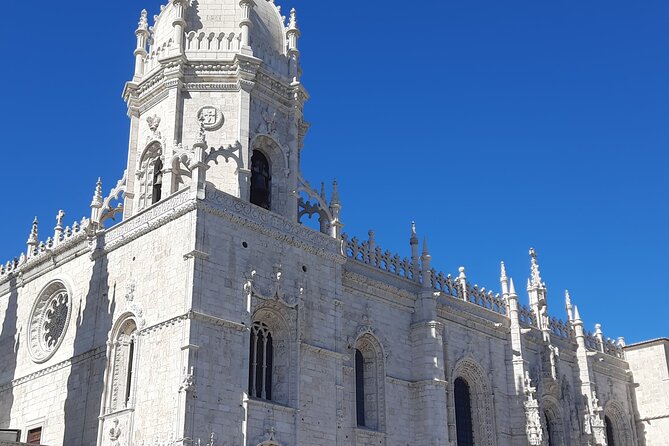
Belém can feel like a checklist: monastery, monument, tower, tart, repeat. This tour turns that checklist into a storyline. You move through the places that are tied to Portugal’s Age of Discoveries, and your guide connects the architecture, the monarchy-era ambition, and the religious setting that powered the whole era.
The best part is how the tour gives you context while you’re still close enough to notice details. At Jerónimos, you’re not just staring at stone—you’re understanding why it was built, what it meant socially at the time, and how it links to the 15th and 16th centuries of Portuguese navigation. Then you pivot to the food, the garden symbolism, and the discovery monuments, so the day keeps snapping into focus.
And because the group is capped at 20 travelers, it stays manageable. You’re walking together, getting direction, and hearing the guide’s explanations at a pace that doesn’t leave you sprinting.
You can also read our reviews of more walking tours in Lisbon



Jerónimos Monastery: entering early and knowing what to look for
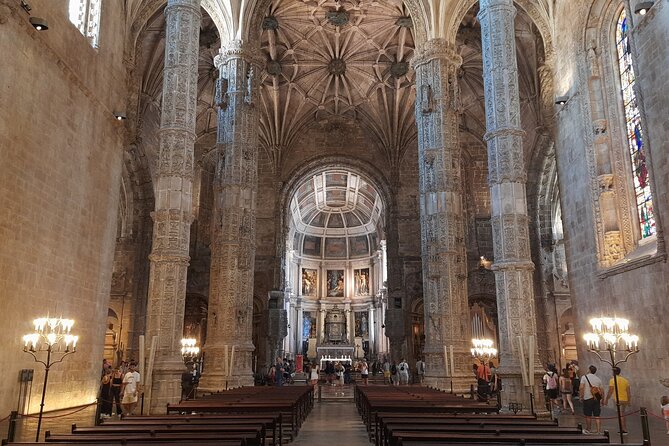
The tour begins at Mosteiro Jerónimos, and the big moment is getting inside on schedule. They emphasize entering the monastery at 9:30am sharp, so arriving a few minutes early matters. That start time is one of the reasons this tour gets praised: it’s not only about seeing the place; it’s about getting the best chance to actually enjoy it.
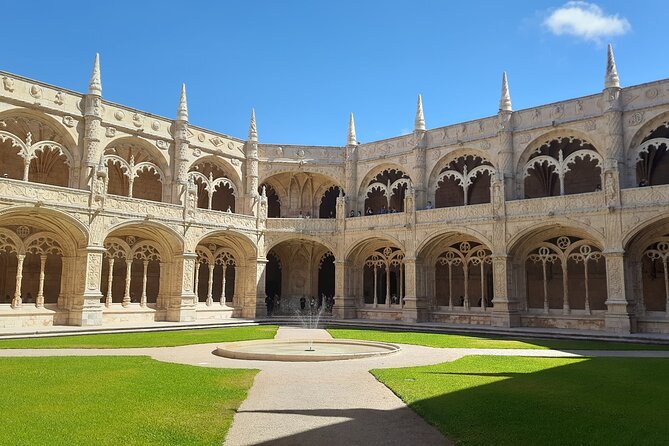
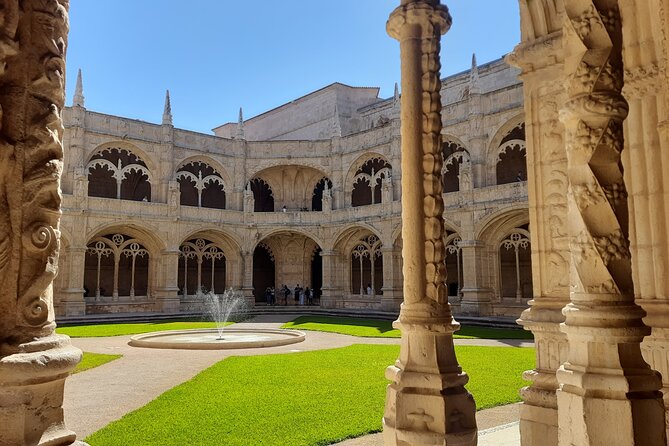
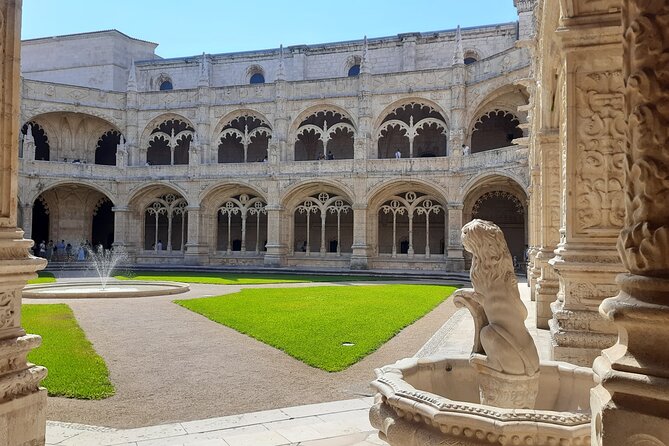
Inside, you start at the Upper Cloister, where the view helps you orient quickly. From there, your guide explains the meaning behind the construction and why it mattered to society during the Great Portuguese Navigations. That part is key. Jerónimos is beautiful, yes—but it becomes much more memorable once you understand what the building represented in an era obsessed with voyages, power, and prestige.
Then you work your way into the lower cloister spaces, where the tour becomes more intimate. You’ll see important areas like:
- the Chapter Room
- the old Refectory
- the tomb of Fernando Pessoa (moved to this space in the early 20th century)
Those details matter because they show how the monastery shifted roles over time. It wasn’t only a religious space; it also became a cultural landmark long after the ships stopped sailing the way they did in the 1500s.
Manueline architecture in real life: cloisters, church, and symbolism
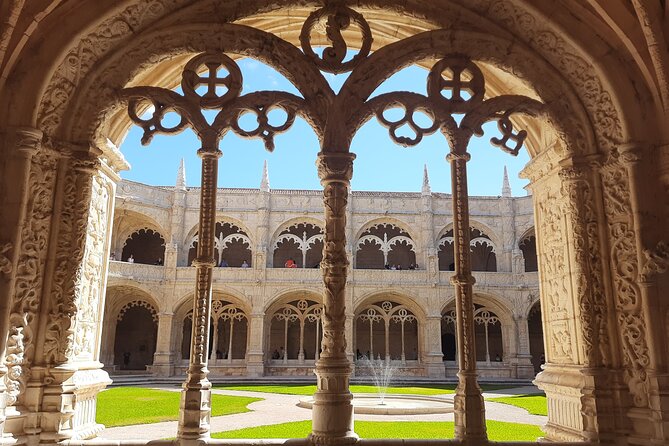
After the cloisters, the tour includes a visit to the church within the Jerónimos complex. This is where Manueline architecture shows up at full power. The guide frames it clearly: Manueline developed in Portugal around the early 16th century and mixes late Gothic structures with Renaissance elements. In other words, it’s not just decoration—it’s a visual language.
If you’ve ever looked at a building like Jerónimos and wondered what makes it different from other Gothic-style churches, this is where the tour helps most. You get a guided explanation of how the architecture connects to the height of Portugal’s maritime ambitions. It’s easier to spot the details once you know what your guide is pointing at.
Sunday note (important): on Sundays, the church only opens at 2pm, so the church portion won’t be held. The rest of the monastery experience still happens, but you should expect a slightly different emphasis if you’re booking a Sunday.
Pastéis de Belém: the snack stop that’s actually part of the story
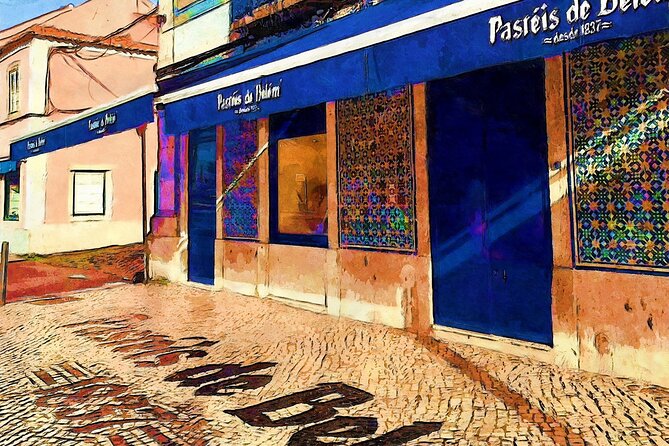
Next comes Pastéis de Belém—about a 20-minute stop—with the included snack built into the experience. Pastéis de Belém is famous for a reason, and the tour ties it back to Jerónimos.
Here’s what you’re taking in on this stop:
- It’s described as the original pastel de nata
- The recipe is linked to monks from the Jerónimos Monastery
- The pastries have been sold in the same establishment since the mid-19th century
That connection turns the tart from a random sugar break into a cultural link between monastery life, craft, and later commercial tradition.
Also, this is one place where the small practical touches really help. Feedback includes that you may get a chance to look into the kitchen area, which makes the pastry shop feel less like a factory line and more like a living tradition. And if you want to level it up, you can pick up extra items like fresh squeezed orange juice while you’re there (not included, but it’s a classic match).
If you have dietary needs, ask. One account mentioned the guide arranging a gluten-free treat at the pastry shop when there was a gluten-free member in the group, so it’s worth flagging needs early.
Jardim da Praça do Império: a garden with empire math
After the pastry, you’ll walk to Jardim da Praca do Imperio. This garden was built for the Portuguese World Exhibition in 1940. The standout feature is the set of 32 coats of arms, which refer to former provinces of the Portuguese Empire.
This part takes about 10 minutes, but it’s not filler if you let it land. It’s a reminder that Portugal’s overseas story didn’t stay in the 1500s. It got repackaged later into exhibitions and symbols of national identity. So even if you’re not a “garden person,” this stop gives you a visual way to understand how empire became memory.
It’s also a decent break from the heavy monument vibe—just don’t expect the tour to linger. The pacing keeps you moving toward the bigger discovery markers.



Padrão dos Descobrimentos: turning names into an era
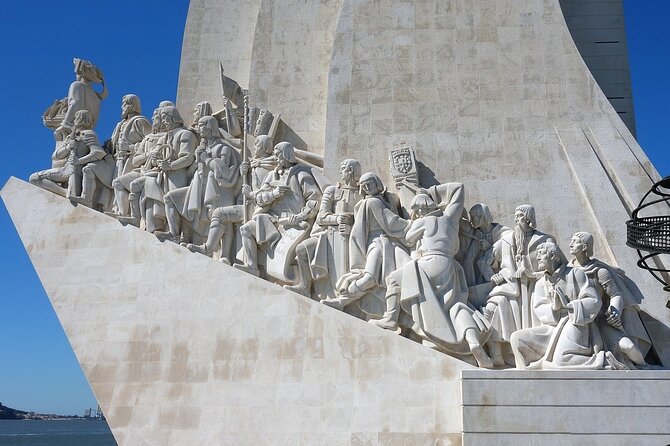
Then you hit Padrao dos Descobrimentos, a monument built in 1960 to commemorate the 500th anniversary of the death of Infante D. Henrique (often called a central figure in Portuguese navigation).
What’s useful here is that the guide doesn’t treat it like one statue. The monument represents other important characters from the Great Navigation era too, so you see how Portugal built a cast of figures around the story of exploration and expansion.
This is the kind of stop that works best when you’re paying attention to what the monument is trying to communicate—history, commemoration, and national branding—rather than just snapping photos and moving on.
Belém Tower: UNESCO-grade views, but restoration limits access
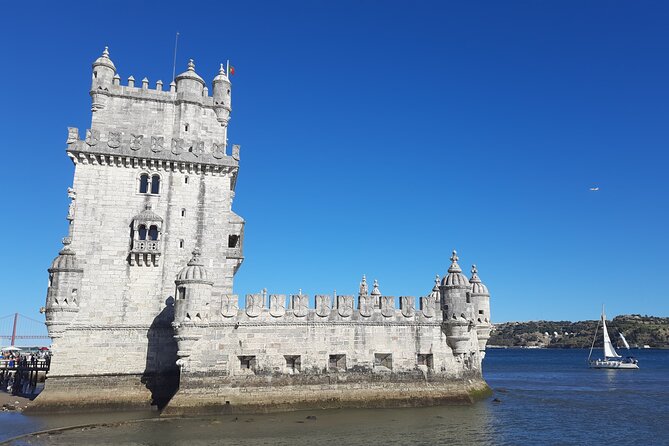
The walk concludes near Belém Tower at Av. Brasília. The tower is considered a UNESCO World Heritage Site and is described as a defensive point against invaders reaching Lisbon.
Here’s the catch: the tower is currently undergoing restoration and cannot be visited during this tour. So think of this as an end point for views and atmosphere, not an inside visit.
Even so, ending here still helps. You get to connect the defensive function of the tower with the broader story you heard earlier about navigation, power, and Portugal’s ability to project influence. If you want an inside view later, plan it separately for when access resumes—just don’t count on it being available on the day of your tour.
Pace, group size, and how the guide keeps it from feeling like homework
This is a walking tour with a duration of about 3 hours 30 minutes. For most people, that’s long enough to feel like you did something meaningful, but short enough to keep energy for your afternoon plans.
The group size max is 20 travelers, which is a big deal in Belém. Crowds can turn monuments into stress. With a smaller group, you’re more likely to:
- hear instructions and explanations clearly
- keep moving without long bottlenecks
- ask questions without the guide constantly repeating everything
Several feedback comments highlight an approach that feels more like a history lesson you actually want to attend. Names like Federico and Luis appear often, and the praise clusters around clarity, passion, and a lively delivery. One guide style even stood out for patience with a late guest, which tells me they’re used to real-world timing hiccups.
One practical detail: a comment mentioned using an earpiece so everyone could hear the guide while walking. Even if you don’t need it the whole time, it’s a smart setup for a group this size.
Price and value: what $72.56 buys you in practice
At $72.56 per person, this tour isn’t “cheap,” but it also isn’t just you paying for someone to point at buildings. The value is in the bundle:
- Entrance ticket to Jerónimos Monastery included
- Expert English-speaking guide
- A snack (original custard tart) at Pastéis de Belém
- The stops are close together, so you’re not spending extra time (or money) shuttling between sites
What you’re really buying is time and interpretation. Jerónimos is a complex site, and the tour is designed to explain its significance in the context of Portuguese navigation. Without a guide, it’s still gorgeous—but you may miss the threads that make the architecture click.
Also, this one includes tickets and an arranged flow, which can help with lines. Multiple accounts praised the ability to get in with the tour-group line, saving time compared with standard walk-up ticketing.
If you’re the kind of traveler who likes to understand what you’re seeing, the price starts to look more reasonable. If you only want photos and quick stops, you might decide you prefer a DIY route.
Practical tips so your morning stays smooth
Here’s what I’d do if I were planning your day in Belém around this tour:
- Arrive early and don’t test the 9:30am rule. They say you enter the monastery at 9:30 sharp.
- Wear comfortable shoes. This is mostly walking, and you’ll be on your feet for much of the 3.5 hours.
- Bring sunscreen and an umbrella. The tour runs rain or shine.
- Expect strong sun in warm months. One account noted lines without much shade, so plan for glare and heat.
- Use your free time well at Pastéis de Belém. If you want the kitchen peek, don’t treat it like an afterthought—look for the chance while you’re there.
- Know what you cannot do: Belém Tower entry is blocked by restoration, and on Sundays the church is not included.
Should you book this Jerónimos and Belém walking tour?
Book it if you want:
- A guided explanation of why Jerónimos and the discovery monuments matter
- An easy half-day structure in Belém that doesn’t require ticket juggling
- A morning start that helps you avoid the worst crowds
- A pastry snack that’s tied to the broader story, not just a stop for sugar
Skip or adjust plans if you:
- Care most about entering Belém Tower inside (restoration means you can’t)
- Are visiting on a Sunday and specifically want the Jerónimos church portion
- Prefer totally self-paced wandering without timing or a group rhythm
If you fall into the first group, this is a strong value day in Lisbon’s Belém neighborhood: you get context, key sites, and one of the city’s most famous sweets, all in a tight, walkable 3.5-hour window.
FAQ
What time does the tour start at Jerónimos?
The tour enters Jerónimos Monastery at 9:30am sharp, and they ask you not to be late.
What is included in the price?
The price includes the entrance ticket to Jerónimos Monastery, an expert English-speaking tour guide, and a snack: an original custard tart at the Pastéis de Belém shop.
Is Belém Tower included in the visit?
No. Belém Tower is undergoing restoration and cannot be visited, even though the tour ends near it.
What changes on Sundays?
On Sundays, the Jerónimos Monastery church only opens at 2pm, so the church visit will not be held.
Does the tour run rain or shine?
Yes. The tour takes place rain or shine, so bring an umbrella.
How long is the tour?
The tour is about 3 hours 30 minutes.
How big is the group, and is it in English?
The group maximum is 20 travelers, and the tour is offered in English with an expert English-speaking guide.