REVIEW · LISBON
Lisbon: African History and Heritage Walking Tour
Book on GetYourGuide →Operated by Autêntica - Travel Experience · Bookable on GetYourGuide
African roots run through Lisbon’s streets. This 3.5-hour walk turns a familiar city into a living map of Africa’s legacy and Portugal’s choices, from Moorish influence to the transatlantic slave route. You’ll move site to site with a live guide, not a script, so questions actually fit the scene.
I especially like two parts. First, the tour reads Lisbon’s built environment like evidence. You’ll stop at Chafariz D’El Rei and learn how a fountain carried social divisions in the Middle Ages. Second, the guide storytelling has real momentum; names like Jose, Al, Alcides, and Alfie come up in prior experiences, and the style is friendly, direct, and built for Q&A.
One consideration: you’ll climb. Alfama and the surrounding streets include uphill walking, so comfortable shoes matter. Also, this tour is not suitable for people with mobility impairments, so keep that in mind before you book Alfama.
In This Review
- Key things I’d circle before you go
- Why Lisbon’s African Heritage Makes You Re-See the City
- The 3.5-Hour Route: Hills, Squares, and Real-World Context
- Alfama: Starting With Moorish Lisbon and the City’s Earliest Links
- Chafariz D’El Rei: A Fountain That Explains Social Class
- Campo das Cebolas: The Old Port Area and Early Arrivals
- Praça do Comércio: Lisbon’s Big Stage for the Slave Trade
- Baixa After 1755: How Lisbon’s Center Became a Cultural Meeting Place
- Rua Cor de Rosa: Seeing Integration Through Names and Roles
- Rossio: From Integration to Colonies, Explained in City Terms
- Igreja de S. Domingos: Catholic Faith and a Complex Story of Belonging
- Rossio Train Station and the Berlin Conference Era
- Guide Quality: What Makes This Tour Hit Hard (in a good way)
- Price and Value: Is $176 Worth 3.5 Hours of Walking?
- Who This Tour Fits Best (and Who Might Skip It)
- Should You Book Lisbon: African History and Heritage Walking Tour?
- FAQ
- Where do I meet the guide?
- How long is the Lisbon African History and Heritage Walking Tour?
- What’s included in the ticket price?
- What’s not included?
- Is the tour offered in English?
- Is it good if I have mobility issues?
- How much does the tour cost?
- Can I cancel if my plans change?
- Is there a pay-later option?
- Are there different starting times?
Key things I’d circle before you go
- Alfama’s Moorish origins set up the story fast, with roots you can see in the streets.
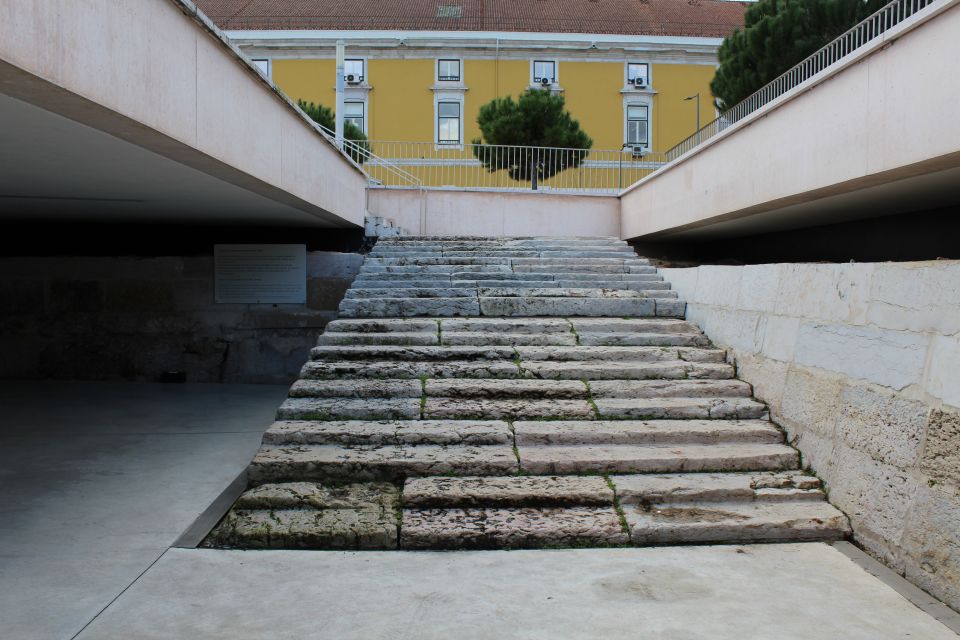
- Chafariz D’El Rei connects architecture to social class, with African presence included.
- Campo das Cebolas takes you to the old port area tied to early African arrivals in Europe.
- Praça do Comércio frames Lisbon’s role in the slave trade at one of the city’s most important public squares.
- Rossio and the church stop explain integration in everyday life and Catholic practice, not just politics.
- Rossio train station (19th century) ties Portugal’s “golden times” to European colonial policy, including the Berlin Conference context.
Why Lisbon’s African Heritage Makes You Re-See the City
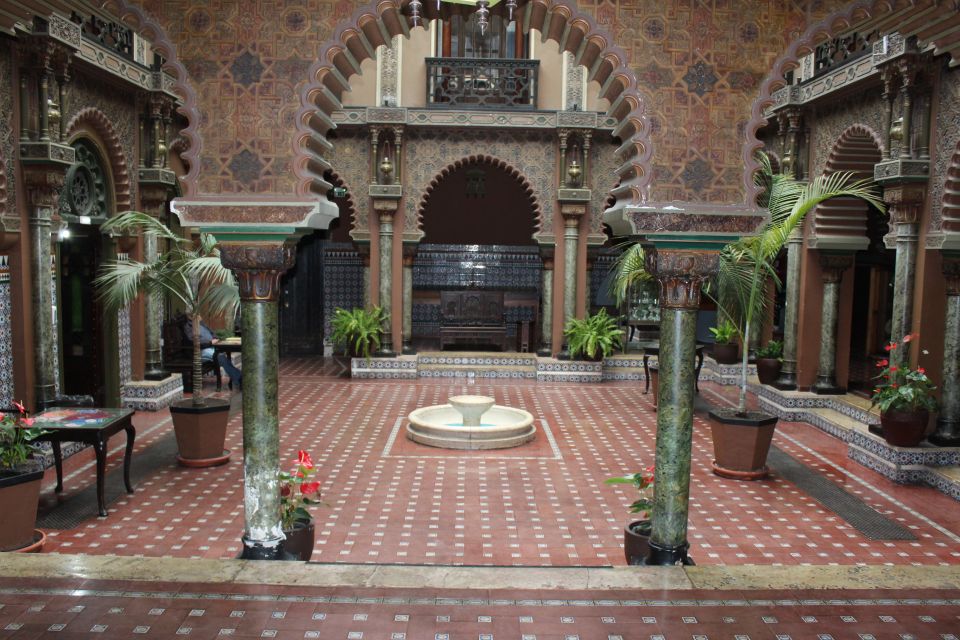
Lisbon is a city of layers. If you only skim the postcard parts, you’ll miss how African people and ideas shaped Portuguese life for centuries. This walk is designed to correct that gap with concrete stops, plain explanations, and a careful “history with honesty” approach.
What makes it work is that it doesn’t keep the story abstract. It points to places where the city’s physical layout and landmarks still carry meaning. From Moorish Lisbon’s early links to later Portuguese involvement in the slave trade and colonial era, the tour keeps asking one useful question: How did this happen, where, and why does it still matter?
The pacing is built for a focused afternoon or morning—3.5 hours on foot—so you can fit it into a first visit without burning your whole day.
You can also read our reviews of more walking tours in Lisbon

The 3.5-Hour Route: Hills, Squares, and Real-World Context
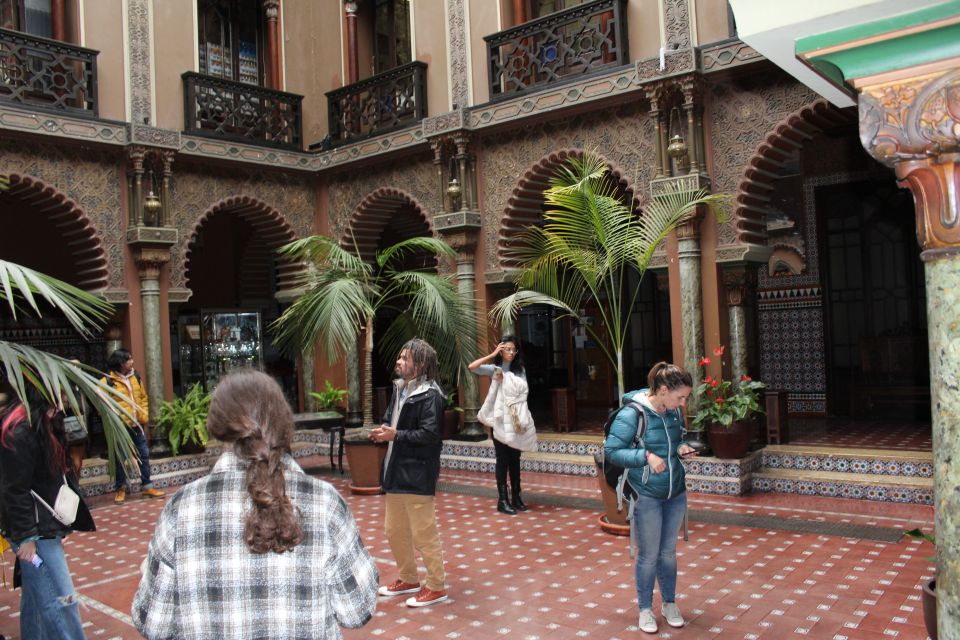
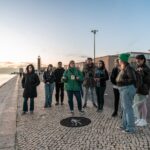
This is a walking tour through central Lisbon, moving between major neighborhoods and public squares. Expect a steady rhythm: look, listen, walk, stop again. You’ll also cover different “types” of space: fountains and old port areas, big squares like Praça do Comércio, and church and station sites.
Two practical points help your experience go smoother:
- Wear comfortable shoes. You’ll be on uneven streets and you’ll climb.
- Bring your water mindset. A bottle of water is included, but food and drinks aren’t—so plan a snack stop before or after.
Also, keep the mobility note in your head: the tour isn’t suitable for people with mobility impairments. If you’re unsure, it’s worth choosing a different format for Lisbon day.
Alfama: Starting With Moorish Lisbon and the City’s Earliest Links
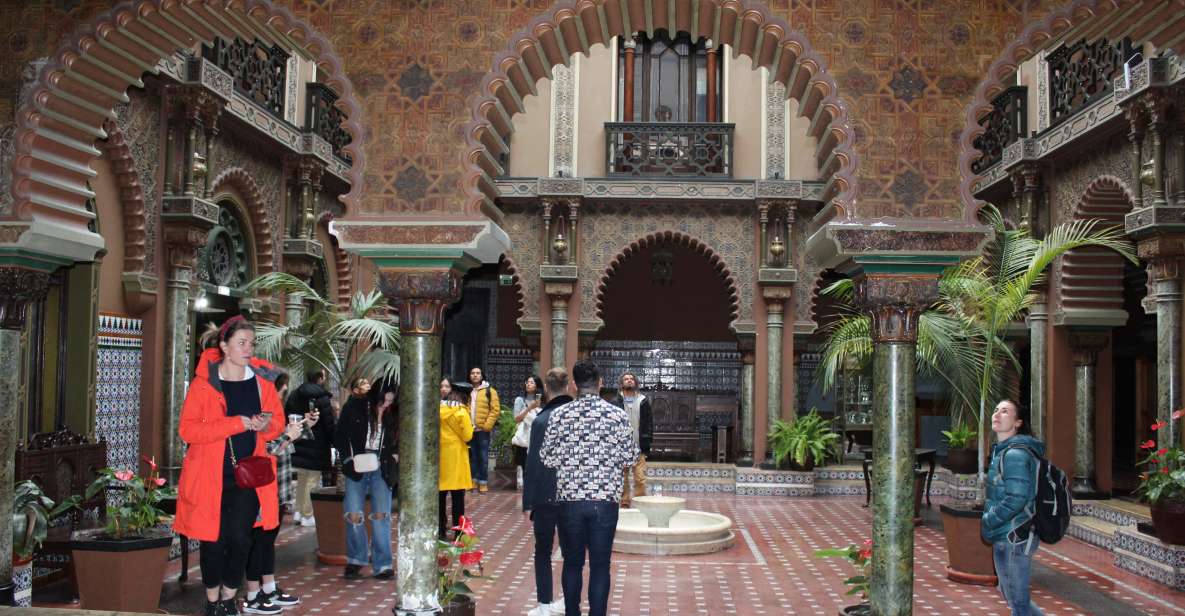
Most Lisbon walks start with views. This one starts with connections.
Alfama is the oldest neighborhood in the city, and it’s introduced here as a place founded by the Moors. That matters because it sets the tone early: the story isn’t only about later European shipping and politics. It’s also about cultural mixing that predates the modern era.
You’ll use Alfama as the launch pad to understand Africa’s roots and how those relationships connect with other people across the Mediterranean world. Done right, this is more than a trivia stop. It helps you see why African heritage isn’t a side note—it’s part of Lisbon’s long timeline.
Chafariz D’El Rei: A Fountain That Explains Social Class
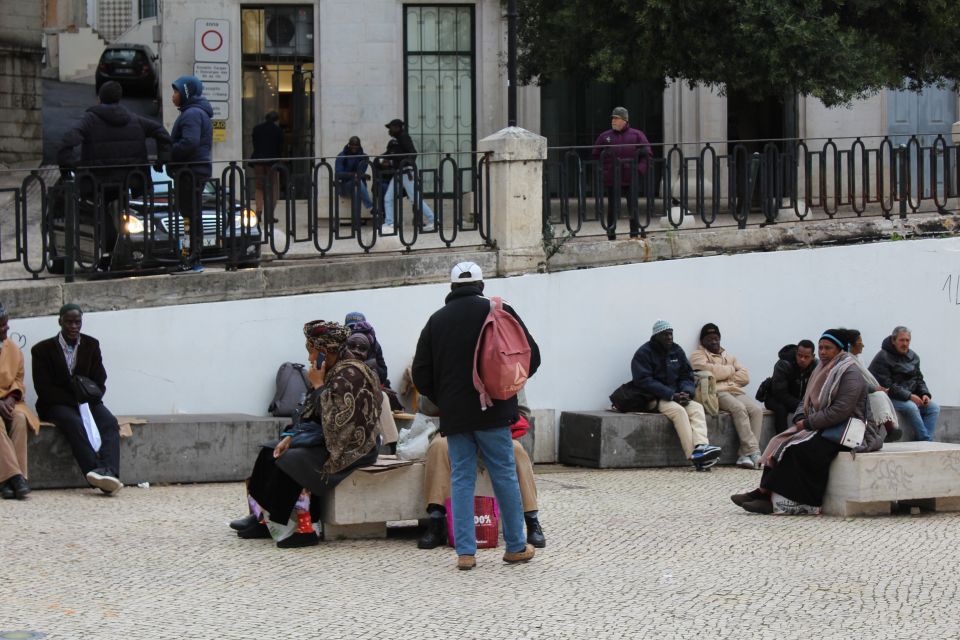
Chafariz D’El Rei isn’t just a pretty stop on a Lisbon corner. It’s a teaching moment.
Here, the tour uses the fountain to show how social classes were represented in the Middle Ages, with African presence included in the explanation. That’s a key difference from many “heritage” tours that stay in the generalities. This one points to an everyday structure and says, basically: people’s lives were arranged, and the city reflected that.
When you understand that kind of visual evidence, you start noticing similar patterns elsewhere—signs, layouts, architecture, where resources were placed and who benefited.
Campo das Cebolas: The Old Port Area and Early Arrivals
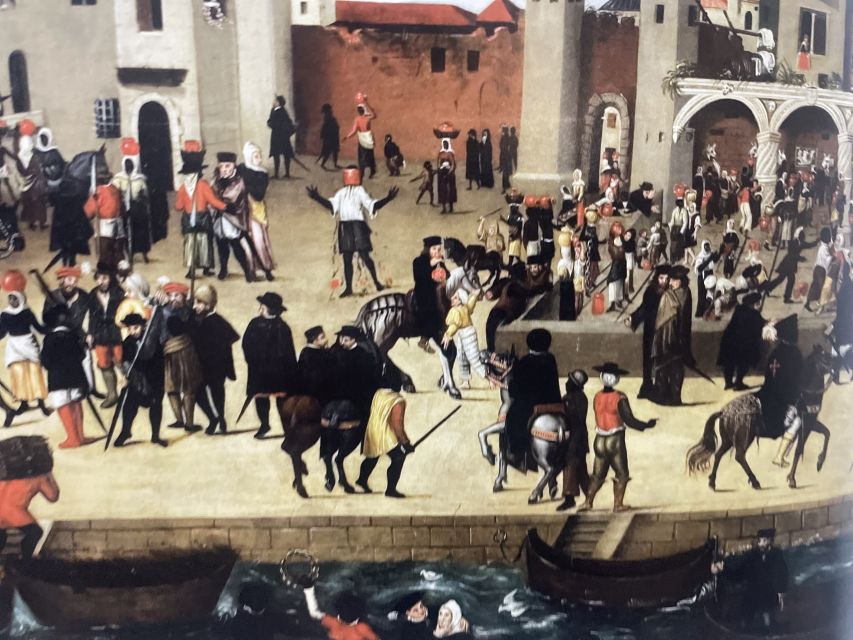
Next comes Campo das Cebolas, tied to Lisbon’s old port. This is where the tour anchors one of its big claims: the area belonged to the old port of Lisbon, where the first African slaves arrived in Europe.
That sentence can sound heavy and distant until it’s placed into the geography of the city. Standing in the area connected to the port gives you something rare—spatial understanding. You’re not just hearing that ships arrived. You’re linking that reality to the streets that grew from those early commercial routes.
And because the tour is focused on “African legacy in Lisbon,” the stop isn’t only about cruelty. It’s also about how African people became part of Lisbon’s economic and social life, even as power imbalanced the relationship.
You can also read our reviews of more historical tours in Lisbon





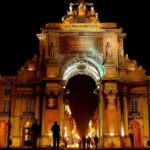
Praça do Comércio: Lisbon’s Big Stage for the Slave Trade
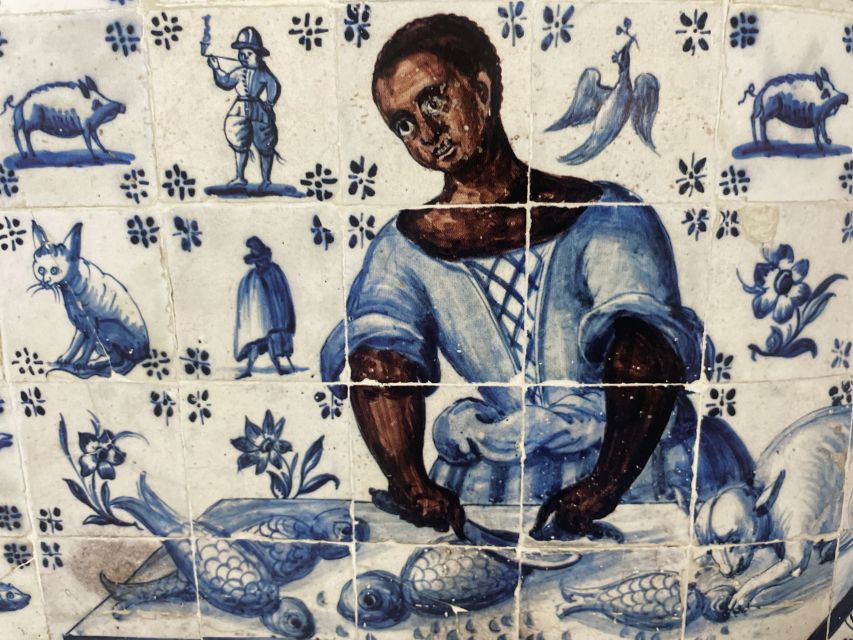
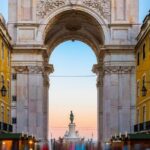
Praça do Comércio is one of the most emblematic places in Lisbon, and the tour uses it for a reason. This square was a major stage for events in Portuguese history, including its role connected to the slave trade.
This is the moment when the tour’s “historical honesty” becomes unmistakable. The location itself is grand—wide, formal, central—and that can trick you into thinking only about architecture and aesthetics. The guide redirects your attention toward what happened here in the country’s story.
If you like history that connects national decisions to public spaces, you’ll appreciate the logic of this stop. Squares are where power gets displayed. And power leaves records.
Baixa After 1755: How Lisbon’s Center Became a Cultural Meeting Place
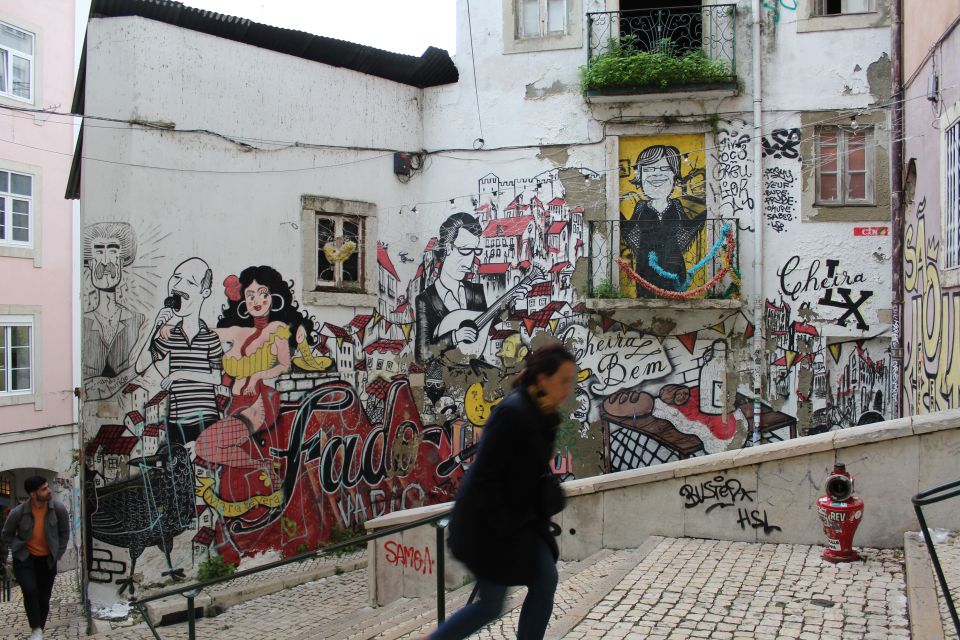
Baixa is the central neighborhood of Lisbon, and the tour notes it was destroyed by the 1755 earthquake. That background matters because it turns Baixa into a “rebuild-and-reshape” story, not just a shopping district.
You’ll use Baixa as a practical lens for interaction—how Africans fit into Portuguese society over time. The tour frames this as integration in real life, not as a museum topic.
There’s an emotional rhythm to this section: after confronting the slave route era in big public spaces, you return to the daily geometry of Lisbon’s center. It helps you understand how historical violence can coexist with long-term social blending—unequal, complicated, and real.
Rua Cor de Rosa: Seeing Integration Through Names and Roles
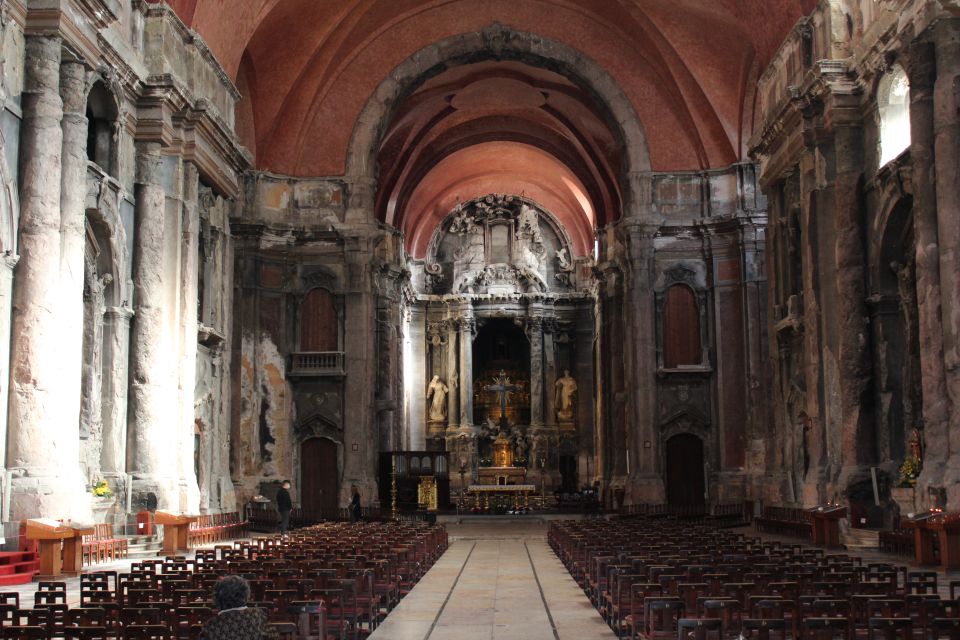
Rua Cor de Rosa is where the tour shifts from big political geography to human roles. Here, it’s described as the place where several African women provided services.
This stop is important because it changes the level of detail. Instead of only talking about treaties and routes, the tour points to how communities functioned at street level. It also reinforces an idea the whole tour keeps returning to: African presence wasn’t only “there.” It had jobs, patterns, and daily life within Lisbon.
If you prefer history that treats people as people—rather than just numbers—this is one of the stops you’ll remember.
Rossio: From Integration to Colonies, Explained in City Terms
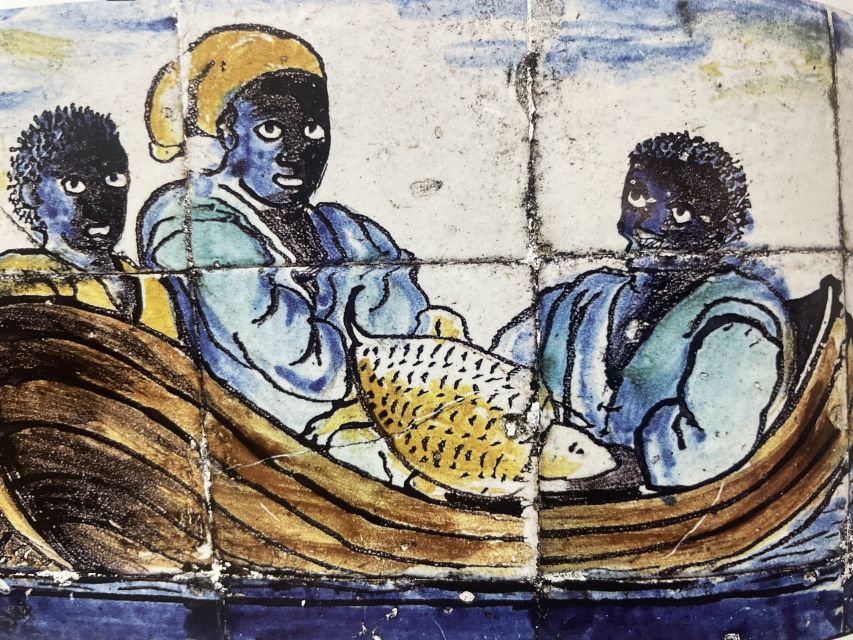
Rossio is one of the central and busiest places in Lisbon, and the tour uses it to talk about the integration of Africans and the creation of colonies. That can sound like a jump in scale, but the guide’s aim is to connect civic space to political outcomes.
Rossio’s centrality makes the concept stick. When you stand in a main hub, it’s easier to imagine how information, money, and power traveled through the city. The tour’s narrative links that movement to Portuguese colonial thinking and the lived consequences for African communities.
Igreja de S. Domingos: Catholic Faith and a Complex Story of Belonging
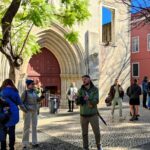
Church of S. Domingos is where the tour explains integration of Africans into Catholic religion and highlights achievements connected to that process.
This stop matters because it avoids a one-note version of integration. It treats religion as both a social system and a place where identity could be negotiated. You’re not only learning that people were baptized or that institutions existed—you’re learning why that kind of integration mattered in daily life.
If you’re the type who likes to understand how culture transfers through systems like schools, churches, and civic rituals, this section will feel satisfying.
Rossio Train Station and the Berlin Conference Era
Finally, you reach the train station of Rossio, built during the 19th century with Manueline architectural style. The tour connects this building to Portugal’s “golden times” and uses it to explain how Portugal positioned itself among European powers that divided Africa into colonies, including the Berlin Conference of 1884 context.
This is a clever way to teach colonial policy without making it purely theoretical. A station isn’t just a building for trains. It’s part of a country’s self-image—progress, status, architecture, and international positioning.
When the tour frames it this way, you start seeing how the built environment can carry political meaning long after the policy decisions are made.
Guide Quality: What Makes This Tour Hit Hard (in a good way)
The best part of this experience isn’t any single landmark. It’s the guide’s ability to connect them into a coherent story.
The guide experience has a consistent pattern from previous participants: friendly guidance, clear explanations, and a willingness to answer questions. You’ll also notice that some guides named Jose, Al, Alcides, and Alfie are repeatedly associated with strong on-the-ground storytelling and professionalism.
For you, that means two things:
- You won’t be stuck with dates only. The tour connects events to places you can stand on.
- If something feels unclear or you want more context, you’re likely to get a real answer instead of a quick redirect.
This is especially useful if you’re doing Lisbon as part of a broader Portugal or Iberia trip. A guide who connects Moorish history, Portuguese trade, the slave route, and colonial-era policy helps you keep the timeline straight without getting lost.
Price and Value: Is $176 Worth 3.5 Hours of Walking?
At $176 per person for about 3.5 hours, the price isn’t budget-friendly. But it can be good value if what you want is depth with context—and a route that uses Lisbon’s physical clues.
Here’s what you get:
- a live guide
- a walking tour
- a bottle of water
And here’s what you don’t get:
- food and drinks
- hotel pickup/drop-off
So you should judge it like this: you’re paying for a guided interpretation of difficult history in specific locations, not for transit convenience or a “things to see” checklist. If you’re the type who enjoys learning how a city’s choices shaped the lives of real communities, the cost makes more sense. If you’re only after viewpoints and quick photos, you might feel it’s too focused and too serious.
One practical trick: plan to eat before you go, or bring a light snack for after, since food isn’t included.
Who This Tour Fits Best (and Who Might Skip It)
This tour is a strong match if you:
- want African heritage in Lisbon explained through real sites
- like walking tours that connect architecture, religion, and social life
- want a clearer timeline from Moorish-era influence to later transatlantic and colonial contexts
You might skip it if:
- walking uphill and on uneven streets is an issue for you
- you prefer lighter, less direct approaches to history
Should You Book Lisbon: African History and Heritage Walking Tour?
Yes—if you want Lisbon with context, not just scenery. The stop choices are specific, the themes are consistent, and the guide approach (as seen in guide names like Jose, Al, Alcides, and Alfie) tends to be friendly, question-friendly, and grounded in place.
Book it particularly if you’re doing Lisbon for the first time and want to set your historical lens early. Just show up ready for walking, and go in with the mindset that you’ll learn some uncomfortable truths—and also see how African legacy is part of Portugal’s story, not an afterthought.
If you want a city that makes you think while you walk, this is one of the better ways to do it.
FAQ
Where do I meet the guide?
Meet your guide at A Padaria Portuguesa.
How long is the Lisbon African History and Heritage Walking Tour?
The tour lasts 3.5 hours.
What’s included in the ticket price?
A bottle of water, a guide, and the walking tour are included.
What’s not included?
Food and drinks are not included.
Is the tour offered in English?
Yes. The live tour guide is available in English, Spanish, and Portuguese.
Is it good if I have mobility issues?
No, the tour is not suitable for people with mobility impairments.
How much does the tour cost?
The price is $176 per person.
Can I cancel if my plans change?
Yes. There’s free cancellation up to 24 hours in advance for a full refund.
Is there a pay-later option?
Yes. You can reserve now and pay later.
Are there different starting times?
Starting times depend on availability. Check availability to see what’s offered.