REVIEW · LISBON
South Lisbon: 3-Hour Christ the King Electric Bike Tour
Book on GetYourGuide →Operated by LISBOA AUTÊNTICA LDA · Bookable on GetYourGuide
One ride. One ferry. Then Lisbon opens up. This South Lisbon route turns big sights like Christ the King into a doable 3-hour circuit with an e-bike doing the heavy lifting.
I especially love the combo of a modern way to move (electric bike) with classic Lisbon texture: ironwork, hill climbs, and the orange cacilheiro ferry crossing the Tagus. Another highlight for me is the way the tour blends viewpoint time with human-scale stops, like the botanic gardens coffee break and a visit to the Medieval Museum of Almada.
One thing to consider: it is an active bike tour. Even with pedal assist, you’ll be riding a fair stretch and walking a bit, so it’s not a good match if you have mobility limits or short-stature requirements (minimum height is 145 cm / 4 ft 8 in).
In This Review
- Key points at a glance
- Why this Christ the King route works in just 3 hours
- Starting at Largo Severa and getting comfortable on an e-bike
- From Praça da Figueira to Santa Justa: Lisbon’s lifts in motion
- Crossing the Tagus by orange cacilheiro: the break you’ll remember
- Boca do Vento and the climb toward Christ the King
- Casa da Cerca coffee stop and the top-view payoff
- Almada narrow streets and the Medieval Museum’s Islamic story
- The ride back: you’ll see Lisbon from south-to-north angles
- Price and value: why $41 can make sense here
- Guides, language, and the small-group advantage
- Who should book this Christ the King electric bike tour
- Should you book this 3-hour South Lisbon e-bike tour?
- FAQ
- How long is the South Lisbon Christ the King electric bike tour?
- Where is the meeting point?
- What’s included in the price?
- Is the coffee at Casa da Cerca included?
- Which languages are offered for the live guide?
- Do I get a refund if I cancel?
- Is this tour suitable for people with mobility impairments?
- Is there a height requirement?
Key points at a glance
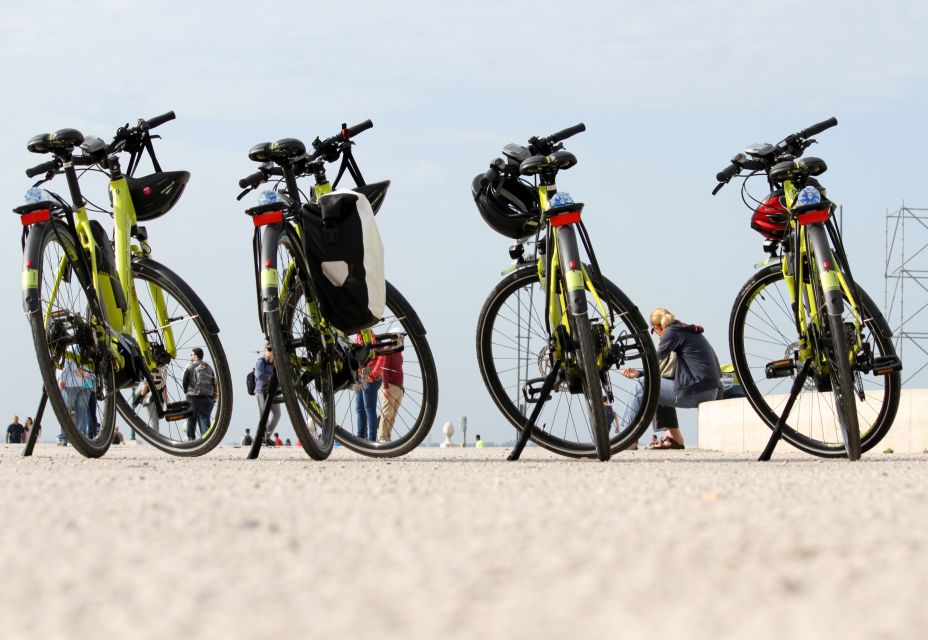
- E-bike + hills: you get Christ the King effort without the sweat tax
- Orange cacilheiro ferry: a real Tagus crossing, not just a quick photo stop
- Boca do Vento lift: a fun shortcut closer to the statue
- Almada’s Medieval Museum: learn about Islamic life in Portugal during the Middle Ages
- Best-view timing: ride up, take in the panorama, then coast downhill
- Small group size: limited to 11 participants, so you actually hear the guide
Why this Christ the King route works in just 3 hours
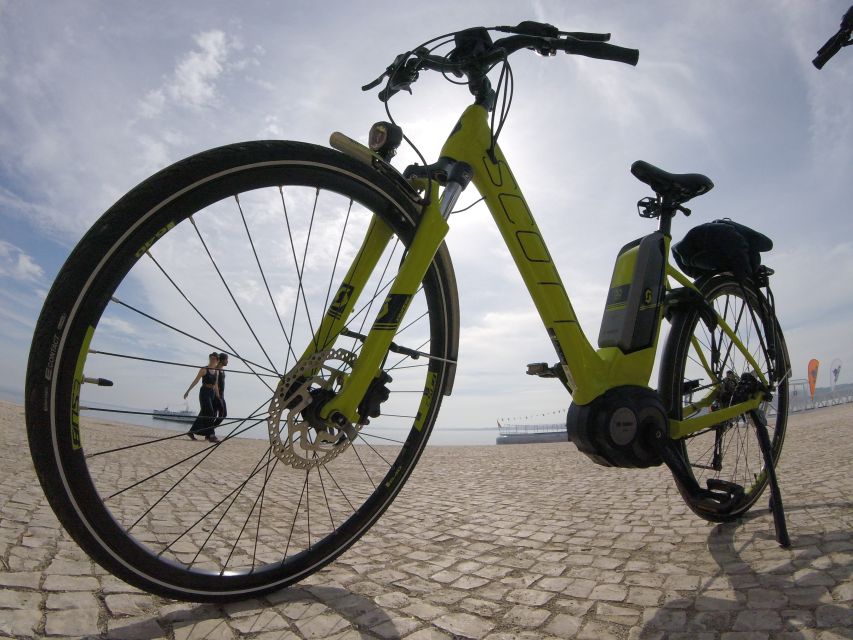
South Lisbon can feel like two different cities: the historic core with its lifts and squares, and the south bank with its viewpoints and quieter neighborhoods. This tour stitches those pieces together fast, so you don’t waste a half day figuring out logistics.
The sweet spot is that it uses multiple ways of getting around. You’ll bike through central streets, then switch to the Tagus ferry, then use a lift (Boca do Vento) for the final climb toward the statue. The payoff is simple: you spend your limited time on the places that make Lisbon make sense.
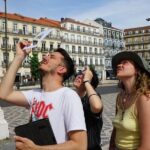
Also, the pace is practical. You get frequent context stops, not just long stretches where you’re left guessing what you’re looking at. And when you do hit views, they’re not random. They’re timed so you can see the Tagus River, the 25 de Abril Bridge, and the city from the angle most people only get after a long day.
You can also read our reviews of more cycling tours in Lisbon

Starting at Largo Severa and getting comfortable on an e-bike
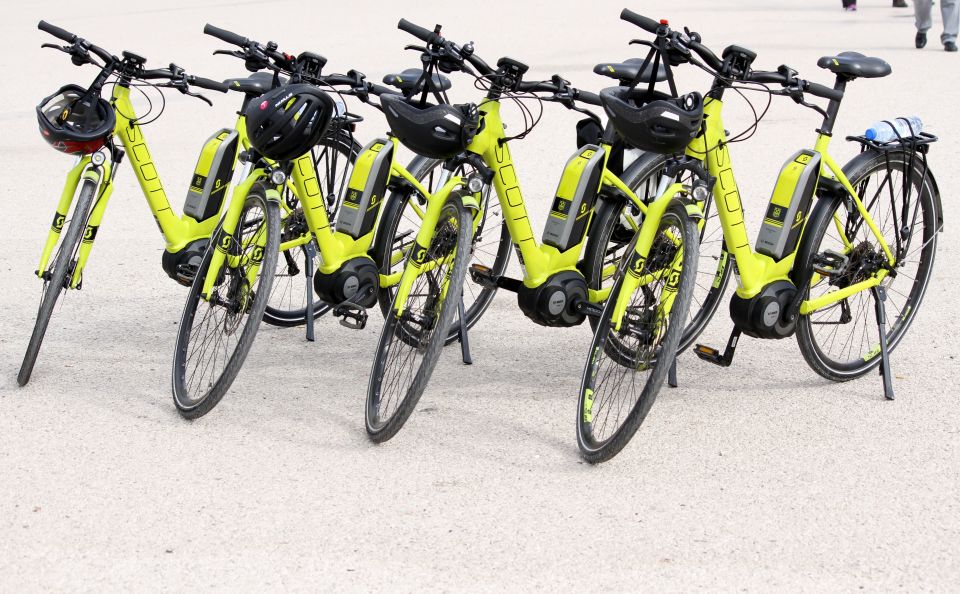
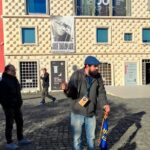
You meet at Largo da Severa 7A, a pedestrian area near Praça Martim Moniz. If you’re coming by taxi or rideshare, your best bet is to set your destination as Praça Martim Moniz, then walk the couple minutes to Largo da Severa.
The tour starts with a safety briefing on how the e-bike works. That matters more than it sounds. Different bikes, different assist levels, and different braking habits can make you feel clumsy if you’re figuring it out mid-route. With the briefing first, you can focus on the ride and the sights.
From there, the route takes you through the inner workings of Lisbon rather than sending you straight to one monument. You’ll head toward Praça da Figueira, then continue through streets that connect to writers and traders—more on that below.
Group size is limited to 11 participants, so the guide can keep an eye on everyone’s comfort level. This is one reason the tour feels organized instead of chaotic when you’re moving across different types of spaces (wide squares, tight streets, and ferry boarding areas).
From Praça da Figueira to Santa Justa: Lisbon’s lifts in motion
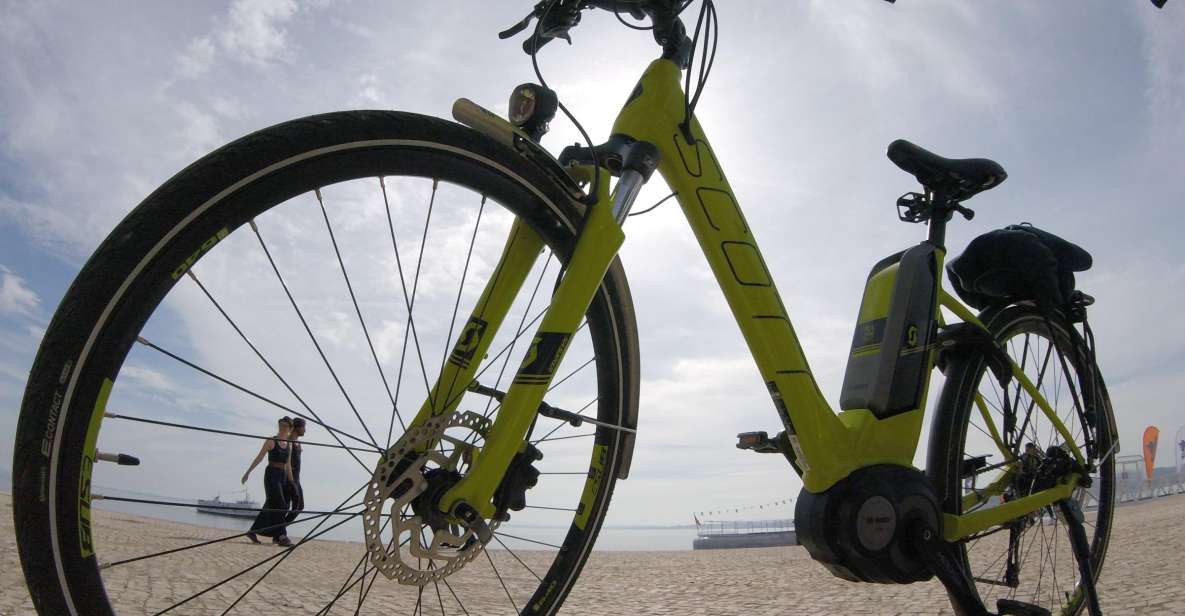
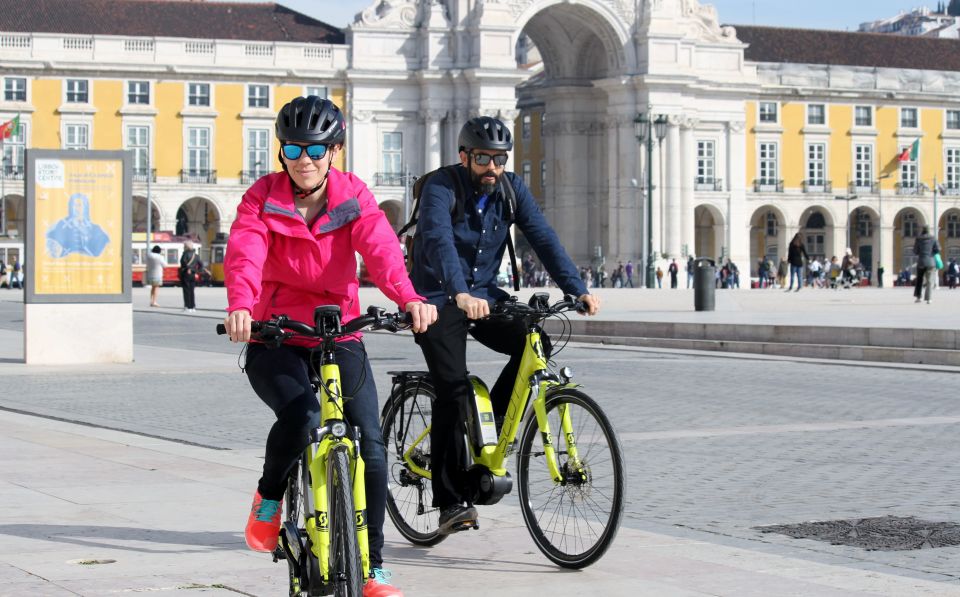
One of the most enjoyable parts of the first stretch is how it strings together Lisbon’s public-spaces energy. You go to Praça da Figueira, a big commercial square, and you’ll learn how that merchant focus shaped the city’s layout and street life.
Then the route moves through Ruas dos Douradores, where you’ll pass the site connected to Fernando Pessoa’s inspiration for Livro do Desassossego. This isn’t just a trivia stop. It gives you a lens: Lisbon’s famous aesthetics were never separate from daily life—commerce, neighborhoods, and artists shared the same streets.
Next comes one of Lisbon’s iconic mechanical features: the Santa Justa Elevator ironwork. You’ll admire it en route to Praça do Comércio. Even if you don’t ride the elevator itself, the visual impact is real—the latticework is striking, and the location puts you in the mood for river views.
If you like city design, this section hits well. You see how Lisbon handles height changes and how it funnels people through squares that act like crossroads. It’s also a good warm-up before the Tagus crossing and the bigger climbs later.
Crossing the Tagus by orange cacilheiro: the break you’ll remember
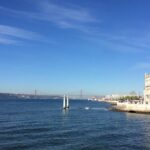
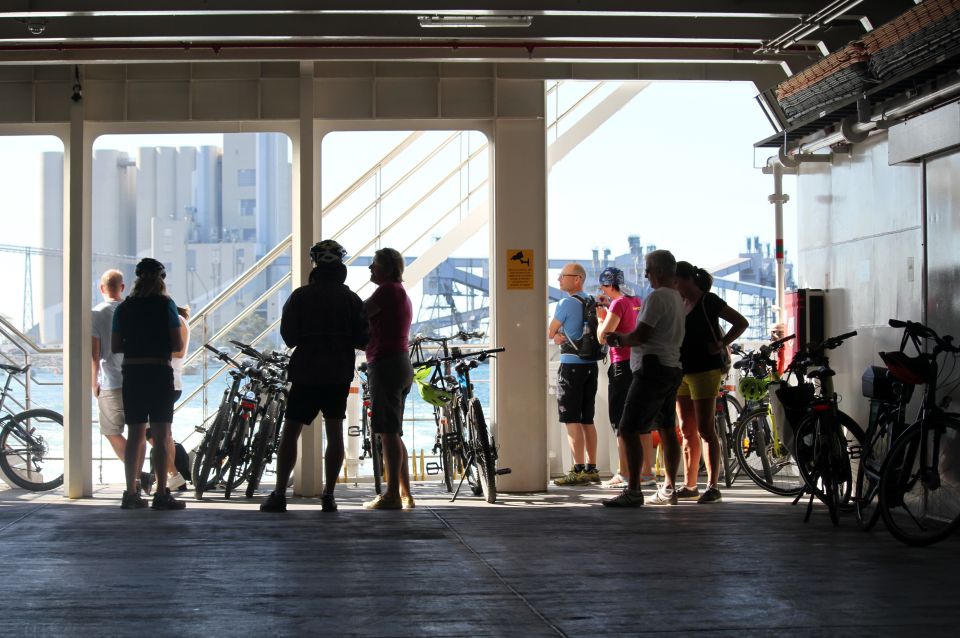
The ferry crossing is a major part of why this tour feels special. At Cais do Sodré, you take the orange cacilheiro across the River Tagus. This is the kind of move you’ll appreciate even if you’re already used to urban transport—because the river is the point, not a gap to “get through.”
On the south side, the ride continues with a former warehouse area at Cais do Ginjal, where supplies for cod fishing boats were once stored (bait and ice). That quick historical detail makes the riverbank feel less like scenery and more like a working corridor.
Practically, the ferry also gives you a breather. You’re not constantly pedaling or braking. You get a change of pace that helps keep the whole 3-hour plan comfortable, especially if you’re not a confident cyclist.
And emotionally, it’s a perspective shift. Crossing the Tagus early in the itinerary means the south bank doesn’t feel like a distant side trip. It feels like the next chapter of Lisbon, not a detour.
Boca do Vento and the climb toward Christ the King
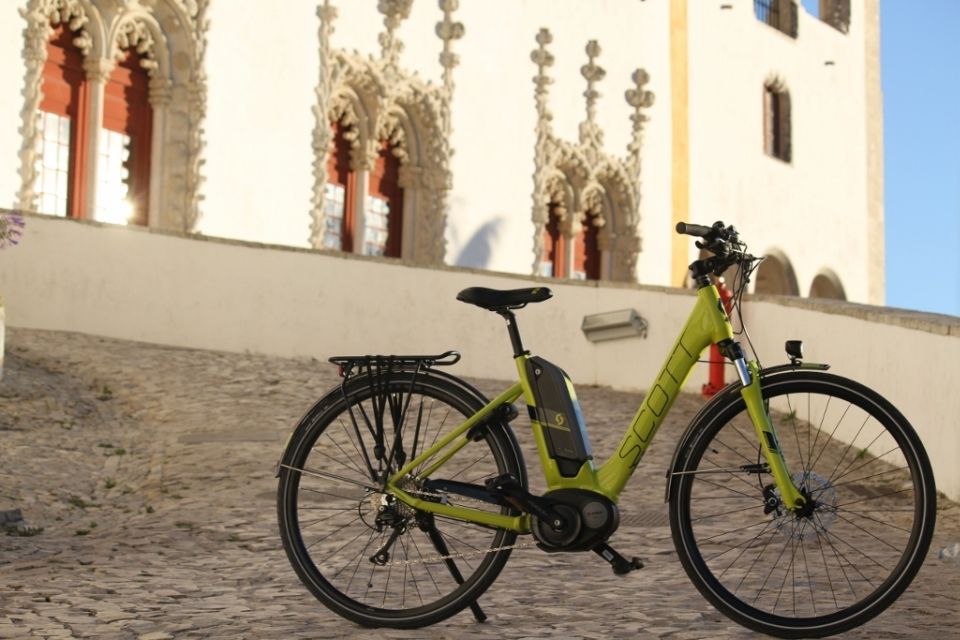
Once you’re back on the south side, you head toward the Christ the King area. This is where the e-bike pays off. The assist helps you climb without turning your tour into a fitness test.
But you don’t have to do everything the hard way. The tour includes the Boca do Vento lift, which helps you get closer to the outstretched arms of Christ the King. Depending on conditions and the day’s flow, you may also have the option to ride up on the e-bike, so you can choose what feels right for your energy level.
Either way, expect a mix of “moving” and “looking.” You’ll be traveling with the Tagus and bridge view in the background, and that helps the final approach feel scenic instead of grindy. The views from this side of Lisbon are often described as some of the best you’ll get without a full day of planning, and that matches what you’ll feel here: the city stretches out, and the river anchors everything.
Also, this is a good moment to slow down mentally. The tour has been moving through streets and squares, and now it shifts into viewpoint mode. You’re not just seeing Christ the King—you’re seeing Lisbon’s geography.
A few more Lisbon tours and experiences worth a look




Casa da Cerca coffee stop and the top-view payoff
Before you reach the very top, there’s a coffee break in the botanic gardens of Casa da Cerca. This is a smart stop for two reasons. First, gardens make a good mental reset after hills. Second, the timing sets you up for a cleaner view experience at the sanctuary rather than arriving exhausted.
Coffee itself is not included, so plan on paying for it at the gardens. If you’re sensitive to caffeine timing, it’s a great chance to grab something warm or a quick snack before the viewpoint climb.
Then you reach the top of the Sanctuary of Christ the King for the best view over Lisbon and the Tagus. This is where the tour earns its title. You get the panorama without needing to manage your own transport, parking, or a complicated sequence of climbs.
One more thing I like about this setup: it’s not only a photo-and-go routine. The tour structure gives you time to look around, and because you bike down afterward, you don’t feel locked into staying in one place too long.
Almada narrow streets and the Medieval Museum’s Islamic story
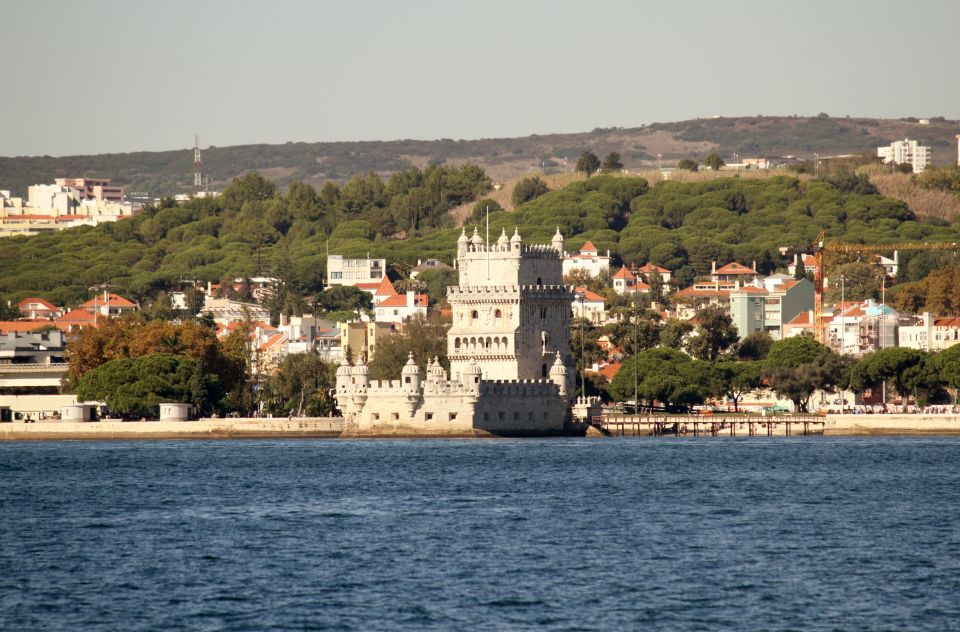
After the viewpoint, you bike downhill toward the river and spend time in Almada’s narrow streets. This is a nice contrast. The north side delivered famous squares and big views. The south side feels more human-scale and more like you’ve stepped into a neighborhood.
Then you visit the Medieval Museum of Almada. The focus here is on Islamic life in Portugal during the Middle Ages. That’s not the angle most quick Lisbon itineraries cover, so it’s a refreshing change of pace from the usual church-and-palace emphasis.
For me, the value is how it broadens the story of Portugal. You come to the museum after seeing Lisbon’s modern city planning and river trade routes, so the Middle Ages theme lands better. It helps you connect how ideas, people, and cultures moved through the region long before today’s borders.
The museum ticket is included, so you’re not scrambling to buy entry on the fly. That’s one less worry when you’re already managing a time-based tour.
The ride back: you’ll see Lisbon from south-to-north angles
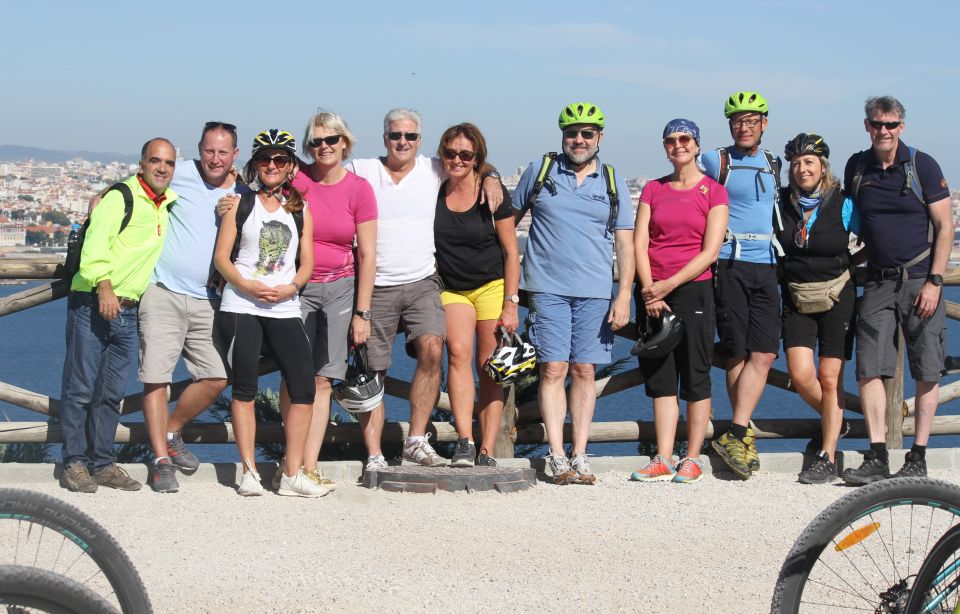
After the museum, the tour crosses the river again to return to the meeting point area. You end back near Largo da Severa, where the circuit completes.
This return leg matters because you get to see the river crossing and the city from the opposite direction. It also gives you a chance to catch any quick sights you missed earlier—without needing to plan a second day trip.
The whole flow makes the most sense if you’re doing this as a highlights tour early in your Lisbon stay. It gives you orientation. After this, you’ll recognize the big squares, the river corridor, and the overall “north vs south” layout immediately.
And if you’re the type who likes to keep moving but still wants context, this tour hits the balance. You’re not just being transported; you’re being guided through the why behind each stop.
Price and value: why $41 can make sense here
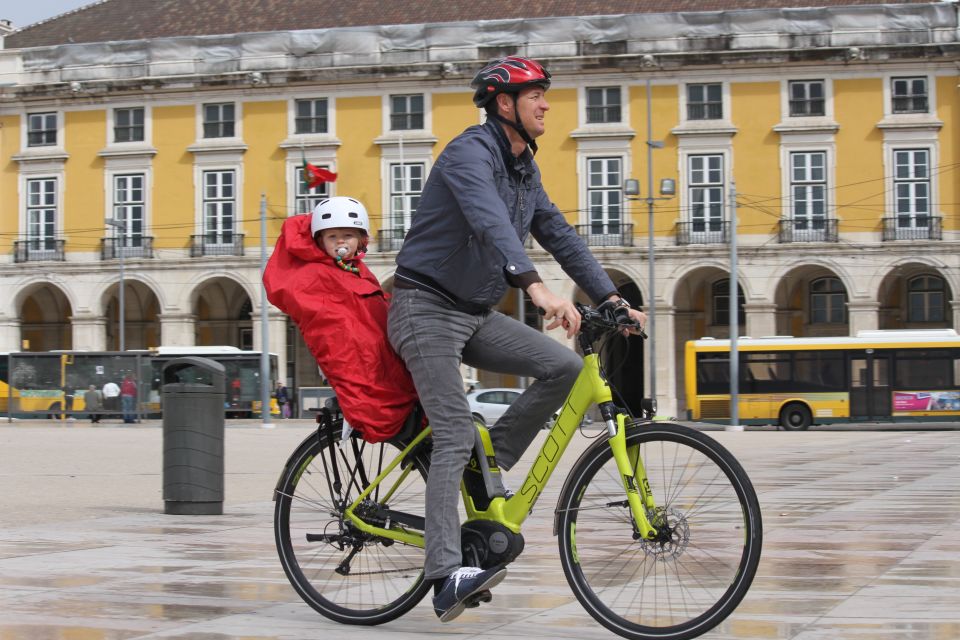
At $41 per person for about 3 hours, the price is fair when you look at what’s included. You’re getting an e-bike and helmet, a live guide, a boat ticket (cacilheiro), one bottle of mineral water, and the Medieval Museum ticket. You also have liability and personal accident insurance included.
That combination changes the math. If you were to piece it together on your own—bike rental, ferry, and museum entry—it would likely cost more and take longer, especially if you’re trying to coordinate timing around opening hours.
Also, electric-assist bikes aren’t free. The fact that the tour includes the bike means you’re paying for the convenience and the hill capability, not just for sightseeing.
The main cost to you is time and energy. If you’re expecting a slow walk-only tour, this isn’t it. But if you want the Lisbon highlights plus a genuine south-bank cultural stop in half a day, this is strong value.
Guides, language, and the small-group advantage
This is a live guided tour in German, French, Spanish, and English, and it’s limited to 11 participants. That small-group size helps the tour feel organized and makes it easier for the guide to keep everyone together.
The guide quality really affects the experience. In past runs, guides such as Bruno have been praised for pointing out lots of interesting details, and Mathias has been noted for friendliness and competence that can even smooth over the odd disappointment (like a ticket-entry misunderstanding on one date). One guide also shared Lisbon context beyond landmarks, including connections to fado.
If your goal is to learn more than just where to take a photo, pick a language you’re comfortable with and pay attention during the short instruction moments. The guide’s explanations are part of the payoff.
Who should book this Christ the King electric bike tour
This tour is a great fit if you want:
- Lisbon highlights plus a south-bank viewpoint without a full day plan
- A practical way to handle hills using electric assistance
- A ferry crossing that feels like part of the journey
- Cultural variety, including the Medieval Museum of Almada and Islamic life in the Middle Ages
You might skip it if:
- You need a low-mobility route (this one is not suitable for people with mobility impairments)
- You’re under the 145 cm minimum height
- You want a super slow, mostly indoor schedule
It also works well for couples and small friend groups who like structure but still want to ride at a comfortable pace.
Should you book this 3-hour South Lisbon e-bike tour?
I’d book it if you’re short on time and you want Christ the King plus real Lisbon context in one go. The big reason is efficiency with meaning: the ferry crossing, the lift, the sanctuary view, and the museum aren’t random add-ons. They’re sequenced so you feel the city’s geography and history in one compact circuit.
If you’re comfortable biking with an e-bike and you’re happy to spend about 3 hours in motion, this is a smart way to get a lot of Lisbon for a reasonable price.
If you want a “sit and soak it in” day, choose something else. This one is for people who enjoy a steady rhythm: ride, learn, view, and keep going.
FAQ
How long is the South Lisbon Christ the King electric bike tour?
The tour lasts 3 hours.
Where is the meeting point?
You meet at Largo da Severa 7A, 1100-588 Lisboa. It’s a pedestrian area, so if you’re using Uber or a taxi, Praça Martim Moniz is the best destination.
What’s included in the price?
The price includes a guide, an e-bike and helmet, a Medieval Museum of Almada ticket, one bottle of mineral water, the boat ticket (cacilheiro), and liability/personal accident insurance.
Is the coffee at Casa da Cerca included?
No. Coffee is not included in the tour price.
Which languages are offered for the live guide?
The tour is available with live guides speaking German, French, Spanish, and English.
Do I get a refund if I cancel?
Yes. You can cancel up to 24 hours in advance for a full refund.
Is this tour suitable for people with mobility impairments?
No. It is not suitable for people with mobility impairments.
Is there a height requirement?
Yes. It’s not suitable for participants under 145 cm (4 ft 8 in).