REVIEW · LISBON
Setúbal Wine Tour with Visit and Tasting at 2 Wineries
Book on Viator →Operated by LRS, Private tours · Bookable on Viator
Two centuries of wine, just outside Lisbon.
This Setúbal Wine Tour pairs round-trip pickup with visits to classic Portuguese producers, so you get out of the city fast and into vineyards, cellars, and tasting rooms. You also get a small-group setup (max 16), which makes it easier to ask questions instead of just passing time.
I love the easy transport from your hotel or address, because it means no rental car juggling or parking headaches. I also like that you taste up to five wines across different styles and regions near Setúbal, so you’re not just sipping the same thing twice.
One drawback to plan for: the tour is marketed around tastings at two wineries, but the schedule also lists extra regional stops. Timing and winery rules can affect what gets fully toured on the day, so check what’s included for your specific date.
In This Review
- Key things I’d circle before you go
- How This 4-Hour Setúbal Tour Works From Lisbon
- Jose Maria da Fonseca: A 1834-Started Producer With Moscatel Roots
- Bacalhôa in Azeitão: Modern Design Meets the Cellar Reality
- Palmela Cooperative and Farm Catralvos: Why the Extra Stops Can Be Worth It
- The Tastings: How to Make Sense of Up to Five Wines
- Guides Matter: When the Day Feels Personal
- Price and Logistics: What You’re Paying For
- Who This Tour Fits Best (and Who Might Want Another Plan)
- Should You Book This Setúbal Wine Tour?
- FAQ
- How long is the Setúbal wine tour?
- Is pickup from Lisbon included?
- What language is the tour offered in?
- How many wineries do you visit?
- Are admission tickets included?
- What is the maximum group size?
Key things I’d circle before you go
- Pickup and drop-off from Lisbon so your day starts without transit stress.
- Small group size (max 16), which usually means more guide time per person.
- Up to five wine tastings so you can compare styles instead of one “set” pour.
- Jose Maria da Fonseca for a deep, old-school producer story tied to Moscatel de Setúbal traditions.
- Bacalhôa in Azeitão for a striking modern cellar experience in a glazed hexagon building.
- Extra hour stops listed (Palmela co-op and Farm Catralvos) that may depend on how the day runs.
How This 4-Hour Setúbal Tour Works From Lisbon
This is a ~4-hour wine outing designed to fit into a Lisbon schedule without turning your whole day into a commute. You’ll start with pickup at your hotel or address (and it’s drop-off at the end too), in a format that’s typically comfortable and efficient. The tour is offered in English, and you’ll carry a mobile ticket.
Price-wise, at about $117.96 per person, it’s not a bargain like a supermarket tasting. But you are getting real value in three ways:
- Transport round-trip from Lisbon is included.
- Admission tickets are included for the listed winery stops.
- The tasting portion can reach up to five wines, which is where “value” often lives on wine days.
A practical note: the experience requires good weather. If conditions are rough, you’ll be offered a different date or a full refund, so it’s smart to keep your schedule flexible.
Group size is capped at 16, so this is not a massive bus tour. In practice, that often makes the guide’s explanation feel more like a conversation—especially if you like Portuguese wine stories, not just wine names.
You can also read our reviews of more food & drink experiences in Lisbon



Jose Maria da Fonseca: A 1834-Started Producer With Moscatel Roots
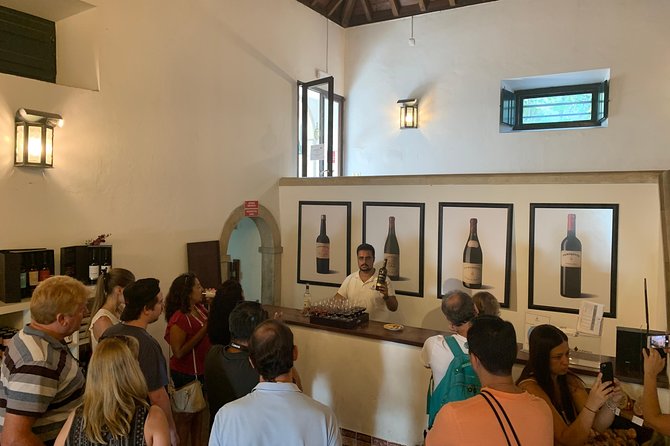
Your first stop is José Maria da Fonseca, a family business operating since 1834. That long timeline matters because it’s not just marketing. The winery’s story is framed around how they preserved the founder’s prestige while modernizing production—an approach that shows up in how they talk about tradition and technique.
Here’s what I think you’ll enjoy most at this stop:
- You get the sense of a true legacy producer, not a brand that just recently jumped into wine tourism.
- You’ll hear how they’ve stayed invested in research and production improvements while keeping core Portuguese winemaking identity.
- The guide may connect that heritage to other production styles used in their broader network, including the mention of Roman tradition fermenting in clay pots at their Adega José de Sousa Rosado Fernandes in Alentejo.
What about the wine itself? This stop is part of a tasting plan, so you’ll sample what’s on offer that day. Still, keep expectations reasonable: wine tourism often runs on a “best representation” tasting lineup, not a full a la carte restaurant pour. One guest on a similar day said the first winery was disappointing, while the second worked better for their taste. That doesn’t mean it’s bad—it just means your personal palate matters.
If you’re the type who enjoys producer history, this is the stop that gives you context fast.
Bacalhôa in Azeitão: Modern Design Meets the Cellar Reality
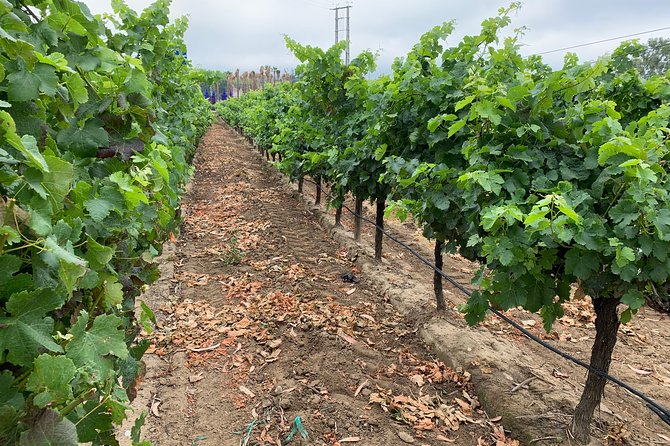
Next up is Bacalhôa Vinhos de Portugal, in the Azeitão wine region on the Setúbal Peninsula. Bacalhôa’s story includes a major move: in 1997, the company moved from Pinhal Novo into the Azeitão area and settled into a purpose-built, very distinctive facility.
The highlight here is the building itself. The winery is described as a glazed hexagon, designed by António d’Avillez. You’re meant to see modern design choices both in the cellar and office areas, and that’s exactly the kind of contrast that makes a Setúbal day feel more interesting than one repeated “green vineyard, sip wine, repeat” loop.
What you can expect on the ground:
- You’ll likely get a guided look and tasting tied to how Bacalhôa produces and presents its wines.
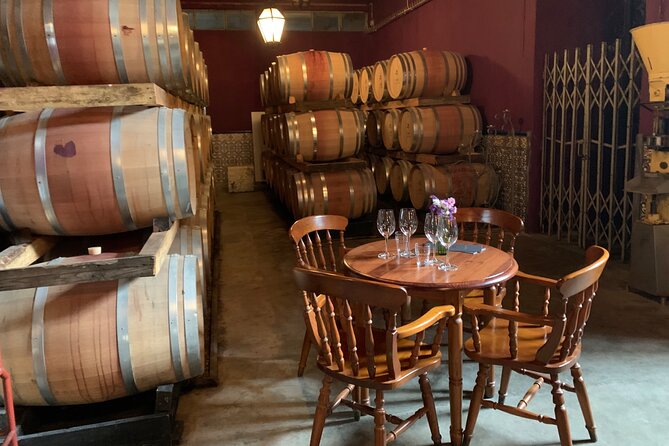
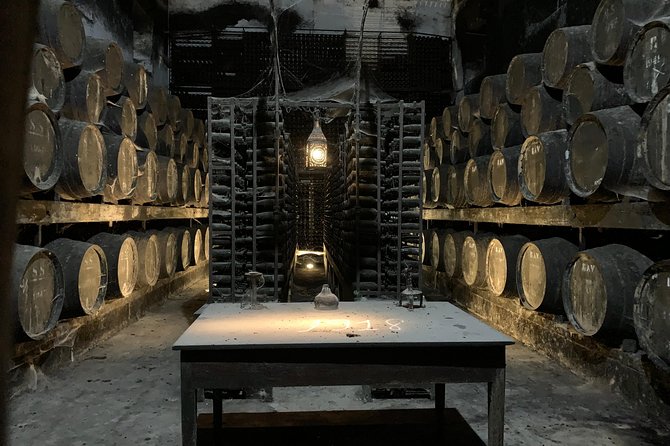
- The description emphasizes the scale and seriousness behind the cellars—thousands of bottles and a large presence of barrels staged for wine aging.
This is the stop where a lot of people tend to feel the experience is more complete, because the setting is so memorable. One guest noted that even when the day’s schedule changed, the second winery still delivered a great tour and tasting. Translation: if your day is tight, Bacalhôa is often the anchor.
If you like design, architecture, and “how they built the experience,” this one will click.
Palmela Cooperative and Farm Catralvos: Why the Extra Stops Can Be Worth It
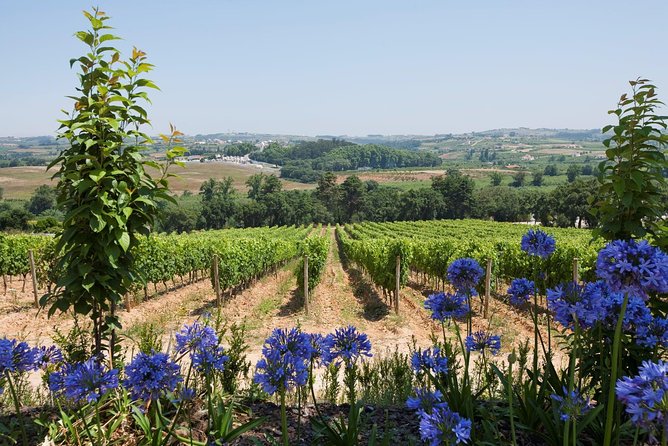
The written schedule includes two additional 1-hour stops after Bacalhôa:
- Adega de Palmela (a cooperative winery)
- Farm Catralvos (listed as an alternative stop)
The Palmela co-op part is the easy win for anyone who likes a “real working place” feel. The description points to a wide range of wines, plus a guided tour and tasting that stays rooted in the region. Cooperative wineries can feel less polished than big-name brands, but that’s often the charm: you’re watching wine culture work as part of a community, not just as a tourist performance.
Farm Catralvos is listed, but details are lighter than the other stops. That’s not a red flag—it just means the payoff may come more from the setting and what the guide chooses to highlight that day.
Now the important caution: the tour you buy is described as visit and tasting at 2 wineries, even though the itinerary lists four hour-long locations. In the real world, the day can shift. One example from past experiences included a situation where the second winery tour didn’t happen as expected, and farm visits were missed.
So I’d treat the two main winery tastings as the real guarantee, and consider Palmela/Catralvos as a bonus if timing allows.
The Tastings: How to Make Sense of Up to Five Wines
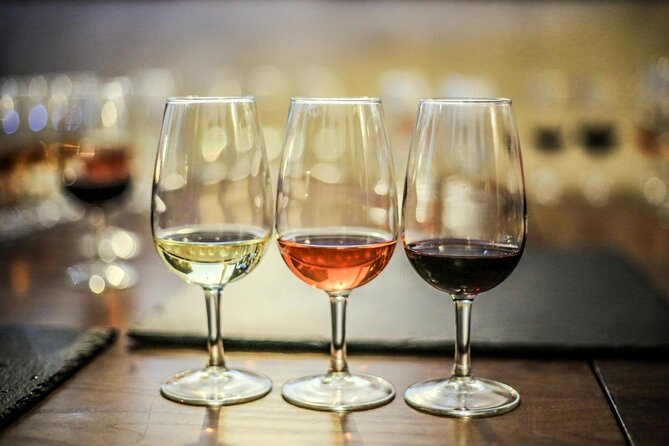
The tour promise is up to five wines tasted during the day. That’s a healthy number. It gives you enough variety to start noticing patterns—like how rosé styles differ from darker wines, or how one region leans more aromatic while another leans more structured.
Here’s how I’d approach the tasting so you get more than just “good wine” memories:
- Try to identify the style first, then the flavors. Ask the guide what to watch for.
- Take notes in your phone right after each pour. Wine names blur together fast.
- If you spot Moscatel de Setúbal mentioned in the conversation (the Jose Maria da Fonseca story puts it front and center), ask how the winery explains the sweetness, aging, and serving style.
One more practical idea: if you’re hoping to buy bottles, don’t wait until the very end of the day while everyone is packing up. If the tasting room has a shop, ask about prices early, and check how they expect you to carry bottles back to your hotel.
You can also read our reviews of more wine tours in Lisbon





Guides Matter: When the Day Feels Personal
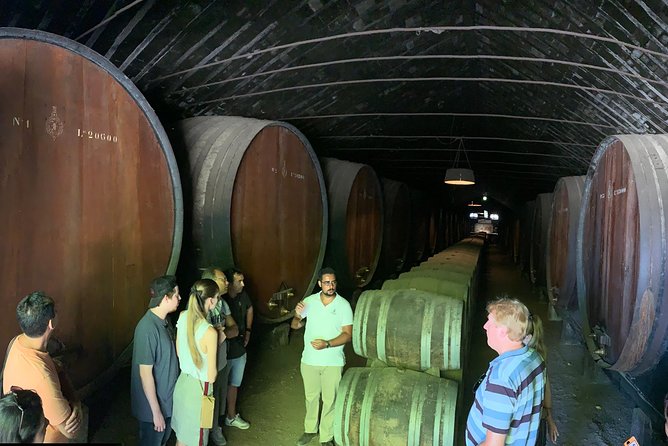
The biggest theme behind the best experiences here is the guide. Names that come up include Anna, Pedro, Marco, Ana, Fernando, Gonçalo, and Juan. More than just “friendly,” the strongest guides do two things well:
- They connect the wine to Portuguese place and history.
- They keep the day moving while still giving you time to ask questions.
On this type of tour, your guide can also decide whether you get rushed through explanations or you come away feeling like you understood what you tasted. Multiple guides were praised for being funny, attentive, and prepared to answer questions about the region, the wineries, and what to do around Lisbon.
There’s also a small but important detail: people noticed being picked up right on time and being dropped off smoothly afterward. That sounds basic, but on a Lisbon day, smooth logistics can be the difference between relaxed sipping and a slightly stressful timeline chase.
Price and Logistics: What You’re Paying For
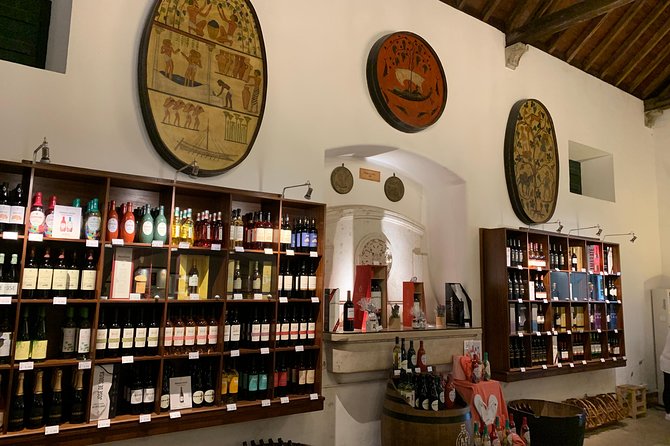
Let’s be honest: $117.96 per person can feel high if you compare it to DIY. But DIY has hidden costs—car rental, parking, fuel, and the time cost of finding wineries that are open and tour-accessible.
This tour bundles several things together:
- Round-trip transport from Lisbon
- Entry tickets at the winery stops
- A structured tasting experience with up to five pours
- English-language guide time in a small group (max 16)
Another value angle: because admission is included, you avoid the common “wait, is tasting extra?” surprise.
Trade-offs? You’re on a schedule. And if your personal wine taste is picky, one winery’s selection might not match your palate. That’s not unusual in wine tourism, since each stop can’t tailor the lineup to every taste.
Think of it as a guided sampler platter of Setúbal-region wine culture.
Who This Tour Fits Best (and Who Might Want Another Plan)
This tour fits best if you:
- Want a short, efficient wine day that leaves time for Lisbon.
- Like learning wine context—family producers, regional identity, and production methods.
- Prefer guided tastings over wandering alone through tasting rooms.
It may be less ideal if you want:
- A slow, unguided wine crawl with long solo time at each winery.
- A day that guarantees four full location tours with zero schedule shifts. The tour is marketed around two winery tastings, and timing can affect additional stops.
If you’re a couple, a small group of friends, or solo traveler who wants to ask questions in English, this small-cap tour format is a strong match.
Should You Book This Setúbal Wine Tour?
I’d book it if your goal is a smooth, guided Setúbal experience with real tasting value and enough structure to keep the day from feeling like guesswork. The two anchor wineries—José Maria da Fonseca for heritage and Bacalhôa for a modern cellar setting—are exactly the kind of contrast that makes a short trip worth it.
I would hesitate only if you’re the type who needs every scheduled stop fully delivered no matter what. Because the package centers on tastings at two wineries, while the itinerary lists additional hour stops, your best move is to confirm which sites are actually included for your booking day.
If you can stay flexible and you like learning while you taste, this tour is a good use of half a day outside Lisbon.
FAQ
How long is the Setúbal wine tour?
It lasts about 4 hours.
Is pickup from Lisbon included?
Yes. Pickup and drop-off are offered at your address or hotel.
What language is the tour offered in?
The tour is offered in English.
How many wineries do you visit?
The tour is described as a visit and tasting at 2 wineries, even though the schedule lists additional stops.
Are admission tickets included?
Yes. Admission tickets are included for the listed winery visits.
What is the maximum group size?
The maximum is 16 travelers.