REVIEW · LISBON
Lisbon: Portuguese street food cooking class with Drinks
Book on GetYourGuide →Operated by Compadre Cooking School · Bookable on GetYourGuide
A pork sandwich, a greens soup, and little fried bites walk into your kitchen. In Lisbon’s Compadre Cooking School, this class focuses on Portuguese street food you can actually repeat at home, with real chef-led cooking and a shared meal. I like that you get hands-on practice with classic dishes like Bifana and Caldo verde, and that the chefs weave in the stories behind them. One heads-up: the session is pretty active and practical, so if you’re hoping for mostly lecture time, it may feel a bit too hands-on in the moment.
In plain terms, it’s a fun way to eat better than a quick snack run. You’ll work at stations, share the food you cook, and finish with a glass of wine plus Ginja (cherry liqueur). I also like that it’s built for beginners—no prior cooking experience required. If you need a calmer, quiet experience, the shared cooking setup won’t be for you.
You’ll want comfy shoes and a good appetite. The format is straightforward, and the room is designed for cooking, but it’s not suitable for wheelchair users.
In This Review
- Key things worth knowing before you go
- Cooking in Lisbon the practical way: Compadre Cooking School and the 2-hour flow
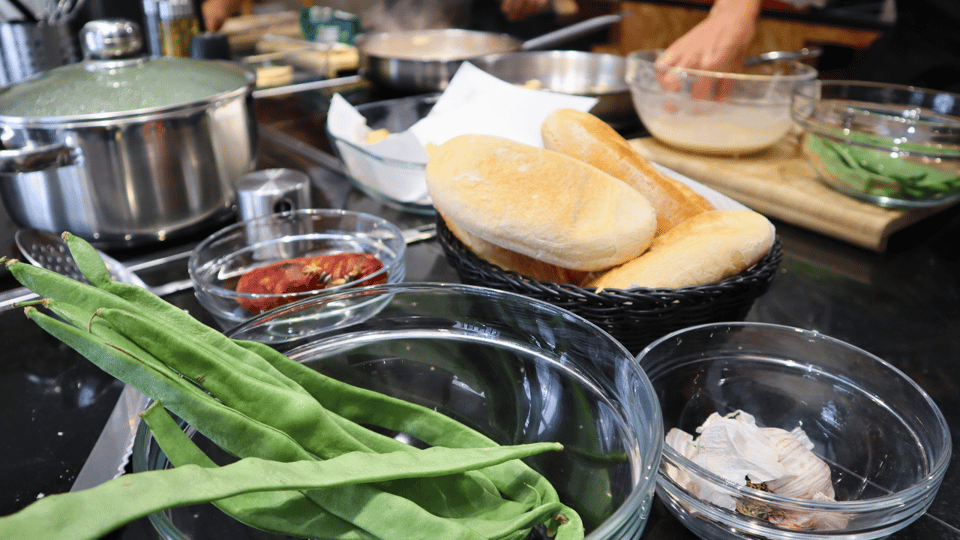
- The dishes you’ll make: Bifana, Caldo verde, and Peixinhos da horta
- Bifana: the pork sandwich you’ll understand in minutes
- Caldo verde: collard greens soup that tastes like home
- Peixinhos da horta: the dish that helped inspire tempura
- Why the stories matter: origins, tradition, and how locals eat
- The cooking experience: stations, teamwork, and clear chef guidance
- Wine and Ginja: the Portuguese finish that turns cooking into a meal
- Price and value: is $55 a fair deal for Lisbon food?
- Who this class fits best (and who should skip it)
- Small tips to get the best day from this class
- Final call: should you book the Lisbon street food class at Compadre?
- FAQ
- Where do I meet for the class?
- How long is the cooking class?
- Is the class taught in English?
- Do I need any prior cooking experience?
- What’s included in the $55 price?
- Are drinks included besides wine and Ginja?
- Can the recipes be adapted for dietary needs?
- What should I bring or wear?
- Is the class wheelchair accessible?
Key things worth knowing before you go
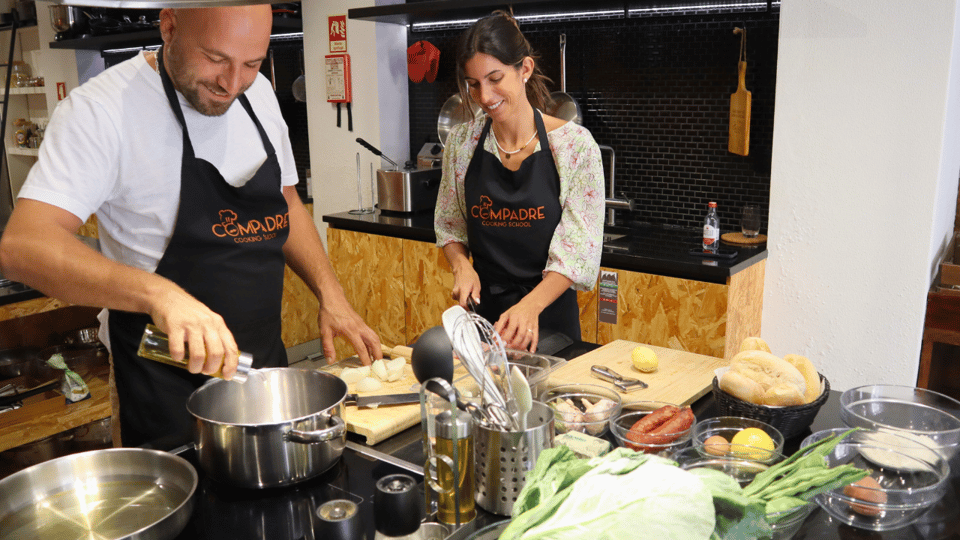
- Street food classics, not just show-and-tell: you’ll prepare Bifana, Caldo verde, and Peixinhos da horta.
- Beginner-friendly pacing: no prior cooking experience is needed, and you’ll get chef guidance at your station.
- Food + drinks are part of the deal: wine (red or white) and Ginja tasting after your meal.
- Dish origins are part of the experience: you’ll hear where these favorites come from and why they matter locally.
- You cook together: you’ll share the workload with fellow participants rather than cooking alone.
- Watch your expectations on teaching style: some people say the chef direction can be very hands-on while you cook.
Cooking in Lisbon the practical way: Compadre Cooking School and the 2-hour flow
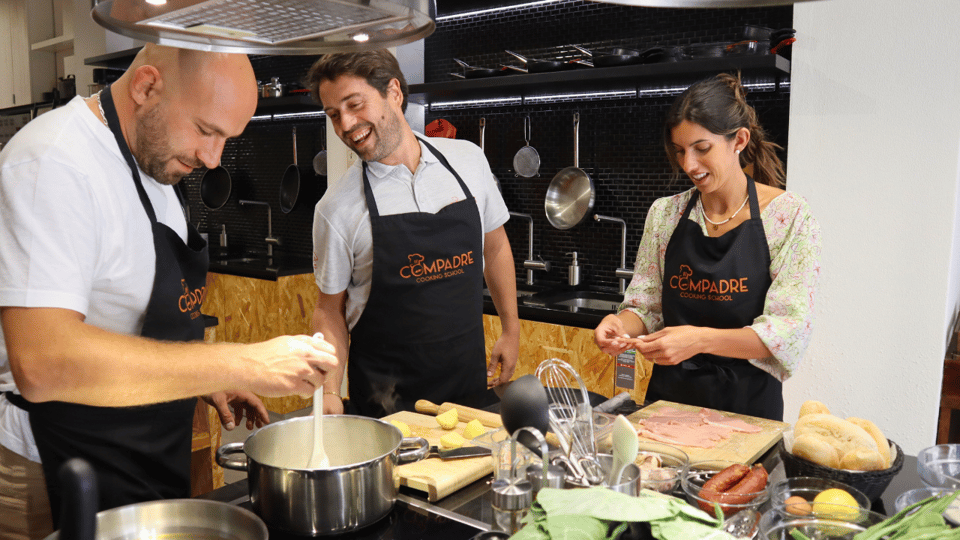
Lisbon has a way of turning “snack time” into a cultural event. This cooking class captures that feel—short, lively, and centered on what locals actually eat when they’re on the move. You meet at the Compadre Cooking School kitchen, then you settle in, get a quick intro, and jump into work fast enough that you won’t feel stuck waiting around.
The whole experience is 2 hours, which is a sweet spot. Long enough for real cooking and a shared meal, short enough that it doesn’t blow up your day. The class runs in English, so you can follow the steps without playing guessing games, and the instructors are set up to guide you while you cook.
One practical detail: arrive about 5 minutes early so you can get settled. Wear comfortable clothing and shoes you don’t mind getting busy in. The food is the point, so shoes that handle standing and moving around matter more than you think.
You can also read our reviews of more food & drink experiences in Lisbon


The dishes you’ll make: Bifana, Caldo verde, and Peixinhos da horta
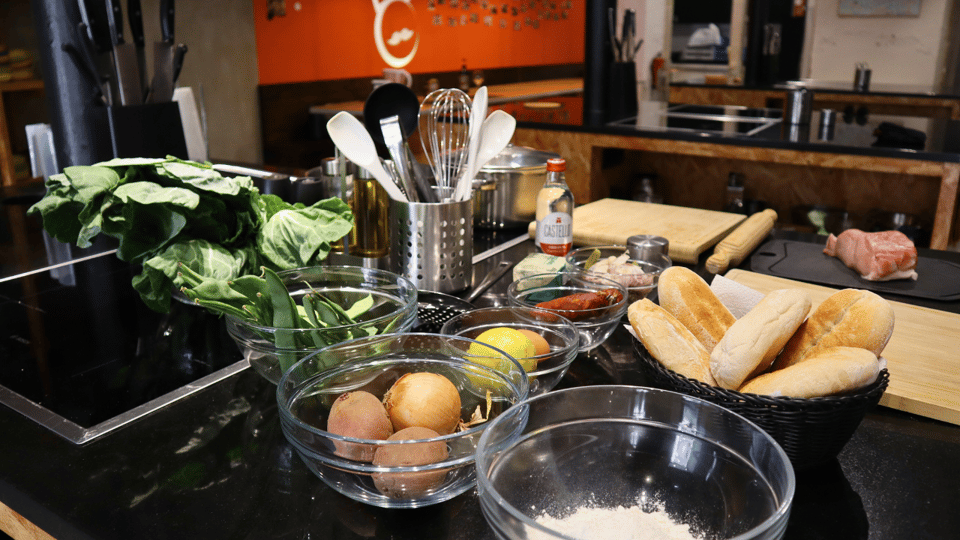
This class is built around Portuguese comfort food with street-food energy. Instead of random recipes, you focus on three iconic bites and bowls that show up all over Portugal.
Bifana: the pork sandwich you’ll understand in minutes
Bifana is basically a love letter in sandwich form: pork, usually served in a warm, crusty roll, often with a tangy, savory profile. The class is designed so you learn the key steps that make the sandwich taste like the ones you want to track down again later.
What I like about this dish for a class setting is that it’s approachable. It’s not a fragile pastry moment; it’s a hearty classic where getting the flavor right matters more than fancy technique.
Caldo verde: collard greens soup that tastes like home
Caldo verde is one of Portugal’s most recognizable soups—collard greens, typically with a comforting, seasoned base, and a texture that feels both simple and deeply satisfying. The class treats it like street food, too: it’s the kind of dish you’d actually crave on a cool day after walking around town.
If you want something that translates well to home cooking, this is a strong pick. Soups are forgiving, and once you understand the seasoning balance, you can adjust to your taste without it turning into a science project.
Peixinhos da horta: the dish that helped inspire tempura
Peixinhos da horta are little fried bites—often involving vegetables dipped in batter and fried until crisp. The class specifically notes that this dish inspired the world-famous tempura. That detail is a great conversation starter because it connects Portugal’s kitchen traditions to broader frying techniques you might have run into elsewhere.
This part is especially satisfying when you see the transformation from raw to crisp. It’s also a dish that makes sense for a group class because everyone can take a turn at the steps and see the result together.
A few more Lisbon tours and experiences worth a look




Why the stories matter: origins, tradition, and how locals eat
Cooking classes can turn into just recipes on a timer. This one tries to add meaning by explaining the origins and cultural role of each dish. You’ll start with a short introduction to history and culture, then you’ll hear stories as you cook.
That matters because it helps you cook with context. When you know why a dish exists—like why it became popular for daily life, or how it spread as a go-to snack—you’re more likely to remember the steps and actually recreate them later.
You also get the sense that these dishes aren’t museum pieces. They’re the food of festivals and snack bars, meaning they’re meant for sharing, eating quickly, and enjoying with other people around.
The cooking experience: stations, teamwork, and clear chef guidance
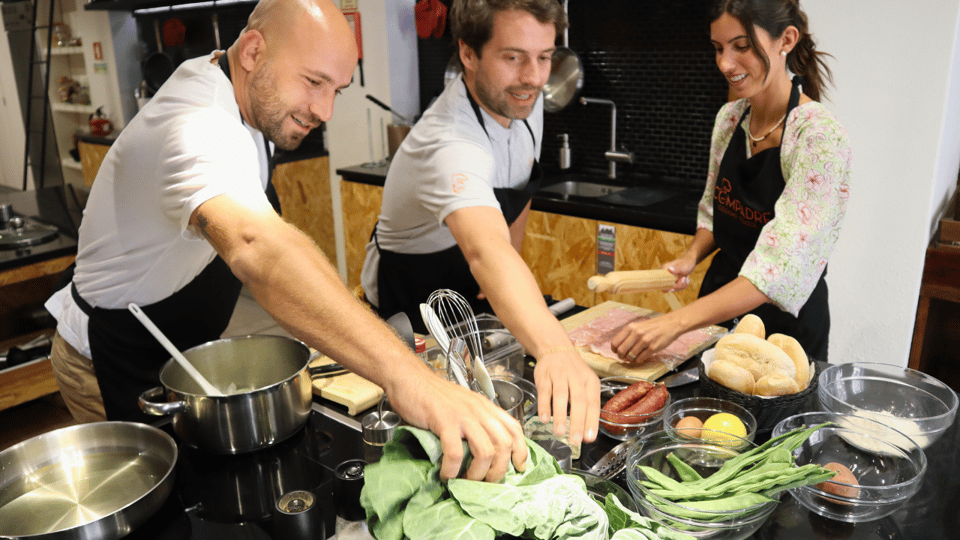
This is a hands-on class, and the kitchen setup is geared for group work. You’ll work side by side with other participants, guided by a local chef. The goal isn’t just to watch someone else do the work; you’ll participate through the process.
From what’s been shared about the teaching style, you’ll likely find that the instructors balance explanation with action. Some people liked that the direction kept things moving and ensured everyone got involved. One caution from past participants: a few felt one instructor could lean more into hands-on coaching than teaching, which might be perfect if you like getting your hands involved, but less ideal if you want more step-by-step lecture time.
Either way, the class is designed for beginners. No prior cooking experience is needed. That doesn’t mean you’ll be totally unassisted—it means the recipes and steps are set up so you can succeed even if you don’t cook at home often.
Wine and Ginja: the Portuguese finish that turns cooking into a meal
Food education is nice, but sharing the meal is where the experience clicks. After cooking, you gather around the table to enjoy what you made. This shared meal is part of the class, not an optional add-on.
And then comes the drinks. You’ll serve a glass of wine—red or white—during the meal. Wine makes sense here because Portuguese street food is often eaten with a drink nearby, and it helps turn “class time” into “dinner time.”
To end things properly, you taste Ginja, a traditional Portuguese cherry liqueur. It’s a classic Lisbon flavor, and the tasting is a satisfying capstone to dishes that are all about comfort and tradition.
If you’re someone who wants a food experience that feels complete, this is a big plus. You don’t just cook. You eat what you cooked, together, with wine and a local finish.
Price and value: is $55 a fair deal for Lisbon food?
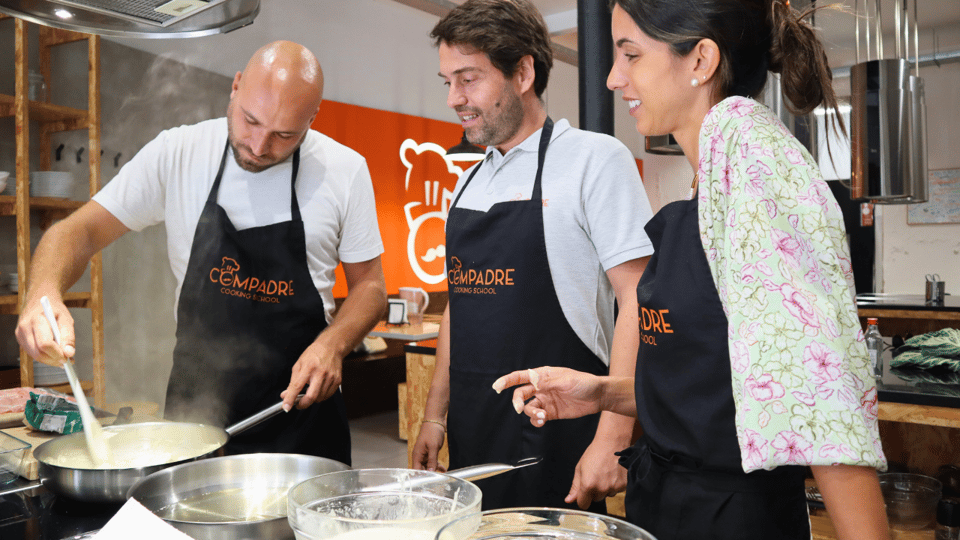
At $55 per person for a 2-hour session, you’re paying for more than ingredients. You’re paying for chef guidance, a structured cooking experience, and a sit-down shared meal plus drinks (a glass of wine and a Ginja tasting).
Here’s how I’d think about the value:
- If you’d otherwise spend money on a nice dinner and a couple drinks, this class gives you the meal you’re looking for, plus the fun part: learning how to make the dishes.
- If you’re the type who likes to take something home, this is where the price starts to make sense. You’re not just eating; you’re learning recipes you can repeat.
- Group cooking can feel like a novelty, but because this focuses on three classic dishes and includes the tasting and meal, it doesn’t feel like a quick gimmick.
The main thing to consider is your preference for hands-on activity. If you love cooking and sharing food, $55 for a guided, meal-based class is a solid value. If you only want light sampling, you might be happier elsewhere—but for practical learning, this is priced like an experience, not just a snack.
Who this class fits best (and who should skip it)
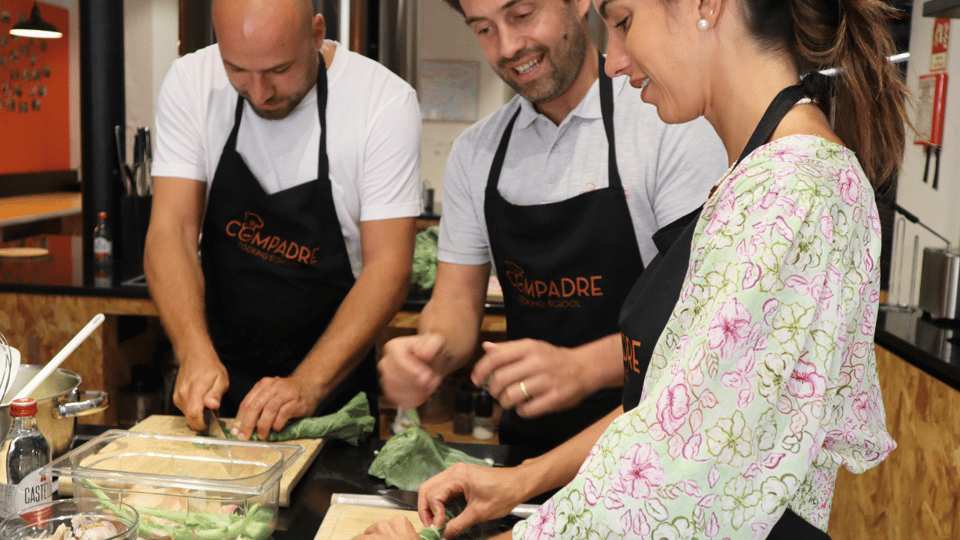
This experience is a great match for food lovers and adventurous travelers who want something more meaningful than eating your way through Lisbon. It’s also a strong choice if you want beginner-friendly direction with a clear structure.
It’s ideal if:
- you want to learn a few Portuguese staples, not just taste them
- you enjoy cooking with other people
- you like finishing with a glass of wine and a local liqueur
It may not be ideal if:
- you dislike interactive cooking or prefer quiet, observation-based activities
- you need wheelchair accessibility (this class isn’t suitable for wheelchair users)
- you want mostly drinks and minimal cooking
If you have a specific dietary need, you should reach out ahead of time. The class says recipes can be adapted with prior contact, but you’ll want to confirm details directly.
Small tips to get the best day from this class
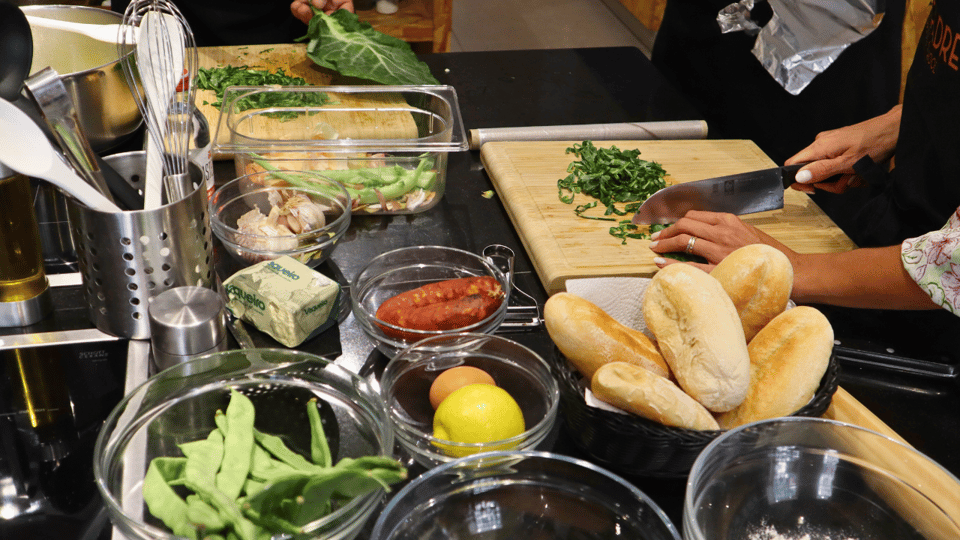
- Wear comfortable shoes. You’ll be on your feet during cooking.
- Come in 5 minutes early so you can settle without rushing.
- If you care about a specific dietary adaptation, contact the organizers in advance so adjustments are possible.
- Bring a curious mindset. The history and origin stories are short, but they help the recipes stick.
Also, since smoking isn’t allowed and alcohol/drugs aren’t allowed, plan your evening accordingly if you’re pairing this with other plans in Lisbon.
Final call: should you book the Lisbon street food class at Compadre?
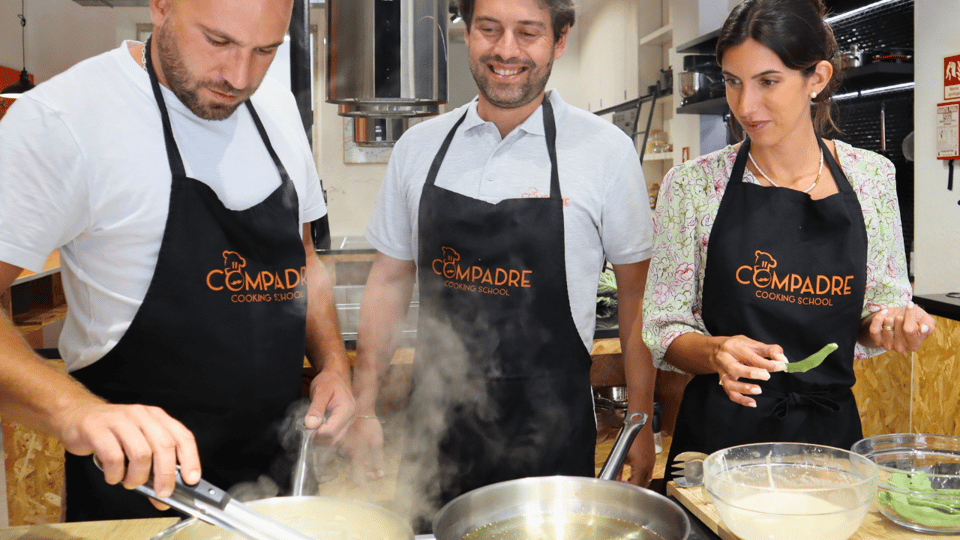
I’d book it if you want a Lisbon food experience that’s active, social, and practical. The class centers on Bifana, Caldo verde, and Peixinhos da horta, with a real meal at the end and local drink moments—wine plus Ginja. You get guided cooking without needing prior skills, and the stories behind the dishes make it more memorable than a generic tasting.
Skip it if you’re hoping for mostly sitting, mostly tasting, or a very quiet studio experience. And remember it’s not suitable for wheelchair users.
If you’re in Lisbon and you want to leave with both flavors in your memory and recipes you can cook again, this is a strong choice.
FAQ
Where do I meet for the class?
You’ll meet at the Compadre Cooking School kitchen in Lisbon District, Portugal.
How long is the cooking class?
The experience runs for 2 hours.
Is the class taught in English?
Yes, the instructor is listed as English.
Do I need any prior cooking experience?
No prior cooking experience is needed. The class is designed to be beginner-friendly.
What’s included in the $55 price?
Included are expert chef guidance, all cooking ingredients, a glass of wine (red or white), tasting of Ginja, and a shared meal of the dishes you prepare.
Are drinks included besides wine and Ginja?
The class includes a glass of wine and a Ginja tasting. Additional drinks beyond those provided are not included.
Can the recipes be adapted for dietary needs?
If you have a specific diet, you can contact the organizers and they can adapt the recipes.
What should I bring or wear?
Bring comfortable shoes and wear comfortable clothing suitable for cooking.
Is the class wheelchair accessible?
No, it’s not suitable for wheelchair users.