REVIEW · LISBON
Lisbon: Alfama Tour and Live Fado with Traditional Dinner
Book on GetYourGuide →Operated by Lisbon Destination Tours · Bookable on GetYourGuide
Fado night starts in the oldest streets, and you see why in Lisbon’s Alfama and Mouraria on a story-led walk. I love how the guide, often Miguel, ties neighborhood details to the origins of Fado, and I love finishing with live Fado in a small, moody house.
The catch is the walking: plan for steep, stair-heavy streets and a route that goes up and then back down. Dinner is a set menu, so while it’s convenient and local, the specific plates can be hit-or-miss (like reports of tougher pork or salty octopus rice).
In This Review
- Key things I’d highlight before you go
- Why Alfama and Live Fado fit together so well
- Getting started at Rossio: quick orientation, then into the streets
- Mouraria and Alfama on foot: cobblestones, viewpoints, and lots of stairs
- Dinner in Alfama: what you get, what to watch for
- The live Fado house: UNESCO mood, Portuguese guitar, and heartfelt lyrics
- Price and value: what $58 buys you, and when it’s worth it
- Who should book this Alfama and Fado combo
- Tips to make the evening smoother (and more fun)
- Should you book this Lisbon Alfama Tour and Live Fado Dinner?
- FAQ
- How long is the Lisbon Alfama Tour and Live Fado with Traditional Dinner?
- Where do I meet for the tour?
- What’s included with the dinner and show?
- Is there a vegetarian option?
- Is the tour suitable for people with mobility impairments?
- What language is the tour guide?
- Can I cancel and get a full refund?
Key things I’d highlight before you go
- Mouraria to Alfama with a real local guide (often Miguel or Catalina), not just a playlist of facts
- Live Fado in an atmospheric house, with Portuguese guitar and the kind of lyrics that sound made for Lisbon at night
- A set Portuguese dinner in the Alfama area plus one included drink (wine/beer/soft drink)
- UNESCO-style cultural context, because Fado is more than entertainment here
- A stair-and-cobblestone route that can feel like a workout, especially if your pace is slower
- Skip-the-line entry via a separate entrance, which matters when streets and venues get crowded
Why Alfama and Live Fado fit together so well
Lisbon’s older neighborhoods don’t work like a museum. Alfama and Mouraria feel lived-in, with narrow streets that force you to slow down and look up. That’s exactly the setting where Fado makes sense—quiet corners, small rooms, and voices that sound like they’ve been carrying stories for generations.
This tour is built around that match. You don’t just hear Fado; you walk through the parts of town where the mood of the music is part of the scenery. And you add a Portuguese dinner into the same evening, which turns it from a show into a full local experience.
A few more Lisbon tours and experiences worth a look


Getting started at Rossio: quick orientation, then into the streets
You meet at Lisbon Destination Hostel, right by Rossio Train Station. The meetup point is inside the station: go to the 2nd floor, and look for the hostel reception—it’s in front of the train ticket office.
This matters more than it sounds. Rossio is a busy hub, and being inside the station for the first minute or two helps you avoid the usual wandering-before-your-tour-starts chaos. If you like having a clear starting point, this setup is a win.
You should also mentally switch gears quickly. The tour moves from orientation to moving-walking-tour mode fast, so comfortable shoes and a ready pace help right away.
Mouraria and Alfama on foot: cobblestones, viewpoints, and lots of stairs

The walking portion takes about 1 hour, covering the older streets of Mouraria and then into Alfama. The streets are uneven and the terrain is steep—normal Lisbon stuff, but still worth planning for.
Here’s the big practical point: expect a lot of stairs and some steep uphill segments. Multiple experiences point to “hundreds of steps” feeling in total, with roughly a big chunk going up and another chunk coming back down. If you’re the type who gets winded easily, I’d treat this as an active walking tour, not a casual stroll.
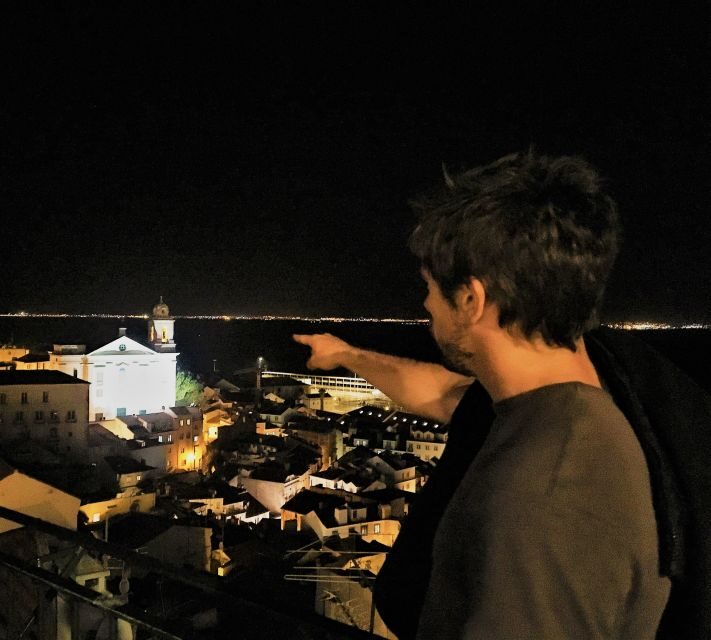
That said, the physical effort usually pays off with views. Guides often guide the group to lookouts (miradouros) where you can see Lisbon spread out and the city’s river-side vibe in the distance. If you’ve already done scenic viewpoints elsewhere, you might feel the walking is partly for views you’ve seen—so it’s worth knowing what you’re optimizing for: neighborhood atmosphere plus Fado context, not just “easy sightseeing.”
Also note the group size effect. With a larger group, the guide may rely on natural voice projection in some outdoor spots, so being near the front during explanations helps.
Dinner in Alfama: what you get, what to watch for

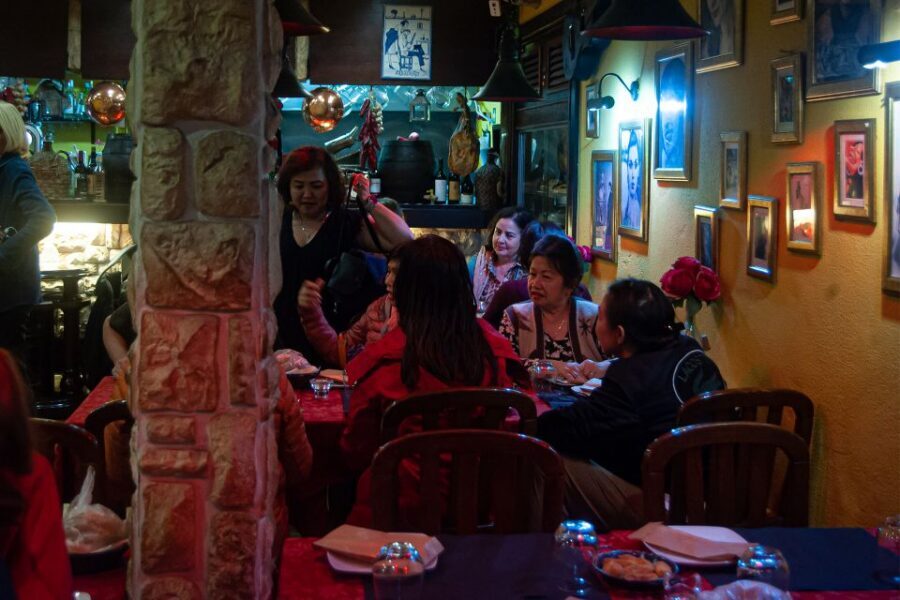
Dinner is a big part of the evening—about 2.5 hours—and it’s served as a set menu. You get an intro to typical Portuguese dining rhythms while everyone eats at the same pace, which helps the schedule stay smooth.
The included meal follows a format like:
- Couvert: bread, chorizo, and olives
- Main dish options: grilled chicken, mixed meat, cod fish with cream, or octopus rice
- Dessert: dessert of the day
- Vegetarian options: salad or vegetarian pasta
You also get one drink: a glass of wine, a beer, or a soft drink.
Now the balanced part: set menus are convenient, but you don’t get to tailor it. Some people have found the portions on the heavier side, and a few specific dishes have had complaints—like pork being tough for one person and octopus rice being too salty for another. That doesn’t mean the meal is bad every time; it means you should go with the mindset that you’re paying for the experience package (food + neighborhood + Fado), not a fine-dining menu where everything is perfect.
If you have strong preferences (very low salt, tender-meat only, etc.), I’d keep expectations grounded and focus on the evening’s bigger goal: eating in Alfama and ending in a real Fado venue.
The live Fado house: UNESCO mood, Portuguese guitar, and heartfelt lyrics
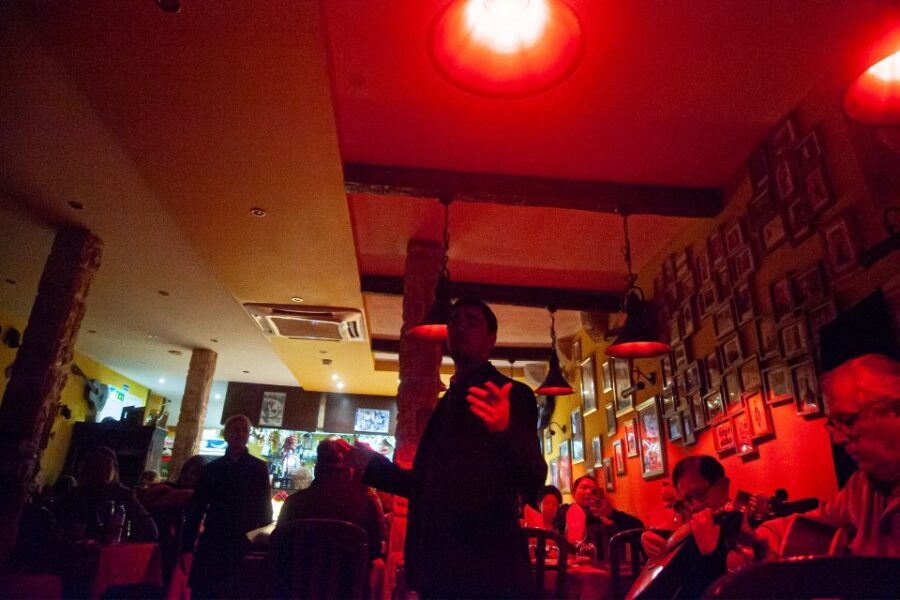
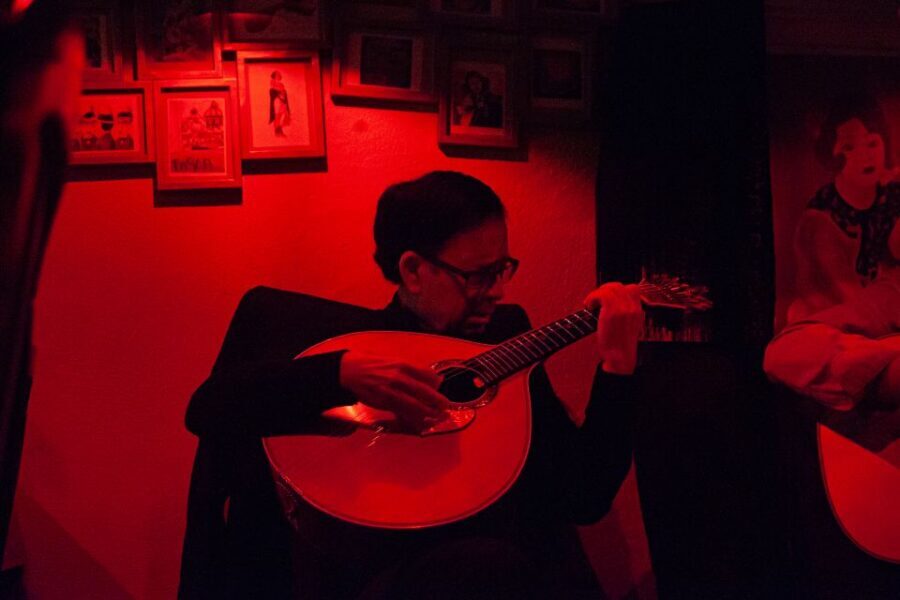
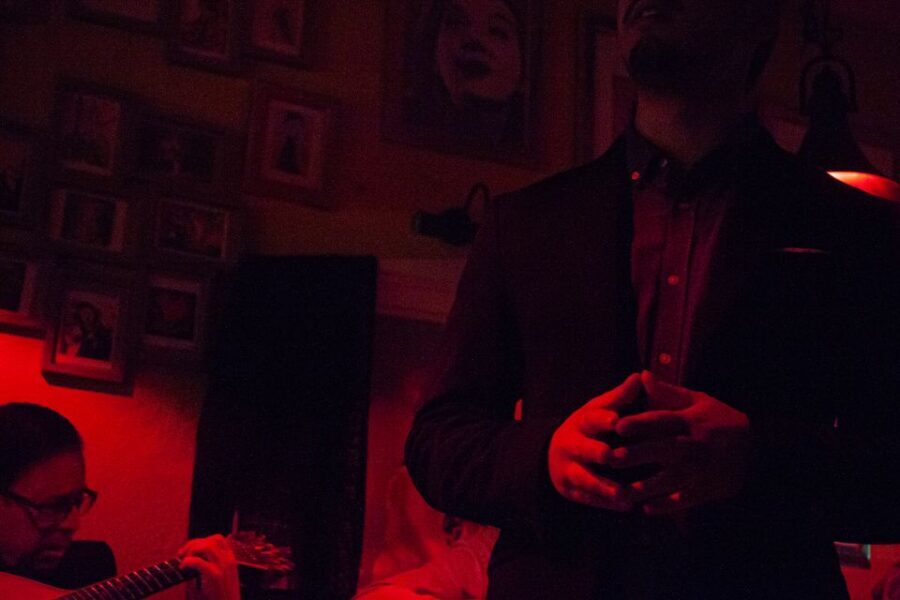
After dinner, you head into a traditional Fado house for the live music portion. This is where the evening changes tone—street noise fades, voices get closer, and the room becomes the main character.
Fado is defined by Portuguese guitar accompaniment and lyrics that lean into longing and memory. It’s often described as mournful, but the feeling is more specific than that: it’s emotional storytelling, and the performers deliver it as lived culture rather than background music.
There’s also UNESCO context here. Fado was inscribed on the Representative List of the Intangible Cultural Heritage of Humanity in November 2011, which is a polite way of saying this isn’t just a local pastime—it’s recognized as an important cultural tradition.
One practical note: venues can be intimate and acoustics vary. If you care about hearing every lyric, sit where the sound reaches you best and don’t assume the loudest table conversations outside will disappear instantly. The good news is that Fado has a way of pulling attention back toward the stage.
A few more Lisbon tours and experiences worth a look






Price and value: what $58 buys you, and when it’s worth it
At $58 per person for about 4 hours, you’re paying for a bundle:
- a walking tour with a local guide
- a set-menu dinner
- one included drink
- a live Fado show
That’s a strong value if you want everything organized in one evening—especially in a city where it’s easy to book dinner in one area and a show somewhere else. You also get a bit of time-saving convenience: skip-the-line entry through a separate entrance helps you avoid delays right when schedules get tight.
Where the value can feel weaker is if you’re only chasing the Fado show. If your main goal is the music, you might compare against stand-alone ticket prices later. But this tour isn’t just “Fado ticket plus walking.” It’s Fado plus local context plus a meal in Alfama, and that combination is the core value.
I also like the “arrive, eat, listen” pacing. The schedule means you’re not bouncing around Lisbon late at night. You stay in the same cultural zone and the evening flows naturally from streets to dinner to the music room.
Who should book this Alfama and Fado combo
This tour fits best if you want:
- an evening of real local atmosphere (not a checklist)
- history and culture delivered while walking through Mouraria and Alfama
- a structured way to experience live Fado after dinner
You’ll probably enjoy it most if you’re comfortable with uneven streets and steep climbs. People who are happy with active walking and can handle stairs tend to report the smoothest experience.
If you have mobility limitations, steep stairs are the main issue. The tour isn’t recommended for reduced mobility, and even people without wheelchairs have noted that the uphill segments can be intense.
Tips to make the evening smoother (and more fun)
Here’s how I’d prepare so the tour feels like a win, not a squeeze:
Wear shoes with grip. Cobblestones plus steep slopes is not the place for slick soles. Your feet will thank you during both the walk up and the walk back down.
Plan your dinner mindset. It’s set-menu Portuguese food, not a choose-from-a-luxury-salad-bar setup. If you’re especially sensitive about salt or texture, go in expecting “local and filling,” not perfectly tailored.
Stay close to the guide at key moments. A few experiences mention sound challenges in busy areas, so being near the front helps you catch the stories.
Use your energy wisely. This tour is about tone-setting: walking + dinner + Fado. Pace yourself during the climbs so you can enjoy the show instead of just surviving it.
If you’re concerned about stairs, reconsider. The physical side is the biggest factor that can change your whole opinion of the experience. A shorter, flatter option might work better if stairs are a real problem for you.
Should you book this Lisbon Alfama Tour and Live Fado Dinner?

If you want an evening that connects Lisbon’s oldest neighborhoods to the sound of Fado, I’d book it—especially if you enjoy guided context and don’t mind walking uphill. The combination of a local guide (often Miguel), a proper Alfama dinner, and an actual Fado house show is a satisfying way to spend a limited number of nights.
I would skip it if stairs and steep cobblestones are a deal-breaker for you, because this is not a gentle stroll. I’d also think twice if you’re only interested in the Fado show and don’t care about the walking and dinner package.
If your ideal Lisbon night is: get oriented, eat well enough, then end with music that feels like it belongs to the city—this tour is a very strong match.
FAQ
How long is the Lisbon Alfama Tour and Live Fado with Traditional Dinner?
The tour lasts about 4 hours.
Where do I meet for the tour?
Meet at the reception of Lisbon Destination Hostel, inside Rossio Train Station on the 2nd floor, in front of the train ticket office.
What’s included with the dinner and show?
You get a set menu dinner, 1 drink (a glass of wine, beer, or soft drink), a guided walking tour, and live Fado music.
Is there a vegetarian option?
Yes. Vegetarian options include salad or vegetarian pasta.
Is the tour suitable for people with mobility impairments?
No. It involves a considerable amount of walking and is not recommended for those with reduced mobility.
What language is the tour guide?
The tour guide provides the experience in English.
Can I cancel and get a full refund?
Yes. You can cancel up to 24 hours in advance for a full refund.