REVIEW · LISBON
Lisbon: Alfama District Walking Tour
Book on Viator →Operated by SANDEMANs NEW Lisbon Tours · Bookable on Viator
Alfama is Lisbon in steep mode. This 2.5-hour walking tour turns views of the Tagus into a moving story, with stops in the oldest streets and classic lookouts. I like it because you get photos plus context, not just photo stops. The trade-off is simple: expect uphill cobblestones, so comfy shoes matter.
My second big draw is the way the district’s past is woven into what you actually see—Alfama’s survival after the 1755 earthquake, the feel of working-class neighborhoods, and the change from hilltop monuments down to Lisbon Cathedral and the National Pantheon nearby. The guides (for example, I’ve heard names like Rita, Jaime, and Anthony pop up in standout ways) tend to bring the area to life with legends and practical local flavor.
In This Review
- Key points before you go
- Where the tour starts: Praça do Comércio to Alfama’s hills
- Stop 1: Alfama’s streets and the 1755 earthquake survivor feel
- Stop 2: Castelo de São Jorge area, tight lanes, and Tagus views
- Stop 3: Miradouro da Senhora do Monte, the panoramic payoff
- Stop 4: Lisbon Cathedral, working-class Alfama, and Pantheon connections
- How the walking tour actually feels on your body
- Price and value: what $31.46 gets you in Lisbon
- Who should book this Alfama tour (and who might skip it)
- Should you book this Alfama walking tour?
- FAQ
- How long is the Lisbon Alfama District Walking Tour?
- What language is the tour offered in?
- Where do I meet, and where does the tour end?
- Is there an admission fee for the stops?
- Do I need moderate fitness, or is it easy walking?
- What is the tour’s maximum group size?
- Is hotel pickup included?
Key points before you go
- Earthquake-survivor Alfama: You’ll walk streets where much still remains from before Lisbon’s 1755 disaster.
- Big panoramas built in: Tagus River views from multiple high points, including Miradouro da Senhora do Monte.
- Two history anchors: St. George’s Castle area and Lisbon Cathedral, both tied to Lisbon’s identity.
- Tight streets, real scale: Narrow lanes you feel in your legs and your shoulders.
- Small group size: Max 20 people, which helps you stay oriented in a maze of alleys.
- Moderate fitness, not a sprint: Plan for hills and uneven ground, not a flat stroll.
Where the tour starts: Praça do Comércio to Alfama’s hills
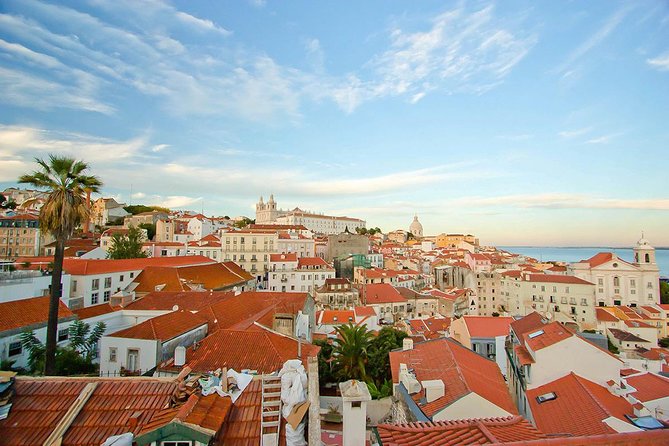
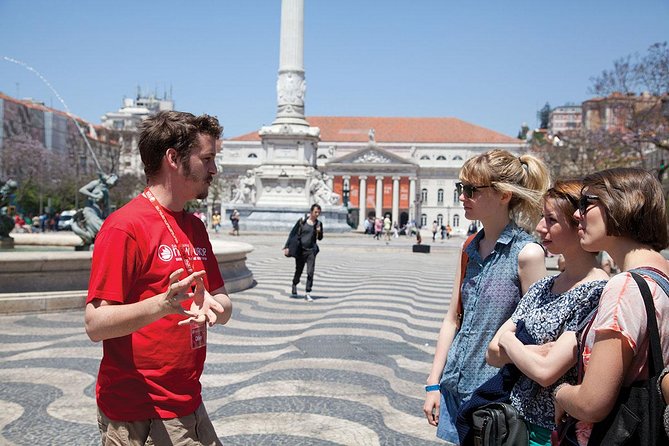
You meet at Praça do Comércio, in central Lisbon, in the early afternoon (start time 2:30 pm). From there, the day immediately becomes practical sightseeing: you climb. Alfama’s charm is inseparable from its geography, and this tour uses that fact on purpose.
You’ll want to arrive a few minutes early so you can settle in before the first slope. Since it runs without hotel pickup, you’ll rely on the location and nearby public transport connections to get there smoothly. If you’re trying to pack this into a tight itinerary, I’d still keep some wiggle room—Lisbon is slow in the best way, and meeting on time is easier when you’re not rushing.
You can also read our reviews of more walking tours in Lisbon



Stop 1: Alfama’s streets and the 1755 earthquake survivor feel
The first 40-minute block is the classic Alfama introduction: winding, colorful streets, cobblestones, and an old-district atmosphere that’s hard to fake. The highlight here is the idea that Alfama was one of the few districts to survive the 1755 earthquake, meaning you’re not just looking at themed old buildings. You’re walking through a neighborhood shaped by survival.
This is also where guides usually start doing the best kind of teaching—linking what you see (street layout, building age, neighborhood rhythms) to stories people still repeat. If you’re the type who likes understanding how a place works, this section helps you stop thinking in single sights and start thinking in neighborhoods.
Downside to consider: even early on, you’ll feel the ground underfoot. Alfama isn’t the place for brand-new sneakers with slippery soles. If you tend to get sore on hills, you’ll be glad you started with steady walking rather than planning to “power through.”
Stop 2: Castelo de São Jorge area, tight lanes, and Tagus views
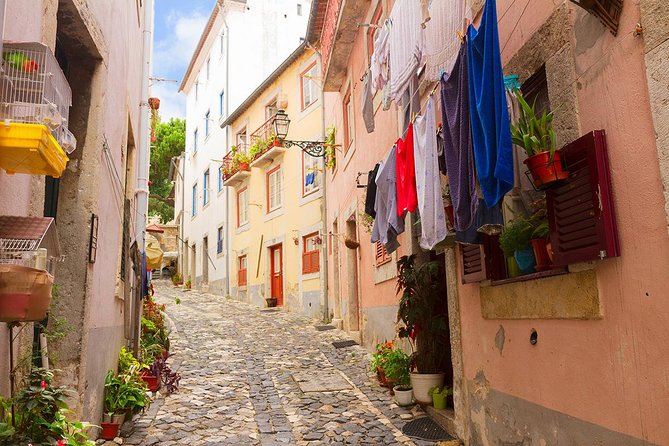
Next comes the Castelo de São Jorge stop, again about 40 minutes. The key payoff is the castle complex on an Alfama hilltop, with sweeping sights toward the Tagus River. It’s one of those locations that instantly gives you orientation—Lisbon suddenly makes sense as a city built on ridges.
But the tour doesn’t just point upward at fortifications. You also move through narrow Alfama streets so tight that you can practically measure the distance with your arms out. That detail matters, because it’s the physical reality of the neighborhood. It’s also the reason a guide helps: without one, you can lose time weaving around steep turns and dead ends.
One practical consideration: castle-area routes can feel like they include layers of stairs and ramps depending on the path. The tour is set for moderate fitness, but you should still plan for the fact that Lisbon’s “walking” can include lots of climbing disguised as sightseeing. (And yes, some guides have found ways to reduce the grind with tools like a lift for part of the route—just don’t assume it’s guaranteed for every day or group.)
Stop 3: Miradouro da Senhora do Monte, the panoramic payoff
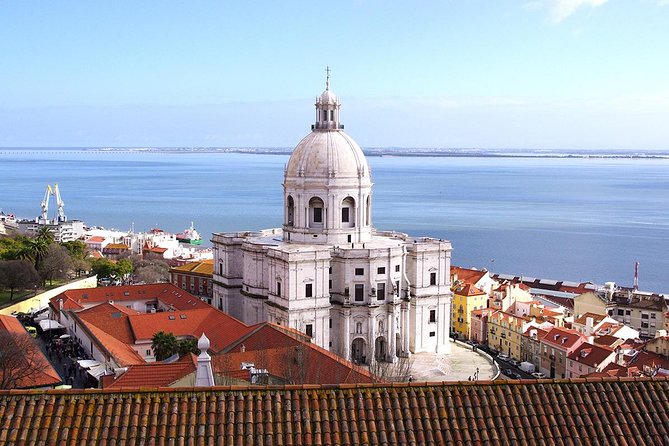
Then you head to Miradouro da Senhora do Monte for about 40 minutes. This is the big viewpoint move—the place you go to when you want Lisbon spread out like a map.
From here, the panoramic views reach across Lisbon’s hills and over to the Tagus River, giving you a mental picture of where everything sits. I love viewpoints that don’t feel like a stop-and-shuffle. This one works because the earlier stops feed the view: you’ve already climbed through Alfama, so when you look out, you can connect the city’s shape to the street you just walked.
If you’re a photographer, you’ll likely like this section the most. If you’re not, you’ll still appreciate it as a reset. It breaks the day’s walking rhythm with a slower moment to take in scale.
Downside to consider: viewpoints can be windy and crowded depending on the hour. Plan for layers. Also, if you’re prone to vertigo, keep your footing controlled on the viewing edges. You don’t need to strain for the best angles—your guide can help you find safe spots.
Stop 4: Lisbon Cathedral, working-class Alfama, and Pantheon connections
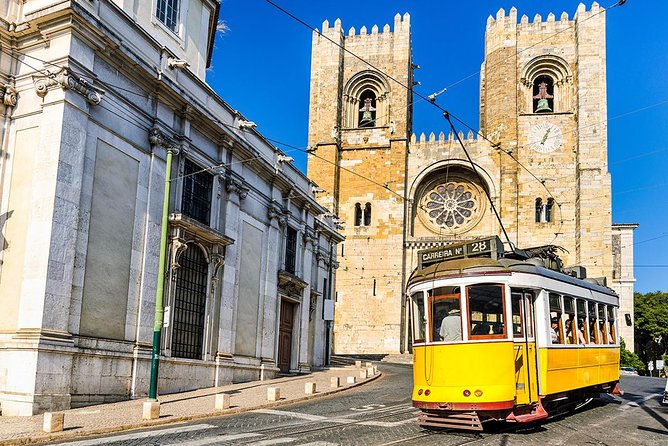
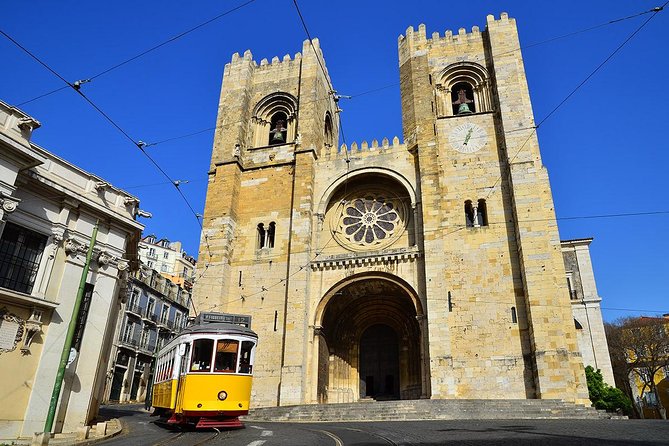
The final stop is about 30 minutes at Lisbon Cathedral, finishing at Largo da Sé 1 near the cathedral area. This is a different side of Alfama than castle views. It’s where the neighborhood identity feels more everyday: the area remains popular with local families, and you might see people selling fresh fish from roadside stalls.
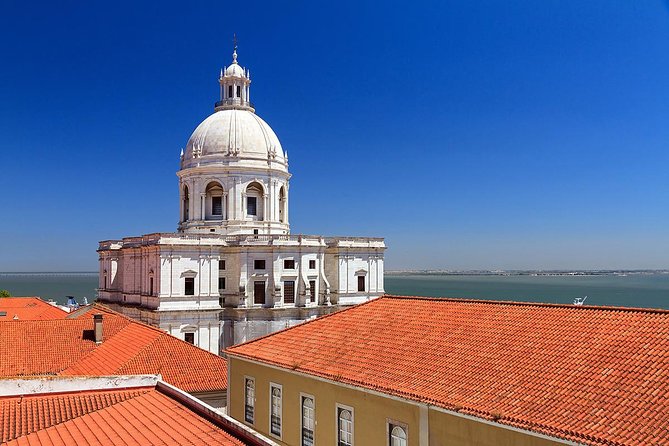
What makes this stop more than a pretty church exterior is the context your guide brings. Lisbon Cathedral dates back to the 12th century, so it’s tied to the city’s deeper timeline, not just a historic backdrop for photos. The tour also passes Lisbon’s National Pantheon, where notable local figures are buried, including presidents, dignitaries, and famous fado singers.
This is a smart ending because it grounds the day. After hours of slopes and viewpoints, you finish in a working part of the neighborhood where history is not only preserved but lived alongside routine.
Possible drawback: this isn’t an “in-depth museum” finish. It’s a stop that gives you meaning and a good grasp of the area, but you may still want to add extra time if you want to go inside places at your own pace.



How the walking tour actually feels on your body
The tour runs about 2 hours 30 minutes and stays outdoors. That means your experience depends a lot on your pace and your comfort with uneven ground.
Here’s what you can count on:
- Cobblestones and hill climbs throughout
- Tight streets that require attention to footing and spacing
- A moderate-fitness level expectation, not a gentle promenade
I also like that the group is capped at 20 travelers. In a district like Alfama, smaller groups reduce the “accordion effect,” where you spend the whole tour stepping around people trying to catch up.
If you’re older, returning after an injury, or simply not a fan of stairs, I’d plan a strategy: take breaks without guilt. The tour is short enough that stepping aside for a minute won’t ruin it, and guides generally move at a rhythm that keeps people together.
Price and value: what $31.46 gets you in Lisbon

At $31.46 per person, this is good value for a guided neighborhood walk in central Lisbon. The best part isn’t the price tag—it’s that the tour is built around multiple high-impact stops: Alfama streets, the castle area, a top viewpoint, and Lisbon Cathedral, all connected by walking rather than hopping by taxi.
You also get included walking tour + local guide, and the listing details show admission ticket free for the featured stops. That matters because it prevents the day from turning into an extra-spending puzzle while you’re already spending your energy on hills.
Not included is hotel pickup and drop-off, which is normal for a walking tour, but still worth noting. You’ll need to get yourself to Praça do Comércio and then finish near Lisbon Cathedral. If you like control and you’re comfortable using public transport, this is a non-issue. If not, factor in a bit of extra planning time.
Who should book this Alfama tour (and who might skip it)
This tour fits best if you:
- Want an overview of Alfama without getting lost in steep alleys
- Care about stories tied to what you see, not just landmarks
- Enjoy viewpoints and want help connecting them to the neighborhood below
- Like small groups and guided orientation
You might consider skipping or choosing a different option if:
- You hate steep climbs and uneven cobblestones
- You want a long sit-down pace or mostly indoor stops
- You can’t comfortably walk for roughly 2.5 hours with intermittent uphill
Kids up to 13 years old are welcome for free (with possible ID checks), which makes it a solid family-friendly option if everyone can handle the ground.
Should you book this Alfama walking tour?
If your goal is to understand Alfama as a living neighborhood—street shape, historical survival after 1755, castle views, a major Lisbon panorama, and a cathedral finish—then I’d book it. The structure is efficient: you climb, you look out, you learn, you end in a meaningful part of town.
I’d only hold back if mobility is a concern. This isn’t a flat park stroll. Bring good shoes, start hydrated, and treat the hills as part of the show. Done right, you’ll leave with Lisbon’s map in your head, not just pictures on your phone.
FAQ
How long is the Lisbon Alfama District Walking Tour?
The tour runs about 2 hours 30 minutes.
What language is the tour offered in?
The tour is offered in English.
Where do I meet, and where does the tour end?
You meet at Praça do Comércio (1100-148, Portugal) and the tour usually finishes at Lisbon Cathedral, Largo da Sé 1 (1100-585 Lisboa).
Is there an admission fee for the stops?
The stop details list admission ticket free for the included sights on the route.
Do I need moderate fitness, or is it easy walking?
It’s listed for travelers with a moderate physical fitness level.
What is the tour’s maximum group size?
The maximum group size is 20 travelers.
Is hotel pickup included?
No. Hotel pickup and drop off are not included.