REVIEW · ALGARVE
Faro: Eco-Friendly Ria Formosa Bird Watching in Solar Boat
Book on GetYourGuide →Operated by fromherefaro · Bookable on GetYourGuide
Silent solar boat, loud birdlife. In Faro’s Ria Formosa, you glide through saltwater canals where the tide is always reshaping what birds do next, hour by hour. What I like most is the eco-friendly solar boat approach, plus the way you slow down enough to actually notice feeding behavior and nest activity, with guides such as Iris and Sebastian often going the extra mile to find birds.
Two things I really value: first, you’re not just looking for pretty sightings. You’re learning how this National Park ecosystem works like a self-regenerating system, including the cycling of food that brings in migratory birds. Second, the boat is quiet and low-impact, so you can get better views without the constant roar you get on other water tours. A heads-up: this is not a wheelchair-friendly outing, and some people may find the meeting area and walk necessary to reach the kiosk a bit awkward.
If you’re a birder, or even just someone who gets calm watching wild life work, this is a good match. The main consideration is simple: bird activity changes fast here because water levels swing, so sightings can vary with the timing and conditions.
In This Review
- Key Things To Know Before You Go
- Ria Formosa’s Tides: Why Bird Watching Changes Every Few Hours
- Meeting at Rua da Porta Nova and Getting Ready to Scan the Wetlands
- Sliding Into the Parque Natural da Ria Formosa on a Solar Boat
- The Saltwater Canal Maze: What You’ll Watch for on the Water
- Learning With Real Bird ID: Binoculars, Guides, and Multi-Language Spotting
- The Real Value: Quiet, Close Views, and a Guide Who Works the Habitat
- Who This Tour Suits Best (and Who Should Skip It)
- Quick Practical Tips That Improve Your Chances
- Should You Book This Faro Solar Boat Bird Watching Tour?
Key Things To Know Before You Go
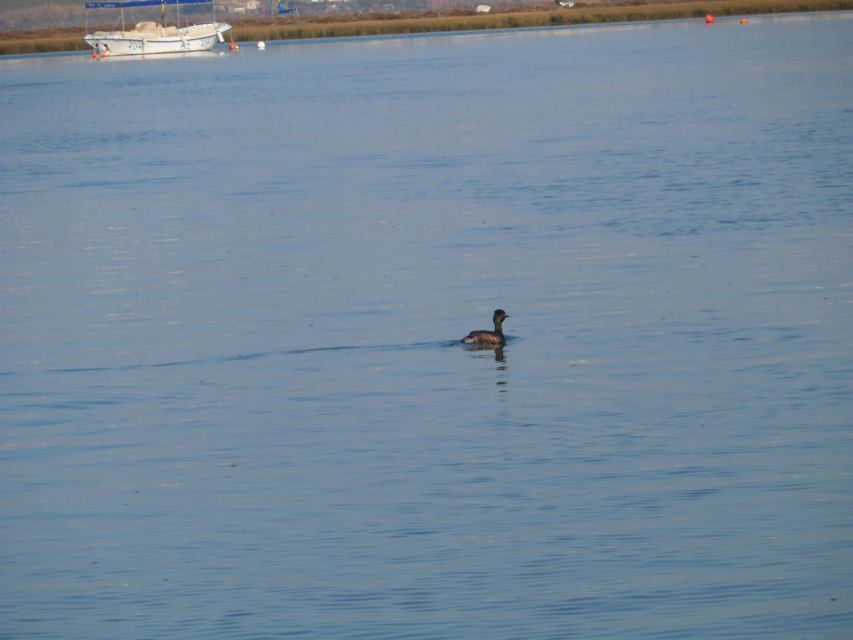
- Solar boat means quieter viewing: less noise and smoother movement helps you watch without stressing wildlife
- Tide-driven bird action: sea level rises and falls about 3 meters every 6 hours, changing what’s exposed and where birds feed
- You’ll learn the ecosystem, not just spot birds: fishing and shellfish production tie directly into bird diets
- Binoculars and bird ID help on board: you get gear plus local bird information to put names to what you see
- Small group size (up to 12): easier for the guide to point out birds fast and keep everyone in sync
Ria Formosa’s Tides: Why Bird Watching Changes Every Few Hours
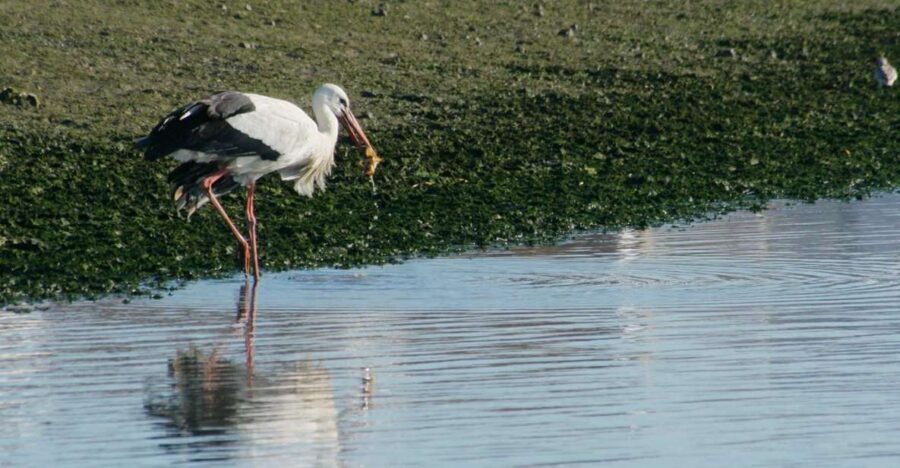
Ria Formosa is one of those places where the environment does not sit still. The sea level rises and falls roughly 3 meters every 6 hours, and that tidal breathing is the reason your bird watch can feel different even between nearby spots. One hour you might be watching birds work the edges of canals and shallow feeding grounds; later, those same areas may be deeper or partially exposed, shifting where prey concentrates.
This matters for what you’re really paying for. If you’ve ever done “generic” wildlife tours, you’ve seen a lot of waiting and not much learning. Here, the guide’s job is tied to movement in the habitat. When water shifts, food sources shift too, and that’s when you often see different feeding styles and different species turn up.
The other thing that helps you understand what you’re seeing is the ecosystem itself. This area supports local fishing and shellfish production, but it’s tied to a larger pattern: the wetlands and saltwater channels form a self-regenerating system. That means the area can keep producing food, which helps migratory birds return year after year. Even if you’re not a hardcore birder, it’s a big mental upgrade to realize you’re not just watching birds. You’re watching a food web in motion.
You can also read our reviews of more boat tours in Algarve

Meeting at Rua da Porta Nova and Getting Ready to Scan the Wetlands
Your start point in Faro is Rua da Porta Nova (R. da Porta Nova, 8000-250 Faro) at the kiosk with bird advertising. It sounds small, but that detail helps you avoid the classic travel problem of arriving and realizing you’re at the wrong pier. If you can, arrive a touch early.
One practical note from real-world experience: parking can be difficult in the area, so plan for a short walk. That’s also a good move for your mood. You don’t want to sprint into a quiet birding outing where you’ll need clear attention the moment you board.
What you bring matters because this is a water-based nature tour, not a sit-down excursion. Pack snacks and water since food and drinks are not included. Comfortable clothes help because you’ll be on board watching for longer stretches than you think. Sunscreen is a must in the Algarve sun, and lightweight layers can help if you’re out when the wind picks up.
The group size is limited to 12, so you’re not getting shoved into a crowded boat line. That small scale tends to make it easier for your guide to keep track of where everyone is looking.
Sliding Into the Parque Natural da Ria Formosa on a Solar Boat
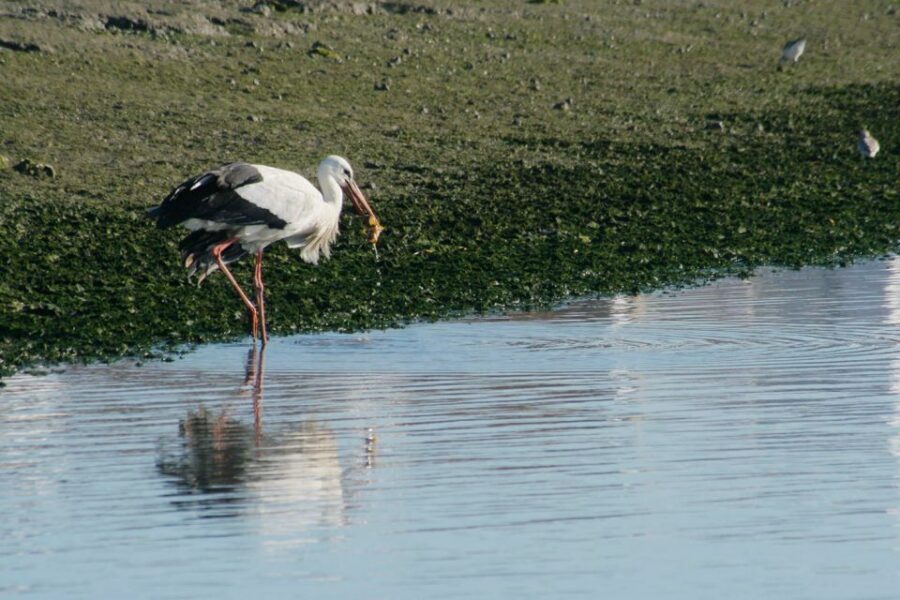
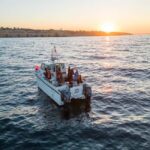
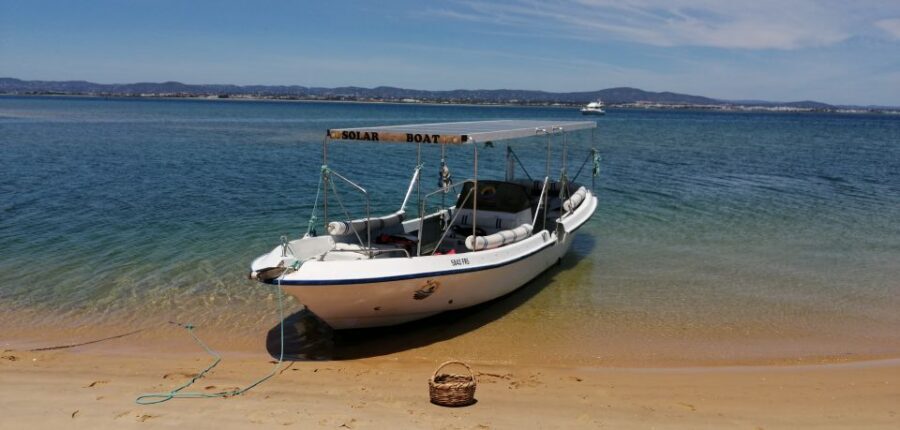
Once you board, the big difference is how you feel on the water. A solar-powered vessel runs quietly, and that silence is not just a comfort thing. It changes how wildlife reacts. Several people specifically highlighted that the boat can get closer to birds than louder motor boats, and that quiet movement helps you watch without feeling like you’re intruding.
You’ll spend about one hour guided in the Parque Natural da Ria Formosa. During that time, your guide uses binoculars and local knowledge to help you identify what’s in front of you. This is where the tour becomes more than sightseeing. You’ll learn what the salt marsh and canals are doing, why certain species show up where they do, and how the tidal rhythm influences feeding.
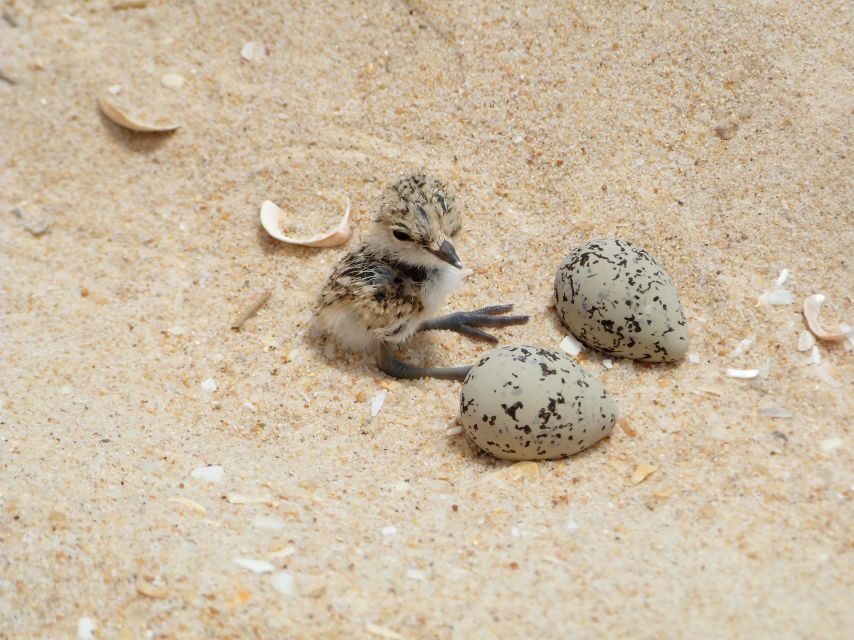
You’re also there for nesting behavior. The area holds dozens of bird nests from birds that nest in the Ria Formosa National Park. That means you’re not only seeing birds passing through. You’re sometimes watching birds that are actively tied to the local cycle.
And then there’s the predatory side of the story. Part of the experience is watching hunting behavior of predatory birds. One person described an osprey hunting and then circling close range near the boat’s position to pick a sitting place afterward. Even when you don’t get a dramatic hunt, you’ll still notice the different scanning styles of raptors compared to the constant probing of waders.
The Saltwater Canal Maze: What You’ll Watch for on the Water
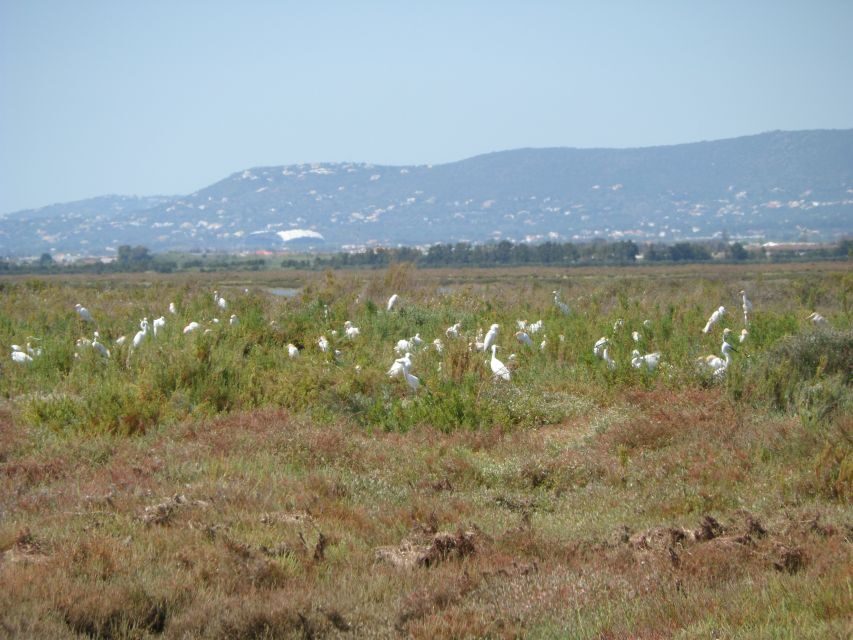
The core of the tour is the canal system. You move through the saltwater channels where birds feed, and the soundscape is mostly birds calling and interacting rather than boat noise. For me, that’s one of the most underrated parts of bird watching: the calm makes you pick up details you’d miss on a loud outing.
Here are the types of things you’ll want to keep an eye out for, based on what your guide is likely to target during the cruise:
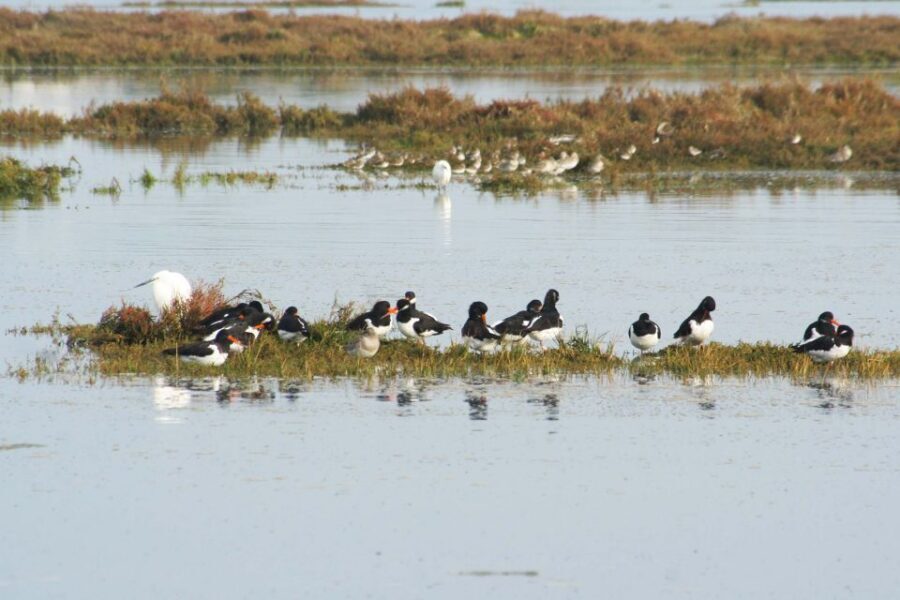
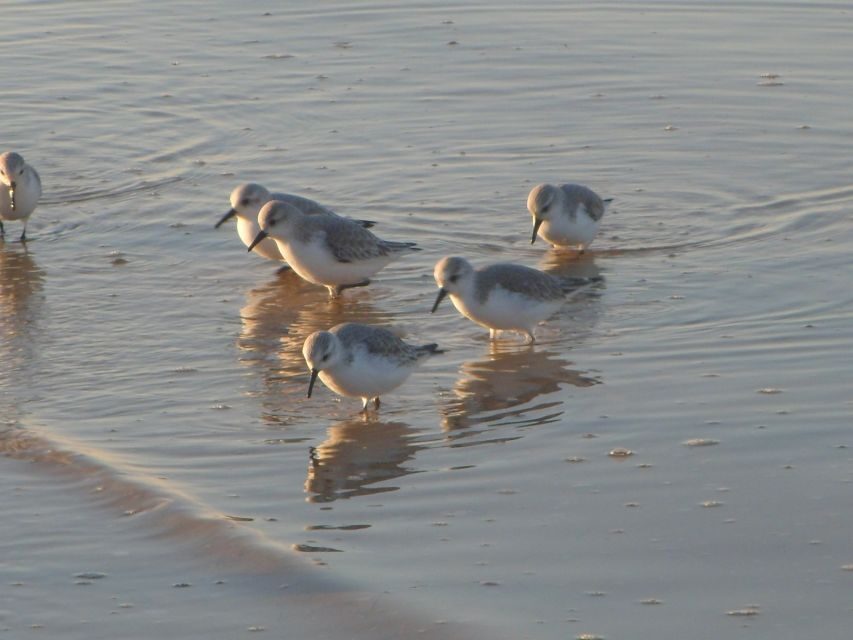
- Wading and shore birds working feeding zones
- Raptors showing up as silhouettes before they drop into hunting behavior
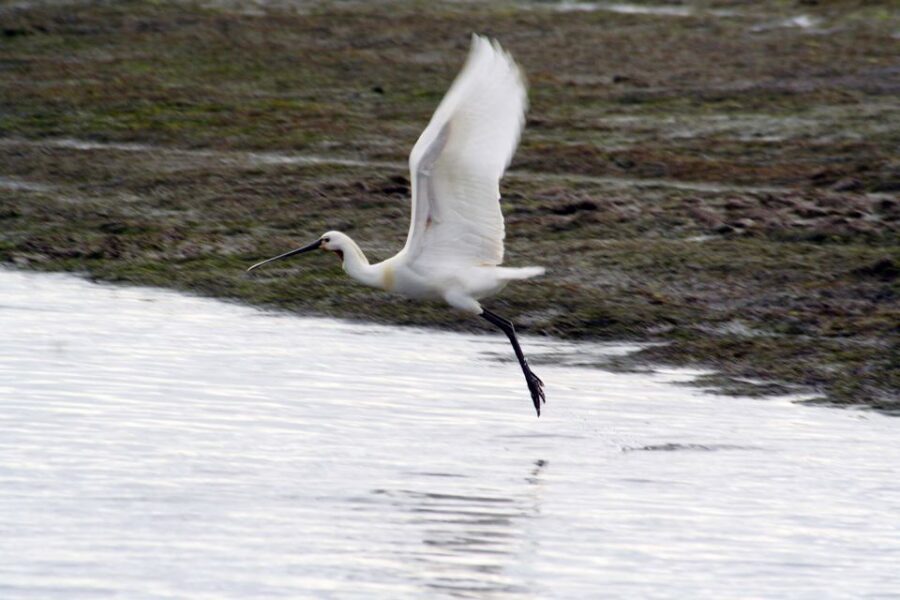
- Stork and spoonbill-style feeding patterns when conditions line up
- Nests and nesting activity if you’re in an area where breeding birds are active
- Opportunistic moments, like a kingfisher flash or a heron catching fish (these can happen, and when they do, you’ll see why guides stay patient)
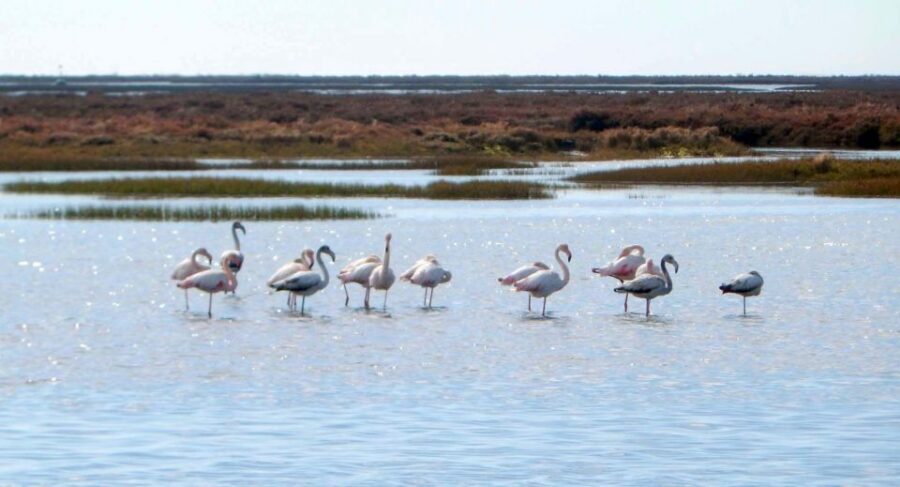
Species sightings can vary, but people reported seeing a wide range, including spoonbills, kingfisher, storks, ruddy turnstone, white stork, marsh harrier, and even flamingos in some cases. That variety is part of the point: Ria Formosa can hold different roles at once, from feeding grounds to nesting zones.
Flamingos are a good example of why timing matters. One review noted flamingos can be unlikely on this type of outing because they prefer salt plain environments, while another person did spot them anyway. So treat flamingos as a possible bonus, not a guarantee.
Learning With Real Bird ID: Binoculars, Guides, and Multi-Language Spotting
Included in the tour are binoculars and guides with information on local fauna and flora. In practice, that turns the experience from, I saw a bird into, I saw a spoonbill, and here’s how to tell it apart next time.
People also mentioned an ID aid that made it easier to track what you were actually looking at. That kind of tool is especially helpful if you’re newer to birding. It also supports the guide’s main job: keep the group oriented, help you find the bird fast, and give you the story behind the sighting.
Language options are Portuguese, English, and Spanish, and the guides can switch smoothly between languages. That matters more than you’d think. When everyone understands the same explanation at the same time, you end up watching together instead of quietly guessing on your own.
Guides you might encounter include Andre, Iris, Sebastian, and Miguel, and multiple reviews singled out how they kept pointing things out and trying their best to maximize sightings.
The Real Value: Quiet, Close Views, and a Guide Who Works the Habitat
At $47 per person for about 2 hours, this isn’t the cheapest thing you can do in Faro. The value is in three practical areas.
First, you’re paying for time on the water in a place where the environment changes fast. If you only do a land-based walk, you miss the canal access and the ability to position the boat for good viewing angles.
Second, the solar-powered boat is part of the product. Quiet movement tends to help you get closer and see behavior rather than just silhouettes. It also makes the outing feel relaxing instead of hectic.
Third, you get guidance that connects sightings to habitat. When you understand why birds gather and how the ecosystem supports fishing, shellfish production, and migratory diets, you stop thinking of birds as random and start seeing patterns. That makes the whole experience more memorable than a list of species.
The small-group limit also supports value. With up to 12 participants, the guide can keep scanning and repositioning without losing half the group every time a bird flies.
Who This Tour Suits Best (and Who Should Skip It)
This works well if you fall into any of these buckets:
- You like calm nature activities more than fast-paced sightseeing
- You want a guide to help you identify birds without feeling lost
- You’re interested in how tides and wetland ecosystems affect wildlife
- You prefer a smaller group where you can actually see what’s being pointed out
It may be less ideal if you need wheelchair access, since the tour is not suitable for wheelchair users.
Also keep expectations realistic. You’re in a real ecosystem with real variability. Birding can be amazing, but conditions and timing influence what shows up. The good news is that the guide is focused on finding birds and making the best of what the wetlands offer that day.
Quick Practical Tips That Improve Your Chances
I’d do these before you go, because they help you enjoy the tour more whether sightings are perfect or merely great.
- Bring snacks and water, since nothing is included on board
- Wear comfortable clothes and sunscreen
- Arrive a bit early so you’re not stressed finding Rua da Porta Nova
- If you care about particular birds, tell the guide once you’re on board. They can’t promise everything, but it helps them prioritize the scan
- Pack patience for a habitat that changes with every tide swing
If you want one extra nudge for the overall vibe: choose this tour when you want a slower pace in Faro. The quiet boat and the repeating bird calls are the point, not a side effect.
Should You Book This Faro Solar Boat Bird Watching Tour?
I think you should book it if you want a nature-focused Faro experience that feels respectful and calm, with real learning built in. The solar boat quiet is not just a marketing claim here; it shows up in how people describe the ability to get close and watch behavior. The other strong reason to book is the guide-led connection between the tides, the self-regenerating wetland system, and bird diets.
Skip it (or at least look closely) if accessibility is a must for you. Also, if you’re only chasing one specific species like flamingos, treat that as a bonus rather than the main plan.
If you show up prepared with snacks, water, and a little patience for tide-driven changes, this is one of the better ways to spend a couple of hours in the Algarve wetlands. You’ll leave with more than photos. You’ll leave knowing what the birds were doing, and why the water level mattered.