REVIEW · LISBON
Lisbon: 7 Hills Panoramic Guided Tour by E-Bike
Book on GetYourGuide →Operated by FreeBikeToursLisbon · Bookable on GetYourGuide
Seven hills can feel like a lot. This tour turns them into smooth e-bike climbs and panoramic views, with guides such as Pedro sharing street-level stories as you roll through neighborhoods like Alfama and toward viewpoints including São Pedro de Alcântara. I also love the small-group feel (up to 10 people) and the way the ride covers serious variety without feeling rushed. The catch: you need some comfort cycling and you’ll be dealing with steep bits, tight spaces, and cobbles.
What makes Lisbon work here is the route shape. You get sweeping outlooks from places like Senhora do Monte and Graça, then you trade wide stairs for narrow streets where the city looks and sounds like the real deal. With a live guide in English, French, or Portuguese, the history and culture come in on-the-bike, not from a lectern.
Plan for a bike-and-traffic style experience, not a casual stroll. You’ll be on an electric bike with a helmet, but it still takes basic riding confidence—especially when you’re slowing, steering, and shifting while other people share the road.
In This Review
- Key highlights before you go
- Seven Hills, E-Bike Smoothness: The Core Idea
- Meeting Near Santa Apolónia and What 4 Hours Really Means
- E-Bike Setup and Power Levels (Turbo Included)
- São Pedro de Alcântara: A Hilltop View That Explains the City
- Alfama and Side Streets: Old Lisbon by Bike
- Graça: Neighborhood Energy Meets Hilltop Outlooks
- Senhora do Monte: Where the Climb Feels Worth It
- Safety on Cobbles, Rails, Pedestrians, and Traffic
- Value for $53: What You Get in This Half-Day
- Who Should Book (and Who Should Skip)
- Should You Book the Lisbon 7 Hills Panoramic Guided Tour by E-Bike?
- FAQ
- How long is the Lisbon 7 Hills Panoramic Guided Tour by e-bike?
- What is the price per person?
- Where do I meet for the tour?
- What is included in the tour price?
- Are entry fees or food included?
- What languages are the guides available in?
- How many people are in the group?
- What should I bring with me?
Key highlights before you go
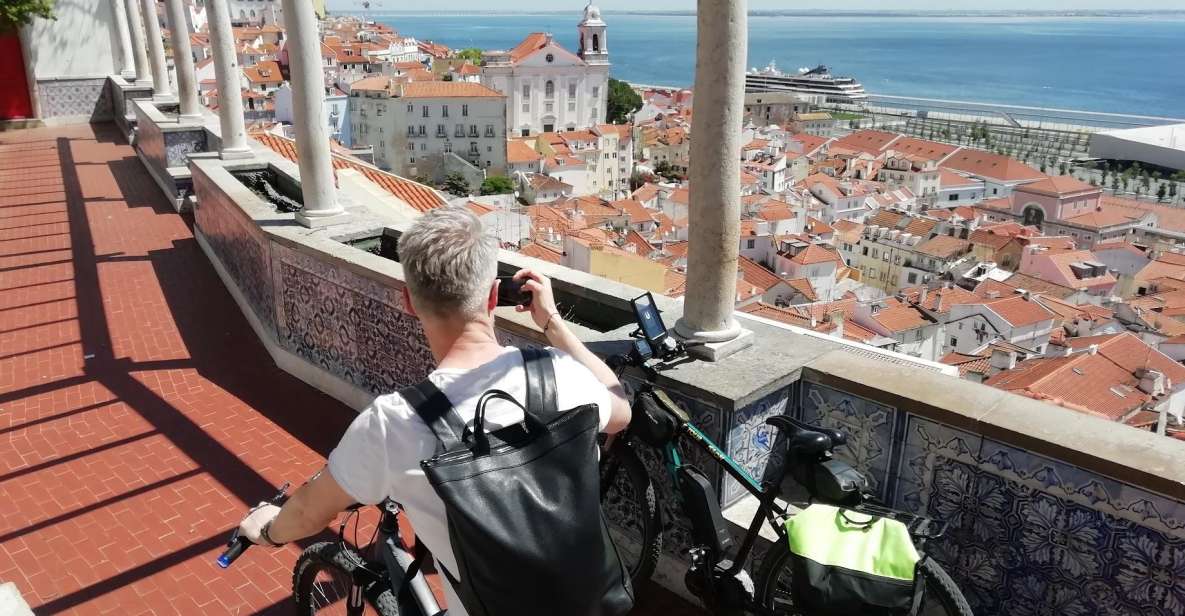
- Seven hills, multiple viewpoints: São Pedro de Alcântara, Senhora do Monte, and Graça are part of the plan.
- Old Lisbon street time: You’ll ride through neighborhoods like Alfama and hunt out quieter side streets.
- Small group energy: Limited to 10 participants, which keeps the pace human.
- E-bike help is real: The assist settings make the climbs feel manageable if you pedal with control.
- Guide stories that connect dots: History and culture land better when you’re moving through the places.
Seven Hills, E-Bike Smoothness: The Core Idea
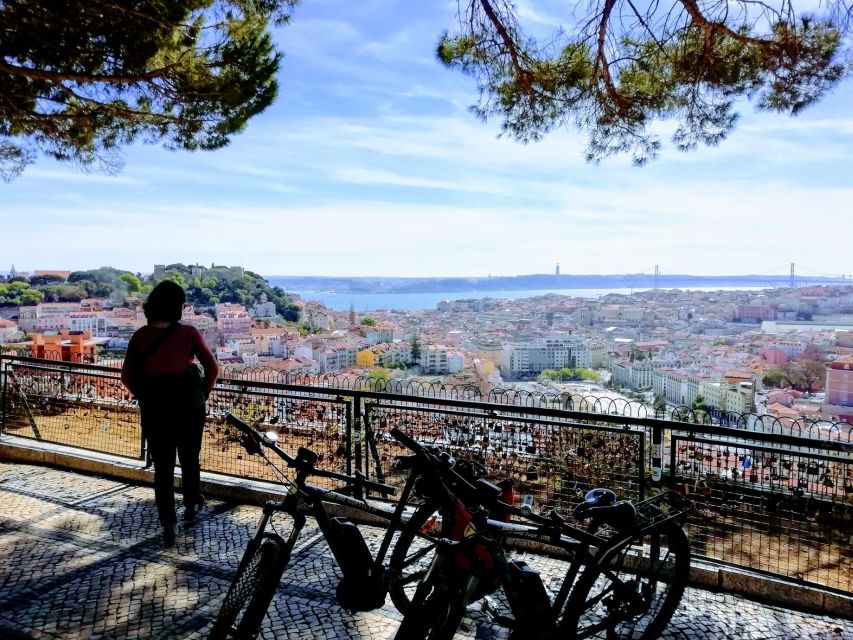
Lisbon is built like a stair-step puzzle, and that is exactly why this works. You’ll pedal across seven hills without turning the whole trip into a sweaty endurance event. The electric assist takes the edge off the hard climbs so you can focus on steering, people-watching, and the views.
I like that it’s not just a photo run. You ride from big scenic points down into older neighborhoods and back up again, which is the quickest way to understand why Lisbon feels like two cities layered on top of each other: riverfront angles and hilltop viewpoints, plus the tight maze streets in between.
The guides add the missing context. In the hands of people like Hugo, Miguel, Andre, and Miquel, the route becomes a moving map of Lisbon’s culture and history, told in a way that matches what you’re actually passing.
And yes, it’s fun. Even if you’re not a cyclist, the e-bike setup makes it feel doable—and that’s a big part of the value.
You can also read our reviews of more cycling tours in Lisbon


Meeting Near Santa Apolónia and What 4 Hours Really Means
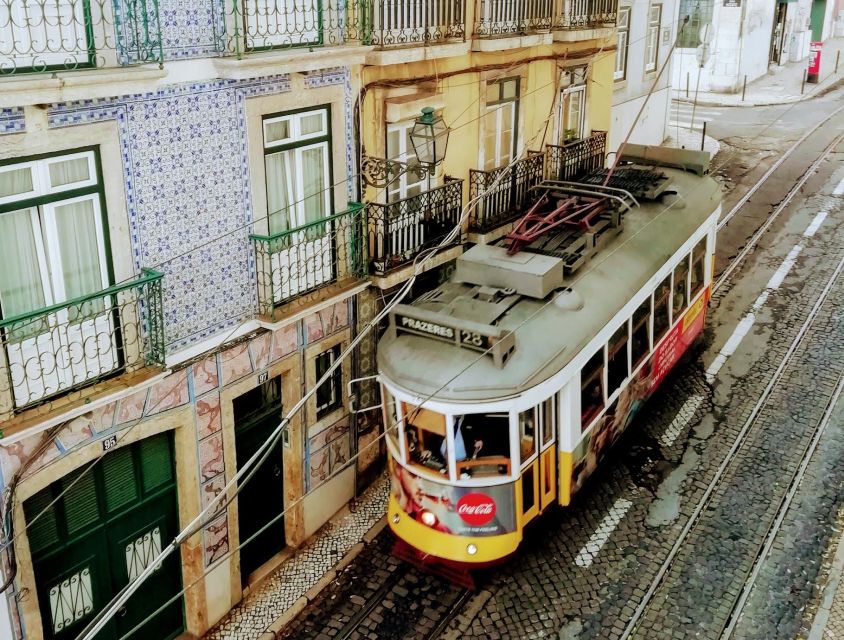
The tour meets near Santa Apolónia Metro Station, which is handy because it’s an easy area to reach from lots of neighborhoods. The duration is 4 hours, and that length matters: it’s long enough to cover several hills and viewpoints, but short enough that you’re still fresh for dinner plans afterward.
Expect a steady pace, not a stop-and-start museum shuffle. You’ll be riding through older streets and then moving toward outlooks, so the timing is built around momentum. That’s also why the small group size matters; it helps the guide keep the group together on narrow roads.
Because entry fees and food are not included, I suggest you treat this as the experience piece of your day. Plan to grab water before you start, and consider a snack or meal on your own afterward so you’re not trying to find something immediately after the ride.
This is a guided tour, so your time is mostly spent riding and learning as you go. You’re not wandering off on your own schedule for long stretches, which is exactly how you get the “see a lot” payoff in just half a day.
E-Bike Setup and Power Levels (Turbo Included)
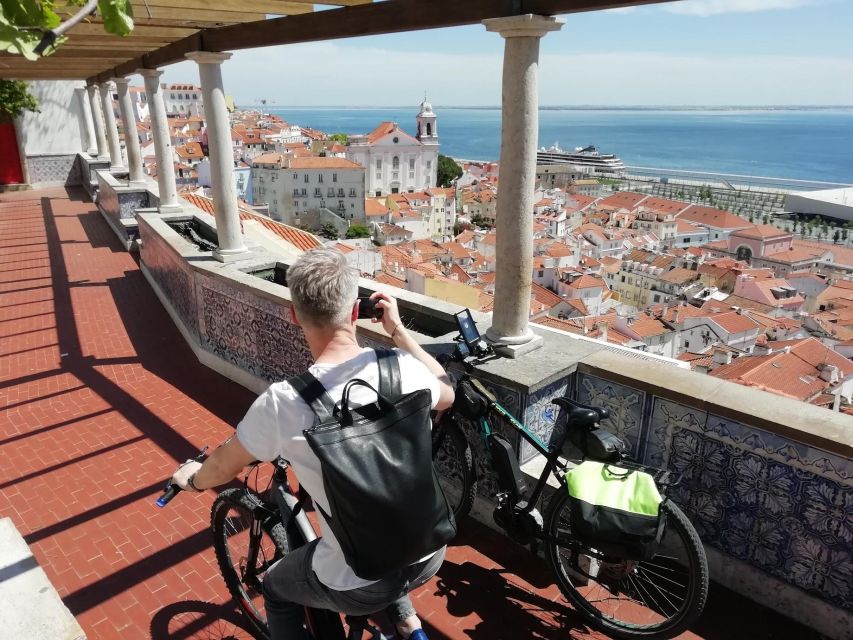
You’ll be given an electric bike and a helmet. In practice, that matters because it removes two common travel friction points: you don’t have to arrange gear, and you can ride with more confidence knowing everyone starts with the same basic equipment.
One review highlights that the bikes offer four electric assist settings, including Turbo. That’s useful because different climbs call for different help levels. If you keep assist too low, you’ll work harder than you planned. If you jump straight to the highest setting all the time, you may go faster than the group rhythm on crowded streets.
The best advice here is to practice with the assist before you hit your toughest climb. Get comfortable adjusting power while you’re still rolling on easier roads. If you’re used to gear shifting, you’ll likely feel right at home; if you aren’t, you’ll want to move slowly, pedal smoothly, and listen to the guide’s cues.
I also appreciate that the guide team uses clear safety commands. One rider specifically noted instructions like staying left or right, slowing down, and using Turbo for hills. Those kinds of simple callouts help a lot on a road that’s both steep and shared.
São Pedro de Alcântara: A Hilltop View That Explains the City
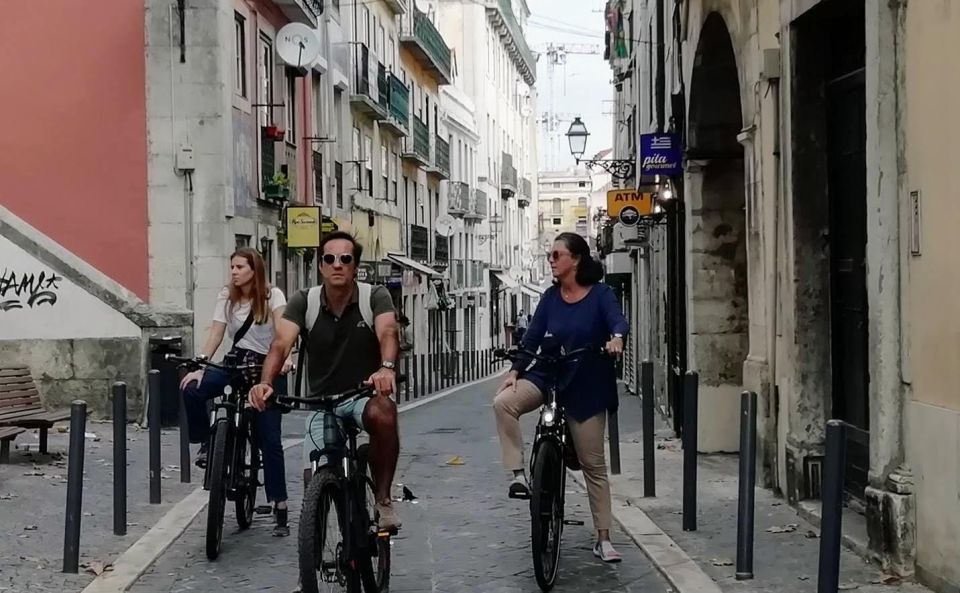
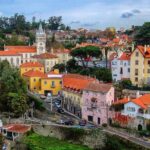
São Pedro de Alcântara is one of the key viewpoints listed for the tour, and it’s a smart choice for the route. It gives you a wide perspective that helps you see how Lisbon’s geometry works: terraces, rooftops, river edges, and the way streets funnel toward viewpoints.
The big win on a tour like this is that you’re learning while you’re looking. From a hilltop perspective, the stories you hear make more sense. You can connect what you’re seeing to what the guide explains about how people moved, built, and lived in different parts of town.
This is also where the e-bike payoff shows up. You get the view without turning it into a climb-and-quit moment. You can take in the horizon, roll forward again, and still have energy to keep going.
A practical tip: plan to have your camera ready when you crest toward a viewpoint. On hill routes, the best “view moment” can be brief, especially when the group is waiting for traffic flow and safe spacing.
Alfama and Side Streets: Old Lisbon by Bike
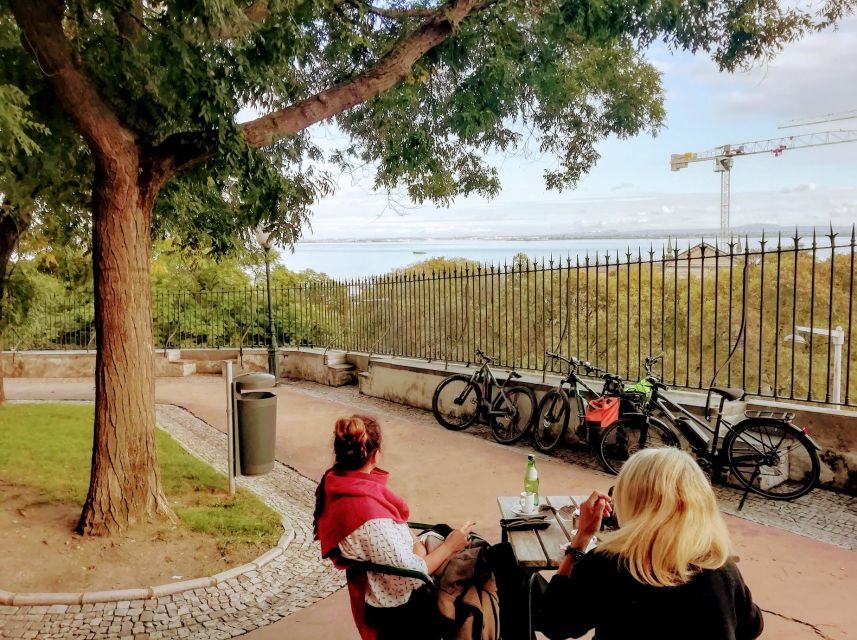
If you want Lisbon to feel real, you have to ride into old neighborhoods, not just look at them. The tour includes time in Alfama and includes the idea of finding quieter spots off the main beaten paths.
Alfama’s streets are narrow and packed with character, but that’s also why this tour asks for some cycling experience. Cobblestones can be bumpy, and rails or uneven surfaces can make steering feel trickier than on smooth bike paths. Add in pedestrians and cross-traffic, and you have a more “city cycling” situation than a controlled riding area.
This is also where the guide storytelling really helps. Names, landmarks, and cultural details feel less random when you’re passing the streets they relate to. In the hands of energetic guides like Hugo and Andre, the talk tends to match what you see right now—building a sense of place you won’t get from a quick bus window glance.
One review even stressed that you should be careful around tight spaces and general traffic. That’s not a deal-breaker, but it’s a reminder: you’re going through neighborhoods where people walk slowly, stand in doorways, and cross without much warning.
If that sounds intimidating, take it as a call to ride at your comfort level. You’ll be safest when you’re predictable: slow, straight, attentive, and ready to brake.
You can also read our reviews of more guided tours in Lisbon




Graça: Neighborhood Energy Meets Hilltop Outlooks
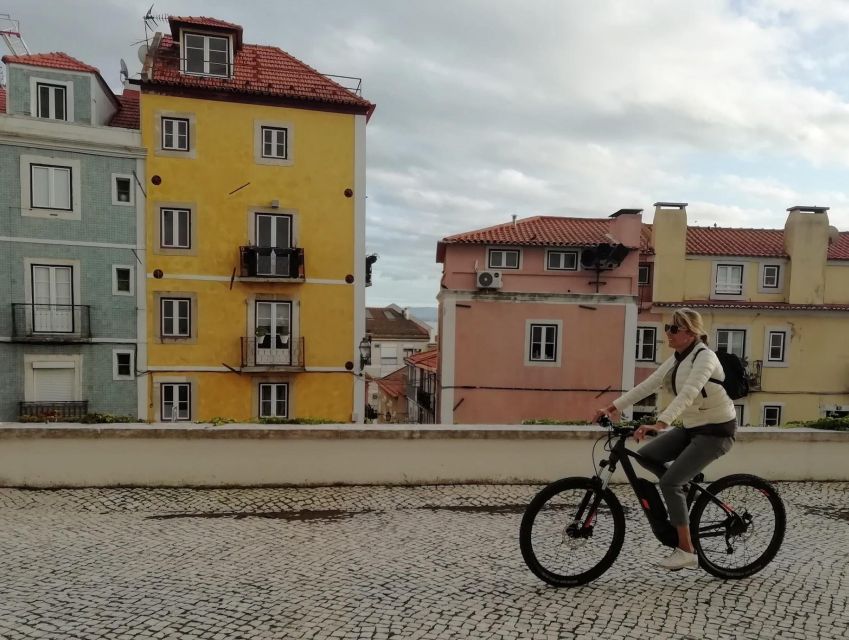
Graça is another listed viewpoint, and it’s a great mid-to-late tour stop. By the time you reach places like Graça, you’ve already started to understand Lisbon’s ups and downs, so the viewpoint feels earned rather than just scenic.
What makes Graça compelling on an e-bike tour is the contrast. You move between lookout angles and real streets where people live and move. That combination helps you feel the city’s texture: the slope, the views, and the dense neighborhood rhythm.
I also like how viewpoints like this can change your sense of distance. When you’re higher up, you suddenly understand why certain streets feel like they go nowhere and then suddenly open out. The guide’s cultural stories fit better here because the terrain is doing some of the explaining.
Still, keep expectations grounded. Hills don’t disappear just because you have assistance. You may still feel the climb, especially if the path steepens or if you’re pedaling into slower crowd movement. The win is that you’ll likely feel in control rather than stranded.
If you’re sensitive about downhill speed, treat descents seriously. Use the assist thoughtfully, keep your braking gentle, and don’t try to match another rider’s pace if your comfort level is lower.
Senhora do Monte: Where the Climb Feels Worth It
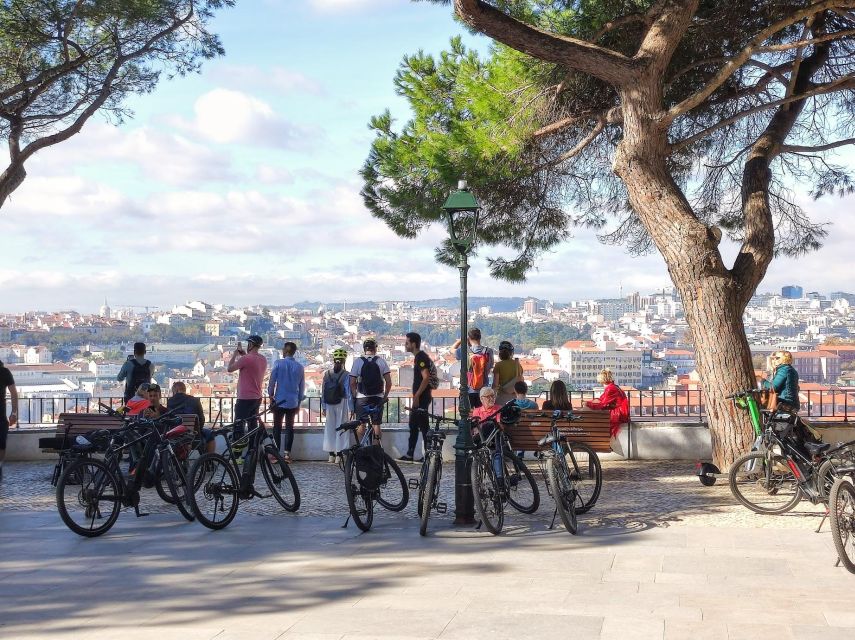
Senhora do Monte rounds out the classic hill-view set for this tour. It’s the kind of stop that makes you stop pedaling for a second, look around, and realize you’re seeing Lisbon at its most dramatic angle.
At this point, you’ll know the pattern: the guide tells you what you’re looking at, you take in the panorama, then you ride onward. The e-bike support helps you keep that rhythm instead of turning the day into a series of rests.
One of the best things about this kind of tour is that it balances physical effort with payoff. A hill like this is tough on a regular bike, but with electric assist, it becomes a manageable challenge. That matters for couples and friends because no one has to sit out the views.
There’s also the practical side. You’ll likely feel more confident by this stage if you’ve been paying attention to how the bike reacts to different settings. Reviews mention Turbo as a helpful choice for hills, so if the climb starts to feel like too much work, that setting can be your friend.
Just remember: the best climb strategy is the one that keeps you calm. Steer, pedal smoothly, adjust assist early, and follow the guide’s safety cues.
Safety on Cobbles, Rails, Pedestrians, and Traffic
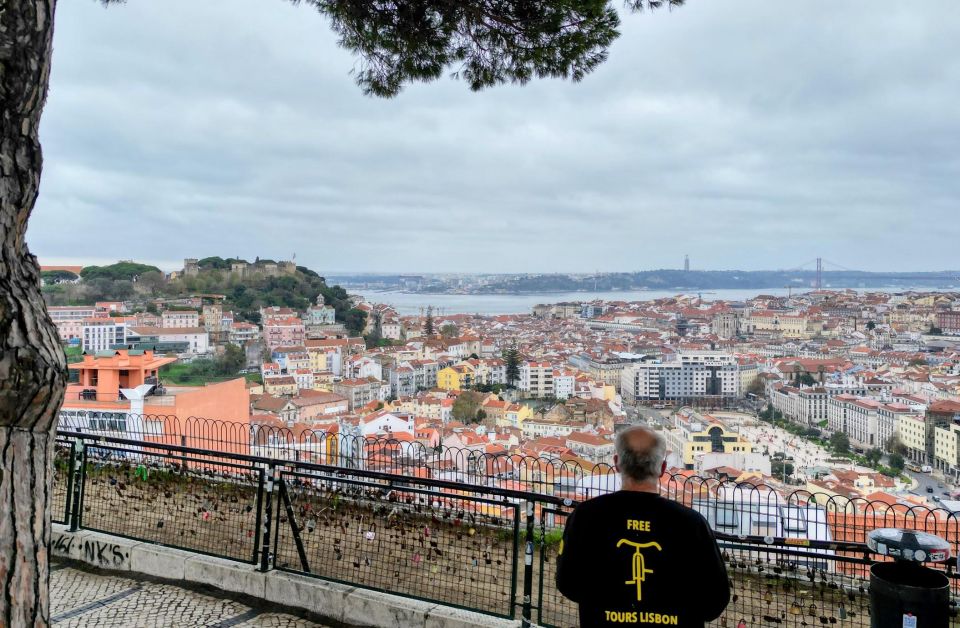
This tour isn’t a bike path parade. It includes tight spaces and city cycling conditions, and the surface can be uneven. One review called out cobbled roads, rails, pedestrians, and general traffic, which is exactly what you should plan for.
Here’s how to set yourself up for a smoother experience:
- Wear comfortable shoes with good grip. You want stable feet on uneven pavement.
- Take your time in narrow sections. It’s not a race.
- Stay alert for pedestrians stepping out. Even if you have the right of way, people can appear where you didn’t expect them.
- Use the guide’s instructions. Clear commands like slow down or stay left/right make the whole route easier to handle.
You also need some cycling experience. The tour is not advisable for beginners, and it’s not suitable for people who can’t ride a bike. That’s a real requirement, not a fine-print disclaimer.
On the upside, the guides know the route and manage group spacing. Many riders highlighted that the guide communication kept things safe, which is a strong sign you’ll be in good hands if you follow instructions.
If you’re nervous, choose a calmer power setting and let the bike do the work gradually. The goal is consistent control, not maximum speed.
Value for $53: What You Get in This Half-Day
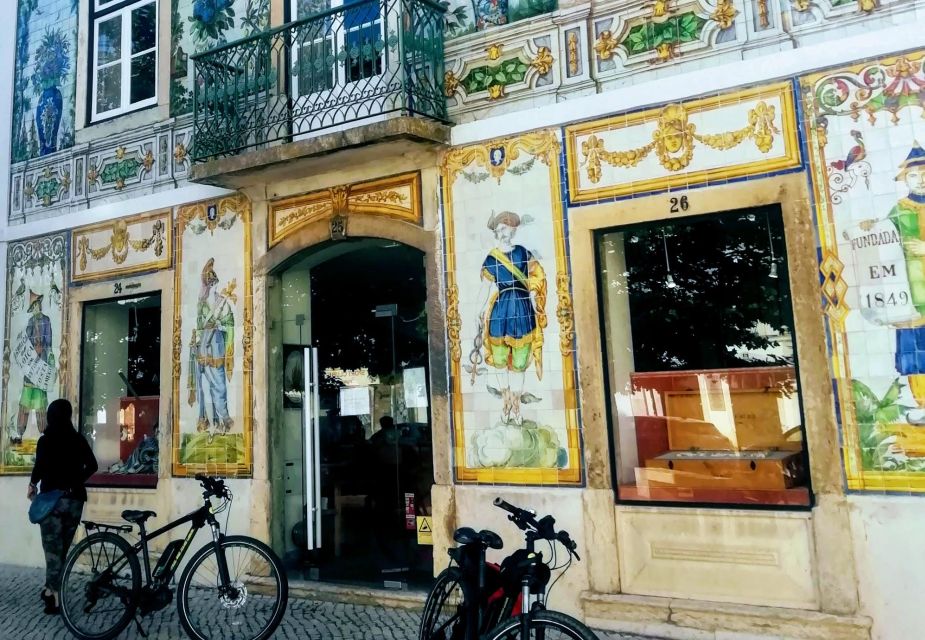
At $53 per person for 4 hours, the value comes from what’s included: a live guide, an electric bike, and a helmet. That’s a lot of “on the ground” help for a half-day, especially in a city where sightseeing without climbing can be hard to organize.
You’re also getting a route that covers multiple hills and iconic viewpoints. If you tried to do this on your own, you’d spend time figuring out routes, bike rentals, and where to park or stop for photos. Here, the guide handles the flow, and you get built-in context while you ride.
What’s not included is straightforward: entry fees for attractions and food and drinks. That’s normal for a city ride, and it actually helps you plan. Bring water, and eat on your own schedule afterward.
The small group of up to 10 also adds value. Larger groups can turn city cycling into chaos. This format tends to keep spacing reasonable, which matters for safety on narrow streets.
So if your goal is to see Lisbon’s hill viewpoints and older neighborhoods without spending the whole day struggling, this is one of the more efficient ways to do it.
Who Should Book (and Who Should Skip)
This tour fits best if you can ride a bike comfortably and you have at least some experience cycling in real traffic. The ride includes climbs and descents, and even with electric assist, you’ll still need control—especially on cobbled surfaces and in tight spaces.
It’s a good choice for couples who want shared views without splitting up. It can also work well for groups, since the guide can manage a small number of people on narrow streets.
It’s not the right pick if you’re a true beginner or if you can’t ride a bike. Also, if you’re easily overwhelmed by crowded roads and pedestrians, be ready for city cycling conditions and commit to the slower, careful pace the guide sets.
On the emotional side, this tour is the kind that reduces the fear of Lisbon’s hills. One rider mentioned their spouse was nervous but did well with the e-bike assistance. That’s the right mindset: controlled effort, gradual confidence, and clear instructions.
If your priority is pure relaxation with zero physical effort, you might consider a different style of sightseeing. But if you want Lisbon’s viewpoints plus lived-in streets, e-bike makes that possible.
Should You Book the Lisbon 7 Hills Panoramic Guided Tour by E-Bike?
Book it if you want a balanced, efficient way to see major viewpoints like São Pedro de Alcântara, Senhora do Monte, and Graça while also riding through neighborhoods such as Alfama. With a small group, a guide, helmet, and the electric bike included, it’s strong value for a half-day.
Skip it if you’re not comfortable cycling yet. The route includes steep hills, cobbles, and city traffic, and the tour is not designed for first-time bike riders.
One last practical note: check the weather and dress for it. You’ll be outside for the full 4 hours, and you’ll want comfortable shoes plus water.
If you like to plan flexibly, the tour offers free cancellation up to 24 hours in advance and lets you reserve without paying right away.
FAQ
How long is the Lisbon 7 Hills Panoramic Guided Tour by e-bike?
The tour lasts 4 hours.
What is the price per person?
The price is $53 per person.
Where do I meet for the tour?
You meet near Santa Apolónia Metro Station.
What is included in the tour price?
The tour includes a guide, an electric bike, and a helmet.
Are entry fees or food included?
No. Entry fees for attractions and food and drinks are not included.
What languages are the guides available in?
The live tour guide is available in English, French, and Portuguese.
How many people are in the group?
The tour is a small group limited to 10 participants.
What should I bring with me?
Bring comfortable shoes, a camera, water, and weather-appropriate clothing.