REVIEW · PORTO
Traditional Cooking Class, Farm Tour & Lunch in the Douro Valley
Book on Viator →Operated by Quinta de Louredo · Bookable on Viator
A farm lunch you can smell for days. Quinta de Louredo turns the Douro countryside into a full 4-hour food experience: walk the farm, pick ingredients, then cook and eat a traditional meal together. It feels like a family day, not a show.
I love how small the group is (max 10), so Fabio and family can actually explain what matters. I also love the farm-to-table setup, where your hands work with ingredients from the quinta itself, like eggs, fruit, olives, and herbs. One thing to consider: the schedule is very much built around the 11:00 start, so you’ll want your Porto plans to be flexible.
In This Review
- Key highlights you should know
- Quinta de Louredo: a family farm day above the Douro Valley
- Welcome spread: breakfast-style starters before you cook
- Farm tour plus picking: where the ingredients come from
- Traditional cooking class: a four-course meal you help build
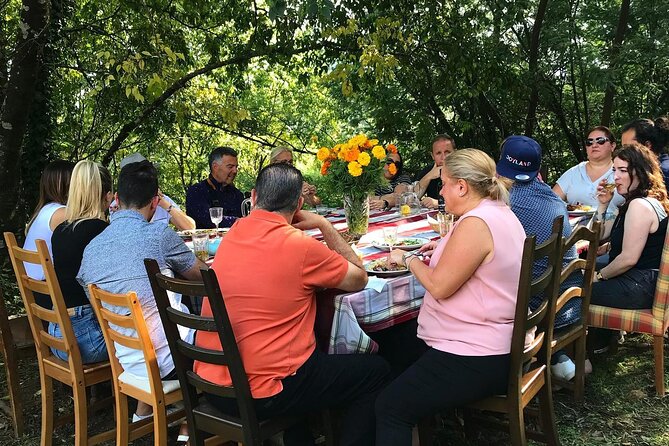
- Lunch around one table: why the meal feels personal
- Organic farming, resilience, and self-sustainability you can see
- Getting there from Porto: plan for train and a short final leg
- Price and value: what you’re really paying for at $179.02
- Who should book this, and who should double-check?
- Should you book Quinta de Louredo’s cooking class and farm tour?
- FAQ
- How long is the Traditional Cooking Class, Farm Tour & Lunch in the Douro Valley?
- Where does the experience start?
- What time does it start?
- What’s the group size?
- Is it offered in English?
- What is the price per person?
- Can I get a full refund if I cancel?
Key highlights you should know
- Max 10 people means more time at the stove and less time waiting
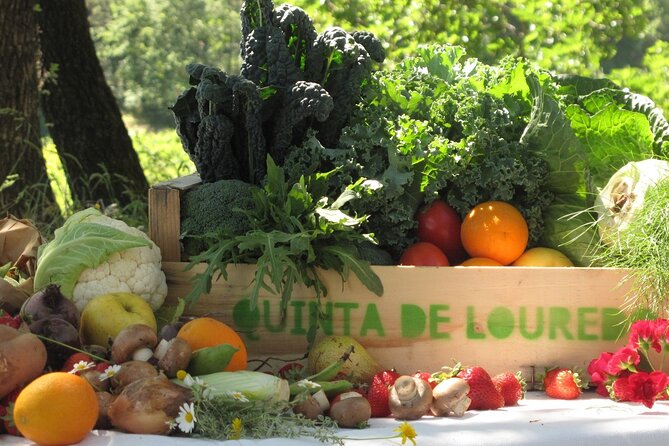
- Farm picking plus cooking: you use what you gather for the meal
- Four-course Portuguese style menu using mostly farm inputs (examples include cod and classic desserts)
- A real family farm story including resilience after recent fires
- English is available, with clear step-by-step teaching in the kitchen
Quinta de Louredo: a family farm day above the Douro Valley
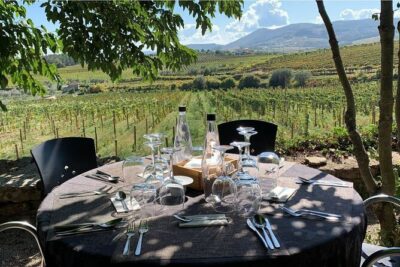
Quinta de Louredo is a working family farm where the day runs on farm time. You meet in Marco de Canaveses at R. Lourêdo (the address your booking details will use), and the experience stays at the quinta for the full afternoon. The setting is rural, with panoramic views that make the walk feel like a break from city noise.
What makes this feel different is the pacing. You’re not just shuttled from one photo spot to the next. Instead, you start with food, then move into the farm tour, and you end with cooking and eating. That flow matters because it connects what you see to what you eat. You can taste the logic of it.
The vibe is also very family-run. Fabio (and sometimes Alfredo, when he’s available) comes across as warm and generous, not scripted. The day includes stories about how the property is grown and maintained, including how they’re rebuilding and what they’ve learned through hard times.
You can also read our reviews of more cooking classes in Porto
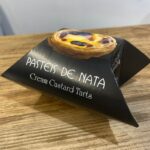
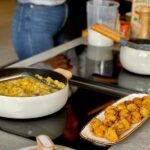
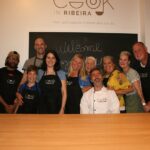
Welcome spread: breakfast-style starters before you cook
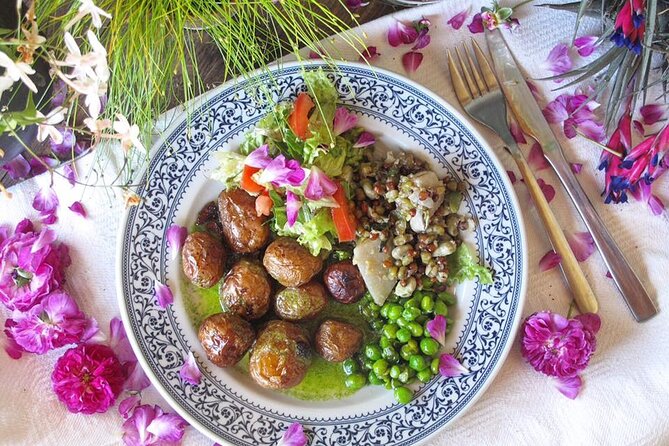
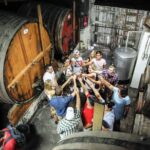
Most people think a cooking class starts with knives and flour. Here, you begin earlier, with a spread that sets the table before anything hits the stove. In practice, that means you’ll show up to a meal-like welcome: cheeses, breads, olives, honey, jams, and farm-made items such as sausages are all mentioned across experiences.
Then you ease into the day with something like a first drink and conversation, often including wine. This matters if you get stressed on tours that feel rushed. You get time to settle, meet the group size (small), and get oriented before you’re asked to perform culinary magic.
This is also one of the best parts if you’re a food person who hates surprises. The starters give you a preview of what the farm does well: local produce, simple flavors, and ingredient quality. If you’re unsure whether you’ll enjoy a hands-on class, that welcome spread is a strong argument that yes, you’ll like where this goes.
Farm tour plus picking: where the ingredients come from
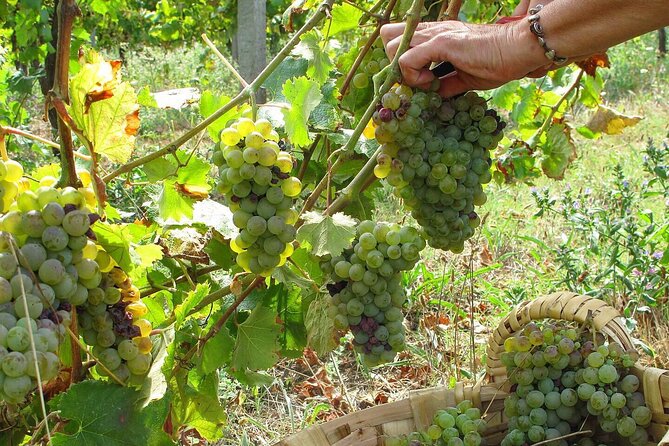
After the welcome, you walk the property with Fabio, meeting animals along the way and learning how the farm works. Expect to see a working set-up rather than a decorative garden. Many experiences mention dogs (friendly and eager), plus animals like goats, cows, pigs, and chickens. There are also stories around beehives and honey, and you’ll often hear about growing and keeping things organically.
The hands-on part is tied directly to the menu. You may pick fruit and gather ingredients that later become part of the dishes. Depending on the season, you might taste or pick strawberries, plums, lemons, herbs, and eggs. People describe the fruit as sweet and fresh, and the eggs as coming straight from the chickens you see on the tour.
Practical tip: wear shoes you don’t mind getting a bit dusty. You’ll be on farm ground, moving around for a while, and you’ll want stable footing before you go back inside to cook.
One more detail that makes the farm tour more than a walk: you learn the why behind the flavors. When you pick an ingredient yourself, it changes how you pay attention. Suddenly you’re not just eating; you’re noticing acidity from lemons, sweetness from fruit, and the difference a real olive oil makes.
Traditional cooking class: a four-course meal you help build
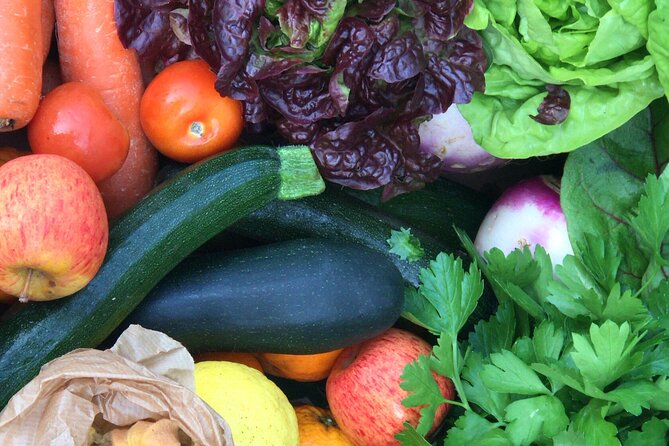
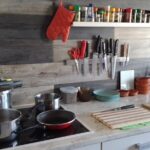
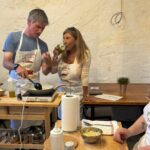
The cooking class portion is built for teamwork. You’ll cook together in a kitchen that’s described as spacious and well equipped, with views over the hills and farm. Fabio’s teaching style shows up again and again: step-by-step guidance, clear explanations, and a pace that works even for people who don’t cook much at home.
Across experiences, the menu is described as a traditional four-course set. The exact dishes can vary, but here are common examples that have been made during the class:
- An onion and tomato poached egg soup style dish
- A cod-and-potato course, sometimes with freshly made fries
- A dessert based on lemon and cinnamon, with a port caramel element
- Portuguese-style sweets such as Aletria Doce (sweet noodle dessert) and custard desserts
You also hear about using eggs from the farm and potatoes from the property, plus olive oil from olives grown on site. That’s the heart of the value here: you’re not just following recipes using supermarket ingredients. You’re cooking the region’s flavors as the farm produces them.
If you like food technique, don’t worry. You’re not stuck doing only one thing for an hour. People mention doing real prep and cooking steps together, from chopping and mixing to actual cooking. It’s hands-on in a way that feels doable, not staged.
Humor note, the only real downside of a hands-on cooking day is that you’ll start planning your kitchen at home before the meal ends. It’s hard not to.
Lunch around one table: why the meal feels personal
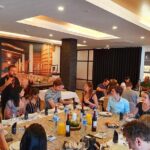
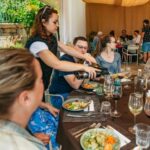
After cooking, you share the meal together. It’s not a fast buffet. It’s a sit-down lunch tied to the work you just did, with time for stories and local talk.
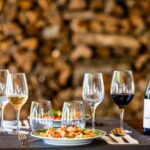
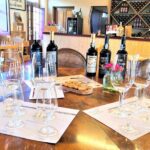
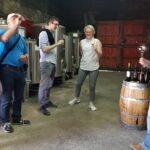
Wine and beer show up in multiple experiences, often connected to the farm itself or local production. Some descriptions mention wine and vino verde-style options, plus tastings that feel more like a conversation than a formal pairing. If you’re driving or avoiding alcohol, you might still want to ask what non-alcohol options are available, since not every menu detail is stated in the core tour info.
The biggest thing I’d underline is the table culture. With a max of 10 people, you’re more likely to get into actual conversation with Fabio and family rather than just pass through. The day is full of personal context: family, farm life, and resilience after fires that affected land and rebuilding efforts. That emotional thread shows up naturally in the way the host talks about agriculture and sustainability.
If you like learning through food, this part clicks. You eat the dish, then the story behind it lands. That’s why people call it a highlight of their time in Portugal.
A few more Porto tours and experiences worth a look


Organic farming, resilience, and self-sustainability you can see
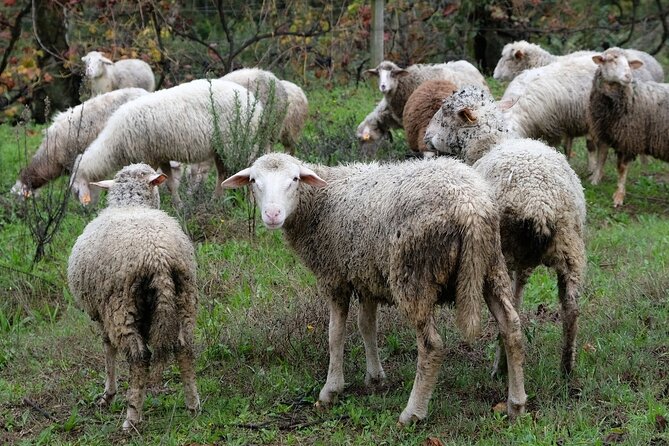
This farm is described as biologic and tied to self-sustainability. In plain terms, you’ll notice systems built to keep the farm working long-term: animals raised on-site, produce grown for the kitchen, and energy solutions like solar panels mentioned in experiences.
You’ll also hear about what happened to the property and how recovery is part of the current story. Even when the day stays focused on food, that context adds weight. It’s not doom-and-gloom; it’s practical hope, with replanting and rebuilding where grapes once stood.
This matters for your understanding. A cooking class can feel superficial if it ignores how the food is produced. Here, you see the inputs. You meet the animals. You pick fruit. You learn that the farm is still alive and changing. That makes the meal feel earned.
If you’re the type who wants only facts, you’ll still get plenty: organic growing, farm animals, local ingredient use, and how they plan around seasons. If you’re more of a storyteller type, you’ll enjoy the family narratives too.
Getting there from Porto: plan for train and a short final leg
The starting point is in Marco de Canaveses, which is outside central Porto. The tour is near public transportation, and multiple experiences describe taking the train to Marco de Canaveses, then using a taxi for the final leg.
To plan smoothly, aim to build in buffer time around the 11:00 start. Rural pickup and drop-off can take a few extra minutes depending on train times and taxi availability. If you’re traveling with family or multiple people, consider splitting costs with a taxi rather than trying to rush a connection.
Once you’re there, the good news is you don’t need to keep moving. The activity ends back at the meeting point. So you can plan a calm return rather than stacking transfers.
Language tip: the experience is offered in English, which helps if you want to understand cooking steps rather than just watch.
Price and value: what you’re really paying for at $179.02
At $179.02 per person for about 4 hours, this isn’t the cheapest cooking class option. But in terms of what’s included, it’s easy to justify if you care about food and hands-on learning.
Here’s the value equation as you experience it:
- You get a farm tour, not just a kitchen demo.
- You pick and gather ingredients tied to the menu, often including fruit and eggs.
- You cook and then eat a multi-course traditional meal, with desserts and savory dishes.
- You spend time with the hosts in a small setting (max 10), so the teaching isn’t crowded.
If you were thinking of this only as a meal, you might feel it’s pricey. If you’re thinking of it as a full farm-to-table workshop with real ingredients and real cooking, it starts to feel like a fair deal. The best way to judge is to ask yourself: do I want to learn how regional Portuguese dishes are built, and do I enjoy farm context?
One extra value point: this kind of day often gives you recipes you can actually repeat. People come away talking about recreating the dishes, especially soups and desserts that use ingredients like eggs, lemons, cod, and local sweets.
Who should book this, and who should double-check?
This experience is a great match if:
- you want a small-group food day (max 10) with hands-on cooking
- you like Portuguese flavors and want to learn them using farm ingredients
- you enjoy meeting farmers and hearing how agriculture works on real land
- you’re traveling with kids and want an activity where picking fruit and tasting eggs feels like part of the lesson
It may be less ideal if:
- you hate rural walking or want minimal farm-time movement
- you only want quick, hands-off tasting without chopping, mixing, and cooking
- you have a tight schedule that can’t flex around the 11:00 start
Also, the day is very “family farm” in the best sense. If you want a polished, corporate-style tour with strict timing and lots of glassware, this won’t be that kind of experience.
Should you book Quinta de Louredo’s cooking class and farm tour?
Book it if you want something authentic and practical: a real farm visit that ends with you eating what you helped make. The combination of farm tour, ingredient picking, and a traditional four-course Portuguese cooking class is exactly the kind of day that’s hard to replicate on your own in Portugal.
I’d especially recommend it if your trip to the Porto area includes at least one slower day. This is not a quick half-hour stop. It’s a full food-focused afternoon where you’ll learn, cook, and leave full.
If you’re on the fence, ask yourself one question: do I want to taste Portugal through the lens of a working farm? If the answer is yes, this is a strong booking.
FAQ
How long is the Traditional Cooking Class, Farm Tour & Lunch in the Douro Valley?
It runs for about 4 hours.
Where does the experience start?
It starts at Quinta de Louredo, R. Lourêdo, 4630-110 Marco de Canaveses, Portugal.
What time does it start?
The start time is 11:00 am.
What’s the group size?
The experience has a maximum of 10 travelers.
Is it offered in English?
Yes, it’s offered in English.
What is the price per person?
The price is $179.02 per person.
Can I get a full refund if I cancel?
Yes. You can cancel for a full refund up to 24 hours before the experience starts. Free cancellation is available.
If you want, tell me your travel dates and whether you’re coming from central Porto by train or taxi, and I’ll help you plan a realistic timing window around the 11:00 start.