REVIEW · PORTO
Douro Valley Small-Group Tour with Wine Tasting, Lunch and Boat
Book on Viator →Operated by Cooltour Oporto · Bookable on Viator
A wine day with a boat twist. I love the small-group size (max 8) and the way this tour bundles two winery tastings with lunch and a Douro River boat cruise. The tradeoff is a long day, with about 1.5 hours each way driving out of Porto plus time on the water, so it’s best if you’re good with a steady pace rather than constant time inside wineries.
You’ll get a real sense of why the Douro Valley is a UNESCO World Heritage area, not just a photo stop-and-go. I also like the human touch that shows up with guides like Nuno, Miguel, Maria, Jorge, and Andreia, who tend to connect the wine to place and people. Just consider the day includes a fair bit of transit, and the boat portion can feel brief depending on how the cruise is run that day.
If you want one organized day that covers the best “greatest hits” of Port wine country—vines, estates, and the river—this tour is a strong candidate.
In This Review
- Key highlights to know before you go
- The Porto-to-Douro drive: why the timing feels long (and what you get for it)
- Pinhão and the N222: your built-in scenery break
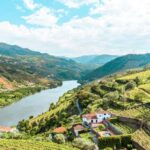
- Stop 1 in the Douro: UNESCO views without the museum feeling
- Winery #1 near Peso da Régua: Douro DOC tasting in a family-owned setting
- The Douro River cruise: the Tua River perspective and what to watch for
- Lunch in the Douro: typical Portuguese food plus regional wine
- Winery #2 in Sabrosa: port production focus and tastings you’ll remember
- Buying wine at the estates: how to plan your take-home bottles
- Value check: is $169.30 a fair deal for this much in one day?
- Who this tour suits best (and who should choose differently)
- Tips to get the most from the day
- Should you book this Douro Valley small-group tour from Porto?
- FAQ
- How long is the Douro Valley small-group tour?
- What time does the tour start?
- Is hotel pickup included from Porto?
- How big is the group?
- What food and drinks are included?
- Are vegan or gluten-free options available?
- How many winery stops are there?
- Is there a boat cruise?
- Where does the tour drop you off at the end?
- What if the weather is bad or the minimum number of travelers isn’t met?
Key highlights to know before you go
- Max 8 people keeps the day from feeling like a bus ride in disguise
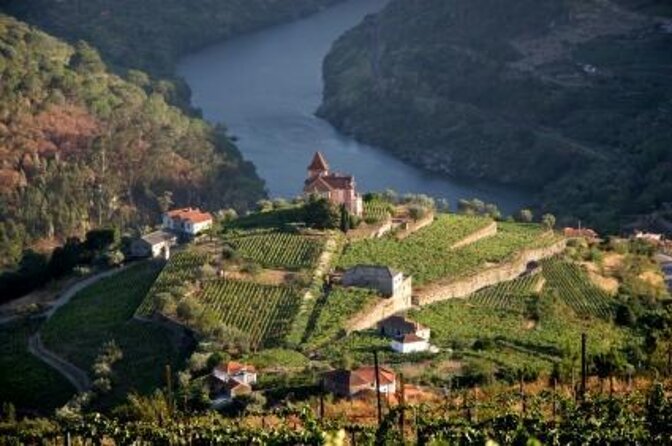
- Pinhão free time plus N222 road views gives you a chance to slow down and look closely
- Two family-style wine estates means you compare styles and learn the process from different angles
- Douro River cruise on the Tua adds a valley perspective you can’t get from land
- Traditional 3-course Douro lunch with options (vegan and gluten-free by request) keeps the day feeling like Portugal, not a tasting factory
The Porto-to-Douro drive: why the timing feels long (and what you get for it)
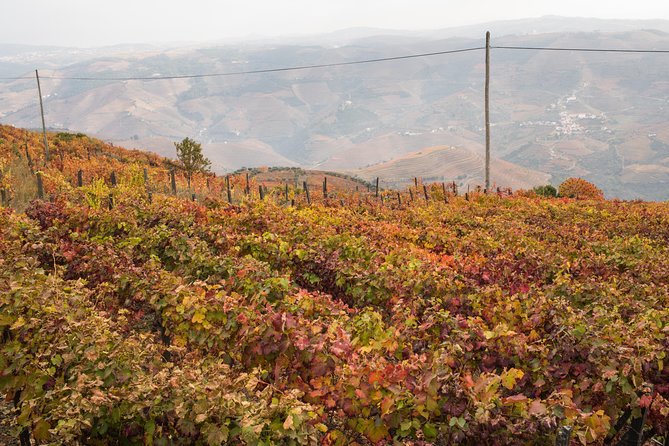
This is a full 9 to 10 hour outing, starting at 8:30 am from central Porto. Pickup happens from most centrally located hotels that are accessible, using a comfortable modern minivan, plus bottled water in sustainable packaging.
Plan for the drive. You’ll spend about 1 hour 30 minutes each way getting from Porto into the Douro region. That can sound heavy, but the payoff is that you’re not doing logistics yourself, and you’re seeing multiple key parts of the valley in one day.
You can also read our reviews of more food & drink experiences in Porto


Pinhão and the N222: your built-in scenery break
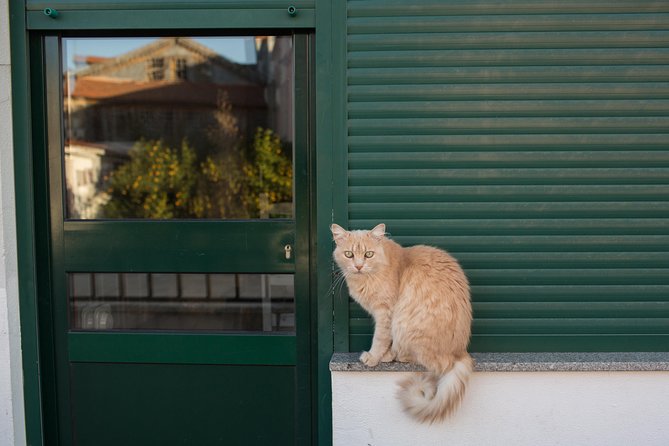
Early on, you’ll head inland and continue toward Pinhão, where you get free time to explore at your own pace. This is a smart break in the day because you’re not just stuck watching the valley through a window—you can actually walk a bit.
One of the best practical things to do with that time: stroll toward the Pinhão train station. The station walls feature blue-and-white tile murals that depict the surrounding countryside and the sweeping vineyard patches that define the Douro. Even if you don’t ride the train, it’s a quick way to make sense of what you’re seeing from the road.
Between the first winery area and Pinhão, you’ll also ride the famous N222 road. It’s timed as a dedicated scenic segment (about 25 minutes), so you’re not forced to guess where the best viewpoints are.
Stop 1 in the Douro: UNESCO views without the museum feeling
You’ll start your day in the Douro Valley area itself, tied to the UNESCO World Heritage setting. There’s a designated stop here with an admission ticket free label, which usually means you’re getting the viewpoint/setting moment without a separate paid attraction.
This part matters because it sets expectations. If you come into the day expecting wine tasting only, the UNESCO frame helps you understand why the slopes and terraces matter. Douro viticulture is shaped by geography, not just tradition.
Winery #1 near Peso da Régua: Douro DOC tasting in a family-owned setting
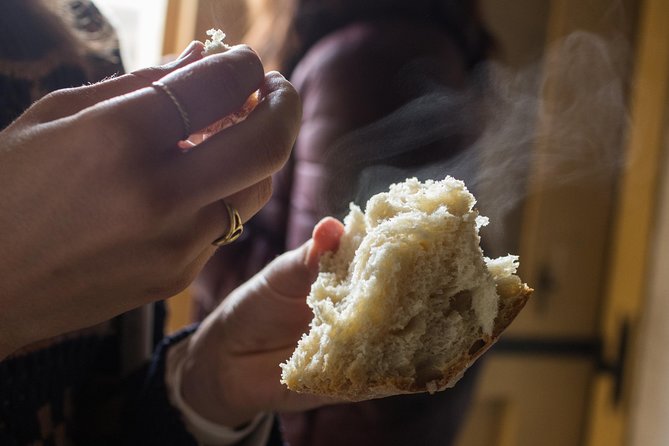
Next you reach Peso da Régua, where you’ll visit the first family-owned winery for wine tasting focused on Douro DOC. This stop is about 1 hour 30 minutes, which is long enough for you to actually ask questions and compare what you taste.
The best part of this first estate stop is that it tends to give you a foundation. You learn the region’s winemaking traditions, then taste with context, so the second estate doesn’t feel repetitive—you’re building on what you just heard.
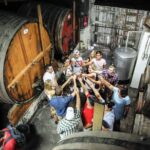
This is also where the “small group” advantage shows up. With a max of 8 travelers, you usually get more back-and-forth than you would on a large bus. That helped make guides like Miguel and Nuno particularly memorable in the way they explained what you were drinking.
The Douro River cruise: the Tua River perspective and what to watch for
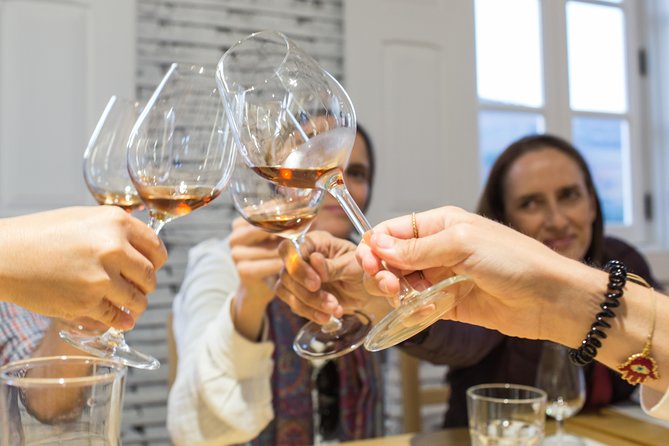
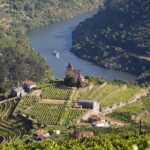
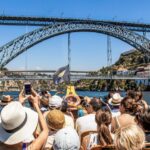
After the first winery, you’ll transfer toward the river and enjoy the Douro River boat cruise, labeled as about 1 hour. The cruise runs along the Tua River tributary, and you pass sights such as Quinta da Romaneira.
This boat time is valuable because the Douro is hard to grasp from one angle. On the water, vineyards and terraces “stack” differently, and you can see how the river threads through the valley.
A heads-up from what can happen in practice: sometimes the boat is run in a way that puts you on a vessel with other tour groups, and there may be an optional audio guide. If audio matters to you, bring headphones, since you might need your own to use it.
You can also read our reviews of more boat tours in Porto
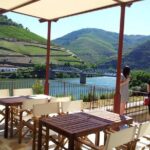
Lunch in the Douro: typical Portuguese food plus regional wine
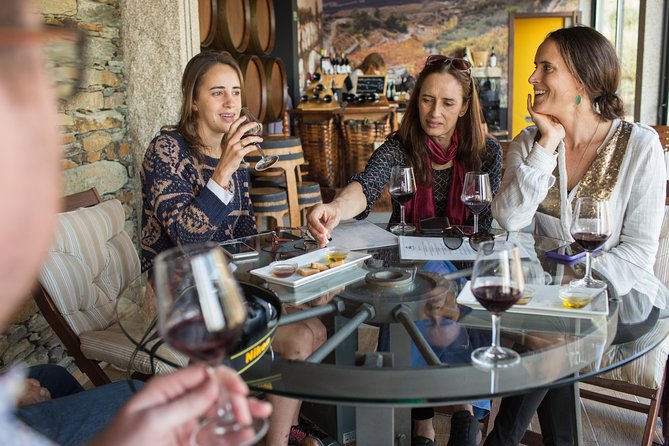
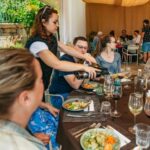
When lunch arrives, you’re at a renowned local restaurant serving traditional Douro cuisine. It’s planned as about 1 hour, with wine included, and it’s described as a traditional three-course Portuguese meal.
Good to know for planning: vegan and gluten-free options are available upon request. If you have dietary restrictions, send them at booking so the restaurant can actually prepare something suitable rather than improvising at the table.
This lunch stop is more than a break. It’s where the day turns from “wine education” into a Portugal-style meal with regional wines. That combination is part of why the day often feels full, not rushed.
Winery #2 in Sabrosa: port production focus and tastings you’ll remember
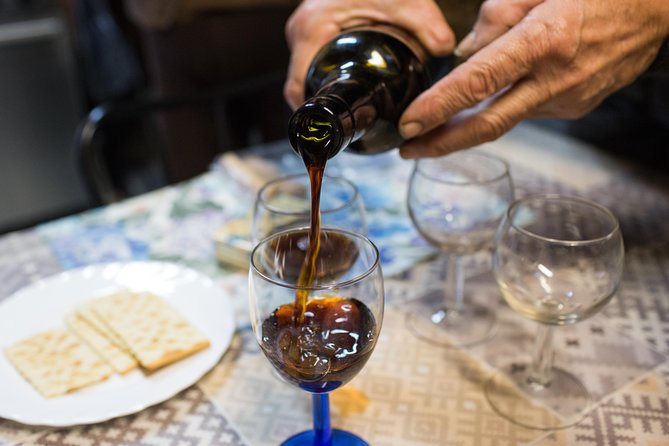
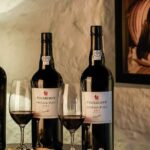
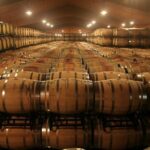
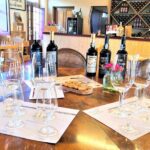
You’ll end the day with a second winery visit in Sabrosa for another 1 hour 30 minutes tasting. This stop is centered on port wine production, with a tasting of ports and wines from the region.
This is the most “Port-centric” moment of the tour. You’re not just tasting; you’re learning the process—then sampling the results. Guides such as Jorge and Andreia are often the ones who make this part click by connecting the winemaking choices to what you’re tasting.
Also, Sabrosa is where the experience tends to feel most personal. Many of these estates are smaller and family-run, which often means you get a more relaxed pace than at large commercial visitors’ centers.
Buying wine at the estates: how to plan your take-home bottles
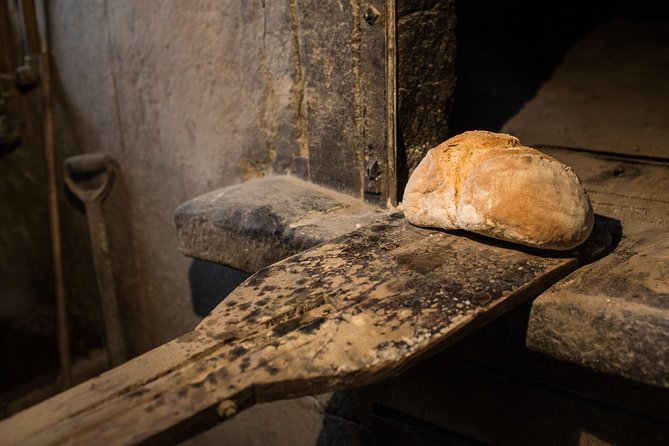
Both wineries include time that supports shopping. After tastings, you’ll have a moment to stop by the shop to make any purchases before heading back to Porto.
Because you’re doing two tastings plus lunch, it’s easy to overdo it in the moment. My practical suggestion: decide at the end of the day what you truly want to bring home. The second estate often becomes the one you’re most motivated by since it’s tied to the port production lesson, but it’s smart to compare bottles rather than buying on impulse.
Value check: is $169.30 a fair deal for this much in one day?
At $169.30 per person, you’re paying for more than tasting fees. You’re bundling:
- hotel pickup and a comfortable minivan ride out and back
- a professional guide
- two estate visits with wine tastings
- lunch with regional wine
- a Douro River cruise
If you tried to do this on your own, you’d still spend time and money on transport, plus the wineries themselves often require planning to match. The value here is the scheduling and the fact that you’re not driving between widely spaced viewpoints and towns.
The main value risk is the time ratio: one downside you should accept is that much of the day is on the road or on the water. If you want a longer “hang out with the winemakers” day at one estate, you might wish there were more winery time and less transit.
Who this tour suits best (and who should choose differently)
This fits best if you:
- want a first Douro Valley day from Porto and don’t want to manage logistics
- enjoy tasting wine with context, not just collecting glasses
- like a small group where guides like Maria and Filipe can actually steer the conversation
It may not be ideal if you:
- want an itinerary that feels mostly like winery time
- dislike long car days (about 1.5 hours each way is part of the deal)
- are sensitive to the boat details (some departures can be more shared than private)
Tips to get the most from the day
- Use Pinhão free time for the train station tile murals—it’s a quick, meaningful Douro snapshot.
- Bring your questions for the wineries, not just your appetite. The estate timing (about 1 hour 30 minutes each) gives room for back-and-forth.
- If audio is your thing on the cruise, plan for headphones so you’re not left out.
Should you book this Douro Valley small-group tour from Porto?
My vote: book it if you want one well-paced day that hits the big Douro points—two tastings, a real Portuguese lunch, and a river cruise—without the stress of planning routes and timing. The max 8-person group size is a genuine quality factor, and guides like Miguel, Nuno, Jorge, Maria, and Andreia are often the difference between a “drive, drink, move on” day and a day that makes sense.
Skip it (or compare alternatives) if you’re the type who feels cheated when a day includes lots of transit. This tour runs long because it covers multiple corners of the valley. If that structure sounds tiring, you’ll likely prefer something that stays in one area longer. But if you’re after a complete Douro sampler, this is a strong pick.
FAQ
How long is the Douro Valley small-group tour?
It runs about 9 to 10 hours.
What time does the tour start?
The start time is listed as 8:30 am.
Is hotel pickup included from Porto?
Yes. Pickup is offered from most centrally located Porto hotels when accessible.
How big is the group?
The tour has a maximum of 8 travelers.
What food and drinks are included?
Lunch is included (a traditional three-course Portuguese meal served with Douro wine). Wine and port tastings are also included.
Are vegan or gluten-free options available?
Yes, vegan and gluten-free options are available upon request.
How many winery stops are there?
You visit two traditional wine estates, with wine and port tastings at both.
Is there a boat cruise?
Yes. You get a Douro River boat cruise.
Where does the tour drop you off at the end?
The activity ends in a different location, with drop-off at Trindade Station and Bolsa Palace.
What if the weather is bad or the minimum number of travelers isn’t met?
The experience requires good weather. If it’s canceled due to poor weather, you’ll be offered a different date or a full refund. If it’s canceled because the minimum number of travelers isn’t met, you’ll be offered a different experience or a full refund.