REVIEW · AVEIRO
Aveiro: Stories, Canals, and Tiles Guided Walking Tour
Book on GetYourGuide →Operated by Tony Walker · Bookable on GetYourGuide
First stop in Aveiro, and the city starts talking. This 2-hour walking tour links canals, boats, and azulejos into one easy route, with stories that explain why this coastal town looks the way it does and how it survived trade, faith, and salt. I especially like the way it turns everyday details into “aha” moments, from the salt smell near the Ria to tile panels that hint at centuries of life. You’ll also get help spotting lagoon boats like the moliceiros and mercanteis, not just walking past them. The one thing to consider: it’s not an option if you have low mobility or you’re traveling with kids under 10, and you’ll be on your feet on uneven streets.
What I like most is the balance between quick architecture stops and the bigger picture. You see baroque highlights up close, like the small but impressive Carmelite Convent Church, then shift to the practical side of Aveiro—canals, factories by Canal da Fonte Nova, and the town’s shift from medieval strength to later changes during the desert-crossing era. I also love the tile focus. You’ll track azulejos across multiple neighborhoods, including Art Nouveau and Art Deco touches and the iron architecture that marks Aveiro around the 1900s.
The possible drawback is simple: the route is weatherproof in the sense that it runs rain or shine, but you still have to dress for it and bring comfy shoes. If you expect a sit-down museum tour with lots of indoor time, this walk is more about street-level looking and listening than long indoor visits.
In This Review
- Key things you’ll notice on this Aveiro walk
- Where the tour begins in Praça da República
- Why this opening matters
- Rua de Coimbra and calçada à portuguesa (the street under your feet)
- Practical tip
- Inside the Misericórdia church: a quick entrance that sets the tone
- Marques de Pombal Square and the Carmelite Convent Church
- What to look for
- Azulejos at Casa de Santa Zita and Sapataria Leão
- Why this is good value
- Dominican Convent of Jesus and Princess Santa Joana
- How to get the most out of it
- Cathedral area, then the Canal da Fonte Nova and ceramics history
- What you might notice
- Along the canals: spotting lagoon boats and understanding how the Ria works
- Why this part sticks
- Beira Mar neighborhood and the tile “eye-candy” that has a purpose
- How to watch for these styles
- The Museum of Art Nouveau façades (even if you don’t do a full museum visit)
- Saltpan path: Aveiro’s rise, desert crossing, and 19th-century revival
- Why saltpan stories feel personal on-site
- Eel stew references and ovos moles: the food thread that closes the loop
- What to do next
- Finishing at Igreja de São Gonçalinho and the January sweet-throwing ritual
- Why this ending works
- Price and value: is $23 for 2 hours a smart deal?
- How to prep so the tour feels easy (not tiring)
- Who will like this most?
- The guide experience: what stands out about Tony Walker / António
- Should you book this Aveiro walking tour?
- FAQ
- Where do I meet the guide?
- How long is the guided walking tour?
- What languages are available?
- What is included in the ticket price?
- Is food and drinks included?
- Does the tour run in bad weather?
- Is the tour suitable for children?
- Is it accessible for wheelchair users or people with mobility impairments?
- What should I bring and wear?
Key things you’ll notice on this Aveiro walk
- Boats by the Ria: you’ll learn to recognize moliceiros, mercanteis, and other lagoon craft as part of the canal story
- Azulejos as a timeline: tile panels from early modern times through later styles
- Baroque in small doses: the Carmelite Convent Church is compact but visually worth the stop
- Art Nouveau and Art Deco on façades: including the two façades of the Museum of Art Nouveau
- Saltpan-era stories: Aveiro’s power from the 11th to 15th centuries, later desert crossing in the 17th–18th centuries, and revival in the 19th
Where the tour begins in Praça da República
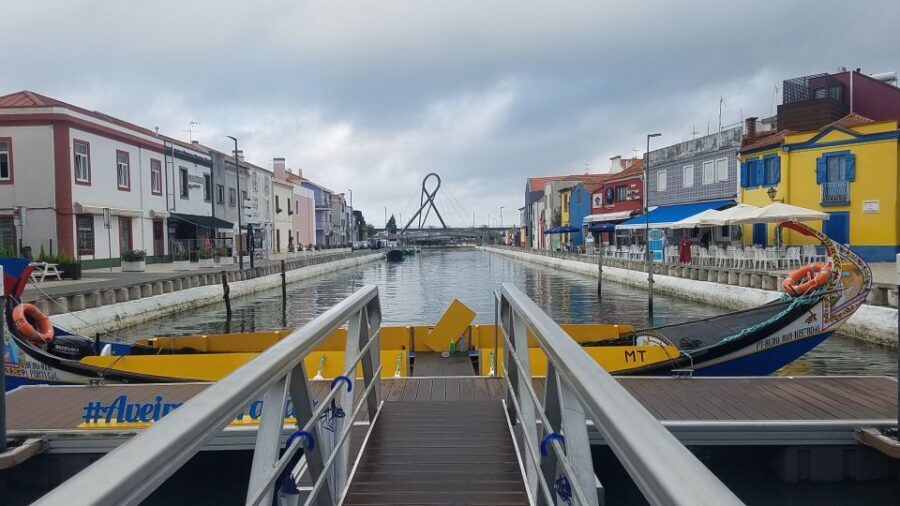
You start at Praça da República, near the statue in the center of the square, with your guide holding a yellow/blue card. It’s a smart meetup: you’re already in the historic core, so the tour can move fast without “finding the city” first.
From there, you head toward the Town Hall area and the Misericórdia church. This is where the tour’s style shows up early. Instead of listing sights, it gives you the logic behind them. You’re not only looking at old buildings—you’re learning what people valued enough to build, protect, and decorate.
You can also read our reviews of more walking tours in Aveiro

Why this opening matters
If you only “see” Aveiro, you miss the pattern. Starting here lets you understand why later stops—tiles, churches, canal engineering—feel connected rather than random.
Rua de Coimbra and calçada à portuguesa (the street under your feet)
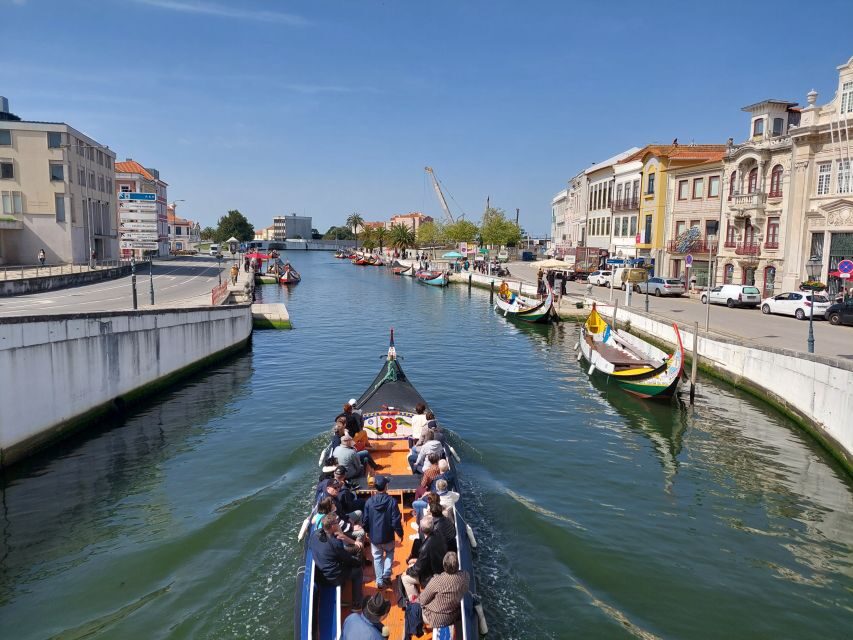
One of the first streets you’ll walk is Rua de Coimbra, and the guide uses it to talk about black-and-white calçada à portuguesa. It’s easy to overlook paving as background, but this tour treats it like a clue.
You’ll learn how the pavement style fits into the broader idea of Portuguese craft and public space: a city that trains you to notice details even when you’re moving.
Practical tip
Wear shoes with good grip. Calçada can look charming and flat from a distance, but it often has uneven stones.
Inside the Misericórdia church: a quick entrance that sets the tone
The tour includes entrance to the Church of Mercy (Misericórdia). That matters because churches can be where a guide’s explanation clicks. You’ll get context right away on how faith, local patronage, and city identity show up in buildings.
This stop is also a good checkpoint if you’re pacing-sensitive. You’re not committing to a long indoor block, but you get a real break from street-level searching.
You can also read our reviews of more guided tours in Aveiro
Marques de Pombal Square and the Carmelite Convent Church
Next you move to Marques de Pombal square, where you enter the Carmelite Convent Church. It’s described as a small yet impressive baroque jewel. That’s exactly the kind of stop that works well in a 2-hour tour: you feel the impact without needing a half-day ticket.
The baroque feel is the point. It’s not just about decoration. Your guide uses it to explain how power and devotion show up visually—through form, rhythm, and drama.
What to look for
Look for how the church’s design leads your eye. Baroque interiors often guide attention in a way that feels almost theatrical, even when the building is compact.
Azulejos at Casa de Santa Zita and Sapataria Leão

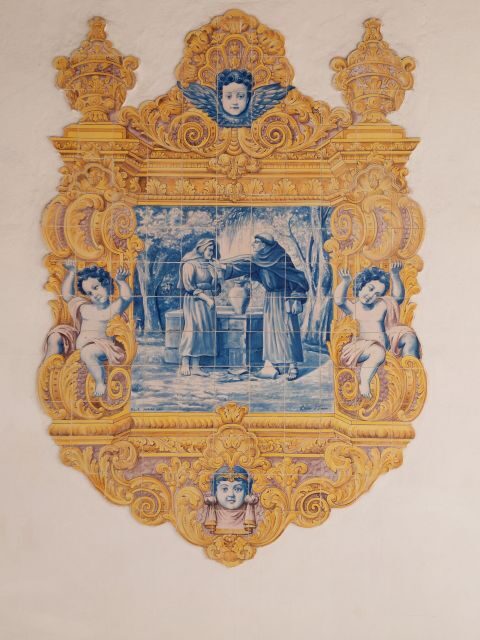
After that, the tour leans hard into what Aveiro does best: tiles. You’ll pass by the tile panels of Casa de Santa Zita and Sapataria Leão. This is where azulejos stop being pretty wall art and start acting like storytelling.
Tiles in Aveiro often work like layered time. Even when you don’t know the exact names or dates, you can sense style shifts. This tour helps you connect those shifts to real periods—so later when you see Art Nouveau or Art Deco marks, it feels earned, not random.
Why this is good value
At $23 for a 2-hour walk that includes entrances to two churches, you’re paying mostly for interpretation. If you like learning what you’re looking at, that interpretation is where the money goes.
Dominican Convent of Jesus and Princess Santa Joana
You’ll pass the Dominican Convent of Jesus and get historical context tied to the city’s patron saint: Princess Santa Joana. This stop is useful even if you don’t consider yourself a “saints and sermons” person.
That’s because the tour uses her story to explain local identity—why certain buildings mattered and how religious figures became symbols people returned to year after year.
How to get the most out of it
Ask yourself what the city is trying to say with the spaces it preserved. That’s the kind of lens this tour trains.
Cathedral area, then the Canal da Fonte Nova and ceramics history
After passing the cathedral, the route reaches the Canal da Fonte Nova. Here the tour points out that one of the ceramics factory buildings from the many factories that once existed there is still standing.
This is where Aveiro’s tile obsession gets its “why.” If you understand that ceramics production helped shape jobs and wealth, then azulejos stop looking like a decorative habit and start looking like an industry—and an export.
What you might notice
Even if you don’t study architecture formally, you’ll start seeing industrial “bones” inside the city’s more decorative face.
Along the canals: spotting lagoon boats and understanding how the Ria works
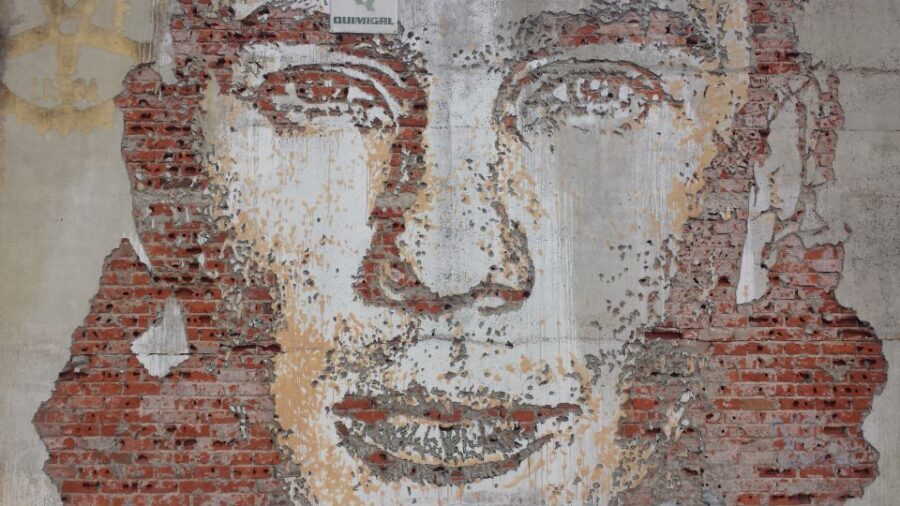
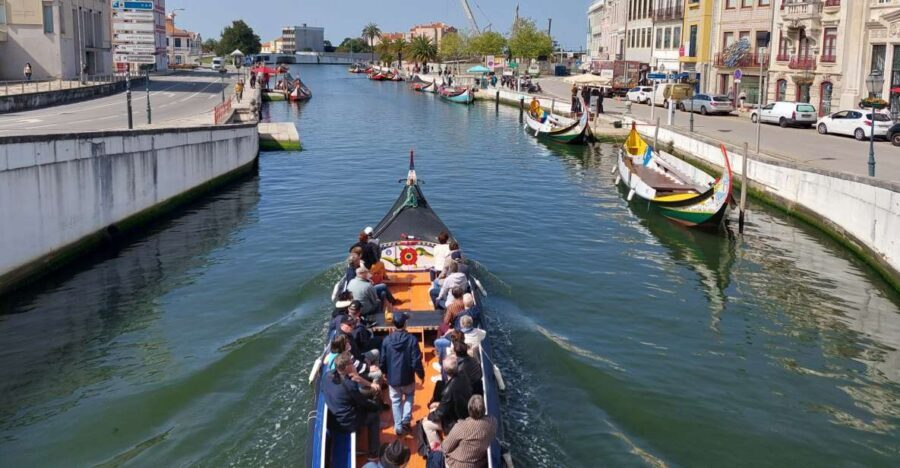
Now comes the heart of the experience: walking along the canals while the guide explains their genesis and utility, plus the traditional boats of the Ria de Aveiro.
The highlights specifically call out the smell of the lagoon and its salt. That’s not just poetic. It anchors the story physically, so the canals don’t feel like a scenic background. They feel like work.
You’ll be guided to recognize the craft you’ll hear about—moliceiros and mercanteis—so that if you later take a boat ride, you won’t feel like you’re just watching shapes. You’ll know what you’re seeing.
Why this part sticks
A city like Aveiro is easy to “tour” with photos. This section makes you read the water and the routes behind it.
Beira Mar neighborhood and the tile “eye-candy” that has a purpose
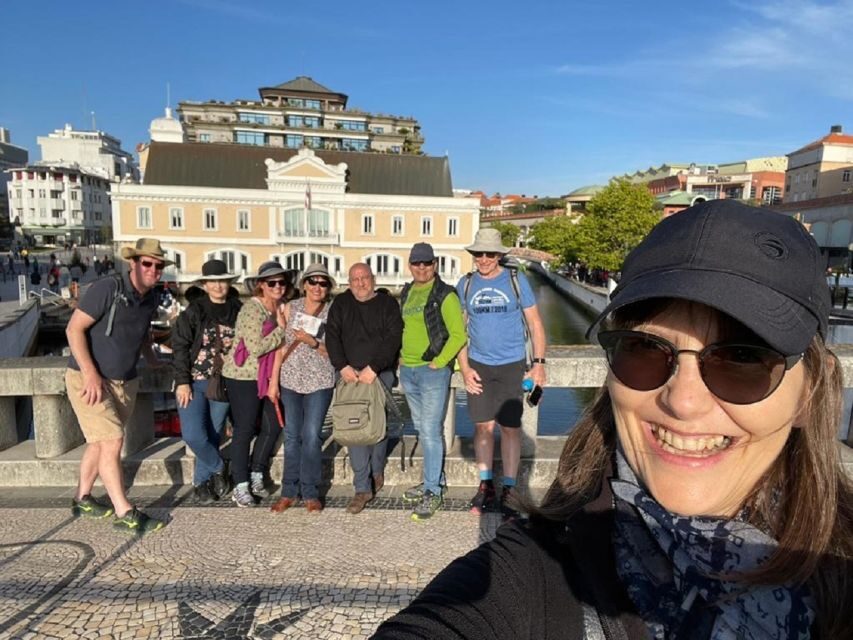
You’ll pass through interesting places in the Beira Mar neighborhood, with tiles filling your eyes as the guide connects what you see to style and time.
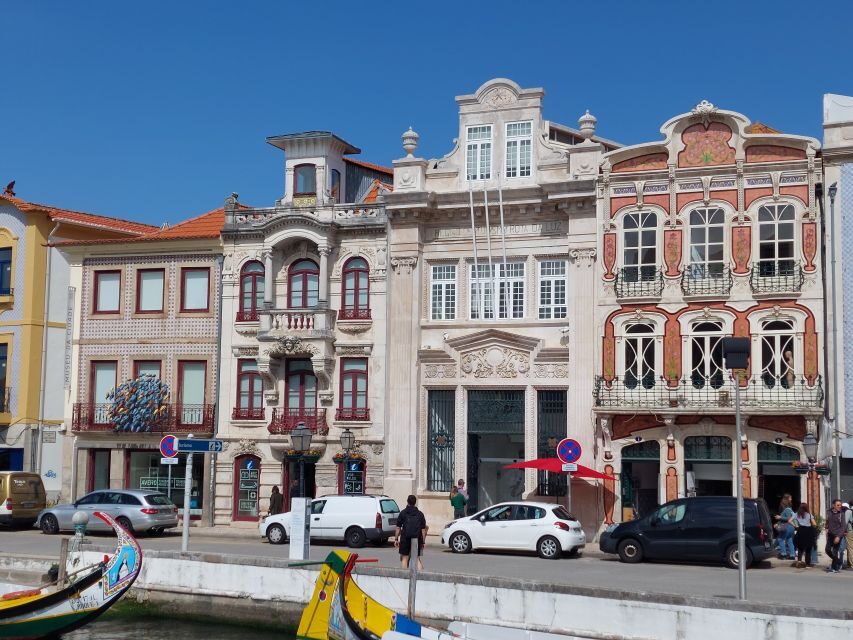
This is also where the tour calls out marks of Art Nouveau and Art Deco, along with iron architecture from the turn of the 19th to the 20th century. Aveiro doesn’t only do one look. It layers styles as the town changes roles and wealth.
How to watch for these styles
Instead of only scanning for tiles, split your attention: tiles on one side, façades and iron details on the other. The contrast helps you see the city’s evolution faster.
The Museum of Art Nouveau façades (even if you don’t do a full museum visit)
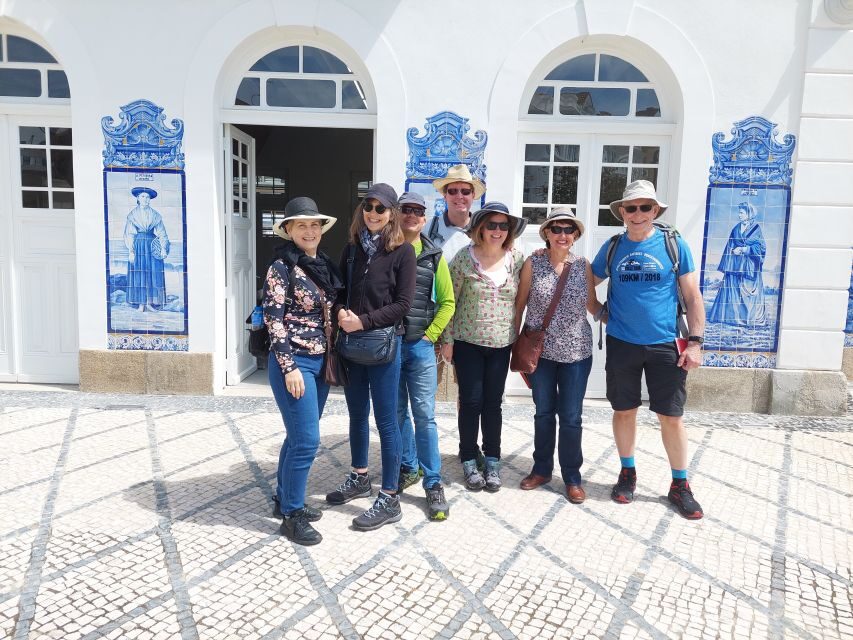
The route includes the two façades of the Museum of Art Nouveau. Even if you don’t go inside, this stop helps you read Aveiro’s modern design language.
Those façades are a way to bridge the tour’s two big threads: craft (tiles and ornament) and modernization (architecture and metalwork).
Saltpan path: Aveiro’s rise, desert crossing, and 19th-century revival
On the way to the saltpans, the guide lays out Aveiro’s power from the 11th to the 15th centuries, then its crossing of the desert in the 17th and 18th centuries, and finally its revival in the 19th.
You might not hear those phrases in a typical “photo walk,” but here they give you context for why Aveiro has both old-world religious buildings and later industrial and decorative influences.
Why saltpan stories feel personal on-site
Salt changes a town’s schedule, labor, and wealth. When you walk toward saltpan areas, the story becomes easier to believe.
Eel stew references and ovos moles: the food thread that closes the loop
While heading back, the tour shifts to local gastronomy references, including eel stew and traditional sweets—especially ovos moles of Aveiro.
This matters because Aveiro’s identity isn’t just buildings. It’s also what people made with what the region produced. If you’ve just spent 2 hours learning about salt and lagoon trade, the food references land better than if they were thrown in randomly.
What to do next
If ovos moles sound good, plan a tasting after the tour on your own time. The tour sets you up to know what to order and why it exists.
Finishing at Igreja de São Gonçalinho and the January sweet-throwing ritual
The tour ends at the Church of São Gonçalinho, tying in the traditional January festival. The ritual includes a hard, heavy sweet being literally thrown over the heads of the faithful, in a moment of joy and tradition.
This finale is a good reminder that Aveiro’s culture isn’t locked in the past. It still runs through local calendars and community rituals.
Why this ending works
You start with civic and religious structures, move through work and industry, and end with a living tradition. That arc makes the town feel coherent.
Price and value: is $23 for 2 hours a smart deal?
At $23 per person for a 2-hour guided walk, this is the kind of pricing that makes sense if you like interpretation. You don’t just get “see these places.” You get a guide who can connect tiles, churches, canals, and lagoon boats into a single story.
Also, entrances included to the Misericórdia church and the Carmelite Convent Church mean you’re not only paying for walking time. Even if other spots are walk-through or free entry, the guided explanations are still the main value.
If you’re the type who enjoys noticing details—paving patterns, décor styles, boat types, and why canals exist—this can feel like a bargain.
How to prep so the tour feels easy (not tiring)
This walk runs rain or shine, so plan for weather you can’t control. Bring what you’d pack for a typical city walk in Portugal: sunscreen and weather-appropriate clothes, plus comfortable shoes with good traction.
Also note what not to bring: luggage or large bags, bikes, alcohol or drugs, and baby carriages. The tour isn’t set up for strollers, and it’s not a good fit for people with mobility impairments or wheelchair users.
Who will like this most?
- Adult travelers who want an Aveiro introduction that goes beyond postcards
- People who enjoy architecture details and Portuguese azulejos
- Anyone curious about the Ria de Aveiro lagoon life and traditional boat names
- Small-group seekers who prefer questions and back-and-forth rather than a lecture-only style
The guide experience: what stands out about Tony Walker / António
The experience is led by Tony Walker. Many write-ups highlight the same themes: a lot of local insight, humor that keeps the stories moving, and a pace that still leaves time for questions.
Several mentions also point out a personalized feel in a small group, with the guide adjusting to what you want to focus on. One common thread: the tour feels like a teacher sharing a town, not a person rushing a script.
If you’re hoping to ask follow-ups—about tiles, churches, lagoon boats, or why Aveiro developed the way it did—this is built for that kind of interaction.
Should you book this Aveiro walking tour?
I’d book it if you want a tight 2-hour orientation that teaches you how to see Aveiro correctly. It’s especially worthwhile if your goal is to understand why the city is famous for canals, tiles, and lagoon boats, not just to tick off a list of sights.
I’d think twice only if your schedule needs a long indoor break, you have major mobility limits, or you’re traveling with younger kids. Otherwise, it’s an efficient, story-led way to get your bearings fast—then you can explore the rest of Aveiro with a clearer eye.
FAQ
Where do I meet the guide?
Meet near the statue in the center of Praça da República. The guide will be wearing a yellow/blue card.
How long is the guided walking tour?
The tour lasts about 2 hours.
What languages are available?
The live guide is available in Spanish, Portuguese, French, and English.
What is included in the ticket price?
Entrance is included for the Church of Mercy and the Carmelite Convent Church. Other stops are walk-through or have free entry.
Is food and drinks included?
No. Food and drinks are not included, though local sweets and dishes like ovos moles and eel stew are referenced.
Does the tour run in bad weather?
Yes. The tour takes place rain or shine.
Is the tour suitable for children?
No, it’s not suitable for children under 10.
Is it accessible for wheelchair users or people with mobility impairments?
No. It’s not suitable for people with mobility impairments or wheelchair users.
What should I bring and wear?
Bring a passport or ID card, wear comfortable shoes, and bring sunscreen and weather-appropriate clothing.