REVIEW · PORTO
Porto: Pastel de Nata Cooking Class with Porto Wine (Sé do Porto)
Book on Viator →Bookable on Viator
Porto smells like butter and toasted sugar. This hands-on pastel de nata workshop near Sé do Porto shows you how Porto’s famous custard tarts go from mixing bowl to hot tray, with snacks and Port keeping the mood easy.
I love how interactive it is: you take turns in the process, so you’re doing real prep work, not just watching. I also love that the custard recipe is the focus, and you leave with the house instructions plus a transport box.
One heads-up: the puff pastry dough is pre-prepared, so you won’t make that part from scratch.
In This Review
- Key highlights
- A Pastel de Nata Class That Feels Like You’re Doing the Real Work
- Starting at Domus Arte: Where the Class Begins (and You’re Close to Old Porto)
- Port, Coffee, and Snacks: The Nata Party Warm-Up
- The Real Flow: Custard Prep, Filling, and Baking Your Own Natas
- The Puff Pastry Shortcut: Why It Works (Even If You Want the Full DIY)
- History in Small Doses: Pastel de Nata Context You Can Use
- Leaving With Your Own Natas: Eating Now vs. Packing Later
- Value Check: How $42-ish Makes Sense for What You Get
- Who Should Book This Workshop (and Who Might Prefer Private Time)
- Practical Tips Before You Go (So You Get the Most Out of 90 Minutes)
- Should You Book the Porto Pastel de Nata Cooking Class?
Key highlights
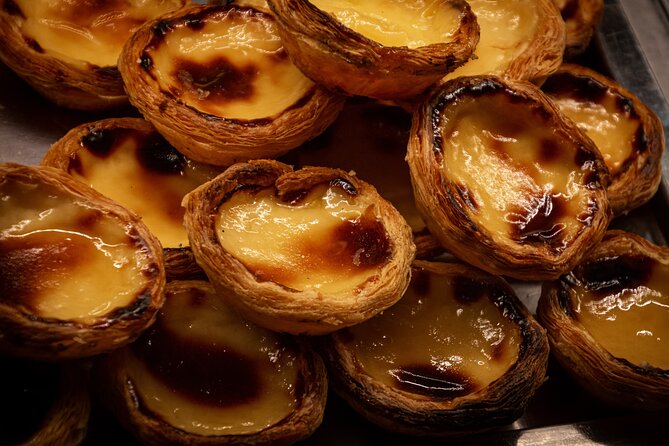
- Small-group cooking with close instructor attention (max 8)
- Custard from scratch step-by-step, then straight to baking
- Port wine and refreshments included along with sweet and savory snacks
- You take some home in a transport box, not just a photo
- Short history lesson so the tart feels less like a random dessert
A Pastel de Nata Class That Feels Like You’re Doing the Real Work
Porto’s pastel de nata scene can feel like a grab-and-go sugar sprint. This workshop slows things down and makes the tart make sense. You’ll learn the method, not just the final look.
The setting helps. You start at Domus Arte | Concept Store in Porto’s historic core (Rua da Bainharia 135), so you’re already in the right neighborhood vibe before the oven ever comes on. And because the group is small, the teaching stays practical.
You can also read our reviews of more cooking classes in Porto
Starting at Domus Arte: Where the Class Begins (and You’re Close to Old Porto)
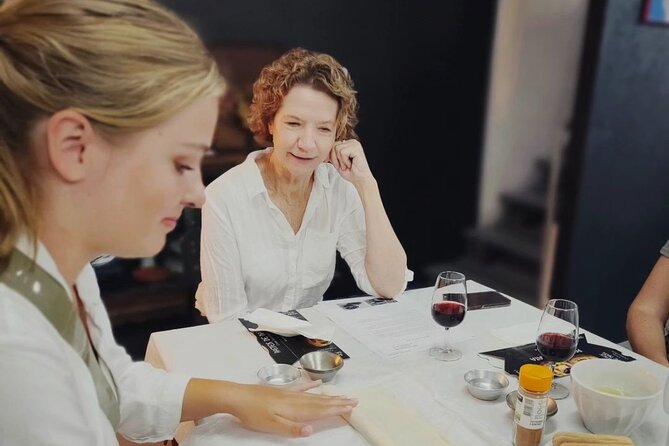
You meet at Domus Arte | Concept Store – Sede/Headquarter, Rua da Bainharia 135, 4050-084 Porto. It’s an easy area to orient yourself in, and the tour notes it’s near public transportation, so you’re not stuck planning your whole day around a taxi.
Domus Arte also feels like more than just a kitchen room. The space includes modern and traditional handicrafts/souvenirs, and a clean setup for food prep. If you want a little browsing time, it’s the kind of place where you can wander a bit after class (as long as you’re on schedule).
The bathroom availability is a small detail, but it matters when you’re doing an 1.5-hour hands-on activity and want to stay comfortable.
Port, Coffee, and Snacks: The Nata Party Warm-Up
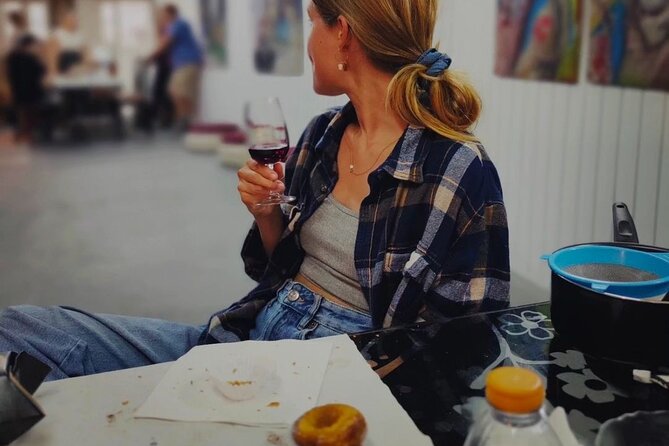
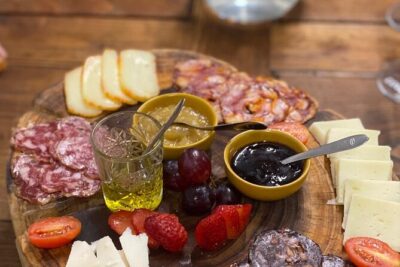
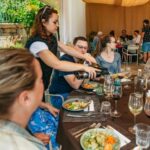
Right away, you settle into a relaxed rhythm. Throughout the session, you’ll have Porto wine, plus juice, water, and coffee. There’s also a selection of sweet and savory snacks, which is a smart move because you’ll be working up an appetite.
This is one of the parts that makes the class feel like good value. You’re not just paying for ingredients and a recipe—you get a whole food-and-drink break built into the workshop. Several instructors are described as friendly and engaging, so the atmosphere stays upbeat rather than stiff.
If you’re the type who loves sweet things but also wants something salty to balance it, you’ll like that snack mix.
The Real Flow: Custard Prep, Filling, and Baking Your Own Natas
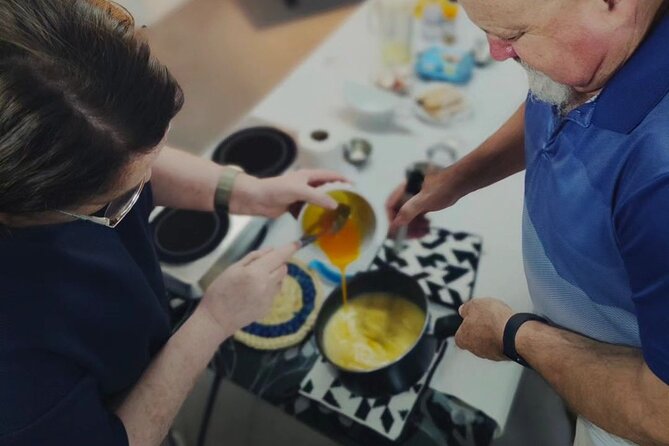
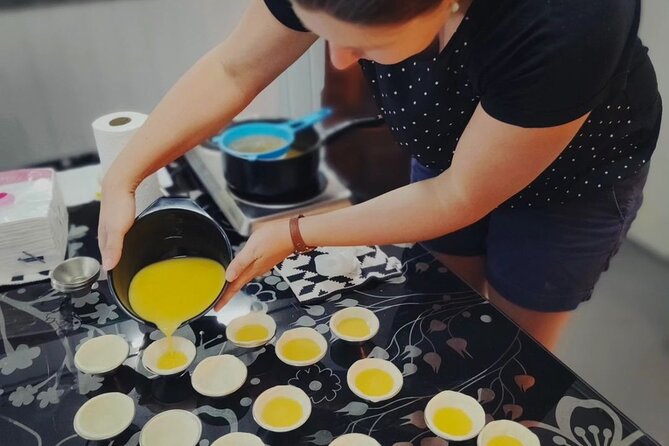
The workshop is built around the part that people remember most: the custard and baking process. The puff pastry is pre-prepared, so you won’t spend the session wrestling dough. Instead, you focus on the core technique—making the filling properly and getting it into the right baked form.
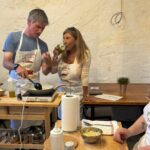
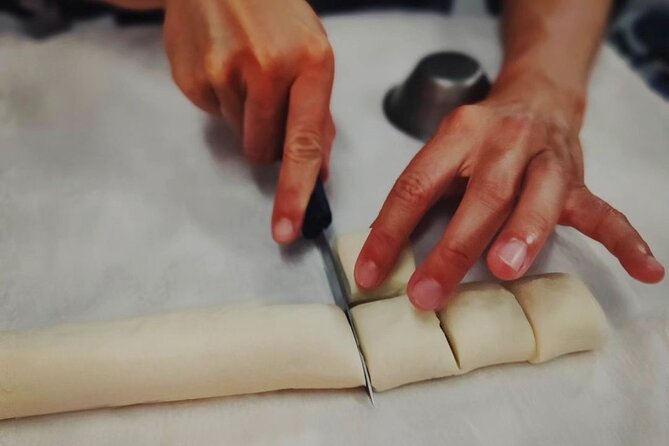
Here’s how it typically feels in practice: the instructor walks you step-by-step, and the group shares the hands-on work. You’re not doing one tiny task for show. You take turns, so your hands actually touch the process from custard prep through assembling and baking.
Expect to make several pastel de nata. You can eat some on site while they’re warm, and you also leave with extras packed up. A transport box is included, which is helpful if you want a treat later in the day.
Instructors you might meet include names like Anita, Ana, Luis, Felipe, and Theresa. Across the class descriptions, the consistent theme is clear teaching plus lots of patience when someone’s hands are new to custard.
The Puff Pastry Shortcut: Why It Works (Even If You Want the Full DIY)
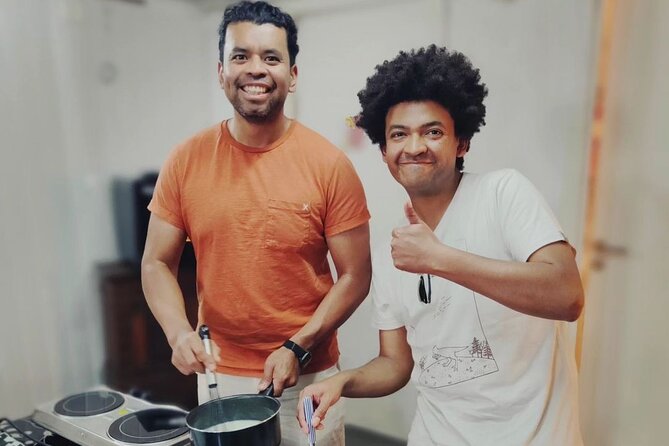
Yes, it’s a shortcut. The puff pastry dough is pre-made, and that’s the one trade-off you should know before you go. If your dream is rolling, stretching, and building pastry from scratch, this class won’t match that fantasy.
But here’s the practical part: a good pastel de nata lives or dies on custard technique and baking. The class leans into that. You get the “how do I make it correctly” parts that you can repeat at home—especially because they give you a house-made recipe to recreate the tart.
And the results matter. Multiple notes point to the custard as the star, including comments that the custard recipe is both easy to make and strong on flavor and consistency. So while you don’t control the pastry layer fully, you still come away knowing what to do that actually improves your homemade version.
You can also read our reviews of more wine tours in Porto




History in Small Doses: Pastel de Nata Context You Can Use
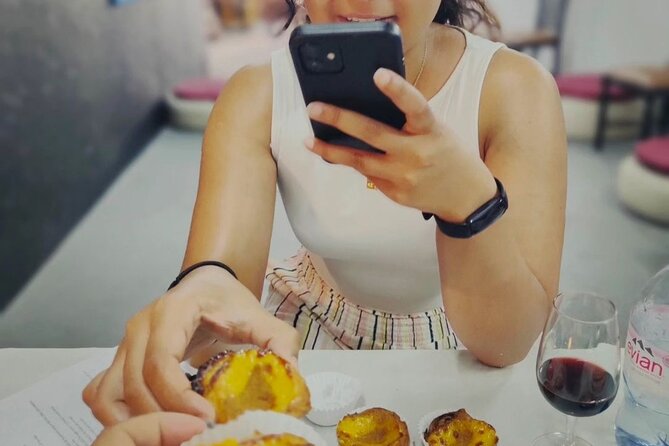
You also get a short introduction to the history of pastel de nata in Portugal. This isn’t dumped as a lecture. It’s more like the kind of background that helps you understand why people take this tart so seriously.
That matters because the tart isn’t just dessert. It’s a recognizable piece of Portuguese food culture, and once you know a bit of its origin story, your first bite tastes more intentional.
Think of it as the “why” behind the “how.” Then you go right back to the “how,” which is the part your kitchen will thank you for later.
Leaving With Your Own Natas: Eating Now vs. Packing Later
This class is designed so you don’t just sample one tart and call it a day. You’ll prepare multiple pastel de nata to enjoy on site or take away.
The included transport box helps with real life. If you’re touring around Porto afterward—doing viewpoints, riverside walks, or hopping between neighborhoods—you’ll have a built-in snack mission. It’s also handy if you’re traveling with someone who skipped the workshop; you’ve got a sweet proof of what you learned.
One practical caution from a past participant: if you’re thinking about flying with pastries, it may not be as simple as just packing them. Food rules vary by airline and personal security screening. Still, the box inclusion is a genuine plus for normal day-of-travel eating.
Value Check: How $42-ish Makes Sense for What You Get
At about $42.34 per person, you’re paying for more than a recipe card. You’re paying for time with an instructor, a guided process, baking support, and the full “sit and enjoy” food-and-drink setup.
Here’s why the math often works for people:
- You get a take-home recipe aimed at repeating the custard at home.
- You eat and drink during the session, including Port wine, coffee, and snacks.
- You make several tarts (not one), and you can take extras away.
- The group stays small, which usually means less waiting and more direct help.
If you’ve ever watched a cooking class where you do one step and spend the rest of the time standing back, this doesn’t sound like that. The feedback pattern is strongly about hands-on participation and personal attention.
Also, it’s a strong rainy-day option. Several comments call out the joy of doing it when the weather didn’t cooperate—because the time is short, the setting is indoors, and the payoff is immediate.
Who Should Book This Workshop (and Who Might Prefer Private Time)
This fits best if you:
- want a hands-on cooking experience with real guidance
- love Portuguese sweets and want the method behind pastel de nata
- like classes that end with food in your hands and not just a theory lesson
It’s also a great fit for couples and small groups who want an activity that’s social but not crowded. One note mentions meeting other people from around the world, which can make the class feel like a friendly break from sightseeing.
If you’re picky about participation, there’s a detail to consider. Participation is shared among the group, and the puff pastry part is pre-prepared. The tour explicitly suggests asking about a private workshop option if you want full, individual participation in all stages. If you’re a confident home baker and want to handle every step yourself, that private setup may be worth the extra thought.
Practical Tips Before You Go (So You Get the Most Out of 90 Minutes)
Booking matters here. On average, the class is booked about 16 days in advance, so you’ll usually get better pick of times if you reserve earlier rather than waiting until the last minute—especially if you’re traveling during busy weeks.
Bring your best “kitchen brain,” not your fancy one. Wear something comfortable for standing and working around heat. Tie back long hair, wash hands before you start mixing, and follow the instructor cues even if you’ve made other custards before. Pastel de nata has its own texture expectations.
If you have dietary needs, it’s worth planning ahead. One note states that if you eat gluten free, you should tell them ahead of time and they can accommodate.
And if you’re traveling solo, this class can be extra rewarding. Some feedback highlights that when people don’t fill the room, instructors are still quick to help and keep the pace friendly.
Should You Book the Porto Pastel de Nata Cooking Class?
Book it if you want the sweet payoff of a warm pastel de nata plus the practical skill of making the custard at home. The best part is the balance: hands-on steps, clear instruction, and enough food-and-drink comfort that it feels like a fun afternoon, not a chore.
Skip it if your main goal is making the puff pastry dough from scratch. This one is built around custard and baking, with the pastry handled for you. You’ll still learn a key technique, but you won’t get the full dough-building experience.
If you’re in Porto and you want a class that ends with results you can taste right away—and take with you—this is an easy yes.