REVIEW · PORTO
PRIVATE Porto walking tour with historian
Book on Viator →Operated by Casta Tours · Bookable on Viator
Porto history, on foot and up to the towers. This private 3-hour tour pairs professional historians with included access to Porto Cathedral, then connects the dots across architecture, politics, and everyday life in the city. I like the built-in momentum of seeing major stops plus off-the-beaten angles, and I especially like the included cathedral tower climb for big-city views. One thing to consider: it depends on good weather, and you’ll be walking (and climbing) more than a casual stroll.
If you want more than photo stops, this is the kind of tour that helps you read Porto like a map. You’ll get ticketed time inside Porto Cathedral—covering Romanesque roots, baroque golden altars, gothic cloisters, and the sacristy—then roll that context forward to nearby landmarks like Clérigos Church and Miradouro da Vitória. It’s a smaller private experience (maximum 10), so it feels easier to ask questions and get straight answers, even the small ones.
In This Review
- Key Highlights You’ll Feel Immediately
- Why This Private Porto History Tour Works (and When It Might Not)
- Price and Time: Is $102.12 Worth It?
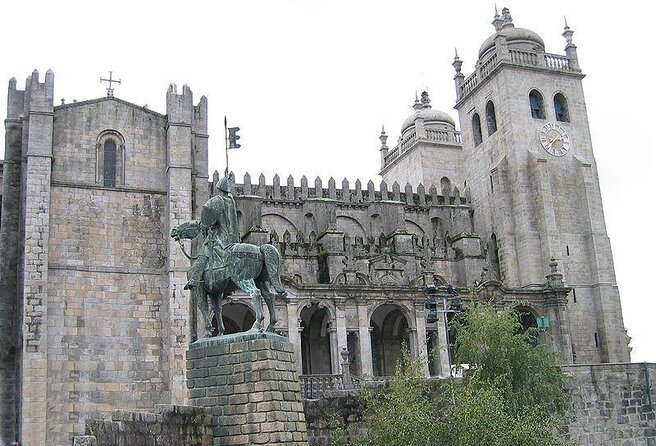
- Meeting at Vímara Peres: Starting Where Porto Really Begins
- Porto Cathedral from the Inside Out: Romanesque to the Golden Altars
- Climbing the XII-Century Towers: The View Is the Reward
- Dom Luís I Bridge: Turning a Photo Stop into City Context
- São Bento Railway Station: Read the Azulejos Like a Story
- Praça da Liberdade and Clérigos Church: Faith, Power, and a City That Shows Its Style
- Miradouro da Vitória: Your Final Viewpoint with History Attached
- What the Guide Adds: Style, Questions, and Useful Lists
- How to Get the Most Out of It
- Should You Book This Private Porto Cathedral and History Tour?
- FAQ
- How long is the Porto private walking tour?
- Is the tour private, and how many people are included?
- What language is the tour offered in?
- What’s included with the tour?
- Where does the tour start and end?
- Is there a mobile ticket?
- What if there’s bad weather?
- Can I get a full refund if I cancel?
Key Highlights You’ll Feel Immediately
- Cathedral tickets included: You don’t waste time figuring out entry or lining up.
- XII-century tower climb for views: A practical payoff after the church walk-through.
- São Bento Railway Station explained: You’ll understand what you’re seeing, not just what it is.
- Private format (max 10): More room to ask, less waiting around.
- Food, wine, and bar recommendations: Useful for planning the rest of your Porto days.
Why This Private Porto History Tour Works (and When It Might Not)
Porto can feel like two cities glued together: old stone with big ideas, and modern life sliding around it. What I like about this tour format is that it gives you a structure for the chaos. You’ll move from the deep history of the cathedral to citywide landmarks like Dom Luís I Bridge, São Bento Station, and the views from Miradouro da Vitória—so the story clicks while you’re still standing in the middle of it.
This tour is also private, not big-bus group energy. The small cap of up to 10 travelers matters because questions don’t get rushed, and the guide can adjust the pacing. In the reviews, the guide is praised for tailoring the tour to interests and answering questions well, even the silly ones. That’s exactly what you want when you’re learning the layers of Porto and Portugal.
The main drawback is simple: it’s an outdoor walking tour that needs good weather. If rain rolls in, you’ll need to be flexible—this experience can be moved to another date or refunded if it’s canceled for poor conditions. Also, because the route includes cathedral tower climbing, it’s not the best fit if you want minimal stairs or minimal walking.
You can also read our reviews of more walking tours in Porto

Price and Time: Is $102.12 Worth It?
At $102.12 per person for about 3 hours, this isn’t a budget “see everything fast” deal. But it’s also not just a walking guide without extras. The value comes from two things that matter in real travel:
- Tickets are included for Porto Cathedral, and that saves time and uncertainty.
- A historian-led approach means you’re not only collecting sights—you’re getting context (architecture, politics, economy, and more).
For couples or small groups, private tours often work out well because you’re paying for access and clarity, not just motion. If you’re someone who hates vague explanations and prefers knowing why a building looks the way it does, you’ll likely feel the price is fair. If you just want quick snapshots and minimal talking, you might consider a lighter sightseeing option instead.
One more hint from the timing pattern: this tour is typically booked around 55 days in advance. So if you’re traveling in a busy season or on popular dates, booking ahead helps.
Meeting at Vímara Peres: Starting Where Porto Really Begins
The tour starts at the Statue of Vímara Peres on Calçada de Vandoma, 4000-013 Porto. That location is a strong choice because it’s tied to Porto’s origin story. Rather than starting in the middle of a crowd, you begin with a starting point that makes the rest of the walk feel like it’s moving forward in time.
This also helps your orientation. Within the first stretch, you’ll start connecting streets and viewpoints with the themes your historian is using: how Porto developed, how power shaped the city, and why different eras left visible marks in stone and design.
And since the tour is near public transportation, it’s easier to fit into a day plan. You won’t feel like you’re starting from a remote meeting spot that forces a taxi immediately.
Porto Cathedral from the Inside Out: Romanesque to the Golden Altars
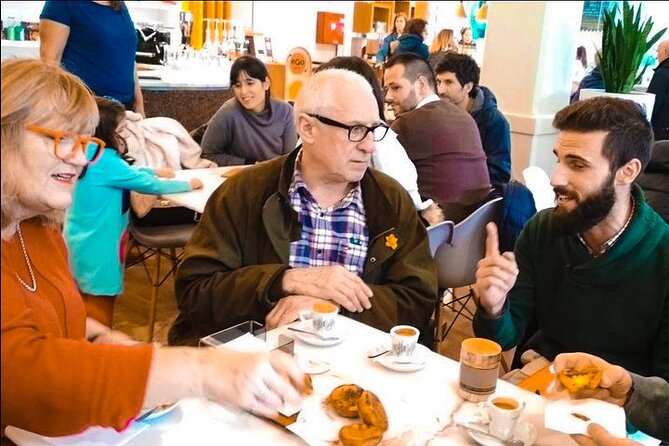
The anchor stop is Catedral do Porto, and you’ll go inside—not just look at the exterior and move on. Expect a guided walk that moves through major layers of the building: Romanesque elements, baroque golden altars, the gothic cloisters, and the sacristy.
Here’s why this matters. Porto’s churches can look like they’re all the same at first glance. A historian helps you see change over time—how styles shift, and how those shifts reflect the people who paid for them, worshiped there, and managed the city. If you’re the type who likes to understand why art and architecture happen, you’ll get a lot out of this part.
There’s also a practical benefit: included access keeps the momentum. You’re guided, you’re ticketed, and you’re not stuck in a half-hour scramble to figure out entry when you’d rather be learning.
Climbing the XII-Century Towers: The View Is the Reward
One of the standout promises is climbing to the XII-century towers. That climb is more than a checkmark. It’s your chance to see the city from the height that shaped how people once imagined Porto’s reach.
Even if you’ve seen photos of Porto from afar, the tower view is different because you’ll be able to connect what you see with what you just learned. Streets, rooftops, and the way the hills and river influence neighborhoods become clearer. This is where the tour’s history stops feeling abstract.
If you’re afraid of heights or you have limited mobility, this is the part to think about first. The tour is designed for “most travelers,” but it does include climbing. Wear shoes with grip, because you’ll be on foot for much of the experience.
You can also read our reviews of more private tours in Porto





Dom Luís I Bridge: Turning a Photo Stop into City Context
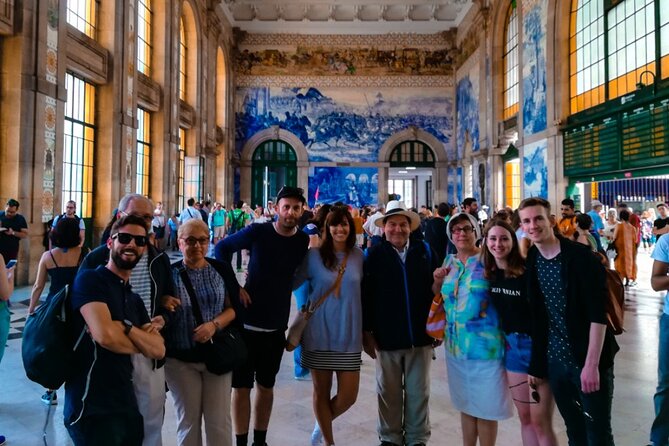
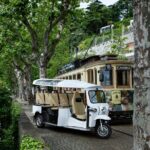
Next up is Dom Luís I Bridge. Bridges are good for photos, sure, but this stop is better when you use it as a transition point. Porto’s identity is tied to how it moved goods and people, and the bridge becomes a symbol of that connection between sides of the city.
With a historian guiding you, you’ll connect what you’re seeing with the bigger story—how power and commerce shaped the city’s shape. Even a short bridge moment can turn into an actual lesson when the guide is tying it back to political and economic history.
São Bento Railway Station: Read the Azulejos Like a Story
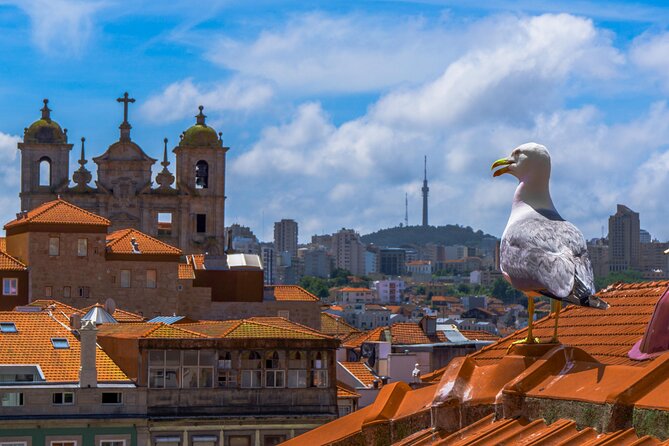
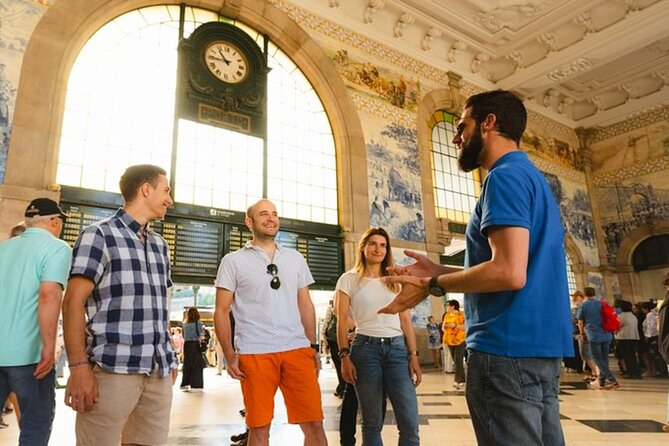
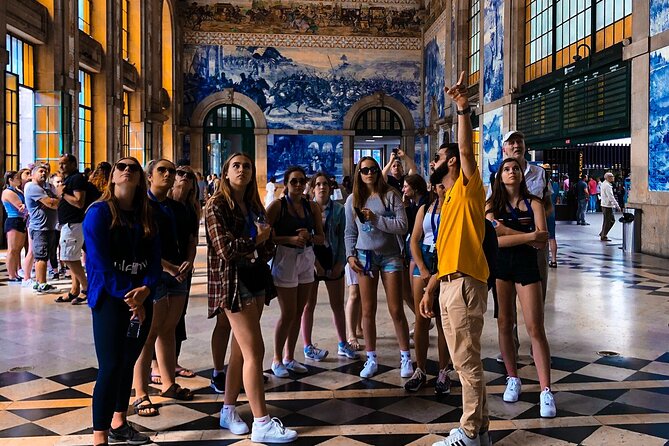
The tour includes São Bento Railway Station, one of Porto’s most famous interiors. The payoff here is explanation. Instead of treating the station like a museum photo background, you’ll understand what’s depicted and why it matters.
This kind of stop is perfect for travelers who want a break from “just walking.” Stations also give you a rhythm break: you pause, look closely, and get meaning out of what you see—then you continue on with your new context.
It’s also a great place to ask questions. The format encourages interaction, and the guide is described as happy to answer everything from the big historical themes down to the smaller curiosity details.
Praça da Liberdade and Clérigos Church: Faith, Power, and a City That Shows Its Style
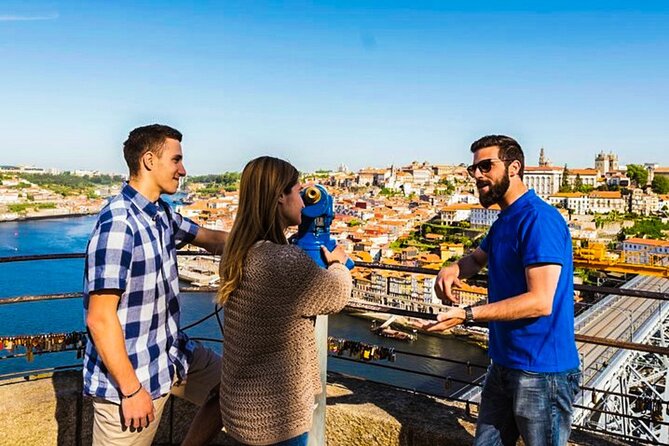
From there, the tour moves through Praca da Liberdade and visits Clérigos Church.
These stops matter because they show Porto’s layers in public view. Squares and major churches often reflect how a city organizes itself—what it elevates, where it puts important symbols, and how it expresses identity. When the guide connects architecture to Portuguese history and politics, these locations stop being random stops and start feeling like chapters.
Clérigos Church is especially worth it for visitors who love dramatic design. A guided explanation helps you see why it’s memorable and how the church fits the story of the city.
Miradouro da Vitória: Your Final Viewpoint with History Attached
The tour ends with Miradouro da Vitória, a viewpoint that gives you a last look at Porto. Viewpoints are fun on their own, but this one works best after you’ve walked through the city’s major anchors.
You’ll likely notice how the view feels “organized” after hearing the history—because you understand where the key landmarks sit in the broader city story. It’s the kind of ending that makes the whole route feel complete.
After the viewpoint, the activity ends back at the meeting point area, keeping the walk loop clean and predictable.
What the Guide Adds: Style, Questions, and Useful Lists
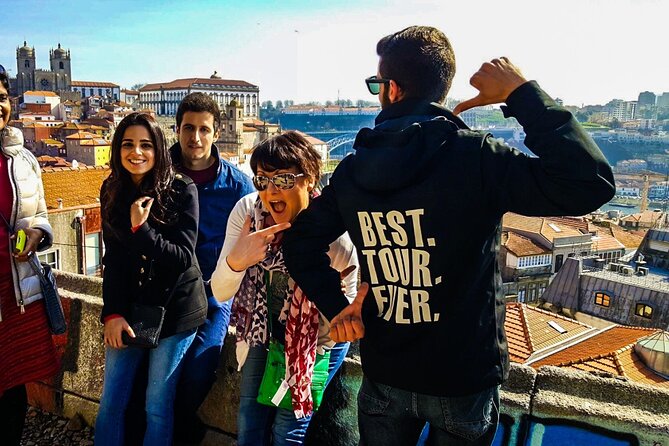
This is a historian-led tour, and the difference shows up in the details. In reviews, the guide experience is praised for being enthusiastic, professional, and attentive to listeners. People also highlight that the guide kept an appropriate amount of information—enough to be meaningful, not so much that it turns into a lecture with nowhere to stand.
One name that came up in feedback is Renato, described as tailoring the tour to interests and answering questions even when they were offbeat or “silly.” That matters because real learning often comes from curiosity that doesn’t feel important at first. You also get something practical: a list of recommendations for restaurants, bars, museums, and other things to do after the tour. That turns your first hours in Porto into a better plan for the days after.
And yes, small comfort helps. One review notes bottled water on a very hot day. That’s the kind of thoughtful touch that makes a walking tour feel human rather than mechanical.
How to Get the Most Out of It
Here’s how to make this tour pay off fast:
- Come with at least one curiosity. It can be architecture, Portuguese history, or why Porto looks the way it does.
- Wear shoes for walking and some climbing, because the cathedral tower is part of the deal.
- If you care about food and nightlife, be ready to ask for guidance. The tour includes recommendations for where to get tastiest food and wines, plus bars and museums.
If you’re starting your Porto trip, this tour is a strong first-day option because it gives you structure quickly. If you’re later in the trip, it still works because it turns familiar streets into something more meaningful.
Should You Book This Private Porto Cathedral and History Tour?
Book it if you want a small, historian-led walk through Porto that includes cathedral access and a tower climb, with enough context to make the city click. It’s ideal for first-time visitors, architecture lovers, and anyone who wants history tied to real places—not just dates.
Consider skipping or choosing a lighter option if:
- you don’t want stairs or you prefer minimal walking,
- weather swings are likely during your dates (this one needs good conditions),
- or you only want quick exterior photos with little explanation.
If you’re somewhere in the middle—curious, open, and ready to walk—this is a solid value. You pay for tickets, for access, and for a guide who actually answers questions. That combination is hard to beat in Porto, where the best stories are attached to the stones you’re standing on.
FAQ
How long is the Porto private walking tour?
The tour lasts about 3 hours.
Is the tour private, and how many people are included?
Yes. It’s a private tour with a maximum of 10 travelers.
What language is the tour offered in?
It’s offered in English.
What’s included with the tour?
You get included tickets to Porto Cathedral, and the tour also covers major sights like Dom Luís I Bridge and São Bento Railway Station.
Where does the tour start and end?
It starts at the Statue of Vímara Peres on Calçada de Vandoma, Porto, and it ends back at the meeting point.
Is there a mobile ticket?
Yes, the tour uses a mobile ticket.
What if there’s bad weather?
This experience requires good weather. If it’s canceled due to poor weather, you’ll be offered a different date or a full refund.
Can I get a full refund if I cancel?
Yes. Free cancellation is available up to 24 hours in advance for a full refund.