REVIEW · PORTO
Porto, unveiling the city | walking tour | city gems
Book on Viator →Bookable on Viator
Porto makes more sense on foot. On this 3-hour walking tour, you’ll connect the big icons of Porto with the small details that explain why the city looks and feels the way it does, starting near São Bento and moving toward the river at Ribeira.
I love how the tour is guided like a conversation: you get Rui Silva’s stories and practical pointers, including what to eat and even what to do next for dinner and Fado. One thing to keep in mind is that several major stops have admission tickets that are not included, so you may want to budget a bit extra if you plan to go inside.
In This Review
- Key reasons this Porto walk feels worth it
- A walking tour that turns Porto from sights into stories
- Price and what you really get for $60.01
- How the 3-hour route keeps moving (without feeling like a sprint)
- Step-by-step: from Sé Cathedral to Bolhão Market
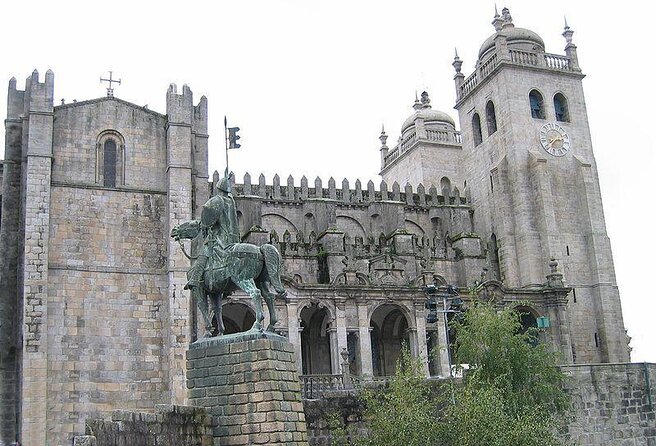
- Stop 1: Catedral do Porto (Sé Cathedral)
- Stop 2: São Bento Railway Station tiles (azulejos)
- Stop 3: Antiga Cadeia da Relação
- Stop 4: Torre dos Clérigos (from the outside)
- Stop 5: Livraria Lello
- Stop 6: Miguel Bombarda Art Block
- Stop 7: Museu Nacional Soares dos Reis
- Stop 8: Jardim Municipal do Horto das Virtudes
- Stop 9: Praça da Ribeira
- Stop 10: Dom Luís I Bridge
- Stop 11: Praca da Batalha
- Stop 12: Teatro Nacional São João
- Stop 13: Café Majestic
- Stop 14: Mercado do Bolhão
- Stop 15: Monumento Almeida Garrett (City Hall area)
- Stop 16: Praça da República
- Why the river story matters as much as the buildings
- Rui Silva’s guide style: stories, pacing, and smart follow-ups
- What’s the potential downside of this style of tour?
- Who should book this tour (and who might want a different one)
- Should you book this Porto walking tour?
- FAQ
- How long is the Porto walking tour?
- What is the price per person?
- What’s included in the tour?
- Where does the tour start?
- Is this tour private?
- Are some admissions included?
Key reasons this Porto walk feels worth it
- Door-to-door storytelling: you’re not just looking at buildings; you’re learning how Porto’s layers fit together.
- Photo-ready, but purposeful: Ribeira and the Dom Luís I Bridge are timed so you can actually enjoy the views, not just rush past them.
- Azulejos and art in the same breath: São Bento’s tiles and the Miguel Bombarda art area give you two very different sides of Porto creativity.
- Jewish history and unusual gardens: Horto das Virtudes is a stop most people skip, and it adds texture to the city’s past.
- A guide who adjusts to your pace: the tour stays group-based, but Rui Silva is known for tailoring the walk to what you ask for.
- Food tips that help immediately: his recommendations can carry into your next meal, including francesinha and Fado options.
A walking tour that turns Porto from sights into stories
Porto can feel like a postcard city at first glance. This tour helps you read the city like a text. The rhythm is simple: you walk, you stop, and your guide ties each place to a time period, a local habit, or a real reason it matters.
What makes it work is the mix. You get famous landmarks like the Clerigos area and Dom Luís I Bridge, but you also spend real moments at places that most first-time visitors don’t know what to do with. Even better, the focus stays practical: you’ll finish with a sense of where to go next on your own.
Also, it’s a private tour/activity, meaning your group is the only group participating. That matters because it gives your guide room to answer your questions without the usual stop-and-go pressure.
You can also read our reviews of more walking tours in Porto


Price and what you really get for $60.01
At about $60.01 per person for roughly 3 hours, the value is less about one paid admission (many stops are free) and more about the guide-led sequencing. You’re paying for someone to point out what you’d otherwise miss and to help you understand what you’re looking at while you’re there.
Included is espresso and/or coffee plus a pastry. That’s a small cost saver, and it also helps you start strong, especially if you’re walking in the morning.
One cost consideration: some stops list admission as not included. That doesn’t make the tour a bad deal. It just means you should decide in advance which places you want to spend extra money on to enter.
How the 3-hour route keeps moving (without feeling like a sprint)
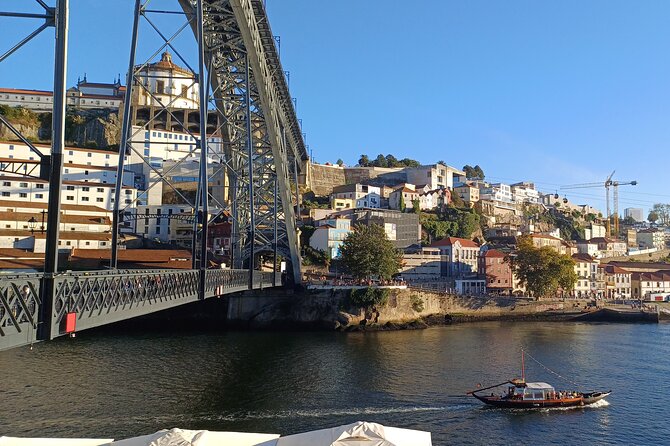
This walk is designed for moderate physical fitness. Expect classic Porto walking: old streets, curbs, and the occasional quick stair-or-corner moment. If you’re comfortable walking around town for a few hours, you’ll be fine.
The pace is broken into short, timed stops (think minutes, not long museum marathons). That’s a feature, not a flaw. You’ll see a lot, but you also won’t get bored staring at any single view too long.
You’ll start at São Bento station area, at Praça de Almeida Garrett (4000-069 Porto). The tour ends back at the meeting point, which is handy if you’ve got dinner reservations or want an easy way to continue on foot.
Step-by-step: from Sé Cathedral to Bolhão Market
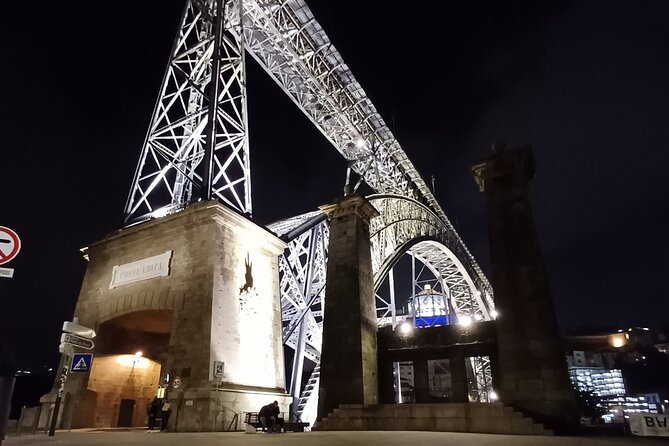
Here’s what you can expect as you move through Porto, stop by stop, and why each one earns its spot on the walk.
Stop 1: Catedral do Porto (Sé Cathedral)
You begin with Sé Cathedral, and your guide frames it as a time-travel stop. The point isn’t just the building. It’s what you learn from looking carefully at the setting and understanding how Porto’s history is layered in stone.
Admission is listed as free, which is a good start if you want to keep your ticket spending under control.
Quick watch-out: cathedral areas can be windy and shaded, so a light layer helps if you’re there near the water.
You can also read our reviews of more city tours in Porto




Stop 2: São Bento Railway Station tiles (azulejos)
São Bento is famous for its azulejos, and the experience here is about seeing the tiles as storytelling. You’re not stuck reading captions; you’re watching scenes unfold across walls while trains and commuters move in the background.
Admission is free, and the stop is short, so go in ready to look, not ready to wander.
Stop 3: Antiga Cadeia da Relação
The old city jail stop ties Porto to one of Portugal’s best-known love stories. Even if you already know the legend, what you gain is context: why the location matters and how the city remembers its dramas through places.
Admission is not included, and the time here is brief, so you’ll likely focus more on orientation and story than on a deep interior visit.
Stop 4: Torre dos Clérigos (from the outside)
Torre dos Clérigos is one of Porto’s skyline markers, signed by Nasoni. Your guide points out why it’s such a defining feature of the city and how it fits the broader feel of Porto’s historic core.
Admission is not included, and your stop is short, so don’t count on a full visit unless you plan it as extra.
Stop 5: Livraria Lello
Livraria Lello is known for its beauty, and you’ll get a quick introduction to why people line up here. Even without going in, it’s useful to see it with local context, because the building becomes more meaningful when you understand how Porto promotes culture through places like this.
Admission is not included, so if you want to enter, budget for it.
Practical note: it’s a popular stop. Build patience into your mindset so you don’t rush your photos.
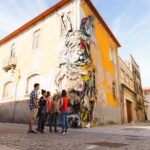
Stop 6: Miguel Bombarda Art Block
This is where Porto shifts from landmark history to modern creativity. Miguel Bombarda is the kind of neighborhood you walk through and feel an art scene in the air, from street presence to galleries nearby.
Admission is free, and the value here is that you’re not just collecting sights. You’re learning where locals (and creative communities) spend time.
Stop 7: Museu Nacional Soares dos Reis
Soares dos Reis gives you a formal home for Portuguese art. The stop is short, so think of it as a “place marker” for later: you’ll know where it is and what to connect it to when you read or research Portuguese art afterward.
Admission is not included, so entry would be a personal add-on.
Stop 8: Jardim Municipal do Horto das Virtudes
This stop is one of the tour’s most interesting turns. You’ll learn about the garden’s unusual layering—there’s mention of a creek, a Jewish neighborhood, and even a battle field connection. It’s a reminder that Porto’s green spaces can still hold sharp historical edges.
Admission is free. Even if the garden isn’t your usual thing, I think you’ll appreciate it because it adds meaning to a place that might look pretty on a map.
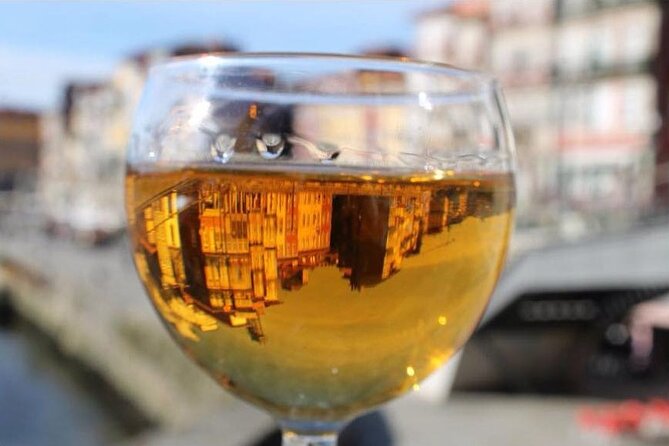
Stop 9: Praça da Ribeira
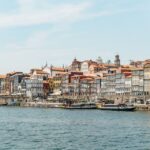
Ribeira is the classic postcard area, and it’s scheduled for a breather. You get a moment to recharge, then enjoy how the space works as a former market area tied directly to the city’s energy.
Admission is free. You’ll likely understand Porto’s relationship with commerce and river life more quickly after the earlier history stops.
Stop 10: Dom Luís I Bridge
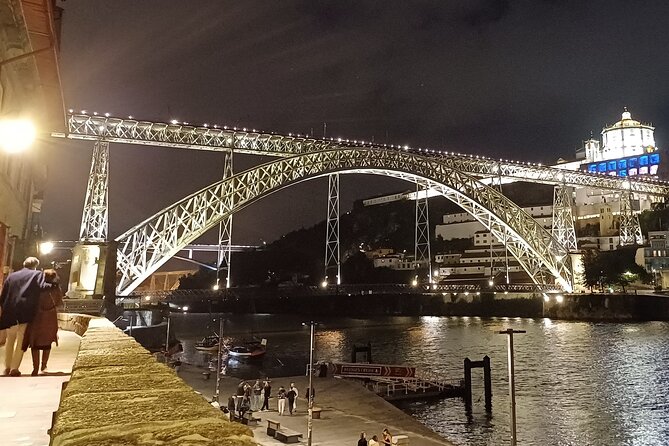
Now you connect the city’s stories to the river crossing. Dom Luís I Bridge is iconic in Porto, and your guide talks about its stories as you move toward and/or over it.
Admission is free. This is also one of the easiest “I’m really here” moments, because the bridge makes Porto’s shape obvious.
Stop 11: Praca da Batalha
From here you reach the limit of the old walls. That “limit” idea matters. It helps you stop thinking of Porto as just a tight historic center and start imagining how the city expanded.
Admission is free, and the stop is brief, so you’ll get orientation more than a deep dive.
Stop 12: Teatro Nacional São João
This theater is listed as the oldest in town. Your guide frames it as part of Porto’s cultural identity, not just a pretty facade.
Admission is free and the timing is short, so it’s best treated as a quick cultural anchor.
Stop 13: Café Majestic
Café Majestic has the kind of reputation that creates lines, and your tour gives you a chance to see it without getting stuck in a long detour. It’s also known for a connection to J.K. Rowling having confirmed to have been there.
Admission is free. You’ll walk through and keep moving, which is the smart way to handle a place that can eat up your time.
Stop 14: Mercado do Bolhão
Bolhão Market is where Porto turns practical: food, shopping, and everyday city life. The market is described as recently renewed, and the best part here is that you can eat, drink, and browse while still staying in the tour’s rhythm.
Admission is free, and the stop is long enough to make it feel real rather than ceremonial.
Stop 15: Monumento Almeida Garrett (City Hall area)
This is a quick stop tied to Almeida Garrett, a major writer connected to Porto’s civic story. It helps you connect the streets to the people who shaped Porto’s public life.
Admission is free, and it’s a fast one.
Stop 16: Praça da República
You finish with a look at Praça da República as a way to understand cultural differences in how locals experience the city. It’s a strong wrap-up because it leaves you thinking about Porto as a living place, not just a museum.
Admission is free and it’s brief, so it functions like a last orientation point.
Why the river story matters as much as the buildings
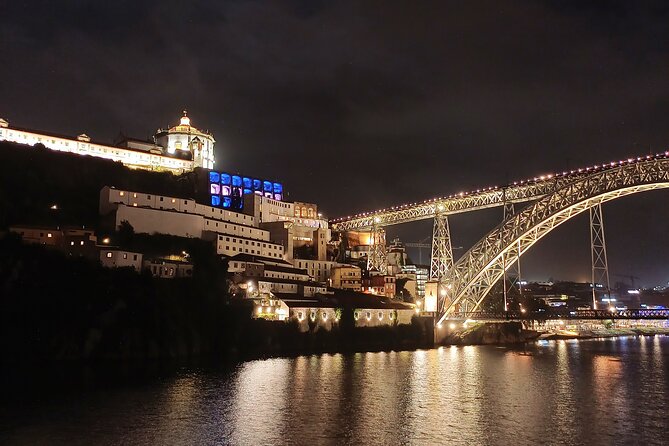
By the time you reach the Ribeira area and Dom Luís I Bridge, the river stops being a backdrop. The tour explicitly frames the river as essential to Porto’s life and to the origins of its history.
That’s the key takeaway I’d carry with you. Porto’s major sights make more sense when you treat the river like a main character. It shaped movement, commerce, and even how neighborhoods and institutions developed over time.
If you want to keep that momentum after the tour, take one easy step: when you’re deciding what direction to explore next, follow the river line and you’ll often find the city’s “why” right there in the streets.
Rui Silva’s guide style: stories, pacing, and smart follow-ups
The tour’s success hinges on the guide, and the name you’ll hear a lot in feedback is Rui Silva. His approach shows up in the details: he’s playful at the start, he weaves in art and Jewish history, and he’s known for answering questions in a way that makes the whole walk feel custom.
One reason I’d recommend him is how practical the tips become. In particular, he’s been associated with clear restaurant direction, including francesinha, plus guidance toward a Fado night worth your time. That’s useful because Porto has plenty of options, and it can be hard to pick when you’re tired after a day of sightseeing.
Just as importantly, the pacing tends to stay comfortable. Several notes emphasize how he adjusts to what people ask for, so if your interests lean more toward art, history, or food, you’ll likely see those threads reinforced as you walk.
What’s the potential downside of this style of tour?
The biggest consideration is straightforward: not every famous place is included with admission. Stops like Torre dos Clérigos and Livraria Lello list admission as not included, and the same goes for Museu Nacional Soares dos Reis.
So you’ll want to decide your priorities. If you’re the type who likes to enter everything, plan for extra ticket costs. If you’re happy with exterior views and street-level time, you’ll probably feel the tour is perfectly priced for what you get.
Also, because it’s a weather-dependent walking experience, keep an eye on forecasts. Good weather makes a big difference when you’re moving from plaza to plaza.
Who should book this tour (and who might want a different one)
This walking tour fits best if you want a guided route that covers the city’s core sights without feeling like a checklist. It’s especially good if you like historical context, art stops, and a river-focused sense of place.
You’ll also enjoy it if you want a local guide who can help with next-day ideas. The tour’s format sets you up to explore more confidently after you’ve got your bearings.
If you’re traveling with limited patience for crowds, the popular stops (like Livraria Lello and Café Majestic) might be a stretch, even though the tour doesn’t linger there for long. In that case, treat these as “see it, appreciate it, move on” moments rather than long hangouts.
Should you book this Porto walking tour?
I’d book it if you want a smart first run through Porto that turns famous names into understandable stories. At $60.01 for about three hours, with espresso and pastry included and a guide-led route from São Bento toward Ribeira, it’s a solid value—especially if you like getting context while you walk.
Book it soon too. The experience is on average booked 25 days in advance, so earlier planning helps you lock in a time.
Skip it only if you know you want a totally independent day, with no guide steering your route. Otherwise, this tour is the kind of start that makes your next choices in Porto feel easier.
FAQ
How long is the Porto walking tour?
It runs for about 3 hours.
What is the price per person?
The price is $60.01 per person.
What’s included in the tour?
Coffee and/or tea (espresso) plus a pastry are included.
Where does the tour start?
The tour starts at São Bento station area, Praça de Almeida Garrett, 4000-069 Porto, Portugal.
Is this tour private?
Yes. It’s a private tour/activity, so only your group participates.
Are some admissions included?
Catedral do Porto and São Bento are listed as free admissions, while several other stops show admission as not included. That means you may need to pay extra if you want to enter certain places.