REVIEW · AZORES
Azores: Canyoning in Salto do Cabrito
Book on GetYourGuide →Operated by Fun Activities Azores Adventure · Bookable on GetYourGuide
Rappelling into a waterfall canyon sounds wild—because it is. At Salto do Cabrito on São Miguel, you follow a guided route through a volcanic stream system with waterfall rappels, plus optional zip-line and a ~3-meter jump, all wrapped into a 4-hour outing. It’s the kind of activity that turns scenery into action.
I especially like how the day is built around safety and clear coaching: you start with gear distribution and a safety briefing, then you descend step by step with trained guides. I also like that the package includes wetsuits, photos and videos, and insurance, so you can focus on the experience instead of logistics. The main drawback to weigh is that this isn’t a casual stroll—there are slippery rocks, muddy sections, and short scrambles, and it isn’t recommended for people with back problems or heart issues.
In This Review
- Key things that make Salto do Cabrito canyoning worth it
- Four hours in Salto do Cabrito: what the day actually feels like
- Getting to the start near Ribeira Grande (and why pickup matters)
- The walk to the canyon site: when you learn the footing rules
- Gear and safety briefings: the part you should pay attention to
- Rappels through waterfalls: heights, choices, and what to expect
- Zip-line and optional jumps: how you control your adrenaline level
- What the included photos and videos are really for
- Price and value: why $111 can make sense for canyoning
- Who should do this canyoning trip (and who should skip it)
- The guide factor: coaching that turns fear into focus
- Packing list: what you should bring for a comfortable, dry-ish after
- Should you book Salto do Cabrito canyoning?
- FAQ
- How long is the Salto do Cabrito canyoning excursion?
- Where is the meeting point?
- Is pickup available from Ponta Delgada?
- Do I need to know how to swim?
- What gear is included?
- Are the zip-line and jumps mandatory?
- What fitness level do I need?
- What should I bring?
Key things that make Salto do Cabrito canyoning worth it
- Guides lead the whole descent: equipment checks, safety briefings, and hands-on help through rappels
- Multiple controlled drops: rappels typically range from 4 to 16 meters
- Optional adrenaline stations: zip-line and an optional ~3-meter jump, not one-size-fits-all
- You don’t need to be a swimmer: just be comfortable in the water and follow instructions
- All gear and media included: wetsuit + helmet + boots, plus photos and videos after
Four hours in Salto do Cabrito: what the day actually feels like
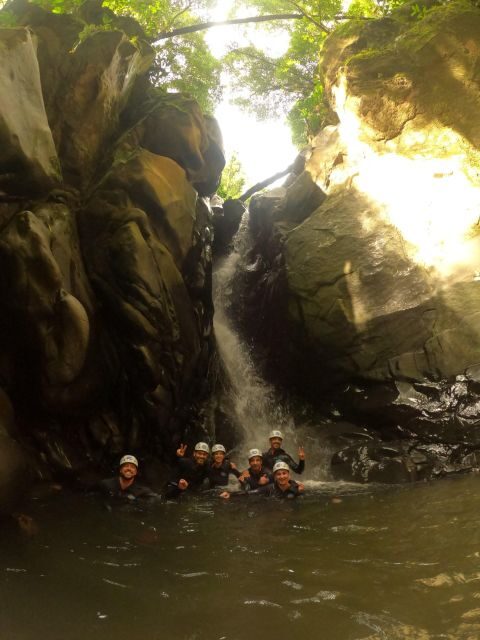
This is a canyoning outing designed for momentum. You don’t just watch waterfalls from above—you go down through them, using ropes and technique, with the stream guiding you from one feature to the next.
The overall rhythm is simple: arrive, gear up, do a safety briefing, walk in, then spend the main chunk of the morning descending the canyon. The tour runs about 4 hours, which is long enough for real progression but short enough that you won’t feel like you’ve lost your whole day.
One smart detail: the exact mix of rappels, jumps, and techniques can change by local conditions and seasons. That matters because canyon flows and footing vary. It’s not random chaos—it’s the operator adjusting so the experience stays safe and fun.
You can also read our reviews of more tours and experiences in Azores.
Getting to the start near Ribeira Grande (and why pickup matters)
You’ll start and finish at Salto do Cabrito Waterfall, in the area near Ribeira Grande and Caldeira Velha on São Miguel. If you’re staying around Ponta Delgada, plan for an easy commute—about 20 minutes by drive.
Pickup is optional, and it’s available within the city of Ponta Delgada (tell them where you’re staying). Depending on the season, pickup windows are roughly:
- Low season (Nov–Mar): about 8:50 to 9:10 a.m.
- High season (Apr–Oct): about 8:20 to 8:40 a.m.
If you’re not getting pickup, the meeting point is the Salto do Cabrito parking lot in Ribeira Grande. The practical point here is time management: if you’re coming from Ponta Delgada, don’t plan a tight breakfast-to-tour schedule. Give yourself a buffer so you’re not rushed when it’s time to check in, gear up, and get that first briefing.
The walk to the canyon site: when you learn the footing rules
Before the ropes and water start, you do the “warm-up reality” part. After arriving at Salto do Cabrito, the team hands out your equipment and gives a safety briefing. Then you walk toward the canyoning site—typically about 30 minutes on foot, though conditions can affect pace.
This walk isn’t just transfer time. It’s where you learn what the canyon environment demands: stable places to step, slippery edges to avoid, and how to move when surfaces get wet or uneven. Expect some sections of unstable terrain, slippery rocks, and muddy slopes, and know that there may be short uphill/downhill scrambles.
Even if you consider yourself fit, canyon ground is different from trail ground. I like that the tour includes this walk before the first rappel because it helps you get comfortable with movement while everyone is still dry-ish and focused.
Gear and safety briefings: the part you should pay attention to
Canyon trips succeed or fail on safety culture. This one is structured that way: you’ll get all canyoning equipment including a harness, wetsuit, socks, helmet, and boots. There’s also insurance included, plus photos and videos after.
Two practical perks here:
- You don’t have to rent wetsuit gear or hunt for the right footwear locally.
- The team can fit and adjust you properly, which matters when you’re clipping into ropes and moving over rocks.
The guide-to-group setup is designed for small-group interaction. Language support includes English and Portuguese, so if you’re not fluent, you can still follow the safety cues.
One key reminder from the activity info: the tour sometimes isn’t suitable for people with back problems. The reason is straightforward—you’ll be moving in wet, uneven terrain and doing controlled rope work that can strain a vulnerable back. If that’s you, skip it.
Rappels through waterfalls: heights, choices, and what to expect
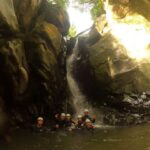
Now for the main event: descending the canyon through multiple rappels. The rappel sizes can vary, but they’re typically in the 4 to 16 meter range. The highest rappel is about 16 meters, which is where adrenaline usually kicks in.
Here’s how to think about it as a first-timer: you’re not just climbing down. You’re being coached through technique, and the harness and helmet are there for a reason. If you get nervous about heights, you can still do the tour as long as you’re willing to follow the step-by-step guidance and stay focused.
Also, the water-and-rock mix matters. Some sections will feel like you’re sliding through mist and flow with volcanic rock around you. Other sections may involve more careful foot placement on wet surfaces between drops. You’ll likely notice that the canyon doesn’t act the same way twice. That’s normal here.
If you’re unsure about being in the water: you don’t need to know how to swim, but you should be comfortable in the water and communicate if you’re not. That’s important for the team to plan your comfort and positioning.

Zip-line and optional jumps: how you control your adrenaline level
This is an activity with built-in choice. The itinerary includes the option of a zip-line, and there’s also the chance for an optional ~3-meter jump. The key word is optional—local conditions and your comfort level determine what you do.
I like that this design doesn’t force everyone into the same fear level. A high jump or a jump into moving water can be a big mental hurdle, and having opt-out options makes the rest of the day more enjoyable. In other words: you can say yes to the canyon without having to say yes to every station.
If you want the full thrill, go for the stations that are offered to you and that you feel ready for. If you’re on the cautious side, you can still enjoy the rappels and zip-line segments that don’t require the same kind of leap.
What the included photos and videos are really for
This tour doesn’t stop at fun—it helps you remember it. Photos and videos are included, which is valuable on a day like this. Wet gear, moving waterfalls, and quick timing mean you won’t easily capture good shots on your own.
It’s also part of the value math: many adventure tours sell media as an add-on. Here, you’re paying for a complete package experience: safety equipment, insurance, and documentation in one price.
The practical goal: you get something to share without worrying about your phone getting ruined by water and mud.
Price and value: why $111 can make sense for canyoning
At $111 per person for a 4-hour guided canyoning experience, the value depends on what’s included—and here, the list is strong.
You’re getting:
- Accredited guides (the safety component)
- Full canyoning gear (harness, wetsuit, helmet, boots, and more)
- Insurance
- Photos and videos
- Optional hotel pickup/drop-off in Ponta Delgada
When you price those pieces separately, the cost often starts to look more reasonable. And canyoning isn’t just “an activity”—it’s equipment-heavy, safety-driven, and physically specific. Paying for trained guidance is part of what keeps the experience fun instead of stressful.
I’d call this a mid-price adventure rather than a bargain. But it can be good value if you’d otherwise rent gear, arrange transport, or pay extra for media.
Who should do this canyoning trip (and who should skip it)
This is best for people who want controlled adrenaline and nature you can’t get from a viewpoint. It’s described as suitable for most ages and all levels of canyoning experience, which is a good sign for first-timers. But you still need to show up ready to move.
A moderate to good fitness level is recommended because the walk-in and in-canyon movement can include unstable ground, slippery rocks, muddy slopes, and short uphill/downhill scrambles. You don’t need to be an athlete, but you should be comfortable getting dirty and staying balanced in wet conditions.
Not suitable for:
- Children under 14
- Pregnant women
- People with mobility impairments
- People with heart problems
- People over 264 lbs / 120 kg
- People under 3 ft 9 in / 120 cm
- Children under 44 lbs / 20 kg
- People with back problems (specifically noted)
So if you’re seeking an outdoors challenge and you can handle water and rope work, this fits. If your body or health needs gentler options, you’ll be happier choosing a lower-impact São Miguel adventure.
The guide factor: coaching that turns fear into focus
One of the most praised aspects is how guides keep people safe and confident. You’ll be working with experienced instructors, and the tone tends to be encouraging rather than intimidating.
Names that come up with strong feedback include Claudio and João, Diogo and Ricardo, and Inés and Rodrigo. Across different groups, the consistent theme is patient help at each step, so even when you feel out of your depth at first, you’re guided through the next movement.
I’d treat this as a big plus if you’re worried about heights. In canyoning, nerves can show up at the wrong time. Good guiding helps you translate fear into procedure: clip in, breathe, follow the count, then do the next step.
Packing list: what you should bring for a comfortable, dry-ish after
The tour provides canyoning gear, but you still need the right personal items. Bring:
- Comfortable shoes
- A towel
- Comfortable clothes (you’ll likely get wet)
- Hair tie (if you have longer hair)
- Personal medication
- Reusable water bottle
- Swimwear
A reusable water bottle is a small thing that makes the day easier. After the canyoning, you’ll be glad you can sip water instead of figuring out what’s available.
Also, be ready for damp clothes afterward. You’ll be leaving the canyon as a person who’s been in water and mud, even if the hard parts went smoothly.
Should you book Salto do Cabrito canyoning?
If you’re the type who wants nature in motion, not just views, this is an easy yes. The combination of multi-stage rappels, optional thrill stations, and a safety-first guide team makes it a standout way to experience São Miguel beyond beaches and viewpoints.
I’d book it if:
- You want adrenaline with structure
- You’re comfortable being in wet conditions and moving on uneven ground
- You’re okay with an activity that can vary a bit based on season and stream flow
I wouldn’t book it if:
- You have back issues, heart problems, or other health concerns mentioned above
- You prefer low-impact activities with minimal scrambling
- You’re looking for something kid-friendly (minimum age is 14)
If you’re choosing between canyoning and a calmer day, you don’t need to overthink it: Salto do Cabrito is for action lovers. Just match it to your fitness, comfort with heights/water, and willingness to get a little muddy.
FAQ
How long is the Salto do Cabrito canyoning excursion?
It lasts about 4 hours, including the walk to the canyon site and the guided descent.
Where is the meeting point?
You meet at the Salto do Cabrito parking lot in Ribeira Grande.
Is pickup available from Ponta Delgada?
Yes, pickup is optional and available within the city of Ponta Delgada. For other areas, you need to contact the provider in advance.
Do I need to know how to swim?
No. You don’t need to know how to swim, but you should be comfortable in the water.
What gear is included?
Your tour includes canyoning equipment such as a harness, wetsuit, socks, helmet, and boots.
Are the zip-line and jumps mandatory?
No. Zip-line and an optional jump of about 3 meters are offered, but exact techniques and stations can depend on local conditions and your comfort.
What fitness level do I need?
A moderate to good fitness level is recommended due to walking on unstable terrain, slippery rocks, muddy slopes, and short scrambles.
What should I bring?
Bring a towel, comfortable shoes, comfortable clothes, hair tie, personal medication, a reusable water bottle, and swimwear.