REVIEW · PORTO
Porto: Private Bike Tour with a Local Guide
Book on GetYourGuide →Operated by BICLAS & TRICLAS - Rent a Bike and Tours · Bookable on GetYourGuide
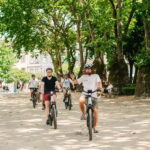
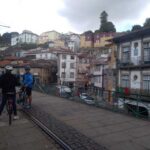
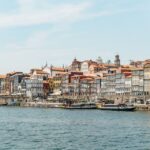
Porto looks different at bike speed. This private 3-hour ride threads from the Douro riverside toward the ocean, mixing famous landmarks with quieter neighborhoods like Miragaia and the Ribeira parish.
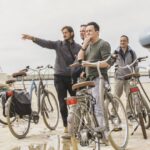
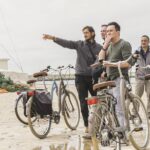
I especially love how the route stays on low-stress ground—mostly cycle paths through parks and pedestrian areas—so you spend your energy on views, not traffic. And you’ll get solid EU-quality city bikes with a 3-gear hub, plus a helmet, water, and fruit. One thing to consider: if you’re picky about shifting, do a quick gear check at the start, since at least one rider had a minor issue with the bike gears.
In This Review
- Key Points I’d Focus On
- A 3-Hour Bike Plan That Actually Fits Real Days
- The Bikes, Helmets, and Comfort Details That Matter
- Where You Start: Miragaia Riverbank Energy and Easy Momentum
- Alfândega to the Massarelos Side: Small Stops That Build Context
- From Gardens to Bridges: Why Porto’s “In-Between” Places Are the Best Stops
- São João da Foz and the Breakwater: The Coast Comes Into Focus
- Castelo do Queijo and Matosinhos: Sea Views Without the Overplanning
- Serralves and Calém: When the Tour Turns Artistic and Nature-Linked
- The Old-Town Return: Luís I Bridge and the Ribeira Parish Payoff
- What You Actually Get for $57: Value, Not Just Motion
- Guides You Can Click With: Javier, Xavier, Hélio, and Diane
- Who This Tour Best Fits (and Who Might Want a Different Option)
- Should You Book Porto’s Private Bike Tour?
- FAQ
- How long is the Porto private bike tour?
- Where does the tour start?
- Is this tour private?
- What’s included in the price?
- Are food and drinks included?
- What languages does the guide speak?
- Do I need to bring a helmet?
- Is hotel pickup included?
- What should I bring?
- Is there a minimum number of registrations?
Key Points I’d Focus On
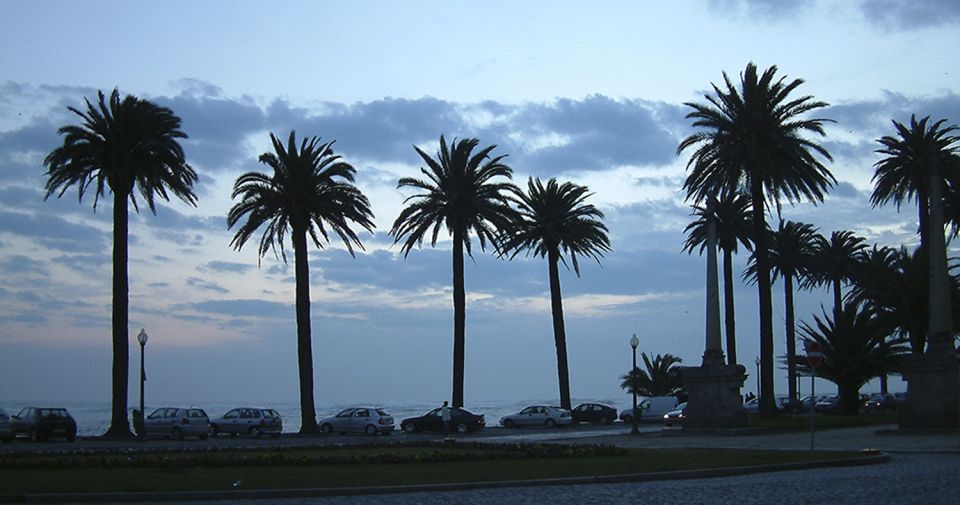
- 3-hour route that links the Douro, city parks, and both Foz and Matosinhos beaches
- Cycle paths through parks and pedestrian areas, making it feel relaxed even for beginners
- New city bikes with a 3-gear hub designed to handle Porto’s mix of hills and flats
- Local guide with real personality, with guides like Javier, Xavier, and Hélio mentioned for being friendly and funny
- Family-friendly bike sizing, including accommodations for child-sized bikes
- Lots of scenery changes in a short time, from riverfront to gardens to sea walls
A 3-Hour Bike Plan That Actually Fits Real Days
Porto can swallow a whole day fast. This tour is built for the opposite: quick orientation, big variety, and just enough stops to make you feel like you understand the city.
You get a focused loop that makes sense of Porto’s geography. You’ll start near the river, then move out toward the coast through Porto City Park, ending up with the Foz shoreline and the Matosinhos beaches area. It’s one of those rare tours where the time feels right—short enough to stay energetic, long enough to learn the city’s rhythm.
The private-group setup helps too. Even if you’re traveling with kids, friends, or a partner, you’re not stuck at the pace of strangers. And the guide can shift the focus: photos, questions, or just letting the scenery do the talking.
You can also read our reviews of more cycling tours in Porto
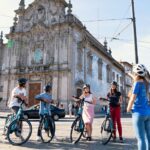

The Bikes, Helmets, and Comfort Details That Matter
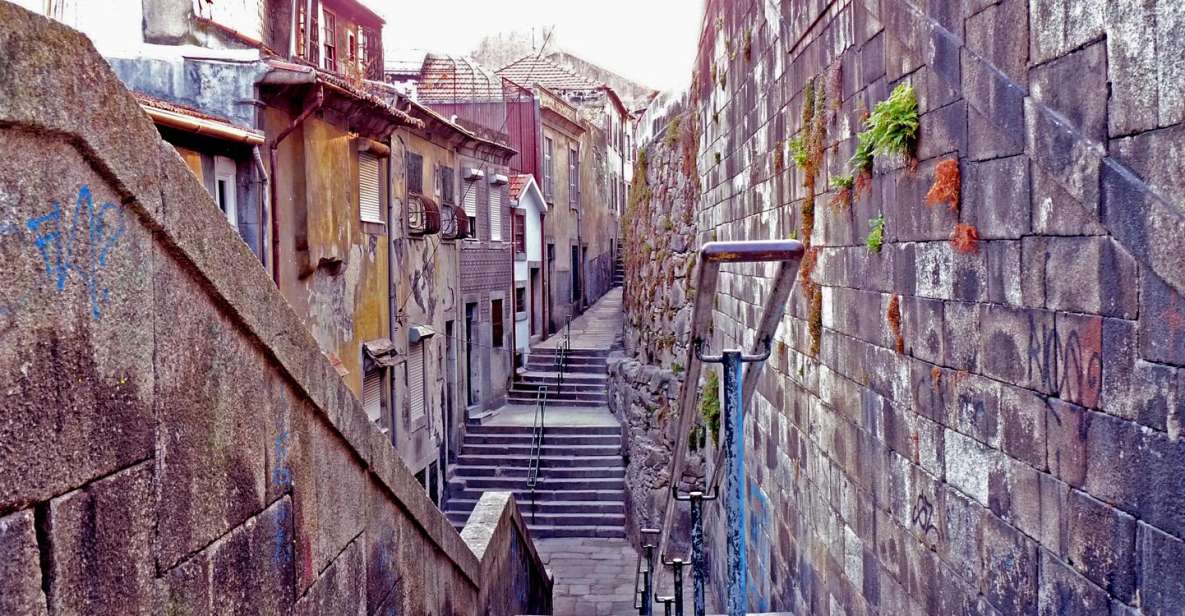
This isn’t a “thrill ride” style tour. It’s meant to be safe and comfortable for anyone who can ride a bike.
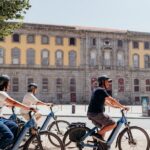
You’ll use new EU-quality city bikes with a 3-gear hub. That matters in Porto because you’re mixing flatter stretches with small climbs as you travel between the old town, gardens, and waterfront areas. The hub design is made for quick, simple changes, so you’re not fussing with complicated derailleurs while trying to enjoy the view.
Helmets are included, and you’ll also get bottled water and a fruit piece. That sounds basic, but in practice it helps you keep moving without turning the ride into a snack-and-stop sprint. I’d also bring your own water bottle if you like, since the tour provides water but your preference might run higher if it’s hot.
Where You Start: Miragaia Riverbank Energy and Easy Momentum
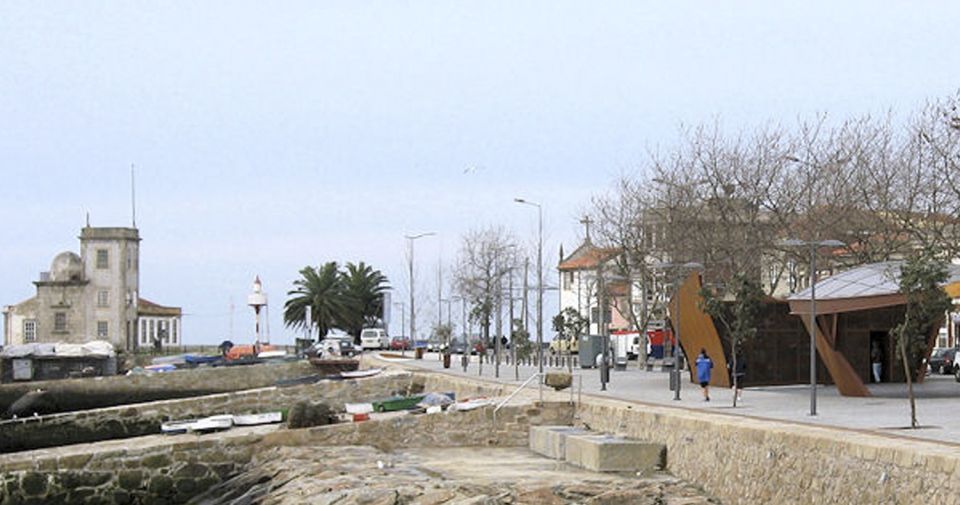
Meeting at Biclas & Triclas in Miragaia is a practical choice. You’re on the riverbank from the start, which sets the tone: Porto is a city shaped by water, not just buildings.
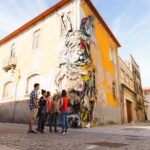
You’ll begin with a quick stretch of street-art area touring around the Mural Streetart Mira by Daniel Eime. It’s short, but it helps you get oriented fast—where color lives in Porto, and how the city uses public walls as a living canvas.
Then the route heads into historic waterfront territory. One of the early passes includes Alfândega do Porto. Even if you don’t stop there for long, seeing it from the bike gives you a different angle than a viewpoint from a bus window.
Right after that, you skim by the Museu do Carro Electrico (Tram Museum). The payoff of passing by museums on a bike tour is that you notice the neighborhood logic around them—what street fronts, what feels local, and what connects to the river. You’re not just ticking off names; you’re learning how Porto’s parts connect.
Alfândega to the Massarelos Side: Small Stops That Build Context
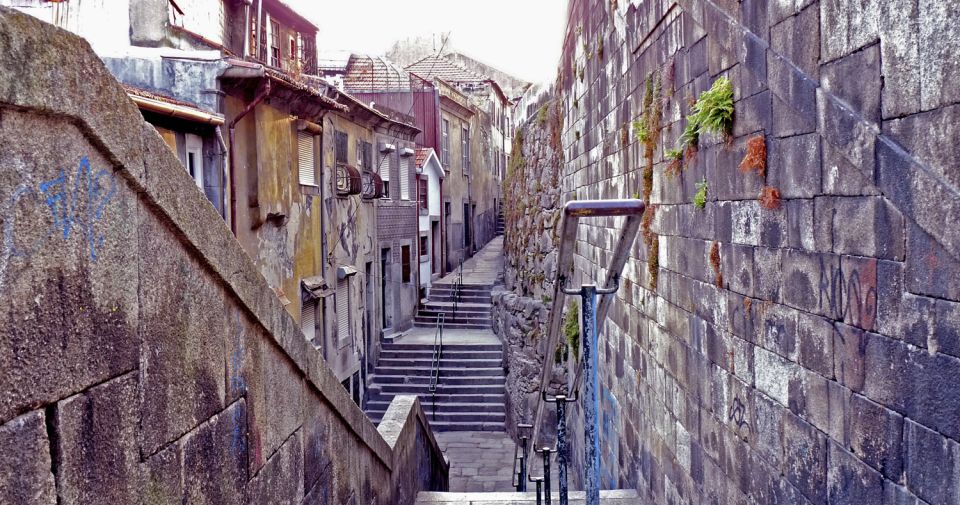
The early segment includes a handful of quick, guided passes—small moments that keep you from losing the plot.
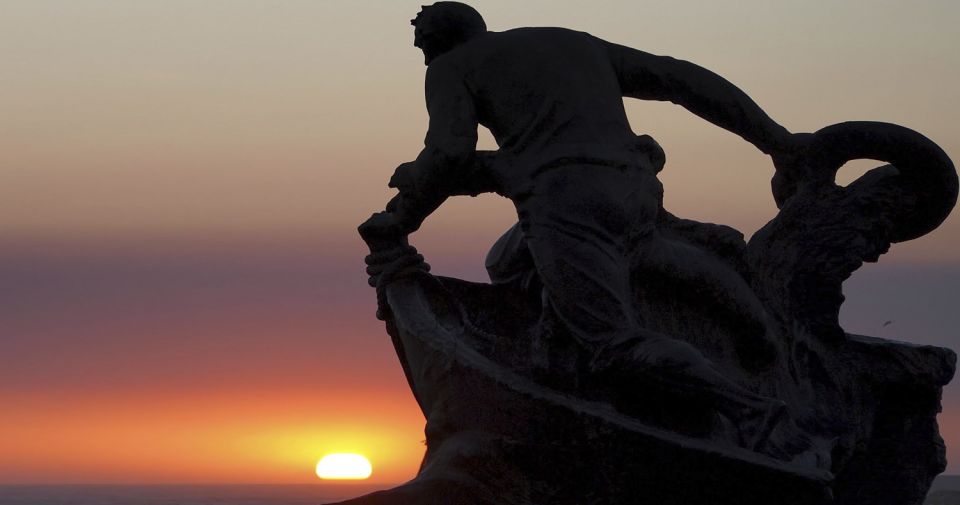
You’ll go by the Cais das Pedras and the Parish Church of Massarelos, then the Monumento aos Tripeiros. These aren’t long museum-style detours. They’re “glance and learn” stops, where the guide ties what you’re seeing to how Porto people think about the city.
You also reach Fonte da Cantareira and the Lighthouse of São Miguel-o-Anjo. This is where the bike tour starts doing something buses can’t: it moves your viewpoint. You see river edges, street levels, and coastal direction while your body is still warming up.
If you like photography, this is a good chunk of time to pause mentally. Bike speed is slow enough to frame shots without sprinting, but fast enough that everything stays fresh.
From Gardens to Bridges: Why Porto’s “In-Between” Places Are the Best Stops
Once you get past the initial landmarks, the ride shifts into Porto’s green and scenic middle zones.
You’ll head for Jardim do Passeio Alegre and then continue on toward the area with Felgueiras Lighthouse. Gardens in Porto aren’t just decoration. They’re a way the city stretches toward the coast, and the paths help you feel the transitions between neighborhoods.
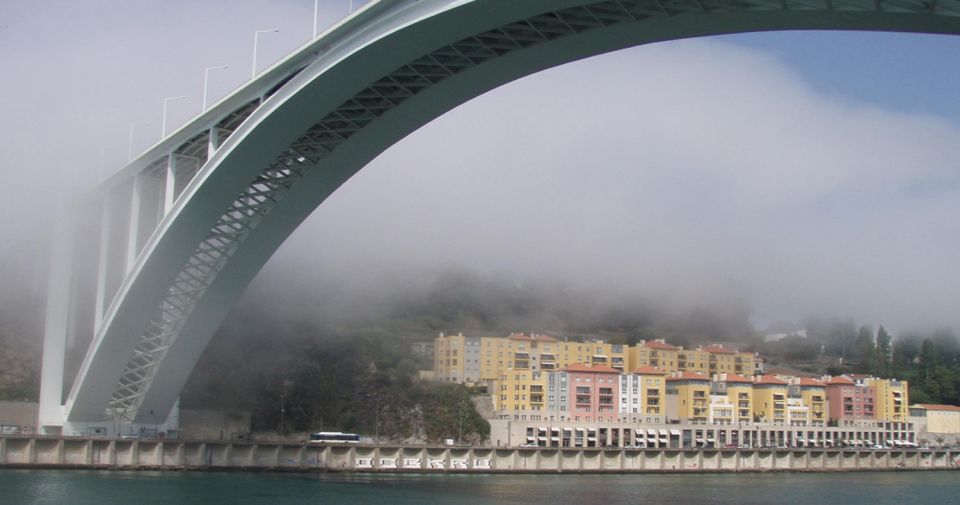
One highlight that really changes the visual story is the Arrábida Bridge area. Bridges can feel like “just travel” on foot, but by bike you get the scale and the sweep. You see how Porto is set up for water views at many heights, not only from one lookout.
As you move along Homem do Leme beach, the air shifts from river-life to sea-life. The bike helps here because you’re not standing around; you’re rolling along the edges, letting the coastline appear gradually instead of all at once.
You can also read our reviews of more guided tours in Porto

São João da Foz and the Breakwater: The Coast Comes Into Focus
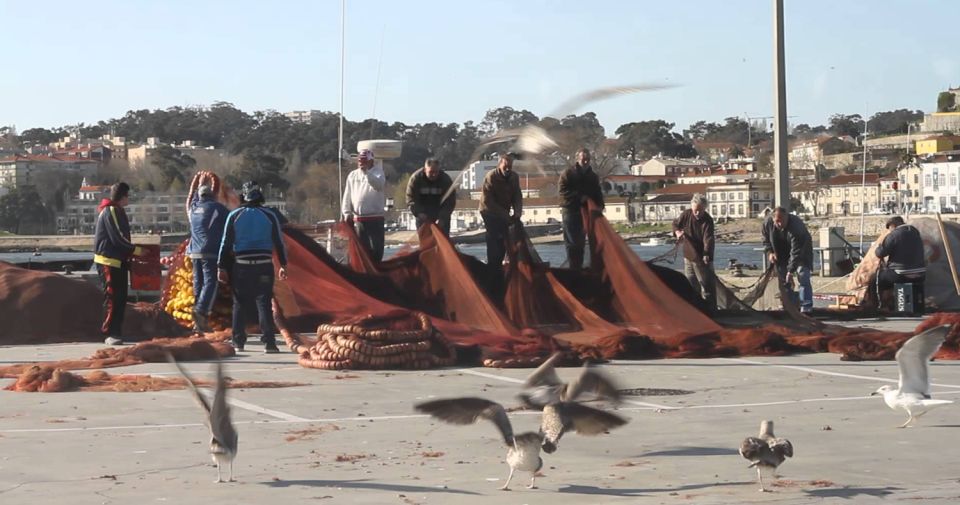
Now you’re in Foz territory, and this is where the tour earns its keep.
You’ll ride past São João da Foz Castle and then approach Foz do Douro Breakwater. The breakwater section is about feeling the sea’s boundaries. Even without a long stop, it’s the kind of shoreline sight that makes Porto feel like a coastal city with a serious relationship to weather and tides.
Then the route includes time by the Foz beaches. This is a nice stretch for photos, and it also gives you a reset from the city stone-and-street look. If you’re coming to Porto for the first time, the coast stops are what keep you from thinking you’ve only visited buildings.
One practical tip: if the day is windy, keep your camera strap tight and hold your handlebars firmly on open stretches. Bikes are stable, but coastal gusts can surprise you.
Castelo do Queijo and Matosinhos: Sea Views Without the Overplanning
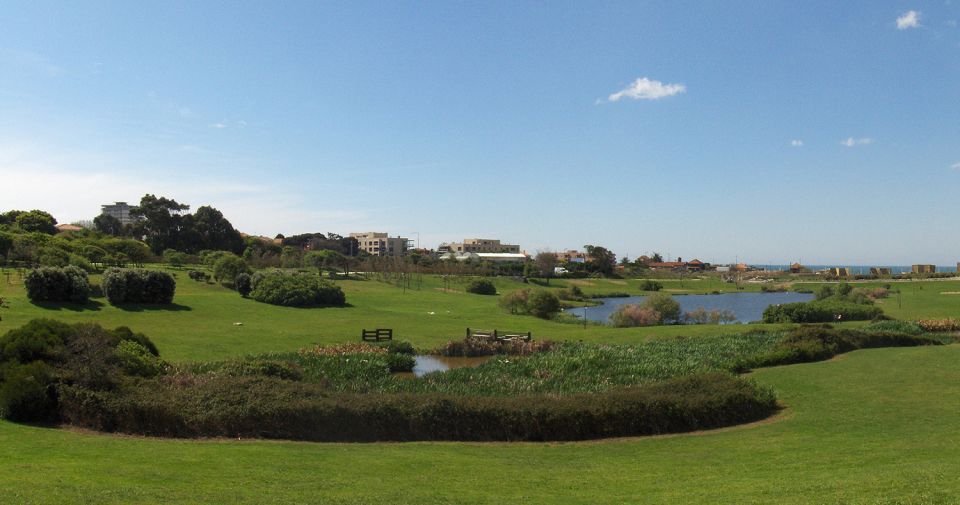
You’ll pass by Castelo Do Queijo, which is often referred to as the Cheese Castle. It’s another quick stop, but that’s the point of this tour. You’re not trying to do everything. You’re getting a spread of the city’s most recognizable coastal cues.
Then you continue toward Matosinhos Beaches and the City Garden area. This combination gives you two different “coast” moods. Foz feels more dramatic and river-to-sea transitional. Matosinhos leans more beach-forward.
The best part is how you move through it. This ride is mostly on cycle paths and other pedestrian areas, so you don’t end up fighting your way through heavy traffic. That makes the coast portion feel friendly, not stressful.
Serralves and Calém: When the Tour Turns Artistic and Nature-Linked
Porto’s reputation is often about old streets and river scenery. This bike tour adds another layer: gardens and contemporary culture.
You’ll pass by Serralves Garden/Contemporary Art Museum. Even if you don’t go inside, getting the exterior view while traveling helps you see Serralves as part of a bigger landscape plan. It also keeps the itinerary from repeating the same kind of sightseeing.
Later, you’ll ride toward Jardim do Cálem and include Birdwatching connected to the natural area by the Douro Estuary and the Bird Observatory. This is a smart addition. It gives you a breather from city landmarks and replaces it with a calmer “watch and listen” style moment.
If you’re the kind of traveler who likes wildlife at a distance, this segment is your payoff. Even if birds aren’t visible right away, the concept of the estuary reserve changes how you think about where Porto’s water comes from and how it behaves.
The Old-Town Return: Luís I Bridge and the Ribeira Parish Payoff
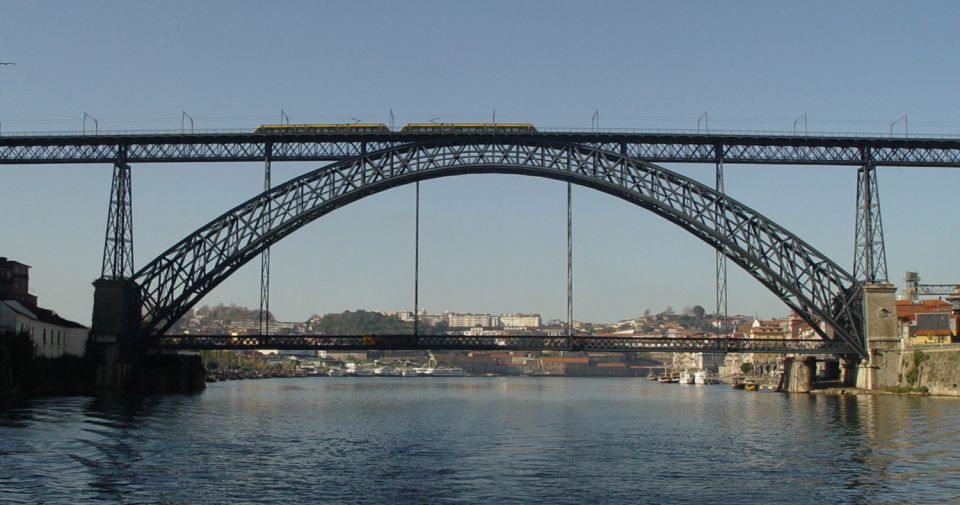
As you head back, the ride brings you toward major connectors and the sense of returning to Porto’s core.
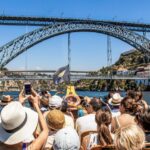
You’ll pass the Luís I Bridge and then go by S. Francisco Church before reaching the Parish of Miragaia area again. That return route matters because it ties the earlier riverfront orientation to the old-town feel.
The highlight also calls out Ribeira parish, and this portion is where it clicks. You’re no longer just “in Porto.” You’re seeing how neighborhoods line up around the water and around the movement corridors—bridges, church areas, and river-linked streets.
This is also a good time to ask your guide questions. By now you’ll have the visual landmarks in mind, so every answer lands better.
What You Actually Get for $57: Value, Not Just Motion
At $57 per person for a 3-hour private tour, the value comes from what’s included and what you avoid.
You’re not paying extra for helmets, bottled water, or fruit. You’re also not hiring a “seat-time” guide stuck behind a microphone. You’re getting a local guide for an active ride where the city connections make sense in your head.
It also matters that this is a small, private group. For many travelers, paying for a private tour isn’t just luxury—it’s efficiency. You can ask questions about what you’re seeing right now, not what you might see someday. And you’re not waiting around for slower walkers or rushing for faster ones.
The experience feels like you’re buying orientation, scenery variety, and a guided route that helps you reach places that don’t always feel reachable by foot in a short time.
Guides You Can Click With: Javier, Xavier, Hélio, and Diane
One of the biggest strengths is the human side. The ride can be “just a route” if your guide phones it in. Here, the guide energy is part of the product.
Javier is described as knowledgeable, happy, and friendly. Xavier stands out for doing an excellent job on a walk-like ride that still feels fast, with people saying the hours passed quickly. Hélio is noted as professional with humor, and that combination helps when you’re on a bike and want the story without overloading facts.
Diane also shows up in the picture, with a mention of history context and extra local tips. That tells me this tour isn’t only about pass-by photos; it’s also about explaining what you’re seeing in a way that makes Porto stick.
Who This Tour Best Fits (and Who Might Want a Different Option)
This bike tour fits best if you want a practical overview without wasting time. It’s a good match for:
- First-time visitors who want Douro + Foz + Matosinhos in one shot
- Travelers who like pictures and short explanations, not long museum marathons
- Families that need child-sized bike accommodations
- People who enjoy a relaxed pace with some engagement from the guide
It may be less ideal if you want a very slow, deep neighborhood-by-neighborhood exploration. This is a 3-hour route designed to cover a lot of geography. You’ll get plenty, but you won’t linger for hours in one single spot.
Should You Book Porto’s Private Bike Tour?
If you’re aiming for a smart use of time, I’d book it. The combination of cycle-path riding, a route that changes scenery from river to gardens to sea, and a guide who adds personality makes this one of the more sensible Porto “starter experiences.”
I’d especially consider it if:
- You want to reach the coast areas (Foz and Matosinhos) without planning multiple separate trips
- You’d rather ride on paths than stress about traffic
- You like the idea of seeing Ribeira and then understanding how it connects to the rest of Porto
If you’re concerned about bike fit or gear shifting, do a quick check at the start and tell your guide what you prefer. Beyond that, this tour is built for comfort and real city viewing, not endurance.
FAQ
How long is the Porto private bike tour?
It runs for 3 hours.
Where does the tour start?
You meet at Biclas & Triclas – Porto Bike Tours and Rentals in Miragaia on the riverbank.
Is this tour private?
Yes. It’s listed as a private group.
What’s included in the price?
The tour includes a local guide, bike and helmet, bottled water, a fruit piece, and all taxes, fees, and handling charges.
Are food and drinks included?
Food and drinks are not included unless specified.
What languages does the guide speak?
The live guide is available in English, French, Portuguese, and Spanish.
Do I need to bring a helmet?
No. Helmets are available at no extra cost.
Is hotel pickup included?
No. Hotel pick-up and drop off are not included.
What should I bring?
Bring sunscreen, a camera, and a water bottle.
Is there a minimum number of registrations?
Yes. The tour requires a minimum of 2 registrations to go ahead.