REVIEW · PORTO
Porto: 3-Hour Bike Tour
Book on GetYourGuide →Operated by BICLAS & TRICLAS - Rent a Bike and Tours · Bookable on GetYourGuide
Porto has a habit of looking different at bike speed. On this 3-hour ride, I like how you follow the Douro River and reach areas that feel far away on foot, yet the pacing stays manageable. I also like the mix of city landmarks, parks, and coast so you get a real sense of Porto’s different sides in one loop. One thing to consider: the route includes some spots where rain and road surface can slow you down, so pack smart and expect a bit of weather fun.
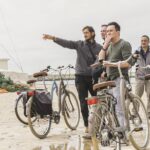
Your base is Biclas & Triclas – Port Rent a Bike and Tours, and from there you’re on urban bikes with a 7-speed hub and a helmet included. The guide handles the big picture (history, what you’re seeing, and route choices), and past guides like Pedro, Clara, and Hélio have been praised for making short stops feel meaningful instead of rushed. And with a private group format, you can usually move at your comfort level—no “tour group cattle” energy.
In This Review
- Key Highlights You’ll Actually Feel During the Ride
- Why Porto Looks Better From Bike Paths (Not Just Standing Still)
- Biclas & Triclas: Bikes, Helmets, and the 7-Speed Setup
- Old Town Warm-Up: Mira Street Art, Alfândega, and the Waterfront
- Arrábida Bridge and City Landmarks You Can Actually See
- Past Foz do Douro Toward Nature: Calém Garden, Estuary Views, and the Bird Spot
- São Francisco do Queijo (Cheese Castle) Remains: A Small Stop With a Strong Story
- Beaches and Parks in One Loop: Matosinhos, Parque da Cidade, and Pasteleira Park
- How the Guide Makes the Difference (Pedro, Clara, Hélio Examples)
- How Hard Is It, Really? Pace, Hills, and Weather Reality
- Price and Value: Is $57 Worth It?
- What to Bring and How to Prepare for a Smooth Ride
- Should You Book This Porto 3-Hour Bike Tour?
- FAQ
- How long is the Porto 3-Hour Bike Tour?
- What is the price per person?
- Where does the tour start?
- What should I do if I’m arriving for the meeting point?
- What’s included in the tour price?
- Are helmets provided?
- What languages are the guides available in?
- Is food included?
- Are there any bike features I should know about?
- What are the cancellation terms?
Key Highlights You’ll Actually Feel During the Ride
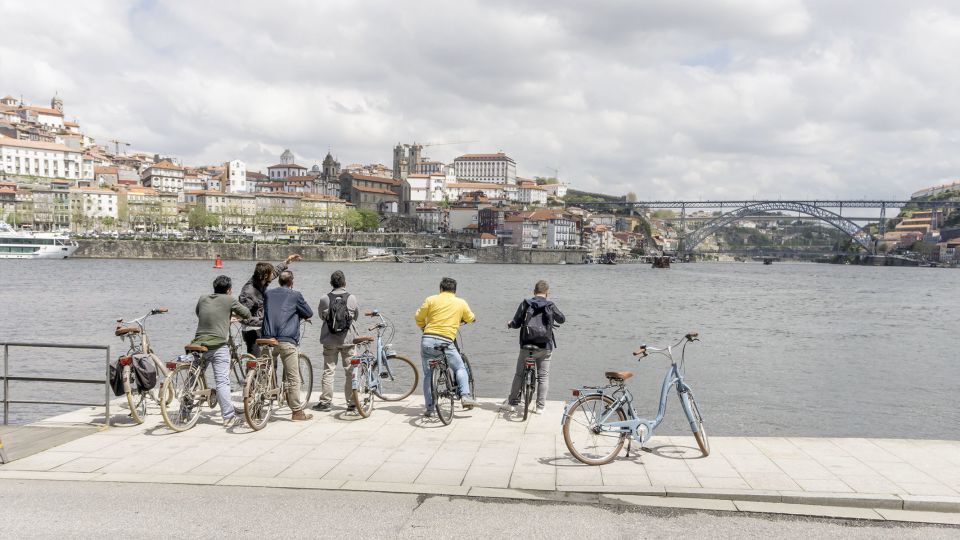
- Douro River banks with views that change from city buildings to estuary calm
- Dedicated bike paths through City Park areas that cars just don’t touch
- The ramains of São Francisco do Queijo (Cheese Castle) for a story-stop with character
- Birdlife around Jardim do Cálem when you want a nature moment between monuments
- Easy-win photo windows at Arrábida Bridge and the Foz do Douro breakwater views
- A route that hits coast, parks, and old-town streets in just 3 hours
Why Porto Looks Better From Bike Paths (Not Just Standing Still)
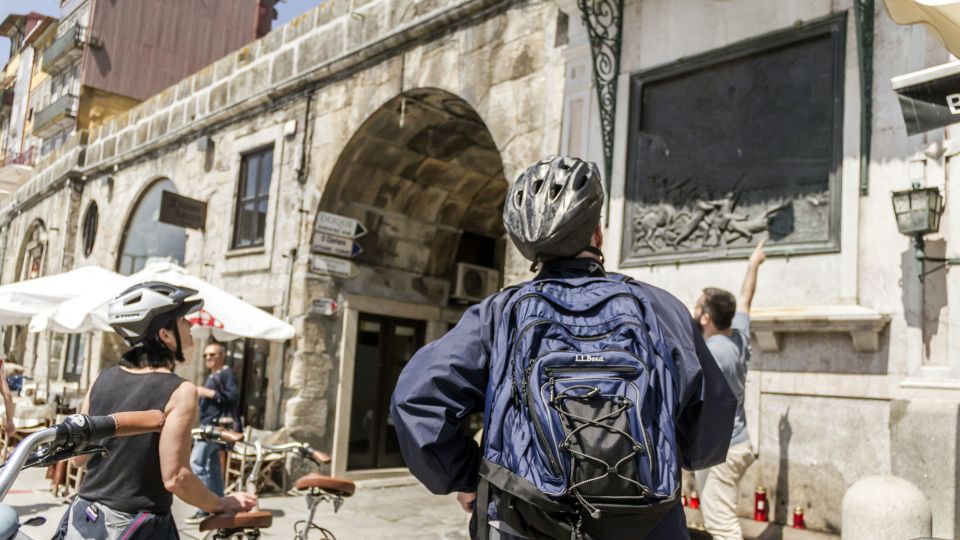
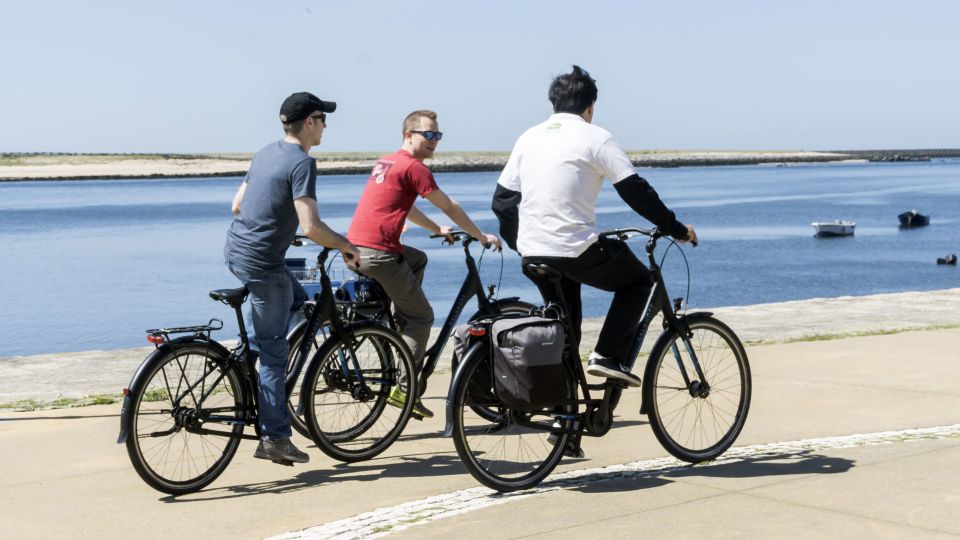
Porto can feel like it’s built for walking up and down hills—until you get on a bike. This tour uses that advantage on purpose: you cover a lot of ground quickly, and you’re positioned to see both river and coastline without turning the day into a leg workout.
The best part is the pacing. You’re moving often enough to feel the momentum, but you’re not sprinting from one landmark to the next. That balance matters in Porto, where there’s always another church facade, another viewpoint, another tile detail begging for a stop.
And because much of the ride goes through bike-friendly stretches, the views are the point—not dodging traffic or playing sidewalk footsie.
You can also read our reviews of more cycling tours in Porto

Biclas & Triclas: Bikes, Helmets, and the 7-Speed Setup
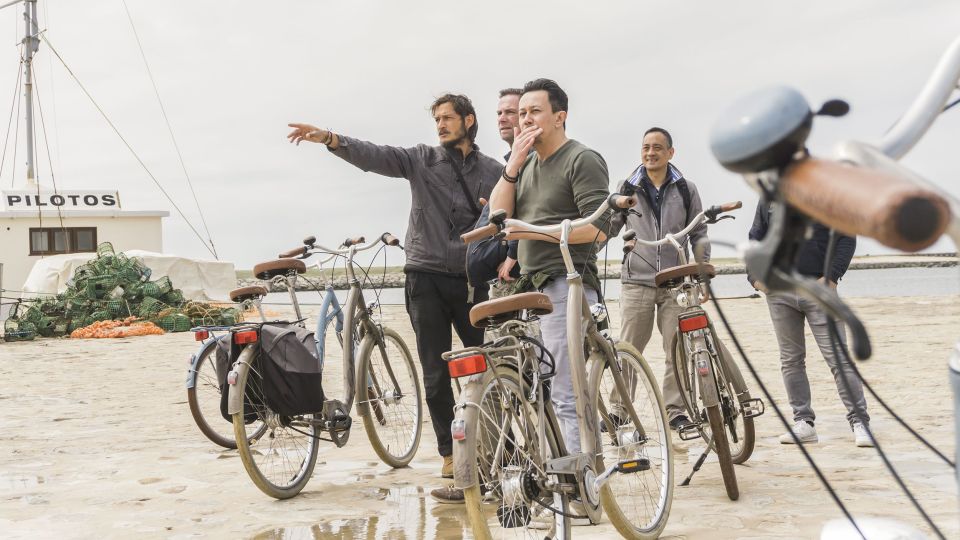
The tour starts at Biclas & Triclas, where you pick up your bike and get your helmet. Child seats and helmets are available at no extra cost, which makes this a practical option if you’re traveling with kids.
The bikes are described as top quality urban bikes from Germany with a 7-speed hub. Translation: you’ll have gearing for mild rises, but you’re not riding some heavy cruiser that feels like it’s welded to the frame.
Bring the simple stuff—sunscreen, your camera, and your water bottle. Even on a relatively short ride, sun and wind off the water can sneak up on you.
Old Town Warm-Up: Mira Street Art, Alfândega, and the Waterfront
The first stretch is a smooth way to get rolling, and it does more than just move you across town. You start with a quick stop for the Mural Streetart Mira by Daniel Eime, a nice reminder that Porto’s street culture is part of the same city story as the churches and bridges.
Then you head toward the waterfront landmarks. Passing the Alfândega do Porto Congress Centre (the former customs house of Porto) gives context for why this city grew where it did: trade, ships, and goods funneling through the river.
You also pass Cais das Pedras, and even if you don’t stop for long, you’ll feel the vibe shift from inland streets to a more maritime rhythm. The quick pass-bys are useful here because the tour is timed to keep energy for the big coastal views later.
A few more names you’ll see along the way: the Parish Church of Massarelos and the Museu do Carro Electrico. The museum pass is short, but it’s a great “wait, Porto has electric tram history” moment. You start noticing how much the city keeps track of itself.
Arrábida Bridge and City Landmarks You Can Actually See
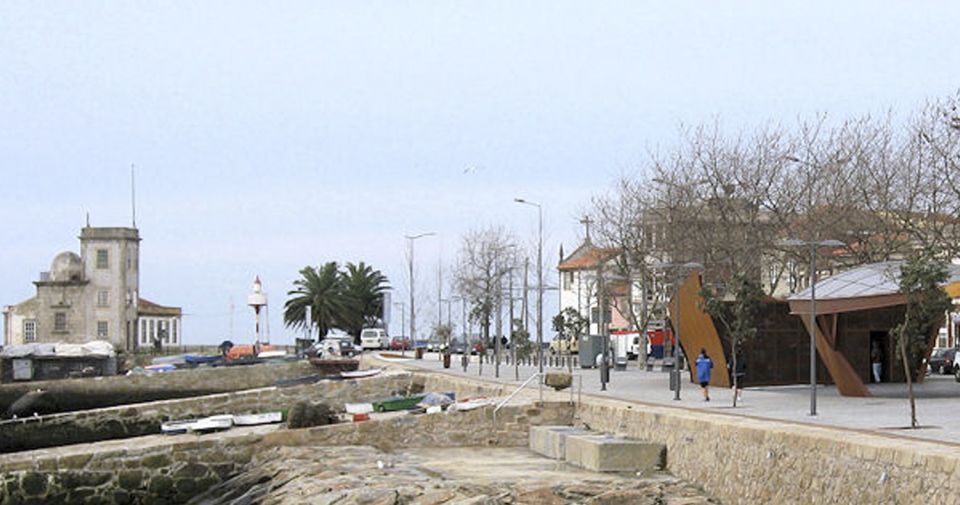
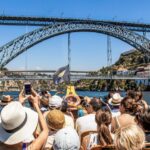
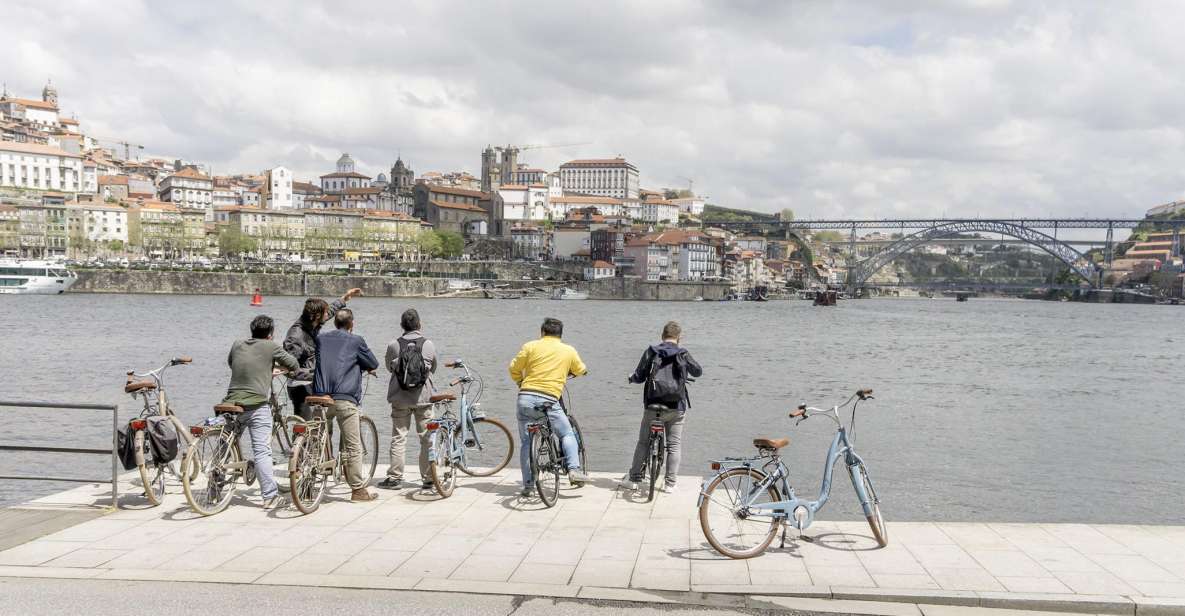
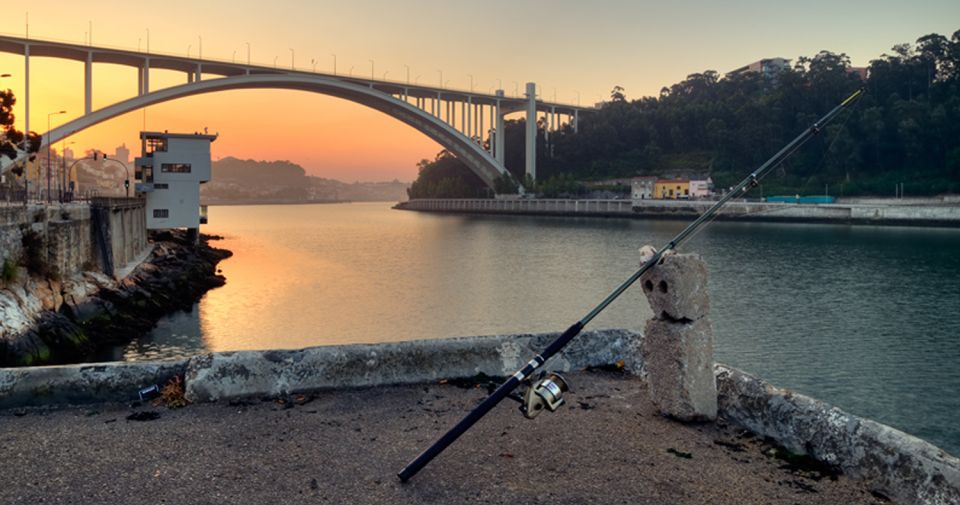
Porto’s biggest bragging rights are the viewpoints, and bike speed helps you earn them. When you reach the Arrábida Bridge area, it’s a prime photo moment because you get that long span feel—river, structure, and city layers in one frame.
After that, the ride keeps your attention on street-level landmarks. You pass the Monumento aos Tripeiros, plus Fonte da Cantareira, a spot that works well as a break point even if you’re not lingering.
Then you roll past the Lighthouse of São Miguel-o-Anjo, with the kind of coastal landmark that turns a simple ride into a “we’re really out here” feeling. From there, Jardim do Passeio Alegre adds a green buffer—useful if you want a visual breather before the coast expands outward.
And because you’re on a bike, these stops aren’t just “look and go.” You can actually position yourself for a view and still stay on schedule.
Past Foz do Douro Toward Nature: Calém Garden, Estuary Views, and the Bird Spot
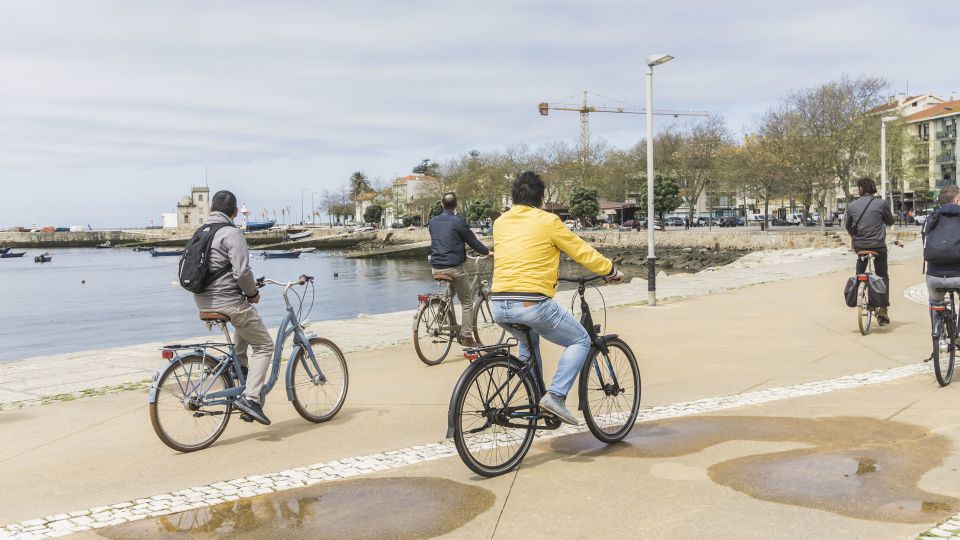
The coastal section is where the tour turns from sightseeing into scenery. As you pass Foz do Douro, you’re watching the water and the city meet in a way that feels more open than the dense central streets.
You also reach Jardim do Cálem, where the highlight is birdlife. This is a practical moment, too. If you’ve spent the morning in city sights, this kind of nature window helps your brain reset, and it makes the ride feel varied instead of repetitive.
From there, the route heads into the Douro Estuary Natural Reserve area. Natural reserve time matters because Porto isn’t only stone and views—it’s also ecology along the river mouth, where the water’s energy changes from river flow to sea influence.
Finally, you arrive at the mouth of the Douro and get that “how is this city this close to wild water?” reaction. It’s not just a viewpoint; it’s a sense of place.
A few more Porto tours and experiences worth a look


São Francisco do Queijo (Cheese Castle) Remains: A Small Stop With a Strong Story
The tour includes the ramains of São Francisco do Queijo, also known as the Cheese Castle. Even if you’re not a history buff, the reason this stop works is simple: it feels specific.
It’s the kind of site where ruins spark questions—why here, what was the purpose, and how does it fit the local landscape. A quick look can turn into a mini lesson from your guide, and these are the stops that tend to make a 3-hour tour feel longer in a good way.
You’ll pass Castelo Do Queijo as part of this section. Expect a photo moment and a story moment more than a long museum-style visit.
Beaches and Parks in One Loop: Matosinhos, Parque da Cidade, and Pasteleira Park
Then the tour starts playing with contrast: from coastline to parkland and back again. You pass Homem do Leme beach and roll toward Matosinhos Beach, so you get that Atlantic-edge experience without needing a full day trip.
After the ocean, you head into Parque da Cidade do Porto, which functions like Porto’s big outdoor breathing space. This matters because you’re cycling—park paths give you a calmer, more predictable rhythm than street traffic.
You’ll also pass Pasteleira Park, plus Museu do Porto – Reservatório. The reservoir stop is interesting because it hints at how Porto manages water and infrastructure, not just how it looks.
And near the end, you return toward more garden space with Jardim do Cálem (birdlife again) and additional green edges like Pérgola da Nevogilde. If you like rides that don’t feel like one long line of buildings, the park-to-coast mix is exactly what makes this route satisfying.
How the Guide Makes the Difference (Pedro, Clara, Hélio Examples)
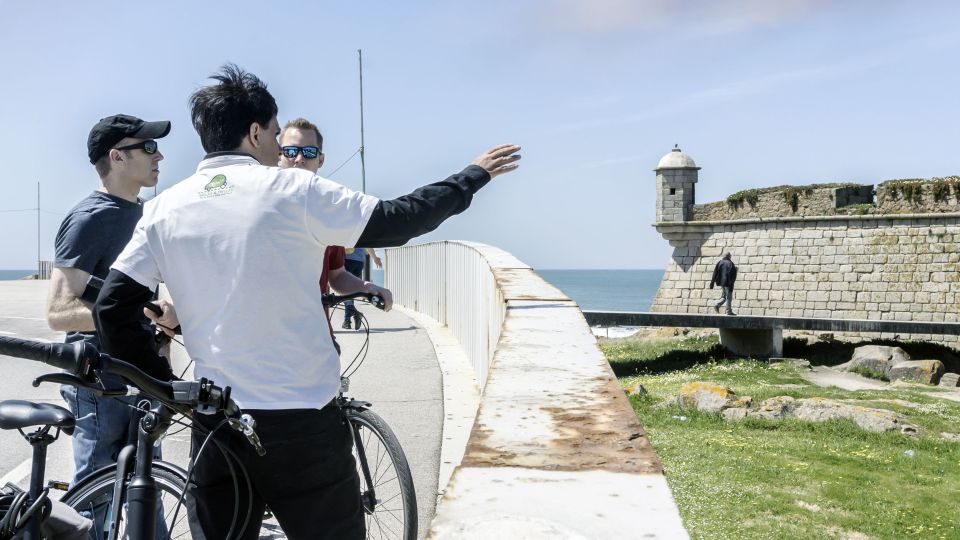
A bike tour lives or dies on the guide’s energy. The strongest comments in the feedback you shared point to guides who explain what you’re seeing, keep the group moving, and handle safety calmly.
Guides named Pedro, Fernando, Hélio, Clara, Felipe, and Emmanuel show up repeatedly, and the pattern is consistent: they connect the city’s details into a story instead of a list. People also mention humor and patience—plus guidance on how to ride safely around crowds and tricky spots.
There’s also mention of bikes being switched to electric on the day for some groups. Since that detail appears as a flexible option in the feedback, you should ask when you check in whether electric assist is available for your departure time, especially if you want the easiest ride possible.
Bottom line: if you show up ready to pedal and listen, the guide’s explanations turn quick pass-bys into “I get it now” moments.
How Hard Is It, Really? Pace, Hills, and Weather Reality
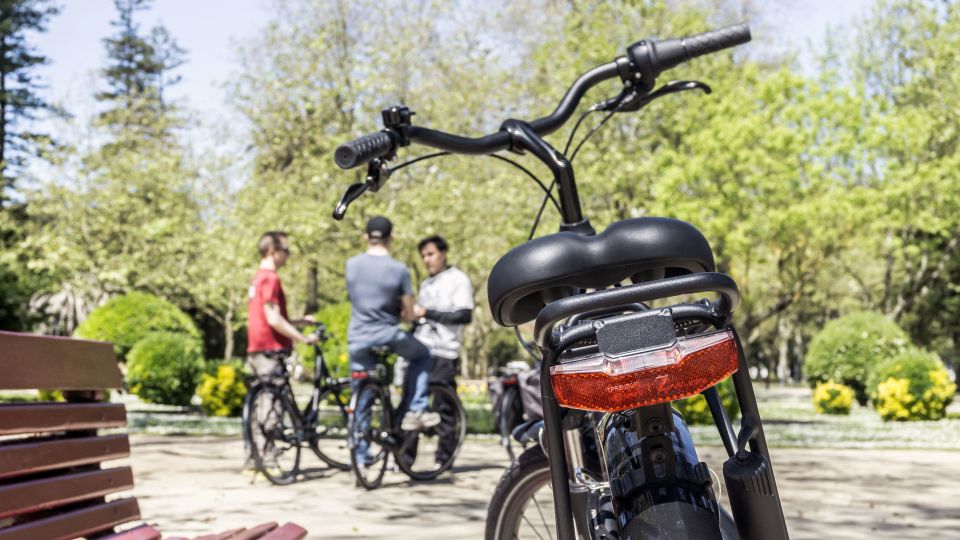
Porto by bike sounds intimidating until you ride it. The route is described as scenic and mostly manageable, with at most a few mild rises. Some people report that it felt flat, while others note slight hills, but the common takeaway is that it’s not an extreme training ride.
Your bike’s 7-speed helps. If you keep an easy cadence and shift early, mild gradients feel much more like a speed bump than a climb.
Weather is the other factor. Rain doesn’t automatically ruin the tour, but it can change how comfortable it feels and how easy the route is at certain crossings (someone even noted tram tracks can be tricky). If it looks wet, wear grippy shoes, and consider bringing a small towel or wipe for the helmet and hands.
Price and Value: Is $57 Worth It?
At $57 per person, the value is strongest when you compare what’s included: bike and helmet rental, a local guide, bottled water, and fruit. You’re also getting access to areas that are harder to reach with other transport, plus route coverage that’s hard to match on foot in just 3 hours.
This is also a private group format. Even if private simply means fewer people per guide, it usually means more attention at stops, more time to ask questions, and a smoother pace.
Not included items are straightforward: food and drinks are only covered if specified. So plan for snacks outside the tour if you’re hungry after. The ride itself is designed as a sightseeing sprint with a few breaks, not a full meal event.
What to Bring and How to Prepare for a Smooth Ride
You don’t need a lot, but you do need the right basics.
- Sunscreen and sunglasses if it’s clear
- A camera ready for water views at Foz do Douro and Arrábida Bridge
- A water bottle (even though bottled water is included, extra sips help)
- Comfortable shoes with grip, especially if the weather changes
Arrive 15 minutes early. That buffer matters so you’re not rushed when you’re adjusting your seat, figuring out gears, and getting your helmet fitted.
Also, if you care about birdlife at Jardim do Cálem, bring the mindset to slow down for a minute. It’s not a “run by and forget” moment.
Should You Book This Porto 3-Hour Bike Tour?
Book it if you want an efficient, scenic way to get your bearings fast. In a few hours you’ll get the feel of Porto’s riverfront, the Atlantic coastline, big viewpoints, city parks, and a story stop at São Francisco do Queijo. The mix of water, bridges, and green space makes the time fly in a good way.
Skip it or swap expectations if you hate any hint of weather uncertainty. Wet conditions can affect comfort and speed, and the route includes street crossings where surfaces can be less predictable.
If you’re deciding between “walk the highlights” and “see the city’s edges,” this bike tour is built for the second option. It’s short enough to fit any itinerary, and detailed enough that you’ll leave Porto with more than just photos—you’ll have a clearer map of where the city changes from river to sea.
FAQ
How long is the Porto 3-Hour Bike Tour?
The tour lasts 3 hours.
What is the price per person?
The price is $57 per person.
Where does the tour start?
The meeting point is Biclas & Triclas – Port Rent a Bike and Tours.
What should I do if I’m arriving for the meeting point?
Please arrive 15 minutes before the activity starts.
What’s included in the tour price?
Bike and helmet rental, a local guide, bottled water, and fruit are included.
Are helmets provided?
Yes. Helmets are available, and child seats and helmets are available at no extra cost.
What languages are the guides available in?
The live guide offers Spanish, English, French, and Portuguese.
Is food included?
Food and drinks are not included unless specified.
Are there any bike features I should know about?
The tour uses top quality urban bikes from Germany with a 7-speed hub.
What are the cancellation terms?
You can cancel up to 24 hours in advance for a full refund.