REVIEW · PORTO
Porto: 3-Hour Old Town & Riverside Bike Tour – Guided Experience
Book on Viator →Operated by Bluedragon Porto City · Bookable on Viator
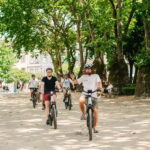
Porto looks different from a bike seat. This 3-hour ride strings together Porto’s old-town streets and the Douro riverside with story stops that make the UNESCO center click in a hurry.
I especially liked how the route feels like a guided walk, just faster, so you get both landmarks and the between-places you’d otherwise miss.
I love two things most. First, you get real, timed explanations at the stops instead of random facts while you pedal. I got the full picture of Ribeira and the New Porto Customs House from the guide, with names and dates that actually stuck. Second, I like that the tour includes a bike-and-helmet setup lesson, so you’re adjusting seats and getting comfortable before traffic and cobbles show up.
One drawback to plan for: this is street riding, and it can feel exposed. If you’re nervous on bikes, new to sharing roads, or you hate cobblestones and downhills, you may find this more stressful than scenic.
In This Review
- Quick hits before you go
- First stop: bikes, helmets, and why the setup matters
- Ribeira: where Porto’s riverfront becomes personal
- Alfândega Nova do Porto: customs-house architecture with a shipyard feel
- Dom Luís I Bridge viewpoints and the Porto–Gaia connection story
- Riverside garden retreat: the calm break with big views
- Foz Velha area: ancient settlement clues and King John IV
- City Park to the Atlantic: finishing with space, not just more photos
- E-bike vs regular bike: what to expect on Porto’s hills
- Road feel, group pace, and how guides keep it calm
- Price and value: what you’re paying for at about $47
- Who should book this Porto bike tour (and who should skip it)
- Should you book it? My decision guide
- FAQ
- How long is the Porto old town and riverside bike tour?
- What’s included in the tour price?
- Is the tour in English?
- Does the tour run in bad weather?
- Do I need to be an experienced cyclist?
- Are there height or weight requirements?
- How big are the groups?
Quick hits before you go
- Ribeira + UNESCO center context: you’ll stop in the oldest-feeling riverfront lanes and hear how it fits into the historic core.
- Alfândega Nova do Porto details: get the story behind the 1879 New Porto Customs House and its building company link.
- Dom Luís I bridge viewpoints: you’ll ride to spots with strong Douro and bridge views, plus the reason for the Porto–Gaia connection.
- Foz Velha and fort-age clues: you’ll hear how the area’s settlement dates back to the 6th century, and fort construction ordered by King John IV.
- Big open finish at City Park: you end with the scale of Portugal’s largest urban park stretching to the Atlantic.
First stop: bikes, helmets, and why the setup matters
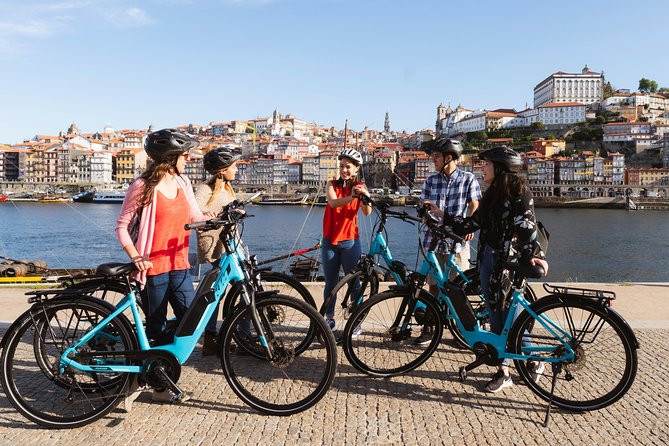
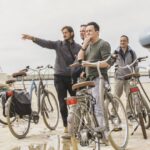
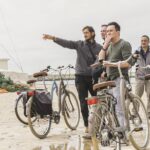
You start at Bluedragon City Tours (R. de Alexandre Herculano 251). Before anyone heads out, there’s a bike briefing and seat adjustment. It sounds basic, but in a city like Porto it’s the difference between a relaxing ride and a painful one.
This is also where guides help you get riding-ready. In reviews, people praised guides for making the group feel safe and comfortable right away, and even for small fixes on the go. If you’re tall, short, or just want to feel stable, pay attention during this part. One reviewer even noted getting a smaller bike that made them feel safer.
Helmets are provided. That’s a small thing, but it sets the tone for a tour that takes safety seriously—especially since you’ll be riding among cars and pedestrians.
You can also read our reviews of more cycling tours in Porto
Ribeira: where Porto’s riverfront becomes personal
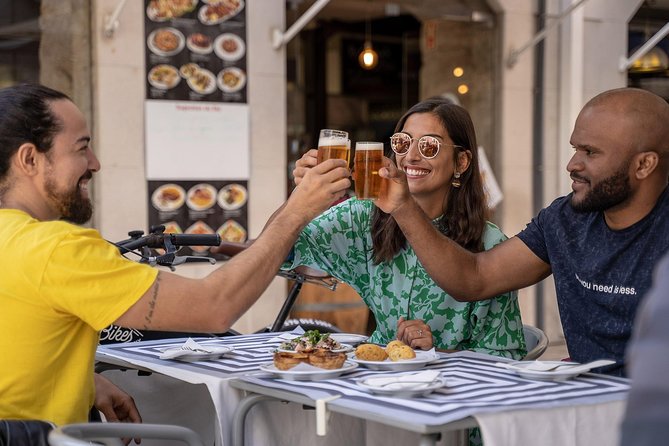
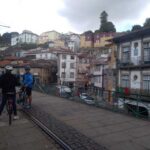
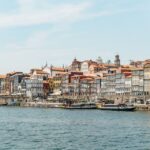
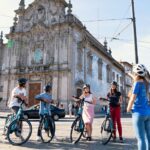
Ribeira is the “start looking like Porto” zone. This is one of the oldest typical areas in town, sitting right along the Douro River, and it’s part of Porto’s Historic Center (the UNESCO World Heritage area).
On a bike, you’ll glide past the parts that make Ribeira feel theatrical—stepped facades, river activity, and tight streets that don’t read as clearly on foot. What changes your experience, though, is the guide’s framing: the guide connects what you see to why it mattered for trade, power, and daily life.
If you like history explained in plain language, this is the stop where that style shows. Several guides got named in reviews for being funny, friendly, and strongly story-led—Sophia and Igor were specifically praised for turning the ride into something you actually remember.
Alfândega Nova do Porto: customs-house architecture with a shipyard feel
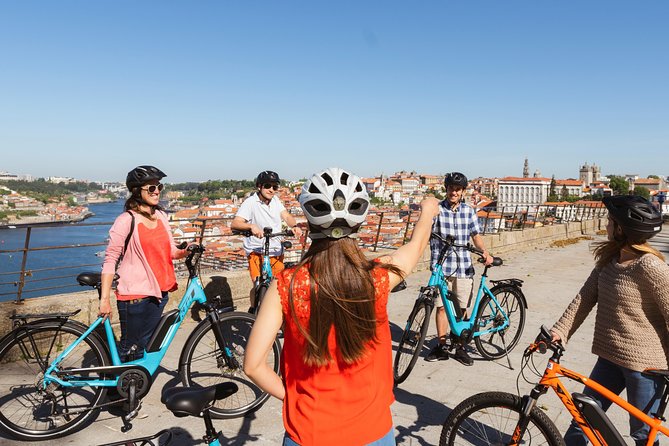
Next comes the New Porto Customs House, the Alfândega Nova do Porto, completed in 1879. You’re not just told it exists. You learn how it was built, and why the company behind it sounds familiar.
This stop gets extra interesting because the same building company is tied to other Porto landmarks. The guide links Alfândega Nova do Porto to the firm that helped make the D. Luís I iron bridge in Ribeira. Even if you don’t geek out on architecture, the connections make the city feel designed, not random.
Practical note: customs houses aren’t always pretty in the way churches are. But viewed from the right angle and explained by a good guide, they become proof of how Porto functioned—goods moving, money tracking, and the river acting like the main highway.
Dom Luís I Bridge viewpoints and the Porto–Gaia connection story
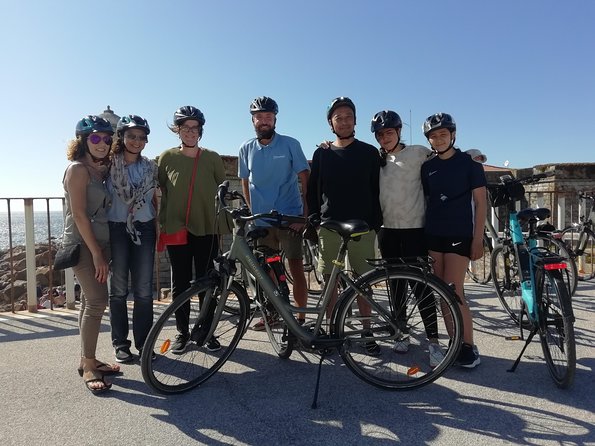
You’ll cycle to areas that look toward the Douro and the Dom Luís I Bridge. This is a highlight for a simple reason: the bridge is a visual anchor, and from the right riverside spots it turns the city into a layered panorama.
There’s also a specific connection story built into the route: the bridge was built as an alternative connection between Porto and Vila Nova de Gaia. And the tour includes the detail that at the time of its 1963 construction, it had the biggest concrete arch in the world.
Even if you’ve seen pictures, the benefit of riding there is timing. You’ll see how the river and streets line up, and how the bridge fits into the flow of daily movement. It’s easier to understand Porto’s geography when you’re moving through it.
Riverside garden retreat: the calm break with big views
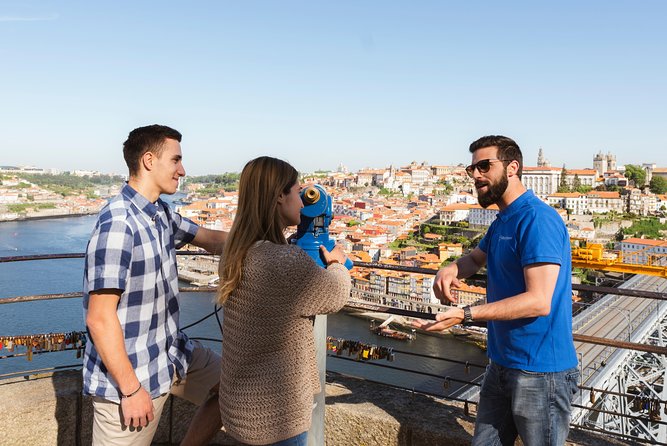
After the heavier historic stops, the tour shifts to a more peaceful riverside garden retreat—lush greenery, quiet paths, and views back over the Douro and the bridge area.
This is where the pacing often feels smart. You’re not just grinding through sights. You get a breather where the guide’s comments can land because you’re not fighting pedal fatigue and traffic noise.
If the weather turns, this is also the kind of spot where you’ll appreciate having rain-friendly timing. One reviewer mentioned Sophia offering her jacket when it started raining. That kind of practical care is exactly what you want from a guide on a river ride, since Porto weather can change fast.
You can also read our reviews of more guided tours in Porto

Foz Velha area: ancient settlement clues and King John IV
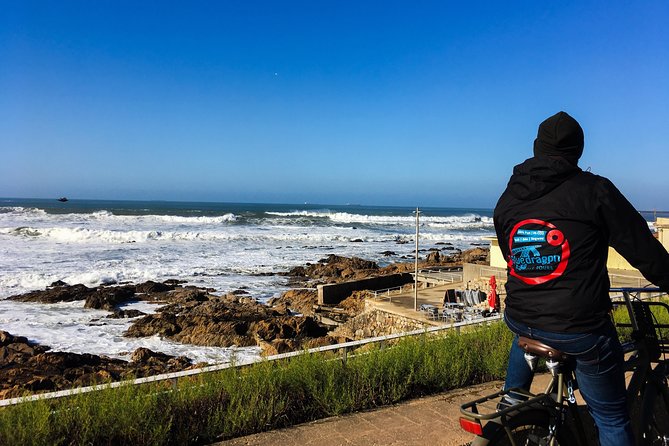
The ride continues into the Foz Velha side of Porto, where the vibe gets a little more coastal and open. The tour includes two standout “how old is this” moments.
First: the area’s first settlement dates back to the 6th century. Second: in the 15th century, King John IV ordered new fort construction.
You’ll feel these points more than you’ll “see” them. Porto doesn’t hand you ancient ruins like a textbook. It gives you layers: older place-names, fort-age stories, and street lines that suggest long-term occupation.
If you’re traveling in a short window—say you have one afternoon and you want the city’s timeline in your head—this stop helps a lot.
City Park to the Atlantic: finishing with space, not just more photos
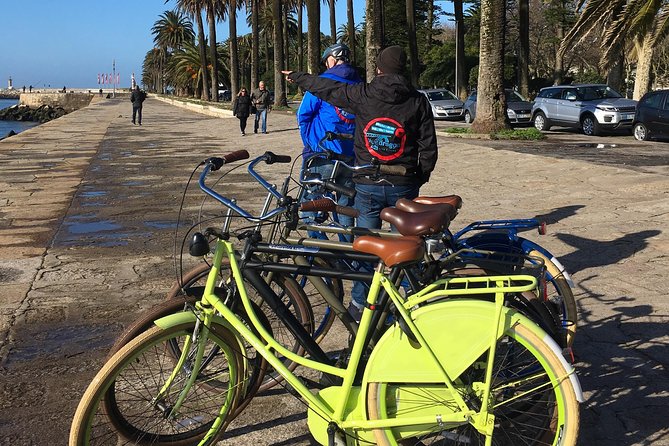
The final stretch leans toward City Park, described as the largest urban park in Portugal—83 hectares—and extending as far as the Atlantic Ocean. That’s not just trivia. It changes the way the ride feels.
Instead of always being squeezed by old streets, you get a finishing environment with room to breathe. You can hear a little more, see further, and reset after cobblestones and tighter lanes.
One more reason this end matters: after the bridge and riverside viewpoints, you’re ready for a visual “wide frame.” Ending with park space helps the whole route feel balanced—historic intensity plus open air.
E-bike vs regular bike: what to expect on Porto’s hills
Porto has hills. That’s not news, but it matters when you’re choosing a bike tour versus walking. Reviews repeatedly mention electric assistance as a big help, making hills much easier.
That said, you should take one complaint seriously: one reviewer felt the e-bike had older power and didn’t have quite enough push compared to newer models, making hill climbs harder than they expected. Another comment warned that the experience isn’t for nervous riders or people who only bike on smooth pavement.
So here’s the practical way to think about it:
- If you want an easier hill day, the e-bike setup is a major plus.
- If you’re sensitive to uneven road conditions, start with your comfort level in mind, not just your fitness.
If you’re not confident, listen closely during the pre-ride practice. Ask questions before you roll out. It’s okay to be cautious.
Road feel, group pace, and how guides keep it calm
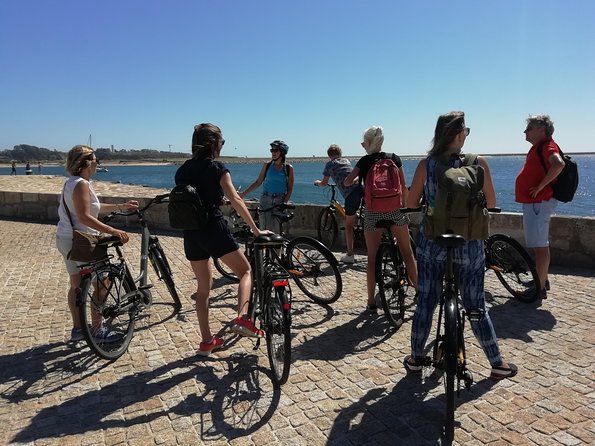
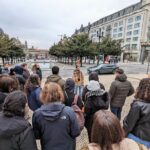
This tour runs with a maximum of 15 travelers. That small cap is a big part of why the experience works. You’re not dodging a huge pack; you’re following a guide who can manage tighter gaps and maintain a steady rhythm.
Reviews also highlight that some guides are great at pacing. People praised guides for being funny and kind, answering questions, and helping everyone keep a comfortable speed. In one case, a guide managed a nervous passenger and kept the group moving without turning it into a slow-motion disaster.
But there are tradeoffs. One reviewer felt the ride was too slow because the group kept dealing with pedestrians and a light coasting style that forced frequent braking on downhill segments. That won’t happen the same way every time, but it’s a useful heads-up: Porto’s streets are shared space, and if your ideal is a faster ride, you might want to keep expectations flexible.
For anyone considering this because you want facts, not just motion: many guides were praised for mixing history with real humor and clear explanations, and for adding extra stops of interest.
Price and value: what you’re paying for at about $47
At $47.16 per person for roughly three hours, the value comes from four things that work together.
1) You’re paying for guidance, not just bike rental. Live commentary and stop-by-stop explanations make the route more than a scenic loop.
2) The tour includes bike + helmet + briefing/setup lesson. You don’t have to solve the gear issue first.
3) You get an insurance layer listed by the company (company liability and personal injury insurance). That won’t stop bumps, but it’s part of a responsible operator.
4) You get a route you’d likely skip on your own: Ribeira and Alfândega Nova, plus the bridge-and-Foz storyline and the park finish.
If your goal is to learn Porto quickly while covering more ground than walking, this price makes sense. If your priority is long stops and a very relaxed, stroll-like pace, you might decide something else fits better.
Who should book this Porto bike tour (and who should skip it)
This tour is a strong fit if you:
- Want a fast orientation to Porto in one outing.
- Feel comfortable riding near cars or in mixed traffic.
- Like history told through places, not through a slideshow.
- Appreciate a guide who helps you feel safe early in the ride (many reviews specifically praised this).
You might skip it (or choose a different format) if you:
- Are very nervous about biking on cobblestones or downhill sections.
- Only bike on smooth, closed pavement and would struggle in real streets.
- Have trouble riding independently, since the company notes you may be asked to demonstrate competence.
It also isn’t ideal if you prefer a quiet, mostly car-free route only. Porto’s streets are active, and this tour goes where the city actually is.
Should you book it? My decision guide
Book it if you want the shortest path to understanding Porto’s riverside geography, the Historic Center connection, and the story behind major landmarks like the Alfândega Nova do Porto and bridge viewpoints. The strongest signal from reviews is how guides like Sophia, Igor, Carla, Alejandro, Beatriz, and Maria made the ride feel both fun and educational, with many guests calling it a top highlight.
Skip it if you’re not comfortable with street biking. One cautious review said it’s not for nervous riders or people new to biking beyond pavement. Given that, your biking confidence matters more than your motivation.
If you’re unsure, think like this: you’re not booking for a casual bike cruise. You’re booking a guided city ride with real streets—so show up ready, listen during the setup, and dress for rain just in case.
FAQ
How long is the Porto old town and riverside bike tour?
It runs for about 3 hours.
What’s included in the tour price?
Included items are a local guide, bike and helmet, a general briefing and bike adjustment lesson, the guided bike tour with live commentary, and company liability/personal injury insurance.
Is the tour in English?
Yes, it’s offered in English.
Does the tour run in bad weather?
Yes. The tour operates in rain, so you should dress for the weather.
Do I need to be an experienced cyclist?
You must be able to properly ride a bicycle and be reasonably competent to ride on the road. The company may ask you to demonstrate competence.
Are there height or weight requirements?
Yes. Participants must be at least 1.3 meters tall and not exceed 118 kg.
How big are the groups?
The tour has a maximum of 15 travelers.