REVIEW · PORTO
Porto: Pastel de Nata Cooking Class with Porto Wine (Lapa)
Book on Viator →Bookable on Viator
Pastel de Nata is serious business in Porto. This class keeps it practical, letting you make the custard and bake your own Pastéis de Nata near Sé do Porto, with Port wine and step-by-step guidance. I love the hands-on turn-taking (you actually do the work, not just watch), and I love how the hosts like Teresa and Filipe keep things calm and clear. One thing to know up front: the puff pastry is pre-prepared, so you’re not making dough from scratch.
You’ll meet at Domus Arte 2, a Concept Store in Porto, and the experience stays friendly and small, with a maximum of 15 people. Expect English instruction, a cozy workspace, plus snacks and coffee while you learn the basics (including a short intro to the Pastel de Nata story in Portugal), then leave with a recipe and a transport box for what you take away.
In This Review
- Key things you’ll notice right away
- Pastel de Nata in Porto: a small workshop that feels like real skill-building
- Where Domus Arte 2 sets the tone (and why the location matters)
- A 90-minute flow: how the class actually runs step by step
- 1) Start with the story, then get moving
- 2) Custard filling is the main skill
- 3) Turn-taking means you actually participate
- 4) You bake, then eat at the right moment
- The Port wine and snacks part: why it’s not just extra
- What you take home: recipe confidence and a transport box
- Price and time: is $42.17 a smart use of an afternoon?
- Who this is best for (and when to consider private)
- Small details that make or break a cooking class
- Should you book this Pastel de Nata class near Sé do Porto?
- FAQ
- How long is the Pastel de Nata cooking class in Porto?
- What’s included besides the cooking?
- Will I get to bake Pastéis de Nata?
- Is the puff pastry made from scratch in the class?
- Is the class offered in English?
- What’s the meeting point address?
- Can I get a full refund if my plans change?
Key things you’ll notice right away
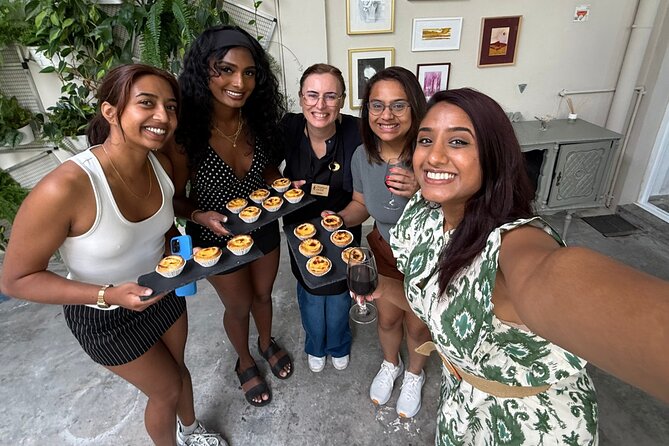
- You cook, not just spectate: participants share prep tasks and each person makes several Pastéis de Nata.
- Custard + baking are the focus: pastry dough is ready; your main job is filling and baking well.
- Small-group energy: limited to 15 people, so questions don’t get swallowed.
- Port wine with the workshop: you’re offered Port wine plus coffee, juice, and water as you work.
- Hosts share extra tricks: instructors give tips beyond what’s written in the recipe.
- You take pastries home in a box: a transport box is included so your results survive the trip back.
Pastel de Nata in Porto: a small workshop that feels like real skill-building
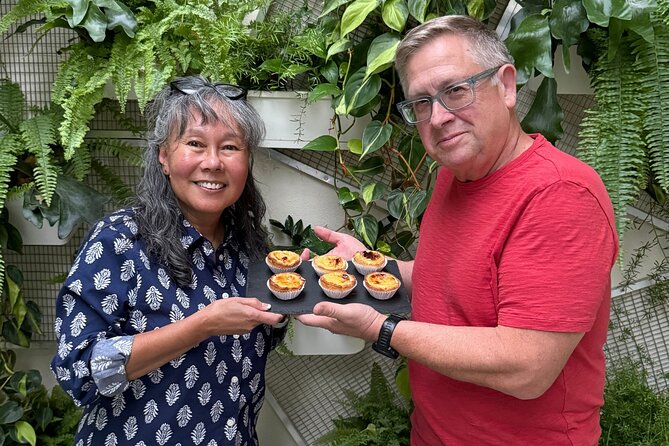
If you like learning by doing, this is a smart choice. Pastel de Nata can feel mysterious from the outside. In a bakery, it looks magical. In the workshop, it turns into clear steps: filling, portioning, shaping the cups, baking, and then eating while it’s at its best.
What makes this class feel worth your time is the balance. You’re not stuck in a long lecture. You’re not also handed a complicated project where you can fail quietly. Instead, you work in shared turn-taking, with guidance that keeps the group moving at an approachable pace.
I also like that the experience builds confidence. You’re not just leaving with a souvenir pastry. You leave with a house-made recipe to recreate it at home. That’s the difference between tasting something in Porto and actually bringing the technique back with you.
And yes, there’s the fun factor: Port wine, coffee, juice, water, and snacks keep the mood relaxed. It’s the kind of food activity that works whether you’re traveling solo or coming as a small group.
You can also read our reviews of more cooking classes in Porto
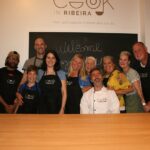
Where Domus Arte 2 sets the tone (and why the location matters)
The meeting point is Domus Arte 2, Rua de Antero de Quental 228, 4050-052 Porto. It’s a Concept Store setup, which changes the feel compared to a typical cooking school that looks like it belongs to a different planet.
This matters because you’re in the middle of Porto’s everyday texture. You’re near Sé do Porto, so before or after your class you can walk off the sugar with a quick stroll and get your bearings fast in the historic core.
It’s also practical: the tour starts and ends back at the meeting point, so you’re not juggling transportation once you’re done. The class is near public transportation, and there are bathrooms available. Those sound like boring details until you’re actually planning your day and want everything to stay easy.
One more small plus: the workshop environment is described as modern and well equipped, with access to traditional handicrafts or souvenirs nearby. So if your inner pastry nerd also wants a little shopping time, this place gives you that.
A 90-minute flow: how the class actually runs step by step
The workshop runs about 1 hour 30 minutes. That’s a good length. Long enough for real learning. Short enough that you won’t feel like the afternoon evaporated.
Here’s what the session centers on:
1) Start with the story, then get moving
You get a short introduction to the Pastel de Nata history in Portugal. It’s not a deep lecture. It’s the kind of context that helps the food feel grounded, not random.
Then the instructor shifts you from background to action. This is where the class earns its place: the pacing is designed so you’re working with your hands, not staring at a screen.
2) Custard filling is the main skill
The focus is on preparing the custard filling and the baking process. The puff pastry is already prepared, so you’re concentrating on the part that often scares home bakers: getting the filling right and baking it so it turns out properly.
In a practical workshop, this focus matters. If you had to create pastry dough from scratch as well, the class would turn into chaos for most people. Here, the goal stays clear. You can learn the technique without needing advanced baking experience.
You can also read our reviews of more wine tours in Porto


3) Turn-taking means you actually participate
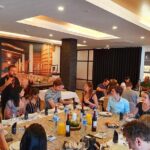
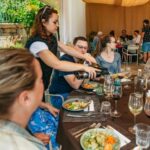
Participants take turns actively preparing the recipe. Shared work is common in cooking classes. The difference here is that the format is explicitly designed for you to be involved in the stages, not just standing around waiting for someone else to handle everything.
If you want full individual participation in every stage, you’ll need to ask about a private workshop option. That’s a helpful note if you’re the type who wants complete control of the process.
4) You bake, then eat at the right moment
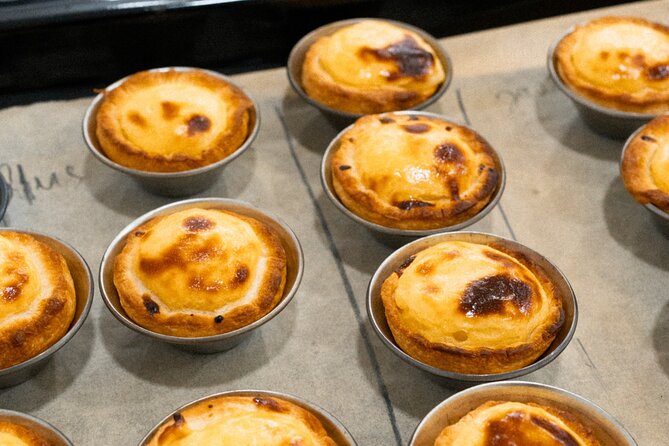
The workshop includes baking, so your results are ready during the session. The best part of Pastel de Nata is hot and fresh. A class like this gives you that timing advantage—you’re not waiting a day to find out if your bake worked.
And because each participant makes several Pastéis de Nata, you’ll get enough output that it feels like a real return on time, not just one tiny pastry.
The Port wine and snacks part: why it’s not just extra
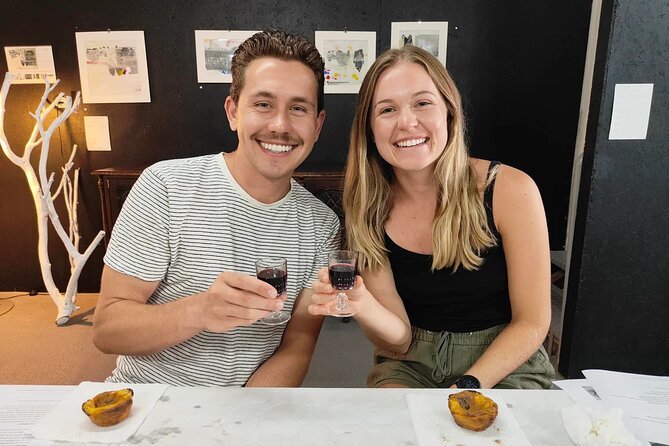
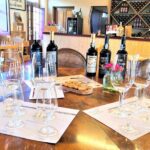
This class includes a food-and-drink setup while you work: Port wine, juice, water, coffee, and a selection of sweet and savory snacks.
You might wonder if that’s just a perk. It is. But it also affects the experience in a useful way. When you’re doing hands-on cooking, you want the room to feel relaxed, not stressful. A slow, friendly atmosphere makes it easier to focus on the steps the instructor is teaching you.
It also helps you enjoy the process. Pastel de Nata can be a little technical in the oven stage. The added comfort of snacks and drinks makes the learning moment more fun, and you’re less likely to feel rushed.
And because coffee is part of the mix, it’s easy to treat the workshop like a planned afternoon break rather than squeezing it between two intense sightseeing blocks.
What you take home: recipe confidence and a transport box
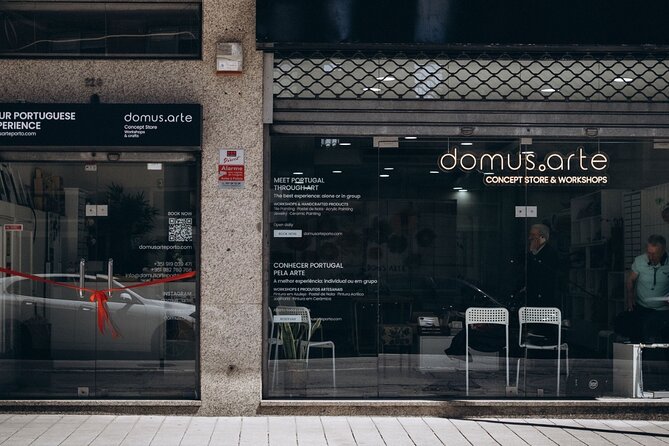
The takeaway is one of the best values here. You leave with the recipe to recreate Pastel de Nata at home. That’s the key to making this more than a one-off meal.
You also take home pastries. Each participant prepares several Pastéis de Nata, and you can enjoy them on site or take them away. A transport box is included, which is a big deal when you’re trying to keep pastry crisp and not turn your bag into a custard sponge.
This is where the class beats the classic food-tour model. A food tour can be great for tasting. This one gives you a repeatable outcome.
If you’re the kind of traveler who brings home one practical thing from every trip—skills, not just photos—this fits your style.
Price and time: is $42.17 a smart use of an afternoon?
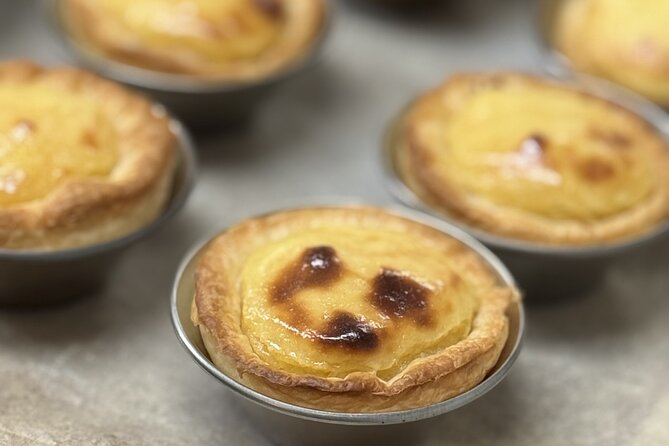
At $42.17 per person, a 1 hour 30 minute cooking class may sound pricey compared to buying a pastry and calling it a day. But the math changes when you look at what’s included:
- You get Port wine plus coffee, juice, and water.
- You get snacks (sweet and savory).
- You get hands-on instruction while you bake.
- You get the recipe.
- You get pastries made by you, plus a transport box.
In other words, you’re paying for instruction, ingredients and equipment, and the whole guided experience. That’s the part you can’t easily recreate with a supermarket cookie mix.
The small-group size cap of 15 people also matters here. You’re more likely to get personal attention if something goes off. And at this price point, that’s a real value signal.
One more practical note: this class is commonly booked about 10 days in advance on average. If you’re traveling in busier seasons or you want a specific day, don’t wait until the last minute.
Who this is best for (and when to consider private)
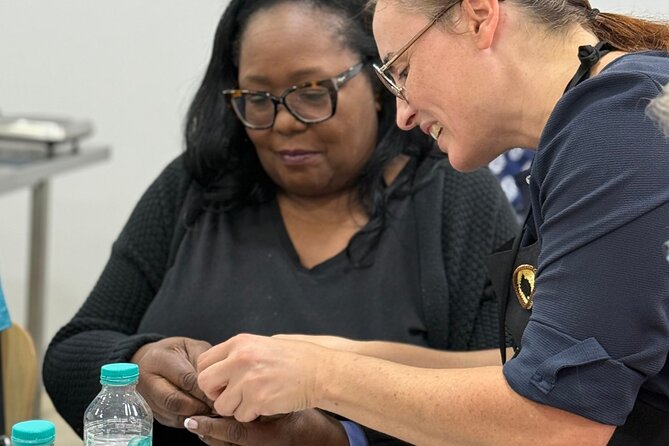
This class is a great match for:
- Food lovers who want a local technique, not just a tastings walk.
- Couples or small groups who want an activity that feels social but still structured.
- Travelers who like cozy indoor time when Porto weather changes your plans.
It’s also a good fit if you’re an intermediate baker or a curious beginner. The pastry dough is pre-prepared, so you can focus on filling and baking rather than learning everything at once.
Consider a private workshop if:
- You want full individual participation in all stages.
- You have your heart set on controlling each step end-to-end.
- Your group’s pace is slower or faster than average and you’d rather not share turn-taking.
Small details that make or break a cooking class
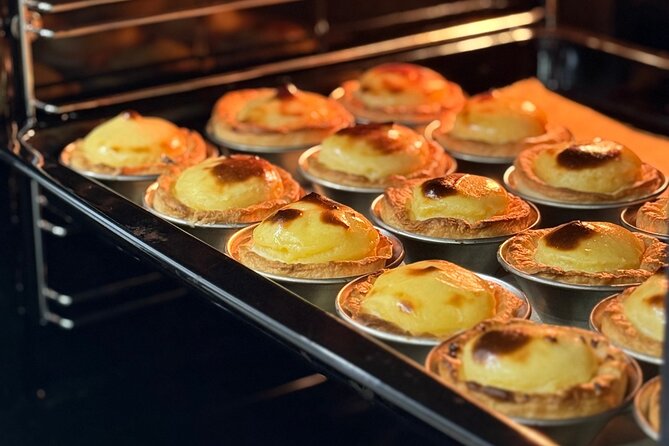
A few things in this experience push it above the average cookie-cutter workshop:
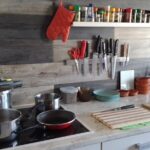
Cozy, well equipped workspace. The environment is described as cozy and professional, with good equipment, which helps when you’re trying to follow step-by-step instructions.
Clear guidance and patience. Multiple hosts are mentioned as warm, funny, and patient. That matters because baking outcomes can be affected by tiny differences, and you don’t want to feel rushed while learning.
Tips beyond the recipe. Some instructors share specific tips and tricks not written in the recipe. That’s the kind of practical knowledge that helps you succeed later.
Interactive group format. Sharing tasks means you stay involved. You learn by doing, and you’re not stuck waiting for your turn the entire time.
English instruction. If you don’t speak Portuguese, that comfort makes the difference between learning and just copying motions.
Should you book this Pastel de Nata class near Sé do Porto?
Book it if you want a hands-on, local Porto experience with real technique, friendly hosts, and a take-home result. It’s especially worth it if you’ve been thinking about making Pastel de Nata at home and you want a recipe plus the baking confidence to pull it off.
Skip or rethink it if you’re expecting a full from-scratch pastry workshop where you roll your own dough. The puff pastry is pre-prepared. You’ll still bake and fill, but you won’t learn every single stage of making the dough itself.
Also, if you’re short on time and you want the fastest possible Pastel de Nata hit, then a bakery stop might be simpler. But if you want an activity that turns Porto into skills you can use later, this class is a strong bet.
FAQ
How long is the Pastel de Nata cooking class in Porto?
The class lasts about 1 hour 30 minutes.
What’s included besides the cooking?
You get Port wine, juice, water, coffee, and a selection of sweet and savory snacks, plus a recipe and a transport box.
Will I get to bake Pastéis de Nata?
Yes. You focus on custard filling and the baking process, and each participant makes several Pastéis de Nata.
Is the puff pastry made from scratch in the class?
No. The puff pastry is pre-prepared, and you work on the custard and baking steps.
Is the class offered in English?
Yes. The workshop is offered in English.
What’s the meeting point address?
Domus Arte 2, Rua de Antero de Quental 228, 4050-052 Porto, Portugal.
Can I get a full refund if my plans change?
Yes. You can cancel for a full refund up to 24 hours before the experience starts (based on local time).