REVIEW · LISBON
Lisbon: Tapas & Drinks with Fado Live Performance
Book on GetYourGuide →Operated by Acordesoltos,lda · Bookable on GetYourGuide
Lisbon does emotional music like nowhere else. This Fado dinner pairs live singing with Portuguese tapas inside a centuries-old room that’s basically built for sound. You’ll sit at long tables in a cozy, dim-lit setting while three singers and Portuguese guitar players carry you through multiple sets.
Two things I especially like: the venue itself (a Pombaline building over a Roman theatre with 5-meter ceilings) and the way the show feels close-up and focused, not like background entertainment. One thing to consider first: the dinner is not a light snack. You’ll be served a lot of food, and it can feel heavy if you’ve already eaten or you dislike bean- and fish-forward dishes.
In This Review
- Key Things to Know Before You Go
- Entering a Fado Night Inside an 18th-Century Chapel
- The Building’s Secret: Roman Theatre Roots and Pombaline Stone
- What the Fado Performance Feels Like (Not Just What It Is)
- Portuguese Tapas Dinner: Eat Slowly, Because You’ll Get More
- Wine and Drinks: What’s Included, and Why the Value Feels Real
- Seating, Atmosphere, and How to Get the Most Out of the Night
- The Real “Why”: An Academy-Style Fado Night, Not a Factory Show
- Who Should Book This Fado Tapas Night
- Practical Tips Before You Go (So You Don’t Regret Anything)
- Should You Book Lisbon Tapas & Drinks with Fado Live Performance?
Key Things to Know Before You Go
- A historic chapel setting: More than a century of Fado tradition in an 18th-century space
- Built over a Roman theatre: Original stone arches and tall ceilings help the music land
- Fado with multiple singers: Different voices and styles, typically with breaks between sets
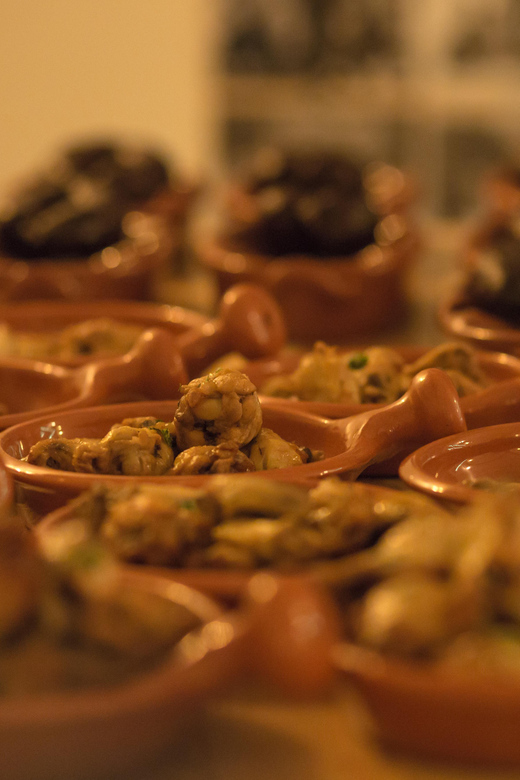
- Tapas-style dinner that keeps coming: Bean soups and classic Portuguese bites, served across the night
- Wine included with dinner: Red is served at the table, with reports it feels unlimited
Entering a Fado Night Inside an 18th-Century Chapel
If you want the real feeling of Lisbon after dark, this kind of night is hard to beat. Fado is intimate by nature—slow, emotional, and best experienced in a room where people actually listen. Here, that listening vibe is easy because the lighting is dim and the performance takes center stage.
The venue is run by the Associação do Fado Casto, and it’s described as more than a simple show space. Think of it as an academy-style home for Fado—where tradition and different generations meet. That matters, because it helps explain why the performances feel serious without feeling stiff.
You’ll also notice a very “Lisbon” rhythm to the evening: you eat, you settle in, and then the music turns the whole room quiet in a way that’s rare in big, loud tourist venues.
You can also read our reviews of more tours and experiences in Lisbon.



The Building’s Secret: Roman Theatre Roots and Pombaline Stone
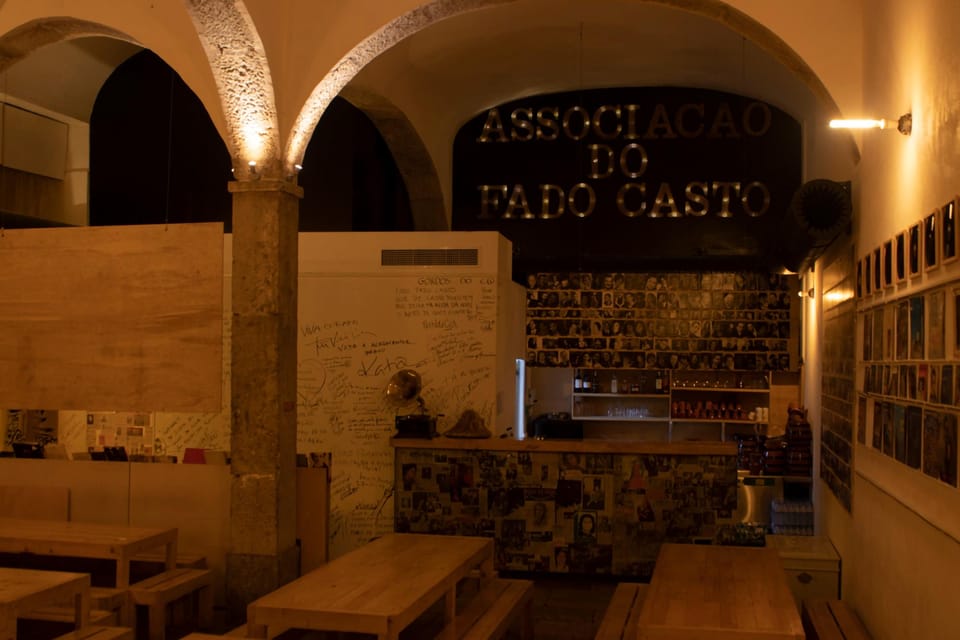
You’re eating and listening in a building with layers—Pombaline structure on top, Roman theatre beneath. The room has about 5-meter-high ceilings and original stone arches. That’s not trivia for trivia’s sake. Tall ceilings and stonework shape acoustics, and Fado guitar and vocals need that kind of support.
The space is also described as historic and cozy, not grand in a cold way. Instead of feeling like a museum, it feels like a working performance room. Dim light, close tables, and stone walls create a vibe where the music feels present, not distant.
If you care about atmosphere, this is one of the biggest reasons the experience earns such consistent high marks. A lot of Fado nights advertise the music. This one makes the room part of the show.
What the Fado Performance Feels Like (Not Just What It Is)
This isn’t a single singer popping in for one song. The night is structured around multiple Fado singers—often three distinct voices—and Portuguese guitar players that build the mood between vocal sets.
One common pattern: the performers do a set, there’s a break, then another set follows. That pacing keeps the emotion from turning repetitive. It also lets you hear how different voices deliver Fado—more sharp and biting with one singer, more wistful with another, depending on the style.
The room’s sound quality matters here. People describe the acoustics as excellent for both singers and guitar players, with performances feeling powerful and intimate. Even if you don’t speak Portuguese, the delivery carries. Fado is built for voice and phrasing, and the guitar support helps you follow the mood in the music.
Portuguese Tapas Dinner: Eat Slowly, Because You’ll Get More
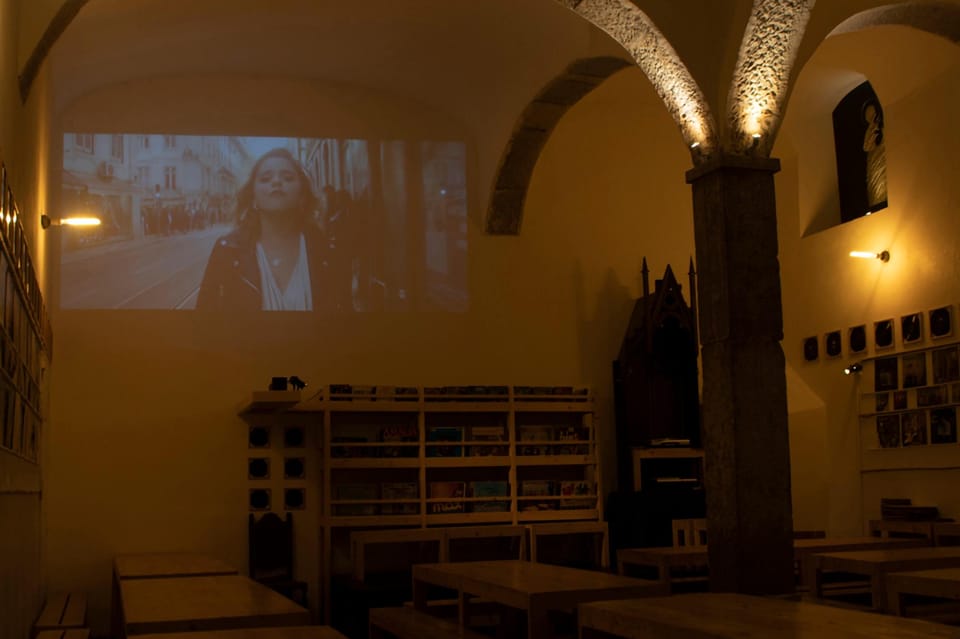
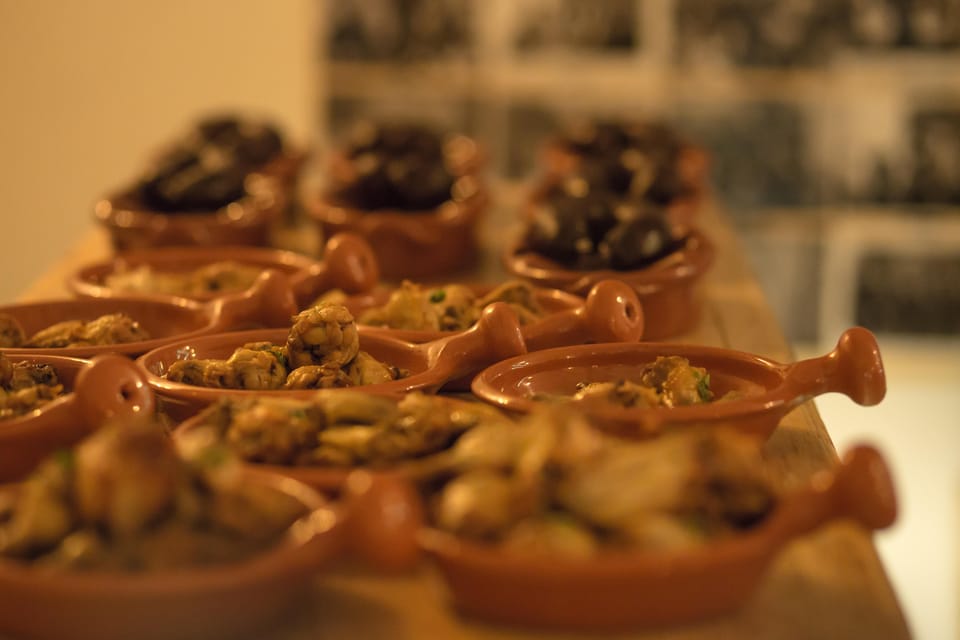
Start with the basics: this is tapas-style dining, not a formal course-by-course meal that disappears quickly. Expect finger-food Portuguese dishes served across the 3 hours. The menu is traditional, and it leans into classics from all over Portugal.
Items mentioned include:
- bean soup
- peixinhos da horta (small fried fish)
- pataniscas (Portuguese cod fritters)
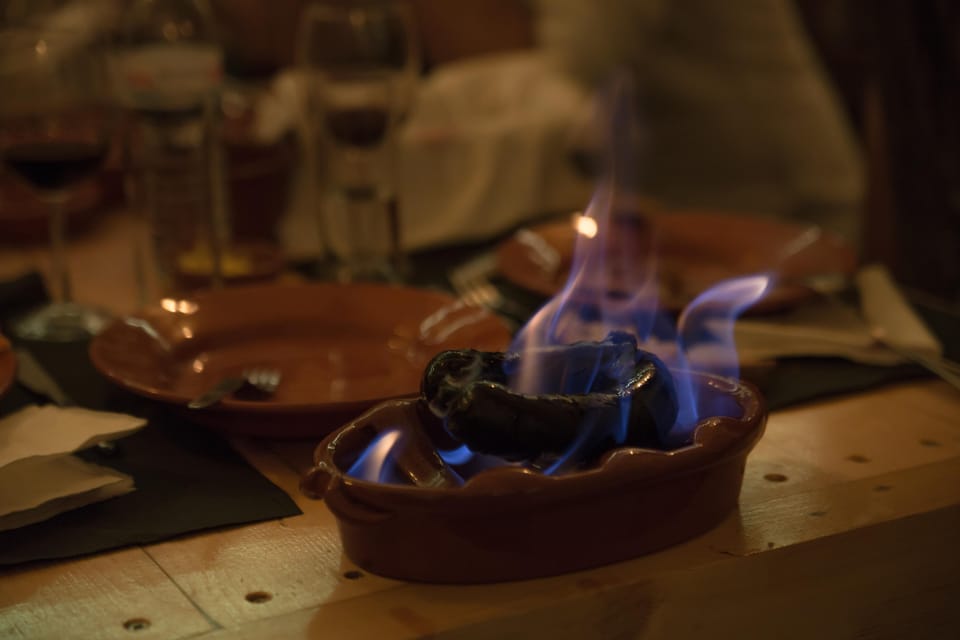
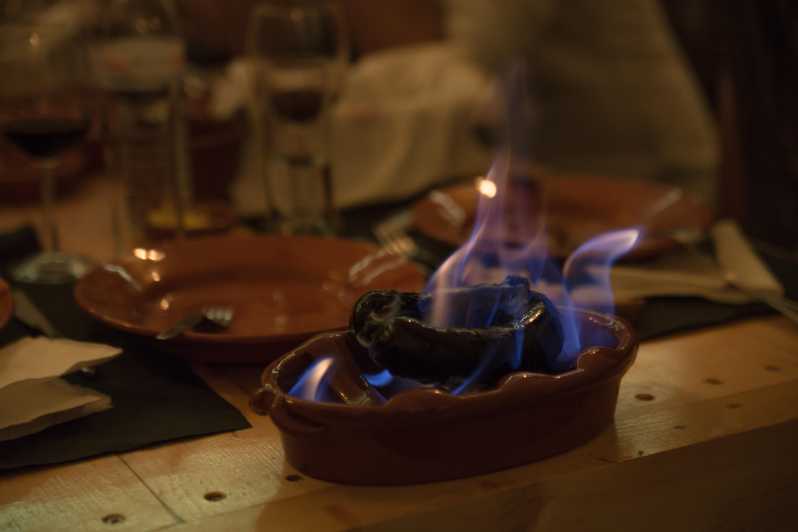
- chouriço assado (roasted sausage)
A key detail: portions are repeatedly described as generous, and not just in the small “tapas” way. Some people specifically warn not to eat before going, because the amount can surprise you. That’s great news if you want a full dinner experience, but it can be a downside if you prefer light food or you’re watching what you eat.
There’s also one fair caution to keep in mind: a small number of comments mention that some hot starters can be on the greasier side (especially if they’re fried). If you know you don’t enjoy heavier fried bites, consider going with low expectations for texture and aiming to pace yourself with the less fried items.
Wine and Drinks: What’s Included, and Why the Value Feels Real
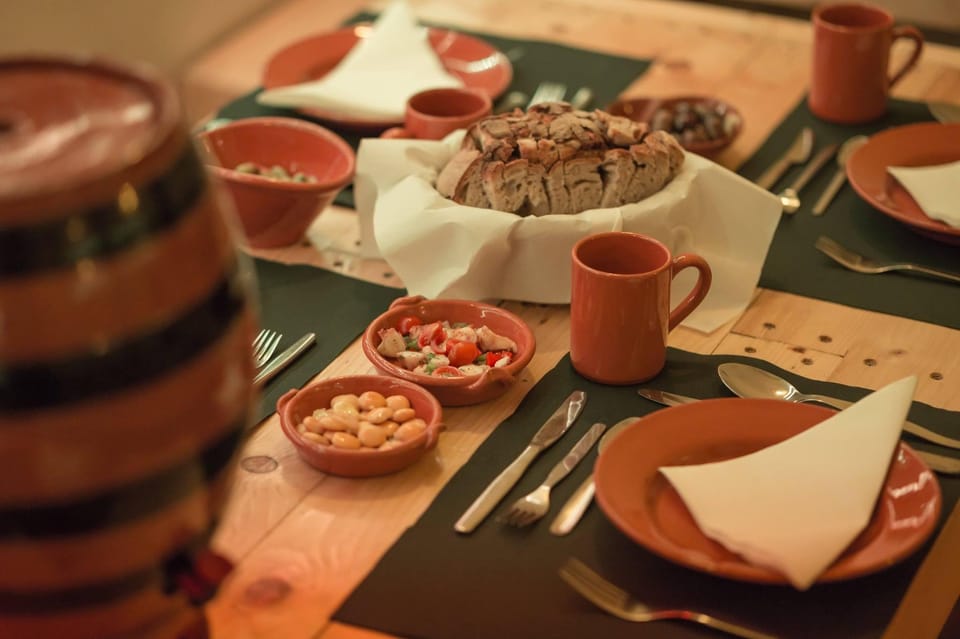
Price is $58 per person for a 3-hour experience that includes the Fado show, dinner, and wine. Spirits and cocktails are not included, so if your plan is heavy on cocktails, you’ll need to adjust expectations.
What makes the value feel strong is how the included drinks are handled. Wine is served at the table, and multiple comments describe it as essentially unlimited during the meal. Soft drinks are also part of the included setup.
So the money isn’t just paying for a seat at a show. It’s paying for a performance plus a proper dinner experience in a historic room—with wine in the mix. That combination is the core reason so many people rate it so highly for value.
If you want to be strategic: don’t treat the wine like a bonus only. Treat it like part of the evening rhythm. You’re staying seated at long tables while the show cycles through sets, so plan to slow down and enjoy the pace.



Seating, Atmosphere, and How to Get the Most Out of the Night
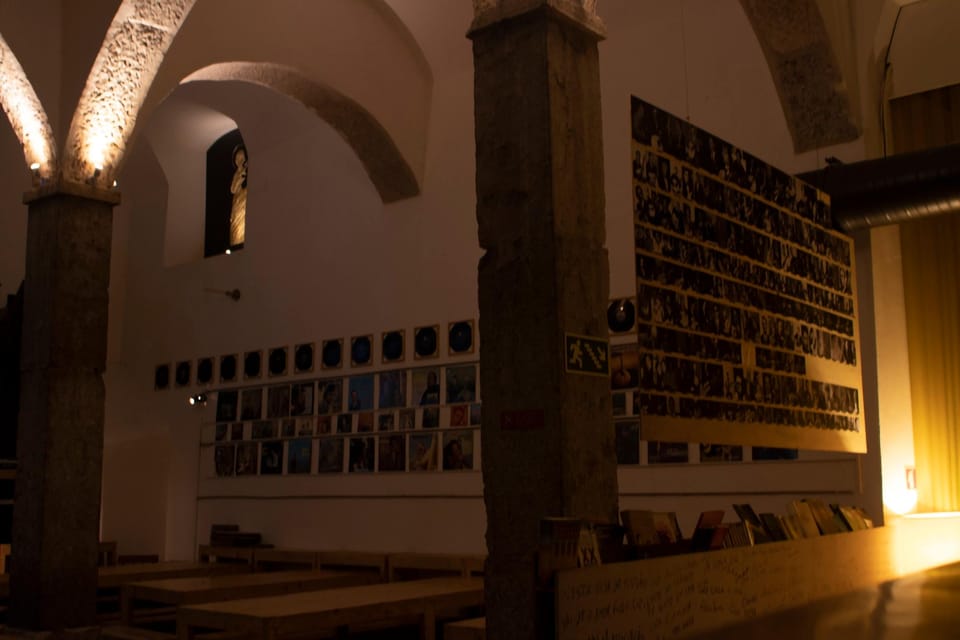
This is a sit-and-listen show. You won’t be walking around chasing views. You’ll likely be at long tables with other people, and the room is described as intimate and warm—especially on nights when it’s not packed.
One practical advantage: some people mention being seated close to the musicians, which can make the experience feel even more personal. You may not control the exact seat assignment, but arriving ready to settle in (and paying attention to where you’re guided) helps.
During the singing, the vibe shifts. People talk about how the room gets quiet while the artists perform. That’s your cue to do the same. If you’re craving a loud, party-style night, this may not match your taste. If you want something where the room listens and the emotions come through clearly, this is your kind of evening.
The Real “Why”: An Academy-Style Fado Night, Not a Factory Show
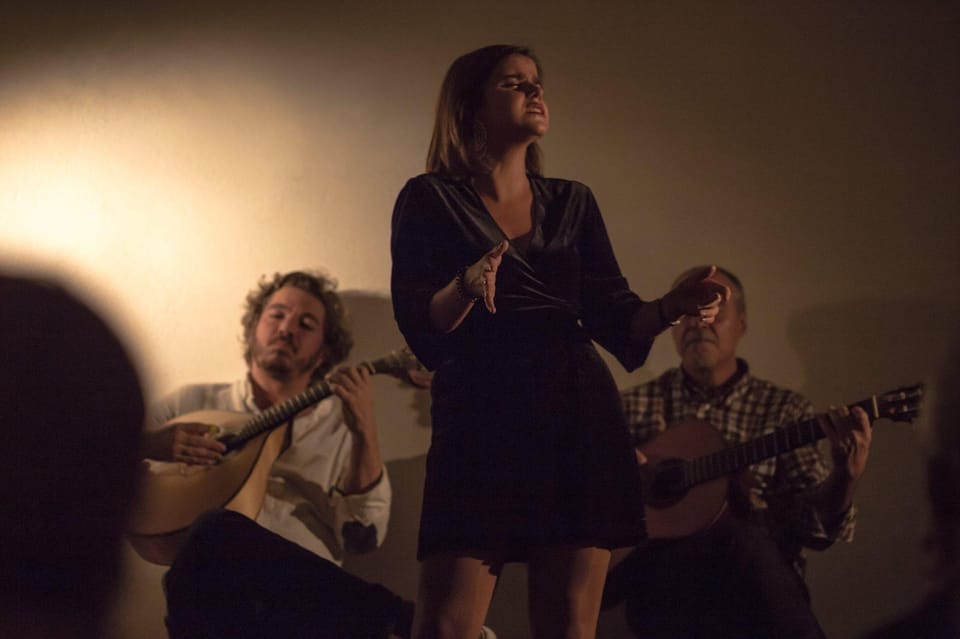
It’s easy to think of Fado as a single performance you check off. Here, the framing is different. The venue is described as an academy space—informal nights where musicians and fadistas from different generations overlap. That suggests the performances aren’t just assembled for tourists; they feel tied to the living culture of Fado.
You can also see this in how the evening is presented: the wall space includes a large collection of vinyl records, which gives the place a real music identity. It doesn’t feel like a generic restaurant that happens to have music. It feels like a place devoted to sound, rhythm, and Portuguese craft.
That devotion is why the best moments are more than the songs. It’s the focus: people are served, the room settles, and the music takes over.
Who Should Book This Fado Tapas Night
This works best if you:
- want live Fado but also want a real dinner (not just a small snack)
- like music in an intimate setting with strong acoustics
- enjoy Portuguese classics like fish fritters, bean dishes, and sausage
- want included wine without having to plan your drink order all evening
It’s a weaker fit if you:
- hate the idea of a lot of food served over time
- want spirits or cocktails included (they’re not)
- expect a high-energy, nightlife-style atmosphere
For first-time Fado listeners, this is especially sensible because you get multiple singers and guitar accompaniment—so you hear more sides of the tradition in one sitting.
Practical Tips Before You Go (So You Don’t Regret Anything)
Here’s how to set yourself up for the best night:
- Go hungry, but pace yourself. The food amount is a recurring theme, and you’ll likely feel it by the end.
- Expect a quiet listening experience. Save your loud group chatter for before the sets begin.
- Look for close seating if you care about sound. Some people report sitting right by the musicians, and that’s where Fado can feel most personal.
- Plan around heavier bites. There are fried items and bean-based dishes on the menu. If you’re sensitive to greasy foods, go slow with the hot starters.
- Know it’s a fixed dinner flow. This isn’t a choose-your-own tapas situation. You’ll be served what’s planned for the evening.
Also, if you’re visiting in a smaller group, the intimate setup can feel even more special because you’re not fighting for space in a huge room.
Should You Book Lisbon Tapas & Drinks with Fado Live Performance?
Yes—if you want one of Lisbon’s best “music plus dinner” formats. For $58, you get a real Fado show, a traditional Portuguese tapas-style dinner, and wine included in a historic setting built to make the sound work. The venue and the way the night is run are the big part of the value, not just the music poster.
I’d hold off only if you’re looking for light dining, cocktail-focused drinks, or a loud party vibe. Otherwise, this is one of those nights where the room, the food, and the singing all cooperate—and that’s exactly what you want in Lisbon.