REVIEW · PORTO
Porto: Intimate Fado Show & Port Wine in Trindade Noble Hall
Book on GetYourGuide →Operated by Presidencial Fado · Bookable on GetYourGuide
Fado hits harder in a small hall. This intimate show in Trindade Noble Hall pairs heartfelt live fado with a choice of four Port styles, and I like how the host explains the music in several languages; one practical catch is that the entrance can be a little tricky to locate at first.
If you want a short, classy Porto night before dinner, this is built for you: a focused 1-hour performance near Aliados Avenue, with limited seating so the musicians feel close and the hall’s acoustics do the heavy lifting.
In This Review
- Key Reasons This Works So Well
- Getting Oriented: Trindade Church and the Spot That Trips People Up
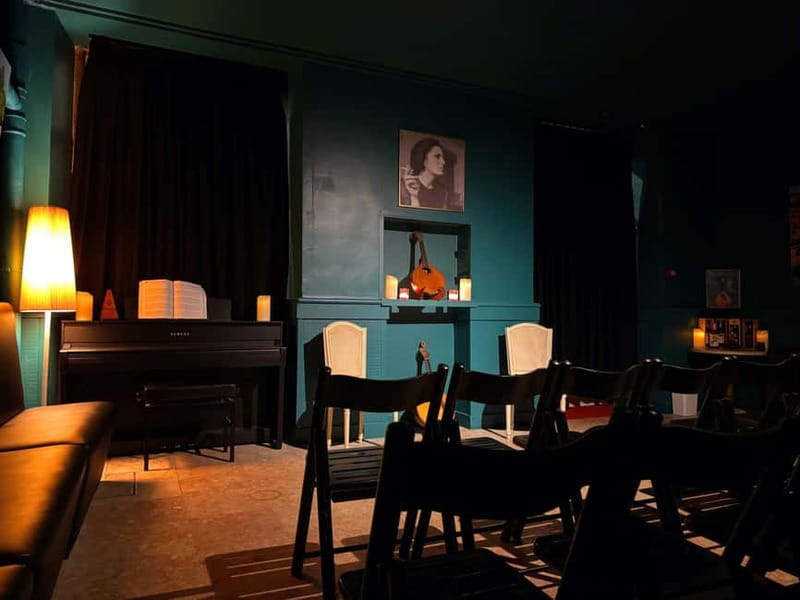
- Inside Trindade Noble Hall: Where Intimacy Is the Whole Point
- What Happens During the 1-Hour Show (and Why It’s Not Too Much)
- Meet the Performers: Live Music That Still Feels Human
- The Port Wine Part: A Simple Tasting You Actually Choose
- Value Check: Is $19 a Good Deal for Porto Fado?
- Location: Aliados Avenue Ease, Trindade Church Reality
- Who Should Book This Fado and Port Show
- Should You Book It?
Key Reasons This Works So Well
- Trindade Noble Hall setting: High-ceiling, historic space that makes each note feel personal.
- Limited seating for real closeness: Not the big-auditorium style, so you actually hear and watch.
- Multilingual storytelling during the songs: Portuguese, English, Spanish, and French explanations of fado and instruments.
- Pick your Port style (Dry White, White, Rosé, Ruby): Your ticket includes one glass, but you choose the type.
- A tight, 1-hour format: Enough time to understand the basics without burning your evening.
- Skip-the-line entry: You start the night without fuss.
Getting Oriented: Trindade Church and the Spot That Trips People Up

The meeting point is simple on paper: the entrance next to Trindade Church. In practice, a couple of things can slow you down—mainly because Porto’s map pin sometimes nudges people toward the wrong building side, or you end up assuming the show is where other famous fado performances used to be (São Bento area).
Here’s my practical trick: use the church as your anchor. One review specifically notes that the entrance is often to the right of the church entrance. If you’re standing in front of the church and something feels off, don’t keep walking in circles—re-check that right-hand side, then look for the show entrance signage or staff.
Also, plan to arrive a few minutes early. Not for stress—just so you can settle in, pick your spot, and start with your Port glass without feeling rushed.
You can also read our reviews of more wine tours in Porto


Inside Trindade Noble Hall: Where Intimacy Is the Whole Point
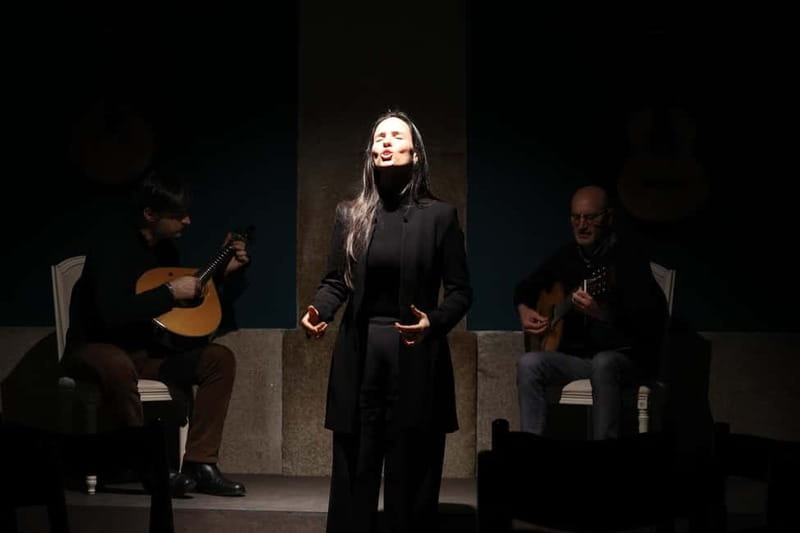
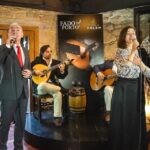
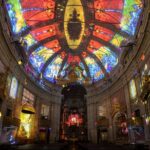
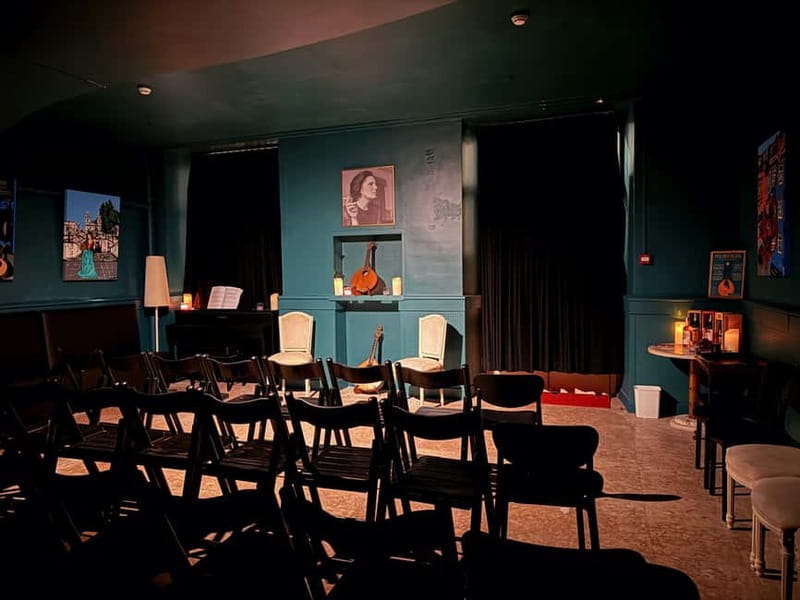
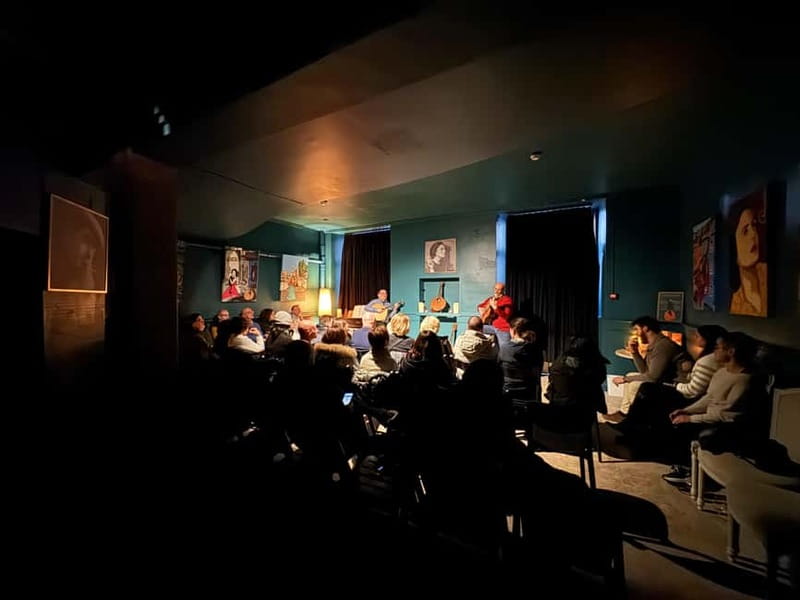
This is the heart of the experience. The Noble Hall of the Ordem da Trindade is the kind of room where the architecture does more than look pretty—it shapes the sound. With limited seating, you’re not lost in a crowd. You’re close enough to catch the musicians’ details, and that matters for fado, which lives in tiny changes in tone and rhythm.
The hall also creates a “quiet focus” effect. Several people specifically highlight that, even with Porto’s bustle outside, the music stays clear inside—so you’re not fighting noise. In a smaller venue, fado can feel like you’re eavesdropping on something private, which is exactly what the genre’s emotional style is built for.
If you’re the type who loves old-world rooms with high ceilings and a bit of drama in the lighting, you’ll probably enjoy this venue even if you don’t yet know what fado means. The setting helps you feel it.
What Happens During the 1-Hour Show (and Why It’s Not Too Much)
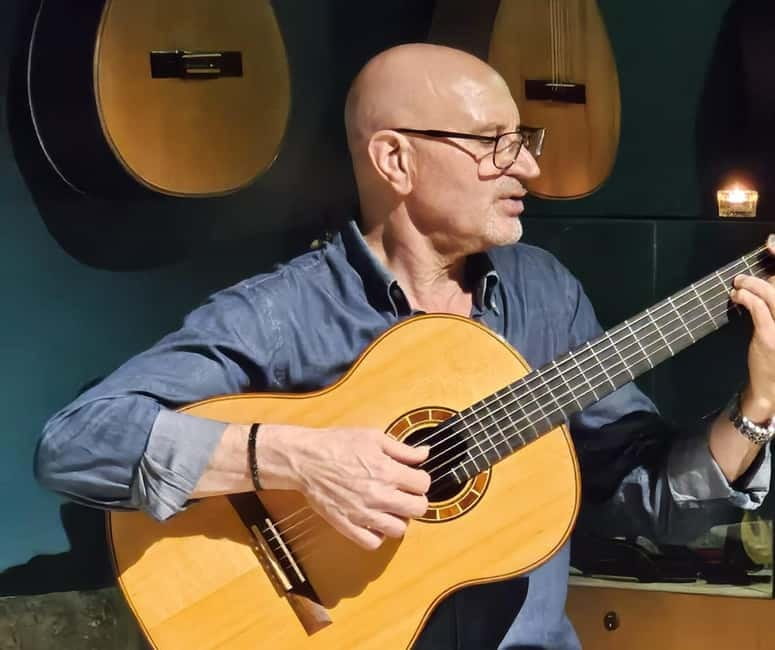
You’re getting a compact package: one hour of live fado plus a guided explanation. The format is built around the idea that you don’t have to be fluent in Portuguese to get the point.
Typically, the show flows like this:
- You enter and start with Port
You receive your included glass right away. People note this as a nice on-ramp: you sip while the tone sets and you’re ready to listen.
- The performer(s) explain what you’re hearing
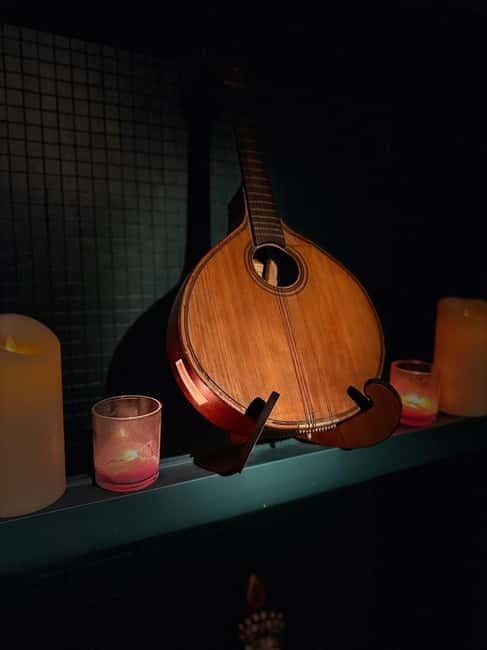
The host or singer provides background on fado and the instruments. The key detail is multilingual delivery—Portuguese, English, Spanish, and French—so you’re not stuck guessing.
- Live singing and guitar work, with stories between songs
Fado songs carry themes of longing, love, and saudade. The explanations between pieces help you connect the lyrics to the tradition and the instrument sounds, so the hour feels like learning without turning into a lecture.
One practical advantage of the timing: it fits before dinner like a “cultural appetizer.” You won’t feel like you lost half your day, and you’ll still be hungry after.
Meet the Performers: Live Music That Still Feels Human
This isn’t a background-accordion kind of entertainment. It’s professional fado performed in a way that keeps the audience involved—especially through the storytelling.
From the experience description and the on-the-ground feedback, you should expect:
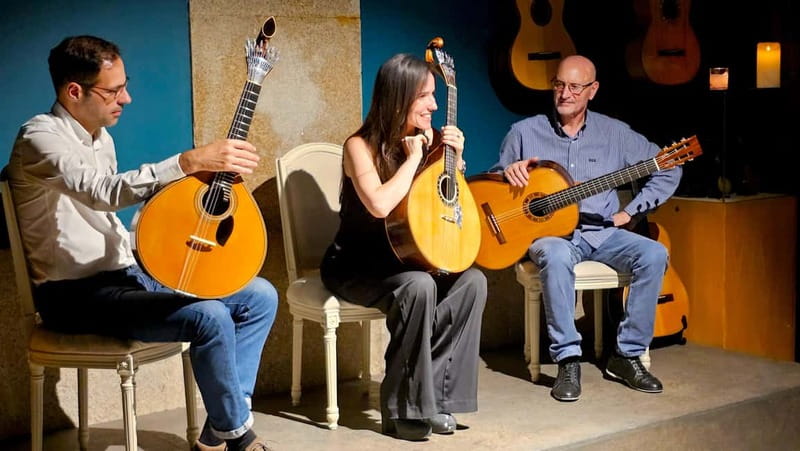
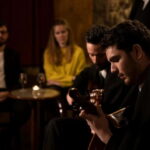
- Professional singers and musicians, with a focus on traditional fado instrumentation.
- Short, understandable explanations of instruments and meaning, delivered by the host/singer.
- A sense that the singer is actively performing to the room, not just singing at you.
A few names show up in past show accounts—like hosts described as Anna or Margarita, and musicians identified as Artur, Anton, Hugo, or Antonio. Those won’t be guaranteed for your night, but they’re useful for one thing: they signal that the ensemble is real, not a rotating “generic” backing track. You’re seeing artists.
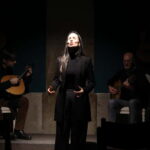
One small performance detail worth knowing: one review mentions the female singer sometimes performs with eyes closed. Even if it doesn’t happen every night, that kind of stage behavior is part of how fado communicates emotion without needing a translation screen.
The Port Wine Part: A Simple Tasting You Actually Choose

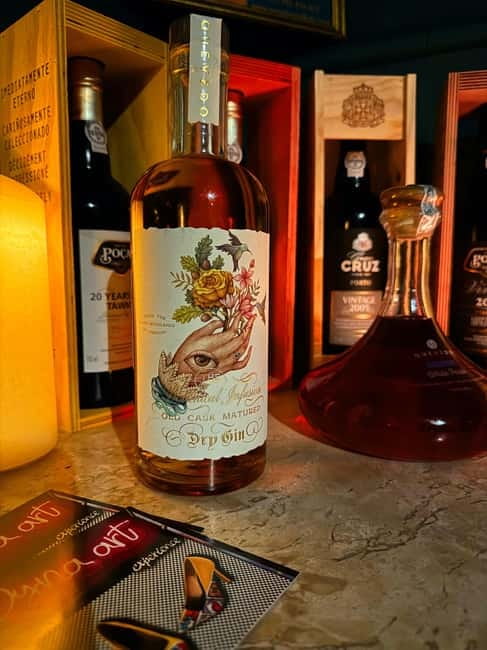
Food and drink can turn into an afterthought on tours, but here it’s part of the structure. Your ticket includes one glass of Port, and you pick from four styles:
- Dry White
- White
- Rosé
- Ruby
What I like about this is that you’re not stuck with one safe option. Port styles can taste very different, and giving you choice makes the glass feel personal. It also helps you slow down—fado is best heard without rushing, and sipping Port naturally encourages that.
Is it a full wine tour? No. This isn’t a cellar walk or a big tasting flight in multiple glasses. But for the price and format, the Port component adds real value because you get a cultural pairing without turning the evening into a long drinking session.
One note: the experience explicitly doesn’t allow alcohol or drugs brought in. So don’t plan to bring your own bottle to “top up” before the show.
A few more Porto tours and experiences worth a look

Value Check: Is $19 a Good Deal for Porto Fado?
At $19 per person for 1 hour, you’re paying for three things bundled together:
- Live fado music in a notable historic space
- Multilingual explanations, which help beginners understand what they’re hearing
- Included Port (chosen by style)
That combination is the value story. If you only wanted background music, you could find free or cheaper options. But if you want a guided first meeting with fado—done in a way you can follow in English or Spanish, with a real venue and a drink included—this price becomes easier to justify.
In other words: you’re not just buying a seat. You’re buying context.
Location: Aliados Avenue Ease, Trindade Church Reality
This show is right in the middle of Porto life—near Aliados Avenue—which makes it a smart plan for your first night. You can do a quick walk around the city center and then pop in before dinner.
What to watch for is not distance—it’s direction. A couple of reviews mention that finding the correct entrance can be unclear from maps, especially if you’re arriving with an outdated mental model of where fado shows were previously held. Stick with the meeting point: the entrance next to Trindade Church.
Once you’re inside, the whole experience is calm and focused. That contrast—busy Porto streets outside, quiet listening inside—is part of why people remember this one.
Who Should Book This Fado and Port Show
You’ll likely love it if you:
- Want a first fado experience without needing language skills
- Prefer intimate seating over a big commercial venue
- Like the idea of pairing live music with Port, not just watching and leaving
- Need something that fits cleanly into an evening plan (it’s one hour)
You might want to skip it if:
- You need wheelchair access (it’s not suitable for wheelchair users)
- You dislike venues where you sit still and listen for the full show
- You’re looking for a long, multi-hour performance with a full meal
Also, if you’re traveling with anyone who worries that fado is “too emotional” or “too artsy,” this format helps. The storytelling keeps it grounded, and you get explanations in your preferred language.
Should You Book It?
Yes—if you want a compact, well-explained introduction to fado in a beautiful, historic room, this is an easy call. The big selling points are the intimate Noble Hall setting and the way the host adds context in multiple languages, so you’re not just listening to sounds—you’re understanding the tradition while you hear it.
Book it especially if you’re pairing it with a dinner plan near the center. Arrive a bit early, use the church entrance as your guide, and pick the Port style that sounds most like your mood (Dry White or Rosé if you like lighter flavors; Ruby if you like something richer). Then let the hour do its work.