REVIEW · LISBON
Lisbon: Private city tour by tuktuk alfama up to 90 min
Book on GetYourGuide →Operated by Lost in Lisboa · Bookable on GetYourGuide
Lisbon’s hills are the real boss, and this tour dodges them. You start near Time Out Market, then cruise a route inspired by tram 28 to hit Alfama and Graça without doing the punishing stair workout. I like how the ride keeps moving while still giving you time to stop for photos and small guided walks, and I really value the mix of big sights plus the everyday feel of old neighborhoods. One thing to consider: it’s not designed for everyone—there are restrictions (including wheelchair users), so check that before you book.
The best part for me is the way you get panoramic viewpoints (like Senhora do Monte) without arriving sweaty and late. Guides like Hassan and Jabel/Jebal/Jabal (you may see different names depending on your guide) are consistently friendly, talk through what you’re seeing, and help with picture moments. The main drawback is simple: Lisbon streets can be hard to read at first, so plan to arrive a few minutes early and look carefully for your exact meeting spot.
In This Review
- Key points to know before you go
- How the tuk-tuk route actually helps you enjoy Lisbon
- Starting at Time Out Market (and what to do if you’re early)
- Following the tram 28 zone: Pink Street and Commerce Square on your way in
- Church of Saint Anthony and Lisbon Cathedral: where guided context matters
- Miradouro de Santa Luzia and Portas do Sol: the best use of your photo time
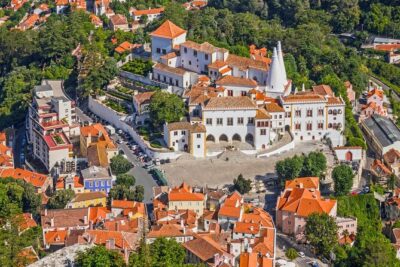
- Graça Historic District and Senhora do Monte: panoramic views with a story
- Monastery of São Vicente de Fora and the National Pantheon: heritage without the museum fatigue
- Alfama: the neighborhood you come for, explained as you go
- Time Out Market and Restaurante Sophia: two smart drop-off choices
- Price and value: $38 for a private tuk-tuk plan that saves your legs
- Who this tour fits best (and who should skip it)
- Should you book this Lisbon tuk-tuk Alfama tour?
- FAQ
- Where does the tour start?
- How long is the tour?
- Is the tour in English?
- What key areas and landmarks are included?
- Where do you get dropped off?
- Can I get a full refund if I change my plans?
- Is it suitable for kids and mobility needs?
Key points to know before you go
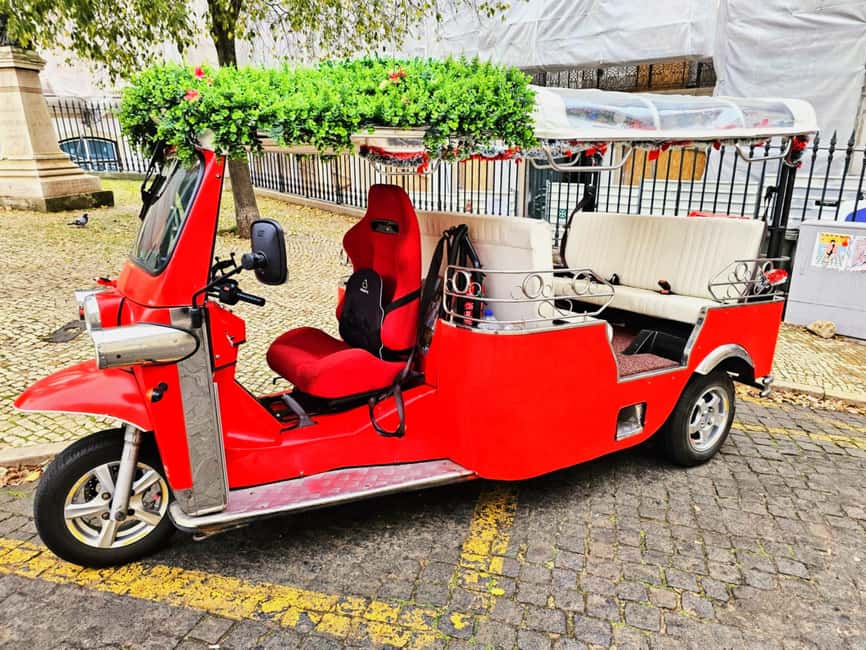
- Private tuk-tuk comfort for hill-heavy Lisbon so you can see more with less walking
- A route built around the tram 28 area with landmark stops and quick photo chances
- Guided viewpoints from Santa Luzia, Portas do Sol, and Senhora do Monte
- Classic Lisbon heritage stops including Lisbon Cathedral and key sites in Alfama
- Real city rhythm with stories about the Great Earthquake and Alfama’s fado-night scene
- English live guide who can adapt for short stops and better photos
How the tuk-tuk route actually helps you enjoy Lisbon

Lisbon is pretty, but it’s also vertical. The clever thing about this tour is that it’s structured to get you into the old districts while skipping most of the steep walking you’d face on your own. You’ll ride through the areas people usually associate with tram 28, which means you’re in the right neighborhood vibe from minute one.
You also get a live guide in English, so you’re not just collecting photos—you’re understanding what you’re looking at. That matters in Lisbon because so many buildings, churches, and viewpoints are tied to specific moments, like the Great Earthquake story. Without a guide, it’s easy to miss how the city rebuilt and reshaped itself.
Also, the tuk-tuk format is fun in a very practical way. One review mentioned the option to sit facing out at the back, which turns the ride into a little moving viewpoint. You’re not stuck staring at a wall while the driver does the work—you can take in streets, doors, balconies, and the sweep of the city as you climb.
You can also read our reviews of more city tours in Lisbon


Starting at Time Out Market (and what to do if you’re early)
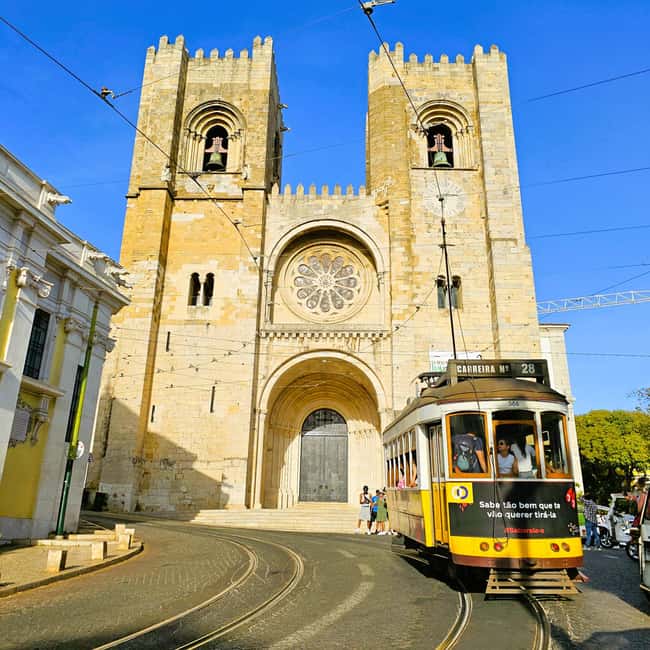
Your tour begins at one of two places: Time Out Market Lisboa or Restaurante Sophia (Natural Italian). If you start at Time Out Market, you’ll be in a busy, central area where it’s easier to orient yourself on foot. If you start at Restaurante Sophia, expect a quieter starting point and a bit more focus on finding the exact rendezvous spot.
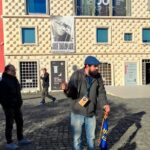
Here’s the practical tip: Lisbon is a maze. One guide experience described how the meeting point can be a little tricky to spot at first. So I’d do two things—arrive a bit early, and double-check the pickup details the day before. If you’re late, it becomes a guess-and-wait situation, and you don’t want to lose time once your guide is ready to go.
Once you meet your guide, the plan is straightforward: you’ll follow a route that ties together major stops and scenic moments, while still leaving room for short guided walks. That balance is what makes the tour feel like “getting your bearings fast,” especially if you only have a day or a half-day to spare.
Following the tram 28 zone: Pink Street and Commerce Square on your way in
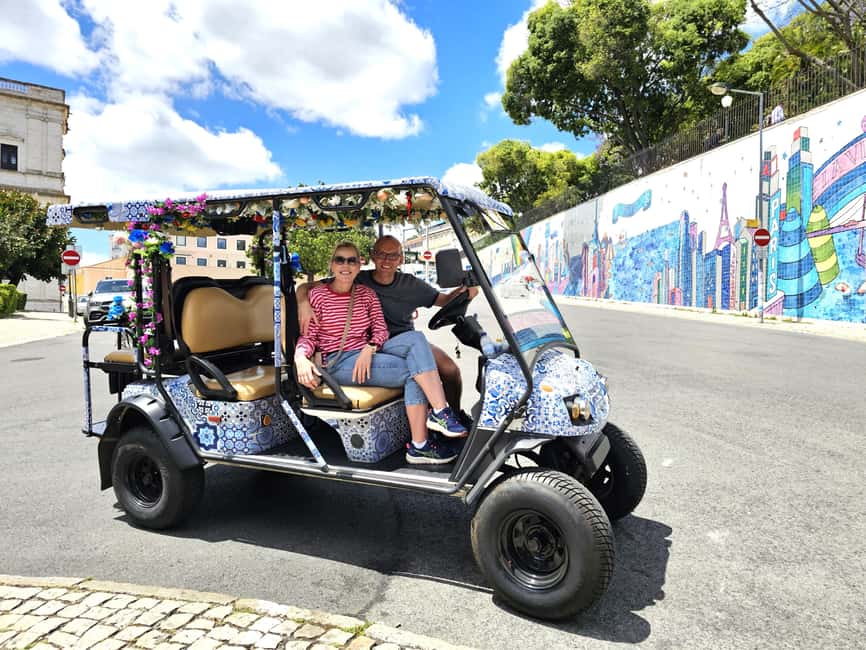
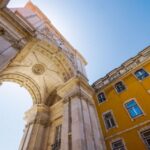
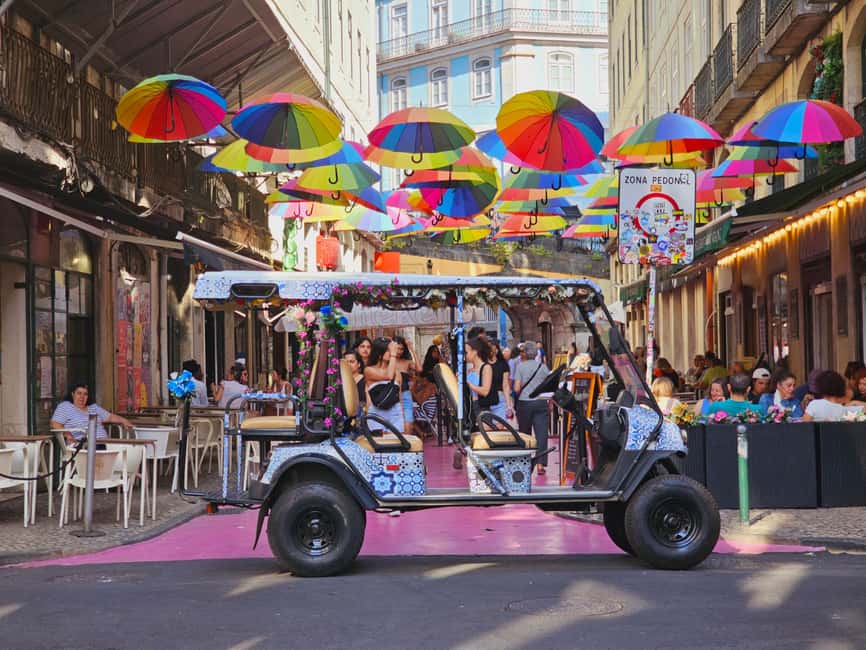
After you set off, you’ll pass key areas tied to Lisbon’s modern-meets-old identity. Two of the easiest “wow” stops to spot without getting out are Pink Street and Commerce Square. You don’t linger there as a long sit-down activity, but you get the context: Lisbon’s historic center is not frozen in time. It’s lived-in, with nightlife and everyday commerce sitting right beside major heritage buildings.
Pink Street is a quick pass, but it’s useful because it anchors you to a specific kind of Lisbon experience—nightlife in the same neighborhoods that hold centuries of stories. Commerce Square does the opposite. It’s more about scale and the big-city feel of the center. Even if you don’t do a long exploration there, it helps your brain map where everything sits relative to the hillier quarters.
The way this works for planning is simple: by the time you reach the viewpoints and churches, you’ll know what “direction” you’re in. That makes your self-guided wandering afterward easier, because you’ll stop thinking in random names and start thinking in actual geography.
Church of Saint Anthony and Lisbon Cathedral: where guided context matters
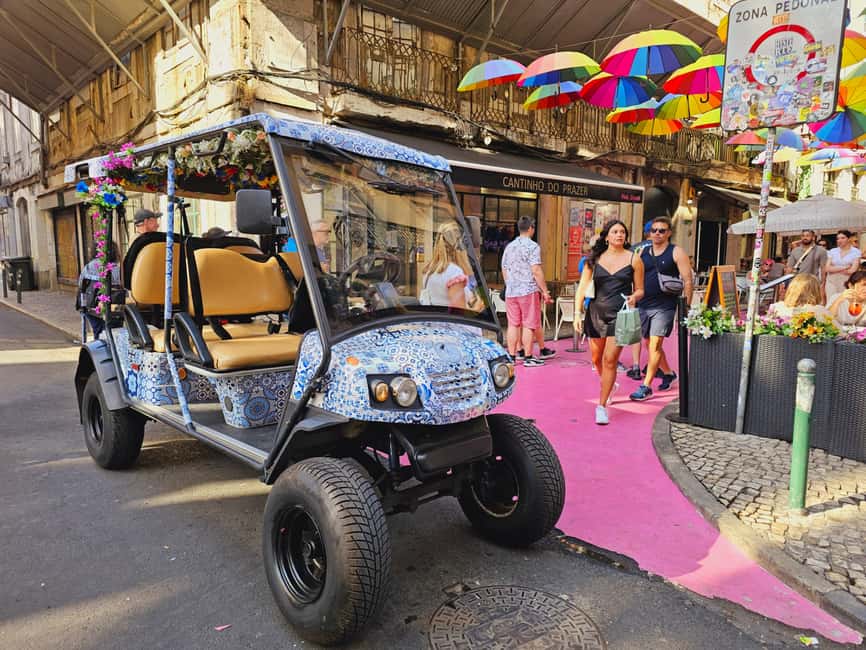
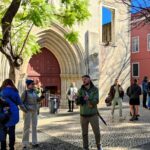
One of the strongest parts of this tour is the chance to get inside—or at least properly oriented to—some landmark religious sites. You’ll have guided sightseeing at Church of Saint Anthony and Lisbon Cathedral. These aren’t just photo stops. The guided component is the value here, because a guide can explain why these places matter and what details to pay attention to beyond the obvious facade.
Why this is worth your time: in Lisbon, many churches are architectural signals. They show you how different periods of history shaped the city and how the rebuilding after the Great Earthquake impacted what you see later. Without that context, a cathedral can feel like a beautiful building you pass through. With context, it becomes a readable piece of the city.
A practical note: since this is a tuk-tuk tour with short walking segments, don’t plan to turn those church moments into a long independent museum session. Treat them as guided “anchors.” If you later want deeper time, you can always choose to go back on your own with a clearer sense of what you want to see.
Miradouro de Santa Luzia and Portas do Sol: the best use of your photo time
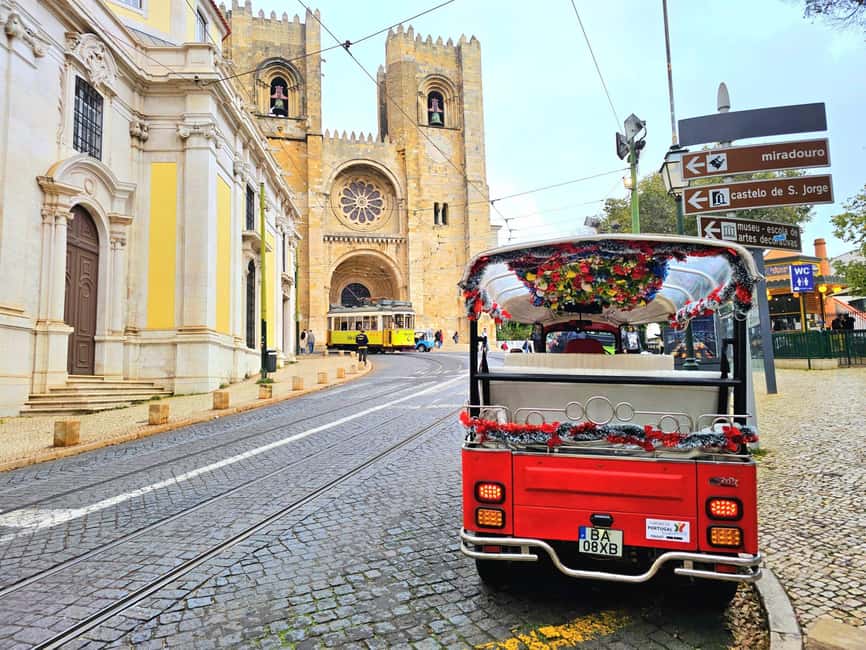
If Lisbon has a “camera moment,” it’s these miradouros—viewpoints—and this tour includes two of the best: Miradouro de Santa Luzia and Portas do Sol Terrace. You’ll get sightseeing time at Santa Luzia and a guided experience at Portas do Sol, which is a nice combo. You get time to look around, then a bit of guidance so you understand what angles you’re seeing.
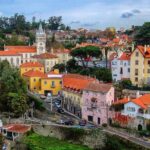
These viewpoints are valuable because they teach you the city’s layout. You’ll start to recognize major areas as you look down: the way the streets curve, how the neighborhoods stack, and why moving around on foot can feel like climbing a never-ending puzzle.
Also, Santa Luzia and Portas do Sol tend to fill quickly at peak times. A tuk-tuk tour helps because you’re arriving as part of a plan rather than wandering randomly and hoping you find a good vantage. You may still want to bring a phone charger or a small camera strap (Lisbon hills mean your hands will be busy), but the schedule is built to keep things moving.
You can also read our reviews of more private tours in Lisbon






Graça Historic District and Senhora do Monte: panoramic views with a story
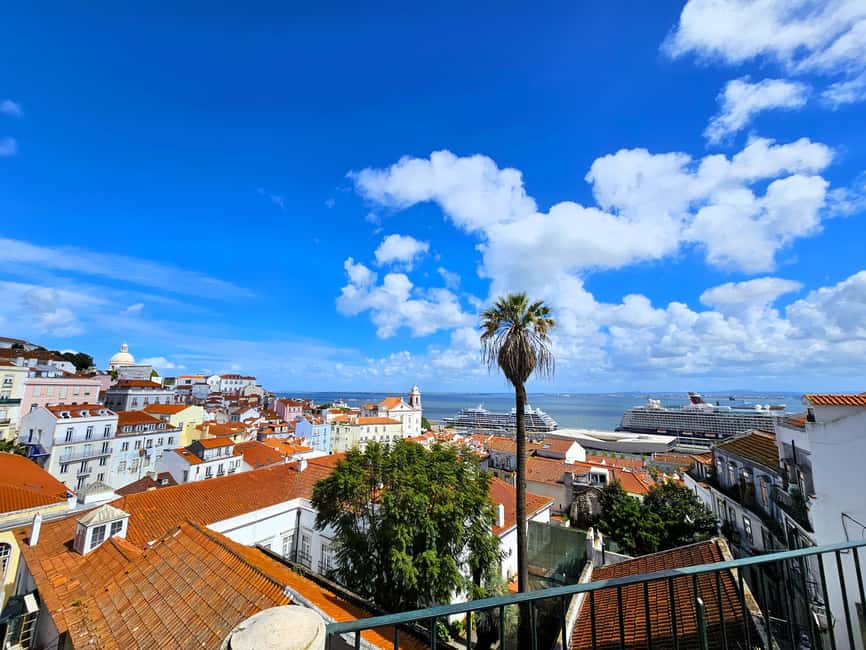
Next up is Graça Historic District, followed by Miradouro da Senhora do Monte with a visit and guided sightseeing. This is the part of the tour where you really feel why people keep returning to Lisbon viewpoints.
Graça gives you a sense of daily life in an older quarter. You’re not just seeing monuments—you’re seeing the neighborhood texture: streets, architecture, and the way the hill shapes how people live. Then you climb (by tuk-tuk) to Senhora do Monte, which is where the view widens and you understand how the city sprawls.
One review praised how the guide took them to the highest points for great pictures, and that matches what this stop is all about. The guide can point out what’s in the frame so your photos aren’t just pretty—they’re informative. And if you’re traveling with family or friends who don’t want a long walk, Senhora do Monte is a good compromise: you get the big view without paying for it with lots of stair time.
Monastery of São Vicente de Fora and the National Pantheon: heritage without the museum fatigue
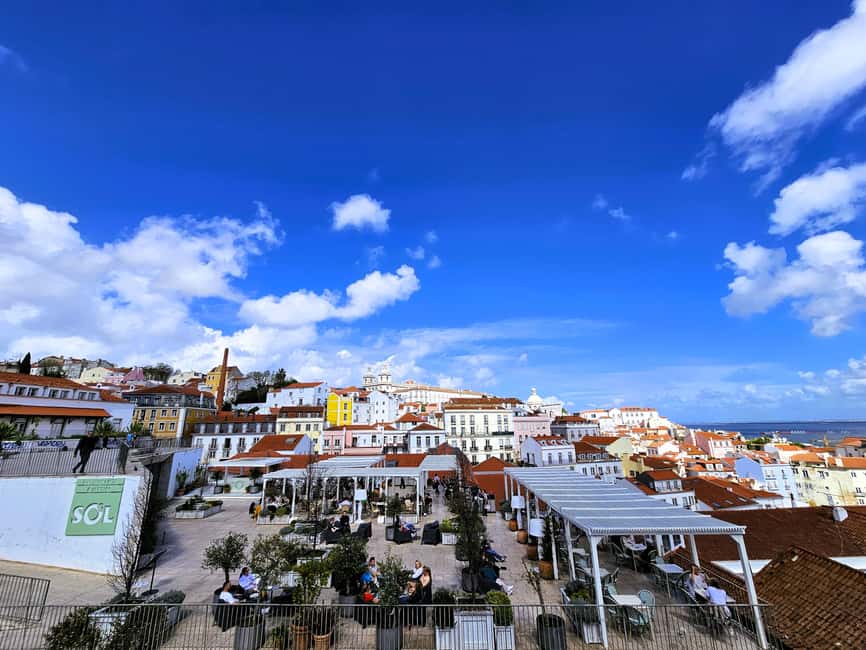
After the viewpoints, the tour shifts to additional heritage stops. You’ll visit Monastery of São Vicente de Fora and then see the National Pantheon of Santa Engracia with guided sightseeing.
These stops work well after you’ve already been looking at the city from above. Once you know where you are geographically, it’s easier to appreciate why these sites matter. In Lisbon, many important buildings relate to the city’s rebuilding and identity over time. The guide’s job here is to turn architecture into a timeline you can actually remember.
You also avoid the common trap of trying to do too much indoor time in one day. This tour includes guided visits but still keeps the pacing realistic for a 90-minute to 3-hour experience. If you like heritage but get tired fast inside, the mix is a good fit.
Alfama: the neighborhood you come for, explained as you go
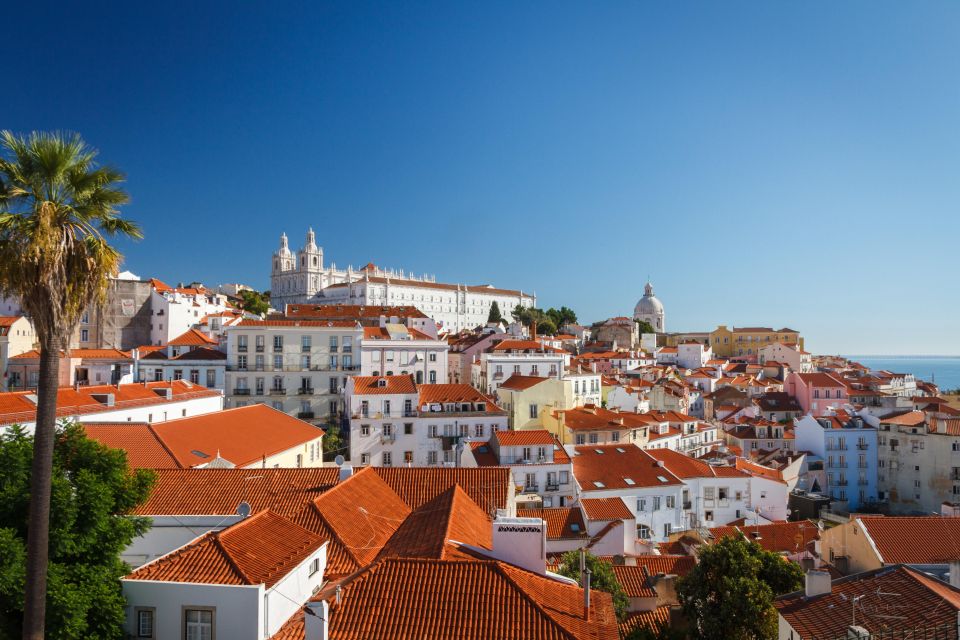
The tour’s heart is Alfama, with a guided visit and sightseeing. Alfama is where you feel Lisbon’s older personality—tight streets, dramatic views, and a nightlife scene that includes Fado houses and traditional restaurants. The guide is there to connect those current-day details to the deeper history that shaped the district.
This is also the district where walking can become a grind. That’s exactly why a tuk-tuk works so well here. You still get the guided approach—what to notice, what to understand, what to look for—but you’re not exhausting yourself just to see the views.
I especially like this part of the experience for planning purposes. Alfama is big and layered. After a guided pass, you’ll have a much easier time deciding what you want to explore later—whether that’s spending more time near a viewpoint, hunting out a specific street vibe, or returning to a church you want to see more carefully.
Time Out Market and Restaurante Sophia: two smart drop-off choices
At the end, you’ll be dropped off at one of two locations: Time Out Market Lisboa or Restaurante Sophia (Natural Italian). That’s a thoughtful design choice. It means you can turn the tour into a smooth next step—food, drinks, or a short walk back into the neighborhoods you liked best.
Time Out Market is useful if you want a “sit down and recharge” option right away. Restaurante Sophia can be a good alternative if you prefer a more restaurant-style finish. Either way, the drop-off keeps you from feeling stuck far from where you want to be once the tour ends.
Price and value: $38 for a private tuk-tuk plan that saves your legs
At $38 per person, you’re paying for two things: private transport and a live guide who can connect the dots. In Lisbon, transport alone can be pricey if you rely on taxis for hill-heavy areas, and guide time is hard to replicate when you’re self-exploring. This tour’s value comes from the combination.
Also, you’re buying time. With a 90-minute to 3-hour window, you’re not trying to conquer Alfama like a marathon. Instead, you get a guided overview of the districts most people want, including major landmarks and multiple viewpoints. That “see a lot without suffering” approach is ideal for short trips.
One more angle: guides in this experience have a reputation for being flexible—making short adjustments for photo stops and helping you frame the views. That turns the ride into more than transport. It becomes a moving briefing session.
Who this tour fits best (and who should skip it)
This experience is a strong match if you:
- want to see Alfama and Graça without doing nonstop uphill walking
- like history explained in plain language, tied to what you’re actually looking at
- have limited time and want a smart intro to Lisbon’s center
- care about photo viewpoints and want help getting the angles right
It’s not a great fit if you:
- need wheelchair accessibility (it’s not suitable for wheelchair users)
- travel with children under 6
- are pregnant (it’s listed as not suitable for pregnant women)
It’s also worth knowing that the tour includes guided sightseeing and short walks, but it’s not designed to replace a full-day deep museum plan. If you want hours inside multiple major sites, you might use this as your “orientation day,” then add extra independent time later.
Should you book this Lisbon tuk-tuk Alfama tour?
If your priorities are hill-free sightseeing, a guided overview of Alfama and key landmarks, and viewpoints that help you understand Lisbon’s shape, I think booking makes sense. The price is reasonable for a private format, and the strongest payoff is clarity: you’ll leave knowing what you saw and why it matters.
Skip it if your trip needs wheelchair access or if you know you won’t be comfortable with the ride and the short guided walking segments. And if you’re easy to stress about meeting points, arrive early and confirm your exact starting spot—Lisbon streets can be tricky.
FAQ
Where does the tour start?
It starts at one of two locations depending on the option booked: Time Out Market Lisboa or Restaurante Sophia (Natural Italian).
How long is the tour?
The duration is listed as 90 minutes to 3 hours, depending on the starting time you choose.
Is the tour in English?
Yes. The tour includes a live guide in English.
What key areas and landmarks are included?
You’ll pass or visit places such as the Pink Street, Commerce Square, Church of Saint Anthony, Lisbon Cathedral, Miradouro de Santa Luzia, Portas do Sol Terrace, Graça Historic District, Miradouro da Senhora do Monte, Monastery of São Vicente de Fora, National Pantheon of Santa Engracia, and Alfama. Time Out Market is also part of the experience.
Where do you get dropped off?
Drop-off is at either Time Out Market Lisboa or Restaurante Sophia (Natural Italian), depending on the option booked.
Can I get a full refund if I change my plans?
Yes. Free cancellation is available up to 24 hours in advance for a full refund.
Is it suitable for kids and mobility needs?
The tour is not suitable for children under 6, pregnant women, or wheelchair users.