REVIEW · LISBON
Lisbon: Portuguese Riding School Trainig with Lusitano Horse
Book on GetYourGuide →Operated by Book N Tour · Bookable on GetYourGuide
Lisbon has a way of making old traditions feel immediate, and this one delivers with Lusitano horses front and center. You spend a morning watching the real daily work behind the Portuguese School of Equestrian Art, from thoughtful warm-ups to rehearsals designed to recreate an 18th-century court.
Two things I really like: you get close enough to see the horses being prepared and cared for by handlers, and you also get the big-picture purpose of the training since it’s built around the horses’ rhythm, health, and physical needs. The second best part is that the experience is guided mainly through an audio guide (English, Portuguese, French), so you’re not stuck translating in your head.
One possible drawback: it’s time-limited. The activity runs from 10am to 1pm, and if you’re hoping for a long, slow stable visit, you may want to arrive at the best slot to catch more action (11am to 12:30pm is ideal).
In This Review
- Key things you’ll notice right away
- Portuguese Riding School Training: what you’re actually seeing in Lisbon
- Entering the court mood at Nora Patio
- Henrique Calado Riding Ring: warm-ups, handlers, and the daily grind
- The Equestrian Art rehearsals: complex exercises with real training logic
- Audio guide in three languages: how to make it actually useful
- Practical value: is $17 in Lisbon a fair deal?
- What’s included vs. what you’ll need to plan for
- When to go, how long to plan, and where you’ll be
- Simple etiquette: rules that keep the experience smooth
- Who this tour suits best (and who might find it less satisfying)
- Should you book this Lisbon Lusitano training session?
- FAQ
- What is the duration of the Lisbon Portuguese Riding School training with Lusitano horses?
- When is the best time to visit during the 10am to 1pm window?
- What does the ticket include?
- Is transport included in the price?
- Do I need to bring headphones?
- What languages is the audio guide available in?
- Are photos allowed during the experience?
- Are food and drinks included?
- How do I access my ticket at the meeting point?
- Is the experience wheelchair accessible?
Key things you’ll notice right away
- Warm-up and resourcefulness exercises show the training logic, not just the final performance look
- Henrique Calado Riding Ring puts you close to how riders and horses work together
- Handler care in the stable area makes the day feel real, not staged
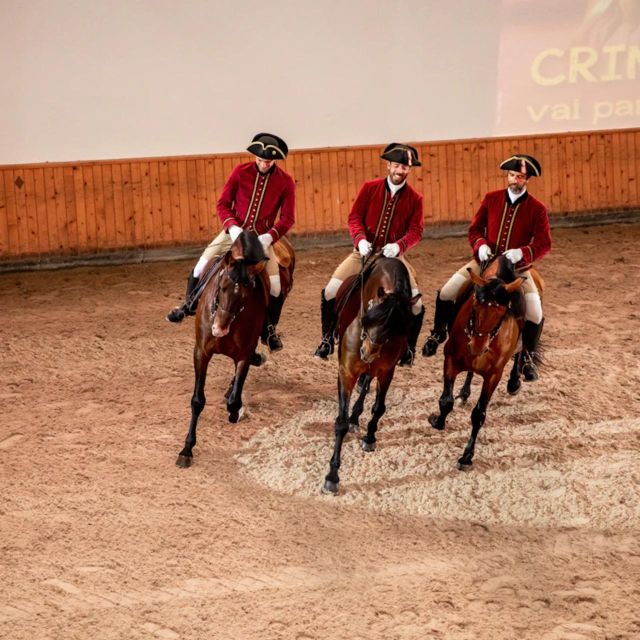
- Period costume rehearsals help you picture how the gala show atmosphere is built
- Nora Patio court-style setting gives the 18th-century vibe during training and choreography
- Audio guide in 3 languages keeps the story clear while you’re watching
Portuguese Riding School Training: what you’re actually seeing in Lisbon
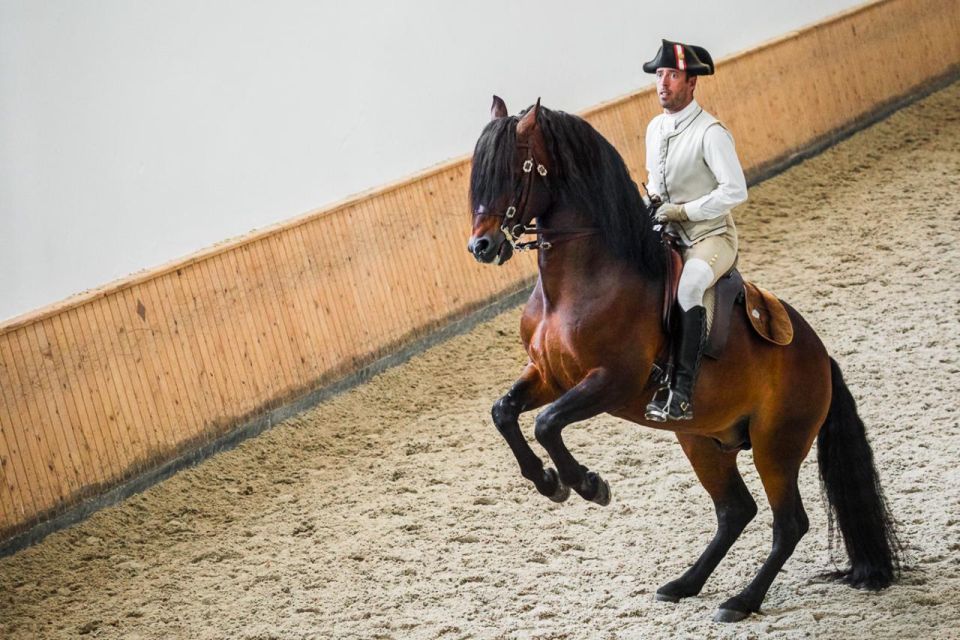
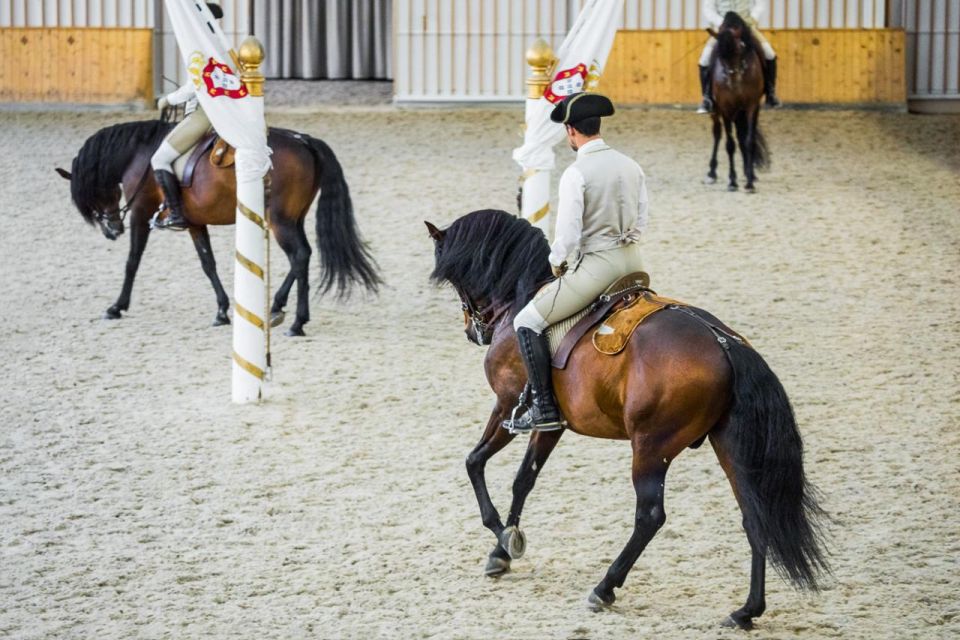
This is not a passive show. It’s a structured morning of observation tied to the Portuguese School of Equestrian Art—specifically the kinds of drills and rehearsals that keep Lusitano horses performing safely and beautifully. You’ll be watching training that comes from the Alter Real Stud Farm, and it’s presented with a sense of ceremony: period music, period costume, and choreography that recreates the court atmosphere.
What makes this experience valuable is that you’re seeing the in-between moments. The warm-up isn’t filler. It’s where you understand how riders respect each horse’s pace and physical readiness. The drills also highlight something important for horse lovers: good riding isn’t just about style. It’s about timing, conditioning, and consistent care.
Think of it as the behind-the-scenes version of a gala, with enough structure that you won’t feel lost even if you don’t know equestrian jargon.
A few more Lisbon tours and experiences worth a look
Entering the court mood at Nora Patio
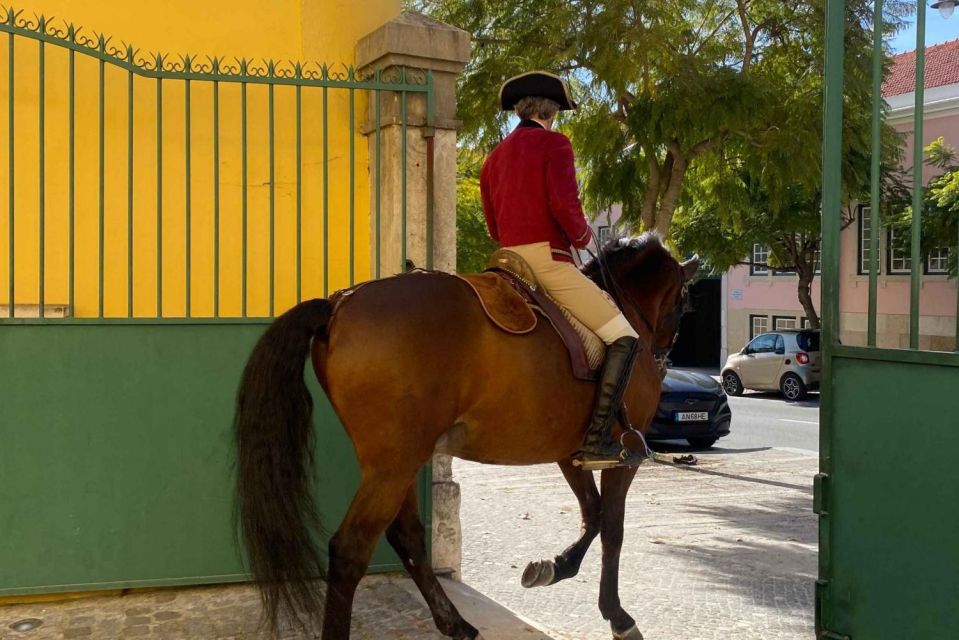
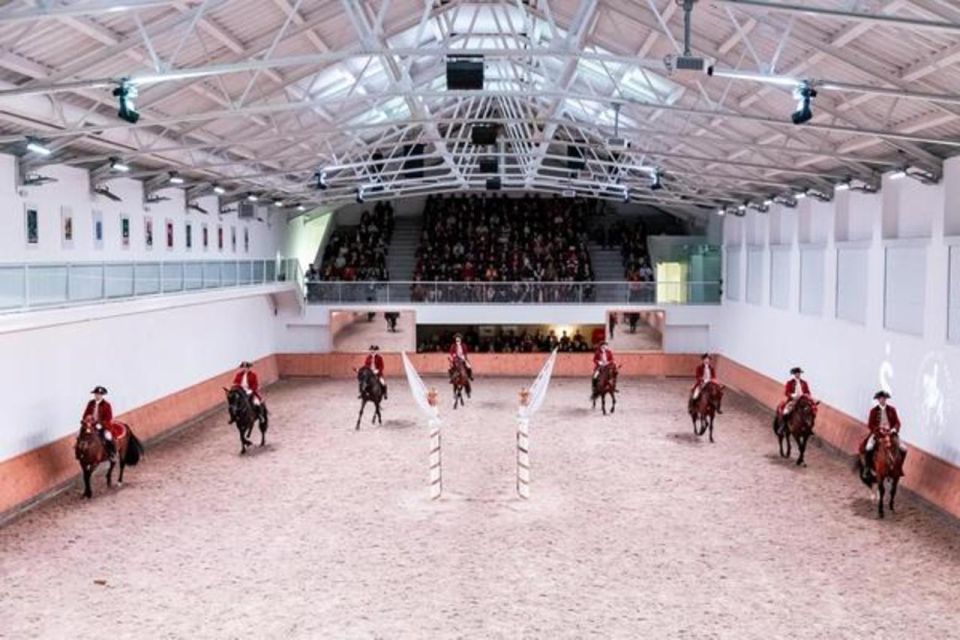
Your morning includes time in the Nora Patio, where the atmosphere is intentionally theatrical. The space is meant to feel like an 18th-century court, so even when you’re watching training (not a fully staged performance), you still get that sense of ceremony.
Here’s what I’d focus on in this part: watch for how the riders move as a pair with the horse’s rhythm. In many riding demonstrations, the human side steals the show. In this setup, the goal is different. The choreography aims to recreate courtly elegance, but the training mechanics underneath stay visible—especially during rehearsals with the more complex Equestrian Art exercises.
If you’re a detail person, the patio setting is a gift. You can observe how the experience flows like a program: the soundscape, the staging energy, and the way the choreography fits the horses’ timing.
Henrique Calado Riding Ring: warm-ups, handlers, and the daily grind
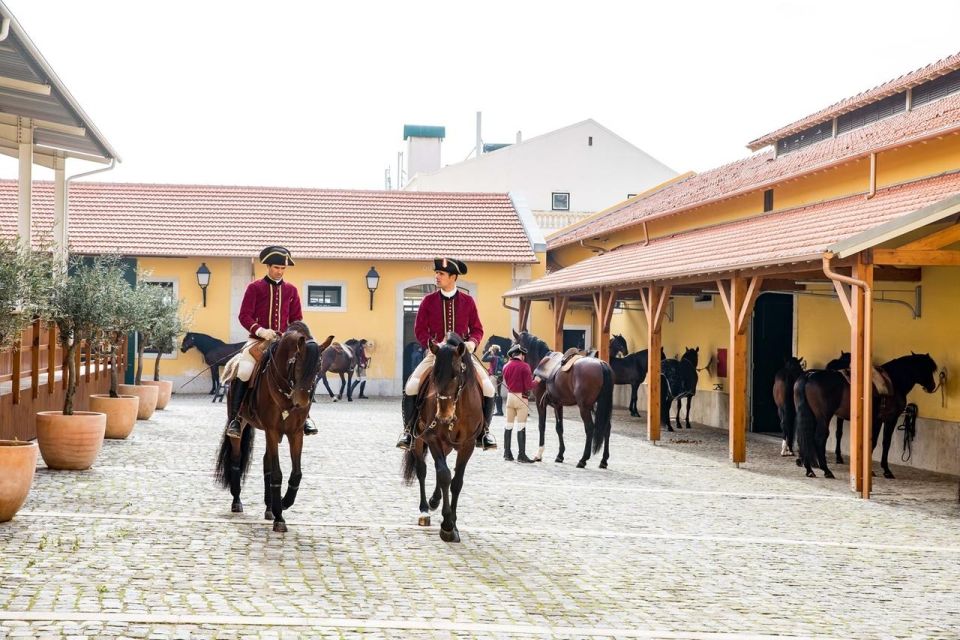
The heart of the experience is the Henrique Calado Riding Ring. This is where you see the warm-up and resourcefulness exercises and where you can also get a look at how handlers care for the Lusitano horses.
This is a big deal for two reasons. First, you’ll see that the horses don’t show up “performance-ready.” They’re prepared. Second, you’ll notice how much the training respects the horse as an athlete with real needs. The way the exercises are paced reflects the emphasis on health and physical needs—not just showmanship.
When you’re watching, try to pay attention to the small behavior changes. In horse training, a lot of communication is nonverbal. Even if you don’t speak equestrian, you can learn to read the basics: calm readiness, focus, and the transitions riders ask for. The warm-up phase is ideal for that learning because you’re watching the steps build rather than jumping straight into polished maneuvers.
A practical tip: wear comfortable shoes. You’ll likely be standing for extended stretches, and the stable and ring areas are where your legs do most of the work. This isn’t a sit-down museum visit.
The Equestrian Art rehearsals: complex exercises with real training logic
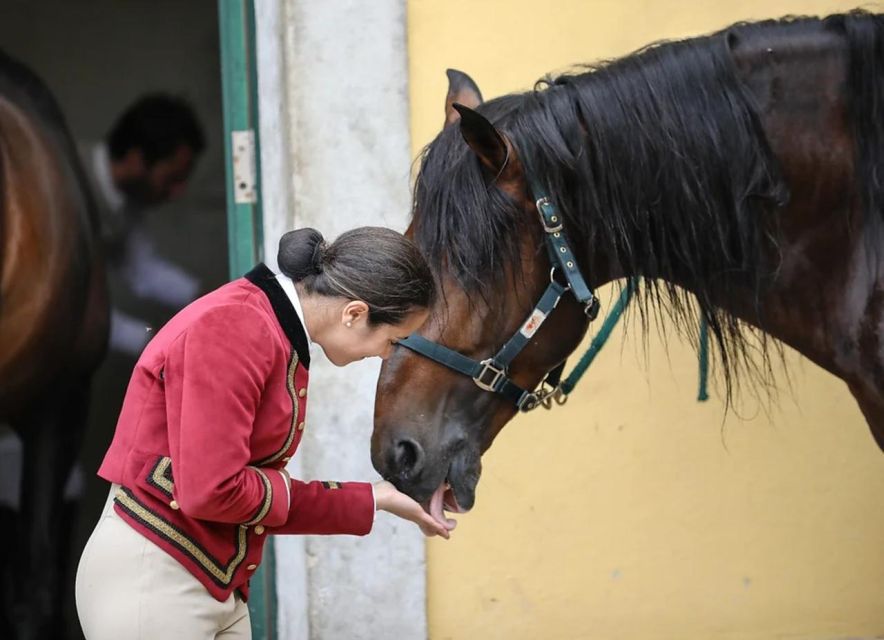
After the initial warm-up viewing, you’ll move into the training and rehearsals of the complex Equestrian Art exercises and choreographies. This is the portion that explains how the school transforms daily work into a gala-ready show atmosphere.
The key word here is complex, but you don’t need to be an expert. The audio guide is designed to help you follow what you’re seeing, and the structure of the rehearsal keeps the pacing understandable. You’ll be paying attention to how exercises link together, not just isolated tricks.
If you’re wondering what to learn from this section, here are the practical themes to watch for:
- Rhythm: how the rider works with the horse’s timing rather than forcing it
- Health-first training: how preparation supports safe execution
- Choreography with purpose: the way court-style movement is built from drills
Also, remember that rehearsals can feel slightly different from a finished show. That’s good. It means you’re seeing the craft as it’s worked through, corrected, and refined.
Audio guide in three languages: how to make it actually useful
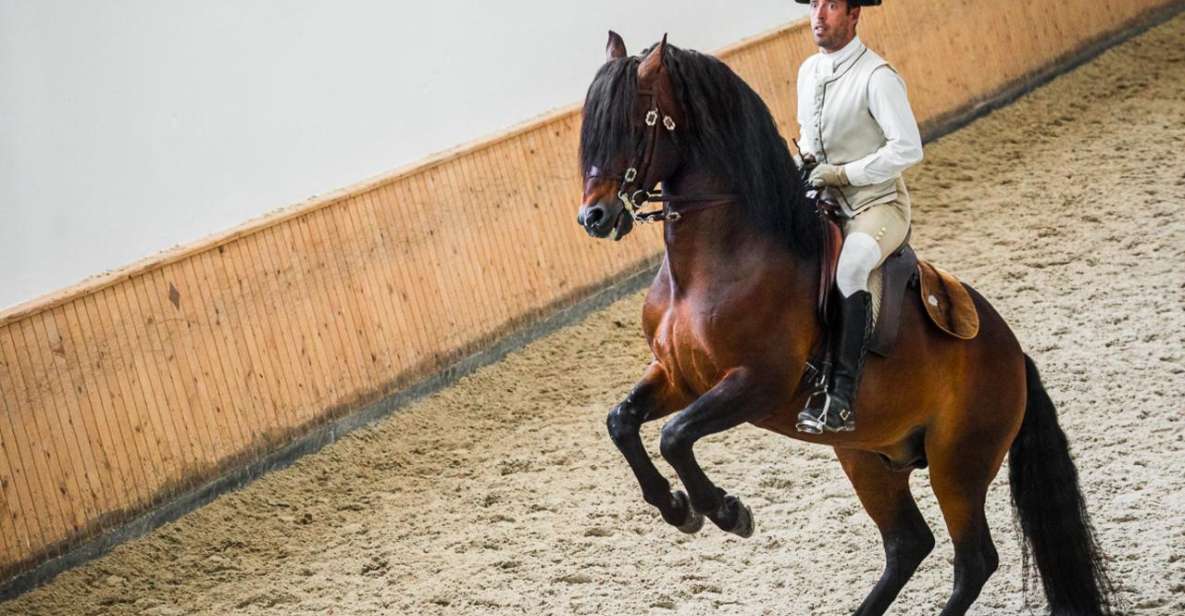
An audio guide is included, in English, Portuguese, and French. Since headphones aren’t included, you’ll want to bring your own. In practical terms, that means your smartphone storage matters and your battery life matters too.
When I use audio guides for live experiences, I try to do it in short bursts:
- Listen during transitions between areas, when your attention can switch from walking to listening
- Use the audio guide to label what you’re seeing in the ring, not to replace watching
- Turn the volume down just enough that you can still hear the period music and what’s happening around you
One more note: the experience includes staff who can be English and Portuguese speakers as hosts or greeters. If you’re expecting a full live lecture, don’t count on it. Plan to rely on the audio guide as your main explanation tool, because it’s built for what you’re watching on-site.




Practical value: is $17 in Lisbon a fair deal?
At about $17 per person for a 1-day experience, this can be a strong value if what you want is equestrian skill you can see up close.
You’re getting several things that normally cost time or extra tickets in separate places:
- Entry to the Portuguese School of Equestrian Art
- A chance to watch daily training of Lusitano horses from the Alter Real Stud Farm
- An audio guide to connect the dots
Also, there’s a small convenience factor that matters when you’re traveling: the ticket approach is set up to help you skip the ticket line. In a busy city, saving 20–30 minutes can feel like a win.
The timing is important for value too. The activity runs from 10am to 1pm, but 11am to 12:30pm is the best window. If you go too early or too late, you might miss the most comfortable flow of warm-ups and rehearsals.
What’s included vs. what you’ll need to plan for
Included:
- Entry ticket to The Portuguese School of Equestrian Art
- Watching daily training of Lusitano horses from Alter Real Stud Farm
- Audio guide
Not included:
- Transport
- Headphone
- Food and drinks
- Photography
So yes, you’ll want to handle your own snack and water. There’s no food plan built into the experience details, and it’s a morning session. If you’re the type who runs on coffee and nerves, plan accordingly.
For photography, the rules matter:
- No flash photography
That’s typical in working stable environments, but it affects how you’ll shoot indoors or in low light. If you want images, use a phone camera or a non-flash setting and accept that action shots won’t always be sharp.
When to go, how long to plan, and where you’ll be
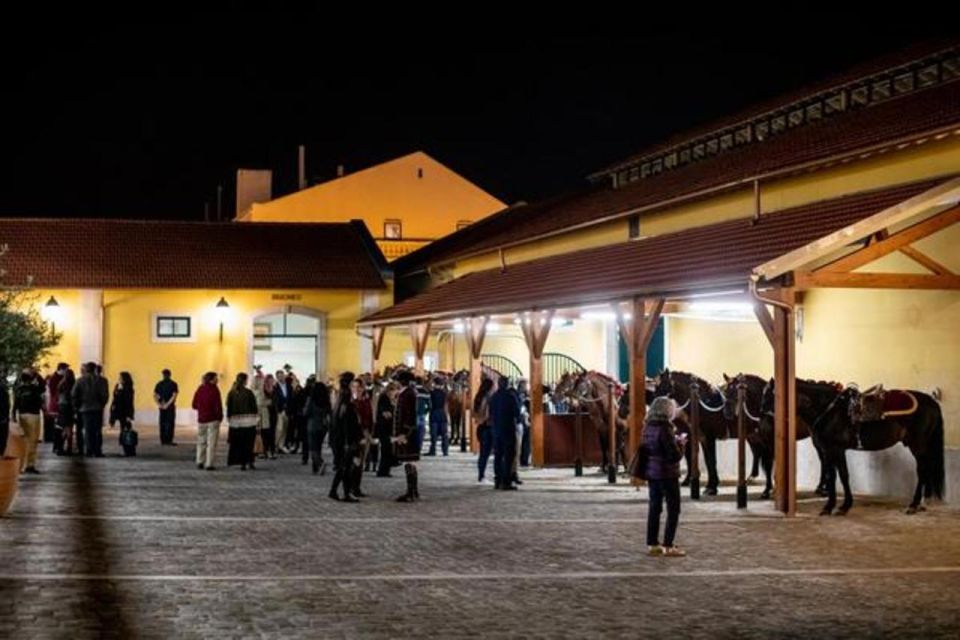
This is a morning experience designed to run 10am to 1pm. If you’re building a Lisbon itinerary, treat it like a concentrated half-day plan with stables and ring time.
I’d schedule it when your legs are fresh and your camera battery is charged. You’ll be moving between viewing zones like the Nora Patio and the Henrique Calado Riding Ring, and standing time adds up.
The best time to aim for is 11am to 12:30pm, which should give you a steadier mix of warm-up action and rehearsals.
Simple etiquette: rules that keep the experience smooth
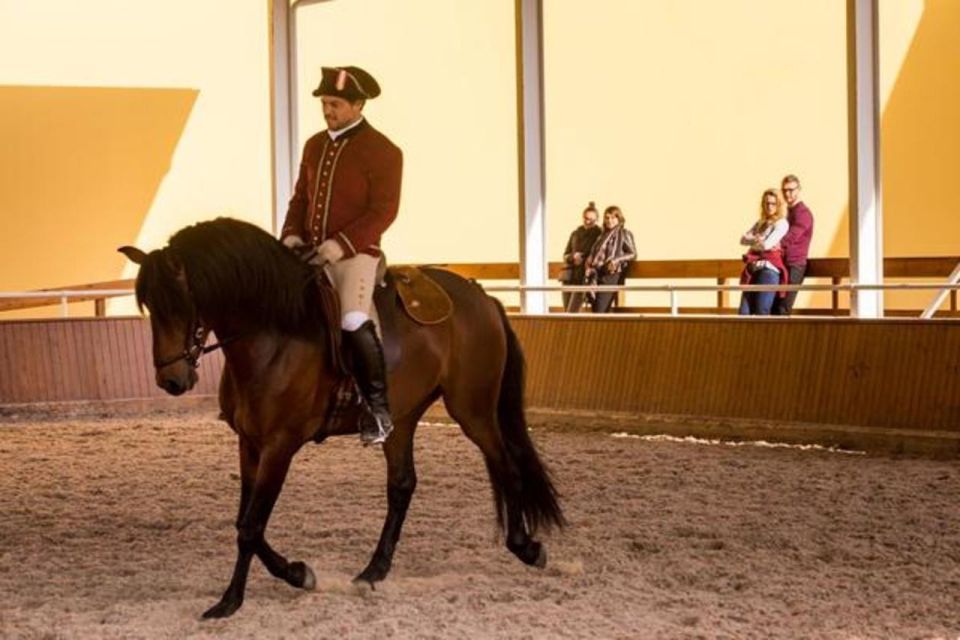
The experience has clear conduct guidelines. You’ll want to follow them because you’re in a working training environment:
- No smoking
- No flash photography
- No alcohol and drugs
You’ll also have an easier time if you stick close to where staff guide you. This is about keeping viewing safe and respectful for both riders and horses.
Who this tour suits best (and who might find it less satisfying)
You’ll probably love this if:
- You enjoy watching skilled training rather than only finished performances
- You care about animals and want to see handler care and preparation, not just spectacle
- You like structured culture experiences with period music and costume details
- You’re happy using an audio guide to connect the visual dots
You might not love it as much if:
- You want a long, slow, in-depth stable walkthrough with lots of time in one area
- You dislike standing for extended viewing periods
- You’re expecting lots of live spoken narration beyond the audio guide
Should you book this Lisbon Lusitano training session?
Book it if your ideal Lisbon morning looks like quiet focus, precise horse training, and court-style choreography you can actually watch forming step by step. At $17, you’re paying for access to real daily rehearsal energy plus an included audio guide, and that’s usually a better value than paying for a single staged event.
Skip or reconsider if you need heavy transport convenience from the package itself (transport isn’t included) or if you’re hoping headphones are provided for you (they’re not). Also, if you have strict limits on standing time, plan your day with that in mind since you’ll be viewing in multiple zones.
If you want one practical decision rule: go at 11am–12:30pm, bring comfortable shoes and your own headphones, and let the audio guide help you translate what you’re seeing. You’ll get the most out of the training logic—and you’ll leave with a much clearer picture of what goes into Portuguese Equestrian Art.
FAQ
What is the duration of the Lisbon Portuguese Riding School training with Lusitano horses?
The activity is scheduled for 1 day, taking place from 10am to 1pm.
When is the best time to visit during the 10am to 1pm window?
The best time to visit is 11am to 12:30pm.
What does the ticket include?
Your ticket includes entry to The Portuguese School of Equestrian Art, watching daily training of Lusitano horses from the Alter Real Stud Farm, and an audio guide.
Is transport included in the price?
No. Transport is not included.
Do I need to bring headphones?
Yes. Headphones are not included, and you’re advised to bring headphones.
What languages is the audio guide available in?
The audio guide is available in English, Portuguese, and French.
Are photos allowed during the experience?
Photography is not included, and flash photography is not allowed.
Are food and drinks included?
No. Food and drinks are not included.
How do I access my ticket at the meeting point?
GetYourGuide paper is not your ticket. Show your Book N Tour Ticket to staff at the reception desk (not a GYG QR code or GYG voucher).
Is the experience wheelchair accessible?
Yes, the activity is wheelchair accessible.