REVIEW · LISBON
Lisbon: Jewish History Private Tour
Book on GetYourGuide →Operated by Essência da Latitude Turismo Lda · Bookable on GetYourGuide
Lisbon has Jewish stories in plain sight. This 4-hour private tour connects you to Sephardic roots and the long afterlife of Jewish presence in the city, starting with a hilltop orientation and then moving through key neighborhoods and museum stops. I especially like the way the route starts high up so you immediately understand where the quarters sat, and how it pairs street-level evidence with indoor archaeology and memorial sites. One watch-out: museum access depends on the day, and two of the stops have specific closures, so plan your day around that.
The tour is led by guides such as Daniel, Diogo, and Vasco, and the big theme you’ll notice in their delivery is patient, question-friendly storytelling. You don’t just get dates; you get context for why Lisbon mattered, including how Crypto-Judaism fit into Portuguese identity over centuries and how Lisbon offered refuge during World War II.
In This Review
- Key things that make this tour worth your time
- Starting with Miradouro da Senhora do Monte: Lisbon’s big picture in 20 minutes
- Alfama and the lingering signs of Jewish presence in Lisbon
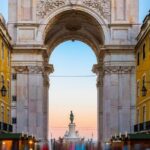
- Baixa and Commerce Square: linking Jewish life to Lisbon’s civic heart
- The Money Museum: a medieval wall with 1,000 years of secrets
- Rossio Square and the 1506 Jewish Massacre Memorial: the dark pivot you can’t skip
- Chiado and the influential families: how power lived next to culture
- Largo do Carmo Square and Carmo Convent: archaeology that connects to everyday life
- Crypto-Judaism and World War II refuge: the long arc Lisbon carried
- How the private format (and 8-person max) changes the experience
- Duration, logistics, and what you should wear and plan for
- Value for $137 per person: what you get beyond a basic sightseeing walk
- Who this Lisbon Jewish History Private Tour fits best
- Should you book this tour?
- FAQ
- What is the duration of the Lisbon Jewish History Private Tour?
- How many people are in a private group?
- Are entrance fees included?
- Is food included during the tour?
- What languages is the guide available in?
- Are there any museum closure days I should know about?
Key things that make this tour worth your time
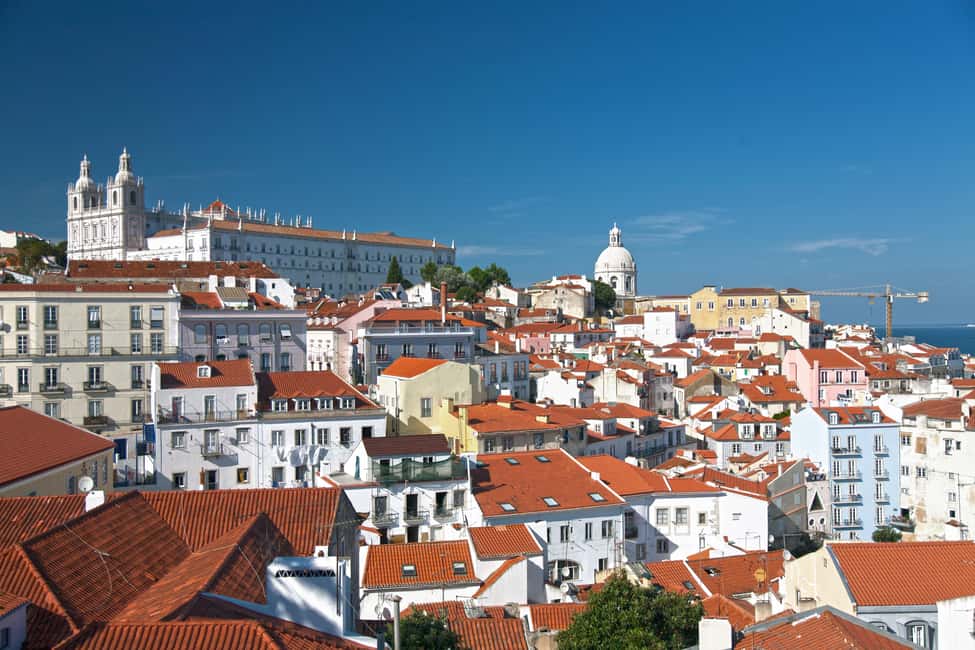
- Hilltop orientation first: you start at Miradouro da Senhora do Monte to grasp Lisbon’s shape before you walk the older districts
- Alfama’s street-level traces: narrow lanes and old stone still hint at where Jewish life took place
- “Small Jerusalem” history in context: you learn what was lost in 1755 and what still survives in the urban fabric
- Medieval wall storytelling: the Money Museum adds texture with a centuries-old structure and layered clues
- Inquisition-era memory at Rossio: the 1506 Jewish Massacre Memorial frames the darker turn in Portuguese policy
- Archaeology that makes it real: Carmo Convent and museum finds connect you to everyday practice, not only big events
Starting with Miradouro da Senhora do Monte: Lisbon’s big picture in 20 minutes
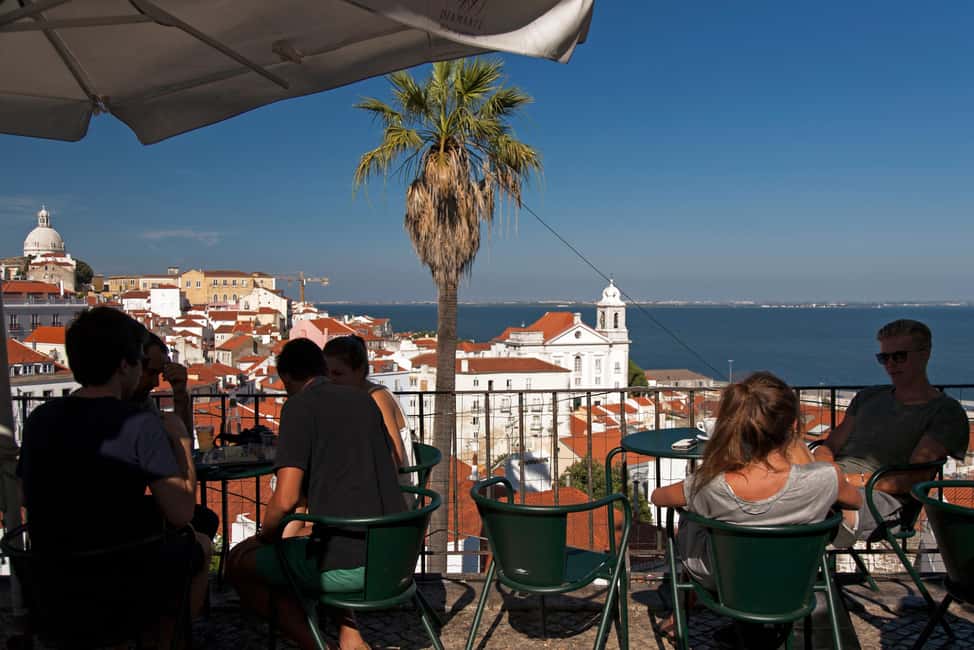
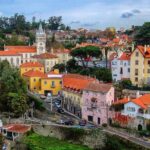
I like tours that help you see the city before you walk it. Here, you begin at Miradouro da Senhora do Monte, one of Lisbon’s higher viewpoints, and that timing matters. From this height you can spot how Lisbon rises and folds around hills, and you can connect the later stops to real geography instead of just memorizing names.
Why this works for Jewish-history travel: Jewish quarters and community movement weren’t random. They were shaped by the city’s layout, security, access to trade, and the shifting rules imposed by society over time. From the viewpoint, you get a quick mental map of older neighborhoods, major monuments, and the bright palette that makes Lisbon feel instantly alive—even when you’re about to cover painful chapters.
Practical tip: wear comfortable shoes right away. Even though this is a short guided segment, the rest of the day is built for walking on uneven streets and slopes.
You can also read our reviews of more private tours in Lisbon



Alfama and the lingering signs of Jewish presence in Lisbon
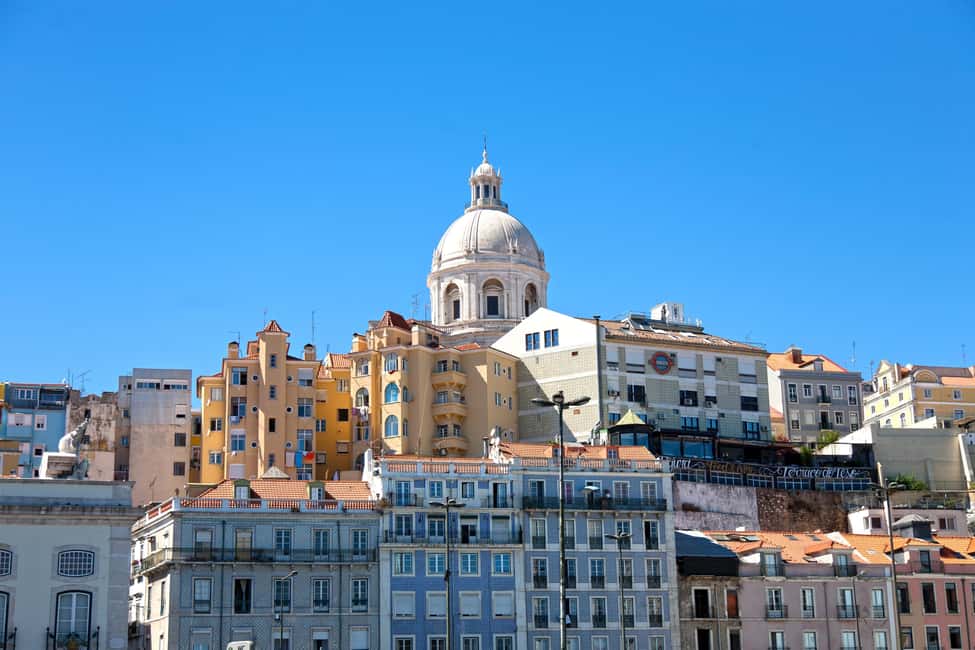
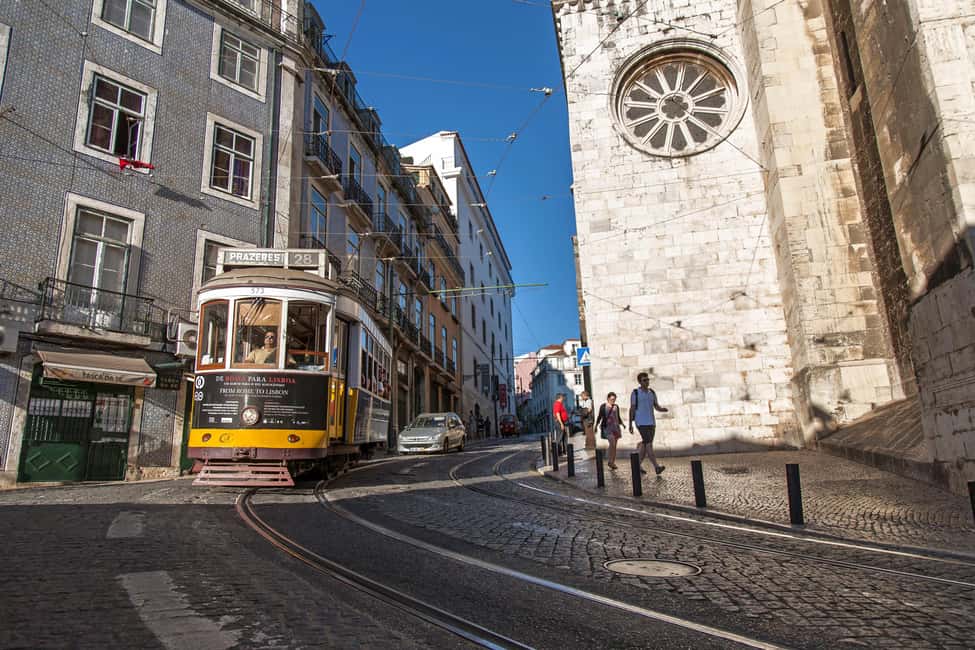
After orientation, the tour moves into Alfama, often described as one of Europe’s oldest districts. This is where Lisbon’s history shows up without asking permission. The streets are narrow, the buildings are old, and physical remnants of the past can be subtle. That’s a good thing. It forces you to learn how to read the city.
In Alfama, the guide focuses on the idea that Jewish Lisbon didn’t just exist in buildings; it existed in daily movement—people living, learning, trading, and practicing faith under changing conditions. You’ll get a sense of how the community formed a sophisticated presence during the Renaissance era, with intellectual and spiritual life tied to Sephardic culture. If you’ve ever wondered why Jewish history in Portugal feels so closely braided into Portuguese history, this neighborhood is where that connection starts making sense.
What to watch for: in areas where big monuments are limited, details matter. Expect the guide to point out small signals tied to Jewish life, including the kind of symbols and markers that can persist even when the original structures are gone.
A fair consideration: if you’re expecting a tour full of major, obvious synagogue ruins, you might feel a little teased at times. The power here is in learning to recognize traces and patterns.
Baixa and Commerce Square: linking Jewish life to Lisbon’s civic heart
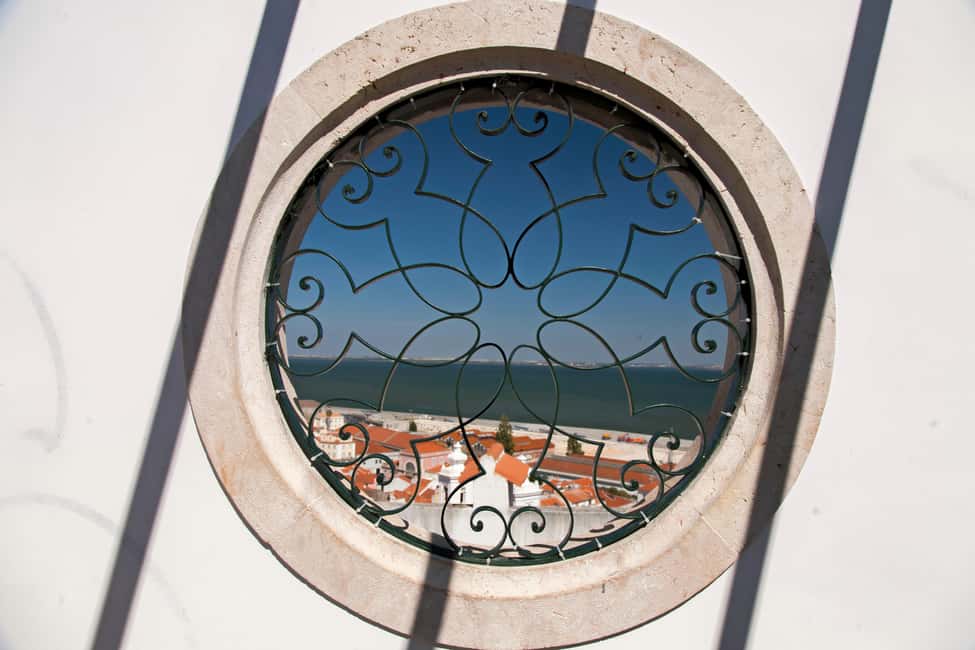
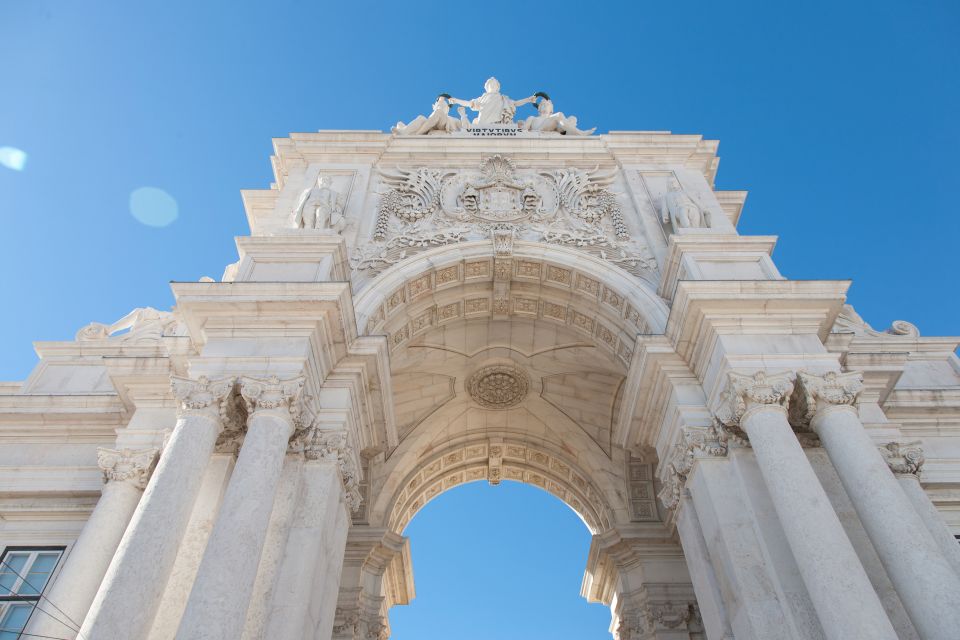
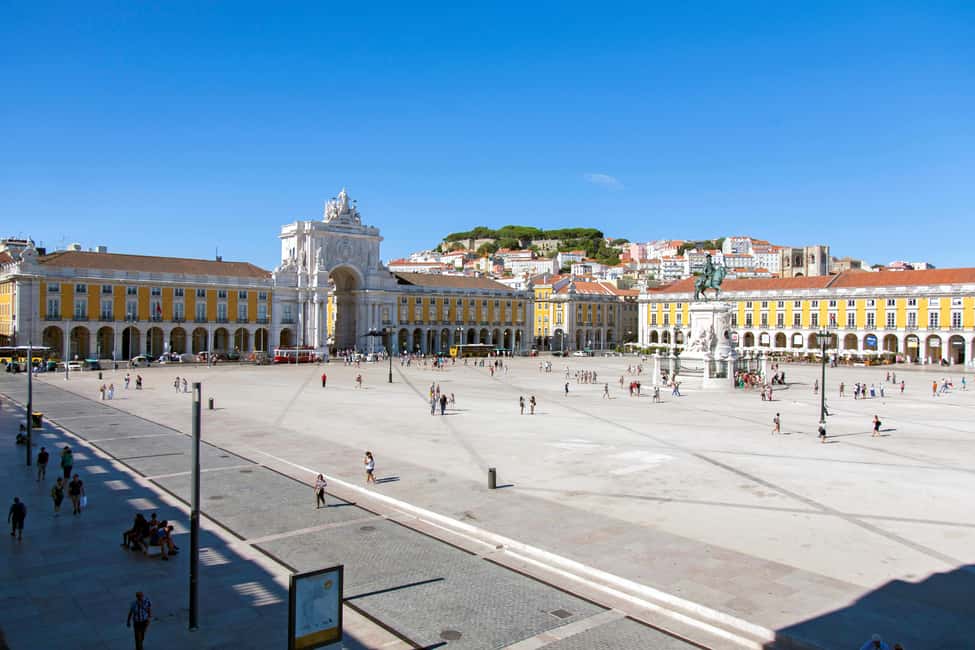
From Alfama you shift toward Baixa and the wider city core around Commerce Square. This part is about how older communities connect to Lisbon’s main public spaces: trade zones, civic identity, and the larger political forces that shaped what people could do and where they could live.
This is also a useful mental reset. After narrow lanes, you get a broader view of Lisbon’s streets and squares, and you start seeing how different neighborhoods fit into the whole story. In a Jewish-history tour, that matters because policies often changed abruptly, and the effects rippled across the city. You’re not only tracking a neighborhood—you’re tracking pressure, influence, and adaptation.
The Money Museum: a medieval wall with 1,000 years of secrets
One of the more memorable stops is the Money Museum, where you’ll see a medieval wall that’s described as holding around a thousand years of stories. This isn’t history told in a straight line. Instead, it’s history layered into architecture—almost like the city used stone as a filing cabinet.
Why this is valuable: museums of this type help you slow down and notice structure. You start thinking like an archivist. What changes? What stays? How does a building’s purpose and location reflect larger shifts in economics, power, and community life?
You’ll also pick up how Lisbon’s Jewish heritage connects to places you might normally treat as background. The museum stop turns the walk into a puzzle with context: you’re not just moving between highlights; you’re learning how to interpret the city itself as evidence.
Closures to keep in mind: the Money Museum is closed on Mondays and Tuesdays. If your dates fall on those days, your best move is to pick a tour day that allows the stop to happen.
Rossio Square and the 1506 Jewish Massacre Memorial: the dark pivot you can’t skip
Then comes Rossio Square, where the tour tackles one of the darkest eras in Portuguese Jewish history: the Portuguese Inquisition and the events leading to the 1506 Jewish Massacre Memorial.
This isn’t a stop for casual scanning. The guide frames the machinery of persecution in plain terms and ties it back to what it meant for people living ordinary lives. You’ll learn how repression shapes memory: even after the immediate events, societies often encode their actions into memorials and public narratives.
Why I think this is a key moment in the tour: a Jewish-history itinerary that only celebrates the golden age risks feeling incomplete. The strength here is balance. You get both the cultural intelligence of Sephardic life and the terrifying consequences of intolerance.
Practical note: Rossio is a public square, so it can feel more exposed than Alfama. Plan for shade and pacing, especially if you’re visiting in warmer months.
You can also read our reviews of more historical tours in Lisbon





Chiado and the influential families: how power lived next to culture
Next is a visit in the Chiado district, where you learn about influential Jewish families connected to the Portuguese kingdom. Chiado is the kind of area where the city feels both old and polished—shops, cafés, and historic streets that mix eras.
This stop adds an important nuance. Jewish history in Portugal isn’t only survival under pressure; it’s also contribution—commerce, education, intellectual life, and connections to the political and cultural elite when conditions allowed it. Even if the physical reminders are limited, the stories give you a clearer picture of social role and status across time.
A possible consideration: this portion is shorter than some others, so if you love genealogy or want names and lineages, treat it as your chance to ask questions during the walk. That’s where a strong guide can steer you toward what you’re most curious about.
Largo do Carmo Square and Carmo Convent: archaeology that connects to everyday life
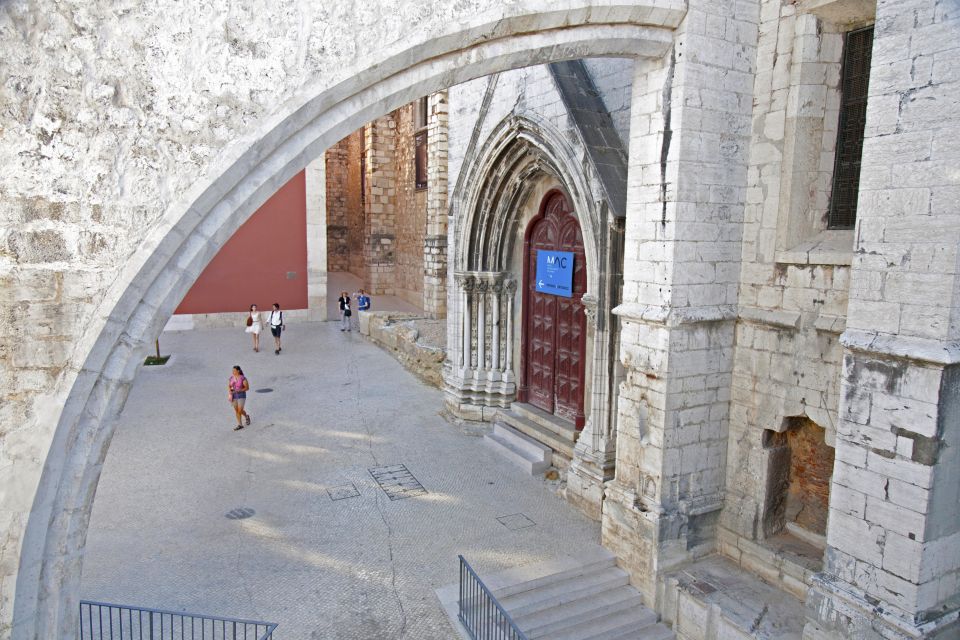
You finish with Largo do Carmo Square and then the Carmo Convent and museum area. The key draw here is the archaeological connection—old Jewish finds and evidence tied to daily life and spiritual practice. This is history you can almost touch in the way exhibits make artifacts feel specific and human.
Why Carmo matters: when a city has fewer surviving monuments, archaeology becomes your anchor. It helps you move beyond assumptions and into evidence-based understanding. You’ll see how Portuguese Jewish life wasn’t only about faith as an abstract idea; it showed up in objects, spaces, and routines.
Closures to know: the Carmo Archaeological Museum cannot be visited on Sundays. Also, plan around the Money Museum closures noted earlier. If you’re traveling on a weekend or tight schedule, your day selection really affects what you’ll be able to see.
Crypto-Judaism and World War II refuge: the long arc Lisbon carried
A standout theme across the tour is Crypto-Judaism—Jews practicing their faith in secret for centuries—and how this quietly became part of Portuguese identity. You also learn about Lisbon’s role as a sanctuary during World War II, when European Jews sought refuge from the horrors of the Holocaust.
This is where the tour earns its “bigger than Lisbon” feeling. You’re not just learning local history; you’re seeing how one city can carry identity across generations under different pressures. Renaissance-era Jewish intellectual life leads into suppression and secrecy, and later into survival and escape routes when Europe darkened again.
I like that this angle doesn’t treat Crypto-Judaism like a footnote. It’s framed as an integral chapter in how Portuguese society absorbed and transformed religious and cultural realities—sometimes openly, sometimes in hiding.
If you’re interested in how Judaism became part of Portuguese history beyond museums and memorials, this is the section that tends to stick.
How the private format (and 8-person max) changes the experience
This is a private tour with a maximum of 8 participants. That small size is more than a comfort perk. It matters because Jewish-history tours often bring out specific questions—about family life, legal changes, religious practices, and local legends.
In the strongest moments, the guide’s answers come across as patient and grounded, and that helps you learn without feeling rushed. People who have been on the tour often talk about how questions get handled with care and that the guide backs up statements with context and facts.
You also get built-in flexibility: the schedule has clear stops, but a private group lets the guide adjust emphasis. Some groups care most about architecture and language cues; others want a straight story of events. A good guide can steer you toward your priorities within the same route.
Duration, logistics, and what you should wear and plan for
The tour runs about 4 hours, and it includes hotel pickup and drop-off in central Lisbon, plus transportation in an air-conditioned vehicle. Water is provided, and entrance fees are included. Food and drinks are not included, so you’ll want to plan where you’ll eat before or after.
Comfort matters. You should bring comfortable shoes, and the day can involve uneven cobblestones, slopes, and stairs around old districts. The tour isn’t suitable for wheelchair users.
If you’re visiting October through March, Portugal gets dark from around 6pm onward. That affects pacing and photography, but it also changes how you experience viewpoints and streets—so it’s smart to start earlier in the day if possible.
Value for $137 per person: what you get beyond a basic sightseeing walk
At $137 per person for 4 hours, this isn’t a budget impulse buy. But it also isn’t just “a guide for four hours.” You’re paying for a tightly themed route that combines:
- Private transport and pickup/drop-off
- Museum and memorial access
- A guide who can connect neighborhood geography to Jewish historical chapters
- A sequence that balances Sephardic cultural influence with persecution, secrecy, and memorialization
For me, the value equation improves if you fall into one of these categories:
- You want historical context, not a checklist of photo spots
- You’d rather ask questions than worry about group pacing
- You’re visiting Lisbon for a short time and want a focused lens
- You care about evidence-based learning, especially through archaeology and museum stops
If you mostly want casual wandering and street photos, a themed tour like this might feel a little heavy. But if you want understanding—fast—this format is efficient.
Who this Lisbon Jewish History Private Tour fits best
This tour is a strong match if you:
- Want Sephardic history and Crypto-Judaism explained through Lisbon’s real places
- Prefer guided interpretation in Alfama and the city core rather than self-guided guessing
- Appreciate balance: cultural achievement plus the consequences of persecution
- Like private, small-group interaction with a guide who can answer questions
It may be less ideal if you:
- Need full accessibility for mobility constraints
- Expect lots of major, intact Jewish monuments on display
- Are visiting on a day when key museum stops are closed and you can’t shift your schedule
Should you book this tour?
I’d book this Lisbon Jewish History Private Tour if your goal is understanding Lisbon as a layered city, not just a pretty one. The best part is the way the route teaches you to read the city—hilltop orientation, old-district traces, museum evidence, and memorial sites—so Jewish history doesn’t feel like a separate chapter. It feels woven into Lisbon.
If your schedule allows you to catch the Money Museum and Carmo Convent on open days, you’ll get the full arc the tour is built around. If not, you can still benefit, but day-of-week planning becomes crucial.
Given the guides listed by name in past experiences—people like Daniel, Diogo, and Vasco—the other big reason to book is the teaching style: patient, attentive, and question-friendly, with a clear love for Portuguese Jewish history.
FAQ
What is the duration of the Lisbon Jewish History Private Tour?
The tour lasts about 4 hours.
How many people are in a private group?
The tour is private and has a maximum of 8 participants.
Are entrance fees included?
Yes. Entrance fees are included in the tour price.
Is food included during the tour?
No. Food and drinks are not included.
What languages is the guide available in?
The live guide offers English and Portuguese.
Are there any museum closure days I should know about?
Yes. The Money Museum is closed on Mondays and Tuesdays, and the Carmo Archaeological Museum cannot be visited on Sundays.