REVIEW · LISBON
Song of the Sea: Fish, Seafood and Tradition in Lisbon’s Port Zone
Book on Viator →Operated by Culinary Backstreets Walks · Bookable on Viator
One word: seafood. Song of the Sea is a guided food walk in Lisbon’s Port Zone that mixes fish, local tastings, and neighborhood context you won’t get from a typical checklist tour. You’ll start in the city’s biggest food-signal area, then work outward toward viewpoints and back toward Alcântara for the kind of bites that come from long-running shops and producer pride.
What I like most is how focused it stays: you’re not just walking past places, you’re stopping for food you can’t easily copy on your own. I also appreciate the small group size (max 7), because it keeps questions moving and makes it easy to ask about what you’re tasting and how to order it later.
One thing to consider: this is a 5-hour walk with some uphill stretches, so plan comfortable shoes and be ready for moderate effort.
In This Review
- Key highlights worth planning around
- A seafood-focused day in Lisbon’s Port Zone
- Price and value: why $150 can make sense here
- Starting at Time Out Market Lisboa: your food “anchor”
- Chafariz da Esperança: coffee pause with historical footing
- Jardim 9 de Abril: the viewpoint stop before the next bite
- Alcântara-Mar: seafood, shop owners, and the real Lisbon flavor
- Museu Nacional de Arte Antiga area: tasting near culture (without a museum slog)
- Pace, shoes, and who this fits best
- Guides and group size: small-team attention in a big-food city
- Should you book Song of the Sea in Lisbon’s Port Zone?
- FAQ
- Where does the tour start?
- What time does it begin?
- How long is the tour?
- How many people are in the group?
- What language is the tour offered in?
- What’s included in the price?
- Is private transportation included?
- Do you enter the Museu Nacional de Arte Antiga?
- What should I know about physical activity?
- Is there free cancellation?
Key highlights worth planning around
- Time Out Market meetup: start with history and seasonal product tastings in one convenient hub
- Port Zone sidestreets: you’ll hit less-obvious spots around old landmarks and working neighborhoods
- Scenic pause at Jardim 9 de Abril: viewpoints that come with a food-rhythm break
- Alcântara seafood shopping culture: conversation with shop owners, not just a tasting menu
- Full day of eating, not snacks only: lunch, drinks, and coffee/tea are part of the package
A seafood-focused day in Lisbon’s Port Zone
This tour is built around one idea: Lisbon’s seafood culture is still living, still made by people who care. You’ll taste along the way, but the guide also ties the food to the place—markets, landmarks, and neighborhoods where fish and tradition stay connected.
You’ll begin at Time Out Market Lisboa (Mercado da Ribeira), which is a smart starting point because it helps you get your bearings fast. From there, the route bends toward historical landmarks and viewpoints, then lands in Alcântara-Mar, where you spend time with seafood and the owners who keep the neighborhood’s food identity strong.
And yes, this is very Lisbon: you’ll see how everyday eating turns into a story. Pastel de nata, grapes from market-style browsing, and classics like sardines and cheese can show up across the stops, depending on what’s best that day and what the guide thinks will fit the flow.
You can also read our reviews of more tours and experiences in Lisbon.



Price and value: why $150 can make sense here
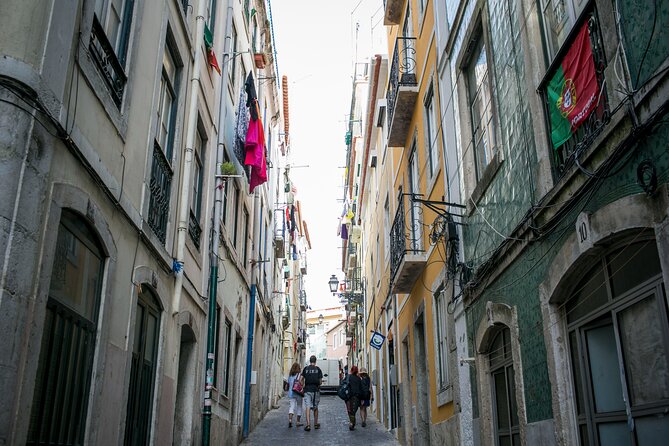
$150 isn’t cheap, but you’re not paying only for a walk. The tour includes snacks, bottled water, coffee and/or tea, lunch, and alcoholic beverages. That matters because seafood days in Lisbon can add up quickly once you start ordering drinks and committing to a real lunch rather than a quick bite.
You’re also paying for the guide’s job: translating what you’re tasting into practical knowledge. The payoff is that you leave with an easier time finding good seafood on your own later—what to look for, how locals think about seasonality, and how to talk to small shop owners without sounding lost.
Also, the group is limited to up to 7 travelers, so you’re less likely to get a rushed parade of stops. You can ask questions about what’s in front of you, and the guide has time to steer you toward the next best place.
Starting at Time Out Market Lisboa: your food “anchor”
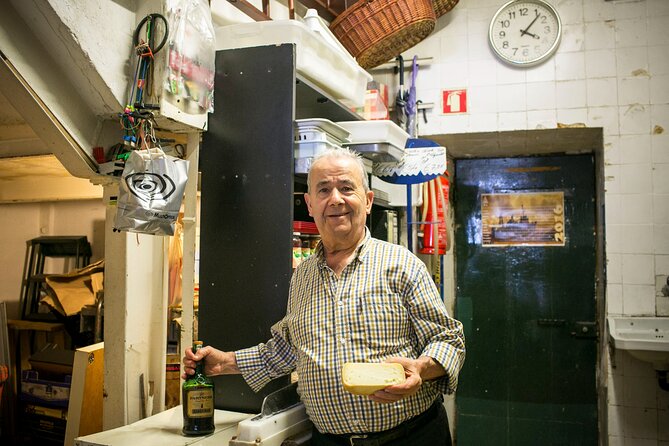
Meeting at Time Out Market (Mercado da Ribeira) puts you in the right zone right away: public transportation nearby, lots of energy, and a concentrated mix of seasonal products. The tour starts with some local context, then moves into tastings right away, so you’re not waiting hours before the first payoff.
This stop works for two reasons. First, it gives you a baseline for what’s in season and what Lisbon cooks like right now. Second, it sets the tone for the rest of the walk: you’ll learn how to connect ingredients to the neighborhood you’re walking through.
You’ll likely try small portions here that help you understand how the day will balance sweet and savory. One piece of guidance that often lands well in Lisbon food walks is how to approach order and sharing—when a bite is meant to be tasted slowly, and when a snack is more about moving you toward lunch.
Chafariz da Esperança: coffee pause with historical footing
Next comes Chafariz da Esperança, a historical landmark area where the guide brings you into smaller, lesser-known stops around it. The idea isn’t to treat it like a pure sightseeing stop. It’s more like a reset point in the food-and-walking rhythm.
This is also the moment when a lot of people appreciate the flexibility: there may be time for a coffee break. Lisbon coffee breaks aren’t just caffeine. They’re social pauses, and they help you keep energy for the rest of the day.
One practical thing: landmarks like this are often in older streets, so you’ll want to stay alert for stairs and uneven pavement. You’re not doing anything extreme, but it’s a good idea to plan for normal city walking surfaces.
Jardim 9 de Abril: the viewpoint stop before the next bite
Then you head to Jardim 9 de Abril, a park with a viewpoint that sets up what you’ll taste next. This kind of pause is more than photo time. It changes your pace and focus, so the next food stop feels like part of a story, not just another station on a route.
Because this stop includes the experience time inside the park, it feels like a breather in the middle of a 5-hour schedule. You’re also building a mental map: you’ll get a visual sense of where you are and where Alcântara sits in the bigger picture of Lisbon’s waterfront-side neighborhoods.
If you like tours that teach you how to navigate later, the park stop helps. It’s the kind of location that makes you remember the route when you’re back on your own.



Alcântara-Mar: seafood, shop owners, and the real Lisbon flavor

This is the heart of the day. In Alcântara-Mar, you focus on seafood and you spend time with the people behind it—especially shop owners, if they’re around. That detail matters. Lisbon seafood isn’t only about what’s on a menu. It’s about who sources it, how they talk about quality, and how they handle tradition.
You’ll sample multiple items here, and the guide usually explains what you’re eating in a way that helps you order with confidence later. One review-highlight theme you’ll likely feel in the way the guide talks is the pride in small businesses and the way owners share stories alongside the food.
Expect the route to reward curiosity. If you ask what to try, the guide can steer you toward flavors that make sense together—so you don’t end up just collecting random bites. And because this area is more neighborhood than tourist corridor, the seafood feels more lived-in and less staged.
You might also notice the day’s balance: sweet notes like pastel de nata can show up earlier or later, while savory seafood anchors the middle and end of the walk. That balance helps the lunch feel easier to take in, not like a final exam after a lot of tastings.
Museu Nacional de Arte Antiga area: tasting near culture (without a museum slog)

After Alcântara, the route heads toward the Museu Nacional de Arte Antiga area. You won’t go into the museum, but you still get a food-focused stop for more tastings and discoveries nearby.
This is a smart choice for people who want Lisbon culture without spending their food tour ticket on slow museum time. You still get the benefit of being in a notable zone of the city, but your attention stays on eating and learning.
The practical tradeoff: if you personally love museums and want time inside, you’ll need to schedule that separately. This walk is designed as a walking-and-eating experience first. It’s not trying to be two tours in one.
Pace, shoes, and who this fits best
You’re out for about 5 hours, and the tour includes multiple stops that all take time. The walking isn’t described as extreme, but the day does include some upward stretches, so plan for moderate effort.
This is where comfortable shoes really matter. Lisbon is full of cobbles and uneven sidewalks, and a long food day amplifies every foot complaint. I’d treat this as a hike you’re rewarded for—because the tastings and neighborhood context are the point.
The tour also has a moderate physical fitness level requirement. If you know you handle hills slowly and can keep a steady pace, you should be fine. If you have mobility limits or need frequent long rests, you might want to consider a shorter or more seated-focused option instead.
Guides and group size: small-team attention in a big-food city
This is a maximum of 7 people, which changes the entire tone of a food walk. Instead of feeling like you’re being herded, you can actually talk. You can ask what you’re tasting, where it comes from, and how to repeat it later.
Guide style is a big part of the value here. Names like Laura and Kika show up in the kind of feedback this tour generates, often praised for turning tastings into clear, practical guidance. The guide talks about Lisbon food culture through the people who sell and make it, not just through facts on a sign.
One extra detail to keep in mind: there’s mention of a Culinary Backstreets Passport that you can collect stamps for on their website. If you like tracking your food-walk progress, it’s a fun little souvenir that makes the experience feel like a series.
Should you book Song of the Sea in Lisbon’s Port Zone?
Book it if you want a seafood-forward Lisbon day that mixes tastings with neighborhood context, and you like learning from the local side of food—how people think about seasonality, quality, and ordering.
Skip it or think twice if you’re mainly after sightseeing highlights and don’t want to walk for around five hours with some uphill stretches. This is built for eating and talking to small food businesses, not for long museum time or slow bench-hopping.
If you’re the type of person who gets excited about markets, shop conversations, and comparing sweet and savory bites across a route, this is exactly your kind of tour.
FAQ
Where does the tour start?
The tour starts at Time Out Market Lisboa (Mercado da Ribeira), Av. 24 de Julho, 1200-479 Lisboa, Portugal.
What time does it begin?
The start time is 9:45 am.
How long is the tour?
It runs for about 5 hours.
How many people are in the group?
The tour has a maximum of 7 travelers.
What language is the tour offered in?
The experience is offered in English.
What’s included in the price?
Included are snacks, bottled water, coffee and/or tea, lunch, and alcoholic beverages.
Is private transportation included?
No, private transportation is not included.
Do you enter the Museu Nacional de Arte Antiga?
No, you will not go into the museum. You’ll find food in the area instead.
What should I know about physical activity?
The tour is listed as requiring moderate physical fitness level.
Is there free cancellation?
Yes. You can cancel up to 24 hours in advance for a full refund.