REVIEW · LISBON
Lisbon: Guided Port Wine Tasting Apéritif/Digestif
Book on GetYourGuide →Operated by From The Vine · Bookable on GetYourGuide
Port comes with a lesson, not a lecture. This Lisbon tasting at From the Vine turns a classic drink into a guided, small-group experience with six distinct ports and expert commentary.
I especially like the range of styles you get in a short session, including red tawny, ruby, white, rosé, reserve, and a 10-year-old pour. I also like that it comes with sweet and savory snacks, so you taste in a more realistic, Portugal-style apéritif rhythm instead of just sipping solo.
One possible drawback to plan for: it’s built as a tight 1-hour bar-style tasting, and on at least one visit the whole thing ran closer to 45 minutes. If you’re expecting a long sit-down meal or a super traditional, music-heavy ambiance, calibrate your expectations.
In This Review
- Key things to know before you go
- Meeting From the Vine in Lisbon: a bar tasting with serious focus
- The core experience: six port styles, one guided flight
- Red tawny: smooth, mellow, and made for easy sipping
- Red ruby: bright and fruity
- White port: crisp and refreshing
- Rosé port: light and floral
- Reserve port: robust and aged
- 10-year-old port: complex and rich
- How the guide teaches you to taste, not just drink
- Snacks and the apéritif/digestif feel: why it matters in Lisbon
- Price and value check: is $28 a fair deal?
- Pacing, atmosphere, and what to expect from the room
- Who should book this port tasting (and who should skip)
- My call: should you book From the Vine’s port tasting in Lisbon?
- FAQ
- What is the duration of the Lisbon port tasting?
- How many port wines will I taste?
- What kinds of snacks are included?
- Where do I meet for the tour?
- What languages are offered by the guide?
- Is the group small?
- How much does it cost?
- Who can participate?
- Is it wheelchair accessible, and are there any rules?
Key things to know before you go
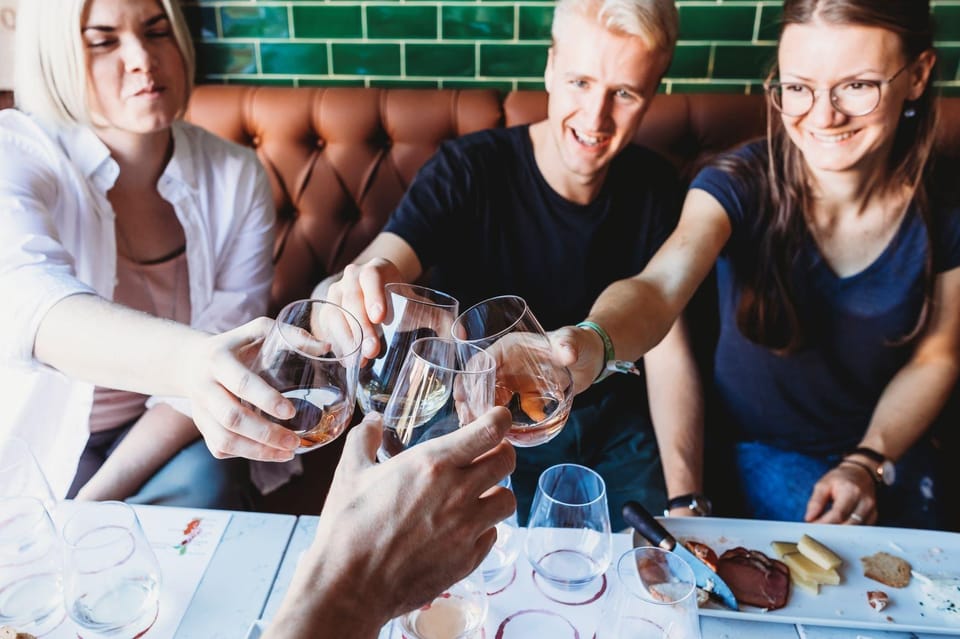
- Six-port flight: tawny, ruby, white, rosé, reserve, and a 10-year-old port in one guided sequence
- Expert guide time: English or Portuguese with real explanations of the wine-making process and port history
- Tasting technique included: you get taught how to taste each glass instead of just being handed samples
- Sweet and savory pairing: snacks keep the flavors balanced from start to finish
- Small group size: limited to 10 participants, so questions actually get answered
- Real highlights among the pours: a smooth tawny, bright ruby, crisp white, light rosé, robust reserve, and complex older port
Meeting From the Vine in Lisbon: a bar tasting with serious focus
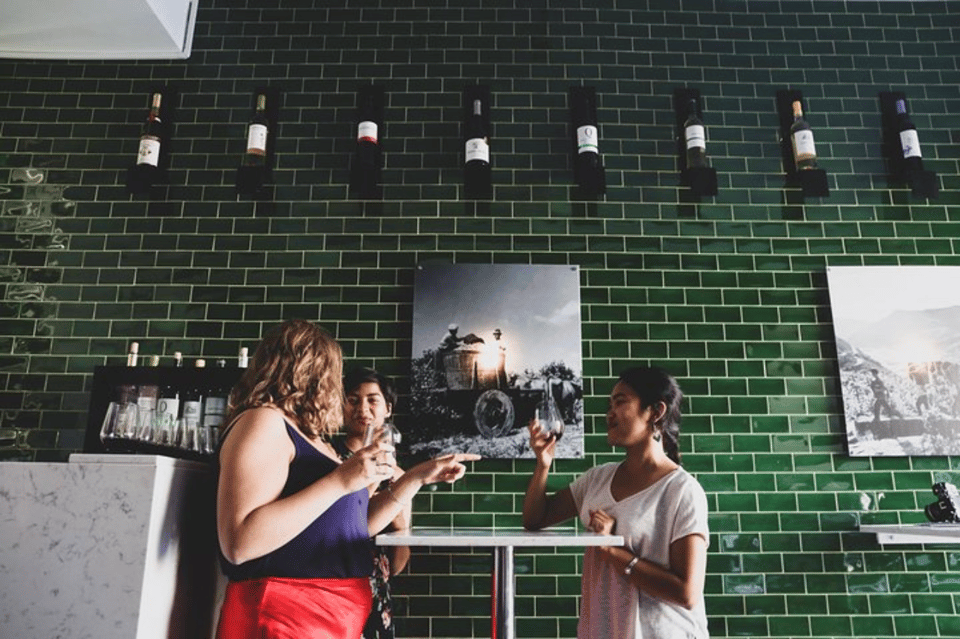
This experience happens at From the Vine, a Port & Wine Tasting Bar in Lisbon. The setting is compact and tour-like in the best way: you’re not drifting around a museum or wandering through a big winery. You show up, get organized, and get straight to the tasting.
What makes the setup work is the pacing and group size. You’ll be in a small group (up to 10), and that matters because port isn’t just one flavor. The guide can slow down when someone asks a question, and you can compare the next glass without feeling lost.
You can also feel the “this is meant for adults” vibe. The tour is for 18+ only, and it’s not recommended for pregnant women. Also note the no-smoking rule inside the venue.
You can also read our reviews of more food & drink experiences in Lisbon



The core experience: six port styles, one guided flight
The heart of this Lisbon port tasting is a guided progression through six different ports. You’ll try each one, learn what to listen for as it hits your palate, and get context for why that style tastes the way it does.
The order matters. You start with styles that are easier to distinguish, then move into the deeper, more aged character. By the end, you’re not only tasting port—you’re comparing sweetness level, fruit character, texture, and how long flavors linger.
Here’s what you can expect from each pour, based on the descriptions you’ll hear and taste during the session.
Red tawny: smooth, mellow, and made for easy sipping
The tasting often begins with a red tawny described as smooth and mellow. This is a great opener because it’s less sharp than the fruit-forward styles. If you’re new to port, this first glass gives you an anchor flavor—something rounded and comforting—so the later comparisons make sense.
In practical terms, this is where you’ll learn basic tasting moves: take a moment with the aroma, then taste with attention to texture. Tawny-style character tends to feel softer on the tongue than brighter styles, so pay attention to that “feel” as much as the flavor.
Red ruby: bright and fruity
Next comes the red ruby, described as bright and fruity. If the tawny felt gentle, the ruby is where you notice more lively fruit notes and a clearer punch of flavor.
This is a good glass for teaching. It helps you understand how different port styles can shift from mellow to more energetic simply through production and aging choices. The guide’s job here is to help you notice what changed, not just that it tastes different.
White port: crisp and refreshing
Then you’ll move to a white port described as crisp and refreshing. This is important because some people arrive thinking they only like red wines. White port is a reminder that port can sit on the lighter side too.
If you’re thinking about pairing this drink later with snacks or conversations, this is the glass you’ll remember. It tends to feel cleaner and less heavy than aged reds, so it works well if you want something that doesn’t taste overly sweet right away.
You can also read our reviews of more guided tours in Lisbon






Rosé port: light and floral
After that, you’ll get rosé port, described as light and floral. This is a favorite for lots of first-timers because it’s approachable. You’re tasting something that feels lifted rather than weighty.
During this portion, I’d treat it like a “flavor detective” moment. Notice whether the floral character reads as delicate and airy, or if it’s more about fruit sweetness. The guide will help you label what you’re experiencing.
Reserve port: robust and aged
Next is reserve port, described as robust and aged. This is where the tasting gets more serious. You may feel darker, deeper flavors showing up, plus more structure on the palate.
Reserve-style pours are the ones that can surprise you even if you think you’re set in your preferences. The tasting format makes it easier to appreciate this type because you’re not jumping into aged character cold—you’ve already had the contrast from tawny, ruby, white, and rosé.
10-year-old port: complex and rich
Finally, the flight finishes with a 10-year-old port, described as complex and rich. An older pour should feel layered: more than one flavor wave, and often more depth as it sits on your palate.
This is the glass that gives meaning to the whole experience. The older port acts like a finish line, showing how aging changes the personality of the drink. It’s also the pour most people want to talk about after the session—because once you’ve tasted it, you start wanting to compare it to other ports you’ve had (even if you didn’t know the style name before).
How the guide teaches you to taste, not just drink
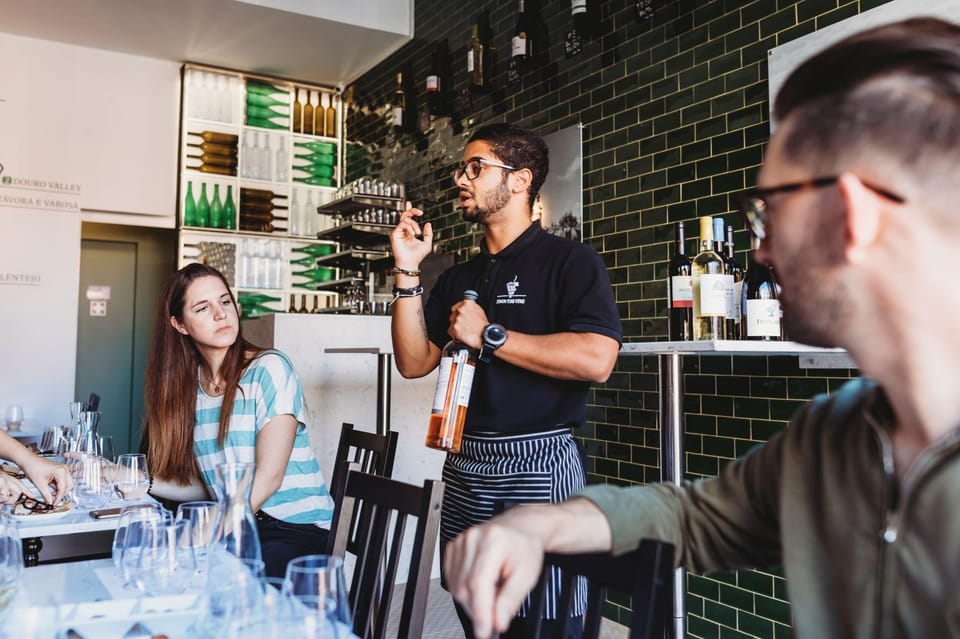
A huge part of the value here is how the guide runs the session. People consistently mention guides like Caio and Jorge as engaging and skillful, and that shows in the structure: you’re not left guessing what you’re supposed to notice.
You’ll learn about:
- how the wine-making process connects to the finished style
- port history in a way that’s meant to stick
- how to taste each glass properly so you can actually compare
Even if you’re not a port nerd, this is the kind of guidance that upgrades your next glass in a bar back in your own neighborhood. The tasting isn’t just about flavor. It’s about method.
A practical tip: go in ready to slow down. If you rush each pour, you’ll mostly register sweetness. If you take a few seconds for aroma and texture before you swallow, you’ll start catching the differences between ruby fruit brightness and tawny mellowness, or between crisp white and floral rosé.
Snacks and the apéritif/digestif feel: why it matters in Lisbon
You don’t just drink. You also get sweet and savory snacks paired alongside the tastings. That sounds simple, but it changes the whole experience.
Port can skew sweet depending on the style. Snacks help you keep balance and keep your palate from getting “stuck” after back-to-back glasses. It also turns this from a formal wine lesson into something more like a real Lisbon-style pause—an afternoon activity that feels social and food-friendly.
Timing-wise, this works well as an apéritif or a digestif-style outing because the tasting includes lighter options (like white and rosé) as well as deeper ones (reserve and 10-year-old). You can start in lighter mode, then end up with the fuller aged character.
And because it’s only an hour, it’s easy to plug into a Lisbon day without wrecking your dinner plans. You just need to plan on tasting, not eating a full meal first.
Price and value check: is $28 a fair deal?
At $28 per person for about 1 hour, this is priced like a focused tasting experience. Here’s why it can feel like good value for Lisbon:
- You get six different ports in one session, not one or two
- You get guidance on how to taste, plus explanation of port’s process and history
- You also get sweet and savory snacks, which effectively turns it into a small tasting meal
In other words, you’re paying for structured comparison. You’re not buying a bottle to experiment at home; you’re buying an hour of expert-led learning and tasting. That’s especially worthwhile if you want to understand what you like before you spend more later.
If you’re the type who only wants a single pour and doesn’t care about learning, it may feel like too much. But if you enjoy tasting flights and want to leave with a short list of favorites, it’s a good spend.
Pacing, atmosphere, and what to expect from the room
Most of the reviews describe the experience as fun, informative, and smoothly run. A couple of notes to keep you realistic:
- The session length can feel tight. One person reported it finishing closer to 45 minutes.
- The bar atmosphere is modern and playlist-driven. One reviewer wanted more Portuguese music in the room and noted English pop in their session.
Neither of those points should stop you. It just helps to know this is not a long, ceremonious, candlelit cellar evening. It’s a compact tasting bar that uses a small-group format to keep attention on the glasses in front of you.
If you want a relaxed social hang and a clear learning structure in a short window, you’ll probably like the vibe.
Who should book this port tasting (and who should skip)
This is a smart choice if:
- you want a structured way to taste multiple port styles in one go
- you’re curious about port history and how styles differ
- you like small-group activities where you can ask questions
- you want a Lisbon activity that doesn’t require transport or long timelines
It may be a poor fit if:
- you’re looking for a full meal experience (there are snacks, not meals)
- you want a purely traditional, music-heavy atmosphere
- you’re bringing kids or you’re under 18 (it’s 18+ only)
- you’re pregnant (not suitable for pregnant women, per the activity rules)
Wheelchair accessibility is listed, and the group size is small, which usually makes it easier for everyone to find space and follow along.
My call: should you book From the Vine’s port tasting in Lisbon?
Yes—if you want a high-signal Lisbon food-and-drink stop. This is the kind of tour that helps you leave with names for what you liked: you’ll taste a smooth tawny, a bright ruby, a crisp white, a light floral rosé, a robust reserve, and a complex 10-year-old port, all with guidance on how to taste.
Book it especially if you’re the type who likes short, guided experiences and wants to spend your afternoon learning a drink culture that’s deeply Portuguese.
Skip it only if your idea of a great wine trip is a long, slow, dinner-sized event. This one is concentrated, friendly, and built for tasting in a single focused hour.
FAQ
What is the duration of the Lisbon port tasting?
It runs for 1 hour.
How many port wines will I taste?
You’ll taste 6 distinct port wines.
What kinds of snacks are included?
Sweet and savory snacks are included with the tasting.
Where do I meet for the tour?
Meet at From The Vine, Port & Wine Tasting Bar in Lisbon, listed as Port & Wine Tasting In Lisbon.
What languages are offered by the guide?
The live guide speaks English and Portuguese.
Is the group small?
Yes. It’s a small group limited to 10 participants.
How much does it cost?
The price is $28 per person.
Who can participate?
Participants must be at least 18 years old. It’s not suitable for pregnant women or children under 18.
Is it wheelchair accessible, and are there any rules?
Wheelchair accessibility is listed. Smoking is not allowed.