REVIEW · LISBON
Lisbon: Electric Tuk Tuk Private Tour of the Seven Hills
Book on GetYourGuide →Operated by SPR Tours · Bookable on GetYourGuide
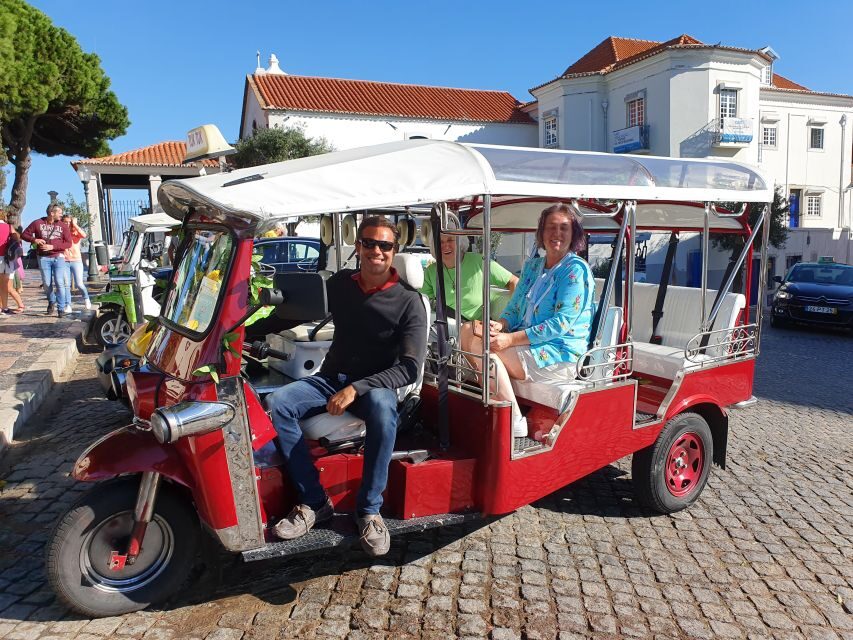
Lisbon’s hills feel endless until you ride this. This electric tuk tuk tour is built for getting from the waterfront up through the old neighborhoods and back down, with stops at the city’s biggest viewpoints and landmarks. I like that it feels fun and easy, yet you still get clear context for what you’re seeing, from the Seven Hills to the 25th of April monument.
Two things I really liked: the ride is a smart way to move through Lisbon’s narrow streets without wearing yourself out, and the tuk tuk’s open, no-glass design makes photos easier as you pass churches, viewpoints, and tiled facades. In my experience, guides also bring the route to life; you might get someone like Jorge, Pedro, Fabio, or Romeo, and the common theme is patience and real street-level context.
One drawback to consider: it’s not suitable for children under 7 and it also isn’t designed for people with mobility impairments, so if you need a fully step-free outing, you’ll want to check alternatives.
In This Review
- Key Highlights You’ll Notice Fast
- Why a Lisbon Electric Tuk Tuk Beats Walking the Seven Hills
- The Simple Timing: 2.5 Hours That Start and Finish at Restauradores
- From Rossio to Santa Justa: Lisbon’s Classic Center, Without the Drag
- Photo stop reality check
- The Viewpoint Chain That Makes Lisbon Make Sense
- What makes the stops feel efficient
- Alfama, Graça, and Mouraria: Old Neighborhoods Without the Climb Tax
- The Church and Monument Stops: Santo António, Democracy, and April 25
- The Lisbon Photo Stops That Actually Help: Tiles, Lifts, and the Pink Street
- Food, Water, and What’s Included (and Not)
- Price and Value: What $114 Buys for 2.5 Hours
- Who Should Book This Electric Tuk Tuk Tour
- Should You Book This Seven Hills Electric Tuk Tuk Tour?
- FAQ
- What’s the duration of the Lisbon electric tuk tuk tour?
- How much does the tour cost?
- Where does the tour start and end?
- Is hotel pickup included?
- What languages are the live guides?
- Is food included?
- Is this tour suitable for children or people with mobility impairments?
- What’s the cancellation policy?
Key Highlights You’ll Notice Fast
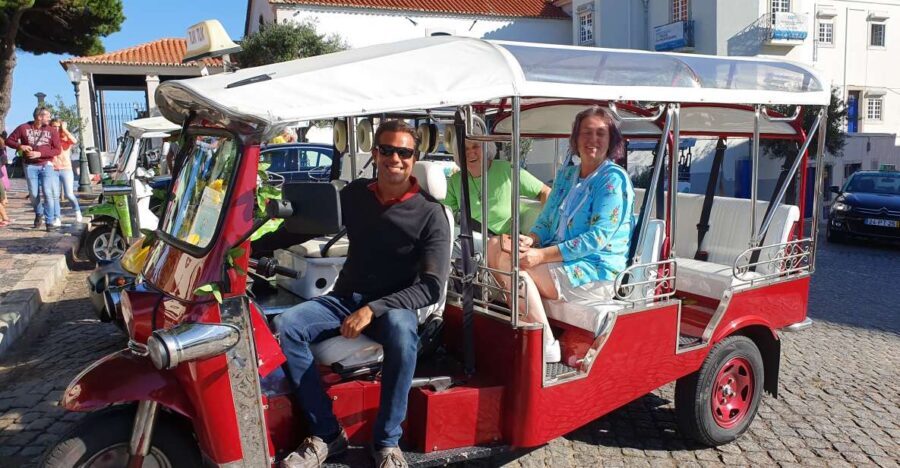
- Electric tuk tuk for tight uphill streets (quiet motor, no exhaust)
- No glass for better photos as you roll past viewpoints and facades
- Seven Hill route done in 2.5 hours without repeating climbs on foot
- Stops at Lisbon’s signature viewpoints like Portas do Sol and Senhora do Monte
- A guide who connects places to Lisbon’s story (Santo António, Moors, symbolism of São Vicente)
- Quick food stop at Mercado da Ribeira if you want a bite during the ride
Why a Lisbon Electric Tuk Tuk Beats Walking the Seven Hills
Lisbon rewards you for climbing—but it can also chew up your energy fast. The trick is choosing a route that gets you to the best heights without turning your vacation into a leg-day challenge. That’s where this electric tuk tuk shines. The vehicle is designed for Lisbon’s tight, curving streets, so you can keep moving instead of stopping every few minutes to re-map and re-climb.
I also like the practical side: the tour mentions it’s the best way to get around Lisbon’s narrow streets, and it can park at the key spots so you don’t have to walk extra just to reach a viewpoint. On top of that, it’s environmentally friendlier than gas vehicles—no noise and no exhaust fumes—so the ride feels more pleasant in residential areas and near viewpoints where you’d otherwise be breathing car traffic.
Then there’s the photography angle. Since the tuk tuk doesn’t use glass, you don’t fight reflections or awkward glare as you shoot the city. That’s a real difference when you’re trying to capture tilework, church fronts, and the famous miradouro views.
You still get enough context to understand what you’re looking at. The route includes key Lisbon story points like where the city grew from, the meaning behind Lisbon’s symbolism (including São Vicente), and how major sites tie back to periods like the Moorish conquest narrative. It’s not just sightseeing—it’s sightseeing with threads you can follow.
You can also read our reviews of more private tours in Lisbon



The Simple Timing: 2.5 Hours That Start and Finish at Restauradores
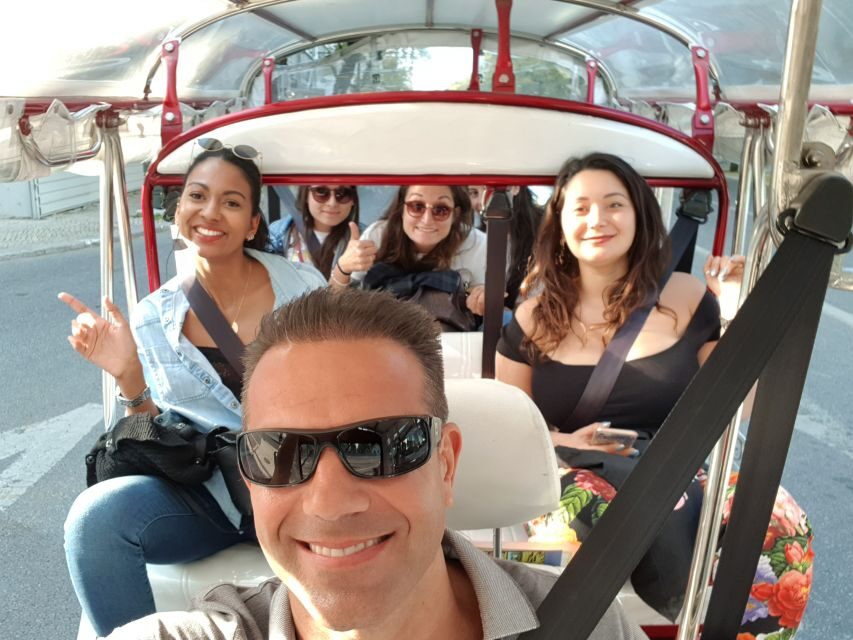
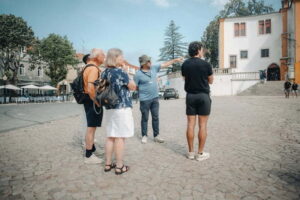
This is a private tour lasting about 2.5 hours, with a live guide in Portuguese, English, and Spanish. The start and end point is Restauradores, which matters because it makes the whole experience feel like one continuous loop instead of a start-anywhere-and-hope-for-the-best day.
Right away, you’re positioned where Lisbon feels layered: the area around Restauradores has the Obelisk and the Elevador da Glória nearby, so you get an immediate sense of how the city uses lifts and elevation tricks. From there, the tour follows a logical flow: historic center first, then viewpoint heights, then calmer upper neighborhoods, and back down toward the center.
You also get built-in flexibility in the real-world sense. In real bookings, guides have been flexible about time, including accommodating a quick stop for something to eat. That’s important because Lisbon’s streets are unpredictable—weather changes, crowds happen, and you may want an extra minute for a view. A private format makes that easier than a large-group bus where you’re stuck to a script.
From Rossio to Santa Justa: Lisbon’s Classic Center, Without the Drag
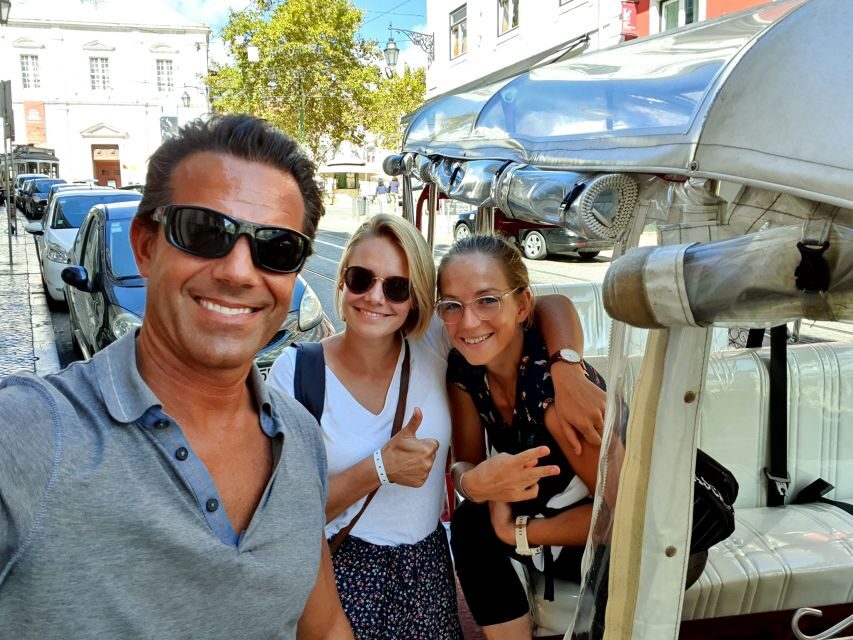
Your ride through the historic core gives you a strong “orientation in motion” feeling. You pass through Rossio Square, then along the Portuguese pavement style streets that define the old-town vibe. Even if you’ve seen Lisbon photos before, Rossio and the center areas show you how the city’s layout funnels you toward major monuments and lift systems.
One stop that’s especially worthwhile here is Santa Justa Lift. Even though the ride keeps you moving, it’s a reminder that Lisbon’s transport identity isn’t only buses and trams—it’s also vertical architecture. The city was built with elevation in mind, and that becomes obvious when you see how often viewpoints and landmarks relate to climbs.
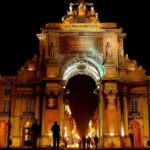
You’ll also catch the Rua Augusta Triumphal Arch and the Teatro D. Maria II area on the way through the center. These are big, recognizable names, but the value is how the guide connects them to the story of Lisbon’s growth rather than treating them like random photo backdrops.
Photo stop reality check
The itinerary includes short photo stops and occasional brief walks (for example, around 10 minutes at places like Largo do Carmo and Miradouro de São Pedro de Alcântara). That’s not a full walking tour, but it’s enough movement that you’ll want comfortable shoes and a light layer for wind at viewpoints.
The Viewpoint Chain That Makes Lisbon Make Sense

If you only take one thing from this tour, make it this: it strings together Lisbon’s best vantage points so you understand the geography, not just the landmarks.
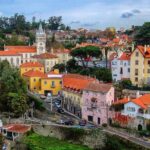
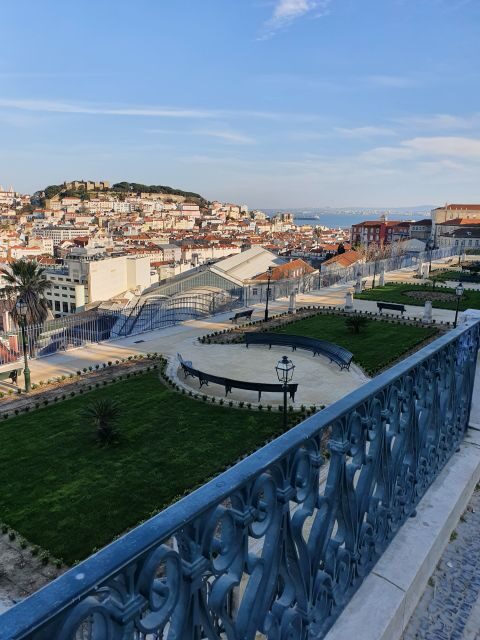
At Portas do Sol, you get one of the most beautiful views over the city. The guide also points out what you can see down into surrounding areas, including São Vicente and Alfama. Alfama is often described as the second oldest neighborhood in Europe, and watching the city spread beneath you helps it feel real rather than like a trivia fact.
Next is Miradouro de Santa Luzia, where the tiles and the viewpoint structure do a lot of work for you. The tour gives you time to stand, photograph, and take in the details instead of sprinting from one spot to another.
Then you reach the big one: Miradouro da Senhora do Monte. This is where the tour structure pays off most. You’ve already built an understanding of where things sit—suddenly the higher viewpoint isn’t just a viewpoint; it’s a map you can see with your eyes.





What makes the stops feel efficient
Instead of doing one viewpoint per day, you’re stacking the best ones in a single afternoon block. That makes the day feel smoother, and it helps you avoid wasting time deciding where to go next.
Alfama, Graça, and Mouraria: Old Neighborhoods Without the Climb Tax
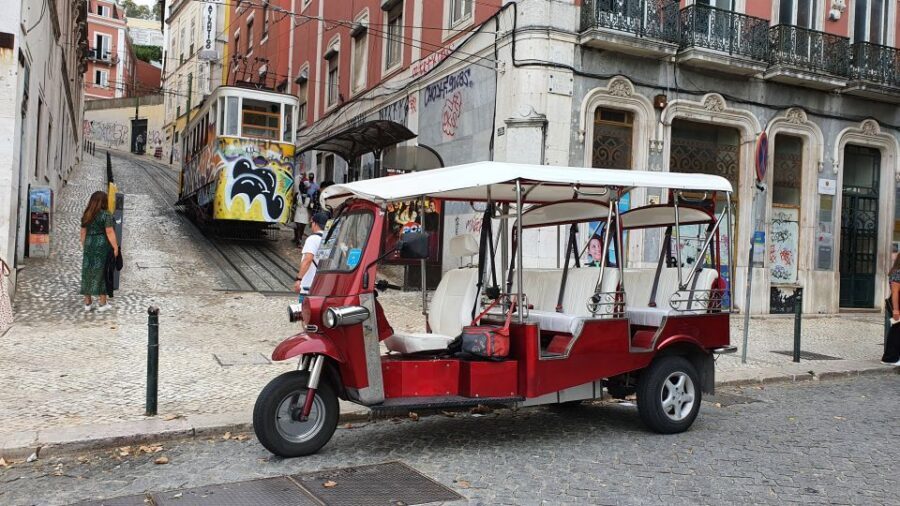
The tour doesn’t treat Lisbon’s old neighborhoods as a museum to stare at from one angle. It uses the tuk tuk to reposition you so you see the neighborhood texture without spending your whole trip transferring between steep streets on foot.
You’ll pass through Graça and the surrounding historic district, then head to São Vicente de Fora (a stop the itinerary highlights). From the viewpoint areas, Lisbon’s symbolism becomes part of what you’re actually looking at—like the idea of São Vicente as a key emblem.
You also get stops that help you connect culture to place:
- The route includes National Pantheon of Santa Engrácia, where you’ll have a short photo stop.
- It passes the Fado Museum area, which you might use as a hint for what to explore later if you want to go deeper.
- The itinerary includes Mouraria, another neighborhood where the streets feel like part of the city’s daily rhythm.
The route also mentions details that make Lisbon feel lived-in: the narrowest street in Lisbon, Feira da Ladra (a famous market area), and places like Casa dos Bicos. These small, specific names matter because they’re the difference between generic sightseeing and actually learning your way around the city.
The Church and Monument Stops: Santo António, Democracy, and April 25
Lisbon’s spiritual and political landmarks are part of the story, and the tour includes them in a way that doesn’t feel random.
The itinerary calls out St. Anthony’s Church as a photo stop linked to where Santo António was born and grew up. That matters because St. Anthony isn’t just a saint name on a plaque—he’s tied to the city’s identity. Seeing the church in context helps you understand why so many Lisbon guides start talking about him when they describe Lisbon.
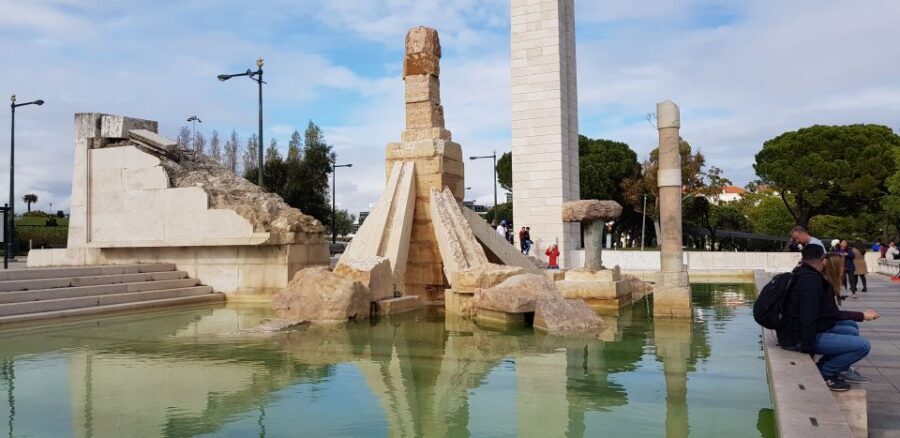
You’ll also pass the area tied to political origins: a square where democracy began, plus the 25th of April monument. Those aren’t “quick stops” in the mind—because the guide frames them as milestones in how modern Lisbon remembers itself.
Then there’s Parliament (Assembleia da República), and it’s a good inclusion if you want your tour to feel like Lisbon is more than viewpoints and tiles. It’s a working city with institutions—and the tour reflects that.
The Lisbon Photo Stops That Actually Help: Tiles, Lifts, and the Pink Street

This tour is built for photos, but not in the fake way where you get rushed and under-exposed. You get real photo windows at points that naturally produce good shots.
The itinerary includes:
- Church of Santo António (photo stop)
- Lisbon Cathedral (photo stop)
- Largo Portas do Sol and Miradouro de Santa Luzia (photo stop plus a short walk)
- Stops where you can capture the city through different angles and elevations
You’ll also pass the Pink Street, which is quick but fun, especially if you like collecting color and street-character shots.
And yes—the lack of glass in the tuk tuk really matters. It’s the difference between “I think this will be okay” and actual clear images when you’re filming church facades and tiled walls.
Food, Water, and What’s Included (and Not)
Food and drinks are not included, so you should plan to eat on your own before or after the tour. That said, the itinerary includes a brief chance to stop for regional food at Mercado da Ribeira (about 10 minutes). If you want a quick bite without turning the day into a separate mission, this stop is useful.
In the on-the-ground spirit of how guides run the ride, I also like that some guides have been known to have coins and water available. That’s the kind of small readiness that saves you from awkward scrambling when you spot something you want at a market stall.
Price and Value: What $114 Buys for 2.5 Hours
At $114 per person for about 2.5 hours, the value depends on what you want from Lisbon.
If you’re arriving with limited time and you want to hit the key viewpoints—Castelo area, Bairro Alto area, and up toward Parque Eduardo VII—this format can feel efficient. You’re paying for transportation that can handle narrow streets, plus a guide who connects the stops so you don’t just collect names.
It’s also private, so you’re not stuck with “see it, move on” energy from a large group. Guides have been praised for being patient and flexible, which is exactly what you want when Lisbon’s hills and street layout force constant small adjustments.
Think of it this way: if you try to do the same set of viewpoints with taxis or public transport, you’ll spend time coordinating and you might still walk more than you expect. This tour bundles movement, short stops, and context into one tidy afternoon block.
Who Should Book This Electric Tuk Tuk Tour
This is a great fit if you:
- Want a first-time Lisbon orientation fast
- Prefer viewpoints and landmark context over long guided walks
- Like photos but don’t want reflections ruining them
- Want a private guide for your pace
It’s not a great fit if you:
- Need step-free mobility support (the tour is not suitable for people with mobility impairments)
- Are traveling with children under 7
Should You Book This Seven Hills Electric Tuk Tuk Tour?
Yes—if your main goal is to see Lisbon’s best viewpoints and historic anchors without spending your day fighting steep streets. The electric tuk tuk format feels practical, the photo experience is genuinely better because of the no-glass design, and the route covers key areas that help you understand how Lisbon is built on elevation.
If you’re the type who wants deep, slow museum-level time, you might find 2.5 hours a bit tight. But for getting your bearings, seeing major landmarks, and walking away with a cleaner mental map of Lisbon’s neighborhoods, this is a strong choice.
FAQ
What’s the duration of the Lisbon electric tuk tuk tour?
The tour lasts about 2.5 hours.
How much does the tour cost?
The price is listed at $114 per person.
Where does the tour start and end?
It starts and ends at Restauradores.
Is hotel pickup included?
Hotel pickup and drop-off are included if your hotel is within 1 km from the city center, with Hard Rock Café listed as the pickup reference point.
What languages are the live guides?
Guides are available in Portuguese, English, and Spanish.
Is food included?
No. Food and drinks are not included.
Is this tour suitable for children or people with mobility impairments?
It’s not suitable for children under 7, and it’s also not suitable for people with mobility impairments.
What’s the cancellation policy?
Free cancellation is available up to 24 hours in advance for a full refund.