REVIEW · LISBON
Lisbon City of Spies Tour
Book on Viator →Operated by Lisbon Walker · Bookable on Viator
Spies meet real Lisbon street corners. I like the small group size and the way your guide turns famous names into walkable locations. One watch-out: the tour runs about 2 to 3 hours, and after roughly two hours you may start feeling it, especially in bad weather.
This is a downtown-focused story walk through Lisbon’s power centers and the corners where wartime players left their fingerprints. You’ll get a strong grounding in Portugal’s role during WWII, not just spy trivia, and you’ll see how those politics connect to culture and everyday life.
In This Review
- Lisbon City of Spies: a WWII story you can actually walk
- Meeting Point at Cervejaria Antártida, End at Restauradores
- Praça do Comércio: the “centre of power” that shaped decisions
- Municipal Square: from political beginnings to spy-era pressure
- Praca da Figueira: the real James Bond thread
- Dom Pedro IV Square: refugees, European trends, and hard realities
- The tungsten traffic and Jewish gold: how smuggling changed the game
- Spy hotels in Lisbon: look for the locations, not just the names
- Praça dos Restauradores: Garbo/Arabel and the double-agent effect
- Guides like Jose, Filipa, and Ze make the city click
- Walking time, weather, and how to pace yourself
- Why this tour feels like more than “WWII spies”
- Value check: worth $30.17 for a 2–3 hour downtown walk?
- Who should book this Lisbon City of Spies walk?
- Who might want to skip (or swap for a different style)
- Should you book Lisbon City of Spies?
- FAQ
- How long is the Lisbon City of Spies tour?
- What does the tour cost?
- Is the tour offered in English?
- How big is the group?
- Where do I meet the tour?
- Where does the tour end?
- Is there admission for the stops?
- What’s the cancellation policy?
- Can I book and get confirmation later?
Lisbon City of Spies: a WWII story you can actually walk
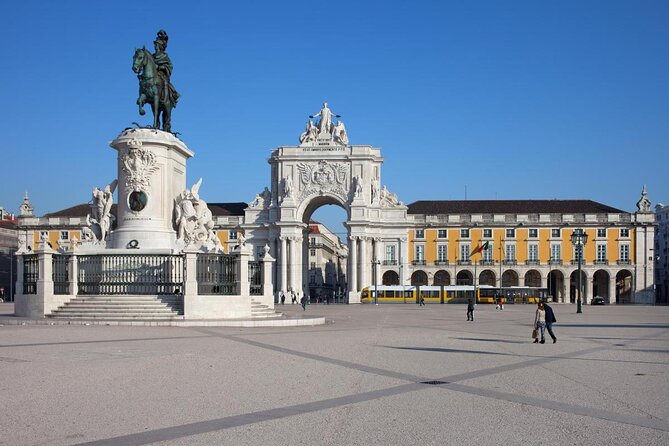
This tour works because it treats Lisbon like a living map. You’re not stuck in a classroom with photos and dates; you’re moving from square to square, picking up context as you go, so the city makes sense in your head.
At $30.17 per person, you’re paying for guided interpretation rather than a ticketed attraction. The big value move here is the professional art historian guide, who can connect architecture, street layout, and how people used to move through the city—useful if you want more than a quick headline version of the war.
Meeting Point at Cervejaria Antártida, End at Restauradores
The walk starts at Cervejaria Antártida Lisboa on Praça do Comércio (Terreiro do Paço area), and it ends at Restauradores. Plan to arrive a few minutes early so you’re not hunting down your group while the story clock is already ticking.
It’s also near public transportation, so you can pair it with other sights before or after. And since the maximum group size is 15, you’re more likely to get real answers to questions instead of just hearing the guide talk at the whole crowd.
You can also read our reviews of more city tours in Lisbon
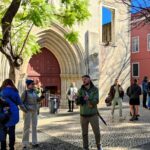


Praça do Comércio: the “centre of power” that shaped decisions
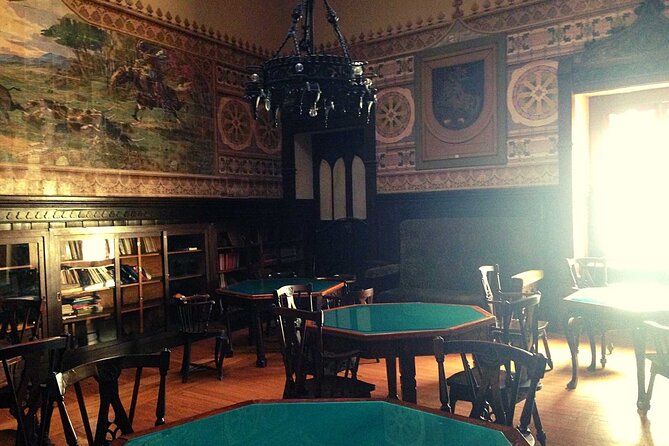
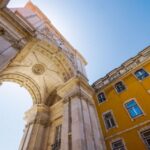
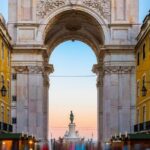
You begin at Praca do Comercio (Terreiro do Paço), Lisbon’s long-time focal point. This stop sets the tone: this was where power gathered, where influence could be felt quickly, and where you can understand why Lisbon mattered to international players.
Even if you don’t know anything about WWII yet, you’ll leave this first segment with better city bearings. You’ll start to see the downtown grid and the way major squares connect, which makes later stops easier to follow.
Municipal Square: from political beginnings to spy-era pressure
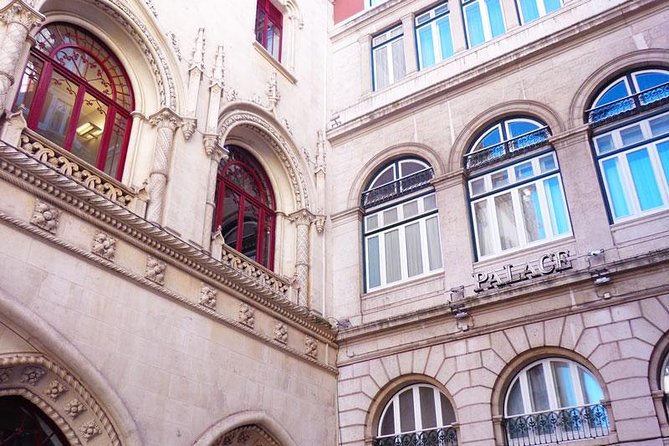
Next is Municipal Square, tied to the beginning of the Portuguese Republic. The point of this stop isn’t just political trivia; it’s about how Portugal’s political direction helped shape the room spies needed to operate in.
Short stop, but it’s the kind of timing that keeps the tour moving without skipping setup. You’re building a timeline, and you’ll feel it when the story shifts toward the war.
Praca da Figueira: the real James Bond thread
At Praca Da Figueira, the tour connects Lisbon storytelling to the idea of the real James Bond. The attraction here is that you’re not chasing a movie plot. You’re learning why Lisbon became useful to intelligence networks and how the city’s real-world connections fed that legend.
This is one of the places where a skilled guide matters. A good storyteller can make the connections click fast: who needed what, where they looked, and how Lisbon’s position made those needs hard to ignore.
Dom Pedro IV Square: refugees, European trends, and hard realities
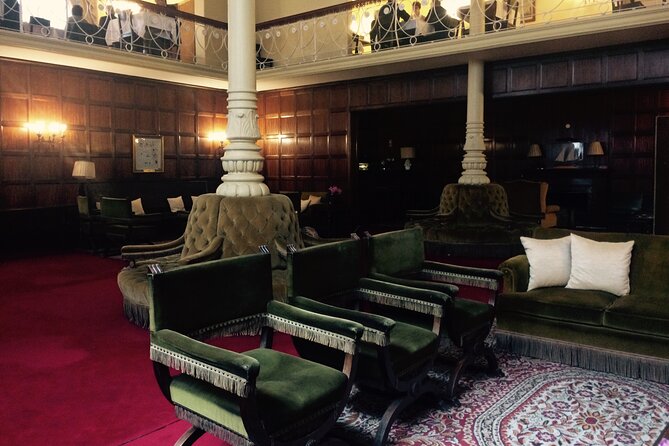
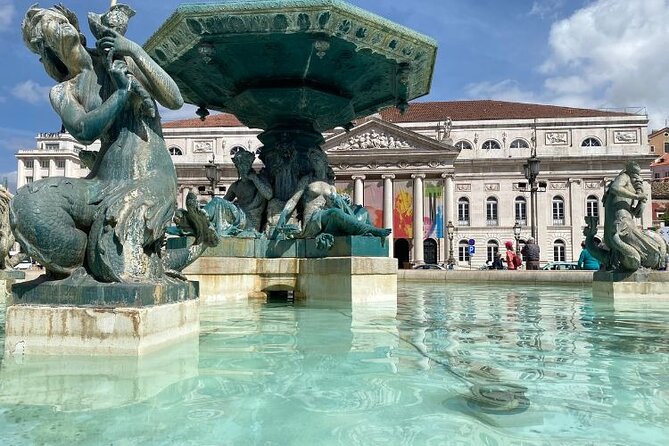
At Praca Dom Pedro IV, the tour shifts into the human side of wartime Lisbon. You’ll hear stories about refugees and about European fashion trends—yes, fashion—because war didn’t erase style and social life. It changed who had access to what, and it changed what people wanted to show or hide.
This stop also helps explain why wartime Lisbon wasn’t only espionage. It was also day-to-day survival, public performance, and social pressure all at once. That mix is a big reason the tour feels more like a city walk than a narrow history lesson.




The tungsten traffic and Jewish gold: how smuggling changed the game
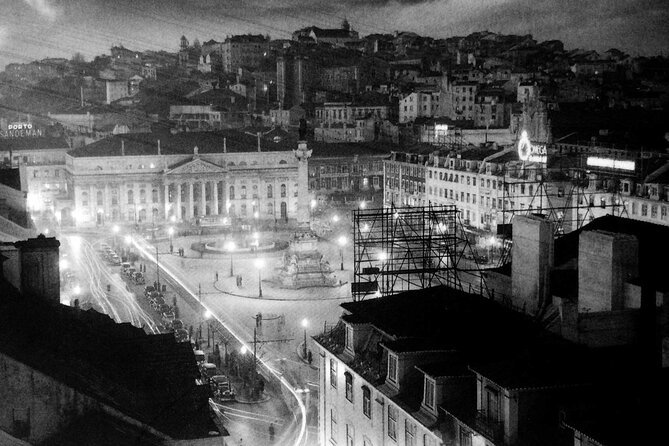
There’s a dedicated story moment for the Jewish gold and tungsten traffic. This part matters because it grounds the spy narrative in money, materials, and shadow trade—things intelligence people cared about because they moved value where it wasn’t supposed to go.
You’ll come away understanding that espionage isn’t only secret meetings in smoky rooms. It’s also supply chains, favors, and profitable routes. The guide’s pacing helps you keep the bigger picture without turning the whole walk into a lecture.
Spy hotels in Lisbon: look for the locations, not just the names
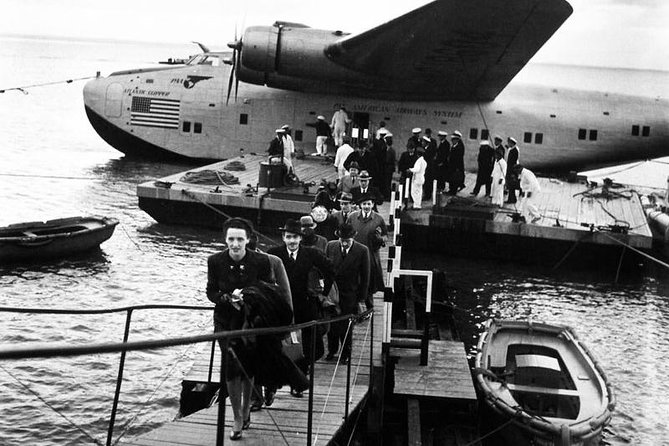
As you continue through downtown, you’ll stop for the most famous spy hotels in Lisbon and other key locations tied to intrigue. What I like about this approach is that it turns famous settings into real, visitable places.
When you can point at the street corner and the building type, the stories stick better. It also makes your next days in Lisbon more fun, because you’ll spot how hotels and meeting points fit into city life.
Praça dos Restauradores: Garbo/Arabel and the double-agent effect
The tour closes at Praca Dos Restauradores, with a key WWII double agent story: Garbo/Arabel. This ending slot works because it shows how one person’s work can ripple through international politics, not just through spy circles.
By the time you reach this stop, you’ll have the context to understand why a double agent matters so much. You’ve already heard about Lisbon’s political setting, its wartime pressures, and the kinds of activities that attracted intelligence attention—so the Garbo/Arabel story lands with weight.
Guides like Jose, Filipa, and Ze make the city click
The strongest theme in the experience is storytelling skill. Jose is praised for being highly detailed while still managing to keep things moving and readable, and for bringing Lisbon during WWII to life. Filipa gets credit for weaving political, social, and economic context into spy locations, which helps you understand the why behind the intrigue.
Another guide named Ze is also mentioned as very strong on knowledge and communication, with the added plus of answering questions. That small-group setup matters here: when you can ask something and get a real response, the tour becomes more personal and less generic.
Walking time, weather, and how to pace yourself
Expect about 2 to 3 hours, depending on your group pace and how long questions run. If you’re prone to getting tired on walks, I’d plan the day so you’re not scheduled for anything heavy right after the tour. One review note suggests you may start feeling worn out after the two-hour mark, so going in with realistic energy helps.
Also, Lisbon weather can change fast. If rain comes in, keep your jacket handy and adjust expectations: you’ll still get the story, but you may move a touch faster. Comfortable shoes are non-negotiable for a downtown walking route with multiple squares.
Why this tour feels like more than “WWII spies”
Yes, the spy angle is the hook. But the tour’s real strength is that it adds layers: Portugal’s unique WWII situation, the dictatorship era context, and the way life continued before and after the war.
That wider framing is what makes it useful even if you’re not a hardcore WWII buff. You’ll leave with a better sense of how politics, business, and personal relationships mixed in Lisbon—because that mix is what created space for intelligence operations.
Value check: worth $30.17 for a 2–3 hour downtown walk?
For $30.17, you’re buying three things: a professional art historian guide, a guided route through key downtown sites, and a tight story thread that connects them. Since there’s no admission fee noted for the stops, you’re not paying extra on top of the tour.
The best value signal is the group size cap at 15. If you’ve ever been stuck on a large walking tour where everyone hears the same loud-broadcast version of the story, you’ll feel the difference here. You’ll likely get more attention, which makes the walk feel smarter, not just longer.
Who should book this Lisbon City of Spies walk?
This is a great fit if you want:
- A fast way to learn downtown Lisbon while hearing a true-to-place spy narrative
- A guide who connects WWII intrigue to Portuguese political and cultural realities
- A small-group tour where questions and interaction actually make sense
It also works across ages, since the pace is designed to be walkable for older groups. If you’re traveling with someone who loves history but gets bored by pure timelines, this is the kind of story-driven route that can hold attention without losing context.
Who might want to skip (or swap for a different style)
If you hate walking or you only have a narrow window, the 2 to 3 hours may feel like too much. And if you’re looking for hands-on museum time or indoor exhibits, this tour is square-and-street based.
Still, for most people who want a memorable orientation tour that doesn’t feel like a standard city lecture, this one is a strong match.
Should you book Lisbon City of Spies?
I’d book it if you want Lisbon to feel personal fast—like you’re not just sightseeing, you’re understanding why the city mattered. The combination of a professional art historian guide, a small group, and multiple downtown “real locations” makes the story stick.
Do it especially if you’ll be spending more than a day in Lisbon and want your first city overview to be meaningful, not random. Bring a light rain layer, plan around the two-hour energy dip, and you’ll be set for a genuinely engaging walk through Lisbon’s spy-era streets.
FAQ
How long is the Lisbon City of Spies tour?
The tour runs about 2 to 3 hours.
What does the tour cost?
The price is $30.17 per person.
Is the tour offered in English?
Yes, it is offered in English.
How big is the group?
The tour has a maximum of 15 travelers.
Where do I meet the tour?
The start point is Cervejaria Antártida Lisboa, Ala Poente do Palácio Real, Praça do Comércio R. C 20-23, 1100-038 Lisboa, Portugal.
Where does the tour end?
It ends at Restauradores, 1249-970 Lisbon, Portugal.
Is there admission for the stops?
The tour notes free admission for the listed stops.
What’s the cancellation policy?
You can cancel for a full refund if you cancel up to 24 hours in advance of the experience start time. If you cancel less than 24 hours before, the amount paid is not refunded.
Can I book and get confirmation later?
Confirmation is received within 48 hours of booking, subject to availability.