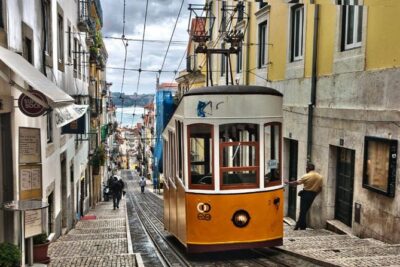
REVIEW · LISBON
Lisbon: 3-Hour The Slave Trade – An Historical Walking Tour
Book on GetYourGuide →Operated by My Lisbon Tours · Bookable on GetYourGuide
Lisbon has receipts, and this tour reads them. You’ll walk through central sights while learning how Portugal’s Atlantic slave trade grew out of Lisbon’s institutions, streets, and power.
I really like the way the tour is led by Rui Fernandes, an African guide with a background in history, political science, and economics, so the story stays grounded in cause-and-effect. I also love the small group setup (limited to 8, and often 6), which makes it easy to ask questions and keep a calm pace through older neighborhoods like Alfama.
One thing to consider: this is not a light “look at old buildings” walk. Expect a serious, sometimes uncomfortable history of human suffering, and go in with that in mind.
In This Review
- Key Things I’d Prioritize
- Largo do Chafariz de Dentro: Starting Point and What to Expect
- Mapping Alfama-Like Streets to a Hard History
- From Prince Henry the Navigator to the Birth of the Atlantic Trade
- The Slave Trade Isn’t Only Boats: Portugal’s Economic Engine
- Daily Life in Historical Lisbon: What Enslaved People Faced
- Abolition, Portuguese Colonies in Africa, and Liberation Struggles
- Coffee, a Bathroom Break, and a Walking Pace That Doesn’t Beat You Up
- Price and Value: Is $35 Fair for This Level of Detail?
- Who This Tour Suits (and Who Might Want a Different Option)
- Should You Book Lisbon’s 3-Hour Slave Trade Walking Tour?
- FAQ
- Where is the meeting point?
- How long is the tour?
- Is the tour in English?
- How big is the group?
- What breaks are included?
- Is hotel pickup or drop-off included?
- What should I bring?
- Are pets allowed?
- Is free cancellation available?
Key Things I’d Prioritize
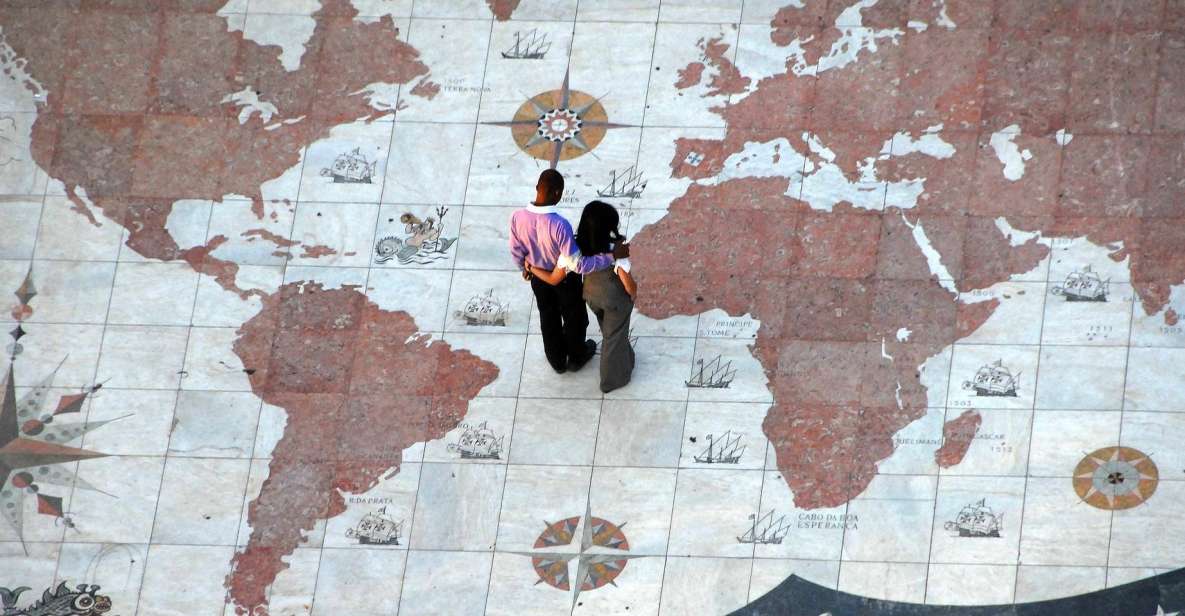
- Rui Fernandes guide style: clear, patient answers and an inclusive tone for different backgrounds
- City center + back streets: you connect the big story to real places, not just dates
- Portugal’s role, explained: from Prince Henry’s era to Portugal’s later abolition moves
- Daily-life focus: what enslaved people’s lives could look like in historical Lisbon
- Easy walking rhythm: mostly flat or gentle inclines, with a coffee pause
- Questions welcome: the flow is built for discussion, not a one-way lecture
Largo do Chafariz de Dentro: Starting Point and What to Expect
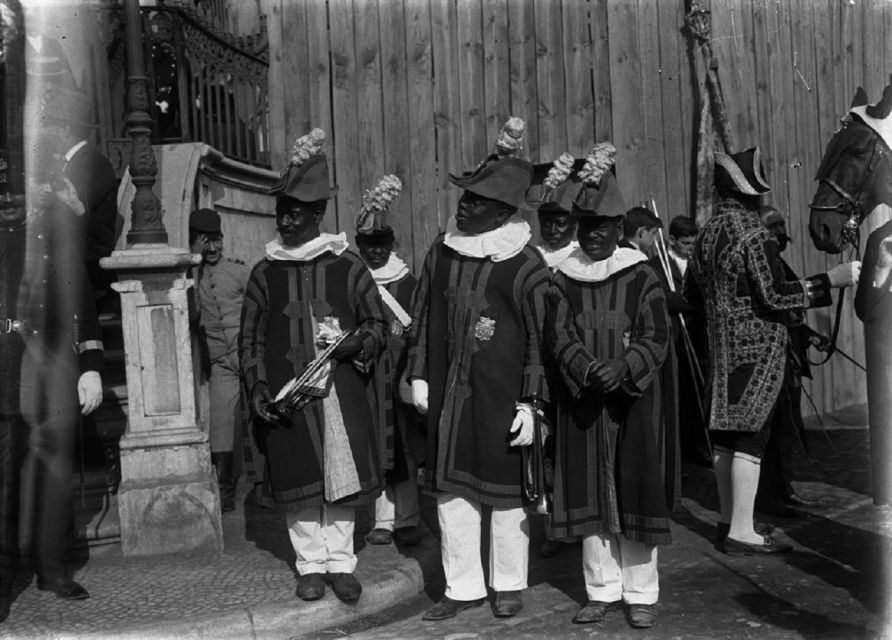
You meet your guide at Largo do Chafariz de Dentro. It’s a practical way to begin: you’re in the city center quickly, then you settle into the slow, street-level thinking that walking tours do best.
The whole tone is set early. Rui’s background helps here. Instead of treating the slave trade like a distant tragedy, the tour frames it as something tied to systems—political decisions, economic incentives, religious ideas, and everyday enforcement. That doesn’t make it less emotional, but it makes it easier to understand why Lisbon looked prosperous while doing something monstrous.
You can also read our reviews of more walking tours in Lisbon



Mapping Alfama-Like Streets to a Hard History
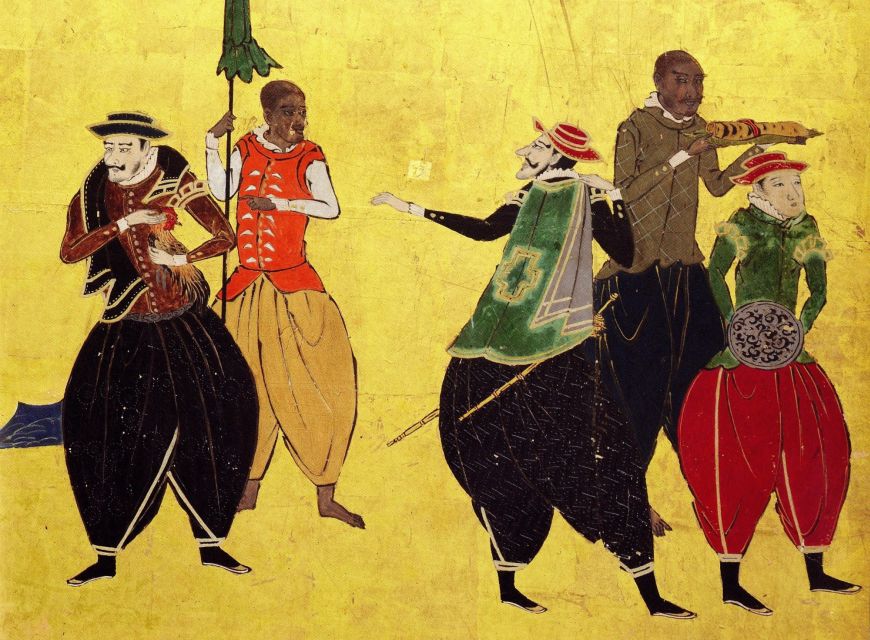
A big reason this tour works is that it matches topic and setting. You’re not just told what happened. You walk through the kinds of places that shape a city: alleys and back streets, main avenues, churches, and public squares with connections to how slavery shaped Lisbon.
You’ll also get the sense that language and location mattered. Street names, building uses, and the way monumental architecture sits inside older neighborhoods can act like breadcrumbs. The tour uses those connections to show how slavery wasn’t isolated from Lisbon life—it was part of the city’s long-running economic and political story.
Here’s the useful part for you: after this, you’ll see Lisbon differently. You’ll notice how the city’s growth and wealth can link back to Atlantic trade networks, and how that history still echoes in what gets remembered (and what gets talked over).
From Prince Henry the Navigator to the Birth of the Atlantic Trade

The tour’s timeline starts in the early 15th century, when Portugal’s Prince Henry the Navigator is tied to the beginning of what we now call the Atlantic slave trade. You’ll hear how that shift changed everything—especially how Lisbon became part of the machinery that carried human beings across the ocean.
The tour doesn’t just throw numbers at you. It connects the origin story to the “why” behind expansion: geography, maritime power, and political will. It also explains how the Portuguese role relates to larger European dynamics, including how slavery took root in the Iberian peninsula before the transatlantic system took full shape.
And yes, the scale is hard to sit with. The tour mentions 12 to 14 million Africans sold into slavery and sent across the Atlantic, and it’s clear the guide wants you to understand the human reality behind the statistics.
The Slave Trade Isn’t Only Boats: Portugal’s Economic Engine
What I like best is how the tour links the grand Age of Discovery story to economics. The guide’s history, political science, and economics background shows up in the way he explains motives—profit, power, and control—rather than treating the trade as a one-off moral failure.
This matters for your understanding. If you only learn about ships and routes, you’ll miss the institutions. On this tour, you learn how Lisbon’s development was shaped by trading in human lives, and how that shaped laws, religious narratives, and social structures.
In practical terms, the tour helps you make sense of why Lisbon developed the way it did. You’ll start noticing how prosperity can be built on extraction and coercion—and how long that kind of legacy can last.
Daily Life in Historical Lisbon: What Enslaved People Faced
The tour gets specific about the day-to-day aspects of the life of an enslaved person in historical Lisbon. Rather than stopping at abstract definitions, it focuses on the reality of how a city can function when a portion of its population is forcibly exploited.
You’ll also see how Lisbon’s role connects to wider Atlantic systems. The tour puts special emphasis on the importance of Brazil, which helps explain why Portuguese interests stretched across the ocean and why the trade kept expanding for centuries.
This section is often what people remember most, because it turns the story from “history class” into something you can picture. It’s still educational, but it becomes more concrete: the guide ties personal suffering to the structures around it.
You can also read our reviews of more historical tours in Lisbon






Abolition, Portuguese Colonies in Africa, and Liberation Struggles
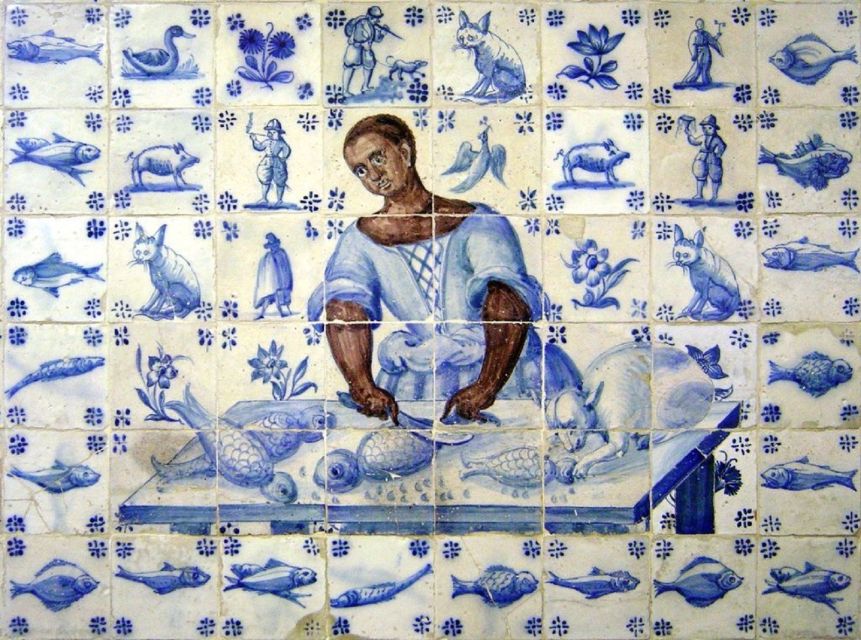
A lot of tours skip the “after” part. This one keeps going. You’ll learn about the abolition of the slave trade in Portugal, and then the story shifts to Portuguese colonies in Africa and the struggle for liberation led by African nationalists.
That part matters because it helps you avoid a common trap: thinking slavery ends cleanly in a single moment. Instead, you get the longer arc—how systems persist, how ideas and policies keep shaping lives, and how resistance continues under changing labels.
By the time you finish, the tour doesn’t feel like a closed chapter. It feels like a thread that still connects to the present—especially in how communities and histories are recognized.
Coffee, a Bathroom Break, and a Walking Pace That Doesn’t Beat You Up
This tour is built for a comfortable 3-hour rhythm. It’s limited to a small group (max 8, and reviews note groups can be 6), which helps with pacing, shade-finding on hot days, and keeping questions from turning into a scramble.
You get one coffee break plus one WC break included. That’s not just convenience—it’s useful when you’re carrying heavy information. You’ll have a chance to reset your brain, compare notes with your group, and ask follow-ups without feeling rushed.
Also, don’t stress about steep climbs. Reviews describe the route as mostly flat or with minimal inclines, which makes it easier to manage across ages and fitness levels.
Price and Value: Is $35 Fair for This Level of Detail?
At $35 per person for a 3-hour historical walking tour, the price makes sense because you’re paying for something that’s hard to replicate on your own: guided local interpretation of a difficult subject, tied to specific places in Lisbon.
You’re not just buying a route. You’re getting:
- a licensed local guide
- English-language delivery
- time to ask questions
- a focused topic you won’t find treated like a regular sightseeing checkbox
In other words, you’re paying for context. If your goal is to understand Lisbon beyond postcards, this price lands in the “worth it” category—especially because the guide brings research-grade framing and stays patient when people ask hard questions.
Who This Tour Suits (and Who Might Want a Different Option)
This tour is a strong fit if you want Lisbon history that’s real, not sanitized. If you’re interested in international affairs, Atlantic history, Portuguese heritage, or how economic systems can shape cities, you’ll likely find it directly relevant.
It’s also a good choice for couples and small groups who want dialogue. Reviews highlight that Rui remembers names, speaks clearly at an even pace, and gives space for questions.
If you prefer light, purely scenic walks—or you know you react strongly to trauma-based historical content—this might feel like too much in one sitting. The topic is serious. You’ll benefit most if you’re ready to face it with a respectful mindset.
Should You Book Lisbon’s 3-Hour Slave Trade Walking Tour?
I’d book it if you want a Lisbon tour that actually explains what sits underneath the beauty. For me, the standout value is that you learn the Portuguese connection to the Atlantic slave trade while walking through the city itself, with a guide who can handle questions and provide clear historical framing.
If you’re only looking for highlights and photo stops, skip it. If you want Lisbon’s full story—painful parts included—this is one of the best ways to get there in just a few hours.
FAQ
Where is the meeting point?
Meet your guide at Largo do Chafariz de Dentro.
How long is the tour?
The tour lasts 3 hours.
Is the tour in English?
Yes, the guide leads the tour in English.
How big is the group?
It’s a small group limited to 8 participants, and reviews note groups can be 6.
What breaks are included?
The tour includes one coffee break and one WC break.
Is hotel pickup or drop-off included?
No, hotel pickup and hotel drop-off are not included.
What should I bring?
Bring comfortable shoes.
Are pets allowed?
No, pets are not allowed.
Is free cancellation available?
Yes, you can cancel up to 24 hours in advance for a full refund.