REVIEW · PORTO
LGBTour Porto: Walk through Porto, discover the LGBTQIA+ History
Book on Viator →Bookable on Viator
Porto looks different once you walk it through queer memory. This LGBT tour pairs city sights with LGBTQIA+ pride milestones and everyday places that shaped community life, all led by Ricardo in small groups.
I love the way the tour focuses on real locations tied to events, not just monuments, and it builds momentum stop by stop. I also really like that you get time for questions and conversation, so you can connect the history to what you care about today. One thing to consider: it is still a walking experience for about 3 hours, so comfy shoes matter, and you should be ready to move at street pace.
Key points to know before you go
- Small group size (up to 15) keeps it personal and makes Q&A feel easy.
- Queer businesses are part of the route, including a dedicated LGBTQIA+ bookshop stop.
- Pride history is tied to specific Porto streets and squares, from gardens to a justice statue.
- The tour avoids the biggest “postcard” stops, favoring less obvious areas and local context.
- It ends at Miradouro das Virtudes for a calm view over the Douro and time to reflect.
In This Review
- A Queer-Led Walk That Reframes Porto’s Famous Corners
- What You Get for $38.45: Time, Stops, and Thoughtful Free Entries
- Campo 24 de Agosto Garden: Pride Memory Begins in Plain Sight
- Rua de Santa Catarina: When Tourism Changes the Meaning of a Street
- Praca da Republica and Teófilo Braga Garden: Pride Starts in a Square
- Livraria aberta: Queer Books as Community Infrastructure
- Teaching, Students, and Social Change in a Busy Porto Area
- Tribunal da Relação do Porto: Justice, Law, and Queer Dates
- Miradouro das Virtudes Finale: Douro Views and a Personal Reflection
- Who This Tour Fits Best (and What to Watch For)
- Should You Book LGBTour Porto?
- FAQ
- How long is the LGBTour Porto walking tour?
- Where does the tour start and end?
- How much does the tour cost?
- What language is the tour offered in?
- Do I need to buy tickets for the stops?
- How big is the group?
- Is there a mobile ticket?
- Is the tour near public transportation?
- Can I get a free cancellation?
A Queer-Led Walk That Reframes Porto’s Famous Corners
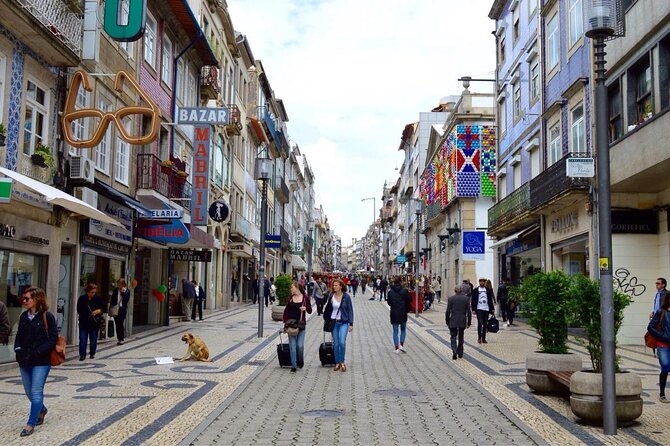
If you’ve only seen Porto from the usual tourist route, this tour gives you a new map. You’ll walk with an LGBTQIA+ lens that connects pride moments, culture, and community needs to places you can still find on the ground today.
The experience runs in English and starts either in the morning or the afternoon, so you can slot it early to get your bearings or later to add meaning to what you’ve already seen. The group stays under 15 people, which matters in a city where crowds can swallow conversation fast.
Ricardo’s style is the opposite of a script. You’re not just hearing dates; you’re getting stories and perspective that help the history feel human and usable, even if some topics feel heavy.
What You Get for $38.45: Time, Stops, and Thoughtful Free Entries
At about $38.45 per person for roughly 3 hours, you’re paying for guidance, context, and access to conversation with a local who knows the city’s LGBTQIA+ story. Many of the stops are free to enter, so your money goes toward interpretation and connection rather than ticket lines.
You’ll get a mobile ticket, and the meeting and ending points are set so you can plan the rest of your day around them. The tour is also set up close to public transportation, which is handy when you’re bouncing between neighborhoods.
If you care about value, the biggest win here is the balance: you get history, but you also get reminders that LGBTQIA+ life includes culture, books, businesses, and community spaces. That mix is more useful than a tour that only points at plaques.
You can also read our reviews of more walking tours in Porto


Campo 24 de Agosto Garden: Pride Memory Begins in Plain Sight
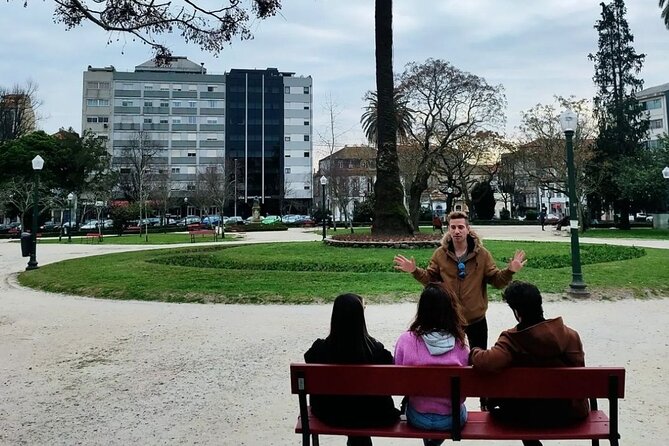
The tour starts at Av. de Fernão de Magalhães 43 and quickly gets interesting at Campo 24 de Agosto Garden. Right away, you pass the area tied to one of the first LGBTQIA+ pride march locations.
What I like about starting here is how approachable it feels. You’re not thrown into an abstract lesson. Instead, you’re standing in a public place and learning how a community carved out visibility in the city.
You’ll spend about 20 minutes in this opening stretch. That’s long enough for the guide to set the tone and short enough to keep the walk moving at a good pace.
Rua de Santa Catarina: When Tourism Changes the Meaning of a Street
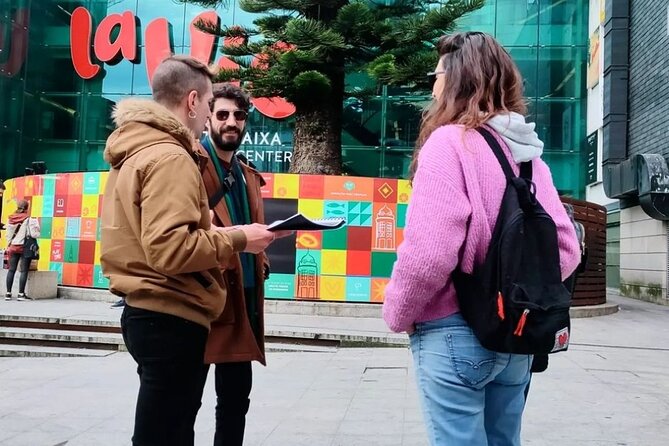
Next comes Rua de Santa Catarina, where you’ll look at how time and tourism reshaped a neighborhood tied to LGBTQIA+ community impact. This is one of those stops that works best when you slow your brain down and really watch what’s around you.
You’ll spend around 10 minutes here, but the goal isn’t sightseeing for sightseeing’s sake. It’s learning how a street can look familiar today and still carry a different story underneath.
If you like walking tours that teach you how to read a city, this stop is a strong example. It trains you to ask what’s been lost, what’s been changed, and what still survives.
Praca da Republica and Teófilo Braga Garden: Pride Starts in a Square
From the busy streets, the tour shifts to Praca da Republica, where the Pride march is currently starting. You’ll pause and reflect in the square while taking in the surrounding landmarks, including the Teófilo Braga Garden.
This segment lasts about 40 minutes, and that longer pause pays off. It gives the history room to land and lets you understand why Pride locations matter beyond the event day.
A key part of this stop is a visit to an LGBTQIA+ themed bookshop in the area. The guide connects the dots between public visibility and private support, including why showing up for queer businesses can be part of activism, not just a cultural choice.
Livraria aberta: Queer Books as Community Infrastructure
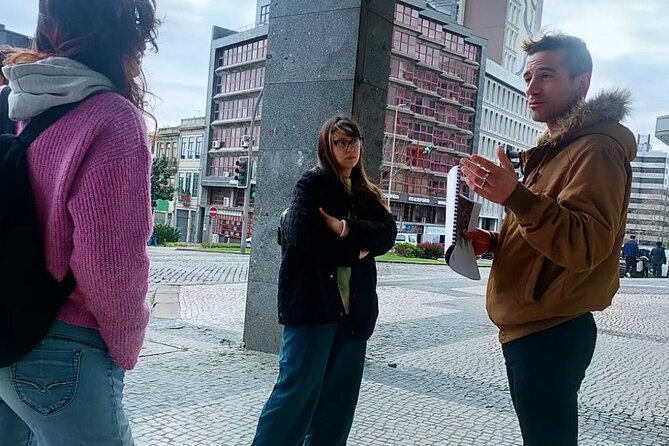
After that, you’ll go to Livraria aberta, another bookshop stop built around diversity and inclusion themes and the importance of queer business. You’ll spend about 30 minutes here.
This isn’t a quick photo stop. You’ll talk about LGBT+ writers and how representation in culture can shape identity, language, and what people believe is possible. If you’re the type who likes to leave a tour with something to read next, this is the moment.
What’s practical about including a bookshop is that it turns your visit into an action you can take afterward. Even if you don’t buy anything, you’ll likely leave with new titles in mind, and that keeps the tour from fading when you get home.
You can also read our reviews of more historical tours in Porto





Teaching, Students, and Social Change in a Busy Porto Area
There’s also a stretch where you pass through a very busy area of Porto with several tourist references and a strong student presence. The theme shifts here toward teaching and social changes linked to diversity and inclusion.
You won’t treat this like a museum stop. It works more like a living lesson: you see everyday movement in the city while the guide explains how education and public conversation can move culture over time.
This part is useful even if you’re not focused on student life. It helps you understand LGBTQIA+ history as an ongoing process, not just a closed chapter.
Tribunal da Relação do Porto: Justice, Law, and Queer Dates
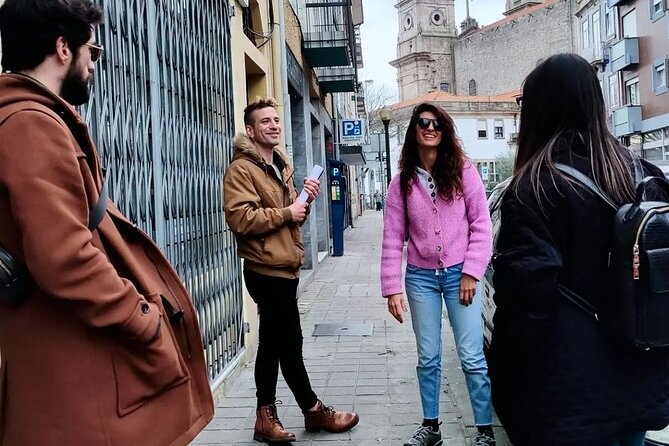
As you get closer to the end, you pass in front of Tribunal da Relação do Porto, and you’ll look at the statue of justice while the guide shares important dates in the queer history of the city and Portugal.
This is one of the stops where the tour’s tone can shift. Legal and institutional history tends to carry weight, and standing near a tribunal makes that feel more real than reading about it later.
You’ll spend about 25 minutes here. It’s enough time to understand what changed, what was contested, and how public decisions affected private lives.
If you want to understand why rights and representation don’t appear out of nowhere, this is the stop that helps the most.
Miradouro das Virtudes Finale: Douro Views and a Personal Reflection

The tour ends at Chafariz das Virtudes and the Miradouro das Virtudes viewpoint on Calçada das Virtudes 5. It’s a great finishing choice because the viewpoint is known for diversity, beauty, and a wide view over the Douro.
You’ll spend about 30 minutes here, and the atmosphere shifts from walking-and-learning to settling and reflecting. The guide summarizes the experiences and shares how he saw the queer movement grow from his youth in the city.
This ending matters because it turns the whole tour into something you can remember as a feeling, not only as facts. You get a calm moment to connect the history you learned with what you noticed around you earlier in the walk.
Who This Tour Fits Best (and What to Watch For)
This tour is ideal if you want Porto to feel personal and political in the best way. I especially like it for solo travelers because the structure and small group size make it easier to ask questions without feeling rushed.
It’s also a smart pick for couples who want more than a standard photo walk. You can share the discussion as you go, and the bookshop and queer business angle gives you something concrete to support during your trip.
A practical note: you’re walking for about 3 hours. If your mobility is limited, ask about pacing early. The guide has shown flexibility in at least one case, so it’s worth telling him what you need.
Finally, expect the tour to treat LGBTQIA+ history with care. Some parts touch on struggle and institutional change, so come with open ears and a willingness to think, not just to sightsee.
Should You Book LGBTour Porto?
Book it if you want a Porto tour that connects streets and squares to LGBTQIA+ pride milestones, queer culture, and the day-to-day places that help communities survive and thrive. The combination of public history and queer business stops is a standout value, and the small group format keeps the experience thoughtful instead of noisy.
Skip it only if you mainly want postcard monuments and quick city facts with minimal emotion. This is a walk with meaning, and it leans into conversation.
If you’re in Porto for more than a day, I’d treat this as one of your early experiences. You’ll start noticing details differently afterward, from what’s changed in tourist areas to what the city chooses to remember in public space.
FAQ
How long is the LGBTour Porto walking tour?
It lasts about 3 hours.
Where does the tour start and end?
The meeting point is Av. de Fernão de Magalhães 43, 4300-169 Porto, Portugal. The tour ends at Calçada das Virtudes 5, 4050-629 Porto, Portugal at the Miradouro das Virtudes viewpoint.
How much does the tour cost?
The price is $38.45 per person.
What language is the tour offered in?
The tour is offered in English.
Do I need to buy tickets for the stops?
The tour stops listed have free admission tickets.
How big is the group?
The tour has a maximum of 15 travelers.
Is there a mobile ticket?
Yes, it includes a mobile ticket.
Is the tour near public transportation?
Yes, it is near public transportation.
Can I get a free cancellation?
Yes. You can cancel up to 24 hours in advance for a full refund. If you cancel less than 24 hours before the start time, the amount paid will not be refunded.