REVIEW · FARO
Dolphin Watching from Fuzeta
Book on Viator →Operated by Passeios Ria Formosa · Bookable on Viator
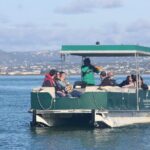
Dolphins feel close in Fuzeta. This 8am boat trip heads into the Ria Formosa where wild dolphins are usually spotted, run by a professional skipper and kept to a small group of 15 so you’re not fighting for a view. I like how the crew actually manages the route instead of just following a script, and I like the personal feel of a smaller boat outing. The one thing to plan for is the weather: if seas get choppy, you might get wet and cold, and dolphin sightings can drop.
You’ll start at Passeios Ria Formosa in Fuseta and return to the same place after about 2 hours 30 minutes. The tour includes a life jacket, and it runs in English. Food is not included, so build your day around a morning cruise and a later meal back on land.
In This Review
- Key things I’d watch for
- Fuzeta’s Ria Formosa: why this area works for dolphin watching
- The 8:00am start: logistics that can make or break your morning
- The skipper’s job: how the route affects what you see
- What happens around Fuseta Beach on this 2–3 hour cruise
- Safety and comfort: life jackets help, but dress for sea spray
- Dolphins, whales, and the reality of sightings
- Guides who help you spot wildlife (and explain what you’re seeing)
- Price and value: what $42.17 buys you in real terms
- Food and timing: plan your lunch and bring what you need
- Who should book this dolphin cruise from Fuzeta?
- Booking smart: weather, refunds, and managing the risk
- Should you book Dolphin Watching from Fuzeta?
- FAQ
- How long is the dolphin watching tour from Fuzeta?
- What time does the tour start, and where do we meet?
- Is the tour offered in English?
- What’s included in the price?
- Is lunch or food included onboard?
- What happens if the weather is poor?
Key things I’d watch for
- Small group size (max 15) keeps dolphin-spotting calmer and more focused
- Skipper-led route changes matter when dolphins move through the water
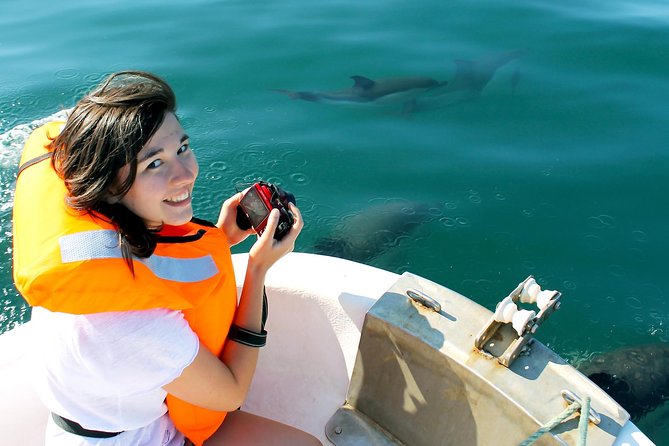
- Life jackets included helps you feel safer on the water
- Dolphins are not guaranteed but the route aims for the usual spots
- Bring warm, waterproof layers if the sea turns rough
Fuzeta’s Ria Formosa: why this area works for dolphin watching
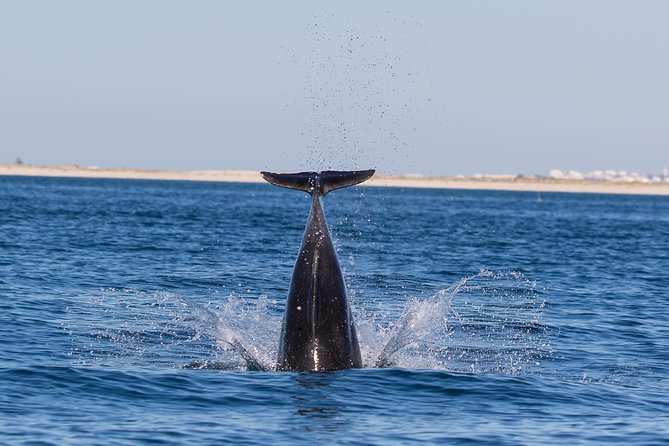
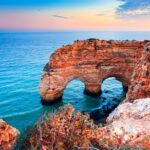
Fuzeta sits on the edge of the Ria Formosa lagoon system, and that’s the magic here. Dolphins don’t just show up in one fixed spot. They travel with food, currents, and calmer pockets of water—and the Ria Formosa is a place where that movement can bring them near the coastline and waterways you can access by boat.
What I like is that this isn’t framed as a factory line “see dolphins at all costs” ride. Instead, you get a skipper who takes you toward the places where dolphins are usually seen swimming freely. That approach makes your experience feel more like wildlife watching than a theme-park show.
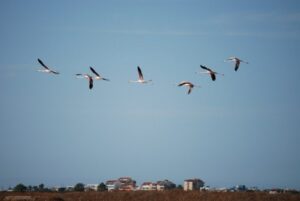
Also, this is a great choice even if you’re not a full-time “dolphin person.” One past outing included extra wildlife interest—like rare birds—and there are reports of surprises on good days (including a whale on at least one departure). So even if dolphins aren’t plentiful, the water and the coastal ecosystem are part of the fun.
You can also read our reviews of more dolphin watching tours in Faro
The 8:00am start: logistics that can make or break your morning
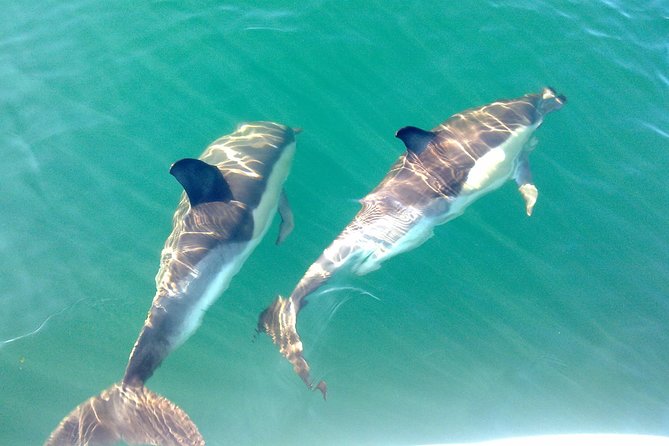
This boat tour runs from 8:00am and you meet at Passeios Ria Formosa, Av. Prof. Dr. César Oliveira, 8700-038 Fuseta, Portugal. The timing matters more than you might think. Morning starts usually mean you’re on the water when conditions are often better than later in the day, and the light can make it easier to spot movement on the surface.
You’ll also get a mobile ticket, so you’re not juggling paper. The tour notes service animals are allowed, and it’s near public transportation, which is handy if you’re basing yourself in Faro or staying in the Algarve without a car.
One more practical point: this experience is limited to 15 travelers, so don’t treat the meeting time like a casual suggestion. If you show up late, you’ll lose the easiest spots to watch the water, especially the side angles where dolphins often surface.
The skipper’s job: how the route affects what you see
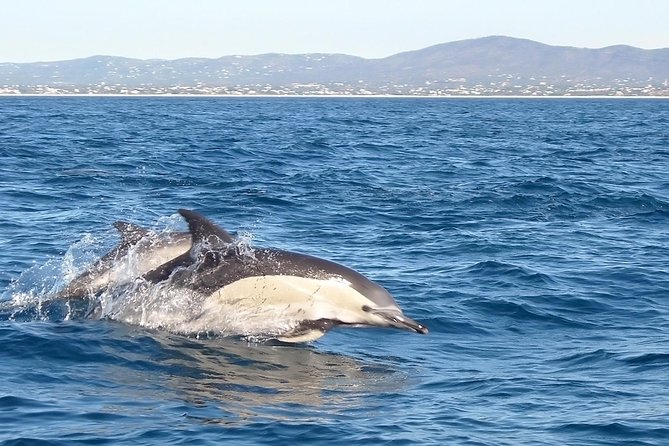
On paper, this is a dolphin watching cruise. In real life, it’s a moving search. The itinerary is straightforward: you leave from Fuzeta and head toward the areas where dolphins are usually seen. The important part is that the professional skipper decides the route and keeps you safe.
That skipper skill matters for two reasons:
- Dolphins are unpredictable. Even the best route can turn up nothing if dolphins aren’t passing through that exact window.
- Sea conditions change the game. In calmer water, it’s easier to scan the surface and keep the boat at speeds that don’t scatter everyone’s focus. In choppier water, you can still search, but comfort drops fast and sightings can become harder.
Here’s what you should take from the experience details and the varied feedback: when conditions aren’t ideal, some departures still go out, and the experience may change mid-ride depending on what the skipper thinks is safe and effective. The best move is to come prepared for the possibility that dolphins might be slower to appear—or that the crew might have to adjust plans when the sea gets rough.
What happens around Fuseta Beach on this 2–3 hour cruise
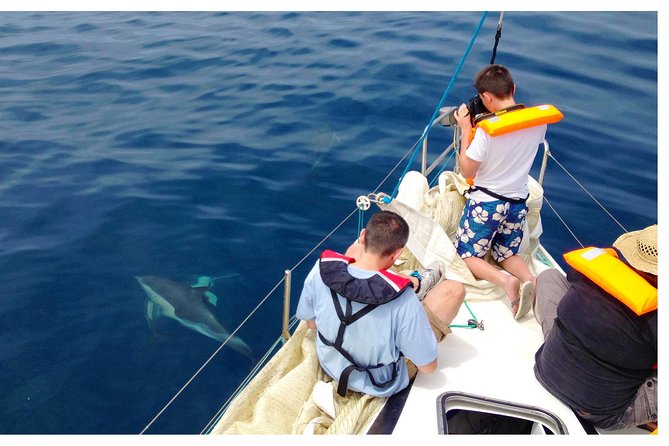
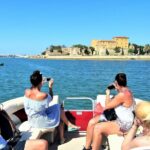
You’re out for about 2 hours 30 minutes (roughly 2–3 hours). The tour’s stated focus is observing dolphins in their natural habitat on the water starting from Fuseta Beach.
In practice, that usually means cruising through lagoon and coastal waters where dolphins can appear close enough to watch their behavior—surfacing, moving along the boat’s path, and sometimes traveling in small groups. Some departures are reported as extremely productive, including sightings of many dolphins and even a baby dolphin. Other days, the goal shifts from “guaranteed dolphin viewing” to “stay out, keep scanning, and enjoy the water.”
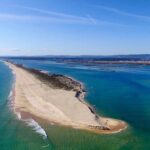
The route may involve open water at times, but the overall theme is still the Ria Formosa area—especially the inside waterways where dolphins are sometimes seen. One experience described dolphins encountered inside the Ria Formosa, and another mentioned sailing on the Rio Famosa. Translation: you’re not stuck in one tiny channel; the skipper is working within the region that gives dolphins the best odds.
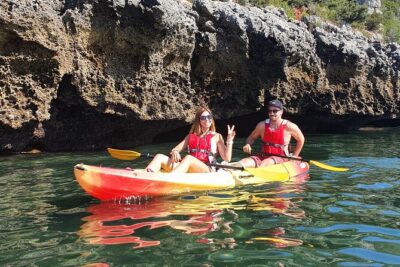
A nice bonus: even when dolphins aren’t the star of the show, the boat time itself is worthwhile. You get real motion over the wetlands and water channels, and it’s easy to understand why this area is so loved by nature-minded visitors.
Safety and comfort: life jackets help, but dress for sea spray
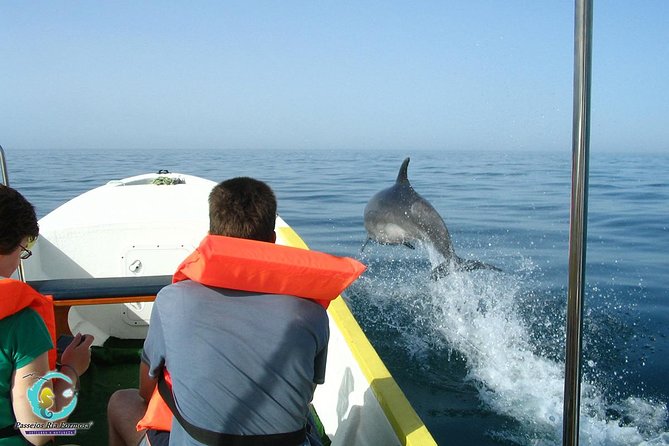
Life jackets are included, which I really appreciate. You get an actual safety layer without having to scramble for gear at the last minute. That said, life jackets don’t stop spray, wind, or cold air.
One of the most important practical lessons from the experience feedback is to dress like you’re going to get water on you. If the day is even slightly bumpy, expect at least some dampness. If it turns worse, you can feel cold quickly, especially if you’re sitting still while the boat moves across choppy patches.
Here’s what I’d do if I were going:
- Wear layers you can manage if you warm up, but that you won’t hate if you get wet.
- Bring a waterproof outer layer or poncho-style rain gear.
- Consider gloves or something warm for hands if you run cold easily.
Also, since you’re out for nearly half the morning, keep in mind that comfort affects how much you enjoy wildlife spotting. You’ll spot dolphins faster when you’re not busy shivering.

Dolphins, whales, and the reality of sightings
Let’s talk expectations, because the difference between a great day and a frustrating one is often simple: dolphins are wild animals.
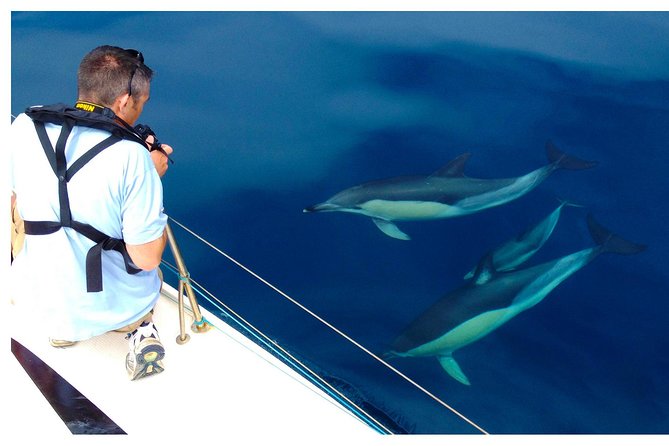
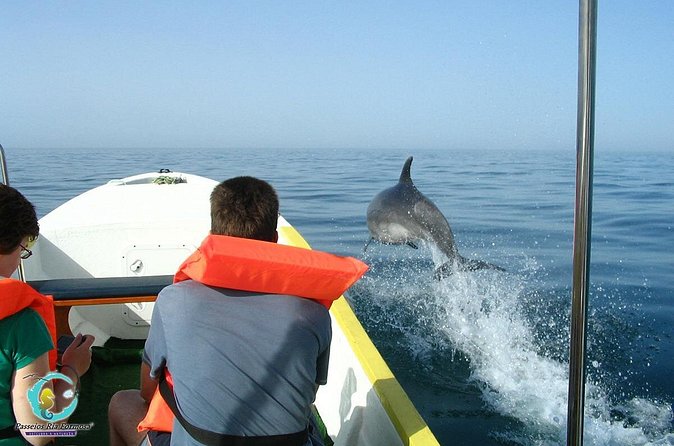
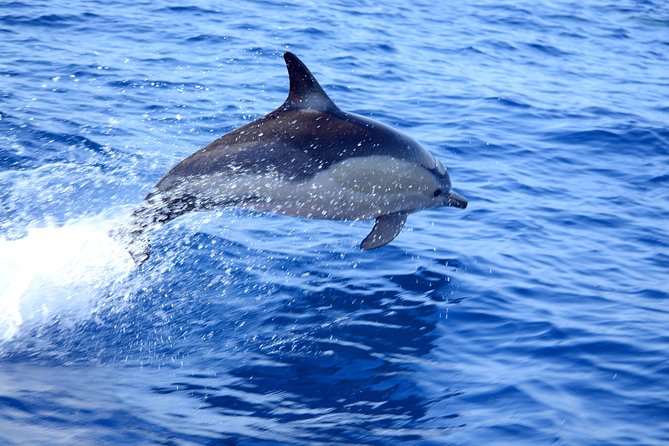
Sometimes you’ll see a lot—dozens of dolphins reported on at least one outing, including dolphins jumping and a family group moving through the water. Other times, the dolphins are harder to find. If the sea is choppy or visibility is limited, you may get fewer sightings or none during the cruise.
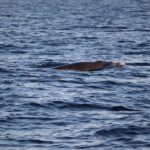
There’s also evidence of occasional extras. One departure included a whale sighting close to the boat. Another described rare birds alongside the dolphins. So yes, your odds of spotting interesting wildlife can be better than the dolphin-only mindset—but no one can promise it.
The way to make this work for you: choose the tour for the experience of being on the water in the Ria Formosa ecosystem, then let dolphin sightings be the bonus. If you go expecting certainty, you’ll stress. If you go expecting a high-quality wildlife search, you’ll get more out of the day regardless of the outcome.
Guides who help you spot wildlife (and explain what you’re seeing)
The tour runs in English, and the experience quality often comes down to the guide’s ability to point out what matters. Past departures mention guides such as Raphael and Rafael, plus Pedro, Miguel, Vito, Antonio, and Victor. The common thread is that the crew doesn’t just drive the boat; they help you understand the habitat and what you’re looking for.
One review specifically praised Raphael for switching easily between Portuguese and English while sharing explanations. That’s a big deal if you’re trying to connect the dots: where dolphins might be moving, why they surface where they do, and how the lagoon system supports wildlife.
You’ll also notice that the crew’s calm competence matters when seas get rough. Even if dolphins don’t show immediately, a good guide helps you stay tuned in rather than zoning out waiting for something to happen.
Price and value: what $42.17 buys you in real terms
At $42.17 per person, the value depends on what you care about.
You’re paying for:
- A guided boat trip
- A professional skipper
- Life jackets included
- A small group (max 15)
- A morning slot that can put you on the water when conditions are often best
Food is not included, so you’ll need to plan your lunch or snacks separately. But compared to tours that skim the surface with generic narration and no real safety gear, the included life jacket and skipper-led route planning make this feel more “real boat wildlife time” than “just a ride.”
Is it worth it every day? No. If the weather is terrible, you may not get the dolphin show you hoped for. If it’s a good day, the chance to see dolphins in their natural habitat is the kind of Algarve moment that’s hard to recreate anywhere else.
Food and timing: plan your lunch and bring what you need
The tour does not include lunch or any food or drinks. That’s pretty common for shorter morning cruises, but it changes how you should plan.
Because you’re out for about 2.5 hours and you start at 8:00am, I’d treat this like a real morning outing:
- Pack water and any snack you like.
- Plan your meal for after you return.
- If you tend to get hungry early, don’t rely on finding food right away.
There’s also a fun detail you might run into on certain departures: one experience mentioned getting oysters fresh from the wetland on the way back. Since that isn’t guaranteed in the core tour details, think of it as a pleasant surprise if it happens, not something to build your plan around.
Who should book this dolphin cruise from Fuzeta?
This tour is a strong fit if you want:
- A small-group nature experience
- A skipper who chooses the route based on wildlife and conditions
- English-language guidance
- The chance to see dolphins in the Ria Formosa system
It’s also a decent option for families and most travelers (the experience notes that most people can participate). If you’re traveling with service animals, the tour allows them, which is always good to see.
If you’re very sensitive to cold or you hate getting wet, you’ll still be able to go—but you should take the “dress for sea spray” advice seriously. And if you’re expecting guaranteed dolphin sightings no matter what, adjust your mindset first. This is wildlife watching, not a ride with a schedule-controlled outcome.
Booking smart: weather, refunds, and managing the risk
The experience requires good weather. If it’s canceled because of poor weather, you should expect either a different date or a full refund. That’s the safety net you want when you’re betting your morning on the sea behaving itself.
When you book, my suggestion is simple: check the forecast for Fuzeta close to departure day, not just Algarve in general. Coastal conditions can shift quickly. And even on a “good” day, the water can still spray. So pack for comfort first, dolphin viewing second.
Should you book Dolphin Watching from Fuzeta?
I’d book it if you want a real wildlife cruise with a competent skipper and a small group size, and you’re comfortable with the basic truth of dolphin watching: you’re increasing your odds, not buying certainty.
Skip it (or at least reconsider) if you’re not willing to get a bit wet and cold, or if your schedule can’t handle the possibility of weather-related changes. On rougher days, the experience can be less pleasant than you hoped, and dolphin sightings may be fewer.
If you go prepared and keep your expectations flexible, this can be one of your most memorable Algarve mornings—quiet water, wildlife scanning, and the thrill when dolphins decide to show up close.
FAQ
How long is the dolphin watching tour from Fuzeta?
It runs for about 2 hours 30 minutes (approximately 2–3 hours).
What time does the tour start, and where do we meet?
The tour starts at 8:00am. You meet at Passeios Ria Formosa, Av. Prof. Dr. César Oliveira 8700, 8700-038 Fuseta, Portugal.
Is the tour offered in English?
Yes, it’s offered in English.
What’s included in the price?
The price includes the boat trip, life jackets, and a professional skipper. A mobile ticket is also provided.
Is lunch or food included onboard?
No. Lunch and any food or drinks are not included, so you’ll need to plan your own snacks or meal.
What happens if the weather is poor?
The experience requires good weather. If it’s canceled due to poor weather, you’ll be offered a different date or a full refund.