REVIEW · ALGARVE
Faro: Ria Formosa Natural Park Segway Tour & Birdwatching
Book on GetYourGuide →Operated by Algarve by Segway · Bookable on GetYourGuide
Gliding through wetlands feels oddly peaceful. This Faro experience mixes easy Segway riding with quiet paths in Ria Formosa Natural Park, then adds focused bird time at Ludo.
I especially like that your guide doesn’t just point at things. You get a real nature-and-wildlife lesson as you move.
One drawback to factor in: the tour is not suitable for pregnant women, and you’ll be riding most of the time on park paths that call for steady balance.
In This Review
- Key Highlights You’ll Feel on Day One
- Why This Ria Formosa Segway Tour Works So Well
- The Segway Learning Curve (and Why You Shouldn’t Overthink It)
- What Your Time in the Park Actually Looks Like
- Birdwatching at Ludo: Where the Stop Turns Into the Point
- Guides, Language, and the Small Details That Matter
- Price and Value: Is $66 a Fair Deal?
- Meeting Point Near Faro: Beach Parking Can Be Tricky
- What to Bring (and What You Can Leave at Home)
- Who This Tour Fits Best
- Should You Book This Faro Segway Birdwatching Tour?
- FAQ
- How long is the Faro Ria Formosa Segway and birdwatching tour?
- What’s included in the price?
- Do I need to bring anything?
- What languages are the live guides?
- Where do I meet the tour?
- Is the tour suitable for everyone?
Key Highlights You’ll Feel on Day One
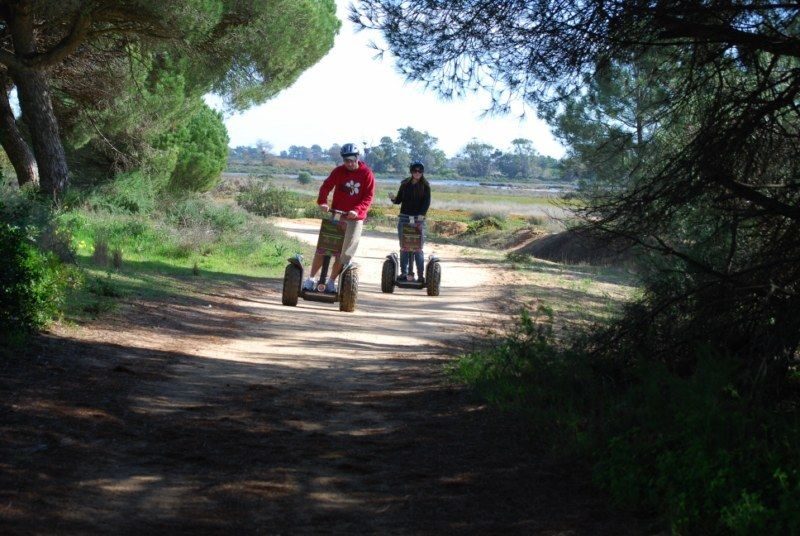
- Segway instruction that actually clicks fast: you’ll practice until you’re comfortable before rolling out.
- Ria Formosa on routes cars can’t reach: trails and paths give you close, quiet views.
- Birdwatching at Ludo: a natural reserve where migratory birds pause during spring and autumn.
- Guides who talk wildlife and local details: from salt production to why flamingos vary in color.
- Binoculars included: you can go from seeing shapes to spotting species.
Why This Ria Formosa Segway Tour Works So Well
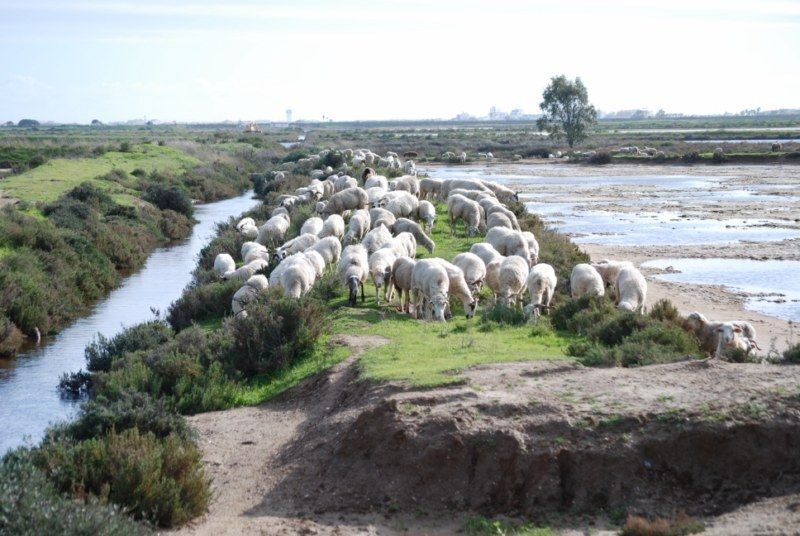
Ria Formosa is one of those places that changes your pace. Outside Faro, this protected park spreads out with wetlands and waterways that shelter birds and marine life, and it stays calm in a way cities can’t copy. Getting there by Segway matters because you cover more ground than walking, but you still move slowly enough to notice small action—something hopping near the water edge, a flash of wing, or a guide’s quick pointer.
Two things make this tour feel like good value. First, you don’t just get a ride—you get a guided wildlife walk that happens while you’re gliding. Second, the birdwatching stop at Ludo gives the activity a clear goal, not just scenery for scenery’s sake. In spring and autumn, when migration is happening, Ludo is the kind of stop where the park feels alive.
You can also read our reviews of more tours and experiences in Algarve.


The Segway Learning Curve (and Why You Shouldn’t Overthink It)
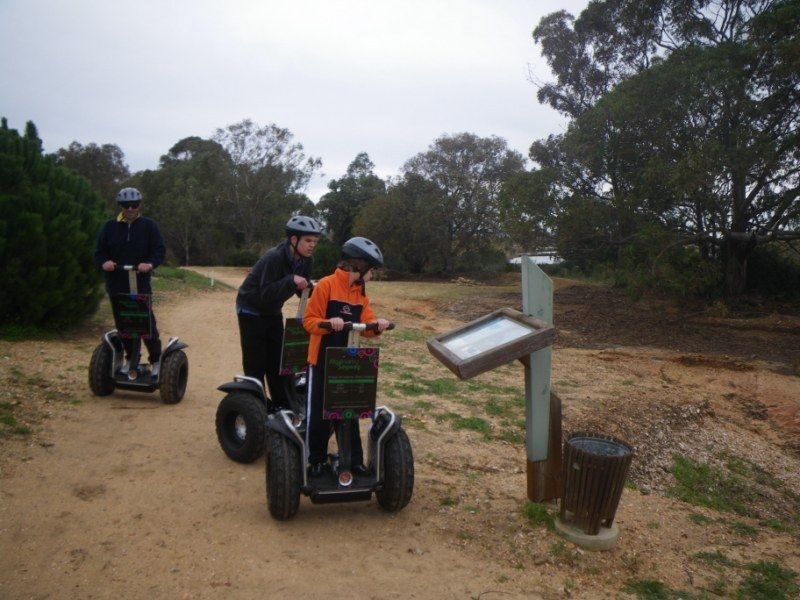
You start with pick-up, then you head to the park area for your Segway. You’ll be shown how the two-wheeled electric vehicle works, including how it uses the rider’s balance to move forward. That balance-based feel is exactly why this can be less stressful than it sounds—once you get your rhythm, it starts to feel natural.
In the reviews, I kept seeing the same pattern: people often worry at first, then feel confident after just a short practice period. Guides like Jose, Antonio, Andre, Nelson, and Joe/Joseph are repeatedly praised for teaching with patience and keeping an eye on comfort. Translation for your planning: if you’re a first-timer, this kind of instruction is the difference between an okay experience and a fun one.
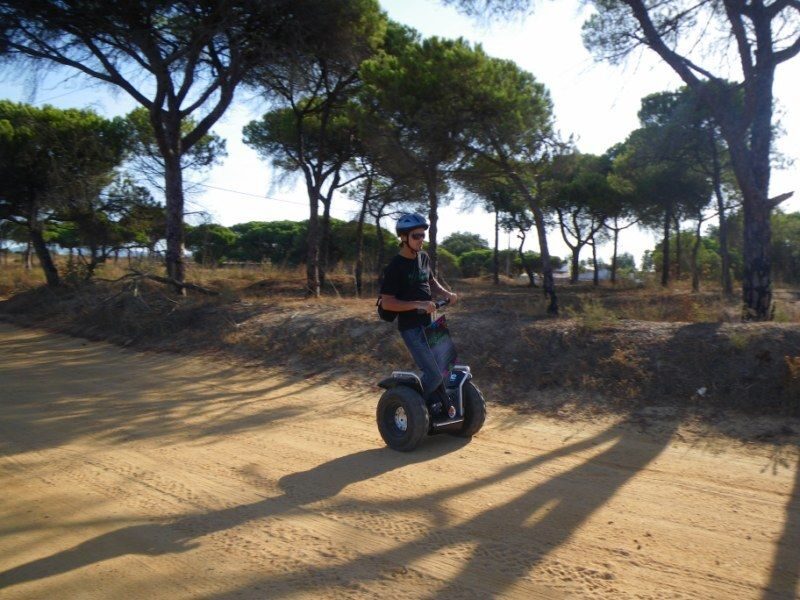
You’ll also want to wear comfortable shoes. The park paths can include roots, dips, and small inclines, so footwear with grip helps. I also suggest you dress for wind and sun, since the reserve can feel open even when it’s quiet.
What Your Time in the Park Actually Looks Like
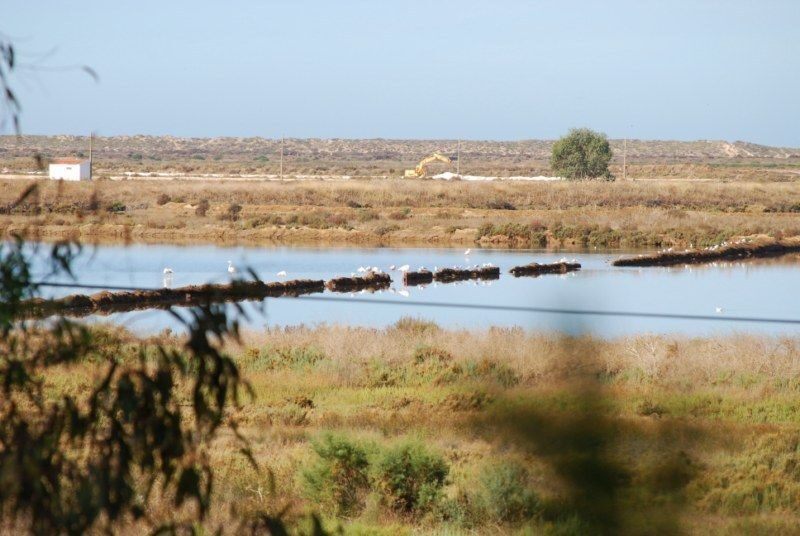
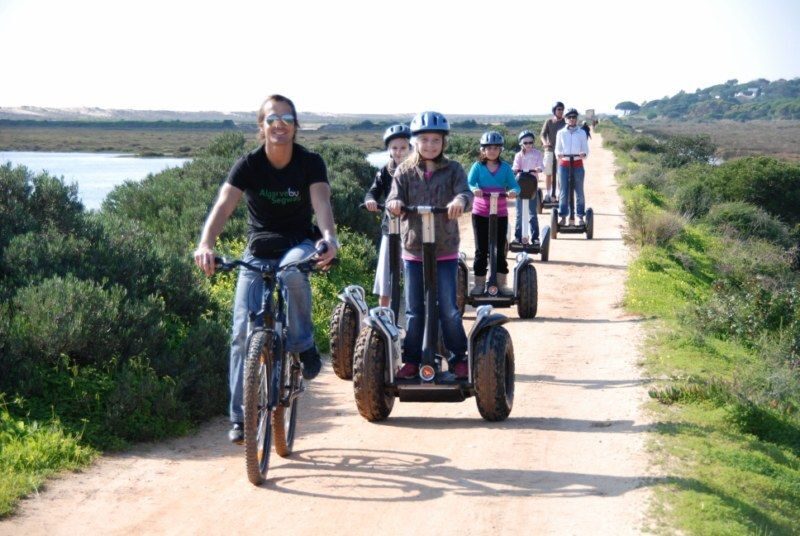
This is a 1.5-hour Segway and birdwatching format. That time doesn’t waste itself on long, boring stretches. After instruction, you follow paths and trails through the reserve, and your guide points out animals and plants as you go. Because the park is protected, you’re usually in a quieter, more natural setting than you’d get from road access alone.
Here’s what I think makes the route worth it. Wetlands don’t always show their best parts from one spot. Riding helps you find angles—where water meets salt flats, where vegetation forms a hiding place, and where birds feel safe enough to feed or pause. You end up seeing more variety without rushing.
The park also connects to marine life. So even if you’re mainly there for birds, you’re riding through an environment that supports more than just feathered visitors. Your guide may also share local details that make the place click, like how human activity and the landscape work together, including salt production.
Birdwatching at Ludo: Where the Stop Turns Into the Point
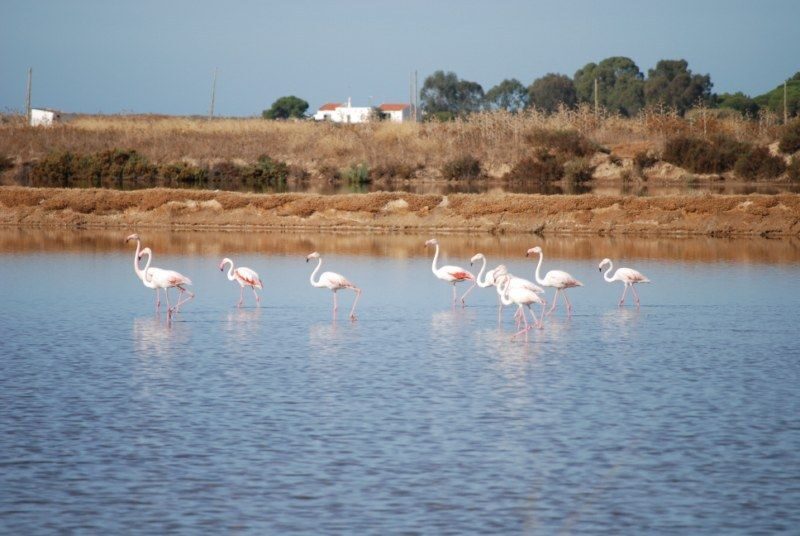
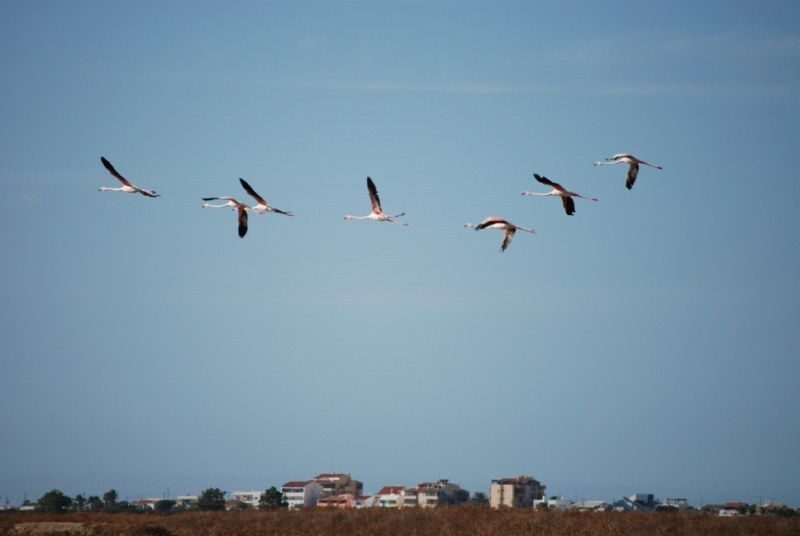
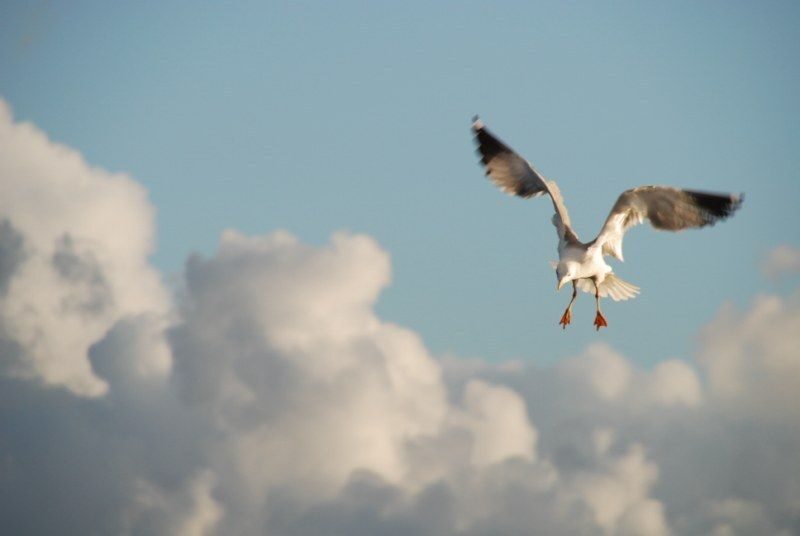
The highlight for many people is the bird time at Ludo, a natural reserve inside the park near Faro Beach. This is described as a stopping place for hundreds of birds during migration periods. In practical terms, that means you’re not just hoping to see something—you’re going to a known bird area and using time that’s designed for looking.
What you can realistically expect depends on the season and weather. Spring and autumn are the big windows for migratory variety, but even outside peak season, you should still find birds—just different ones. In reviews, I saw mentions of species like egrets and spoonbills, and also stories about not always spotting flamingos depending on the time of year.
This is where binoculars matter. Binoculars are included, so you can focus on shapes and behavior first, then sharpen your look for features that help with identification. If you want to be extra prepared, a small spotting approach helps: watch the water edge movement, then look for stillness. Birds often reveal themselves by how they pause and react.
Guides, Language, and the Small Details That Matter
This tour runs with a live guide in Spanish, English, and Portuguese. That matters more than it sounds, because wildlife talk works best when you can ask follow-ups. And with private group setup, it’s easier to get direct answers and adjust your pace.
Across the guides named in reviews, the common thread is attention to comfort and safety. You’re not left to figure it out alone, and the guide checks in during the ride. People also mention the guide stopping at points to explain what you’re seeing, then giving you time to look before moving on.
You’ll also likely hear extra science-and-culture facts woven into the walk. Examples that came up include:
- how flamingos get different colors
- how salt is produced from seawater in the region
- why certain plants, like carob, are part of local energy and use
- background stories about what’s around you, including mention of striking local architecture
I like this approach because it prevents the trip from turning into a checklist. You end up with context, which makes every bird sighting feel more satisfying.




Price and Value: Is $66 a Fair Deal?
At $66 per person for about 1.5 hours, you’re paying for three things: trained instruction, a guided nature route through a protected area, and birdwatching at a specific spot (Ludo) with tools included. Helmet and insurance are provided, and you also get binoculars. Food isn’t included, so you’ll either snack on your own or plan a meal afterward.
The value part is that you’re not paying only for the Segway. The Segway is the vehicle; the guide-led learning is the product. In reviews, people kept calling the experience excellent for the money, especially because first-timers learn quickly and because the scenery and birdlife feel like the payoff.
If you’re the type who likes nature but doesn’t want a full-day hike, this hits a sweet spot. You get movement, instruction, and bird time without turning the outing into a workout.
Meeting Point Near Faro: Beach Parking Can Be Tricky
Your meeting directions are very specific. From the Airport Roundabout, turn in the direction of the beach. Follow the straight road and don’t turn anywhere until you reach the crab roundabout, where you turn left. You’ll find the operator at the beach public parking in a white sand parking lot.
If you hate arriving late, this is the kind of detail where a few minutes of buffer helps. Also, the supplier asks you to contact them to schedule your starting time, and in high-demand season those start times can shift. So don’t plan a tight connection right after your tour ends.
What to Bring (and What You Can Leave at Home)
You only need one must-do item on the list: comfortable shoes. Past that, I’d bring what improves birdwatching and comfort:
- a light jacket or wind layer (wetland areas can feel breezy)
- sun protection if the day is clear
- your own camera if you like photos (binoculars are included, but cameras aren’t)
Food and beverages aren’t included. So if you want to snack or sip water, plan for it before or after the tour.
Who This Tour Fits Best
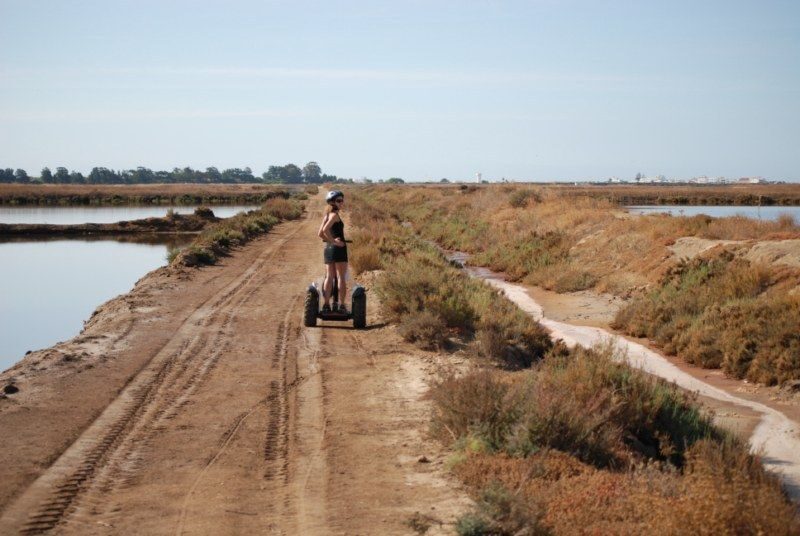
This is a great choice if you want a nature experience that’s active but not exhausting. It’s also a smart pick for families and first-time riders, since guides repeatedly show patience teaching balance and control.
It’s not suitable for pregnant women. Beyond that, if you have mobility limits that make steady balance difficult on uneven natural paths, you should think carefully before booking.
Should You Book This Faro Segway Birdwatching Tour?
If you want a short, well-guided nature outing in the Algarve that mixes movement with real wildlife time, I’d book it. The combination of Segway learning, protected wetland riding, and the Ludo birdwatching stop gives you a clear reason to go, not just a scenic ride.
I would skip it only if you’re uncomfortable with balance-based riding or you need a fully seated, low-movement option. Otherwise, this is exactly the kind of experience that makes Faro feel like more than a beach town.
If you can, choose a season window when migration is likely (spring or autumn). You’ll maximize your odds of seeing a wider variety of birds—and you’ll get more out of those included binoculars.
FAQ
How long is the Faro Ria Formosa Segway and birdwatching tour?
The tour is scheduled for 1.5 hours.
What’s included in the price?
You get a helmet, insurance, and binoculars included.
Do I need to bring anything?
You should wear comfortable shoes. Food and beverages are not included, so plan for snacks or water if you want them.
What languages are the live guides?
The live tour guide speaks Spanish, English, and Portuguese.
Where do I meet the tour?
Meet at the beach public parking area in the white sand parking lot. From the Airport Roundabout, turn toward the beach, keep going straight, then at the crab roundabout turn left.
Is the tour suitable for everyone?
The tour is not suitable for pregnant women. Also, it’s best to be ready for riding on park paths and trails that may include uneven ground.