Birds turn a simple walk into magic. This half-day experience in Ria Formosa Nature Park brings you to Quinta de Marim, where you stroll about 6 km through pine, dunes, lagoons, and mudflats with a guide who talks like you’re in on the secret.
I especially like the way the walk mixes habitats with hands-on spotting—plants, insects, crustaceans, and reptiles come up as you go. With guides such as Luis, you can also get the kind of bird views that make a pause in your day feel worth it (including telescope time), though you do need reasonable weather and the outing can be rescheduled or refunded if conditions are poor.
In This Review
- Key highlights you’ll notice fast
- Where Ria Formosa fits in your Faro plans
- Quinta de Marim: the park HQ that gives you the map
- The 6 km wetlands walk: what you’ll actually pass through
- One practical note on effort
- Bird spotting that’s not just luck
- Plants, insects, and the “small stuff” that makes the wetlands believable
- The views: lagoons, islands, and channels
- How the guide ties nature to people and history
- Timing, group size, and why that $48.06 price can make sense
- What to bring (and what makes the day easier)
- Who this tour suits best
- Should you book this Ria Formosa half-day walk?
- FAQ
- How long is the Half Day Walking Tour in Ria Formosa Nature Park?
- How much of the walk is there?
- Is pickup included?
- What’s included in the price?
- What wildlife and nature can I expect to see?
- What should I bring and wear?
Key highlights you’ll notice fast
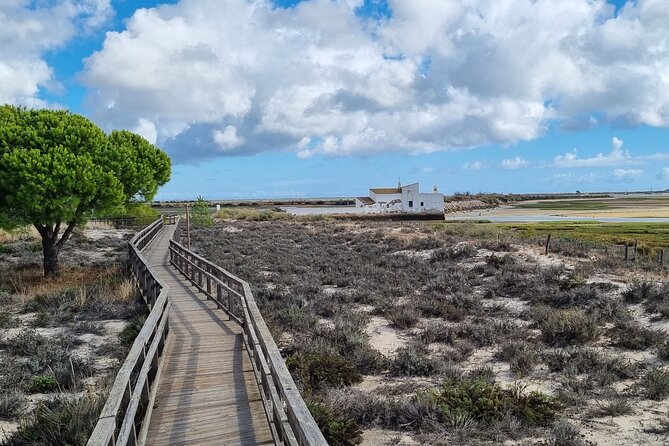
- A varied 6 km route through pine forest, dunes, Mediterranean shrublands, lagoons, and intertidal mudflats
- Quinta de Marim HQ for park context plus nature exhibitions during your half-day
- Bird-focused guidance that can include telescope views when the birds cooperate
- Spotting beyond birds, with chances to see native plants, butterflies, dragonflies, and more
- Small group size (max 8) for questions and a more personal pace
Where Ria Formosa fits in your Faro plans
If you’re basing yourself in Faro, Ria Formosa is one of those places that turns “I’ll just take a quick nature break” into “ok, I get why people keep coming back.” This half-day format is a smart way to get out of the city without committing to a full day boat-and-bus marathon.
You start with a pickup-style approach (or a meeting point in Olhão if you’re not staying there). Then you head to the park’s restricted-area headquarters at Quinta de Marim, which matters because it puts you in the right place to walk through real wetlands habitats, not just a convenient viewpoint.
The walk itself is described as pleasant and easy, roughly 6 km. That combination—gentle hiking plus lots of different terrain—explains why people come away feeling like they saw far more than just “some birds in a field.”
You can also read our reviews of more walking tours in Faro

Quinta de Marim: the park HQ that gives you the map
Quinta de Marim is more than a starting point. It functions as the headquarters for the nature park, and that changes how you experience the walk. Before you wander too far, you get the background that helps everything click: why the wetlands matter, how people have relied on them over time, and what to look for as you move.
You’ll also have the chance to visit nature exhibitions at the HQ. Even if you’re not a museum person, this tends to pay off because it gives you names and context for what you’re about to see outside. It’s the difference between taking photos of random plants and being able to say, ok, that’s the kind of habitat this bird prefers.
One of the things I like about this kind of start is that it makes the rest of the outing more “readable.” Instead of the park being a blur of scenic stops, you start noticing patterns—where lagoons and channels shape what grows and what shows up.
The 6 km wetlands walk: what you’ll actually pass through
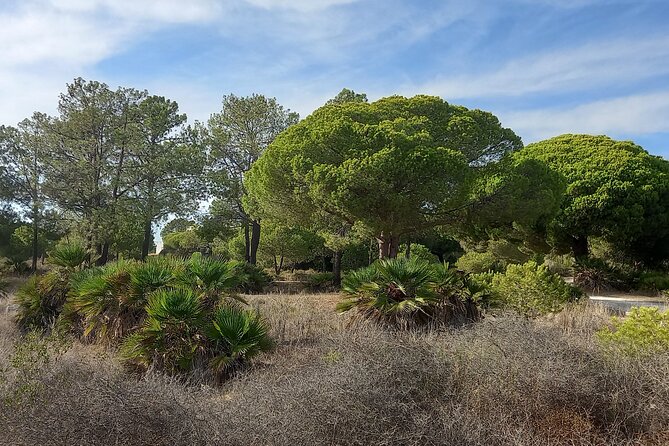
The route is structured as an easy walk through a wetlands system with multiple habitat types. In plain terms, it’s not one single “walk in the reeds.” You move through layers of environment that affect light, sound, and what you spot.
You’ll pass through:
- Pine forest
- Dunes
- Mediterranean shrublands
- Lagoons
- Sandbanks
- Intertidal mudflats
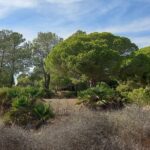
Each of those zones has its own vibe. In pine areas, you tend to get a quieter feel and a different set of birds and insects. Dunes and shrublands can feel more open, which often helps with spotting. Lagoons and sandbanks shift the experience again—views open up, and you’re more likely to catch wildlife activity at the edges.
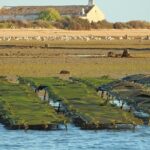
Then you reach the intertidal mudflats, where the wetland becomes a whole world of small movement. This is where the park’s food web energy is hard to ignore. You might see crustacean life and other tiny creatures that explain why birds linger around specific spots.
The walk is about roughly 6 km, and the total outing is about 3 to 4 hours. That time range works well for a half-day: enough time to feel like you did something meaningful, without turning your afternoon into a recovery nap.
One practical note on effort
Even if it’s described as pleasant and easy, remember this is still a nature walk on uneven terrain. Wear comfortable shoes. If your “easy” means flat pavement only, you may want to think twice—or bring your own pacing plan.
Bird spotting that’s not just luck
Ria Formosa is famous for birds, and this tour is designed around that fact. The guide isn’t just pointing in the general direction. The goal is to connect what you see with why it’s there—habitat, season, and behavior.
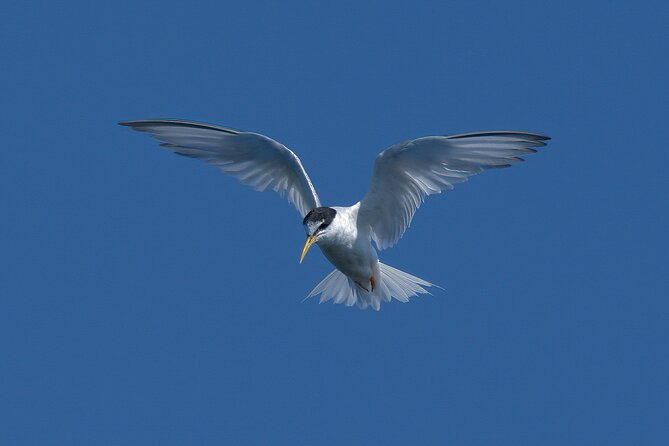
From the bird highlights people mention, you might hope to spot birds like Sardinian warblers. You might also hear about hoopoes and mole crickets when the guide talks about what’s living in the system beyond the obvious.
One of the standout upgrades is the chance to look through a telescope. That’s a big deal because it turns distant silhouettes into something you can actually observe. It also slows you down in a good way: instead of rushing from one photo op to the next, you spend a few minutes really watching how a bird moves.
And this is where a small group helps. With a maximum of 8 travelers, it’s easier for everyone to get a look and for you to ask questions without the guide getting pulled in ten directions at once.





Plants, insects, and the “small stuff” that makes the wetlands believable
Not every nature walk gives equal time to the non-bird parts of the park. This one does. You’re moving through a habitat system where native flowers, shrubs, and wetland plants have real roles—not just pretty backgrounds.
Expect the guide to talk about:
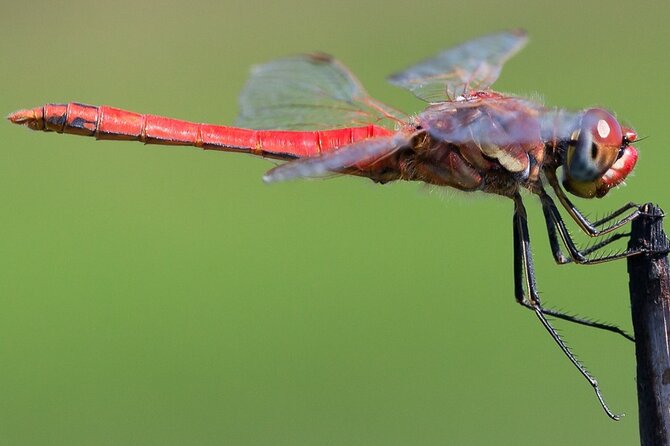
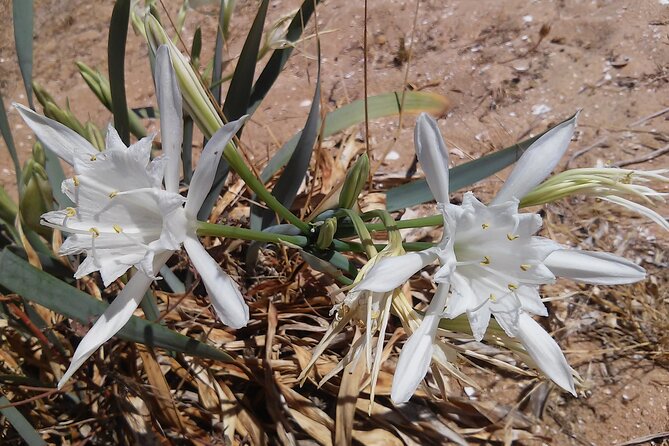
- native flowers and plants, including fragrances and tastes
- butterflies and dragonflies
- local mammals and reptiles
- other wetland life connected to the ecosystem
That emphasis changes how you experience the place. The wetlands stop feeling like a scenic backdrop and start feeling like a living machine. You begin to understand why certain areas feel busier, why birds gather at particular spots, and why insects appear where they do.
If you like nature walks that feel educational without turning stiff, this tends to land well. The pace is built for observation: you’re not speed-walking through “checklist nature.”
The views: lagoons, islands, and channels
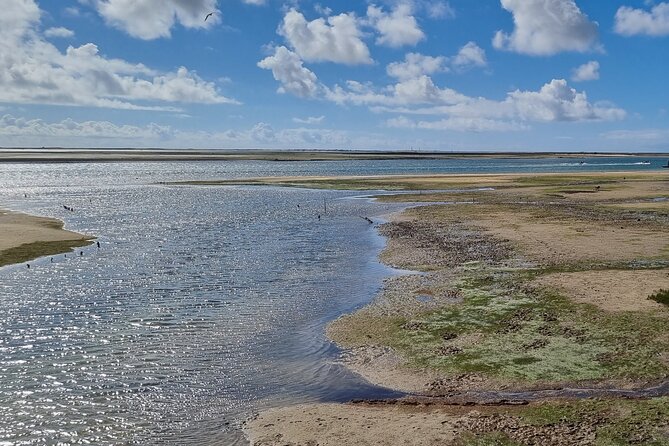
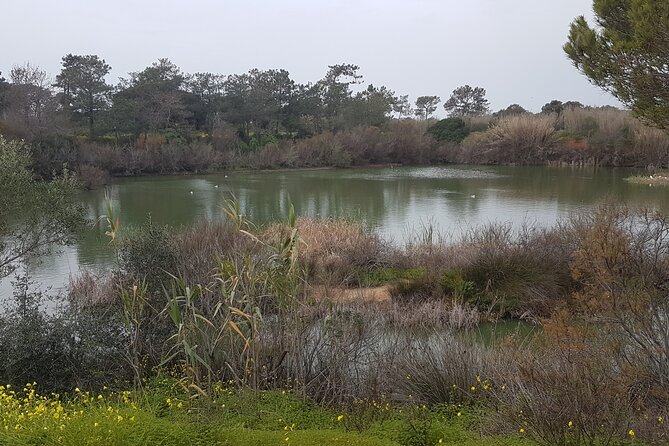
Yes, there are great views here. The wetland scenery can be dramatic in a quiet way—wide lagoon surfaces, intricated channels, and that look of water weaving through land. The route is described as offering outstanding landscapes of lagoons, islands, and channels, and it’s easy to see why.
I like this kind of scenery because it rewards you even when you’re not constantly photographing. The light changes as you walk, and the waterline is never the same twice. Add in the fact that you’re moving through multiple habitat types, and you get a “layered view” effect: different angles on the same wetland world.
If you’re trying to plan one nature outing from Faro that feels visually satisfying without needing a full day, this is a strong option.
How the guide ties nature to people and history
A lot of nature tours stop at biology. This one includes the human side too. You’ll learn how layers of civilization have relied on the Ria Formosa as a life support provider. That theme matters because it explains why the park’s wetlands are treated as something worth protecting, not just land people avoid.
When a guide connects ecology with daily life—food resources, water systems, and long-term reliance—you understand the park in a more practical way. You’re not only learning what animals do. You’re learning why humans care about them.
That’s also why the HQ exhibits fit so well. When you’ve already heard the basic story, the exhibition visit doesn’t feel like a detour. It feels like the “why” behind the “wow.”
Timing, group size, and why that $48.06 price can make sense
Let’s talk value without pretending it’s cheap. The price is listed at $48.06 per person for a half-day around 3 to 4 hours, with admission included for the HQ exhibits. Pickup is also offered, and the group is limited to 8 travelers.
So you’re paying for:
- guided interpretation (ecology, species, local context)
- structured access to walk routes in the park area
- time efficient logistics (pickup and drop-off back toward Olhão)
- entry to the HQ nature exhibitions
- a small group experience that keeps the guide accessible
If you tried to DIY this, you’d spend time figuring out where to go, how to connect habitats, and what to look for once you arrived. This tour compresses that learning curve into a few hours, and that’s the real value.
Also, it’s booked about 31 days in advance on average. That’s a hint that the small group size and guided nature appeal draw people in. If you’re traveling in peak season or on a tight schedule, book early so you get one of the limited spots.
What to bring (and what makes the day easier)
This is a walk outdoors, and the tour instructions are straightforward: plan for sun or rain. You’ll want to keep your comfort high because you’ll be stopping to look, not just marching forward.
Bring:
- comfortable shoes
- a hat
- protective clothing for sun or rain
- a reusable water bottle with water
- sunscreen
Also, think about pace. Even if it’s labeled easy, you’ll be on the move for a few hours and shifting between habitats. Good shoes matter.
Service animals are allowed, and most travelers can participate. That’s useful if you’re traveling with a helper animal and need clarity on what to expect.
Who this tour suits best
This works particularly well if you:
- want a half-day outdoor experience from Faro without rushing
- care about wildlife identification and habitat explanations
- like small-group tours where you can ask questions
- enjoy birding but also want insects, plants, and wetland life covered
It’s less ideal if you:
- dislike walking on natural terrain
- need totally flat, predictable surfaces
- can’t be flexible with weather (because reasonable weather is required)
Should you book this Ria Formosa half-day walk?
I’d book it if your goal is to see the Ria Formosa wetlands in a structured, guided way and come away with more than photos. The combination of a 6 km walk through multiple habitats, HQ exhibits, and real wildlife-focused guidance—plus small group size—adds up to a lot of “see-and-understand” time.
I’d hesitate only if your schedule can’t handle weather changes or if your walking comfort is limited. Otherwise, this is the kind of outing that makes a region feel alive fast: birds, insects, plants, and wetland views all in one grounded half day.
FAQ
How long is the Half Day Walking Tour in Ria Formosa Nature Park?
It lasts about 3 to 4 hours.
How much of the walk is there?
The walk is roughly 6 km.
Is pickup included?
Yes, pickup is offered. If you’re outside Olhão, there are meeting point options in Olhão such as Olhão’s train station or the Olhão Aldi supermarket car park.
What’s included in the price?
An admission ticket for the nature exhibitions at the Ria Formosa Nature Park headquarters is included.
What wildlife and nature can I expect to see?
You can expect native flowers and plants, birds, and you may also see crustaceans, butterflies, dragonflies, plus local mammals and reptiles depending on conditions.
What should I bring and wear?
Wear comfortable shoes and bring a hat and protective clothing for sun or rain. Bring a reusable water bottle, and sunscreen is recommended.