REVIEW · FARO
4 Stops | 3 Islands & Ria Formosa Natural Park – From Faro
Book on Viator →Operated by Estrela da Ria Formosa de Cristela Martins · Bookable on Viator
This water-world feels like Portugal at its quiet edge. From Faro, you glide through the Ria Formosa Natural Park on a comfortable catamaran and spend the day chasing birds and island views with a small-group guide at the helm. Guides like Joao and JC bring the route to life, with practical narration about what you’re seeing and why the barrier islands work the way they do.
Two things I really like: the mix of nature and local life. You get focused stops for wildlife (storks, spoonbills, herons, and more) plus a short look at oyster culture practices, so it’s not just pretty scenery. And you can slow the day down further with an optional island lunch on Culatra, which helps the trip feel grounded in how people actually live out here.
One watch-out: weather and tides matter. The operator can adjust the route depending on sea conditions, and if wind picks up you’ll want warm layers since you’re on the water much of the time.
In This Review
- Key Highlights I’d Prioritize
- Planning Your Day: What This Tour Really Delivers
- Boarding at Cais das Portas do Mar: Quick Logistics That Matter
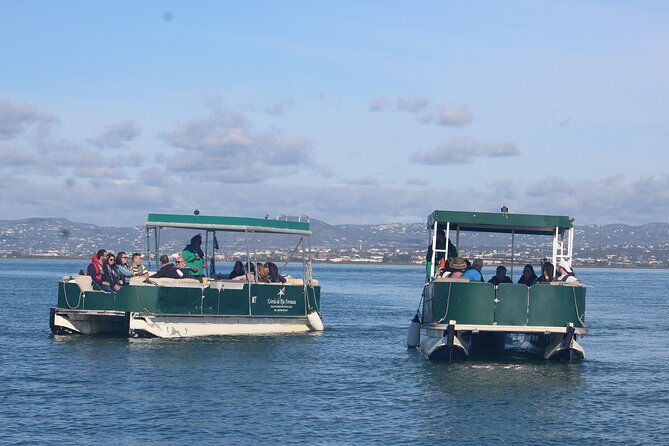
- The Catamaran Ride Through Ria Formosa: Birds, Water, and Wind
- Barreta Island: A Remote Feeling at the Water’s Edge
- Deserta Island Swim Stop: Snorkeling Gear Included
- Ilha do Farol (Lighthouse Island): Where Lagoon Meets Ocean
- Culatra Island: Optional Lunch and the Fishermen’s Side
- Oyster Culture Observation: 15 Minutes That Add Context
- The Ride Home: Tides Change the Whole Ria Formosa Look
- What to Bring (So the Day Feels Easy)
- Small-Group Guiding: Why the Captain and Guide Matter
- How Good Is the Value for $48.37?
- Who This Tour Suits Best
- Should You Book This 3-Islands & Ria Formosa Boat Tour?
- FAQ
- How long is the tour?
- Is the tour offered in English?
- What does the tour include?
- Is lunch included?
- Can I snorkel?
- What’s the maximum group size?
- What if the sea conditions are rough?
- Where do I meet the tour?
- Is free cancellation available?
- Is it okay for children?
Key Highlights I’d Prioritize

- Bird spotting in a protected lagoon: Expect chances to see herons, storks, spoonbills, cormorants, and seagulls.
- Island time that’s actually useful: Walk, snack, swim, or snorkel instead of rushing nonstop.
- Snorkeling gear included: Masks are provided and you can swim freely at the right stop.
- A real look at seafood work: Oyster culture observation happens right on the water.
- Culatra lunch as an easy upgrade: Go for the typical island meal when the timing lines up.
- Tide-shift scenery on the way back: The lagoon’s look changes with water levels, not just by time of day.
Planning Your Day: What This Tour Really Delivers
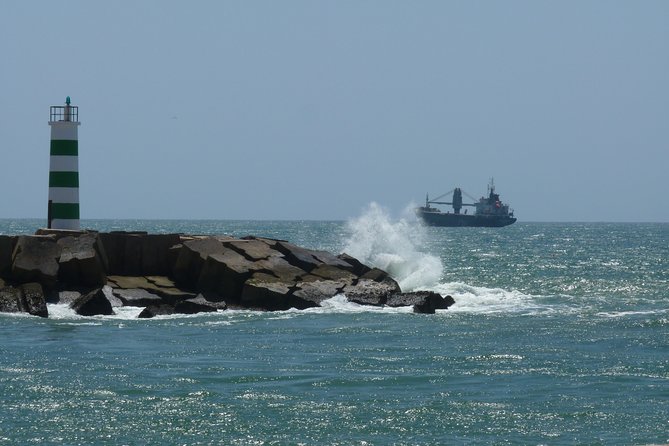
This is a half-day catamaran tour with a big goal: show you the Ria Formosa barrier islands the way they function. The lagoon isn’t a single “view.” It’s a shifting system where tides push water around, and the islands change character as the day moves on.
The price is around $48 per person, and the value is strongest if you care about doing a lot of coastline in a short time. You’re paying for a guided boat trip with life jackets, a skipper, snorkeling masks, and multiple island stops—while food stays on your dime. If you’ll also splurge on the optional Culatra lunch, the economics start to feel even more reasonable.
This also works well because the group size is kept to a maximum of 12. That matters on a day with wind, waves, and timing. You’ll usually get more attention when it’s time to find wildlife, move between spots, or decide where to walk first.
You can also read our reviews of more tours and experiences in Faro.

Boarding at Cais das Portas do Mar: Quick Logistics That Matter
You meet at Cais das Portas do Mar, Rua da Porta Nova in Faro, and the tour ends back at the same spot. It’s a straightforward start point, and it’s close enough to public transport that you shouldn’t need a complicated plan to get there.
Two tour times run: a morning departure at 10:00 and an afternoon departure at 14:00. The overall length is about 4 to 5 hours, with the morning option built around more time for lunch on Culatra.
A practical note: if you’re sensitive to cold wind, plan for it. Several guides and crews can’t control the breeze, but good skipper decisions can make the ride less rough. Still, the open water part can feel chilly even on bright days.
The Catamaran Ride Through Ria Formosa: Birds, Water, and Wind
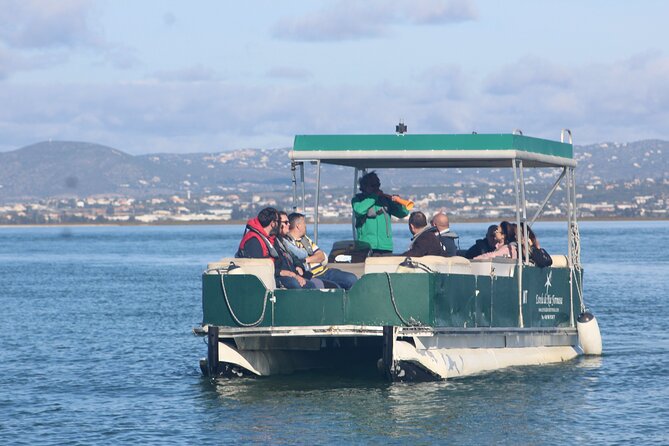
Once you push out from Faro, the tour becomes a moving nature walk. The guide points out the wildlife you’re likely to see—some resident, some migratory. The list you’ll watch for includes storks, spoonbills, herons, seagulls, cormorants, and even the fishing eagle in the right conditions.
This is where a good skipper earns their pay. In the wind, waves can make everything feel chaotic, but a watchful route can reduce the splash factor and keep things safer. In past trips, captains have even adjusted the order of island stops based on wave and wind conditions, so the day stays comfortable instead of miserable.
Also, the catamaran is simply better than trying to DIY the islands in a hurry. You’re not burning time on transfers or guessing about safe landing conditions. The boat does the connecting, and you get island time instead of commuting time.
Barreta Island: A Remote Feeling at the Water’s Edge
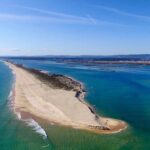
The first island stop is Barreta Island. This is the place where the Ria Formosa feels most “out there”—less like a beach destination, more like a living edge between water and sky.
Barreta also has a past that adds context to the scenery. It’s known for having once been a leprosy colony, which gives the island a deeper human story than you’d expect from the calm-looking coastline. On the ground, you’ll see small-scale life rather than big-tour bustle.
A plus here is the sense of space. You get time to walk around and soak in the way the lagoon meets the wider ocean waters. And if you’re hoping for that “I’m really somewhere different” feeling, Barreta is usually where you get it.
Deserta Island Swim Stop: Snorkeling Gear Included
After Barreta, the route moves to Deserta Island. This is the stop built for water time, with roughly 45 minutes on the schedule.
You can swim and snorkel here, and masks are included as part of the tour. Even if you don’t snorkel, this stop works because it lets you cool off after the boat ride and reset for the next island.
One consideration: beach and water quality can vary with conditions. Bring a towel or quick-dry layer if you can, and expect wind to dry you faster than you’d think—but you’ll still get wet if you go into the water.


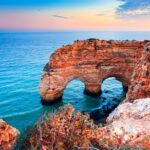
Ilha do Farol (Lighthouse Island): Where Lagoon Meets Ocean
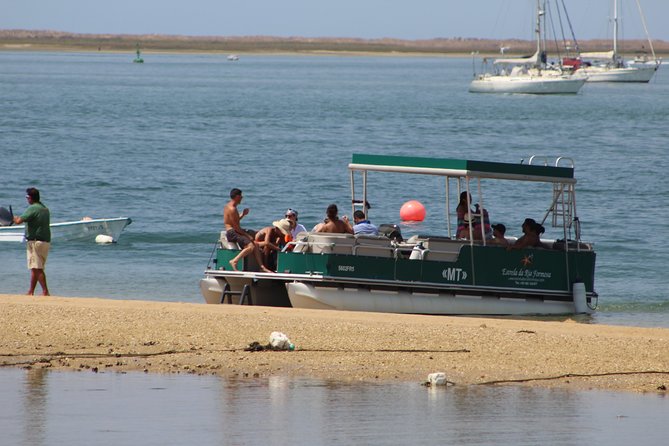
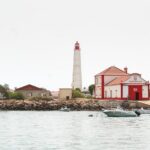
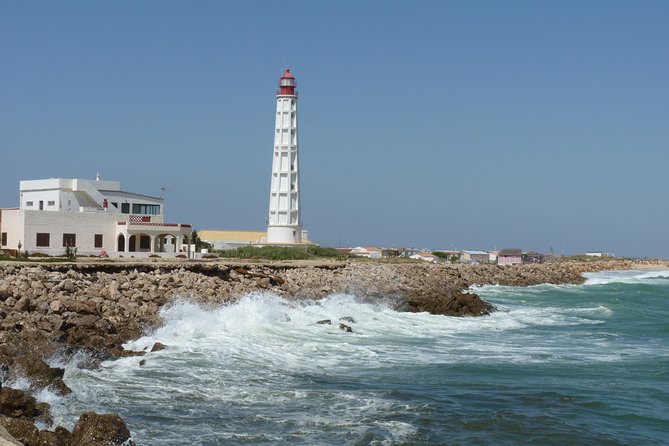
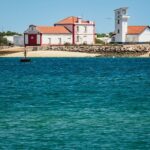
Next up is Ilha do Farol, also called Farol Island on the route. You’ll get about 45 minutes here, including time to walk by the lighthouse.
This stop is less about crowds and more about views. The big moment is the geography: you’ll see the union of the waters of the Ria Formosa with the ocean at Cabo de Santa Maria. It’s a great place to stand still and watch water movement, since you can literally see the systems mixing.
If you’re birdwatching with real focus, this is also a smart stop. Birds use these transition zones constantly, and the guide can help you connect what you see with where they feed and rest.
Culatra Island: Optional Lunch and the Fishermen’s Side
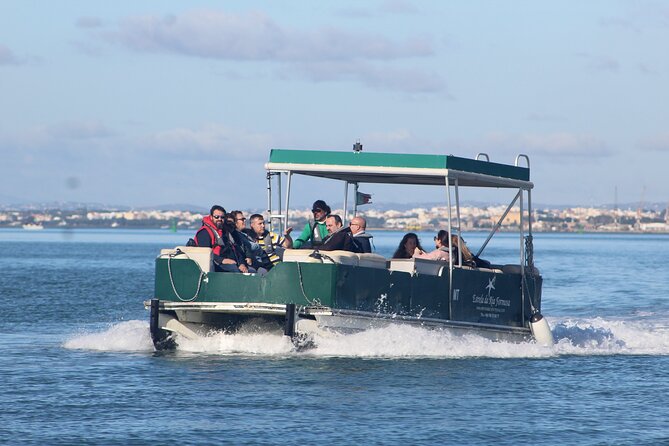
Culatra is the island that shifts the tone from nature-watching to human rhythm. The focus here is either a longer lunch window in the morning tour or a shorter visit to the fisher village area on the afternoon tour.
Morning departures typically include around two hours on Culatra to eat at a typical island restaurant—or to bring a picknick if you prefer. Lunch isn’t included, so this is an upgrade you choose. But it’s often worth it because it turns the day from boat scenery into something more specific and local.
On the afternoon route, the timing tends to be tighter, with a visit built around the fisher’s village area and less time for a full meal. Either way, you’ll get a real sense of how the island economy and daily life tie into the water.
One thing that can surprise people: Culatra’s best experience may not be the “view” alone. It can be the feel of the place—small boats, work rhythms, and the quiet details you’d miss if you treated the island like a quick photo stop.
Oyster Culture Observation: 15 Minutes That Add Context
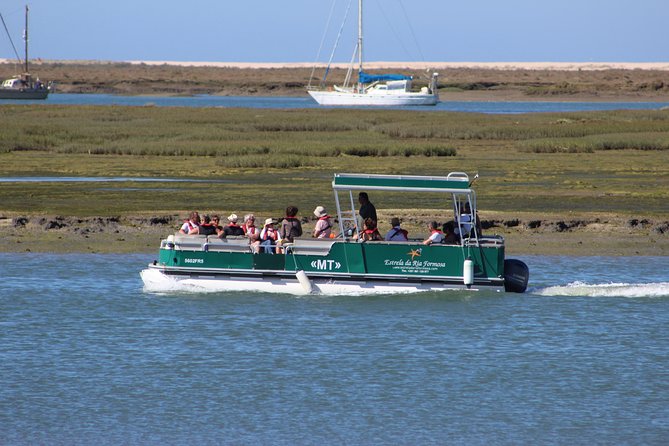
The last core stop is oyster culture observation. You’re watching the work from the boat, with about 15 minutes on this part of the itinerary.
The key value isn’t that you get a full behind-the-scenes workshop. It’s that you learn what the region produces and how the lagoon supports that kind of farming. The guide explains the logic of oyster cultivation in the local setting, which helps you interpret what you’re looking at once you understand the water conditions.
In other words, this short stop turns the day into a story: birds, tides, and human harvesting all connected by the same water system.
The Ride Home: Tides Change the Whole Ria Formosa Look
The tour ends back at Faro, but the return route feels like a different outing. The Ria Formosa’s beauty shifts with tides, not just light.
That’s why the last part of the tour can be memorable even if you’ve already taken plenty of photos. You’re looking at the same protected waters, but the shapes and textures change as the water level changes.
If you’ve got the energy, use this last stretch to revisit your favorite bird spots or scenery. The guide often helps people spot changes in how water channels look as the tide moves.
What to Bring (So the Day Feels Easy)
Bring a few basics and the tour becomes much more comfortable.
- A warm layer: wind on the lagoon can chill you fast.
- Water-friendly shoes: you’ll walk around on islands and likely on uneven ground.
- Swimwear: if you plan to snorkel or jump in during the free mask swim stop.
- Sunglasses and sunscreen: open water glare is real.
- A light snack or drink for flexibility: because food and drinks aren’t included.
If you’re prone to motion sickness, consider taking precautions ahead of time. The catamaran ride is usually manageable, but it’s still on open water.
Small-Group Guiding: Why the Captain and Guide Matter
A recurring praise point with this trip is how the guides pace attention. With a max of 12 people, it’s easier for the skipper or guide to notice who needs help, who wants extra time, and who wants the quick facts.
Several guides on this route are known for being friendly and funny, and they generally do a lot of explaining without turning it into a lecture. Names you might encounter include Joao, Joac, Ivan, Oscar, Filipe, Philip, Sergio, and JC, and the style tends to be interactive: answer questions, point at wildlife, and adjust when conditions change.
That’s also why tide and wave awareness matters. When conditions shift, a good skipper helps you stay comfortable and safe, and you get a smoother overall experience even if the route order tweaks.
How Good Is the Value for $48.37?
For the money, you’re buying a package: boat transportation through a protected natural park plus island time plus a short oyster-culture education stop. On top of that, snorkeling masks and life jackets are included, so you aren’t adding hidden costs for basic gear.
What isn’t included is food and drinks, and that’s the main reason the total cost can rise. If you choose the Culatra lunch option, you’ll pay extra for a typical island restaurant meal, but you also get a more meaningful island stop rather than just walking around.
If you’re the type who likes “see a lot in one day” but still wants natural quiet, this tour usually makes sense. If you’re expecting a long, in-depth class on oyster farming or a full-day beach hangout, you may find the timing a bit tight.
Who This Tour Suits Best
This is a strong fit if you like:
- nature and wildlife spotting in real conditions
- short island walks and water time
- learning how the lagoon supports everyday local work
- a guided day that keeps you from juggling ferries
It’s less ideal if you have motor difficulties, since the tour involves walking on islands and time on and off the boat. It also helps if you can handle a bit of wind and water splash depending on the day.
Should You Book This 3-Islands & Ria Formosa Boat Tour?
I’d book this if you’re visiting Faro and want a practical way to see barrier islands and lagoon wildlife without spending your whole day figuring out transport. The small-group setup, included snorkeling masks, and the oyster-culture stop give the trip more substance than a simple scenic cruise.
Choose the morning tour if you want the best shot at a proper Culatra meal experience. Choose the afternoon tour if you’d rather keep the day lighter, accept a shorter stop in the fisher village, and still get the core lagoon scenery.
If you hate wind or you need a very fixed schedule, be flexible. This tour can shift based on sea conditions and tides, and that’s part of what makes it feel like real life on the water rather than a rigid checklist.
FAQ
How long is the tour?
It runs about 4 to 5 hours, depending on the tour time and the schedule for island stops.
Is the tour offered in English?
Yes, the tour is offered in English.
What does the tour include?
You’ll get a professional skipper and local guide, life jackets, snorkeling masks, and the catamaran ride with island stops.
Is lunch included?
Lunch is not included. On the morning tour, there’s time to have lunch on Culatra at a typical island restaurant, but you pay for it separately.
Can I snorkel?
Yes. Masks are provided, and you’ll have time for swimming and snorkeling at the Deserta Island stop.
What’s the maximum group size?
This activity has a maximum of 12 travelers per booking.
What if the sea conditions are rough?
Tours can be changed depending on sea conditions.
Where do I meet the tour?
You meet at Cais das Portas do Mar, Rua da Porta Nova, 8000-250 Faro, Portugal, and you return to the same meeting point.
Is free cancellation available?
Yes. You can cancel up to 24 hours in advance for a full refund.
Is it okay for children?
Children must be accompanied by an adult.