REVIEW · COIMBRA
Schist Villages at Lousa Mountain
Book on Viator →Operated by Veado Verde / Green Deer · Bookable on Viator
Schist villages feel like Portugal’s quiet time machine. This tour brings you from Coimbra into the Lousã Mountain area to see how schist hamlets are being restored and kept alive, with off-roading and walking breaks along the way. What I love most is how up-close the villages feel (not just a quick photo stop), and the small perks that make it easier to enjoy the day, like a professional photographer guide plus a included souvenir photo.
The only real catch is physical: the routes include steps and steep, uneven ground, and the mountain roads can be rough. If you have mobility limits, you’ll want to go slow and plan for plenty of pauses.
In This Review
- Key takeaways before you go
- From Coimbra to Lousã: what makes this tour different
- Half-day or full-day: choose based on your hiking appetite
- Price and value: what $102.80 buys you
- Stop-by-stop: Cerdeira through the Cadaval hikes
- Stop 1: Cerdeira
- Stop 2: Candal
- Stop 3: Aldeia do Talasnal
- Stop (passing): Casal Novo
- Stop 4: Aldeia de Gondramaz
- Stop 5: Aldeias do Xisto (Cadaval Cimeiro and Cadaval Fundeiro) hike
- Stop 6 (full day only): Aigra Velha
- Stop 7 (full day only): Aigra Nova
- Stop 8 (full day only): Pena
- The roads, the steps, and how to keep the day comfortable
- What’s included: photos, binoculars, coffee moments, and optional meals
- Pickup and meeting point: make it easy on yourself
- Who should book this schist-village day trip
- My booking verdict: should you book it?
- FAQ
- FAQ
- How long is the Schist Villages at Lousã Mountain tour?
- Is it offered in English?
- Does this tour include hotel pickup in Coimbra?
- How much extra is pickup if I need it?
- What villages are included, and do full-day and half-day options differ?
- What kind of walking or hiking should I expect?
- Are admission tickets included?
- Are meals included in the price?
- What’s included besides the guide and transportation?
Key takeaways before you go
- Small private-group feel (max 10 people), with the option to adjust pacing on a private tour
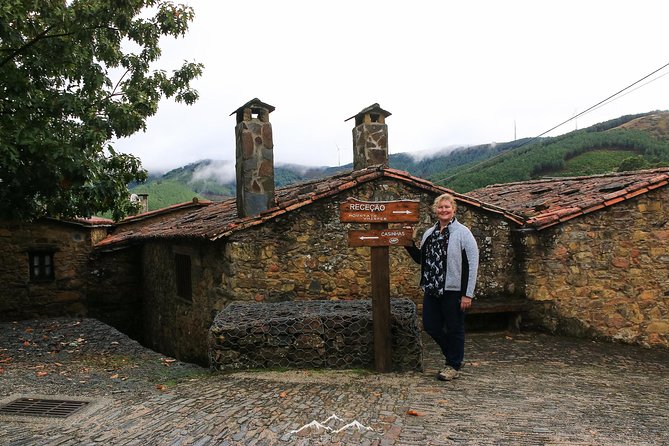
- Schist village restoration you can actually see, especially in Aldeia do Talasnal and the rebuilt hamlets
- A mix of drives and walking, including a hike between two abandoned villages in the Cadaval area
- Wildlife and nature spotting opportunities, with guides paying attention to the living landscape
- Photo support is built in: a professional photographer guide and one souvenir photo included
- Some stops are full-day only (Aigra Velha, Aigra Nova, and Pena), so choose your option wisely
From Coimbra to Lousã: what makes this tour different
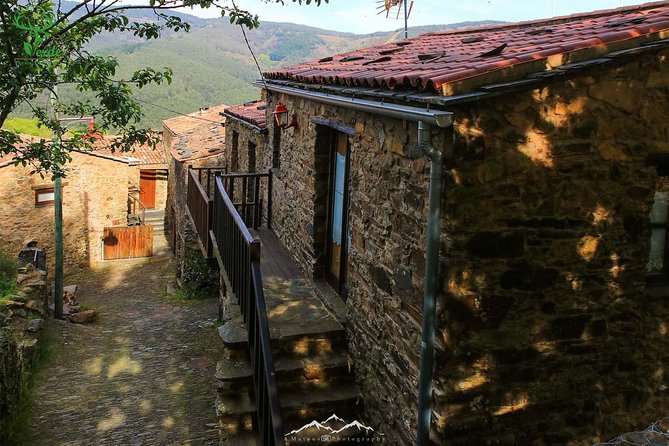
Coimbra is a great base, but you can only get so far from the city center by bus or on your own. This is where the tour earns its place. You get a private vehicle that can handle the mountain approach roads and drop you near villages that feel like they were built to hide in plain sight.
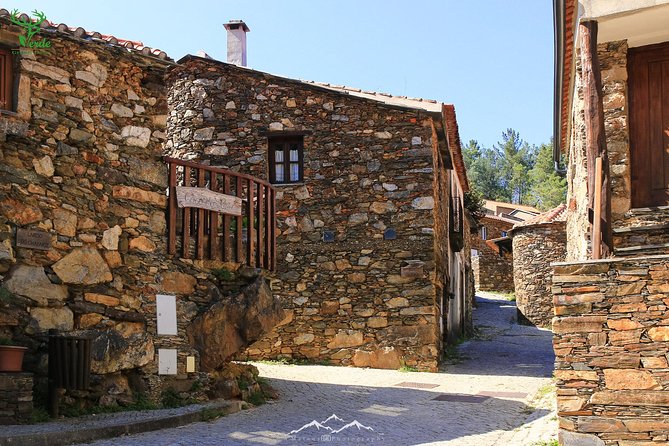
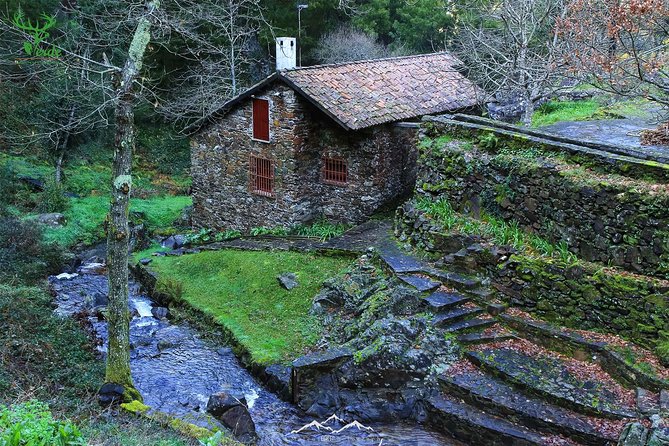
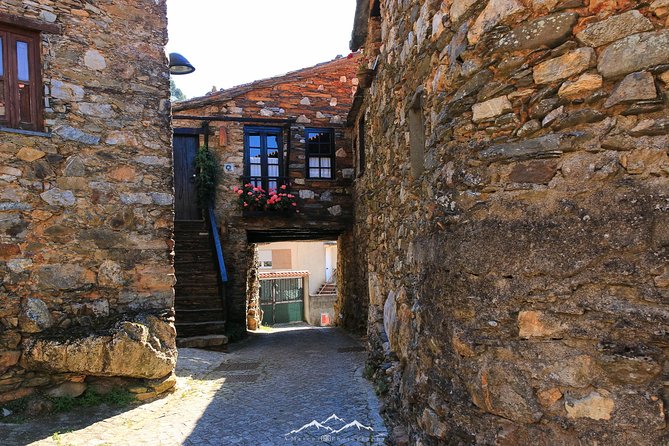
Once you’re up on Lousã, the theme becomes clear fast: schist isn’t just a building material here, it’s part of the identity of the region. Houses built from slate-like rock, narrow lanes, spring water, and the way the villages cling to hillsides create a day that feels more like a slow walk through a living heritage project than a checklist tour.
And yes, it’s scenic. But the value isn’t only the views. It’s the way you move from one village setting to the next, with time to look carefully and ask questions, instead of racing through.
You can also read our reviews of more tours and experiences in Coimbra.



Half-day or full-day: choose based on your hiking appetite
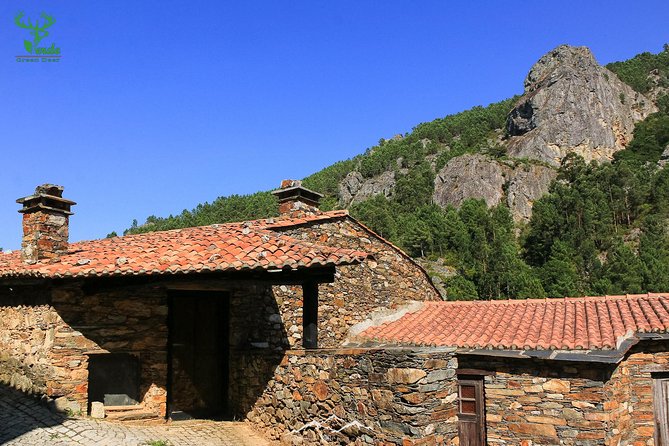
You can pick a half-day or full-day plan. The difference matters because the full day includes the higher-altitude and more spread-out villages—especially Aigra Velha, Aigra Nova, and Pena.
A good rule of thumb:
- If you want the best overview with less time on your feet, go half-day.
- If you like longer walking breaks, and you want the “end of the road” feeling of the higher hamlets, go full-day.
Also, this is a private tour/activity, so your pace can be adjusted. That’s useful because the villages aren’t flat. Even when the walking segments are short, the ground can be uneven and the steps can add up.
Price and value: what $102.80 buys you
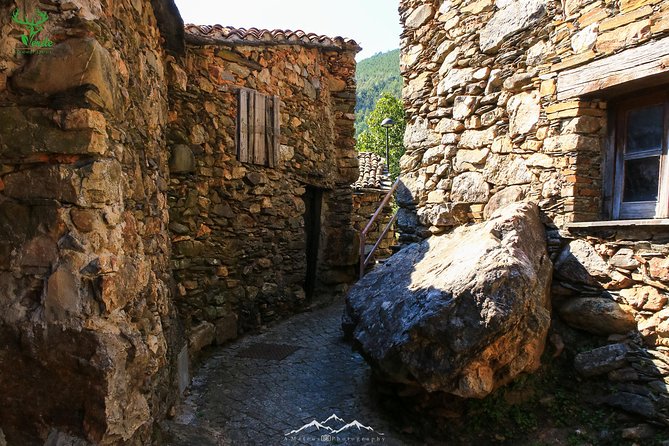
At about $102.80 per person (listed price), you’re not just paying for a ride to the countryside. You’re paying for three things that are hard to DIY from Coimbra:
- Mountain access without stress
Once you reach the Lousã area, roads can be steep and unpaved. Having a driver means you can enjoy the trip instead of white-knuckling your way up tiny lanes.
- Guiding that connects buildings to people
The experience focuses on the villages and their restoration, plus the natural setting around them. The best guides also point out details you’d miss on your own: springs, local plants, and how the villages survive season to season.
- Photo help and included extras
You get a professional photographer guide, one souvenir photo, and binoculars. Even if you’re not a camera person, it’s a nice way to get better pictures with less guesswork.
Meals are not fully included. Food and drinks are only included if specified, and lunch/dinner options are paid separately on site. That’s normal for tours like this, but it means your total day cost depends on your appetite and what you choose to eat.
Stop-by-stop: Cerdeira through the Cadaval hikes
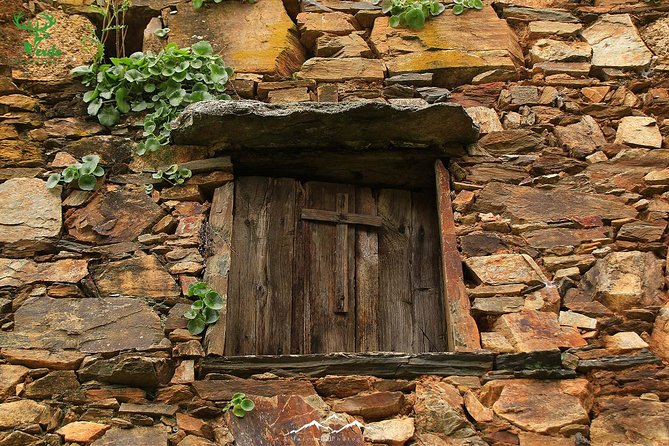
This tour is built around a chain of schist villages, so each stop changes the mood. Some feel quiet and romantic, others are more active because they’re easier to reach. A few are restored and visitor-friendly, while others are abandoned ruins you hike through.
Stop 1: Cerdeira
Cerdeira has the feel of a secret village at the end of a short walk. You approach by crossing a small bridge, then the houses appear through foliage. The stone paths and spring-like setting give it that almost storybook atmosphere, and there’s often a creative side to the village when seasonal events line up.
What to watch for: the way water shapes the village layout and the slate textures under your feet. If you like plants and small details, this is a good early stop.
Potential drawback: because it’s so photogenic, you may find yourself wanting extra minutes. If you’re on a tight schedule, keep your pace smooth so you don’t run behind.



Stop 2: Candal
Candal is described as more developed and one of the more visited villages in the area. That usually means easier access and more everyday life happening right where you’re standing.
Why it’s worth it: it balances the more hidden-feeling places with a village that’s used to visitors—so you can see how people actually live here, not only how heritage looks at a distance.
Stop 3: Aldeia do Talasnal
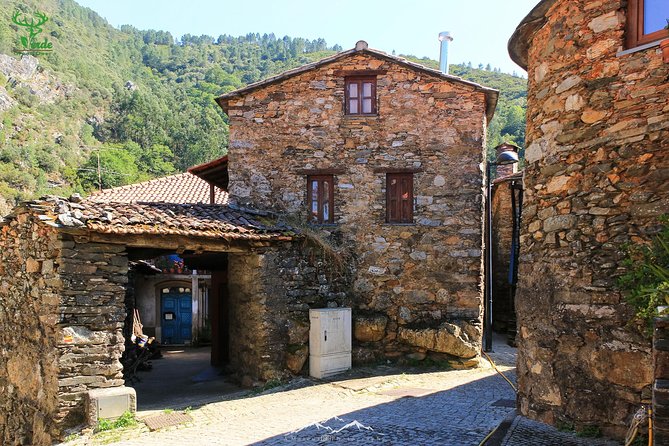
This is one of the most visible and charming schist villages on the Lousã side, largely because of the restoration work on many houses. Think “careful rebuilding” rather than “just old ruins.”
What I’d prioritize: take time here to look at details in doors, stonework, and the way the restoration respects the hill setting. This is where the schist identity becomes most obvious.
Stop (passing): Casal Novo
Casal Novo is easy to miss at a quick drive-by. The village lies in a fold on a steep, north-facing hillside, and the surrounding woodland hides its outline.
Tip: keep your camera ready, but don’t rush past. Even a brief glimpse can help you understand how these settlements use terrain for privacy and protection.
Stop 4: Aldeia de Gondramaz
Gondramaz is fully restored with around 50 houses, and it includes a tourist resort stop—plus coffee. This one gives you a built-in break without losing the village theme.
Why this matters: coffee stops aren’t just for caffeine. They’re where you catch your breath, check your footing after steps, and reset before the more hiking-heavy segments.
Stop 5: Aldeias do Xisto (Cadaval Cimeiro and Cadaval Fundeiro) hike
Cadaval Cimeiro and Cadaval Fundeiro are abandoned schist villages that burned twice in the 1980s. Between them, you’ll hike.
Why this is powerful: you see the full contrast—restored living spaces next to the scars of loss and the stubborn survival of the place. It gives the day a “then and now” feeling.
What to expect physically: this is likely the most active part of the walking. Bring good shoes with grip and be ready for uneven ground.
Stop 6 (full day only): Aigra Velha
Aigra Velha is the highest-altitude schist village on the route (770 meters). It’s small, but the wide-horizon views change the whole vibe of the day. It’s close to the Lousã summits, but described as easy to reach.
What to look for: the way the village follows nature’s cycle—simple living tied to the terrain around it.
Stop 7 (full day only): Aigra Nova
Aigra Nova is built with low schist buildings and has three small streets. Springs and a mild climate support agriculture and broad pastures. You’ll see a village that feels active: market gardens, livestock, and even donkeys.
Why it works: this stop feels less like a museum and more like a place that’s still working.
Stop 8 (full day only): Pena
Pena is another stop where stone identity gets very specific: schist and quartzite combined, plus the village layout shaped by a promontory. Houses appear to defy gravity as the terrain pulls them into place.
A centuries-old chestnut guards the entrance, and the village also makes good use of nearby clear waters. There are also Penedos de Góis nearby, described as an adventure option for the daring.
Practical tip: if you’re the kind of person who likes short, goal-based walks, Pena is a good finale because there’s enough here to keep you interested without needing hours of hiking.
The roads, the steps, and how to keep the day comfortable
This is the part I’d plan for before you go, because the tour sits in the real mountain zone.
- The route includes steep, step-heavy village lanes. You’ll likely climb and descend more than you expect for a “half-day” style of tour.
- The roads can be steep and unpaved, with no rails mentioned in the experience descriptions. This is one reason having a driver matters.
- The tour operates in all weather conditions, so you should dress for rain or shine rather than hoping for perfect conditions.
My practical advice: wear shoes you’d trust on slick stone and gravel. If you want photos, wear what won’t slow you down on steps.
And one more human note: there was at least one unhappy experience tied to driver comfort. If you’re sensitive to winding mountain roads, tell your guide early that you prefer slower turns and more caution on unpaved sections.
What’s included: photos, binoculars, coffee moments, and optional meals
Included items make a difference on a day like this. You’re not only being shown places—you’re being equipped to enjoy them.
What’s included:
- Driver/guide
- Transport by private vehicle
- Professional photographer guide plus one souvenir photo
- Binoculars
- All activities
- Admission tickets are listed as free for the stops
- Pickup and drop-off if you select the option (hotel pickup area is fairly broad)
Meals:
- Food and drinks are not included unless specified.
- Lunch/dinner are optional and paid separately on site.
From the experience descriptions and common stop behavior, you might find chances for local snacks and a proper lunch. Some people specifically call out dishes like chanfana and local wine, plus pastries and local liquor tastings such as chestnut and strawberry tree varieties. You won’t know your exact menu in advance, but the tour style tends to work in a local food moment, not just vending-machine energy.
Pickup and meeting point: make it easy on yourself
You meet at Largo da Portagem, 3000-337 Coimbra, Portugal, and the tour ends back there.
Pickup is available from most hotels in central Coimbra, Lousã, Miranda do Corvo, Condeixa-a-Nova, and Penela if parking is available. There’s an added pickup fee (listed as 10€ to 20€), and they can pick up from other locations too.
If you want the smoothest day, choose pickup. If you’re meeting at the port, leave extra margin so you’re not arriving rushed—mountain days feel more tiring when you start stressed.
Who should book this schist-village day trip
This tour is a great fit if you like:
- Small villages with real character, not only city sights
- Seeing restoration work in progress
- Short hikes and gentle-to-moderate walking
- Nature details like springs, plants, and wildlife spotting
It may not be ideal if you:
- Have mobility challenges that make steps hard
- Prefer flat, stroller-friendly walking routes
- Want a purely relaxing scenic drive with minimal hiking
On the plus side, the tour is designed for normal participation for most people, and because it’s private, the guide can often adjust your pace.
My booking verdict: should you book it?
If you’re basing your trip around Coimbra and want something more countryside than city streets, I think this is one of the most satisfying ways to spend half or full a day. The combination of restored schist villages, careful time to explore, and mountain driving makes it feel different from the usual “hop on, hop off” day trips.
Book it if:
- You enjoy walking through historic-looking places where stone and water shape daily life
- You want a guided explanation of what restoration is trying to fix
- You’d rather ride up into the hills than fight complicated transport changes
Skip or plan extra caution if:
- Steps and uneven ground are a problem for you
- You want zero hiking, because the hike between Cadaval Cimeiro and Cadaval Fundeiro is part of the core experience
- Mountain road driving makes you uncomfortable
FAQ
FAQ
How long is the Schist Villages at Lousã Mountain tour?
The duration is listed as about 4 hours.
Is it offered in English?
Yes, the tour is offered in English.
Does this tour include hotel pickup in Coimbra?
Pickup is available if you select the pickup option. They pick up from most hotels in central Coimbra and nearby areas if parking is available.
How much extra is pickup if I need it?
Pickup can cost an additional 10€ to 20€.
What villages are included, and do full-day and half-day options differ?
Cerdeira, Candal, Aldeia do Talasnal, Casal Novo (passing), Aldeia de Gondramaz, and Aldeias do Xisto (the Cadaval Cimeiro and Cadaval Fundeiro hike) are part of the route. Aigra Velha, Aigra Nova, and Pena are marked as full-day only.
What kind of walking or hiking should I expect?
The route includes hikes, including walking between Cadaval Cimeiro and Cadaval Fundeiro, and you can expect steps and uneven village paths.
Are admission tickets included?
Admission tickets are listed as free for the stops.
Are meals included in the price?
Food and drinks are not included unless specified. Meals as per itinerary (lunch or dinner) are optional and paid separately on site.
What’s included besides the guide and transportation?
Included items include one souvenir photo, a professional photographer guide, binoculars, and transport by private vehicle.