REVIEW · FARO
Small Group Dolphin and Wildlife Watching Tour in Faro
Book on Viator →Operated by Ocean Vibes Algarve · Bookable on Viator
A morning on the Atlantic near Faro can turn into a wildlife hunt with a marine-biologist twist. I like the small-group setup (max 9) because you get real back-and-forth time, not just a crowd scramble. I also love that the crew stays focused on wildlife viewing with research, so your trip feels purposeful, not just scenic.
One thing to consider: this is an active RIB boat ride. If the sea is rough, it can feel bumpy—some people find the jockey-style seating tough over longer choppy stretches, especially on the return.
In This Review
- Key Things to Know Before You Go
- Algarve Dolphins from Faro: What Makes This Tour Worth Your Time
- Meeting Point and How the Morning Cruise Works
- Wildlife Targets: Dolphins, Birds, and the Lucky Extras
- Marine Biologists On Board: Learning + Ethical Watching
- The Boat Ride Reality Check: Comfort, Speed, and Cold Water
- Price and Value in the Faro Dolphin-Watching Market
- Who This Tour Is Best For (and When to Choose Another Plan)
- Should You Book Ocean Vibes Algarve for Dolphins in Faro?
- FAQ
- How long is the dolphin and wildlife watching tour from Faro?
- What’s the group size limit for this tour?
- Where do I meet for the tour?
- What languages is the tour offered in?
- What wildlife might I see on this trip?
- Do the guides provide information during the trip?
- What should I bring for the boat ride?
- What happens if the tour is canceled due to weather?
- What’s the cancellation window for a full refund?
Key Things to Know Before You Go
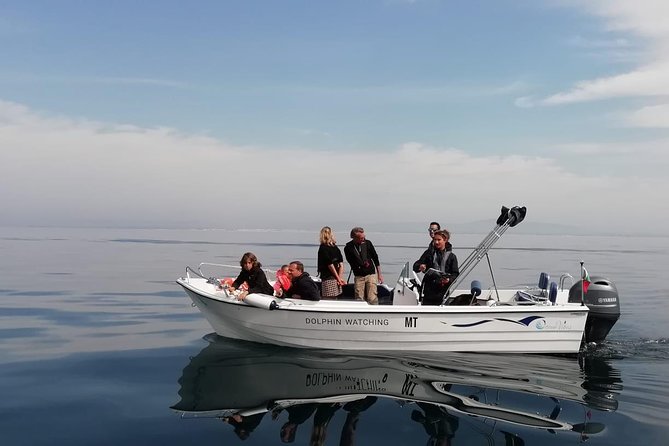
- Small group (max 9) means you’re more likely to hear the details and get attention when wildlife appears
- Marine biologists on board explain what you’re seeing and collect data for research
- Morning departures are built for better wildlife activity when animals are more active
- Ethical distance rules aim to avoid stressing dolphins and other marine life
- You might see more than dolphins including birds, sunfish, turtles, and tuna (and sometimes whales or orcas)
Algarve Dolphins from Faro: What Makes This Tour Worth Your Time
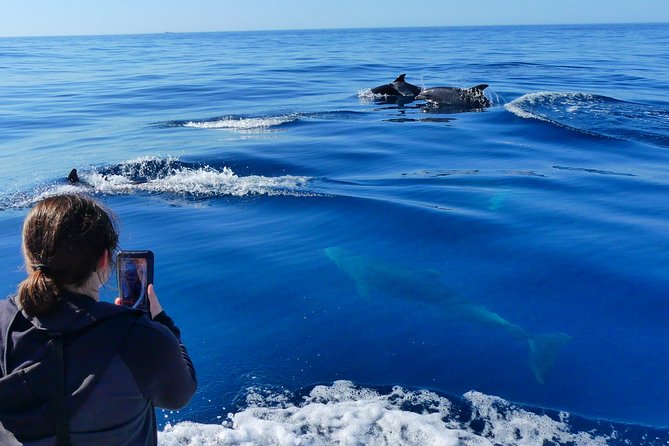
If you’re going to chase dolphins in the Algarve, you want two things: time on the water and people who know what to look for. This 2.5-hour tour from Faro is designed around the best shot at cetaceans, and it’s led by marine biologists who can spot patterns fast. That matters because dolphin sightings are not guaranteed, and the difference between a good trip and a great one is usually how quickly a team can react.
The “small group” piece is not just marketing. With up to 9 travelers, the boat stays calmer, and the guides can respond to what you’re actually seeing instead of repeating basics to a packed crowd. Add the research angle—data collection plus species talk—and you get a tour that feels more like learning in real time.
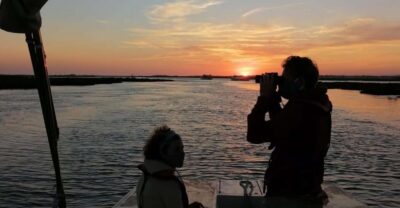
You also get a bonus that’s easy to overlook: you’re not only hunting mammals. The route includes time watching for marine birds like Northern gannets, shearwaters, and storm petrels, plus other ocean wildlife that can show up when the sea is cooperating.
You can also read our reviews of more dolphin watching tours in Faro
Meeting Point and How the Morning Cruise Works
You meet at Ginásio Clube Naval, Estr. do Passeio Ribeirinho 58, 8000-541 Faro. It’s right back in the harbor area where it’s straightforward to orient yourself and find the right spot. The trip also returns to the same meeting point, so you’re not dealing with a confusing pickup/drop-off shuffle.
From Faro, you cruise with views along the Ria Formosa Natural Park area before you head out toward the Atlantic. That “coastal-to-open-water” transition is useful: inshore and nearshore conditions can shape what you spot first, while deeper stretches can open up chances for bigger animals. The guides actively scan for wildlife, with a strong focus on cetaceans.
Timing-wise, you’re out for about 2 hours 30 minutes. Some departures run in the earlier part of the day, and that’s not accidental—morning wildlife activity tends to be strong, and you also avoid the hotter Algarve feel that can kick in later. If you’re sensitive to motion, it’s still worth bringing layers and being ready for speed changes when wildlife is spotted.
Wildlife Targets: Dolphins, Birds, and the Lucky Extras
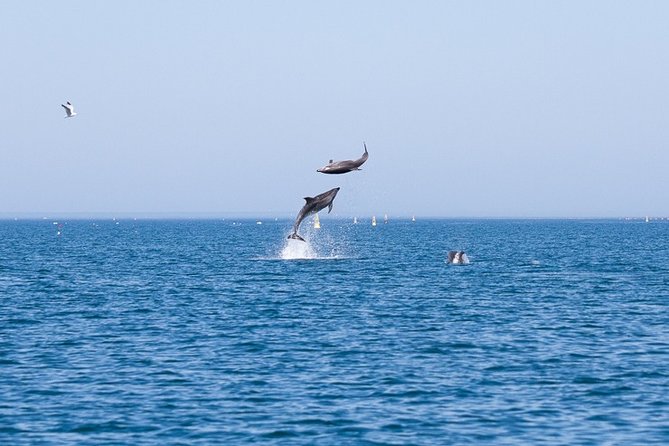
Let’s talk targets, because this is where the tour earns its reputation.
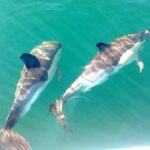
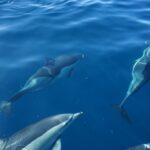
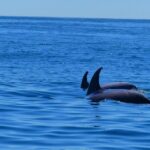
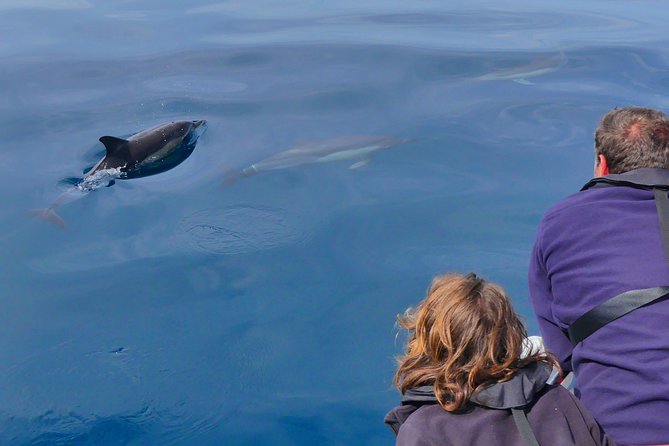
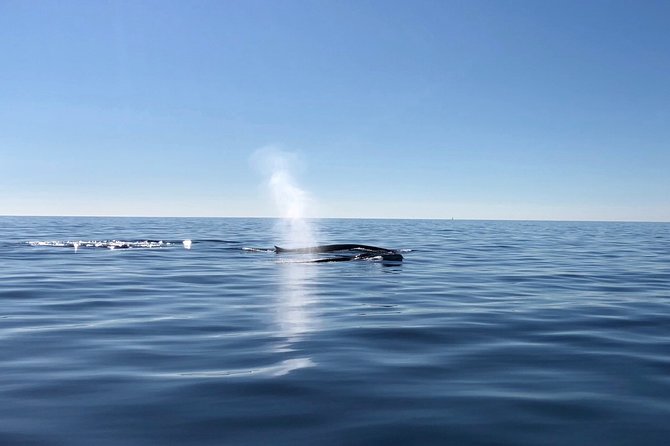
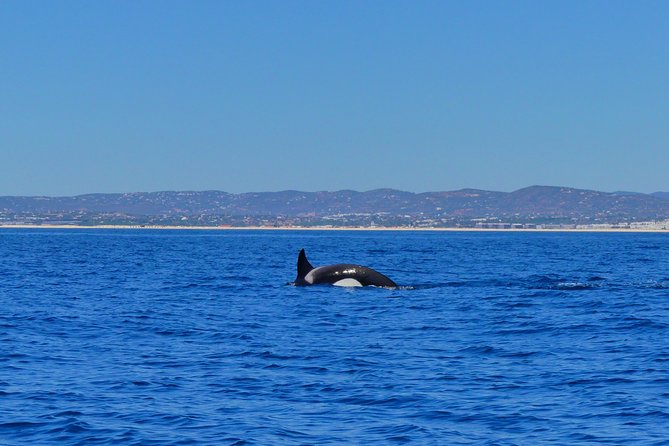
Dolphins you may see include bottlenose dolphins (Tursiops truncatus) and common dolphins (Delphinus delphis). There are also chances for bigger sightings, including orcas and whales, though those are the kind of wildcards that depend on the day, season, and where the animals are moving.
Birds are a real part of the experience here, not just a background detail. You may spot Northern gannets, shearwaters, and storm petrels. Watching seabirds from a boat can be a clue game—sometimes birds gather where fish are present, and where fish are, predators often follow.
Beyond dolphins and birds, there’s also a list of “if you’re lucky” sightings such as:
- ocean sunfish (Mola mola)
- Atlantic bluefin tuna (Thunnus thynnus)
- some sharks or marine turtles
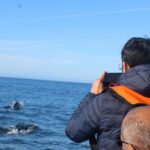
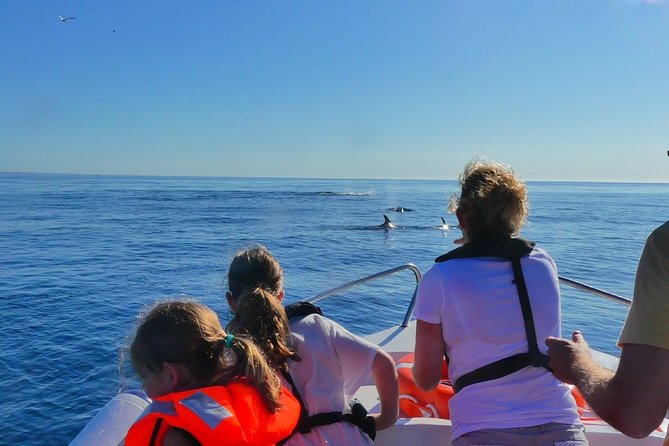
On certain days, people also report surprises like Portuguese man-o-war. And if you see dolphins, expect the team to slow down and position the boat so you get real viewing time—not just a quick pass-by. One trip is reported with around 30 minutes with a dolphin pod, which gives you time to watch behavior, not just take one quick photo and go.
Marine Biologists On Board: Learning + Ethical Watching
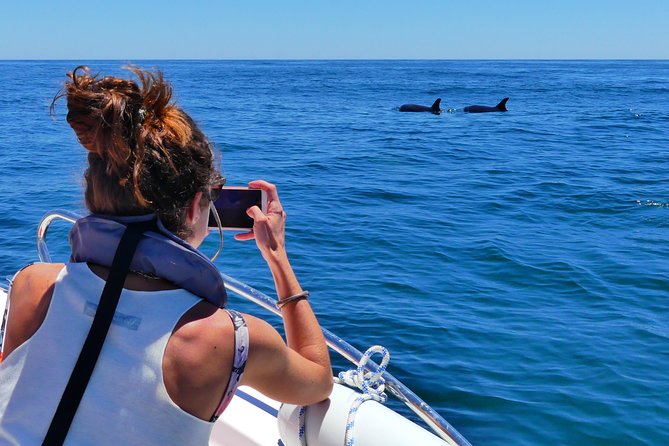
Here’s the difference between a basic wildlife cruise and one that stays respectful: the crew isn’t just narrating. Marine biologists help interpret behavior—why dolphins are moving, what different species may be doing, and what to look for when animals are surfacing or traveling.
I like this approach because it turns the sighting into a story you can understand. When you know whether you’re looking at bottlenose versus common dolphins, or what to expect from feeding behavior versus traveling behavior, your brain stops treating the experience like a lucky lottery and starts treating it like a living habitat.
Ethics are a big theme on this tour. The goal is a respectful viewing distance. One review highlights that the team kept a distance and gave the dolphins the choice to approach. That’s what you want in the real world: you’re not there to force a show, you’re there to watch animals in their space.
There’s also a research component. The biologists collect data during the outing, so even if you’re mostly there for the wow factor, you’re also supporting conservation-style work. That makes the trip feel more meaningful, especially if you dislike the idea of animal tourism that pressures wildlife for entertainment.
The Boat Ride Reality Check: Comfort, Speed, and Cold Water
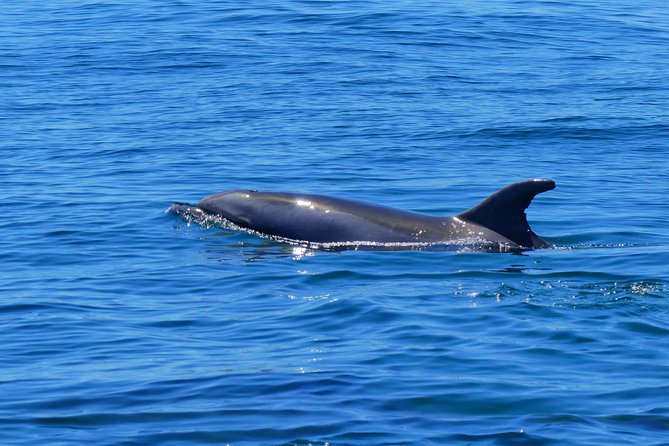
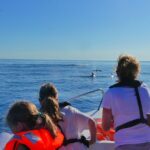
This is a RIB-style boat experience—fast, responsive, and built for the ocean. Most people find it comfortable and safe, even when conditions get choppy. You’ll often feel speed when the skipper turns the boat toward sightings, then you slow and stabilize when it’s time to watch.
There’s a flip side. A few people report discomfort with the jockey-style seating on rougher days, and some felt the ride was more intense than expected when returning in heavy waves. That’s not unique to Faro—small boats react quickly to changing sea states. The important part is that the crew reacts too. Reviews mention quick responses when waves are unexpected, and a few trips extended time due to sea conditions so the team could keep things safe.
Practical advice for you:
- Bring a jacket or sweatshirt, because it can feel colder out on the water once you’re moving
- If you’re motion-sensitive, plan for some bumpy moments on the return when the sea turns
- Wear shoes with decent grip (not flip-flops), because you may shift your weight when watching
If you know you strongly dislike small boats, this is the one big reason to pause. But if you’re okay with a lively ride and you want the best shot at wild dolphins, the payoff tends to outweigh the discomfort.


Price and Value in the Faro Dolphin-Watching Market
At $66.51 per person for about 2.5 hours, this tour sits in the “serious but not insane” range for Faro dolphin watching. What makes it feel like good value is the mix of:
- marine biologists (not just a driver with a microphone)
- small-group limits (max 9)
- active searching and ethical distance
- the chance to see multiple wildlife categories, not only dolphins
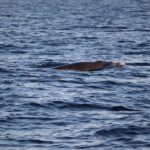
Also, you’re not buying a guaranteed animal encounter. You’re buying effort, expert scanning, and time on the water. When the sea cooperates, people report extremely high numbers of dolphins, sometimes hundreds, plus additional species like whales. On other days you might see dolphins at a distance, with fewer larger animals. That’s nature, but the team’s method helps your odds.
One more value point: the boat ride itself is a major part of the experience. If you enjoy the feel of an ocean outing (rather than a slow sightseeing ferry), you’ll likely enjoy the ride as much as the wildlife.
Who This Tour Is Best For (and When to Choose Another Plan)
This is a strong fit for you if:
- you want dolphins in the wild with an ethical approach
- you care about learning real marine facts while you watch
- you prefer a smaller group so the guides can focus on the moment
- you’re ready to be flexible if the sea is a bit rough
It’s also a good pick for families who want a single, contained outing with enough time to watch dolphins and birds without turning the day into a marathon.
A backup plan might make sense if:
- you strongly dislike small-boat motion
- you have very sensitive neck/back issues and know rough water will bother you
- you only want calm “look and admire” sightseeing
If you fall in the first category, this tour has a lot going for it. The overall rating is very high (about 4.9/5 with 97% recommending), and the repeating theme is not just seeing dolphins—it’s how safe, respectful, and well-run the whole experience feels.
Should You Book Ocean Vibes Algarve for Dolphins in Faro?
I’d book it if your priority is a real chance at dolphins plus meaningful guidance, in a small group with marine biologists. The combination of active searching, ethical distance, and species-focused explanations is what separates this from cheaper, high-volume “drive-by” cruises.
I’d hesitate only if you already know rough water will ruin the day for you. In that case, consider an alternate style of viewing with calmer conditions (or plan your expectations to match the ocean). Otherwise, this is one of the more straightforward ways to get a memorable morning out on the Atlantic, with dolphins and seabirds as your likely stars—and a decent shot at surprises if the day is right.
FAQ
How long is the dolphin and wildlife watching tour from Faro?
It runs for about 2 hours 30 minutes (approx.).
What’s the group size limit for this tour?
The maximum group size is 9 travelers.
Where do I meet for the tour?
The start point is Ginásio Clube Naval, Estr. do Passeio Ribeirinho 58, 8000-541 Faro, Portugal. The tour ends back at the same meeting point.
What languages is the tour offered in?
The tour is offered in English.
What wildlife might I see on this trip?
The tour focuses on marine wildlife, with good chances for dolphins such as bottlenose and common dolphins. You may also see marine birds like Northern gannets, shearwaters, and storm petrels. Other possible sightings include sunfish, tuna, sharks, turtles, and occasionally whales or orcas.
Do the guides provide information during the trip?
Yes. Marine biologists explain what you’re seeing and collect data for research after spotting cetaceans.
What should I bring for the boat ride?
Bring a jacket or sweatshirt, since it can feel cold on the ocean once the boat is going.
What happens if the tour is canceled due to weather?
If weather causes cancellation, you’ll be offered a different date or a full refund.
What’s the cancellation window for a full refund?
You can cancel up to 24 hours in advance for a full refund.