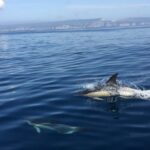
Dolphins meet sea caves at Peniche. I like how this Peniche cruise is set up for a real hunt—heading out toward Meia Via (between Cabo Carvoeiro and Berlenga) to look for cetaceans, especially Roaz Corvineiro. It’s the kind of trip where the scenery matters, but the wildlife is the whole point.
I also like the small size: you’re capped at 14 people, so spotting and watching the water feels easier than on huge boats. The ride is quick too, with the vessel able to reach about 30 miles per hour, which helps you cover ground as you search. The only drawback to plan for is that dolphin sightings depend on weather and sea conditions, and the operator may postpone the activity if conditions aren’t favorable.
The timing is built for a short day: it typically runs about 1h30 to 3h and ends back at the same meeting spot (start time is 9:30 am). If you want a compact, high-energy wildlife cruise out of Peniche, this one fits nicely.
In This Review
- Key things I found most interesting
- Getting to the boat: Peniche’s meeting point and what that means for you
- The “fast cruise” reality: speed, duration, and why the sea decides the plan
- Roaz Corvineiro and the dolphin search: what you’re actually hoping to see
- Stop 1: Cabo Carvoeiro and the start of the hunt
- Meia Via (between Cabo Carvoeiro and Berlenga): where dolphins are the goal
- Coming back toward Areia Branca beach: what the return feels like
- Price and value: is $54.22 worth it?
- Who should book this cruise, and who might want a different plan
- Weather and rescheduling: how to plan your day like a pro
- What to look for during the cruise (so you don’t miss the moment)
- Should you book the Dolphin Route from Peniche?
- FAQ
- How long is the Dolphin Route cruise?
- Where does the tour start and end?
- What are the main stops during the itinerary?
- Is dolphin spotting guaranteed?
- What happens if weather or sea conditions are poor?
- Can I cancel for a full refund?
Key things I found most interesting
- Small group cap (max 14) keeps the vibe relaxed and makes scanning the water simpler
- Search zone called Meia Via gives the trip a clear purpose after the first headland stop
- Cabo Carvoeiro to Areia Branca loop ties dolphin watching with dramatic Peniche coast scenery
- Roaz Corvineiro facts add context: it’s the most seen dolphin species in these waters
- Speed up to 30 miles/hour helps cover water during the best observation windows
- Weather-driven outcomes mean you should treat sightings as possible, not promised
Getting to the boat: Peniche’s meeting point and what that means for you
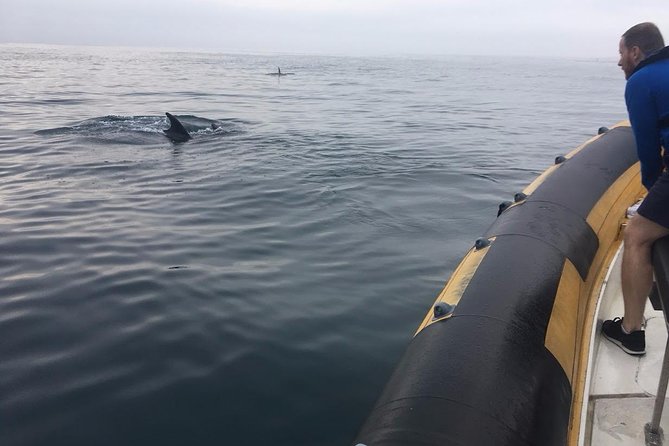
This trip leaves from Peniche, not central Lisbon. The meeting point is the Instituto de Socorros a Naufragos: Posto de Peniche, at Tv. da Lingueta 8, 2520-464 Peniche. You meet there at 9:30 am, then the activity returns to that same spot when the cruise ends.
Why that matters: you avoid the stress of complicated transfers mid-trip. If your day planning is tight, a start-and-finish at the same place makes the schedule feel cleaner. It’s also listed as near public transportation, which can be a big help if you’re relying on buses or trains to get into Peniche.
You’ll also get a mobile ticket, and the tour is offered in English. That’s practical for most visitors because you can focus on what’s actually happening out on the water, instead of sorting paper tickets at the dock. Service animals are allowed, too—always good to know ahead of time.
You can also read our reviews of more dolphin watching tours in Lisbon
The “fast cruise” reality: speed, duration, and why the sea decides the plan
The Dolphin Route runs about 2 hours on average, but the activity length can vary between roughly 1h30 and 3h. The vessel can reach up to 30 miles per hour, so it’s not a slow sightseeing crawl. It’s more like: get you to the right parts of the coast, then actively scan for wildlife.
That speed is a double-edged sword. On the plus side, you gain time—more scanning minutes instead of lots of dead time. On the “watch out” side, a faster ride can feel more bouncy when conditions are choppy. If you’re sensitive to motion, bring what usually helps you on boats (something as simple as planning seating and having your preferred remedy on hand).
The operator also reserves the right to cancel if the minimum number of passengers isn’t met or if weather and sea conditions aren’t favorable. In one review, the day’s activity was postponed because the weather wasn’t good. So yes, plan for the possibility of rescheduling. The good news: that’s not a bait-and-switch. It’s how this kind of coastal wildlife trip stays safe.
Roaz Corvineiro and the dolphin search: what you’re actually hoping to see
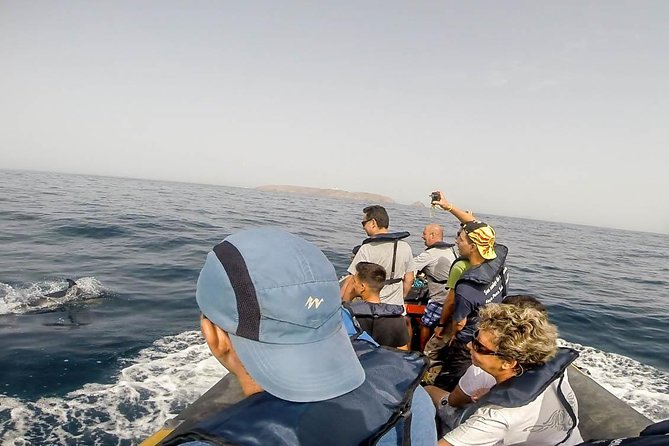
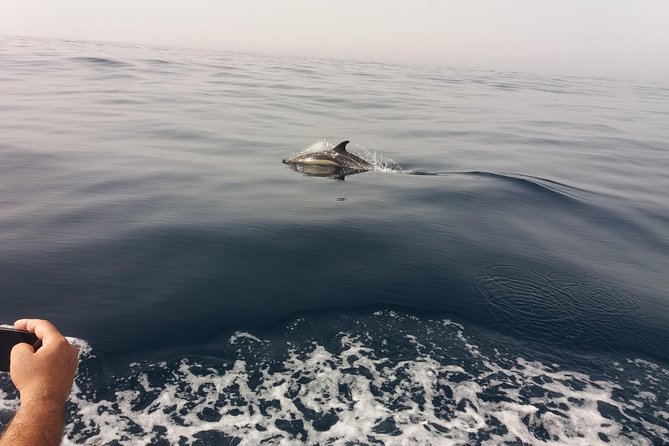
The whole experience is built around cetaceans in the waters off Portugal’s west coast. The description calls out sharks, turtles, sea birds, and—most importantly—dolphins. The most seen species is Roaz Corvineiro, with the scientific name Tursiops truncatus.
This is where a bit of context helps you set expectations the right way. The trip notes that Roaz Corvineiro can reach around 4 meters in length and live up to about 45 years. That kind of detail is useful because it reminds you these are mature wild animals, not “performers.” When they show up, they can be astonishing. When they don’t, it’s usually a matter of where they are in the water column and how conditions shape visibility.
A key point: this is a nature-based cruise, so dolphin sightings are not guaranteed. In one review, a guest said dolphins didn’t appear at all due to wind. That’s not a rare exception—it’s the nature of open water watching. Your best strategy is to treat the cruise as a coastal experience plus a wildlife opportunity, not a guaranteed dolphin delivery.
Stop 1: Cabo Carvoeiro and the start of the hunt
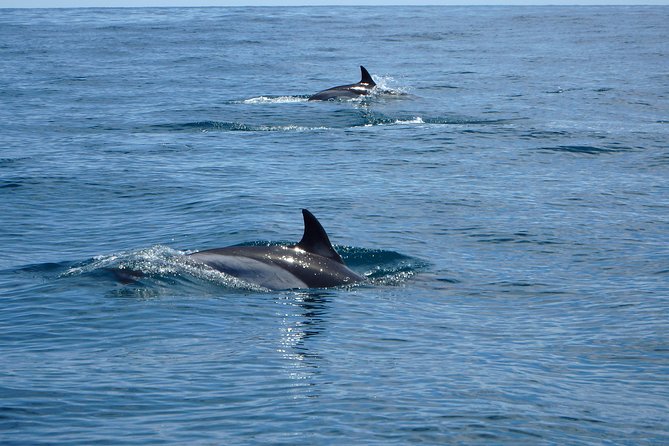
Your first stop is Cabo Carvoeiro. The itinerary starts from Peniche, then heads toward that area so you can begin scanning for marine life. The experience also highlights caves and rock formations along the south coast of Peniche, which is a major reason this cruise feels more than just an animal-watching ticket.
What I like about this first stop concept: it builds momentum. You’re not waiting around for hours before the boat starts moving through the most relevant areas. Instead, you get early time on the water for spotting—then the route continues toward the next search area.
What you should watch for here is simple: anything breaking the surface, fast moving shadows, and the way birds behave. Sea birds can often act like a clue that something is happening below. Even if you don’t spot dolphins, the coast itself can still be a treat, because the cruise is paired with those Peniche rock and cave viewpoints.
Meia Via (between Cabo Carvoeiro and Berlenga): where dolphins are the goal
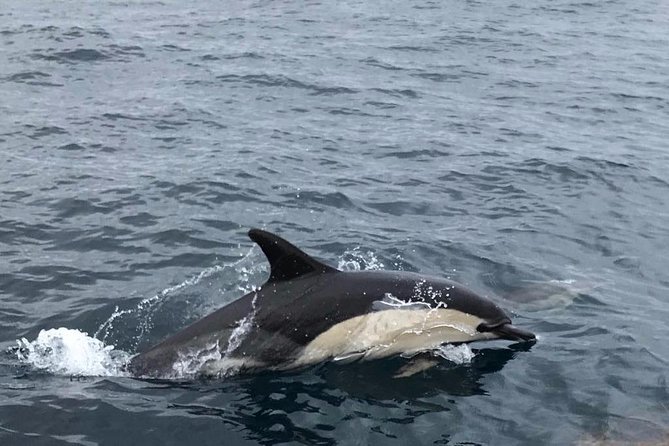
After Cabo Carvoeiro, the cruise directs you toward Meia Via, described as the location between Cabo Carvoeiro and Berlenga. This is a practical setup: it gives the crew a defined zone to work from while they search for cetaceans.
Why this section is valuable for you: it turns the cruise into something more deliberate than random wandering. Instead of “go out and hope,” the route has a logic—hit Cabo Carvoeiro first, then shift to the Meia Via stretch that’s known for the kinds of animals you came for.
When dolphins are active, this is often when the experience clicks. You may also see other wildlife mentioned in the overview, like sea birds and turtles. And even if you see fewer animals than you’d hoped, the open-coast scenery and caves/rock formations give you a steady stream of visual interest.






Coming back toward Areia Branca beach: what the return feels like
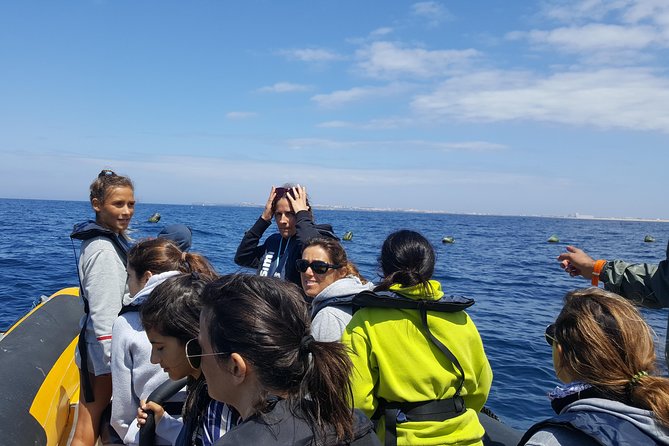
The itinerary returns toward Areia Branca beach. That matters because it suggests the trip isn’t just about going out; it’s also about finishing the loop along the south coast. The overview specifically mentions the caves and rock formations of that south coast, so you’re not only watching the water—you’re also taking in the coastline as the boat works its way back in.
In many coastal cruises, the last segment is when people start relaxing—because you’re not far from the finish line. But if you’re lucky, it’s also when wildlife can pop up again. That’s the upside of an observation-based route: you don’t get only one chance. You get multiple windows, depending on conditions.
Price and value: is $54.22 worth it?
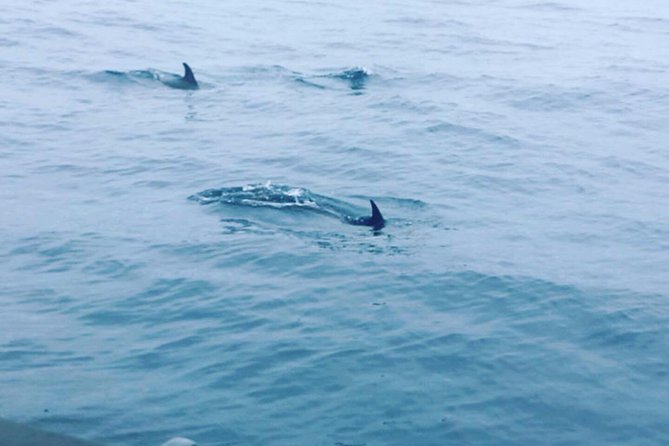
At about $54.22 per person, this cruise isn’t “cheap,” but it also isn’t priced like a private boat. The value really comes from the mix of factors you get here: a short 1h30–3h adventure, a small group cap of up to 14, and the chance to watch for dolphins (plus other marine life) in a place where cetaceans are a known possibility.
Here’s how I’d judge the price for your own trip. If you go in expecting guaranteed dolphins, you may feel burned if the sea is too windy or visibility isn’t right. One negative review mentioned kids disappointed because dolphins didn’t show. If your group includes little ones who strongly expect the dolphins to appear on cue, mentally prepare them for the fact that nature sets the rules.
If, instead, you’re the type of traveler who enjoys marine scenery and can roll with a bit of uncertainty, the price feels more reasonable. You’re paying for time on the water, a route designed for wildlife searching, and the chance at a genuinely memorable sighting—when it happens, it’s the kind of moment you’ll remember long after the cruise ends.
Who should book this cruise, and who might want a different plan
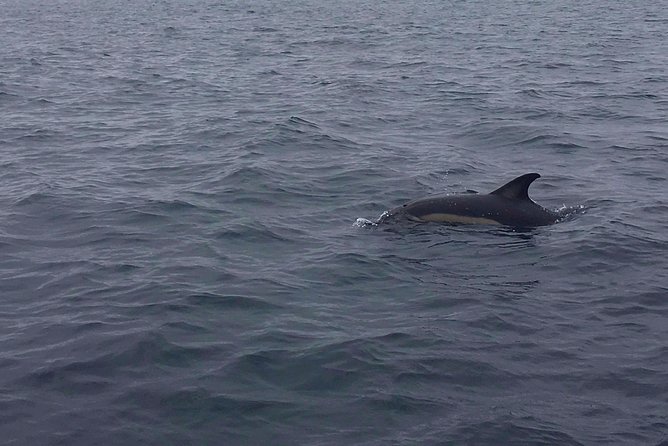
This fits best if you:
- Love wildlife watching and you’re comfortable with the idea that wild animals are unpredictable
- Want a compact activity from Peniche, not a long day
- Like fast-moving trips where you cover ground during the best observation windows
It may be less satisfying if you:
- Need a guaranteed dolphin sighting for a special event
- Get frustrated when weather forces changes (because wind can shut down the whole experience, or at least reduce sightings)
Families are often drawn to dolphin cruises, but the reality check matters. The experience can still be enjoyable even without dolphins, especially if your kids enjoy boats and coast views. But if the main goal is dolphins on demand, you’ll probably have a tougher time emotionally.
Weather and rescheduling: how to plan your day like a pro
You should treat good weather as part of the ticket. The provider may cancel due to sea conditions, and in the case of bad weather you’ll either be offered another date or a full refund. One review specifically mentioned the activity being postponed to the next day when conditions weren’t right, which matches how these operations protect safety.
So how do you set yourself up for success? Keep this cruise in the “flexible window” of your travel plan. If you book other tours that can’t move, you might feel stuck if the sea shuts things down.
Also, arrive a bit early at the meeting point so you’re not rushing when the staff is ready to go. When you’re on a tight wildlife schedule, small delays can matter.
What to look for during the cruise (so you don’t miss the moment)
You don’t need special equipment to enjoy a dolphin cruise, but you do need attention. Keep your eyes scanning the waterline and be ready when the boat crew is watching hard. When dolphins are present, they often show up in bursts—fast movements, surface breaks, and quick changes in direction.
Since the cruise focuses on Roaz Corvineiro, you might notice differences between species behavior, but don’t force it. Instead, follow the simple patterns: watch where activity is, watch how birds respond, and don’t fixate on one spot for too long if the boat changes direction.
If you’re prone to motion sickness, plan for that before you leave. The trip is fast and can reach 30 miles per hour, which means the ride isn’t always gentle.
Should you book the Dolphin Route from Peniche?
Book it if you want a short, small-group boat trip with a clear wildlife target and impressive coastal scenery. The small cap of 14 people and the active search route (Cabo Carvoeiro, then Meia Via, then back toward Areia Branca) make it feel purposeful. When dolphins do appear, the experience is exactly what you want from a dolphin cruise: a real encounter in the wild, not a staged show.
Skip or pick a different option if you require guaranteed dolphins. Weather and wind can affect visibility, and sometimes the animals simply don’t show up during the time window. Also, if your travel schedule is rigid and can’t handle a postponement, this is one of those tours you should place carefully.
If you can stay flexible and you’re excited by the idea of watching the coast and searching for dolphins in real conditions, this one is worth your money.
FAQ
How long is the Dolphin Route cruise?
The activity lasts between 1h30 and 3h, with an average booking duration of around 2 hours.
Where does the tour start and end?
It starts at Instituto de Socorros a Naufragos: Posto de Peniche (Tv. da Lingueta 8, 2520-464 Peniche) and ends back at the same meeting point.
What are the main stops during the itinerary?
The itinerary includes a stop at Cabo Carvoeiro, then a direction toward Meia Via (between Cabo Carvoeiro and Berlenga), and the return heads toward Areia Branca beach.
Is dolphin spotting guaranteed?
No. Dolphins are wild animals, and the tour can be canceled or affected by wind and sea conditions. Sightings depend on what animals are doing and how the water looks that day.
What happens if weather or sea conditions are poor?
The provider may cancel if sea conditions aren’t favorable. If canceled due to poor weather, you’ll be offered a different date or a full refund.
Can I cancel for a full refund?
Yes. You can cancel up to 24 hours in advance for a full refund, based on the experience’s local time.