REVIEW · PORTO
Discover Porto A Private Walking Tour with Authentic Tasting
Book on Viator →Operated by Mati Experiences · Bookable on Viator
Porto makes sense when you walk it slowly. This private 3-hour experience with Thiago pairs famous sights with everyday street-level details, and it ends with an authentic wine and Port tasting that feels like a reward, not an afterthought. I especially love how Thiago stays conversational and answers questions with real context, and how the route connects architectural highlights to how people live and talk today.
One thing to plan for: Porto is hilly, so you’ll want comfortable shoes and a steady pace.
In This Review
- Key points at a glance
- A 3-hour private walk that blends icons with daily Porto
- São Bento Station: azulejo tiles to get your bearings
- Avenida dos Aliados: Porto’s civic heart and big city energy
- Mercado do Bolhão: how a market stop teaches Porto
- Belle Époque café stop: elegance you can actually slow down for
- An 18th-century theater: architecture with a performance soul
- Ponte Dom Luís I: why the bridge gives you two different views
- Catedral da Sé do Porto: layered styles in one façade
- Clérigos Tower: Porto’s skyline symbol and why clergy mattered
- Wine and Port tasting: the payoff that feels local
- Value, pacing, and what to expect on the ground
- Who this tour is best for
- Should you book this Porto private walking tasting tour?
- FAQ
- How long is the Porto walking tour?
- How much does the tour cost?
- Is this tour private?
- Where do we meet and where does the tour end?
- What language is the tour offered in?
- Is confirmation provided after booking?
- Is there free cancellation?
- Does the tour include any stop with free admission?
Key points at a glance
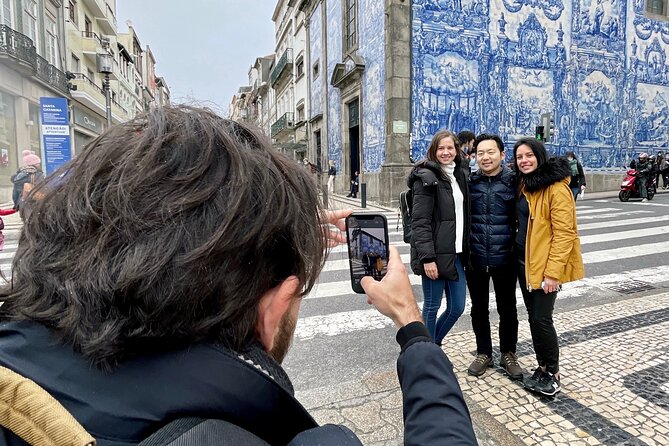
- Thiago’s storytelling style: clear explanations, lots of answers, and a friendly vibe that keeps you engaged the whole time
- Iconic-to-local route balance: azulejo tiles, central boulevards, and markets plus quieter corners of the city
- Mercado do Bolhão as a sensory stop: you get the market feel beyond just photos
- Real Porto payoff at the end: a wine and Port tasting in a local shop setting
- Best-for-first-time Porto planning: you’ll leave with a practical list of what to do next
A 3-hour private walk that blends icons with daily Porto
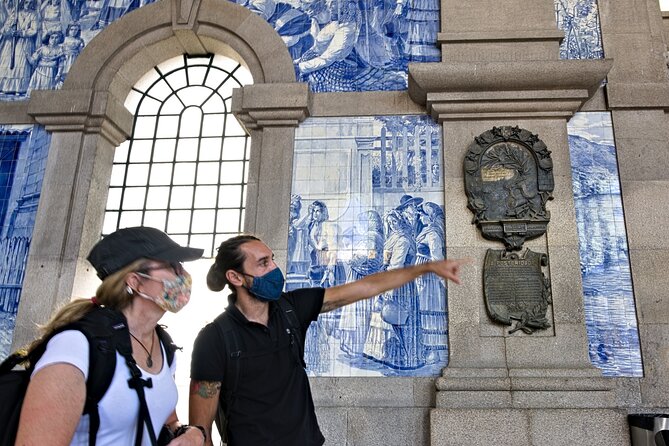
If you’re trying to get oriented fast in Porto, this tour is a smart way to do it. In about three hours, you cover a tight loop of major landmarks and neighborhood texture, so the city doesn’t feel like a random list of places. Because it’s private, you’re not stuck with a one-size-fits-all script.
I like that the approach isn’t just monuments and dates. Thiago connects what you’re seeing to why it matters now—religion, civic life, trade, and local food culture. It’s the kind of guiding that makes you look up at façades and then glance back down at the street, thinking: oh, this is how Porto grew and where people still gather.
You’ll also get a practical benefit that I find underrated on walking tours: a follow-up set of recommendations. Thiago sends people suggestions for what to eat and where to go after the walk, and it’s the sort of list that saves time when you’re hungry and figuring out your next move.
You can also read our reviews of more walking tours in Porto


São Bento Station: azulejo tiles to get your bearings
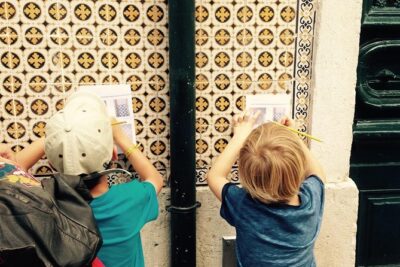
You start at São Bento Railway Station, and that choice works. The station is functional—people move through it every day—but the real attention goes to the azulejo tile panels. These tile artworks depict Portugal’s history, so you’re not just passing time in a transport hub. You’re meeting the country’s story before you move into Porto’s streets.
What to do here: slow down for a minute and scan the tiles like a comic strip. Look for the scenes and figures and then relate the theme to what you’ll see later—church influence, civic identity, and trade-era Portugal. It makes the rest of the tour click.
Good news: the station stop doesn’t require admission tickets. It’s an easy win for time and value, and it sets a memorable visual tone for the tour.
Potential drawback to note: because you’re starting at a station, it can be busy around arrival times. It’s still manageable, but if you hate crowds, plan to be patient for the first few minutes.
Avenida dos Aliados: Porto’s civic heart and big city energy
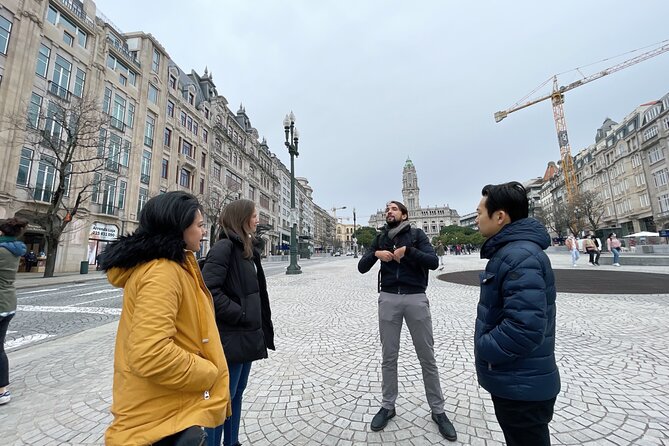
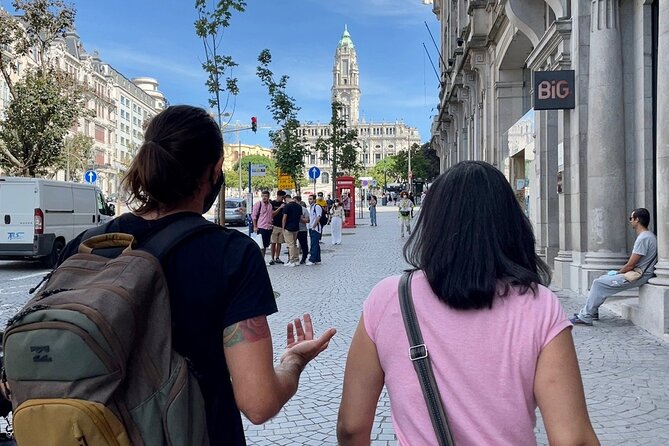
Next comes Avenida dos Aliados, Porto’s central boulevard. This is where the city shows off: grand building façades, monumental details, and a clear sense of how public life works. The avenue is also tied to celebrations and events, so even if you’re not catching a festival, you can feel its role as a social center.
In a walking tour, this kind of open, central street is useful because it gives you space. It’s easier to take photos, and it’s a natural way to re-orient after the station interior. You’ll learn to spot the architecture quickly—what’s decorative, what’s civic, and what’s meant to project Porto’s status.
If you’re traveling with kids or you’re the type who needs frequent rest moments, this section can help. The avenue is broad enough for slower pacing and short pauses without feeling like you’re stuck in a bottleneck.
Mercado do Bolhão: how a market stop teaches Porto
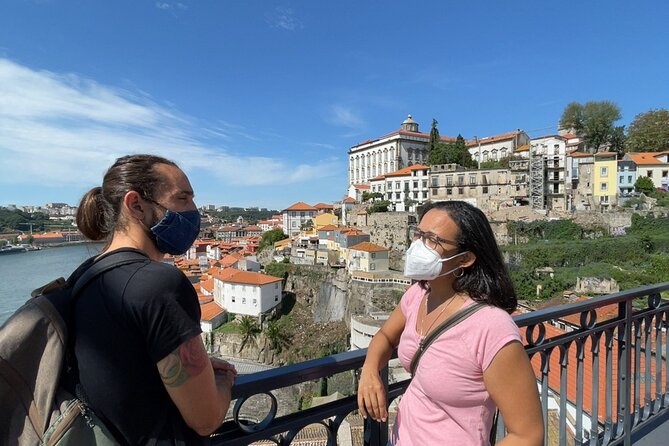
Mercado do Bolhão is one of those places where the city talks with your senses. You’ll get stalls with fresh produce, meats, fish, and regional specialties, all in a market setting that’s been around for over a century. The result is more useful than a quick glance from the outside.
Thiago’s style matters here. A good guide helps you see what people are choosing and why. You learn the rhythm of the market—how vendors engage, how locals shop, and what to notice in the variety. Even if you don’t buy much, you leave with a better sense of how Porto eats and where its everyday food culture lives.
Practical move: come with curiosity, not a plan to snack constantly. This stop is about learning the place, not cramming calories. If you do taste something later, you’ll appreciate it more when your taste buds are still fresh.
Belle Époque café stop: elegance you can actually slow down for
At some point, the tour shifts into a different mood with a historic Belle Époque café. This café opened in the 1920s and became a meeting place for intellectuals, artists, and locals. The interior is the star: ornate woodwork, gilded mirrors, and sparkling chandeliers.
I like this stop because it gives you a mental reset. After markets and outdoor streets, stepping into a place like this makes you notice how Porto once hosted big cultural conversations. You’re not just collecting sights—you’re collecting atmosphere.
What you can do on your own: take a moment to look upward and around. Those mirrors and details are part of the design language of the era, and they explain why cafés mattered beyond coffee. They were where ideas moved.
Because no specific menu details are provided for this stop, treat it as a time to observe and enjoy the setting. If your group ends up ordering something, great. If not, the value is still in the history and the room itself.
You can also read our reviews of more food & drink experiences in Porto





An 18th-century theater: architecture with a performance soul
You’ll also visit a historic theater from the 18th century. It’s known for exquisite architecture and a long artistic lineage, from classical productions to more modern work. Even if you just spend a short time here, the experience helps you understand Porto’s cultural priorities.
The most useful way to look at this stop is to think about public spaces. Theaters are built for gathering, for identity, and for storytelling. Porto clearly invested in that idea long before mass entertainment, and the building shows it.
If you’re into architecture, pay attention to how the façade and structure convey elegance without feeling modern-straight. You’re seeing how style communicated status and purpose in the 1700s.
Ponte Dom Luís I: why the bridge gives you two different views
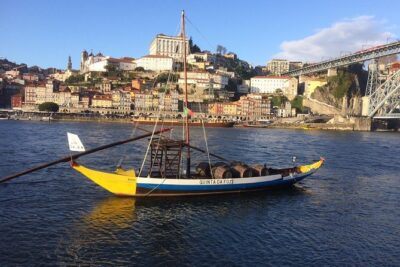
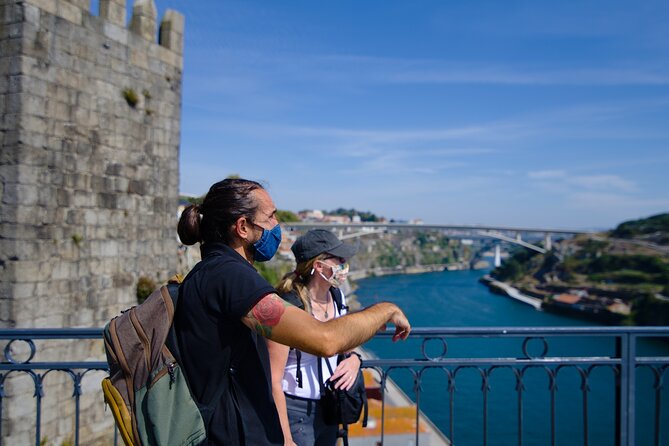
You get to Ponte Dom Luís I, Porto’s famous double-deck iron bridge across the Douro River. The upper deck is for pedestrians, and it delivers panoramic views of both the river and the city. The lower deck is for vehicles, which means the bridge works as infrastructure, not just a photo spot.
This bridge is also tied to UNESCO World Heritage, so you’re looking at something with international recognition, not just local pride. What I like about stopping here is the way the tour lets you compare angles. From the pedestrian deck, you can take in the river bend and the urban layout in a single sweep.
Photo tip that doesn’t require perfection: stand still and rotate your body. You’ll notice how the view changes with each turn, especially where the river edges and riverfront neighborhoods line up. It’s an easy way to make the stop feel longer without rushing.
Catedral da Sé do Porto: layered styles in one façade
Catedral da Sé do Porto is one of the city’s anchors. Dating back to the 12th century, it blends Romanesque, Gothic, and Baroque elements—so it’s a lesson in how buildings evolve over time. You’re also looking at the seat of the Bishop of Porto, which adds a layer of meaning beyond architecture.
When you’re standing in front of the cathedral, here’s the practical approach: don’t try to memorize styles. Instead, look for the feeling of different eras in the details. Even if you only catch parts—arches, sculptural elements, heavier Romanesque influence versus sharper Gothic lines—you’ll leave with a clear sense of time layered together.
If you’re the kind of traveler who likes spiritual landmarks, this stop will likely hit well. If you’re not, the architectural mix still works because it’s visible and easy to notice.
Clérigos Tower: Porto’s skyline symbol and why clergy mattered
Your final iconic skyline moment comes from the Clérigos Church complex, specifically the Clérigos Tower. This tower symbolizes Porto’s skyline and is a beloved attraction. It also carries historical significance as part of the clergy complex, which helps explain why religious power shaped the city’s visual identity.
I recommend using this stop to learn how Porto built vertical identity. Many European cities have a church tower or two, but Porto’s skyline is especially recognizable because the tower presence is part of the city’s visual language. You’ll start noticing it later as you wander on your own.
If you like “orientation landmarks,” towers are gold. You can’t miss them later when you’re moving through neighborhoods, and that makes your next day of exploring feel less guesswork.
Wine and Port tasting: the payoff that feels local
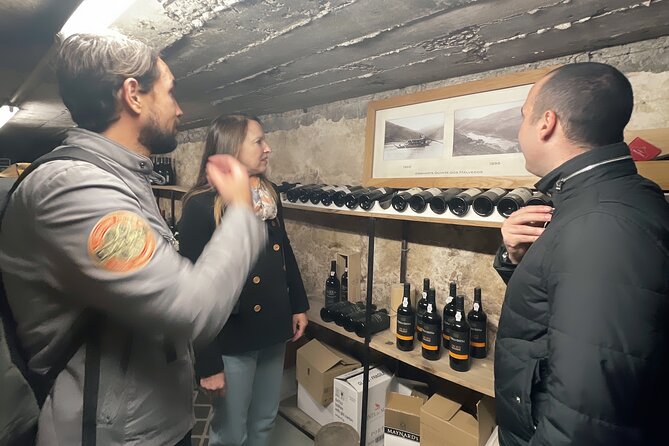
The tour ends with a wine and Port tasting. In the version many people experience, it happens in a tasting room connected to a small wine shop selling local wine and Port. This is where the tour shifts from sightseeing to flavor, and it’s also where you understand Porto’s trade story in a way that facts can’t quite do alone.
What you should do at tastings: take it slow and ask questions. A tasting works best when you talk through what you like—sweetness level, structure, acidity, and whether you want something everyday-friendly or more special. Thiago’s guidance throughout the tour makes that easier because you’ve already been learning the city’s context.
Even if Port isn’t your usual drink, try to sample at least one that’s outside your default preference. Porto wines often surprise people once they stop thinking of Port as one-note sweetness.
This tasting is also a value boost. At $72.09 per person, part of what you’re paying for is time with a guide plus a guided flavor experience. You’re getting an ending that ties the city’s culture together, not just a random check-out point.
Value, pacing, and what to expect on the ground
Let’s talk price in real terms. $72.09 for about 3 hours is not the cheapest way to see Porto. It’s also not outrageous once you consider three things you get here: a private guide, multiple major sights in a short time, and a wine and Port tasting at the end. If you would have paid for a separate tasting elsewhere, this bundle becomes easier to justify.
The pace is the standard walking-tour pace, but Porto’s terrain makes it feel a bit more athletic than flat cities. You should expect hills, stairs, and the occasional uphill grind. I’d plan on comfy shoes with decent grip. If you have mobility issues, you might find the hills tough, and you’d want to ask in advance how flexible the route can be.
Size and feel are another practical factor. This is a private tour, meaning only your group participates. That usually translates to quicker conversation, fewer waiting moments, and a better chance to ask questions that come up naturally as you walk.
Who this tour is best for
This experience is a strong fit if:
- you’re in Porto for the first time and want a fast orientation
- you like architecture but also care about how locals actually live
- you want a guided tasting instead of wandering into shops on your own
- you enjoy asking questions and getting more than just a quick fact
It’s also a good choice for travelers who want a calm, structured plan without feeling like a rigid schedule. Thiago’s approach, based on what people describe, leans friendly and responsive—meaning the tour can adjust to your curiosity rather than forcing everyone into the same narrow lane.
If your priority is a deep focus on only one kind of interest (only wine, only churches, or only photography), you might still enjoy it, but the mixed route may feel like you’re moving faster than you want. This is about balanced Porto, not single-topic mastery.
Should you book this Porto private walking tasting tour?
If you want a 3-hour Porto introduction that connects history, architecture, street life, and then rewards you with wine and Port, I think you should seriously consider booking. The private format helps, because you get a real conversation with Thiago and you’re not stuck watching others while your questions wait.
I’d book especially if you:
- want to cover major stops like São Bento, Ponte Dom Luís I, Sé Cathedral, and Clérigos Tower in one go
- like markets like Mercado do Bolhão but want guidance on what matters
- want a tasting that fits Porto’s identity, not just a generic pour-and-leave
Skip it if you can’t handle hills or if you prefer ultra-slow sightseeing with long time inside buildings. Otherwise, this tour is a solid value way to turn a few hours into a real understanding of the city.
FAQ
How long is the Porto walking tour?
It’s about 3 hours.
How much does the tour cost?
The price is $72.09 per person.
Is this tour private?
Yes. It’s a private tour/activity, so only your group participates.
Where do we meet and where does the tour end?
Meet at Loja Interativa Porto Welcome Center, Praça de Almeida Garrett 27, 4000-069 Porto, Portugal. The tour ends at Pátio d’as Marias, R. de Cedofeita 269, 4050-180 Porto, Portugal.
What language is the tour offered in?
The tour is offered in English.
Is confirmation provided after booking?
Yes. Confirmation is received at the time of booking.
Is there free cancellation?
Yes. You can cancel up to 24 hours in advance for a full refund.
Does the tour include any stop with free admission?
São Bento Railway Station is listed with free admission.