REVIEW · PORTO
Porto: Tile Painting Workshop with Tea and Port Wine
Book on GetYourGuide →Operated by Francisco Pessegueiro · Bookable on GetYourGuide
Paint your own azulejo in Porto.
This is a hands-on workshop where you learn why Portuguese tiles matter in Porto, then you paint two finished keepsakes that get fired for you. I like that the session mixes real context (how tiles spread across monuments and homes) with practical making time, so you leave with both a souvenir and a story. One thing to plan around: the area near the station is not great for parking.
The workshop is run by Francisco Pessegueiro, and the guiding style is hands-on and friendly—people highlight how the guide (like David in one English-led session) explains the process clearly and stays available while you paint. You’ll be served tea and biscuits, with port wine part of the experience by the workshop’s own concept. If you’re short on time, the next-day pickup can also change your schedule a bit, since your tiles need that firing window.
In This Review
- Key Things to Know Before You Paint
- Tile Painting in Porto: What You’re Really Making
- The Studio Welcome: Tea, Port Wine, and a Calm Start
- How Portuguese Tiles Shape Porto Streets
- Painting Techniques and Choosing Traditional Motifs
- From Fresh Paint to Fired Tiles: The 24-Hour Wait
- Price and Inclusions: Why $53 Can Make Sense
- Meeting Point and Getting There Near Campanhã
- Who This Workshop Fits Best (and Who Might Feel Crunched)
- Should You Book This Porto Tile Workshop?
- FAQ
- How long does the tile painting workshop last?
- How many tiles will I paint?
- Do the tiles need firing, and when can I pick them up?
- What’s included in the price?
- What should I wear or bring?
- Where is the meeting point?
Key Things to Know Before You Paint
- Learn why tiles show up on monuments and homes across Portugal, not just as decoration.
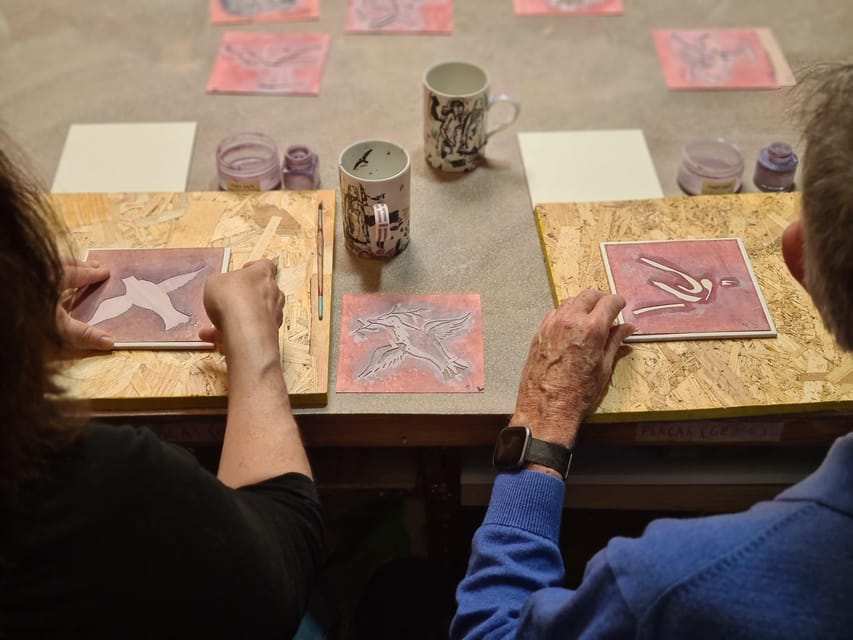
- Create two tiles per person using traditional motifs and guided steps.
- Use the same production logic artists use: paint, then your work gets fired and turned into a real tile.
- Take home packaged, finished tiles after pickup around 11h–12.30 next day.
- Small-group feel with instruction in English, Japanese, or French (tell them your language when booking if it’s French/Japanese).
Tile Painting in Porto: What You’re Really Making
This workshop is all about azulejos-style tile culture, but the focus stays practical. You’re not just copying a picture. You’re learning how traditional tile decoration works, then applying that logic to your own two designs.
The “two tiles” part matters. One tile can end up being your practice run. Two tiles means you can relax, try a motif style you like, and still end up with a matching pair you’ll actually want to display or gift.
You also leave with an item that feels more personal than most Porto souvenirs. A fired tile you painted yourself carries that extra weight—because it’s not mass-made, and it has a date and a moment attached.
You can also read our reviews of more wine tours in Porto



The Studio Welcome: Tea, Port Wine, and a Calm Start
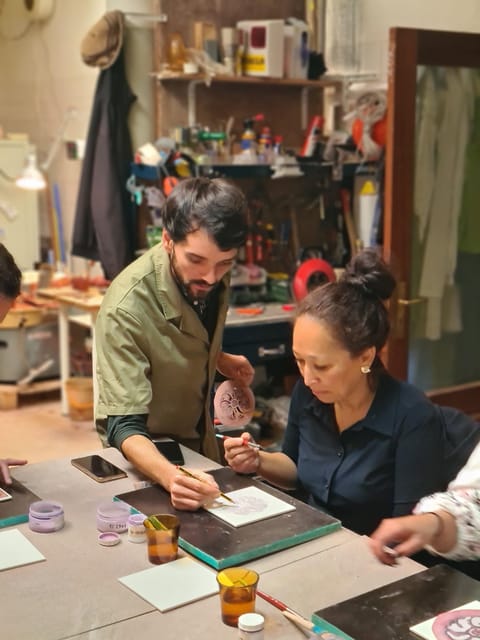
Before the paint starts, you’re welcomed with tea and biscuits. The workshop also includes port wine as part of the experience, so you get that Porto flavor right away.
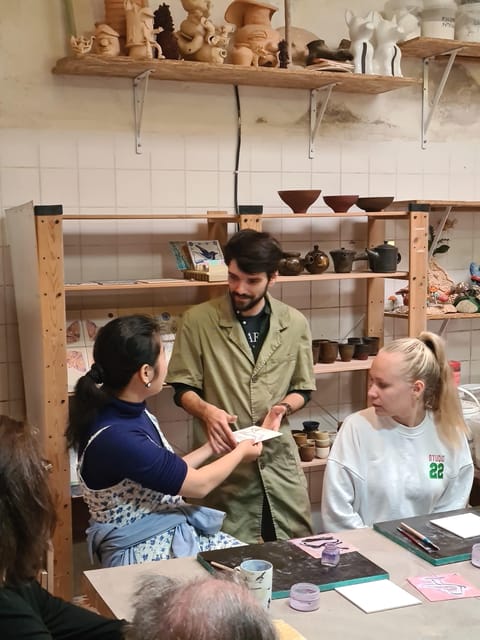
Then comes the setup. You’ll have materials ready, plus guidance for what to expect during the painting session and the firing step afterward. The vibe is supportive—people who like art say it feels like a safe place to make something without pressure to be perfect.
If you’re the type who needs a little structure, this is a good fit. You’ll have an intro, then direct steps for painting, and staff on hand when you’re deciding what to do next.
How Portuguese Tiles Shape Porto Streets
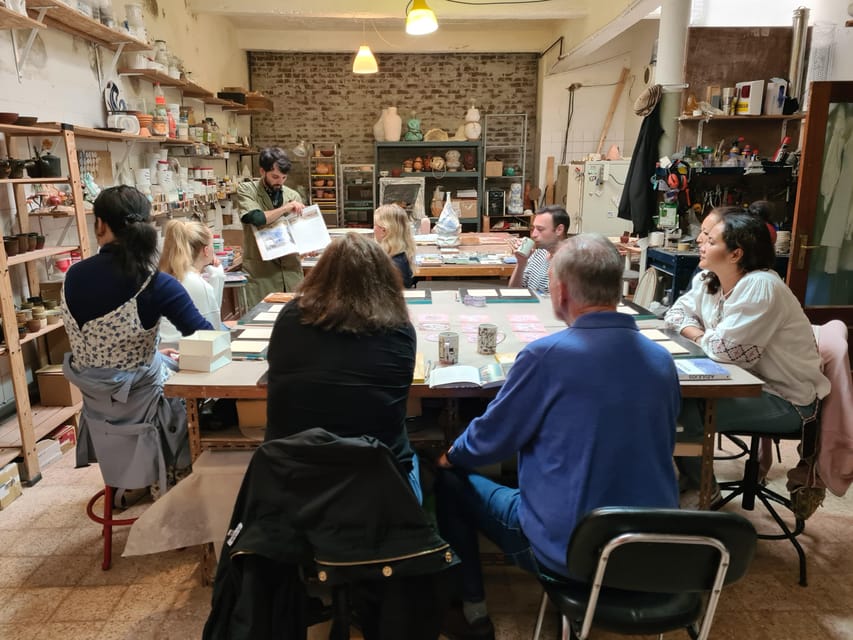
You start with the story behind tiles: why they became such a big deal in Portugal, and why they show up everywhere. The key idea you’ll hear is that tiles aren’t just art for galleries. They’re part of daily life, appearing on monuments and across houses.
That context changes how you look at Porto. When you’re walking later, you’ll notice tiles as a visual language—built into facades and public spaces. Instead of seeing decoration, you’ll be able to recognize it as a system with meaning and technique behind it.
The workshop also connects history to technique. You’re not asked to memorize dates. You’re shown how traditional tile painting is meant to be made, step by step, so the cultural story turns into something you can reproduce.
Painting Techniques and Choosing Traditional Motifs
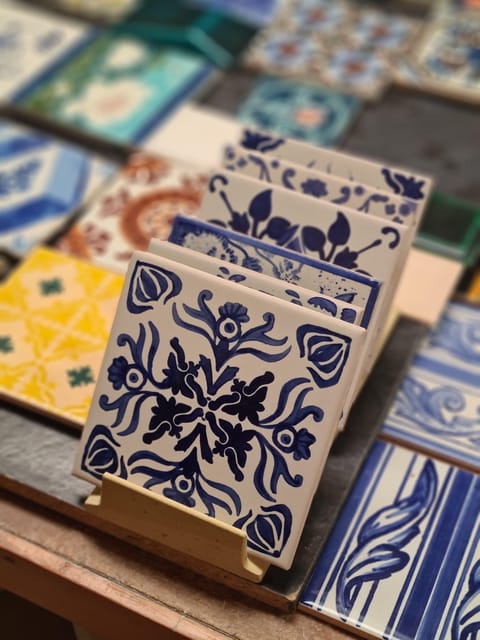
Once the background is in place, you move into actually painting. Here’s what you can expect from the making portion:
- You’ll learn tile-painting techniques used in traditional production.
- You’ll work from traditional motifs rather than random freehand designs.
- You’ll paint two tiles inspired by those patterns.
- You’ll have support available if questions come up while you work.
Many people like that there are stencils available. That helps if you want a neat result without spending the whole session trying to “invent” shapes. At the same time, the intent is clear: you’re still the one painting. You can’t outsource the creative part, which is exactly what makes the final tiles feel like yours.
A practical tip: wear clothes you’re okay with. Even with good instruction, you’re handling paint and working closely at a table. Comfortable shoes matter too, because you’ll likely stand for parts of the session.
From Fresh Paint to Fired Tiles: The 24-Hour Wait
The workshop doesn’t end when the brush goes down. After you paint, your tiles are left for firing. This is the step that turns your work into a real tile you can take home.
Here’s the timing to plan around: your tiles are ready about 24 hours later. Pickup is typically around 11h/12.30 am the next morning.
That waiting period is also part of the value. In many crafts workshops, you take home what you made immediately, even if it’s still fragile. Here, the firing step is handled for you. You don’t need to learn kiln logistics. The studio does that part, and you get the finished result with packaging made for safe transport.
If you’re thinking about gifting the tiles, the next-day pickup is an advantage. It lets you make the souvenir at the start of a Porto day and still pick up something ready-to-go before your next big plan.
A few more Porto tours and experiences worth a look





Price and Inclusions: Why $53 Can Make Sense
The price is $53 per person, and the big question is what you actually get for that money. This workshop bundles several things that many “craft souvenir” experiences separate:
- All painting materials
- Tea and biscuits
- Firing of your painted tiles
- Packaging for taking them home
What’s not included is also clear: food and drinks, and transportation to and from the activity. So you’re paying for the craft, the instruction, and the finished-tile process—not for a full meal.
To judge value in real terms, think of it like this: you’re not just buying two decorative tiles. You’re buying (1) an informed guide-led session, (2) guided painting time, (3) the studio work that fires your tiles correctly, and (4) packaging that protects your finished pieces.
If you want a Porto souvenir that looks handmade and feels like an artifact of the craft tradition, this is priced like a serious experience, not a quick stop.
Meeting Point and Getting There Near Campanhã
The meeting point is close to major transit: it’s near the train station and near the new bus station called TIC (Terminal Intermodal de Campanhã).
There’s a school and a taxi square right by the station, so you’re not hunting in the middle of nowhere. That’s useful if you want to fit this into an already busy Porto day.
One note: parking isn’t friendly in this area. If you’re coming by car, don’t count on convenient parking right at the door. Public transport or walking from the station is the smarter move.
Who This Workshop Fits Best (and Who Might Feel Crunched)
This is a good match for people who like making things and want a souvenir with meaning. It’s also a solid family choice. The workshop works especially well when you want a structured art activity that doesn’t require prior skill.
It can be a great fit if you:
- enjoy hands-on arts and crafts
- like learning stories tied to what you see in Porto
- want a take-home item that’s actually finished (thanks to firing)
- prefer a small group setting for more guidance
It might be less ideal if you:
- have very tight plans the next morning, because pickup is roughly 11h–12.30
- need a long, quiet painting session with minimal talking, since there’s a history + technique intro before you paint
Also, language matters. The instructor is available in English, Japanese, or French. If your language is French or Japanese, you need to say that at booking so they can match your session.
Should You Book This Porto Tile Workshop?
Book it if you want an experience that connects Porto’s street-level visuals to the hands-on craft behind them. You’ll get instruction on traditional tile painting, paint two motifs-inspired tiles, and take them home after firing with proper packaging. That combination is hard to beat.
Skip it if you’re only looking for something fast or you don’t have flexibility for the next-day pickup window. Also, if you’re driving and expect easy parking right at the meeting point, rethink your plan.
If you’re on the fence, treat it like this: you’re buying time in a studio plus a finished souvenir that carries the process with it. In a city full of pretty views, this is one of the few activities that gives you something you can hold, display, and remember.
FAQ
How long does the tile painting workshop last?
The workshop lasts 2 hours.
How many tiles will I paint?
You’ll paint 2 tiles with traditional motifs. After painting, they’re fired and ready for pickup the next day.
Do the tiles need firing, and when can I pick them up?
Yes. Your painted tiles must be fired, and they’re ready about 24 hours after the class. Pickup is typically around 11h/12.30 am the next morning.
What’s included in the price?
The price includes all materials, tea and biscuits, the firing of the tiles, and packaging for taking them home.
What should I wear or bring?
Wear comfortable clothes and comfortable shoes. The workshop provides the painting materials.
Where is the meeting point?
The store is located near the train station and near the new bus station TIC (Terminal Intermodal de Campanhã), with a school and a taxi square right by the station.