REVIEW · PORTO
Porto: Small Group Surf Lesson with Transportation
Book on GetYourGuide →Operated by pura vida surfing school · Bookable on GetYourGuide
Surfing in Porto feels instantly doable.
This small-group lesson (max 7) mixes real coaching with smart local logistics: you get pickup in Porto, a wetsuit and board, and a guide who adjusts to the day’s conditions so beginners can actually stand and ride. I like that the instructors (including Igor and Bernardo, plus others speaking Spanish, English, and Portuguese) focus on clear steps, and I also like the way they keep things fun even when the weather turns sour. One drawback to plan for: it runs rain or shine, so you need to be okay with cold, wind, and getting wet.
You’ll meet at café Aliança, in front of the van with boards on top, then the group heads toward the Norte Region beaches where surf conditions look best that day. The whole session is built to get you from first rules on land to paddling out and catching your first real wave back toward shore.
In This Review
- Key Highlights You’ll Care About
- Porto Surf Lesson With Pickup: Why the Location Matters
- The 3.5-Hour Time Window: Enough to Learn, Not Enough to Drift
- Choosing the Best Beach That Day (Instead of Forcing One Spot)
- What Happens Before You Get in the Water
- Beginner Technique Breakdown: From Paddling to Standing
- Small-Group Coaching: What You Get With a Max of 7
- Safety and Peace of Mind: Insurance and the Real Reality of the Ocean
- Rain, Wind, Fog: How This Lesson Holds Up When the Coast Gets Moody
- The Price: Why $58 Can Be Good Value Here
- Who This Is Perfect For (And Who Should Rethink It)
- Tips to Make Your Lesson Easier (Before You Even Leave Porto)
- Should You Book This Porto Small-Group Surf Lesson?
- FAQ
- Where do I meet for the Porto pickup?
- What’s included in the price?
- How long is the experience?
- What should I bring?
- Will the lesson run if the weather is bad?
- Is this lesson only for beginners?
Key Highlights You’ll Care About
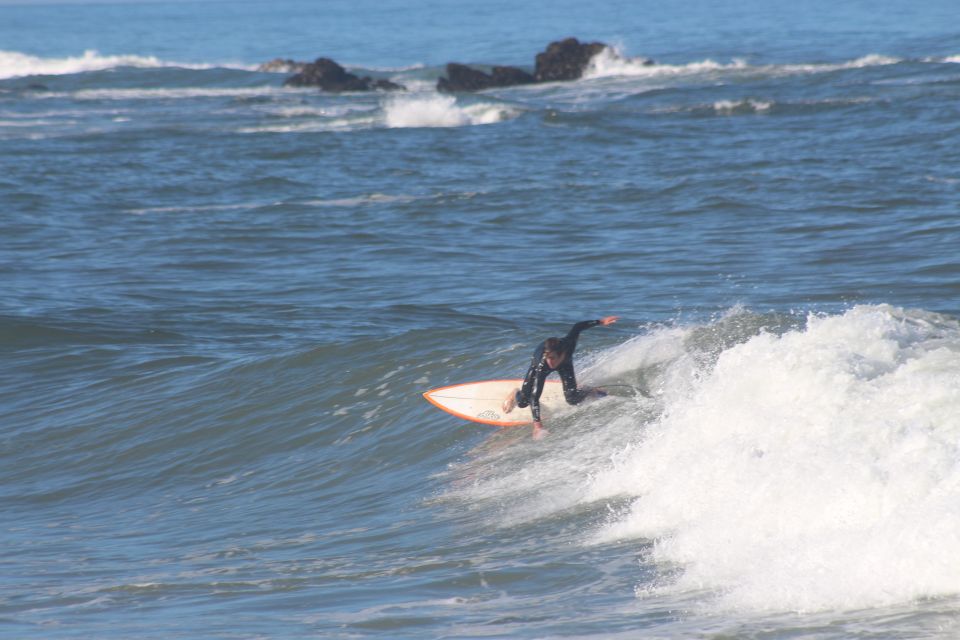
- Small group of 7: more time with your instructor, less standing around.
- Pickup in Porto at Aliados: convenient meeting, no rental-car stress.
- Gear and insurance included: wetsuit and board rental plus insurance are built into the price.
- Weather-based beach choice: the guide checks conditions and drives to the best waves.
- Beginner-friendly lesson flow: paddling, standing up, then practice aimed at catching waves.
- Instructors who stay patient in the water: names like Igor and Bernardo show up again and again in this kind of feedback.
Porto Surf Lesson With Pickup: Why the Location Matters
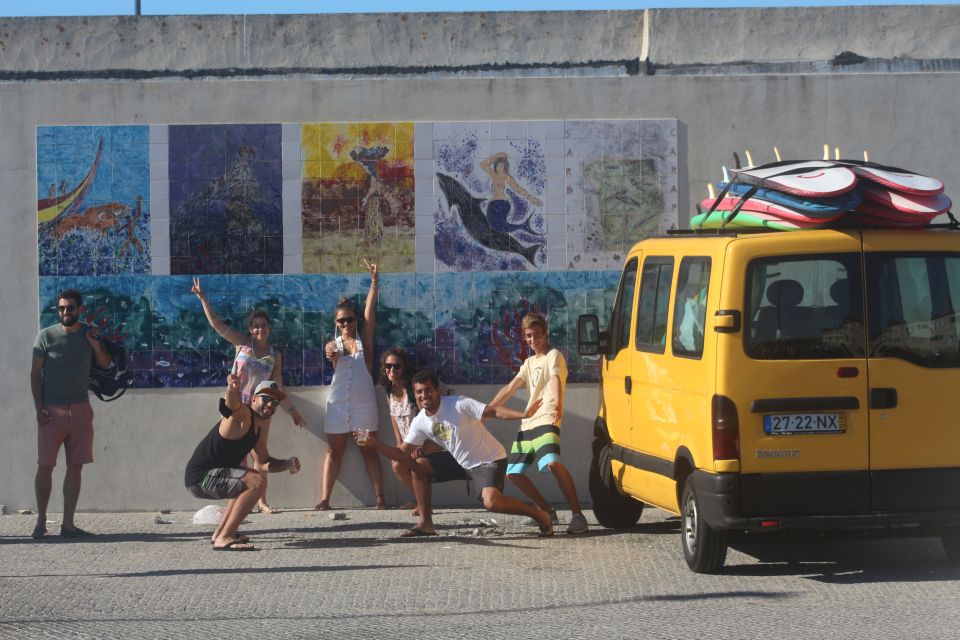
Porto is a great base for surfing because you can stay in the city and still reach proper Atlantic coastline fast. The big plus here is transportation from Porto, so you’re not juggling buses, parking, and beach-finding right after travel.
The meeting point is simple and specific: in front of café Aliança, where a van with surfboards on top picks you up. Then you head out with your small group. The lesson also includes the time needed to travel, so you’re not losing your afternoon to long transfers.
If you like tours that feel practical rather than vague, you’ll appreciate this setup. You show up, get sorted with gear, and you spend the rest of the time doing the activity.
A few more Porto tours and experiences worth a look



The 3.5-Hour Time Window: Enough to Learn, Not Enough to Drift
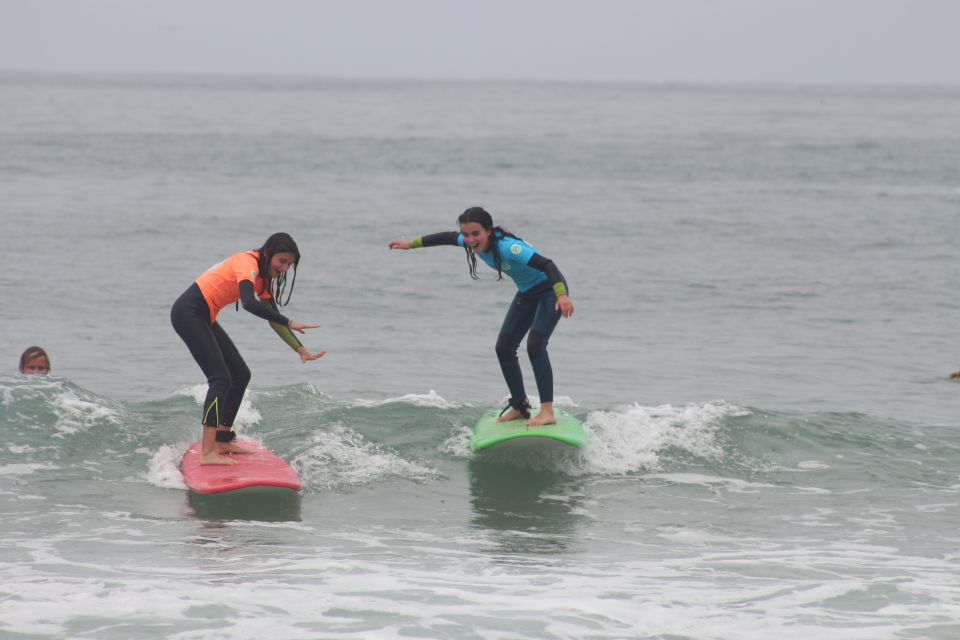
This is a 3.5-hour experience, and the schedule you get accounts for transportation, instruction, and surfing. That matters because surf lessons can go wrong when they’re padded with waiting. Here, the structure is tight: quick introduction, warm-up, coaching, then time in the water.
A realistic expectation: in a short window, you’re not becoming a lifelong surfer. What you can become is a person who understands the basics well enough to catch waves consistently for your level, especially as a beginner. That’s the goal the lesson is built around.
One consideration: the guide may adjust timing based on nature to get better conditions. So treat the start like a flexible plan, not a precision stopwatch.
Choosing the Best Beach That Day (Instead of Forcing One Spot)
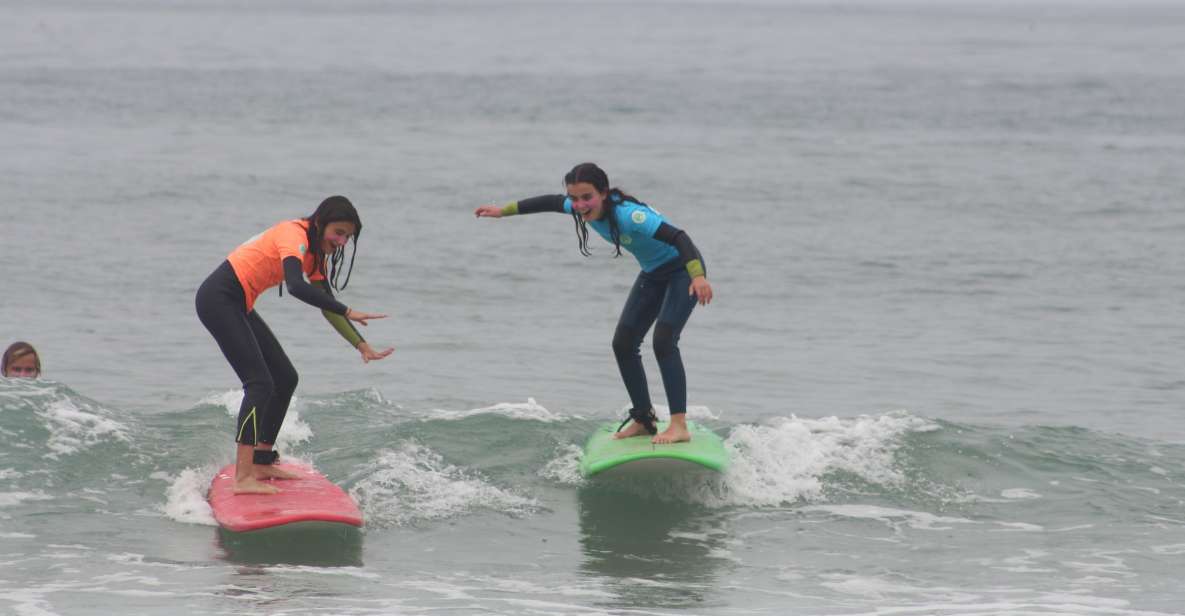
One of the most useful parts of this experience is the way the day is handled. You don’t just show up to whatever beach is on the map. The guide assesses the conditions, then drives to the beach with the best waves.
That approach is exactly what you want in the Atlantic, where wind, swell direction, and even visibility can swing quickly. It also helps explain why this lesson works across seasons. Some days are calmer and more forgiving; some days are windier and colder; the guide tries to match your lesson to the ocean’s mood.
You’ll also benefit from the fact that the coaching is designed for the reality of changing conditions. The instructor’s job isn’t only to teach skills; it’s to place you where those skills can actually pay off.
What Happens Before You Get in the Water
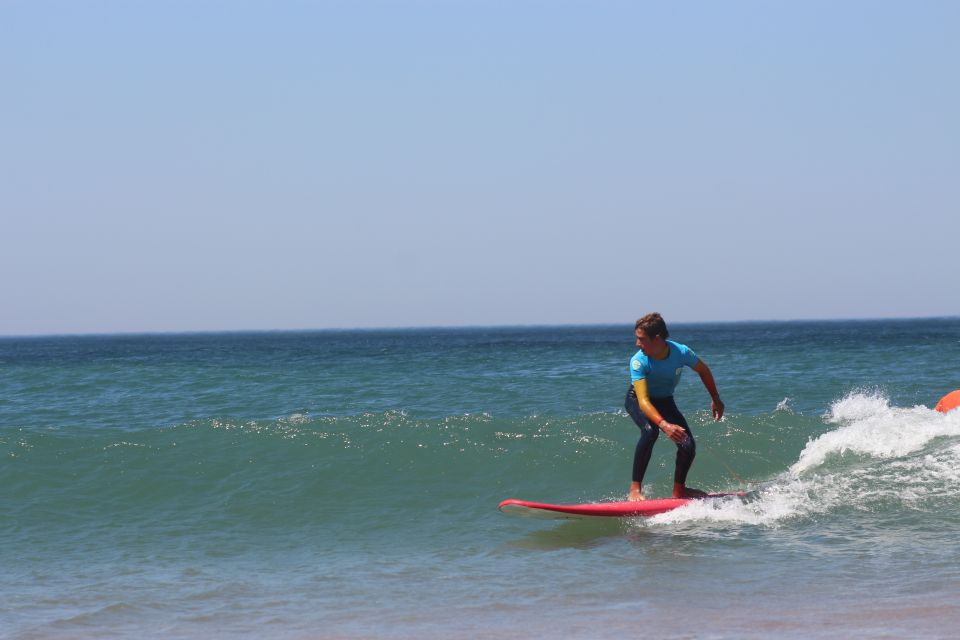
Gear and body setup are part of the lesson, not an afterthought. You get a wetsuit rental and board rental included, so you’re not trying to guess sizing or show up in the wrong gear.
What you’ll do before paddling out generally looks like this:
- quick introduction to surfing on land
- warm-up exercises
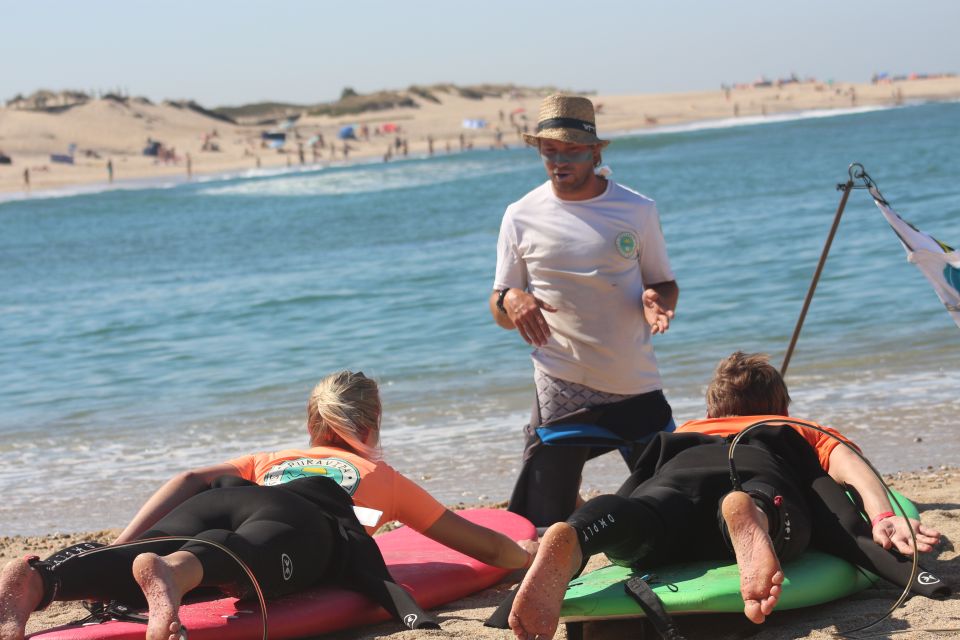
- basic technique coaching
- then you move straight into practice in the water
Bring swimwear, a towel, sunscreen, and water. That list sounds basic, but it makes a difference after. Surf lessons can leave you cold and salty fast, and the right towel and sunscreen help you enjoy the rest of your day in Porto instead of just shivering your way back.
Also expect it to run rain or shine. If you tend to suffer when plans get damp, you’ll want to mentally switch to ocean-adventure mode.
Beginner Technique Breakdown: From Paddling to Standing
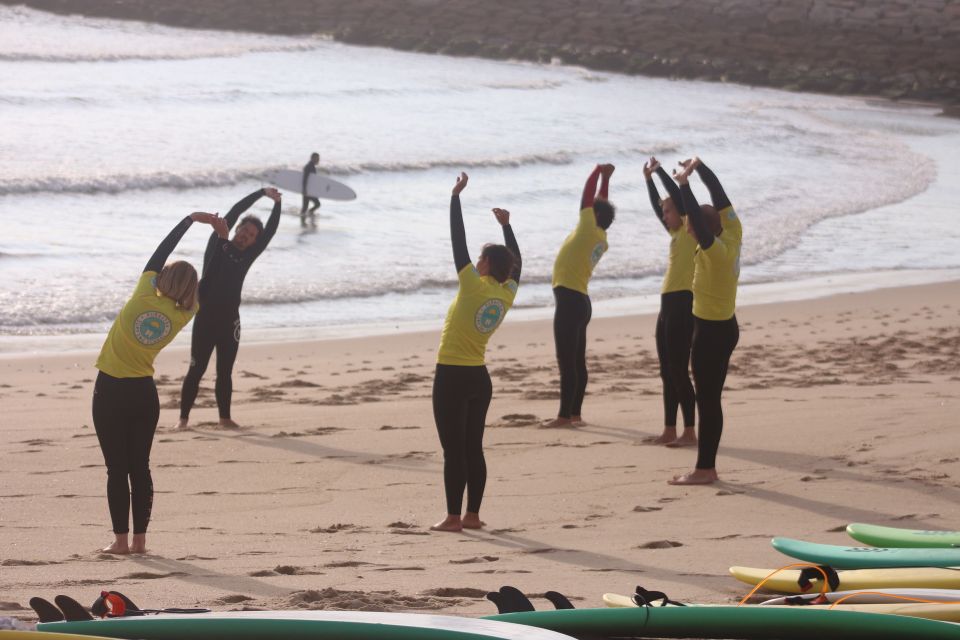
This is a beginner-adapted lesson. The coaching focuses on fundamentals you can use immediately:
- paddling efficiently so you can reach where the waves break
- learning how to stand up in a controlled way
- getting timing right so you can ride back toward the shore
A big reason this works for first-timers is the teaching style described by many participants: instructors tend to be patient and detailed, and they adjust when someone needs more help. You’re not just watching demos. You’re getting instructions, then applying them, then getting corrected, then trying again.
In practice, this means you’ll likely spend a chunk of time repeating the core moves until your body starts understanding them. Surf is half ocean, half muscle memory. A lesson that keeps you moving through both is worth your time.
And yes, there’s an adrenaline factor: the moment you feel the wave lift you after all that paddling, it’s a different kind of thrill than watching videos in a warm apartment.






Small-Group Coaching: What You Get With a Max of 7
When a group is small—limited to 7 participants—the difference is huge. Surf coaching is hands-on, even when the instructor is mostly talking. More people means more waiting, fewer chances for feedback, and more time stuck repeating without correction.
Here, the value comes from attention. Many participants describe instructors who:
- explain and demonstrate clearly
- help each person at their own pace
- stay engaged even once you’re in the water
Instructors with names like Igor and Bernardo show up repeatedly in feedback for being patient and motivational, especially for first-time surfers. If you’re nervous at the start, that kind of coaching matters. You get permission to learn slowly, then momentum when it clicks.
Languages included are Spanish, English, and Portuguese, which helps a lot if you’re traveling across Europe and don’t want to rely on one language only.
Safety and Peace of Mind: Insurance and the Real Reality of the Ocean
Surfing has a built-in intensity: water movement, wind, and cold are not optional. What you can control is whether the lesson feels organized and safe.
This experience includes insurance, plus your gear rentals. That combination reduces stress because you don’t have to worry about whether you’re covered if something small goes wrong. It also signals a level of operational seriousness.
Also, the guide chooses the beach based on conditions, which is a safety factor as well as a learning factor. Better conditions usually mean a better first-wave experience.
Still, keep one practical expectation: you will get wet, and you will feel the Atlantic. Bring layers you can wear easily under a wetsuit, and expect to feel cold at first. Once you start paddling, things usually improve fast.
Rain, Wind, Fog: How This Lesson Holds Up When the Coast Gets Moody
Portugal’s coast can change quickly. You might start with wind and rain, or you might get mist and reduced visibility. This activity runs rain or shine, and schedules can shift to chase better conditions.
What impressed people in tough weather situations is that the instructors don’t treat it like a washout. They keep the lesson going and focus on making the learning moment work anyway—coaching, timing, and where you go in the water.
So if you’re worried about wasting money on a bad weather day, don’t assume that. Your best move is to dress for it:
- towel ready for after
- waterproof outer layers if you have them
- sunscreen anyway, because cloud cover doesn’t mean zero UV
If you’re traveling in shoulder season or winter, this kind of attitude is the difference between a fun memory and a regret story.
The Price: Why $58 Can Be Good Value Here
At $58 per person for about 3.5 hours, the value is mainly in what’s included. You’re not just paying for instruction. You’re also getting:
- transportation from Porto
- wetsuit and board rental
- insurance
Surf lessons can get pricey when you have to add gear rental and transport separately. Here, those costs are bundled, so you can budget without surprises.
Is it the cheapest option? Probably not. But for what you’re actually getting—time with a guide, equipment, and a small group—the price feels reasonable, especially if you’re on a short Porto stop and want a single activity that delivers both adrenaline and skills.
Who This Is Perfect For (And Who Should Rethink It)
This lesson is best for:
- first-timers who want real coaching and a clear progression toward catching waves
- travelers who value convenience, since pickup is built in
- people who like group limits because it means more attention
It’s also a good match if you’re the kind of traveler who enjoys learning by doing rather than touring by photo stops.
Not suitable for children under 6 years. Also, if you strongly dislike cold water or rain, this might be a struggle because it runs in bad weather too. The ocean doesn’t do refunds because you had a damp day.
Tips to Make Your Lesson Easier (Before You Even Leave Porto)
A few small moves can make your time smoother:
- pack your towel and water so you don’t feel rushed after
- wear suncreen even if the sky is grey
- keep your plan for the rest of the day flexible, since conditions can change
- arrive ready to get into the wetsuit quickly (simple outfit helps)
Also, if you’re nervous, that’s normal. The best way to make progress is to listen closely on land, then trust the instructor’s timing cues once you’re paddling.
Should You Book This Porto Small-Group Surf Lesson?
I’d book it if you want a well-run surf experience in Porto with transportation, gear, and insurance included, and you want to spend your time actually learning instead of figuring logistics out on your own. The small-group limit and the beginner-focused coaching style are the two biggest reasons this feels like good value.
I’d think twice only if cold, wind, or rain will ruin your day. If you can handle getting wet and learning in changing conditions, this is the kind of activity that can turn into a highlight fast—especially when someone patient and skilled is guiding you through your first real wave back toward shore.
FAQ
Where do I meet for the Porto pickup?
You meet in front of café Aliança, where a van with boards on top picks you up.
What’s included in the price?
Transportation, wetsuit rental, board rental, and insurance are included.
How long is the experience?
It lasts 3.5 hours total, and that time includes transportation, instruction, and surfing.
What should I bring?
Bring swimwear, a towel, sunscreen, and water.
Will the lesson run if the weather is bad?
Yes, it runs rain or shine. The guide may adjust schedules to get the best conditions.
Is this lesson only for beginners?
It’s adapted for all levels, and it’s especially set up to help beginners learn the basics with coaching support.