REVIEW · PORTO
Pastel de Nata | Workshop from scratch | Porto’s city center
Book on Viator →Operated by CD Porto Tours · Bookable on Viator
Flaky Portuguese pastries, made by your own hands. This Porto city-center workshop teaches pastel de nata from scratch, with hands-on turn-taking and a relaxed vibe that still gets you real baking results. You’ll learn the dough process and finish with warm pastries you made yourself.
I love the small group size (up to 12), because it means you aren’t just watching—you swap through phases of the recipe. I also like the included local wine (plus coffee/tea), which makes the session feel social without turning it into a party that ignores the craft.
One drawback to plan around: there’s no late entry. The door closes at the scheduled start time, and companions aren’t allowed into the space, so you’ll want to arrive early and go in with your reservation.
In This Review
- Key Points at a Glance
- Meeting in Porto’s Centro: Where It Starts and What to Expect
- A Hands-On Workshop, Not a Sit-and-Watch Class
- Making the Dough from Scratch: Why This Matters in Porto
- The Custard Stage: Getting Pastel de Nata’s Signature Texture
- Assembly and Baking: Turning Skill into Warm Results
- Wine, Coffee, and the Portuguese Social Side
- How Much Time You’ll Really Spend Baking (and What You’ll Miss)
- Price and Value: Is $48.36 Worth It?
- Who Should Book This Pastel de Nata Workshop in Porto?
- Quick Practical Tips Before You Go
- Should You Book This Workshop?
- FAQ
- How long is the Pastel de Nata workshop?
- Where is the meeting point in Porto?
- Is the workshop offered in English?
- What is the group size?
- What’s included in the price?
- Can I bring a companion to watch?
- What are the age requirements?
- Is this workshop suitable for gluten or lactose intolerance?
- Can I get a refund if I cancel?
Key Points at a Glance
- From-scratch pastel de nata practice, including the dough
- Up to 12 people with turn-taking so you actually participate
- Local wine plus coffee/tea to keep things fun and Portuguese
- Warm pastries at the end, served hot while fresh
- English-led workshop with a mobile ticket and a central meeting point
Meeting in Porto’s Centro: Where It Starts and What to Expect
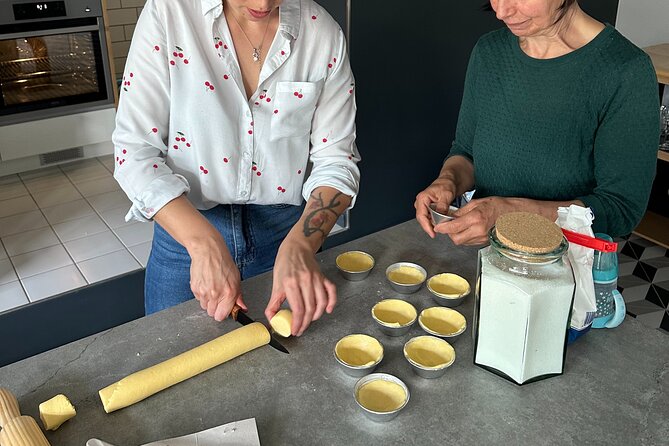
The workshop meets in Porto city center at R. do Souto 67, 4050-595. It ends back at the same spot, so you’re not hunting across town afterward with a tray of pastries in your mind. It’s also listed as near public transportation, which matters in Porto where walking and stairs can add up fast.
This class is held for adults and older teens. Children under 15 aren’t permitted, and 15–17-year-olds need to come with an adult. Also, only people with a reservation can enter—companions can’t come in to watch, regardless of age.
The session runs about 2 hours 30 minutes and starts at the scheduled time with no exceptions. That means you should build in a little buffer for timing your arrival, especially if you’re coming from a nearby viewpoint, café, or the train station.
You can also read our reviews of more city tours in Porto



A Hands-On Workshop, Not a Sit-and-Watch Class
This is a group activity, with a maximum of 12 travelers. The host gives you chances to alternate through different parts of making the pastel de nata, so you don’t get stuck in one role the whole time. If you want full hands-on time without the sharing, the workshop information also notes that you’d need a private lesson.
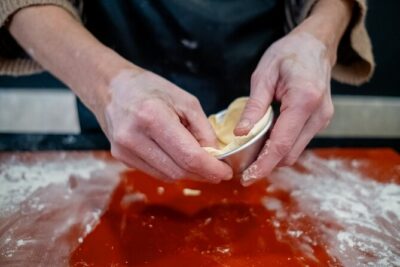
The best part of this format is that you’ll learn the recipe as a process, not as a mystery you later try to guess at. You’ll see how the dough work connects to the final texture, and how the custard stage changes everything once it hits the pastry.
From the reviews’ consistent theme, the instructors tend to keep the lesson interactive—people get involved, questions get answered, and the group stays friendly rather than chaotic. You might hear humor and clear explanations from instructors such as Vanessa, Ana, Clara, Mariah, or Anna, depending on who you’re assigned that day.
Making the Dough from Scratch: Why This Matters in Porto
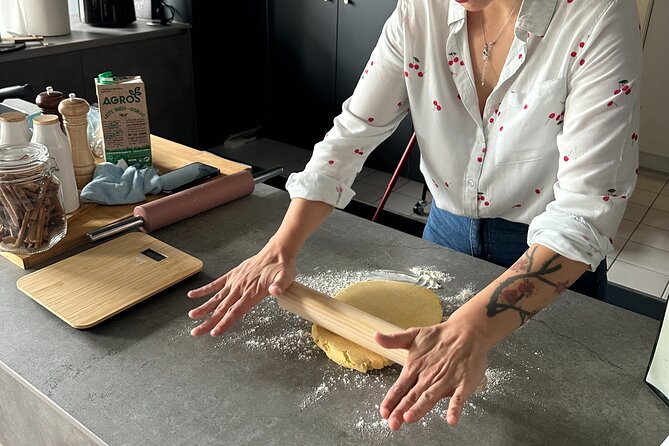
Pastel de nata tastes simple. That’s the trick. The real work is in the dough. This workshop focuses on making traditional pastel de nata from scratch, including the dough, so you’re not skipping the step that creates the signature flaky bite.
In a short class window, the goal isn’t to make you into a pastry chef. It’s to teach you what to watch for: dough texture, how the layers behave, and what to do when it doesn’t look like your mental picture.
One review mentions learning rough puff pastry techniques. If that’s part of your session, it’s a big deal because puff methods teach you the idea of creating structure through controlled layers. Even if your class emphasizes slightly different dough steps, the takeaway stays the same: the pastry needs the right feel before you proceed.
The Custard Stage: Getting Pastel de Nata’s Signature Texture
The custard is where pastel de nata turns from pastry into an obsession. The filling has to set in a particular way—creamy but not stodgy, rich without tasting heavy. The workshop has you moving through phases so you understand how the custard is prepared and handled before it goes into the lined pastry cups.
You’ll also learn the logic behind the recipe, not just the sequence. That helps later when you try again at home and discover your kitchen is different—humidity, flour brands, oven hot spots, all of it changes behavior.
And yes, you’ll get to taste your results. Many people finish the class genuinely impressed that the tarts come out far better than what they’ve had at bakeries around town. The consistent theme in feedback is that the workshop doesn’t cut corners on ingredients or technique, which is exactly what makes the result feel worth it.
Assembly and Baking: Turning Skill into Warm Results
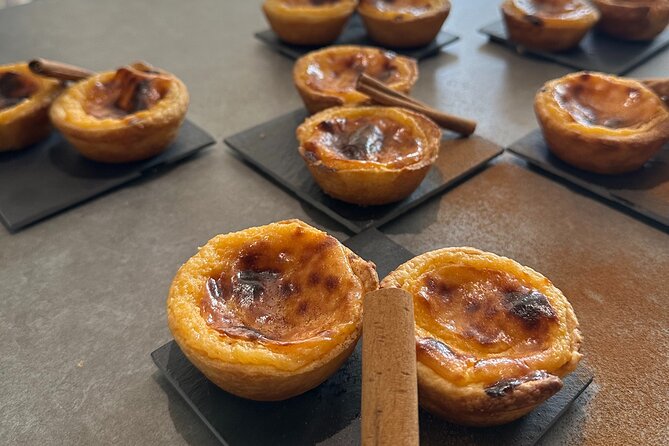
Once the dough and custard are ready, it’s time for assembly. This is where your learnings start to click. You’ll likely work on pastry portioning and filling, then watch baking transform everything into those blistered, caramelized top spots.
Because it’s a small group with turn-taking, you’re not standing around waiting for your turn forever. In a group of 12, the instructor can manage attention in a way bigger classes can’t. People also mention that the studio kitchen is practical and well organized, which matters when you’re dealing with dough and hot oven timing.
When the pastries come out, they’re served warm. A practical tip from the experience: eat them quickly. If you don’t have a way to reheat properly at home, the texture won’t stay “fresh-baked” forever. If you love them on the spot, that’s not luck—it’s timing.
A few more Porto tours and experiences worth a look


Wine, Coffee, and the Portuguese Social Side
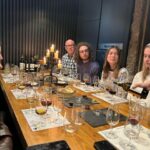
This workshop includes coffee and/or tea and alcoholic beverages, specifically local wine. That pairing isn’t just a nice extra. It helps set the tone: this is a food culture experience as much as it’s a cooking class.
It also makes the turn-taking feel smoother. As you wait for the next phase—usually dough handling or oven timing—the wine and conversation keep the group relaxed. Several reviews mention the wine as part of why the class feels like a fun evening activity, but the focus still stays on learning.
If you’re curious about Portuguese food culture, this is a friendly way to absorb it through the most concrete method possible: your hands, the dough, and the final taste.
How Much Time You’ll Really Spend Baking (and What You’ll Miss)
The workshop runs about 2.5 hours, so you’ll move briskly through stages. Because it’s shared participation, you might not do every single tiny action start-to-finish like a private lesson would allow.
That’s worth knowing before you book. If you’re the kind of person who wants full control over every step, you may find the group format means you rotate rather than stay fixed in one task. The workshop itself notes this difference—private lessons are the option for maximum participation.
But for most people, the trade-off is worth it. You get coaching, you get multiple touchpoints in the process, and you leave with warm results you made, plus a clearer mental map of how to repeat the recipe later.
Price and Value: Is $48.36 Worth It?
At $48.36 per person, this isn’t a freebie snack session. But it also isn’t priced like a formal culinary school. For the money, you’re paying for three things that add up fast:
1) Instruction with turn-taking in a small group (max 12)
2) Ingredients and equipment time, including the dough and baking process
3) Included drinks: coffee/tea and local wine, plus the warm pastries at the end
The pricing also makes sense if you compare it to buying multiple pastries, coffee, and wine separately on Porto’s streets. You’d spend money either way. Here, the spending converts into a useful skill and a tangible result you can repeat.
On top of that, the reviews’ very high rating—4.9 with 449 reviews and 99% recommendation—matches what the class is designed to do: teach the process clearly, keep participation high, and deliver something you can taste immediately.
Who Should Book This Pastel de Nata Workshop in Porto?
You’ll probably love this if you:
- want a hands-on Portuguese food experience in Porto’s center
- like learning recipes you can actually repeat at home
- enjoy small groups where you can talk to the instructor and classmates
- want included wine and coffee/tea without giving up structure
It’s not a great fit if:
- you need gluten- or lactose-free options (this is marked as not suitable)
- you’re traveling with pets (animals, including service animals, aren’t allowed)
- you’re hoping a companion can sit in the room while you bake (companions can’t enter)
- you’re planning to arrive late or need flexible timing—this workshop is strict about start time
Quick Practical Tips Before You Go
- Arrive early. The door closes at the scheduled time, and you can’t enter once it starts.
- Come prepared to participate. The session is designed for adults and teens in the allowed age range, and the process is hands-on.
- Bring curiosity, not perfection. You’ll likely get small tips that improve results fast, especially around dough behavior and custard handling.
- Plan for eating soon. The warm pastries are best right away, and reheating at home may change the texture.
Should You Book This Workshop?
Yes—if you want an authentic Porto food skill with real participation, this is one of the simplest “worth the time” choices you can make. The workshop’s strongest advantage is that it teaches the pastry process from scratch, not just how to assemble pastries quickly. Add the small group attention, the local wine, and the consistently praised results, and the value story holds together.
I’d skip it only if you have strict dietary needs like gluten/lactose intolerance, if you’re hoping to bring a companion inside, or if you need late entry flexibility. Otherwise, this is the kind of class that leaves you with a smile now—and a plan for dessert later.
FAQ
How long is the Pastel de Nata workshop?
It runs for about 2 hours 30 minutes.
Where is the meeting point in Porto?
The start (and end) location is R. do Souto 67, 4050-595 Porto, Portugal.
Is the workshop offered in English?
Yes. The workshop is offered in English.
What is the group size?
The workshop has a maximum of 12 travelers.
What’s included in the price?
You get coffee and/or tea, alcoholic beverages (local wine), and you’ll make and enjoy pastel de nata.
Can I bring a companion to watch?
No. Companions are not allowed to enter the space, even if they have an age allowance.
What are the age requirements?
Children under 15 aren’t permitted. Ages 15–17 can join only if accompanied by an adult.
Is this workshop suitable for gluten or lactose intolerance?
No. It’s marked as not suitable for people intolerant to gluten and lactose.
Can I get a refund if I cancel?
You can cancel for a full refund up to 24 hours before the experience start time. If you cancel later than that, the amount paid is not refunded. The experience can also be canceled if a minimum number of travelers isn’t met, with an alternate date/experience or a full refund offered.