REVIEW · PORTO
Porto: Half-Day Jewish Tour
Book on GetYourGuide →Operated by AtWill · Bookable on GetYourGuide
Porto hides Jewish clues in plain sight. This half-day Jewish tour strings together a walk through the old neighborhoods, using Sephardic legacy and street-level traces to explain the Inquisition, the persecution of “new Christians,” and how Jewish traditions survived behind a cover-up for centuries. I like the way the guide connects big, recognizable sights like Clérigos Tower to smaller, lingering toponymic and archaeological hints you might miss on your own. I also like that you get helpful, city-center orientation as you go, not just a lecture. One possible drawback: it’s a walking tour with moderate stamina needs, and the private-group promise can be worth double-checking for your exact date.
You start at Sé Cathedral (Terreiro da Sé) next to the Estátua de Vímara Peres, so you begin with a logical anchor point and quick orientation. From there, you’ll move through historic areas such as Ribeira and Miragaia, plus scenic viewpoints along the way, with the full route designed to fit a 3-hour pace.
You’ll see major monuments on the route—often as passes rather than long timed stops—and you’ll learn where key elements like the Israeli Community, the Kadoori Mekor Haim Synagogue, the 1496 King’s Expelling Order, and Captain Barros Basto fit into the broader story. It runs in all weather, with flexibility for your preferences, and it’s led in English by a live guide.
In This Review
- Key things that make this Porto Jewish tour worth your time
- A 3-hour walk through Porto’s Jewish clues (not just a lecture)
- Where it starts: Sé Cathedral by the Vimara Peres statue
- Largo do Terreiro: orientation and context before the route opens up
- Ribeira: the historic riverfront stop that makes the story feel real
- Miragaia: connecting the neighborhood dots
- Parque das Virtudes: the scenic break that still fits the theme
- Mosteiro de São Bento da Vitória and the “pass by” approach
- Clérigos Tower: a major landmark used as a history marker
- Finish at Porto São Bento: wrap-up and what to do next
- What you actually learn: the named topics that anchor the tour
- Guides and the “question-friendly” vibe
- Price and value: what you’re paying for at $75 per person
- The one thing to watch for: walking pace and the true “private” feel
- Who should book this Porto Jewish tour
- Should you book Porto’s Half-Day Jewish Tour?
- FAQ
- How long is the Porto Half-Day Jewish Tour?
- Where do I meet for the tour?
- Is the tour in English?
- How much walking is involved?
- Are entrance fees included?
- What happens if the weather is bad?
- Can I get a refund if I need to cancel?
Key things that make this Porto Jewish tour worth your time
- A story built from street traces, not just textbook history
- Stops tied to major Porto landmarks, including Clérigos Tower and key city-center areas
- Kadoori Mekor Haim Synagogue and Sephardic legacy in one route
- Barros Basto: the Portuguese Dreyfus angle woven into the walk
- Scenic breaks at Parque das Virtudes for a calmer moment mid-tour
- Guides who handle questions and adapt when the weather or walking pace changes
A 3-hour walk through Porto’s Jewish clues (not just a lecture)
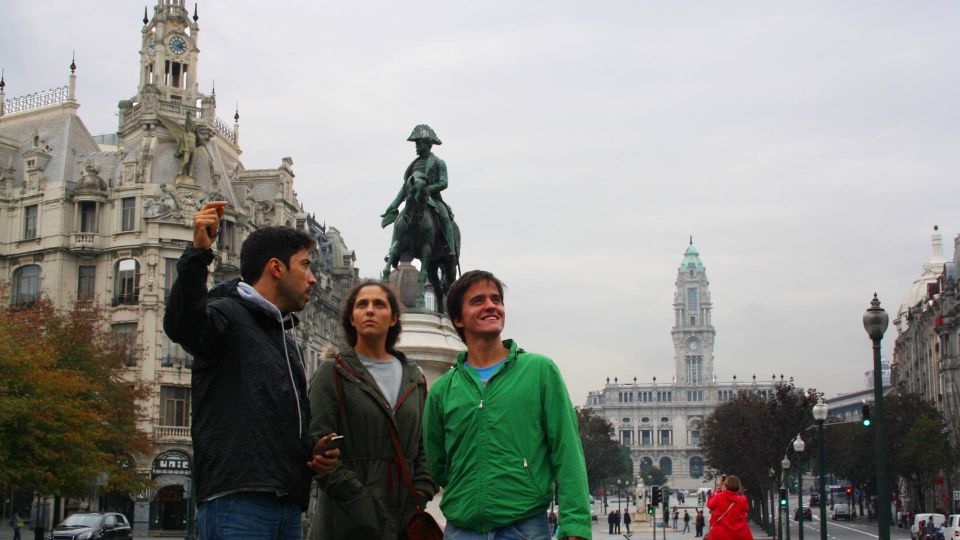
This tour is built like a guided city walk, where the main “what” is the route through places where the Jewish community once lived. The “how” is the important part: your guide points out toponymic clues (place-name echoes) and archaeological trace elements that have lasted into today’s Porto. That’s a smart way to learn, because it gives you a set of visual anchors you can remember long after the tour ends.
The content is also specific rather than vague. You’re not just hearing generalities about religion and persecution. You’ll cover the Inquisition, the persecution of “new Christians,” and how Jewish traditions were covered up for centuries. Then you shift to the story of cultural and religious rescue connected to Barros Basto, including the framing as the Portuguese Dreyfus. It’s a rare mix: hardship and suppression on one side, then recovery and rescue on the other.
A few more Porto tours and experiences worth a look



Where it starts: Sé Cathedral by the Vimara Peres statue
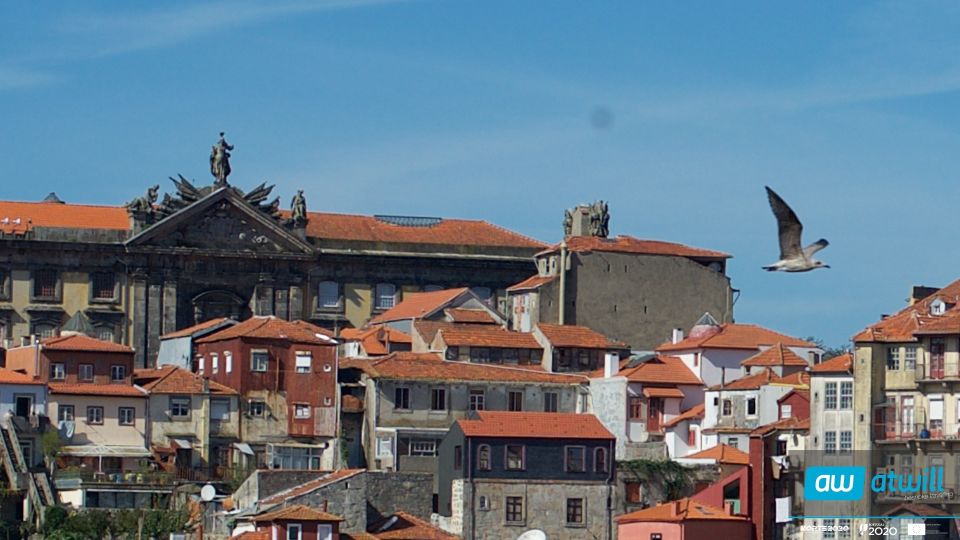
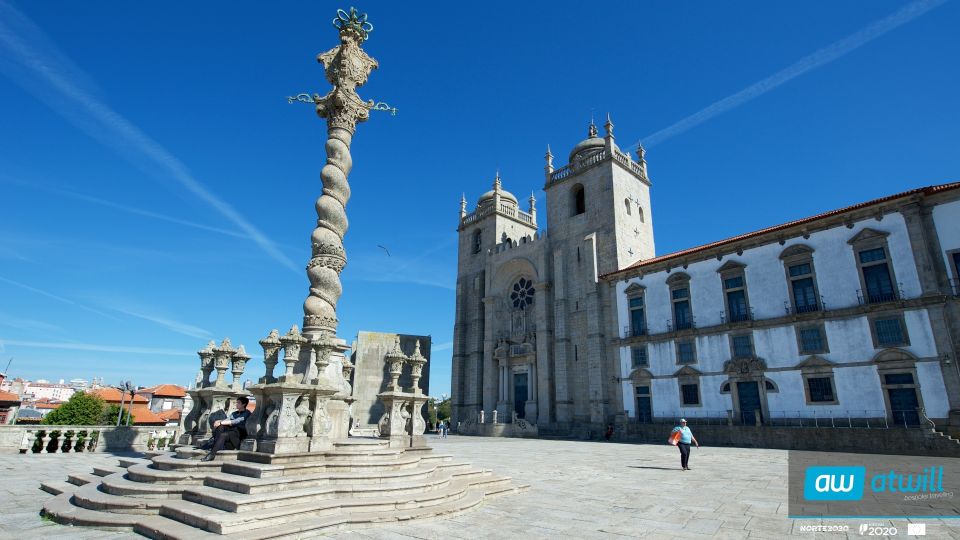
You meet at Sé Cathedral (Terreiro da Sé), right beside the Estátua de Vímara Peres statue. I like this start point for one big reason: it’s central and easy to orient around. You’re not searching for a meeting spot in some far corner, and you can mentally map the rest of the walk as the guide takes you outward.
Early on, you’ll spend time around Largo do Terreiro. This part feels like the tour’s grounding chapter—your guide sets the context for the neighborhood connections before you start seeing the more iconic Porto scenes.
Largo do Terreiro: orientation and context before the route opens up
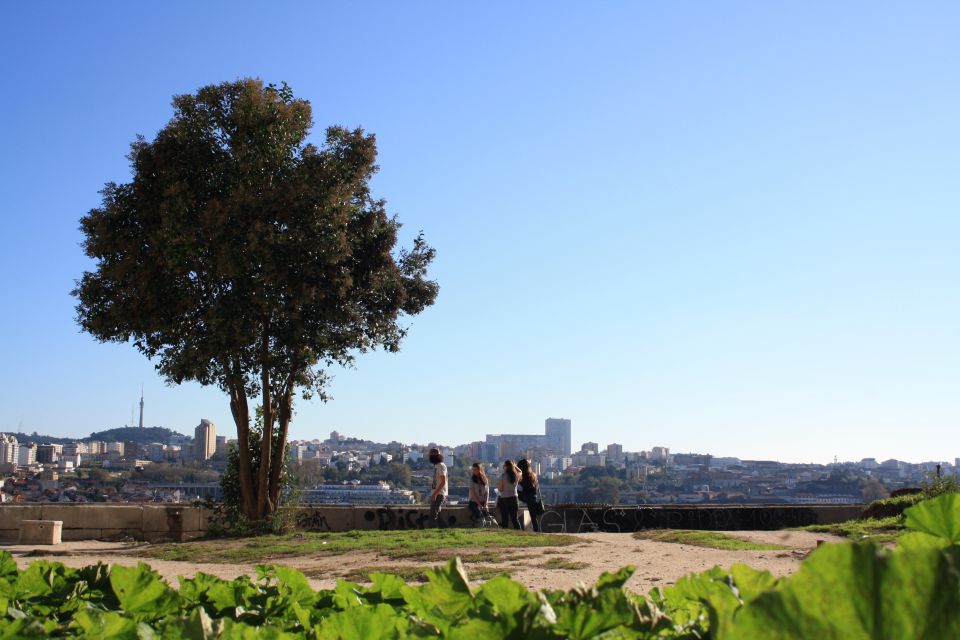
Largo do Terreiro is where the tour shifts from “where are we?” to “what should I be looking for?” Expect a guided sightseeing walk designed to get your bearings fast. It’s the moment when the guide typically explains the logic behind the route: why these areas matter, and what kind of traces you should keep an eye out for.
If you’re the type who hates wandering without a reason, this start helps. You’ll learn how the Jewish story connects to place names and physical remnants still visible today.
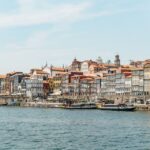
Ribeira: the historic riverfront stop that makes the story feel real
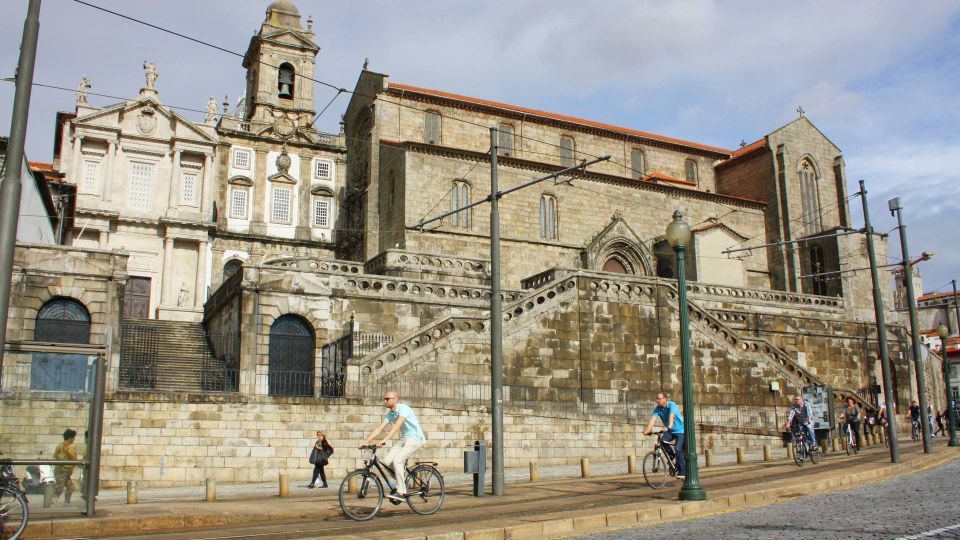
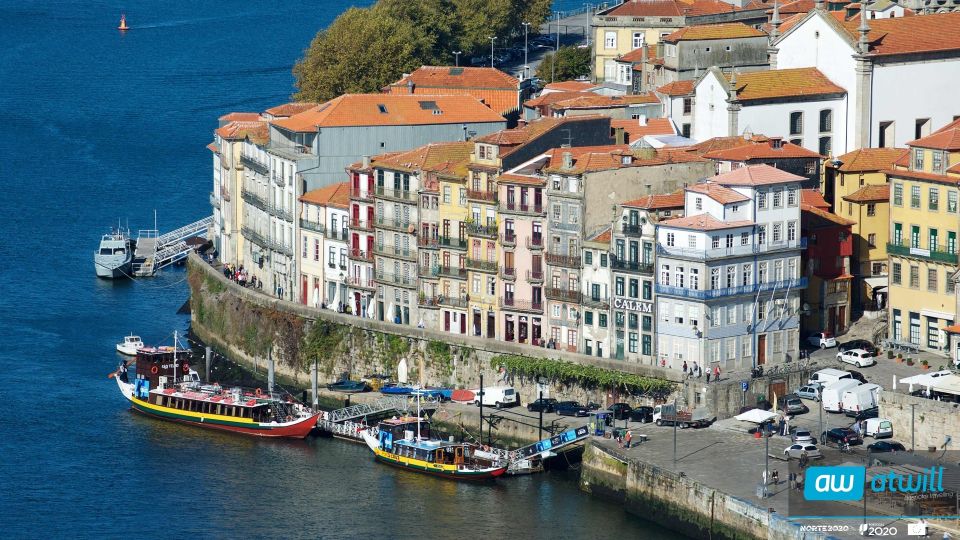
Next you head toward Ribeira, Porto’s riverfront area. This is a good segment because it’s visually strong and easy to follow. Your guide uses that familiar geography to point out how the community’s presence and influence played out in the city’s everyday spaces.
This part of the tour is also one of the best for questions. Ribeira is busy, which can make it harder to read on your own. With a guide, you get a clear explanation of what to notice—especially when it comes to older traces and how the city’s layers connect.
Time here is guided sightseeing plus walking, so you’re not stuck staring at a single point. You’re moving, learning, and building a mental map at the same time.
Miragaia: connecting the neighborhood dots
After Ribeira, you’ll walk through Miragaia. This is another place where the guide’s role matters. From street level, Porto can look like it’s all charm and stonework. But the tour is trying to train your eyes to see the older echoes.
You’ll get guided sightseeing here for a set block of time, which helps you stay focused. Rather than rushing from one landmark to another, this segment helps connect the dots between the places you’ve just learned about and the viewpoints you’ll reach next.



Parque das Virtudes: the scenic break that still fits the theme
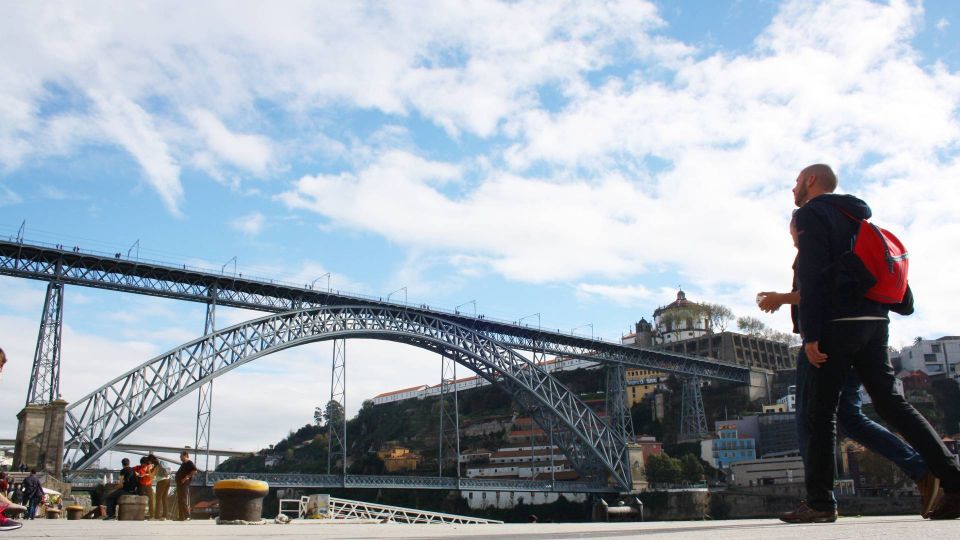
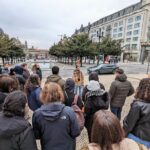
Then comes Parque das Virtudes, where you’ll get scenic views on the way. This is where the tour’s pacing changes in a good way. It gives you a visual reset, which matters because the walk is steady and time outdoors can add up.
From a practical standpoint, this stop is useful for two reasons:
- You get a breather without breaking the flow of the story.
- Your guide can keep explaining while the group relaxes and looks out.
If you’re sensitive to heat or cold, this is also a natural checkpoint to reassess comfort and keep your energy for the last stretch.
Mosteiro de São Bento da Vitória and the “pass by” approach
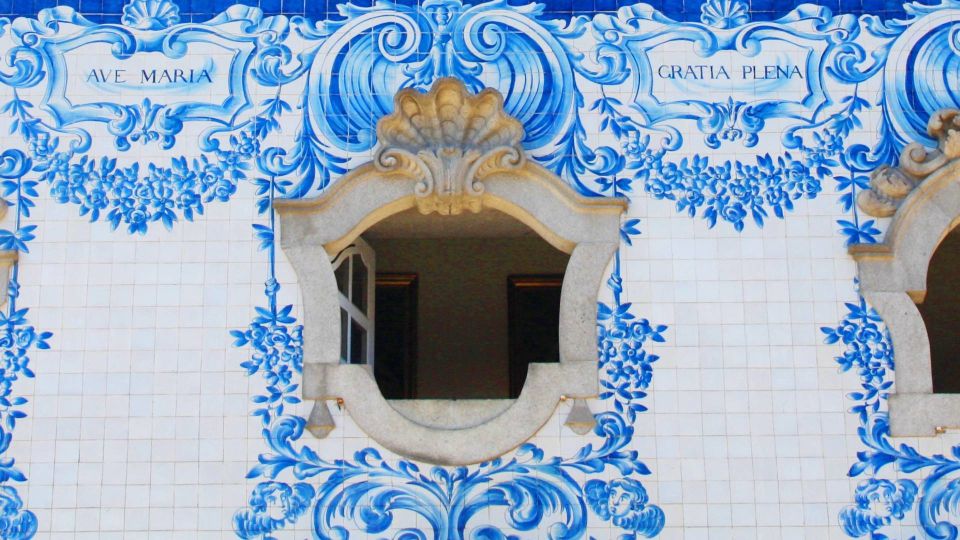
You’ll also pass by Mosteiro de São Bento da Vitória. Because the tour is only 3 hours long, you’re not likely to spend a long, slow chunk inside. Instead, you’ll get guided sightseeing and a passing look, plus the chance to connect the monastery’s presence to the broader city fabric your guide is mapping.
This “pass by” style is worth understanding before you go. If you want lots of indoor time at specific monuments, this tour probably won’t scratch that itch. But if you want history tied to street-level navigation and you’re okay with short stops, the pacing works well.
Clérigos Tower: a major landmark used as a history marker
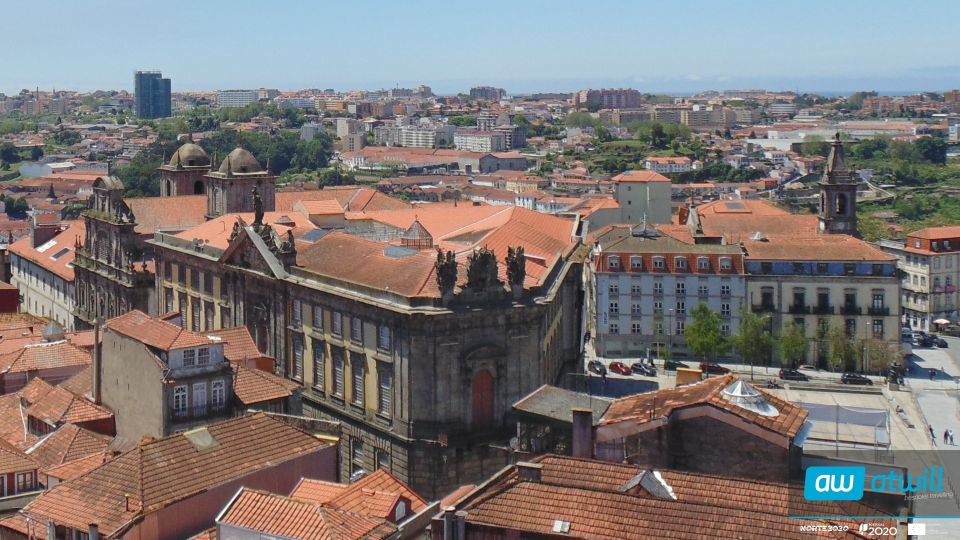
Next, you pass by Clérigos Tower. This is one of those Porto icons that most people recognize. The value here is that the guide doesn’t treat it as just a postcard. The tower becomes a marker for the city-center story and the broader neighborhood geography you’ve been learning along the route.
Even if you’ve seen Clérigos Tower from the street before, this tour can give it new meaning because it’s woven into the Jewish historical thread your guide is tracking.
Finish at Porto São Bento: wrap-up and what to do next
The tour ends at Porto São Bento. This is a smart finish because it’s a major transit and landmark area. After 3 hours of walking and context, you’ll likely want a clean endpoint where you can decide what comes next—another neighborhood stroll, a museum, or just downtime.
It also helps you keep momentum. If you still feel curious, São Bento is a natural place to continue exploring without needing to figure out how to get back across town.
What you actually learn: the named topics that anchor the tour
This experience isn’t just general commentary. It includes named storylines and themes that give the walk structure. Here’s what you can expect to hear explained during the route:
- Israeli Community context within Porto’s broader story
- Jewish Quarter framing in the city’s older neighborhoods
- Kadoori Mekor Haim Synagogue as a key reference point
- Sephardic legacy and how it shows up in Porto’s trace elements
- 1496 King’s Expelling Order as a turning point the guide connects to what followed
- Captain Barros Basto and the idea of cultural and religious rescue, including the Portuguese Dreyfus framing
That mix is a strength. You get both suppression and survival, plus the later rescue story that prevents the tour from ending on a down note.
Guides and the “question-friendly” vibe
The guide experience seems to matter a lot here. Multiple English-speaking guides are described as energetic, friendly, and patient with questions. Names that show up in recent experiences include João and Luigi, and you may also meet Carlota depending on the date.
Two practical points stand out from those guide styles:
- They adapt to conditions. If the weather is hot, you may see extra attention to staying shaded and hydrated.
- They build connections rather than rattling facts. The best moments are when your question leads to a real explanation that ties back to a street, a monument, or a named element like Barros Basto.
If you’re the kind of person who likes to ask follow-ups, this is a strong format. A walking tour with a strict script can feel limiting. Here, the tone is more flexible.
Price and value: what you’re paying for at $75 per person
At $75 per person for about 3 hours, this is not a bargain bus-tour price. But it also isn’t trying to compete with mass group tours. You’re paying for a professional guide and a guided walking route where the value is in interpretation.
Here’s the best way to think about it:
- If you only want pretty streets and basic sightseeing, you can do that on your own.
- If you want to understand why certain streets and landmarks matter to Porto’s Sephardic and Jewish story, the guide is doing the heavy lifting.
- Entrance fees are not included, so the price is mainly for orientation, storytelling, and route navigation.
If you’re the type who enjoys learning from local context and likes to connect history to what you’re standing in front of, this is a fair trade.
The one thing to watch for: walking pace and the true “private” feel
This tour involves a moderate amount of walking and it’s not suitable for people with mobility impairments or wheelchair users. If your fitness level is low, plan for that up front.
The other consideration is tour exclusivity. Even though it’s labeled as a private group, at least one experience raised concerns that the tour wasn’t fully exclusive on the day. For peace of mind, you should confirm what “private group” means for your booking so there are no surprises when you arrive.
Who should book this Porto Jewish tour
This works best if:
- You want a structured walking tour tied to Porto’s Jewish and Sephardic legacy
- You enjoy Q&A and learning while moving through neighborhoods
- You’re happy with outdoor viewing and short guided stops rather than long museum time
- You want a 3-hour “history + city bearings” plan that doesn’t swallow your whole day
It may not be the best match if:
- You need wheelchair access or minimal walking
- You want lots of indoor entrances and ticketed sites included
- You prefer a purely self-paced experience with zero flexibility
Should you book Porto’s Half-Day Jewish Tour?
Yes, if you’re curious about how Porto’s streets still carry Jewish-era clues and you want an English-speaking guide to connect them. The route is short enough to fit well, but the story is specific enough to feel substantial. Starting at Sé and ending at São Bento also makes the day feel clean and navigable.
One “book with eyes open” note: it’s a walking tour, and you’ll want to confirm how private it will be for your exact date. If that checks out, this is one of the more meaningful ways to see Porto beyond the usual highlights.
FAQ
How long is the Porto Half-Day Jewish Tour?
The tour runs for 3 hours.
Where do I meet for the tour?
You meet at Sé Cathedral (Terreiro da Sé) next to the Estátua de Vimara Peres statue.
Is the tour in English?
Yes. The live tour guide speaks English.
How much walking is involved?
The tour involves a moderate amount of walking, and it is not suitable for wheelchair users or people with mobility impairments.
Are entrance fees included?
No. Entrance fees are not included.
What happens if the weather is bad?
It operates in all weather conditions, so dress appropriately.
Can I get a refund if I need to cancel?
Yes. You can cancel up to 24 hours in advance for a full refund.