REVIEW · EVORA
Marble Tour in Vila Viçosa
Book on GetYourGuide →Operated by Rota do Mármore AE · Bookable on GetYourGuide
Marble here is more than decoration. In Vila Viçosa, you get a guided crash course on how Portugal’s stone is found, cut, and crafted, plus real views into working quarries. I love the up-close quarry machinery and the way the interpretive center connects geology to the town’s identity. The one catch: you’ll need a private vehicle to move between stops, and the quarry sites aren’t set up for wheelchair users.
For $29 per person and a 2-hour time window, it’s strong value—especially if you’re into architecture, materials, or how everyday industries shape a place. The tour runs with a professional local guide and safety equipment, and it’s offered in Portuguese, English, and Spanish. Just be ready for a short but full schedule with a lot of walking on uneven ground.
In This Review
- Key things I’d circle before you go
- Vila Viçosa: Portugal’s marble capital, up close
- Meeting point and timing: how the first 30 minutes set the tone
- The Marble Interpretive Center lesson: geology that explains the town
- Moving from town to industry: what the quarries really look like
- Factory stop: where blocks become products
- Artisan workshops: marble art made by hand
- Price and value: is $29 fair for this kind of access?
- Who should book this marble tour—and who should think twice
- Should you book the Marble Tour in Vila Viçosa?
- FAQ
- FAQ
- How long is the Marble Tour in Vila Viçosa?
- How much does it cost?
- Where do I meet the tour?
- What’s included in the ticket price?
- What isn’t included?
- Do I need my own transportation during the tour?
- What languages are offered?
- Is the tour suitable for wheelchair users or limited mobility?
- What should I bring?
- Are sandals or baby strollers allowed?
Key things I’d circle before you go
- Marble Interpretive Center orientation: geology, geography, and history tied to the local industry
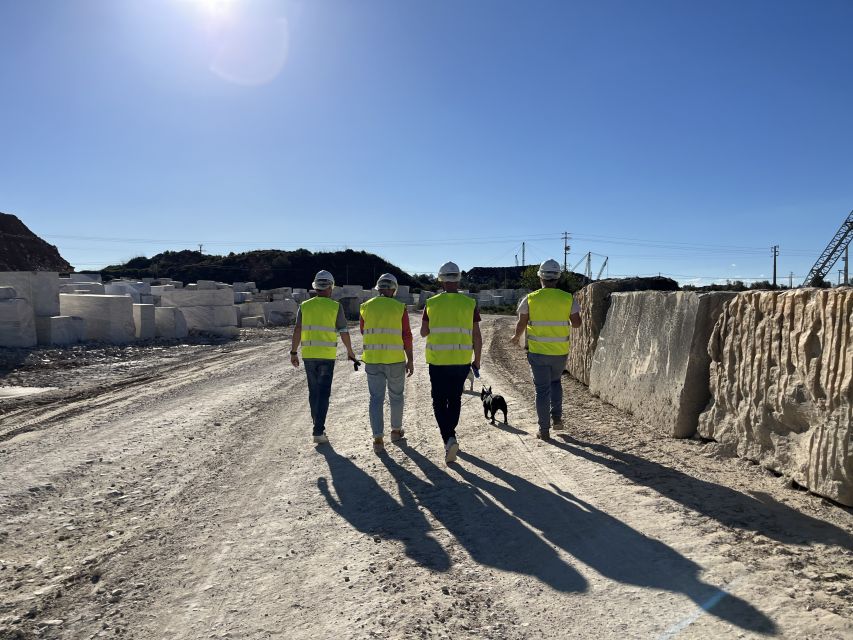
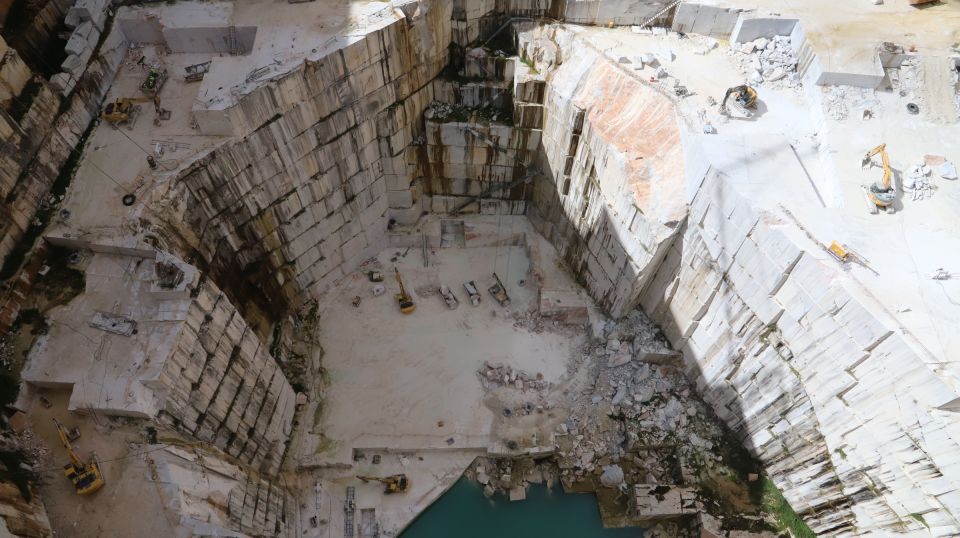
- Multiple quarry visits: you’ll see extraction taking place and the scale of the pits
- Factory view: blocks become finished-looking shapes before they reach the market
- Artisan workshops: watch handmade work and see marble art pieces up close
- Safety gear provided: useful because you’re visiting places with real industrial risk
Vila Viçosa: Portugal’s marble capital, up close
Vila Viçosa isn’t a museum town where marble only lives in storefronts. It’s a working marble place, and you’ll feel that from the start. Marble shows up in the built environment and in how locals explain their economy and community life.
This tour works well if you only have a short window in the Évora District. In two hours, you’ll move from a town introduction into the industry itself—quarries, a factory step, and artisan workshops. It’s not just sightseeing. It’s you learning how the stone goes from ground to product.
If you’re the type who likes to ask questions, bring that energy. The experience is built around a guide walking you through how marble is selected, extracted, shaped, and finished—so you’ll have lots to talk about and compare to what you’ve seen in Portugal’s churches, palaces, and streets.
You can also read our reviews of more tours and experiences in Evora.



Meeting point and timing: how the first 30 minutes set the tone
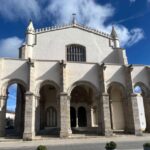
You start at Rota do Mármore AE, at a specific landmark: a white building with three brick arches. Look for the Rota do Mármore AE logo, alongside the CECHAP logo.
After you meet, the early part of the tour is about getting your bearings in Vila Viçosa. You’ll get a guided orientation in the center and then several short stops for sightseeing and photos. These pauses matter. They help you connect what you’re seeing in the quarry later—depth, tools, scale—to the way the town has been shaped over centuries by the industry.
One practical note: comfortable shoes matter here. Even before you reach the quarries, you’re moving around town for guided blocks and photo stops. After that, walking gets more physical.
The Marble Interpretive Center lesson: geology that explains the town
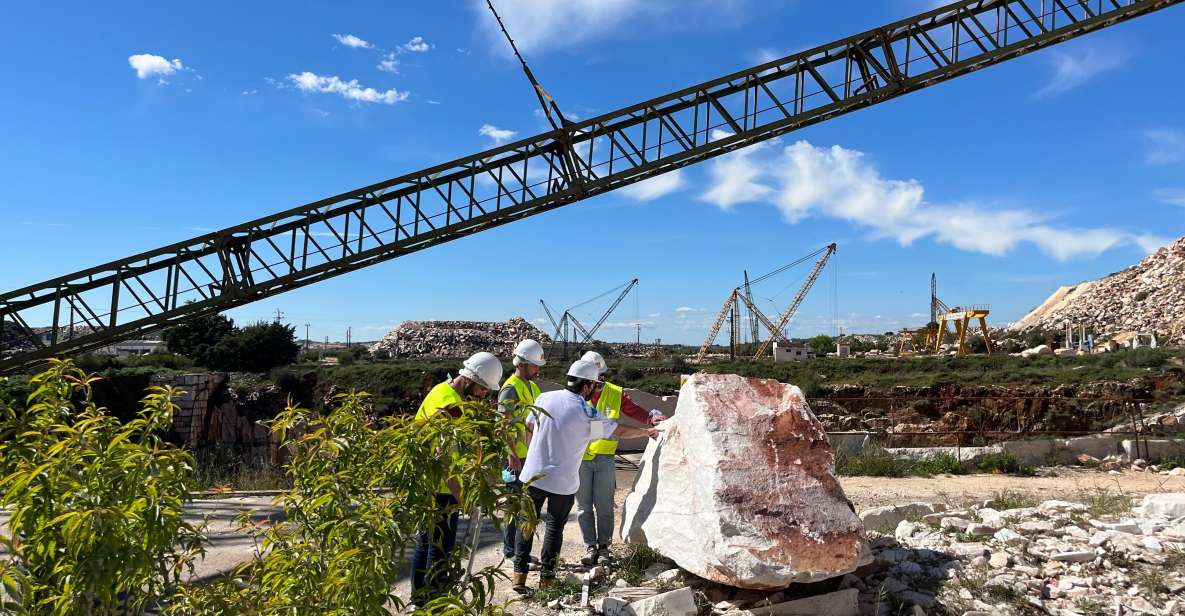
At the headquarters, you’ll get an introduction at the Marble Interpretive Center. This is where the tour earns its keep. It’s not a vague talk about beauty. It’s about the basics: geology, geography, and history as they relate to the local marble business.
You learn why the Portuguese marble story goes back a long way. The Romans valued these stones, and later the Alentejo marble was exported around the world, especially from quarries in a town like Vila Viçosa. That historical thread helps you understand why marble matters here beyond jobs and money—it’s woven into identity.
This stop also explains the social side of the industry. The marble business isn’t just an economy line on a chart. It’s framed as something that shapes daily life in the area. If you like travel that makes you understand the “why,” you’ll appreciate this context before you see extraction sites.
Moving from town to industry: what the quarries really look like
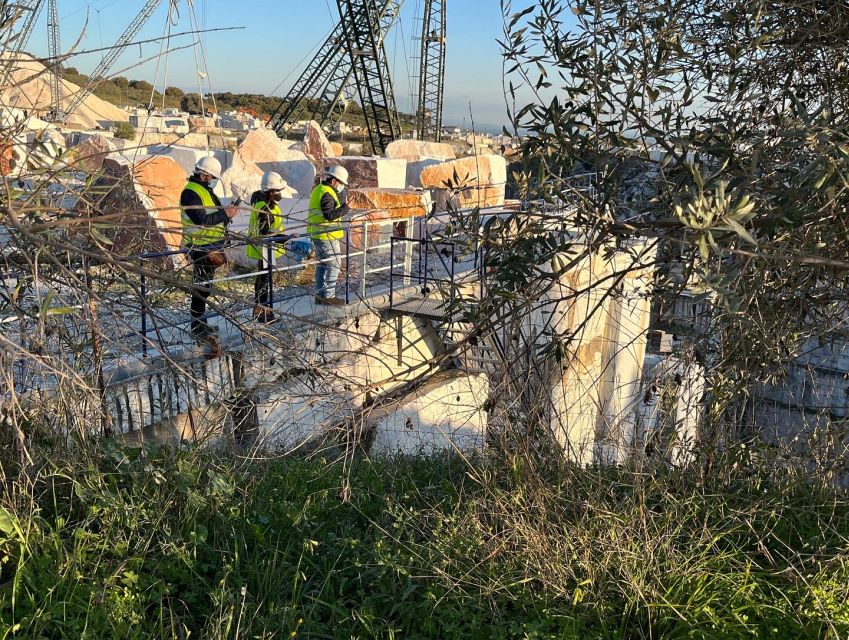
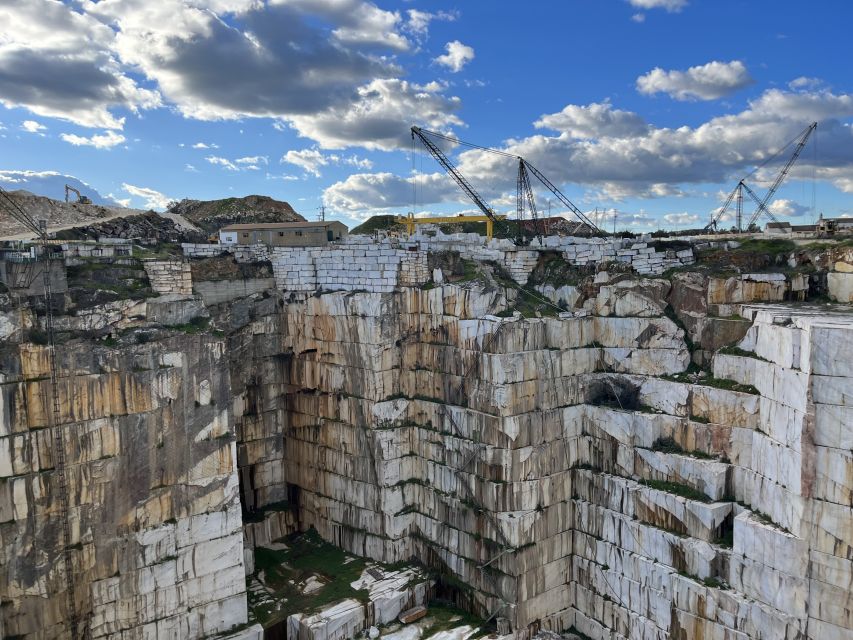
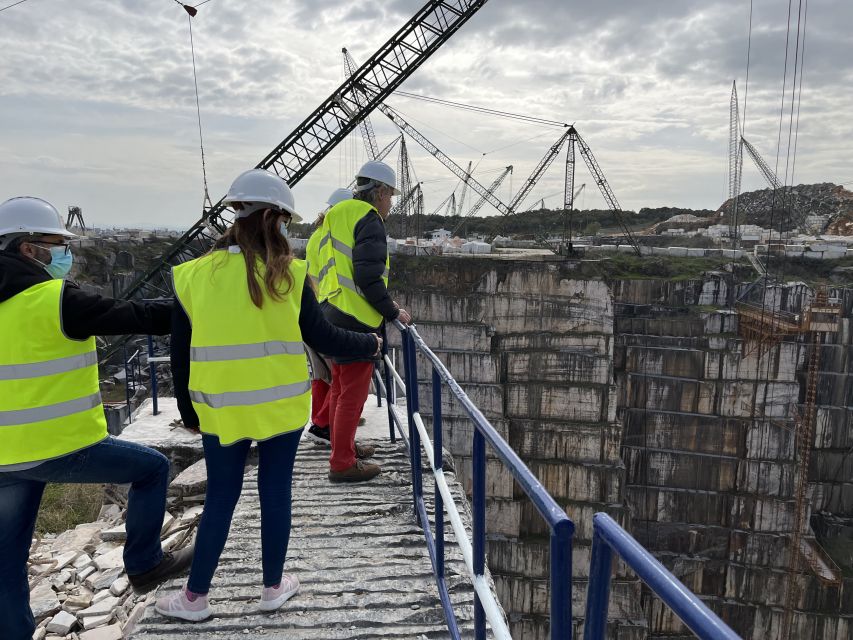
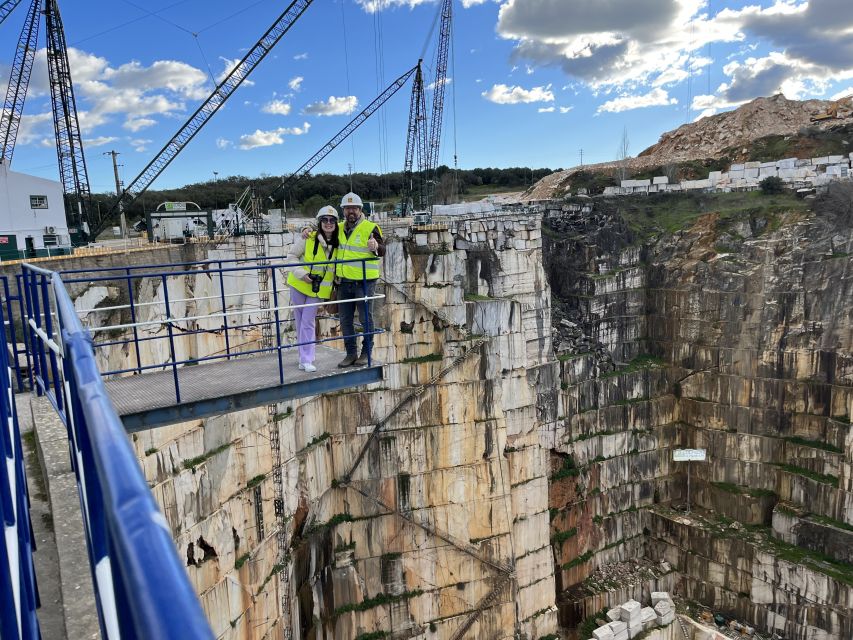
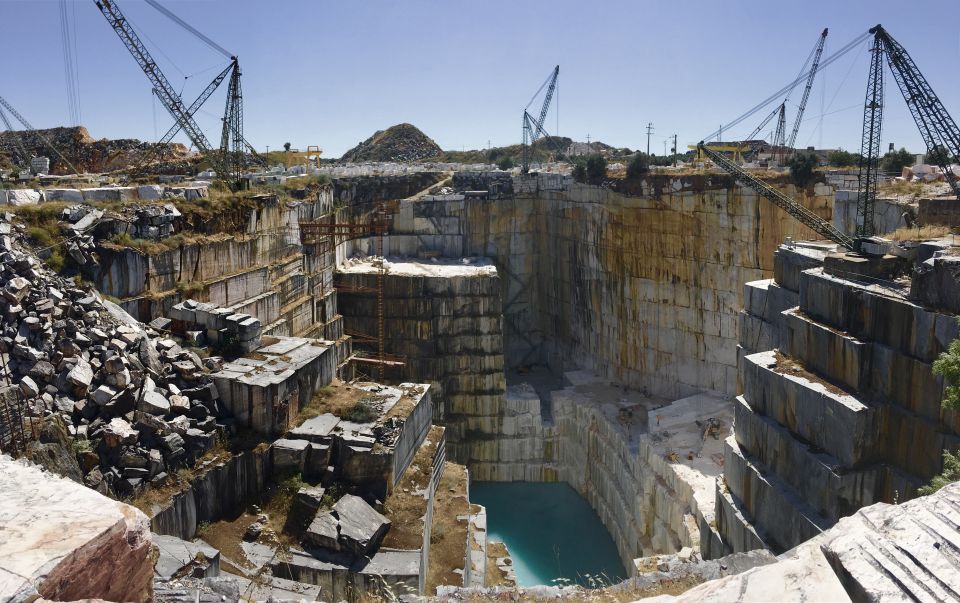
Once you head out from Vila Viçosa, you get the part people remember: quarry visits where extraction is happening. Expect to see some of Portugal’s biggest and most famous quarry sites. The scale can feel unreal—so big you start noticing how the whole environment has been engineered and carved through time.
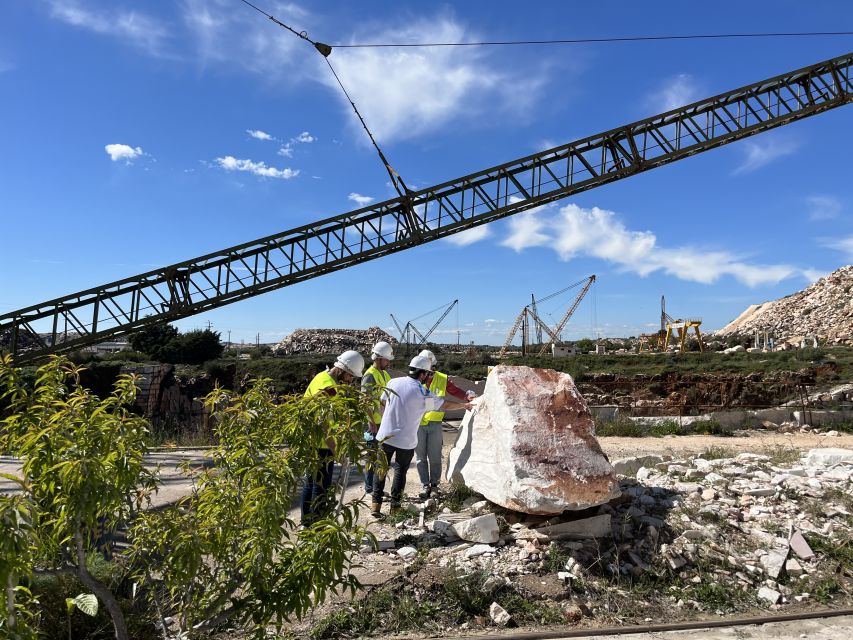
Your guide will point out the machinery and talk through what you’re looking at. That’s crucial, because a quarry can look like a random pit until someone explains how production works. You’ll also hear about the dangerous side of quarry work. Safety is taken seriously here, which is why the tour includes safety equipment.
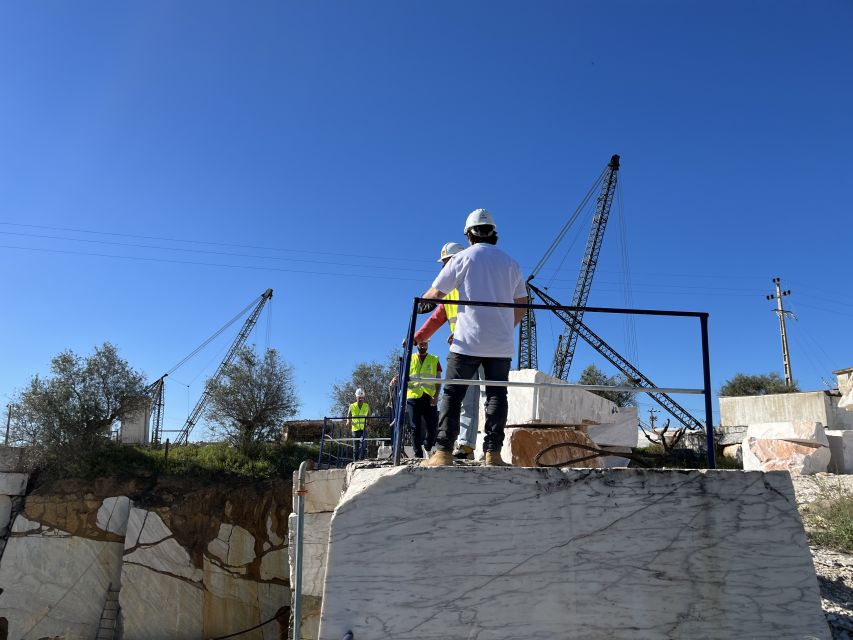
One detail I’d plan for mentally: the quarries are active industrial spaces. Even when you’re standing in a controlled area, this isn’t a gentle “look but don’t touch” kind of site. Keep your attention on the guide’s instructions and your footing. Closed-toe shoes aren’t optional comfort—they’re part of how you stay safe.
Factory stop: where blocks become products
Not all marble is ready to become a finished item right after extraction. The tour includes a factory visit where the stone gets its final forms before it’s applied in buildings or shipped to market.
This is a smart step in the flow. Many marble tours jump straight from quarry to finished art. Here, you get the missing middle: cutting, shaping, and processing steps that turn huge stone blocks into usable material.
You’ll likely notice that the factory stage feels more controlled and precise than the quarries. It’s where the industry turns raw scale into repeatable results—tiles, slabs, and components that can be polished and used.
If you care about materials—like how you’d compare stone in a shop versus stone coming out of a production line—this stop gives you a real baseline. It also helps you understand why the same marble can show different looks once it’s cut and finished.
A small practical tip: workshops and industrial spaces can mean dust. The tour provides safety gear, but if you’re sensitive to dust, consider protecting your breathing based on how your body normally reacts indoors.

Artisan workshops: marble art made by hand
The last major piece of the experience is where craft meets stone. Since marble can be shaped into artwork, you’ll visit artisan workshops to watch handmade shaping and see marble masterpieces.
This is the moment where everything clicks. After quarries and factory processing, the workshops help you connect industry to artistry. You get to see how the material’s potential changes once a craftsperson works with it—cutting, refining, and forming details that machines alone can’t replicate.
The tour frames these workshops as part of why marble remains important locally. It’s not just extraction and export. It’s also skill, design, and a tradition of making.
If you’re photographing, this is the place to slow down. The biggest quarries give you scale. Workshops give you texture, detail, and the human side of the process.
Price and value: is $29 fair for this kind of access?
At $29 per person for a 2-hour tour, this offers good value—mainly because of what’s included. You get a professional local guide and safety equipment. And you’re allowed into industrial areas that are hard to access on your own.
What you don’t get is also important. Transportation is not included, and there’s no hotel pickup/drop-off. Food and drinks aren’t included either. You’re basically paying for guided access plus the safety gear, and then you handle your own logistics like getting between stops.
So here’s the best way to judge the value for your trip: if you already plan to have a vehicle (or you’re traveling with a driver), $29 looks like a bargain. If you’re depending on public transport or taxis, the tour may become less convenient because you need private vehicle transportation during the experience.
If you’re a short-stay visitor, the tight time window also helps. This is an efficient use of an afternoon or part of a morning—especially compared to doing multiple stops across the marble production chain on your own.
Who should book this marble tour—and who should think twice
This experience is a strong fit if you like:
- Material-focused travel (stone, architecture, craft)
- Industry explanations that help you interpret what you see in Portuguese buildings
- Guided access to working quarry sites you wouldn’t find easily alone
- Short, active tours that still feel educational
It’s less suitable if you:
- Have mobility impairments or need wheelchair access (the tour is not set up for this)
- Prefer fully flat, low-walking experiences
- Don’t have a way to handle private vehicle transport between the sights
Should you book the Marble Tour in Vila Viçosa?
Yes—if you want real quarry access and a clear explanation of how marble becomes both building material and art. The interpretive center gives you context first, then the quarries show scale and machinery, then the factory explains processing, and the workshops finish with craft.
Book it with confidence if you’re traveling with comfortable shoes, a plan for private transport, and curiosity about how a place’s industry shapes everything around it. If mobility access is a concern or you’re relying on public transport with no vehicle options, you may want to rethink the match.
FAQ
FAQ
How long is the Marble Tour in Vila Viçosa?
The tour lasts 2 hours.
How much does it cost?
The price is $29 per person.
Where do I meet the tour?
Meet at the white building with three brick arches at Rota do Mármore AE. Look for the Rota do Mármore AE logo alongside the CECHAP logo.
What’s included in the ticket price?
Included are a professional local guide and safety equipment.
What isn’t included?
Transportation, food and drinks, hotel pickup and drop-off, and personal expenses are not included.
Do I need my own transportation during the tour?
Yes. You need a private vehicle during the tour to travel between the sights.
What languages are offered?
The live guide speaks Portuguese, English, and Spanish.
Is the tour suitable for wheelchair users or limited mobility?
No. It is not suitable for people with mobility impairments, and it is not for wheelchair users.
What should I bring?
Bring comfortable shoes, water, and comfortable clothes. Closed-toe shoes are required.
Are sandals or baby strollers allowed?
No. Sandals or flip flops are not allowed, and baby strollers are not allowed.