REVIEW · PORTO
Porto: Guided Walking Tour and Lello Bookshop
Book on GetYourGuide →Operated by Porto Xperience Tours · Bookable on GetYourGuide
Porto looks better when someone points things out. On this guided walking tour, you get a tight tour of the city’s most important monuments, then you finish with skip-the-line access to Livraria Lello and its famous interior. You’ll also learn how the rabelo boats carried people and goods along the Douro for centuries.
I like that the tour doesn’t just name buildings. It explains why spots like the Sé area, São Bento Station tile scenes, and Clérigos matter to Porto’s story. The one real drawback to plan around is time: you’re moving at a walkaround pace, so if you want to linger for long inside multiple churches and sights, you may wish the stops had more breathing room.
In This Review
- Key highlights
- A 3-hour Porto overview that helps you pick where to go next
- Where you’ll meet and how the walk actually flows
- Sé area first: reading Porto’s medieval street signs in real time
- São Bento Station tiles: why those blue-and-white scenes matter
- Avenida dos Aliados and Clérigos: Porto’s public face, explained
- Churches and market stops: what to look for besides the obvious
- The Douro River’s rabelo boats: Porto’s economy in one story
- Livraria Lello: how to make the most of your 30 minutes
- Price and value: what $70 gets you in real terms
- Who this Porto walking tour is best for
- Should you book this Porto Xperience walking tour?
- FAQ
- How long is the Porto guided walking tour?
- Where does the tour start?
- Is this tour a small group?
- What languages are the guides available in?
- What’s included in the price?
- What sights will I see during the walk?
- Do I need to buy my own Livraria Lello ticket?
- What should I bring?
- What happens if the weather is bad?
Key highlights

- Livraria Lello, without the long waits: you get an express security check and a Lello voucher for smoother entry
- São Bento Station tiles become a mini-history lesson: the azulejo murals connect directly to what you’re seeing in Porto
- Rabelo boat history on the Douro River: you’ll hear why this river work shaped the city
- Small-group format: the vibe stays friendly, and some guests have even been able to tailor the walk when the group was tiny
- Pro-guide storytelling: names that show up again and again include Barbara, Pedro, Oscar, Daniel, Rosa, and Katarina
A 3-hour Porto overview that helps you pick where to go next
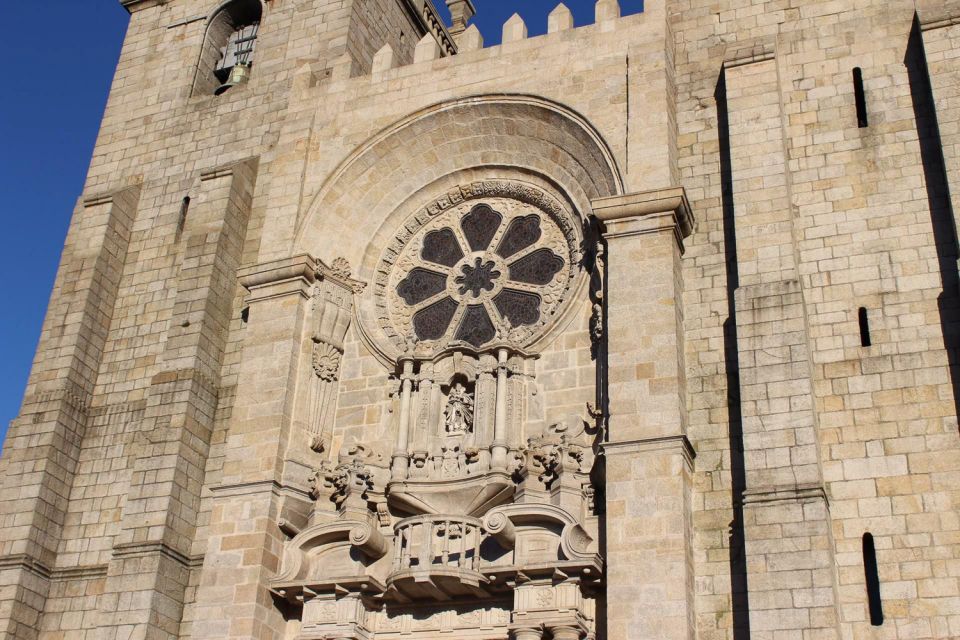
This is a first-day-in-Porto kind of tour. In three hours, you cover a smart cluster of historic sights that you’d otherwise circle randomly, hoping it all clicks. With a guide talking as you walk, Porto stops feeling like a list of monuments and starts feeling like a connected place.
You’ll spend most of your time on foot through the medieval center and then finish at Livraria Lello. That “finish strong” moment matters. Lello is crowded, it’s famous, and if you arrive late in the day you can feel rushed. Here, you’re designed to end there with momentum, not desperation.
You also get the Douro River angle without needing a full river cruise. Learning about rabelo boats adds a practical layer: Porto wasn’t only built in stone. It grew through river trade and labor.
You can also read our reviews of more walking tours in Porto



Where you’ll meet and how the walk actually flows
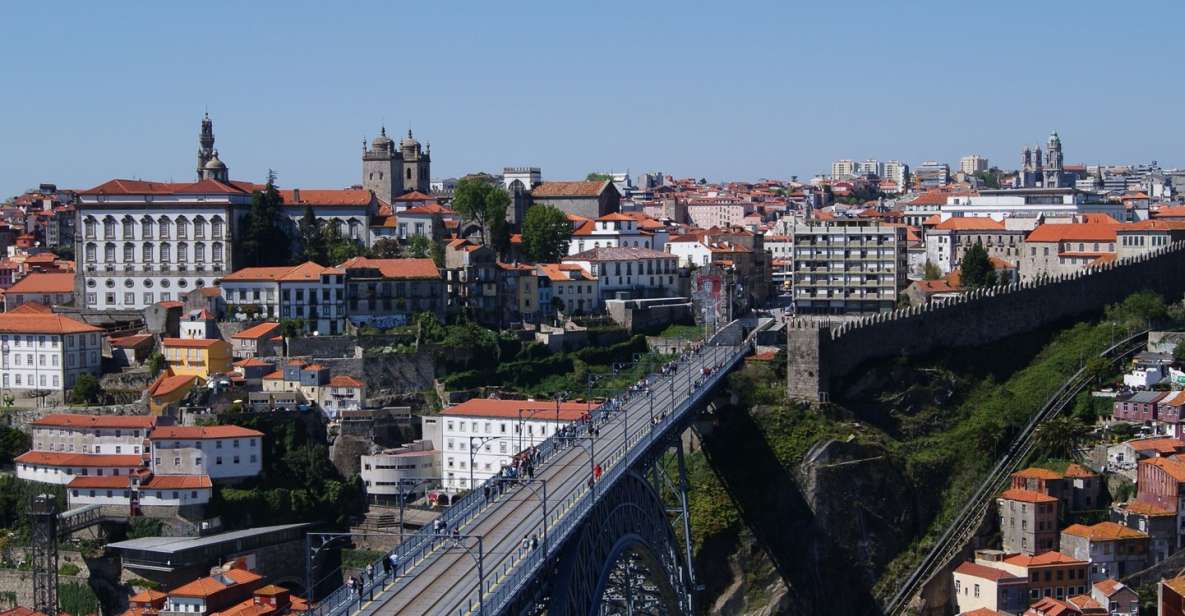
Your starting point can vary depending on the option booked. The provided options include meeting around Porto Cathedral and Terreiro da Sé. That matters because this tour is built as a walking chain. If you’re late, you’re not just late—you’re late for the next tight segment of the route.
Expect a steady pace rather than slow museum time. The timing breakdown you’re given suggests shorter viewpoint stops and a couple of longer “look and listen” segments (for example, roughly 20–40 minutes at key areas like Sé and the central streets around Porto). You also get a clear sense of how long you’ll be at Lello—about 30 minutes—so you can plan your own shopping browsing later if you want.
A couple of reviews point out that the walk can run a bit long. That’s not unusual when a guide is keeping the group engaged in real conversation, or when weather adds a few adjustments. If you have a tight schedule right after, I’d leave a cushion.
Sé area first: reading Porto’s medieval street signs in real time
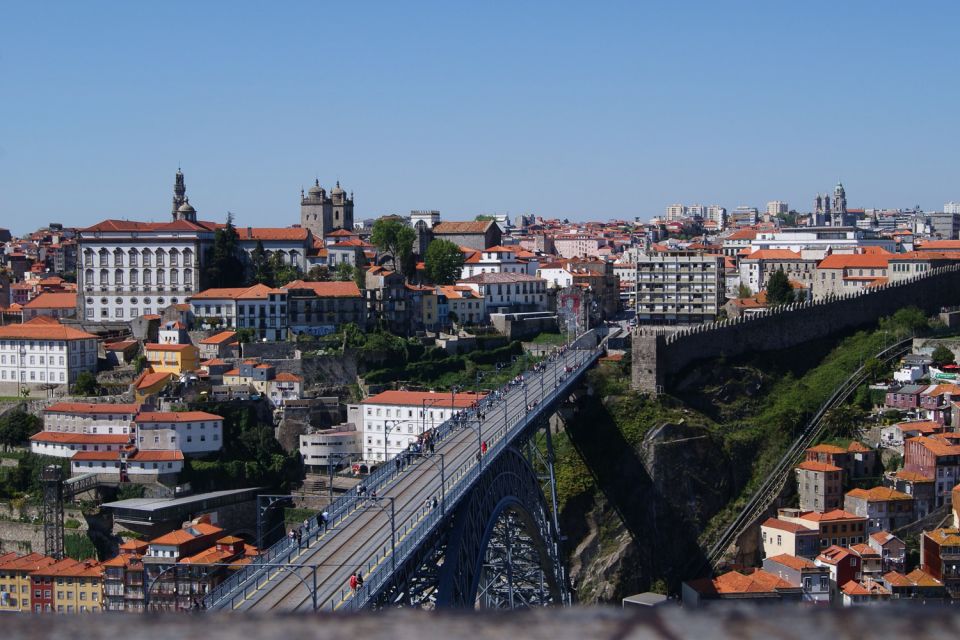
The tour kicks off at the Sé, Porto area, where you get your first “why this place exists” context. Even if you’ve only seen Porto from photos, Sé is the heart that anchors the old city. The guide-led approach helps you spot what’s important without needing a guidebook open in your hands.
What I like here is the timing. Sé is a great place to start because the surrounding streets are dense with history. You’re walking into a neighborhood that still feels like a working city, not an attraction strip.
One practical tip: bring your best walking shoes. The route stacks several cobbled and uneven-feeling sections over a few hours. Comfort matters more than style here.
São Bento Station tiles: why those blue-and-white scenes matter
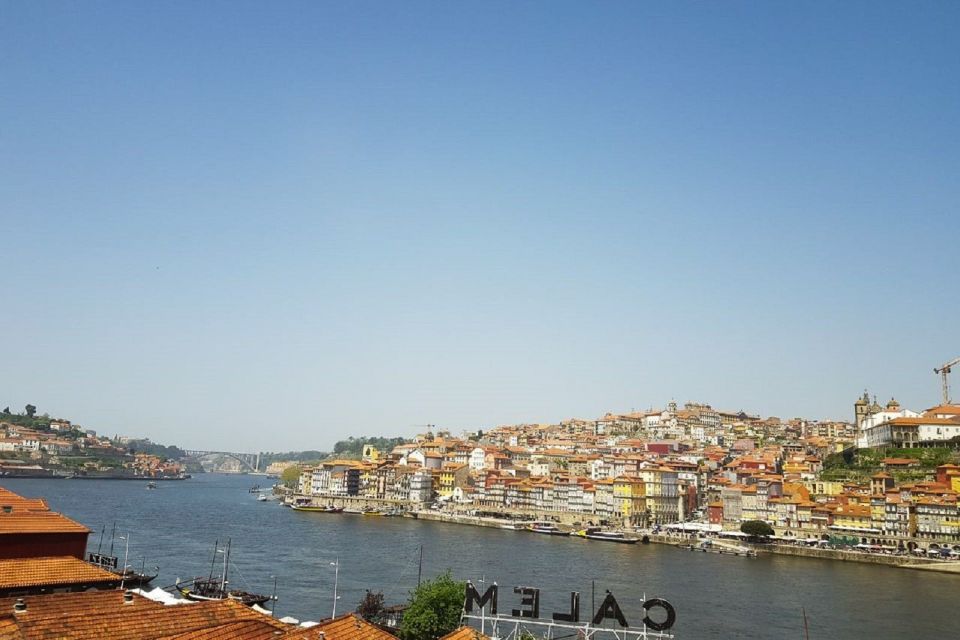
São Bento Station is one of those “everyone takes a photo” places. But photos don’t tell you what the murals are actually communicating. On this tour, the stop becomes a storytelling moment—people talk about it because the guide explains the meaning behind the tile scenes, not just the fact that they exist.
You’ll get about 20 minutes at São Bento, including guided time to look closely. That’s a sweet spot. Long enough to notice patterns and themes, short enough that you don’t feel stuck while the group moves on.
If you’re the type who likes understanding what you’re seeing, this is a big value chunk. The tiles are more than decoration; they’re part of how Porto frames identity and memory in public spaces.
Avenida dos Aliados and Clérigos: Porto’s public face, explained
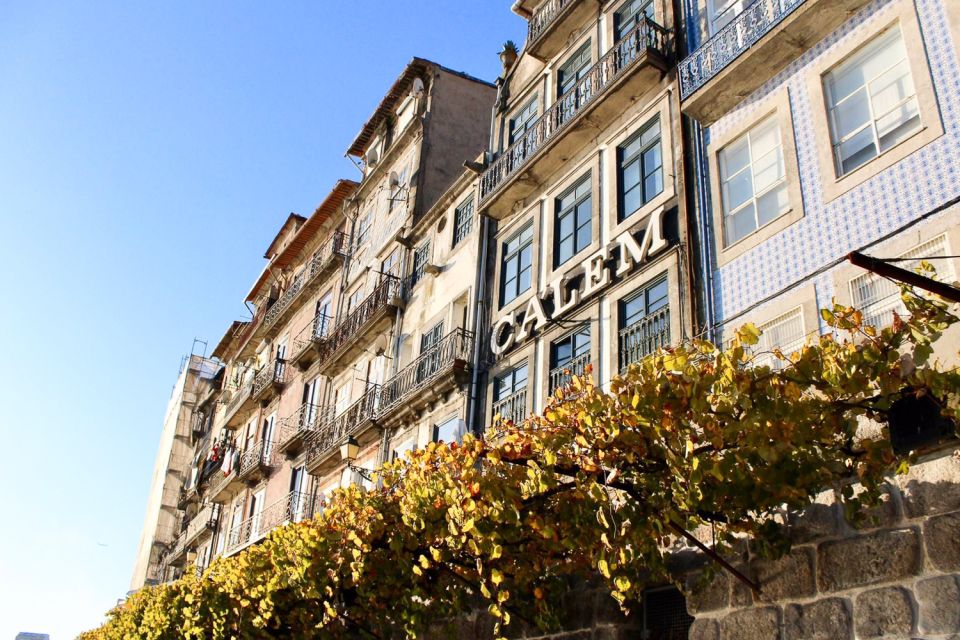
Next, you swing into Avenida dos Aliados, a central boulevard that gives Porto its “this is the city” energy. The tour includes guided time here (about 30 minutes), which helps you see more than just facades. You learn how this urban space fits into the city’s timeline and social life.
Then comes Clérigos Church (about 15 minutes guided walking/stop time). Clérigos is one of Porto’s signature landmarks, and the short stop works because the guide sets it up in context as you approach. You get the payoff without getting trapped in a longer line or waiting situation.
This pair—Aliados for the broad civic view and Clérigos for the landmark moment—is a nice contrast. It helps you understand Porto as both a city of grand statements and a city of everyday movement.
You can also read our reviews of more guided tours in Porto




Churches and market stops: what to look for besides the obvious
The tour description includes stops that go beyond the big-name hits: Carmo and Carmelitas churches and Bolhão Market are part of the mix. Even if your time inside each is limited by the tour’s pace, these stops are useful because they show the city’s religious and commercial rhythm.
Here’s how to get more out of the time you have:
- Watch for how the street layout funnels you toward the church entrances and squares.
- Look at the difference between monumental facades and the practical, lived-in edges around them.
- Use the guide’s commentary to connect the place to the broader Porto story you’re building as you walk.
This is also where you’ll feel the main trade-off of a 3-hour format. One review notes a wish for more time inside monuments and churches. I agree with the instinct: if you’re planning a serious “I want to study every chapel detail” trip, this tour may feel a little too fast. If you want the greatest hits plus context, it’s a strong match.
The Douro River’s rabelo boats: Porto’s economy in one story
Not every Porto tour remembers to explain how the city actually functioned. Here, you’ll learn about rabelo boats—wooden vessels used for centuries to transport people and goods along the Douro River.
Even if you never step onto the river during this specific tour, the rabelo lesson gives you a helpful lens. It reframes Porto as an inland trade hub, not only an architecture showcase. You start understanding why neighborhoods and wealth clustered where they did, and why the river mattered enough to shape jobs, routes, and daily life.
Think of this stop as “economic context.” It makes later choices—like where to spend time in the Ribeira area or how you read Douro viewpoints—feel more grounded.
Livraria Lello: how to make the most of your 30 minutes
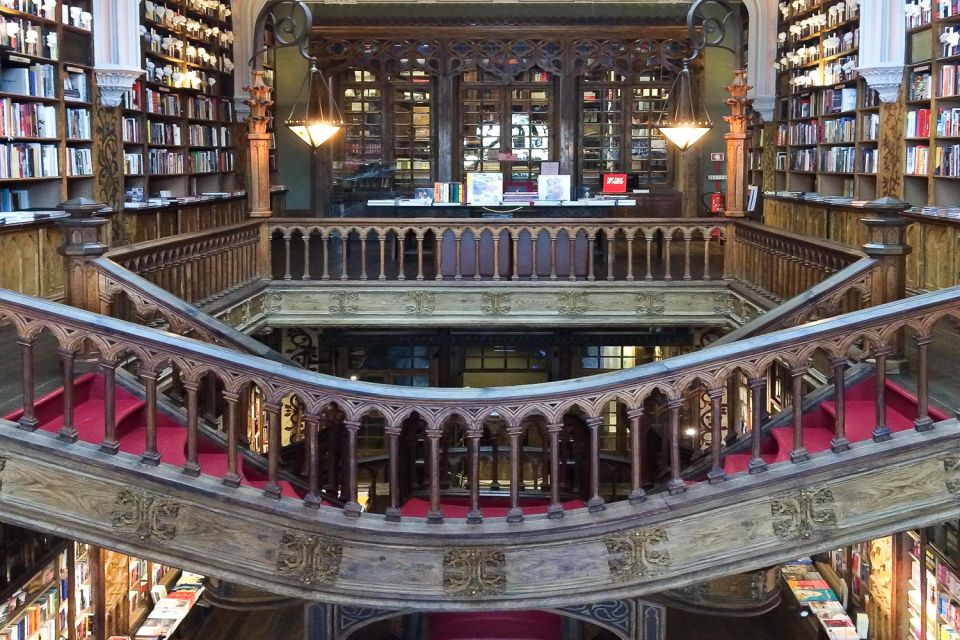
Finishing at Livraria Lello & Irmão is the big climax. The tour includes entrance fees and a skip-the-line ticket via an express security check, plus a Lello voucher. That combo matters because Lello’s demand is real, and the security/queue system can add friction if you arrive on your own.
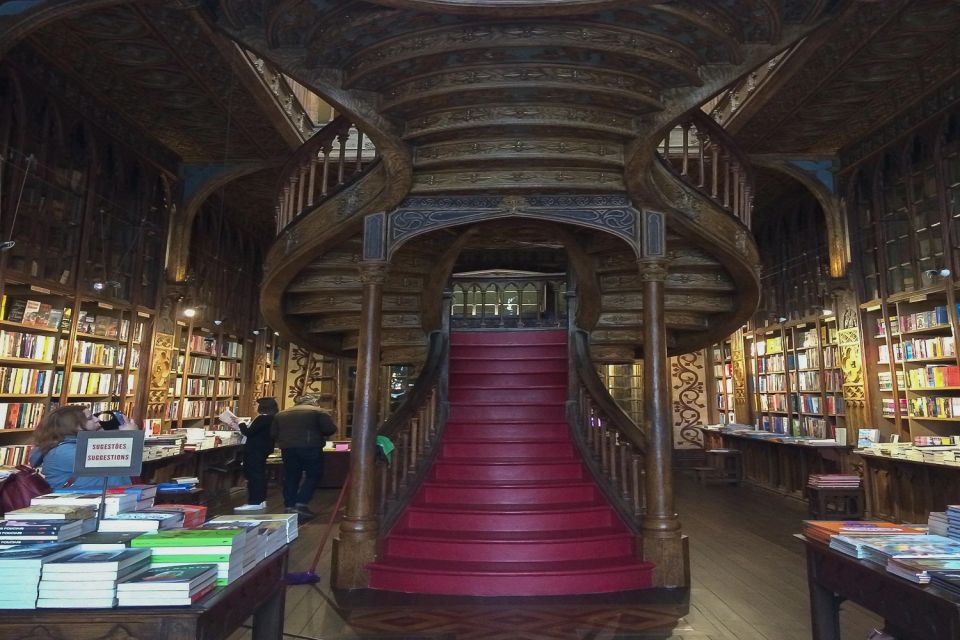
Inside, you’ll have about 30 minutes. That’s enough time to see what makes Lello famous: the interior design and the overall feel of the bookshop. Reviews repeatedly flag the interior as the reason people plan this stop at all.
Now the practical reality: Lello can be crowded, and you may have trouble getting a perfect view from every angle. One review specifically notes overcrowding making it difficult to view everything, even though the visit was still a big plus. My advice is simple:
- Go in expecting crowds.
- Focus on the main interior features first.
- Don’t try to do it like a solo museum visit.
The voucher and the timing help, but it’s still a popular place. If you want a leisurely browse for books too, treat Lello like a photo-and-first-impression stop during the tour, then return later if you truly want to spend time.
Price and value: what $70 gets you in real terms
At $70 per person for a 3-hour, small-group walk, the price feels fair when you break it down. You’re paying for more than directions. You’re paying for:
- A local guide (the storytelling is a major part of the value)
- Entrance fees included for the planned sights
- A skip-the-line approach to Lello via express security
- A Lello voucher that supports your visit
If you were to DIY this route, you’d spend time figuring out where to start, what to prioritize, and how to interpret high-value stops like São Bento tiles. That’s time you can’t buy back once you’re in the city. The guide helps you convert “seen it” into “I get it.”
Also, the reviews strongly emphasize guide personality and flow. Names that stand out for guests include Barbara, Pedro, Oscar, Daniel, Rosa, Mia, and Katarina/Caterina. That’s not random luck. Guides who can make history conversational make a short tour feel worth every step.
The main reason someone might feel it’s not worth it is if you prefer deep time inside each church and monument. With a 3-hour format, you don’t get that kind of linger-and-study schedule.
Who this Porto walking tour is best for
Book this if:
- It’s your first time in Porto and you want a clean orientation fast
- You like walking tours where the guide explains what you’re seeing (tiles, churches, key streets)
- You want reliable access to Livraria Lello without turning your day into a queue battle
- You’d rather spend time learning than researching in advance
Skip it if:
- You want long interior visits, like spending a full hour in a single church building
- You’re going to Lello mainly for a quiet, slow browse and would rather not be in a crowd at the busiest time
If you’re traveling with older family members or someone who needs a steadier pace, the small-group style can help keep things manageable. One review mentions that a pregnant traveler was accommodated with stops for food and watching a street performance—so your guide may be able to respond if the group needs a minor adjustment.
Should you book this Porto Xperience walking tour?
If your goal is to get your bearings fast and still understand Porto’s key stops, I’d book it. You’re getting a tight itinerary with real context—especially the São Bento Station tile explanations and the rabelo boat story—and the end at Livraria Lello is handled in a way that saves you real friction.
I’d think twice if you’re the type who plans to linger inside multiple churches and wants slow, detailed interior time. This tour is built for walking, learning on the move, and finishing with a well-timed Lello visit—not for deep study of every doorway and chapel detail.
FAQ
How long is the Porto guided walking tour?
The tour duration is 3 hours.
Where does the tour start?
The meeting point may vary depending on the option booked. Options listed include Porto Cathedral and Terreiro da Sé.
Is this tour a small group?
Yes, it’s a small group walking tour.
What languages are the guides available in?
The tour offers live guides in English, Spanish, Portuguese, and French.
What’s included in the price?
It includes a small-group walking tour, entrance fees, a skip-the-line ticket to Livraria Lello (via express security check), a Lello Bookshop voucher, and a local guide.
What sights will I see during the walk?
You’ll visit major Porto highlights such as the Porto Cathedral area (Sé), São Bento railway station, Aliados Avenue, Clérigos Church, Bolhão Market, Carmo and Carmelitas churches, and Livraria Lello & Irmão. You’ll also learn about rabelo boats on the Douro River.
Do I need to buy my own Livraria Lello ticket?
The tour includes entrance fees plus a skip-the-line ticket for Livraria Lello, along with a Lello voucher.
What should I bring?
Bring comfortable shoes and comfortable clothes.
What happens if the weather is bad?
Tours could be rescheduled depending on availability, and the supplier reserves the right to cancel due to bad weather. You can cancel up to 24 hours in advance for a full refund.