Porto can feel like a puzzle at first. This walk solves a lot of it fast, especially if you care about architecture and want local advice you can actually use. I also like that the pace stays relaxed, but there is one catch: expect a fair amount of walking, and it is not ideal if you have low fitness or mobility needs.
For 2.5 hours, you trade the usual checklist for a route that mixes famous sights (like São Bento Station) with quieter corners where Porto life still shows up. Meeting at the old red kiosk in the city center keeps things easy, and the small group size (max 10) means your guide can answer questions without shouting over the crowd.
In This Review
- Key things I’d bet on (before you go)
- Why a max-10 group works so well in Porto
- Getting started at Praça de Carlos Alberto and the old red kiosk
- The route logic: famous monuments first, then side streets that explain them
- São Bento Station: where the tiles do the storytelling
- Clérigos Tower and the view-minded stops that shape your photos
- Livraria Lello: famous outside, meaningful inside the story
- Sé and Porto Cathedral: how Porto’s religious architecture shapes the streets
- Fonte dos Leões and the Church of Carmo: small landmarks, big atmosphere
- Antiga Cadeia da Relação do Porto: history you can feel in the walls
- Rua das Flores and the in-between streets that make Porto feel lived-in
- University of Porto: a quick cultural stop with real context
- A local bakery pause and food-focused guidance for after the tour
- Price and value: what $29 buys in real terms
- Pace, practicality, and who this walk suits best
- Should you book this Porto Highlights & side-street walk?
- FAQ
- Where does the tour meet?
- What are the starting location options?
- How long is the walk?
- How big is the group?
- What languages are offered?
- Which specific sights are included on the route?
- Is admission to indoor sites included?
- What is the weather plan?
- What should I bring?
- Who shouldn’t take this tour?
Key things I’d bet on (before you go)
- Max 10 people: fewer bottlenecks at busy stops, more time to ask questions.
- Architecture plus street life: you see monuments and also get day-to-day context.
- Famous-to-local route: São Bento Station, Clérigos Tower, and Sé are paired with smaller side streets.
- Insider trivia that connects dots: including Porto-specific terms and practical “what to do next” guidance.
- Two-language setup: you can go with English or German, with a native German guide option.
- Stops timed for photos and transitions: like a dedicated viewpoint moment plus guided walks between areas.
Why a max-10 group works so well in Porto
Porto’s center is compact, but it gets crowded fast around the big sights. With a group limited to 10, you avoid the feeling of being herded, and you’re more likely to hear the small details your guide points out.
I like that this is built around conversation and not just pointing. Guides such as Hugo and Verena (different guide names depending on your date) are known for tailoring explanations to what you want to focus on, whether that’s the buildings, the culture behind them, or the everyday habits that locals rely on.
You can also read our reviews of more walking tours in Porto

Getting started at Praça de Carlos Alberto and the old red kiosk
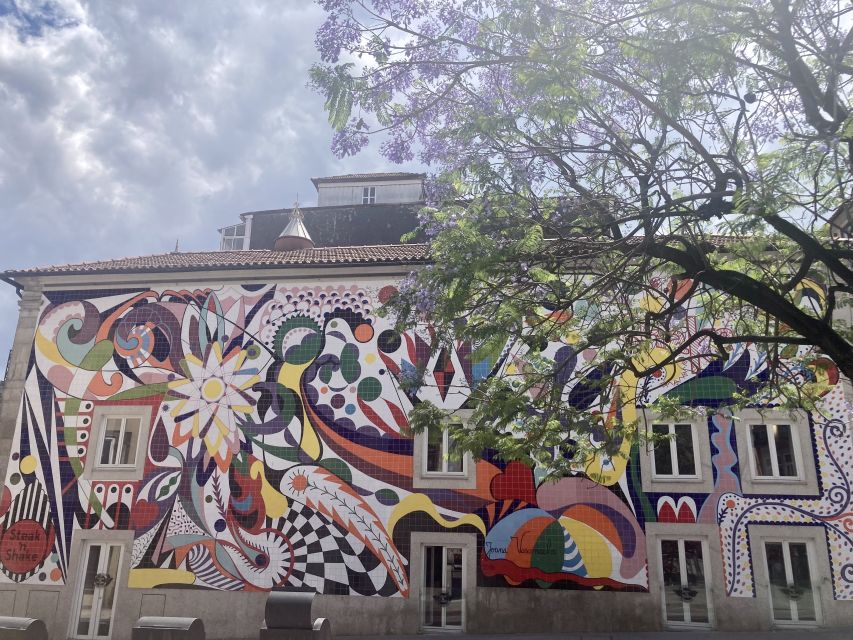
You start near the old red kiosk in the city center, with two very close meeting options in Praça de Carlos Alberto (70 or 68). If you’re trying to plan your morning, this is a big plus: you can connect it to other sights without trekking across town.
The route is designed for roughly 2.5 to 3 hours. That timing matters because it gives you enough structure to understand how Porto fits together, but it’s short enough that you won’t spend the whole day “in transit.” You’ll also be moving mainly from up to the downtown area, with a mix of lively streets and quieter lanes.
The route logic: famous monuments first, then side streets that explain them
This walk has a smart rhythm. You begin with major landmarks people recognize, then the guide nudges you off the “main drag” to show how the neighborhoods connect to history, food, and daily routines.
The tour’s structure also helps you avoid the classic problem of arrival days: seeing sights but missing what they mean. Instead of treating Porto as a photo set, you’ll get context for why these buildings matter and how the city actually feels when you’re not walking with a crowd.
São Bento Station: where the tiles do the storytelling
One of the biggest “wow” moments is São Bento Station. You’re guided through its interior, where the famous tiled panels turn into a visual lesson—Porto’s architecture and history are right in front of you, not behind a plaque.
Even if you’ve seen photos before, the key here is the guide’s pace. You’re not just looking up at the details; you’re learning how to read what you’re seeing, which makes the station feel less like a stop and more like a chapter of the city.
Clérigos Tower and the view-minded stops that shape your photos
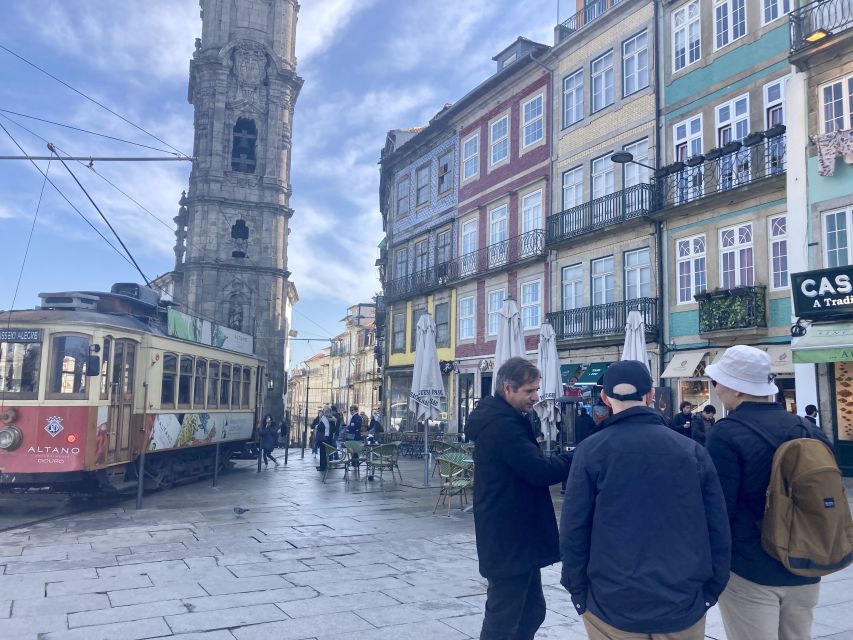
Next, the walk passes the Clérigos Tower. Since the tower is a major vertical landmark, it helps to have someone explain how it fits into Porto’s skyline and why it’s such a recognizable part of the city’s identity.
There’s also a dedicated photo moment at Rua das Aldas Viewpoint. For me, that’s one of the practical strengths of this tour: it’s not just sightseeing. It schedules a visual payoff so you can step away, frame the scene, and actually enjoy what you’re capturing.




Livraria Lello: famous outside, meaningful inside the story
The tour includes Livraria Lello & Irmão with a guided look and a pass-by element. Even if you’re only planning a quick stop, I like how the guide treats it like more than a storefront. You’ll get the background that makes the place feel connected to Porto rather than separated from it.
One caution: this is a pass-by plus guided stop experience, not a long, slow visit. If your main goal is to linger inside and take your time, you may want to plan extra time after the tour.
Sé and Porto Cathedral: how Porto’s religious architecture shapes the streets
You’ll visit Sé, Porto and also Porto Cathedral (with guided elements and pass-bys). These stops matter because they anchor the old city feel. When you’re moving through alleys and open squares, religious buildings often act like landmarks you can orient by.
What I like is how these stops connect to the rest of the route. The guide explains what you’re looking at and links it to Porto’s culture and traditions, so it doesn’t feel like you’re collecting monuments. It feels more like you’re learning the city’s map by its most important anchors.
Fonte dos Leões and the Church of Carmo: small landmarks, big atmosphere
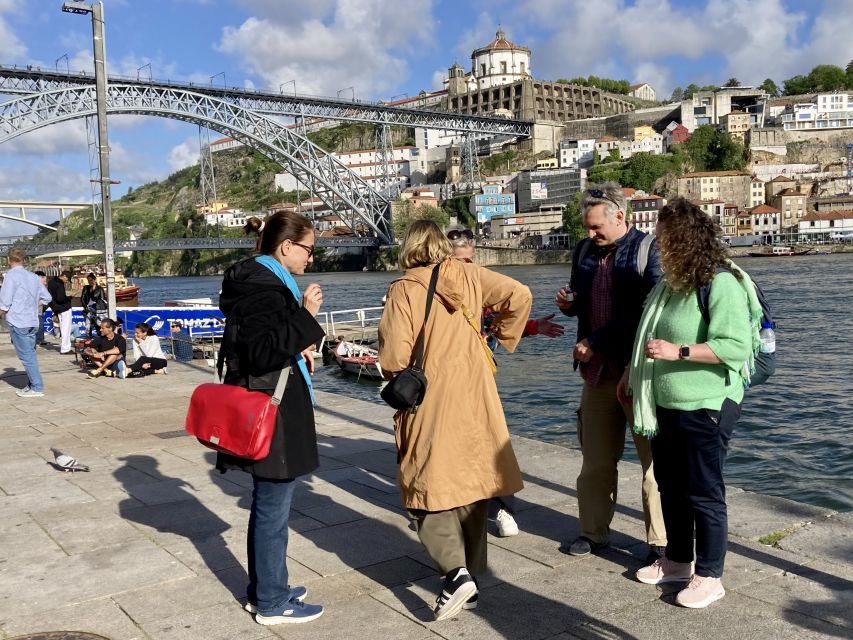
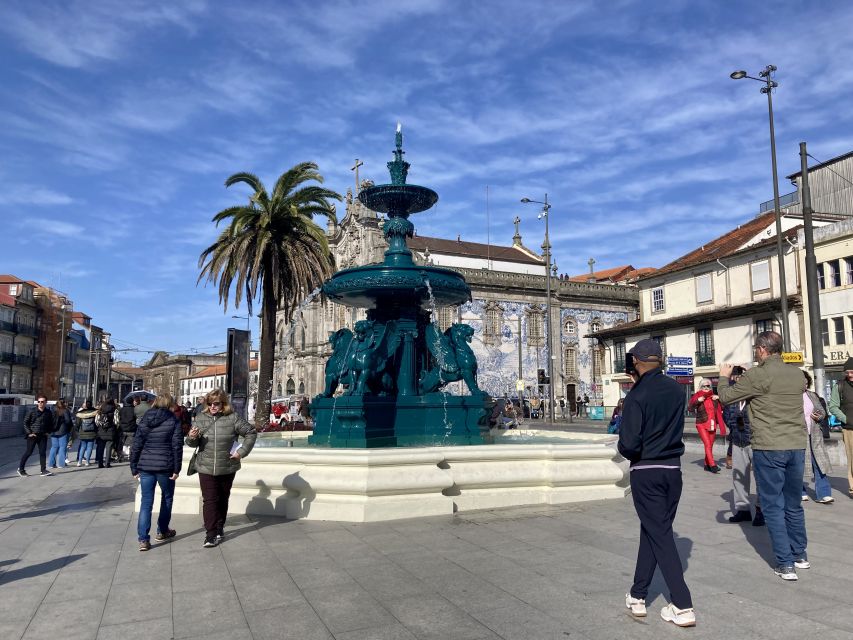
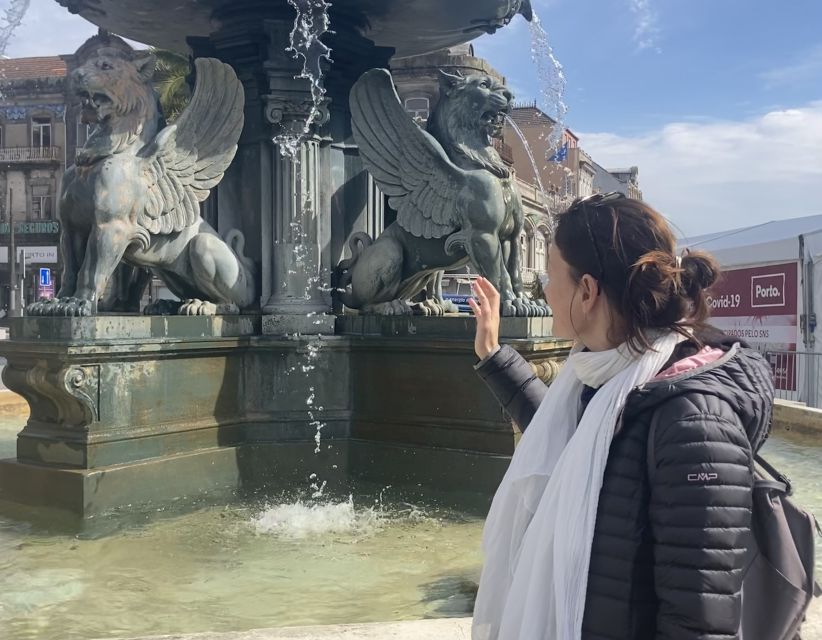
Not everything is a major headline. Fonte dos Leões gets a guided stop, and it’s a nice reminder that Porto’s character often shows up in fountains and street-level details.
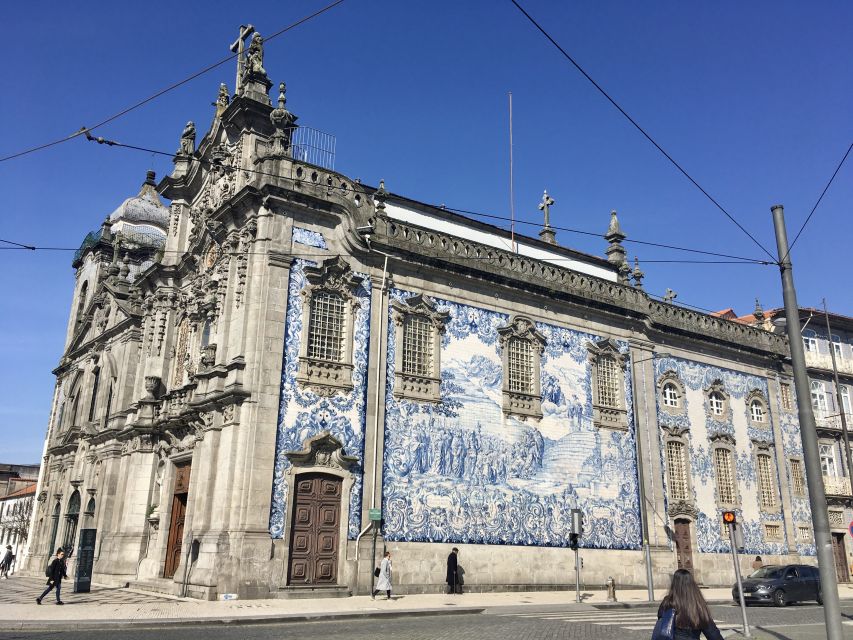
You also pass by Igreja do Carmo. Even as a pass-by stop, a church can change the mood of a block, and it’s the kind of location where the guide’s narration helps you look longer than you would on your own.
Antiga Cadeia da Relação do Porto: history you can feel in the walls
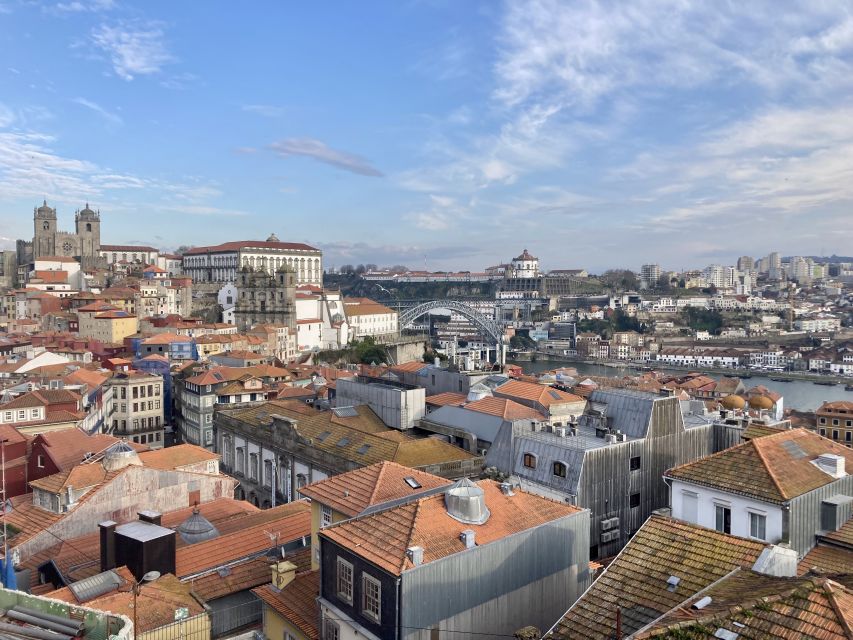
The Antiga Cadeia da Relação do Porto is included as a guided stop with a short pass-by element. Prison architecture can be heavy, so I appreciate that the tour time is managed. You get the basics without dragging it out.
This stop also works as a bridge between eras. Porto isn’t only “old buildings for photos.” It has been a working city shaped by politics, trade, and social change—and this is where that idea becomes more tangible.
Rua das Flores and the in-between streets that make Porto feel lived-in
You’ll spend time around Rua das Flores, with a guided segment. This is the kind of street where the city’s daily texture shows up quickly: storefronts, pedestrian flow, and the small rhythms that make Porto feel human.
The tour then keeps moving through short walks and transitions. That’s important because the best parts of Porto are rarely a single location. They’re the short stretches between them, where you get to turn corners, notice details, and feel the neighborhood instead of just viewing it.
University of Porto: a quick cultural stop with real context
The University of Porto appears in the route with a guided element and pass-by time. If you’re curious about how cities stay alive, it helps to see higher education in the mix, not only churches and towers.
This stop also helps balance the day. After several strong architecture hits, the university context gives the tour a more “present-day” feel.
A local bakery pause and food-focused guidance for after the tour
Early on, you’ll have time for a local bakery stop (15 minutes). The practical benefit is that it gives you something tangible to remember while the guide is still explaining the city’s rhythm.
Beyond that, you get a detailed list of restaurant recommendations and tips for what to do after the walk. This is where the tour earns its money: it saves you the guesswork of which places are actually worth your time, and it helps you steer around tourist traps.
Price and value: what $29 buys in real terms
At $29 per person for about 2.5 hours, the value comes from three things you don’t get from a self-guided map:
- A tight route that links sights to meaning, not just locations.
- Small group attention, with a max of 10 people.
- A guide who adds Porto-specific trivia and advice, including local terms and practical pointers on where to eat and where to take photos.
If you’re in Porto for a short stay, I’d treat this as an orientation tour plus a mini-history lesson. You’ll likely leave with a clearer sense of where to spend your next hours.
Pace, practicality, and who this walk suits best
This tour is walking friendly, but it is not a stroll for everyone. It isn’t suitable for people over 80, people with low fitness, or those with mobility impairments, and that matters when you’re planning around steps, uneven streets, and crowd flow.
What to bring is simple but not optional: comfortable shoes, umbrella, hat, and sunscreen. The tour runs rain or sunshine, so you’ll want to be ready to keep moving even if the weather turns.
It also tends to fit best if you:
- Like architecture and want the story behind what you’re seeing.
- Enjoy learning how locals eat, shop, and navigate the city.
- Want a route that blends famous highlights with lesser-known streets.
Should you book this Porto Highlights & side-street walk?
I’d book it if you want a smart first taste of Porto that goes past the obvious photos. The mix of São Bento Station, Clérigos Tower, Livraria Lello, and the older cathedral area gives you the classic highlights, while the off-the-beaten sections and food guidance help you understand the city as more than a list.
Skip it if you hate walking for hours, need minimal mobility demands, or you want a long, slow visit inside major sites. With the route timed tightly, you may want to pair it with extra self-paced time afterward for anything that really hooks you.
If you’re trying to make Porto make sense quickly, this is one of the most practical ways to do it.
FAQ
Where does the tour meet?
Meet at the square by the old red kiosk in Porto.
What are the starting location options?
The tour lists two options in Praça de Carlos Alberto: number 70 and number 68.
How long is the walk?
The duration is about 2.5 hours, with a range of roughly 2.5 to 3 hours.
How big is the group?
The group is limited to a small group with a maximum of 10 participants.
What languages are offered?
The live guide is available in English and German.
Which specific sights are included on the route?
The walk includes stops and pass-bys such as São Bento Station, Clérigos Tower, Livraria Lello & Irmão, Sé, Porto Cathedral, and Antiga Cadeia da Relação do Porto, plus other listed points like Fonte dos Leões and Rua das Aldas Viewpoint.
Is admission to indoor sites included?
Admission to facilities is not included (if entry is required for any stop).
What is the weather plan?
The tour takes place in rain or sunshine, in an entertaining way.
What should I bring?
Bring comfortable shoes, a hat, an umbrella, and sunscreen, plus weather-appropriate clothing.
Who shouldn’t take this tour?
It is not suitable for people over 80, people with low level of fitness, or people with mobility impairments.