REVIEW · PORTO
Poças Guided Visit and Wine Tasting of 3 Port Wines
Book on Viator →Operated by Poças · Bookable on Viator
A century-old cellar makes port feel personal. At Poças in Vila Nova de Gaia, you get a guided look at how Port ages and why the Douro Valley matters, then you finish with a three-wine tasting in a classic tasting room. The whole experience is timed at about 1 hour 30 minutes, and it runs in English with a small group size (up to 20).
I love that the visit is built around real production details, not just generic wine talk. The aging-cellar walk (with wines resting for more than 100 years) gives you context you can actually taste, especially when the guide connects it to the Douro Valley. I also like the tasting format: you try White Port, Late Bottled Vintage (LBV), and Reserve Tawny, and you learn what to pair them with.
One consideration: the tasting doesn’t come with a meal. If you want sausages and cheeses, you’ll pay extra (either €16 or €20 per person, depending on the selection).
In This Review
- Key Highlights to Know Before You Go
- Poças in Vila Nova de Gaia: why this stop makes sense
- The 90-minute rhythm: cellar tour, then three ports
- The aging cellar: learning why old barrels matter
- The tasting room: White Port, LBV, and Reserve Tawny in context
- Guides who actually teach: Inês and Cindy’s energy
- Value check: what $27.83 gets you (and what to watch)
- Who should book Poças (and who might skip)
- Should you book Poças? My quick call
- FAQ
- What is the duration of the Poças Guided Visit and Wine Tasting?
- What port wines are included in the tasting?
- Is cheese or sausage included with the tasting?
- Is the tour offered in English?
- Where do I meet for the tour?
- How far in advance should I book?
- How large is the group?
- Is free cancellation available?
Key Highlights to Know Before You Go
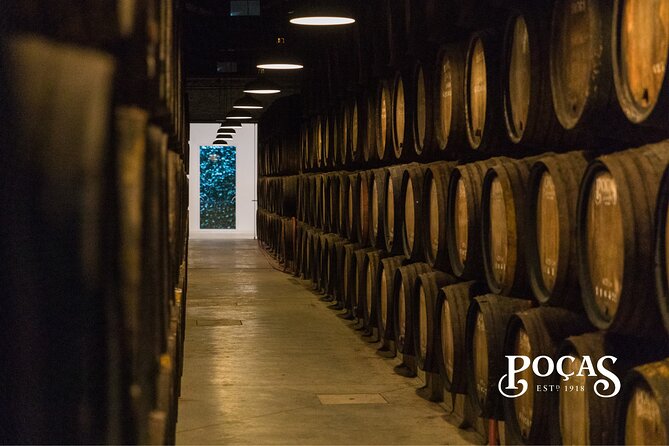
- Century-old aging cellar: see how time shapes Port flavor, not just the bottle label.
- Food-pairing guidance: you’ll learn what works with each style you taste.
- Three classic pours: White Port (chilled), LBV, and Reserve Tawny, all included.
- Small group feel: a max of 20 keeps the experience conversational.
- Guides with serious energy: Inês and Cindy are specifically praised for passion and clear explanations.
- Easy start by public transport: the meeting point in Vila Nova de Gaia is close to station and metro options.
Poças in Vila Nova de Gaia: why this stop makes sense
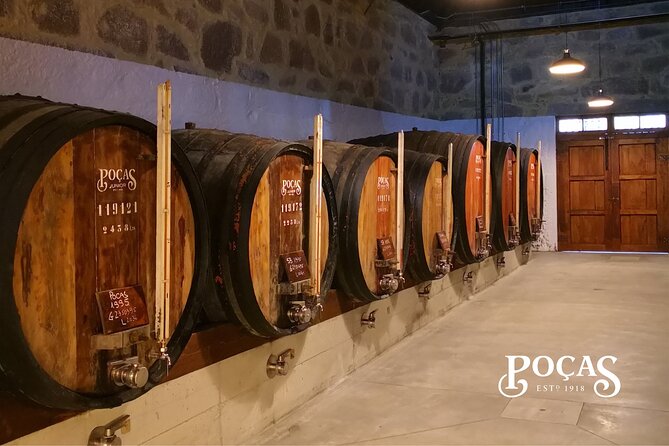
Porto gets all the headlines, but Vila Nova de Gaia is where a lot of the cellar magic happens. Poças is based in Gaia (near the water-adjacent side of the city), and the meeting point is at R. Visc. das Devesas 168, 4400 Vila Nova de Gaia. The big win for you is that you’re not trying to find a remote countryside winery. You’re using the city like a shortcut.
I like that the experience is built for people who don’t want to lose a half day to logistics. The tour is near public transportation, and it’s commonly reached via train or metro with a short walk from the station area. That matters because port-tasting days already involve walking around cellars and standing during explanations.
Do expect some uphill walking if you decide to come on foot from the riverfront. One guest described a long, steep climb, and it’s easy to see why. If you want the smoothest day, plan to arrive by the nearby transit stops and walk only the last stretch.
Finally, Poças is a smaller, family-run producer compared with the biggest brand names. Reviews repeatedly call out the family identity and the sense that you’re visiting a working Portuguese operation, not a stop built for mass tourism.
You can also read our reviews of more food & drink experiences in Porto



The 90-minute rhythm: cellar tour, then three ports
This is a tight, well-structured visit: about 1 hour 30 minutes, with the main flow split into two parts.
First comes the guided visit of the aging cellar. You’ll get an explanation of what makes Port wine different and how the process connects back to the Douro Valley. Then you move to the tasting room for a guided, harmonized tasting of three styles. This isn’t random sipping. The guide walks you through how each style behaves and what to think about while you taste.
The three included pours are:
- White Port, served chilled
- Late Bottled Vintage (LBV) Port
- Reserve Tawny Port
You’ll also get practical advice on pairing. That’s a useful angle because Port is often treated like a dessert wine, but it can play well with food in different ways depending on the style.
You’ll have time to ask questions, and the group size helps with that. People who want a quick run-through with no conversation tend to love the short format. People who actually want to understand what they’re drinking also tend to leave happier because the guide doesn’t rush the tasting.
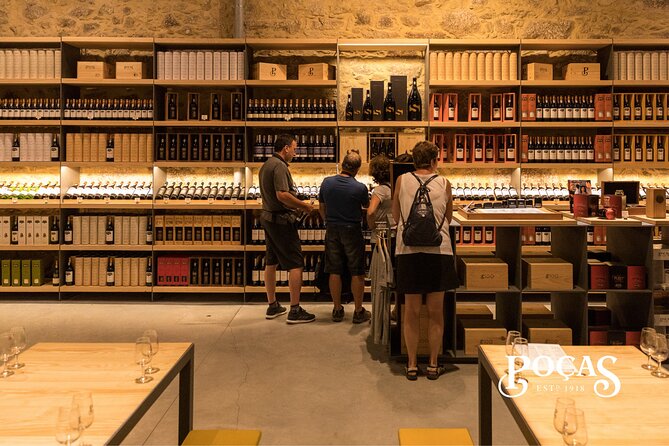
There’s also a shop on-site. If you want bottles beyond the three included tastings, you’ll have the chance to buy them after you taste.
The aging cellar: learning why old barrels matter
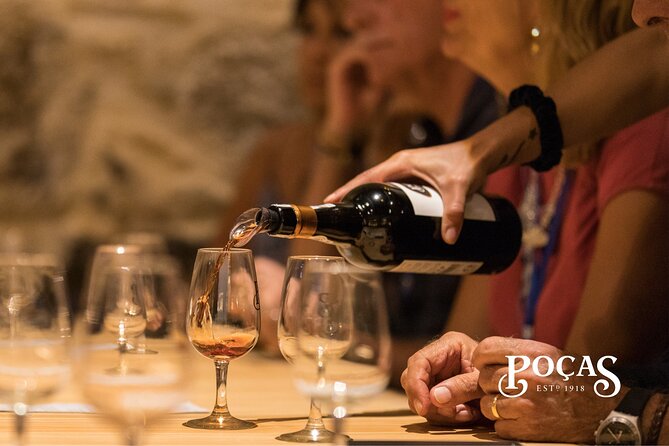
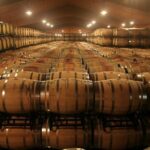
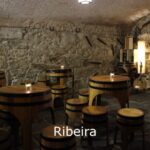
The most memorable part for me is the aging-cellar context. You’re told you’re walking among wines that have been aging for more than 100 years, and that kind of detail changes how you taste. You stop thinking of Port as a sweet drink from a bottle shelf and start hearing it as something shaped by time, oxygen, wood, and the producer’s choices.
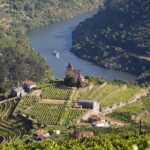
Aging cellar tours are often a blur of barrels and labels. Here, the guide connects the dots. You learn what makes Port special, and you hear how it ties back to the Douro Valley, where the grapes and the seasonal rhythms shape the raw material. That’s the kind of framing that actually makes the tasting make sense.
One more real-world note: cellars can include working areas. In at least some situations, you might be asked to wear protective clothing and hair covers in certain cellar zones tied to bottling hygiene rules. It’s not something you should expect to be the star of the tour, but it’s good to know that safety and cleanliness requirements can come into the experience.
Also, wear comfortable footwear. You’ll stand during explanations and walk between spaces. If you’re sensitive to steep hills, use public transport rather than treating the riverfront as a leisurely walk.
The tasting room: White Port, LBV, and Reserve Tawny in context
The tasting is the payoff. Three Port styles might sound simple, but it’s a smart way to get variety without turning your afternoon into a marathon.
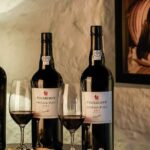
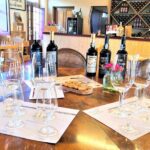
White Port is served chilled, which is a clue that this style can work like an aperitif, not just an after-dinner pour. The guide’s food-pairing tips help you understand how to think about freshness and balance when you taste.
Then comes LBV (Late Bottled Vintage). LBV sits in a useful middle ground for many people: it often feels more accessible than top-tier vintage bottles while still expressing a “vintage” character. During the tasting, the guide explains what to notice and how the style differs from the others you’re sampling.
Finally, Reserve Tawny brings the aging approach into sharper focus. Tawny styles are where you really notice how time and barrel influence show up in the glass. The guide’s comparisons across the three styles make it easier to build your own mental map of Port.
One practical thing you should know: this tasting is meant to educate your palate, not to function as a full meal. You may get small palate-cleansing bites between pours, but if you want a proper snack, you’ll need the paid add-ons. The extra options are sausages and cheeses (€16 per person) or cheeses and sausages (€20 per person). Decide before you arrive so you aren’t stuck guessing once the tasting starts.
Guides who actually teach: Inês and Cindy’s energy
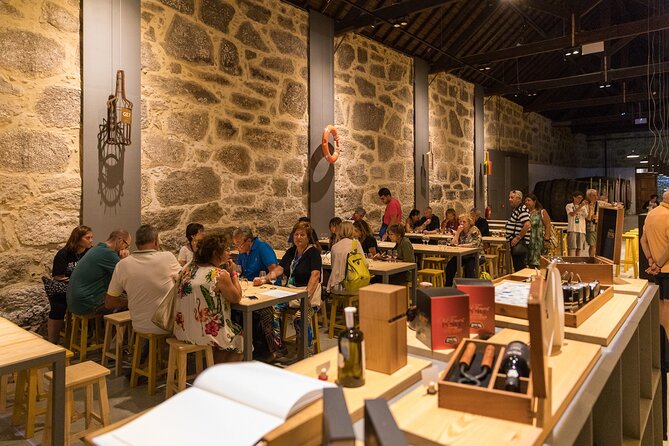
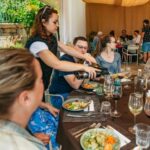
The strongest pattern in the feedback is not the wine itself, but the way it’s taught. Guides like Inês and Cindy are highlighted for enthusiasm, clear explanations, and being willing to answer questions without making it feel like you’re slowing things down.
That matters because Port can feel confusing at first. People see Ruby, Tawny, LBV, Vintage, and think it’s all the same category with different labels. A good guide turns that into a story you can follow: where each style fits, how aging changes flavor, and why food pairings aren’t random.
The experience also stays personal because the group is capped at 20. Smaller groups usually mean you get more time with the guide and less time waiting for someone else’s questions to end.
If you’re the type who likes to learn by asking, this is a format that supports it. If you’re the type who prefers silent sipping, it still works, but you’ll likely enjoy it more if you lean into the Q&A.
You can also read our reviews of more guided tours in Porto






Value check: what $27.83 gets you (and what to watch)
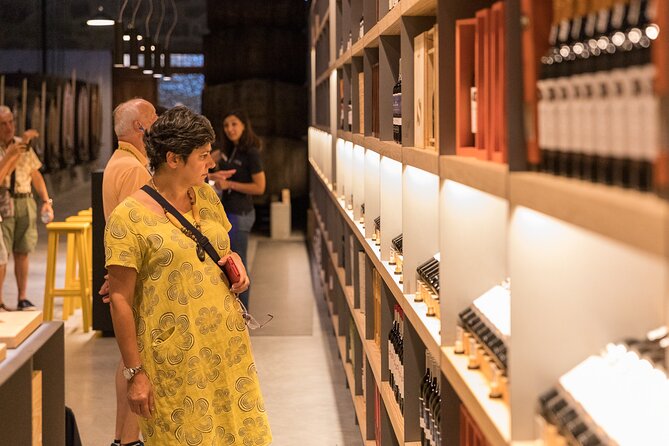
At about $27.83 per person for roughly 1 hour 30 minutes, this tour looks like good value if your goal is to leave with a real introduction to Port. Here’s why: the price includes the guided cellar visit and the three included tastings (White Port, LBV, Reserve Tawny). You’re not paying extra just to enter the property and sample basic selections.
It also helps that the group is small. You’re paying for more than walking through a room. You’re paying for a guide-led explanation of Port’s production and aging and then a tasting that’s guided with pairing advice.
What to watch is the possibility of different ticket levels. One visitor ran into a mismatch between what they expected and what was included, because another group had more tasting opportunities under a different ticket option. So before you buy, read the tasting level details carefully so you know exactly which wines are included in your specific booking.
Finally, factor in the add-ons if you think you’ll want food. Cheese and sausage selections cost extra, so your all-in budget might be more than the base price. If you like building a full tasting board, consider adding it. If you’d rather keep costs down, you can treat the tasting as the main event and skip the paid plates.
Who should book Poças (and who might skip)
Book this tour if:
- You want a Port-focused introduction in a short time window.
- You like learning how wine style connects to production and aging.
- You care about pairing Port with food, not just drinking it.
- You prefer a small group and time to ask questions.
You might consider skipping if:
- You only want a huge, high-production show and don’t care about cellar details.
- You’re expecting a full snack or meal to be included with the tasting.
- You dislike any walking uphill. If you’re coming from the riverfront area, use transit and plan your route.
If you’re staying in Porto and want a meaningful change of pace without a long car ride, this is one of those sensible “cross the river and learn something” outings. It’s also a good choice if you’ve been to other Port houses and want a different, more intimate vibe.
Should you book Poças? My quick call
Yes, I’d book it if you want a focused Port education that ends with a guided tasting of three styles and pairing tips. The price-to-content ratio is solid because you’re paying for both access and instruction, not just a glass pour.
Before you go, do two things:
1) Confirm you’re choosing the correct tasting option so you know what’s included.
2) Wear comfortable shoes and plan transit so you’re not spending your energy climbing instead of tasting.
If you match those two points, Poças is the kind of stop that makes Port feel understandable, not mysterious.
FAQ
What is the duration of the Poças Guided Visit and Wine Tasting?
The experience lasts about 1 hour 30 minutes.
What port wines are included in the tasting?
The included tastings are White Port, Late Bottled Vintage (LBV) Port, and Reserve Tawny Port.
Is cheese or sausage included with the tasting?
No. Sausages or cheeses are offered as paid add-ons: €16 per person for a selection of sausages or cheeses, and €20 per person for a selection of cheeses and sausages.
Is the tour offered in English?
Yes, it is offered in English.
Where do I meet for the tour?
The meeting point is R. Visc. das Devesas 168, 4400 Vila Nova de Gaia, Portugal.
How far in advance should I book?
On average, this is booked about 9 days in advance.
How large is the group?
The group size is capped at a maximum of 20 travelers.
Is free cancellation available?
Yes. You can cancel for a full refund if you cancel up to 24 hours in advance of the experience start time.